 English
 中文简体
中文简体
Pre Cut Baking Paper Sheets are made from wood pulp and coated on both sides with a food-safe silicone layer. This coating gives the paper a smooth, greaseproof, and moisture-resistant surface that su...
See DetailsWhy Use Baking Paper for Non-Stick Baking?
Baking paper, including varieties from China Baking Paper manufacturers, remains a steady presence in kitchens where ovens see regular use. Its primary value appears in the consistent manner that allows baked or roasted items to separate from trays, pans, or tins once cooking finishes. This article examines the factors that create such reliable detachment, how the material responds to heat along with various food elements, and the practical influence it exerts on preparation steps, cooking processes, and cleanup routines.
Building the Material: Fibers and Surface Treatment
The base of baking paper starts with cellulose fibers sourced from plant origins. These fibers pass through several processing stages that transform their natural tendency to absorb liquids into a structure capable of withstanding oven temperatures. A thin coating applies evenly to both sides, establishing a barrier that changes how the sheet interacts with moisture, oils, and any residues formed during heating.
The arrangement of fibers supplies enough strength to let the paper bend and fit into different pan contours without tearing under typical use. When this fiber framework combines with the uniform coating, heat travels through in a controlled way while reducing the opportunity for food to bond permanently. Treating both surfaces equally ensures the sheet performs reliably no matter which side faces up.
Manufacturing steps refine the fiber interlocking to preserve flexibility alongside durability. The approach balances resistance to absorption with the ability to support weight from batters, doughs, or denser mixtures. Drawing on cellulose's natural qualities, the production adapts them through precise methods suited to repeated thermal exposure. Sheets emerge that fit smoothly into daily kitchen patterns, combining resilience with enough give to accommodate various vessel shapes.
| Aspect | Key Purpose | Main Benefit |
|---|---|---|
| Fiber interlocking refinement | Preserve flexibility and durability | Sheets bend without tearing |
| Balance in production approach | Resist absorption while supporting weight | Handles batters, doughs, dense mixtures |
| Adaptation of cellulose qualities | Suit repeated high-heat exposure | Maintains performance in oven use |
| Resulting sheet characteristics | Fit daily kitchen use and vessel shapes | Resilient yet flexible for various pans |
The coating layer uses food-safe compounds applied in a controlled fashion to prevent irregularities. Uniformity across the surface helps deliver even behavior throughout a single sheet. This attention to detail supports dependable outcomes in home settings and smaller-scale professional environments.
Understanding the Non-Stick Mechanism
The ability to resist adhesion comes mainly from an intentional lowering of surface energy on the exterior. Without this modification, the paper would draw in moisture and melted fats, permitting them to penetrate and harden upon cooling. The applied treatment shifts this energy threshold, causing liquids to bead or maintain shape rather than spread and soak inward. Fats and oils released during heating stay on top or spread thinly instead of sinking into the fiber network.
Compounds responsible for browning, including sugars, behave in a parallel fashion. They develop color and flavor primarily on the food's surface without embedding deeply into the paper. This modified surface energy holds steady across temperature ranges found in domestic ovens, handling everything from slow baking to higher-heat roasting.
At a finer scale, coating molecules establish a low-friction boundary. This boundary discourages molecular bonding between food and paper fibers, even as heat causes ingredients to change state. Physical and chemical elements combine to restrict contact duration and intensity.
Users observe that this setup promotes uniform heat distribution, avoiding localized areas where attachment might increase. Steady conduction through the sheet contributes to balanced cooking, making it suitable for preparations that benefit from even results across batches.
Handling Fat-Rich Mixtures
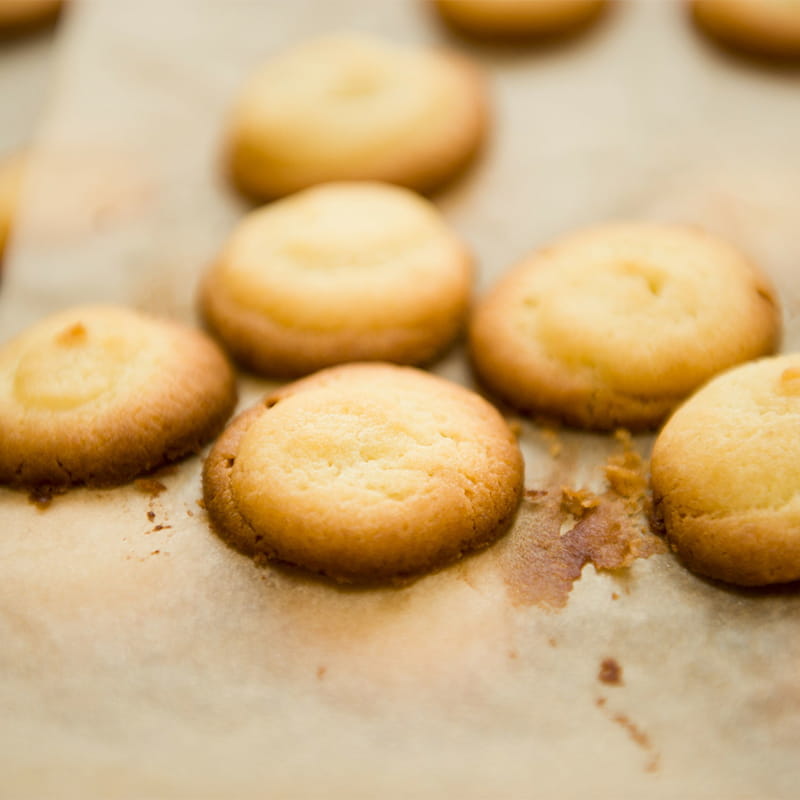
Doughs and batters with substantial butter, oil, or similar fats become fluid under heat, expanding their contact with surfaces. On treated baking paper, these liquefied components remain mostly above the coating. Cooling causes contraction and separation with little resistance, yielding clean edges and uniform bottoms. Items such as shortbread, biscuits, or butter-based cookies brown evenly with minimal residue left on the sheet.
Batters incorporating additional fat sources—ground nuts, chocolate bits, cream cheese—follow the same pattern. The surface restricts deep penetration of excess lipids, enabling smooth release after cooling. This detachment preserves shape and appearance in recipes where fat contributes significantly to texture and structure.
The paper accommodates expansion during baking and contraction afterward without disrupting surface development. Fat-heavy mixtures achieve their intended spread or rise, while the base avoids embedded particles that complicate removal. Such behavior supports preparations where visual appeal matters, including shaped or layered goods.
Moisture within the food stays balanced because surplus fats do not absorb into the paper. They remain available to enhance tenderness, flakiness, or crisp edges according to the recipe. This predictability aids cooks adjusting ingredients or working with varying fat qualities.
Dealing with Sugary and Sticky Preparations
Mixtures containing honey, syrups, brown sugar, or fresh fruit pose adhesion risks as sugars reduce and solidify during baking. Direct pan contact can create a fused layer difficult to detach. Baking paper keeps these elements primarily on its coated exterior. After cooling, the item lifts away largely intact, with only small traces remaining.
Pastries filled with fruit, glazed surfaces, or nut-caramel bars illustrate this clearly. Sugars reach desired browning and flavor stages without forming permanent bonds. Minor overflows solidify into contained, removable pools rather than scorching the tray.
The coating creates a superficial interaction zone for sugars. Caramelization proceeds on the food side, leaving the paper mostly unaffected. This separation maintains intended presentation and keeps pans in reusable condition.
Fruit-based fillings benefit from contained juices that might otherwise spread and burn. The process becomes cleaner, reducing post-baking scraping or soaking. Preparations focused on appearance gain neat edges and complete transfer to plates.
Performance in Vegetable Roasting
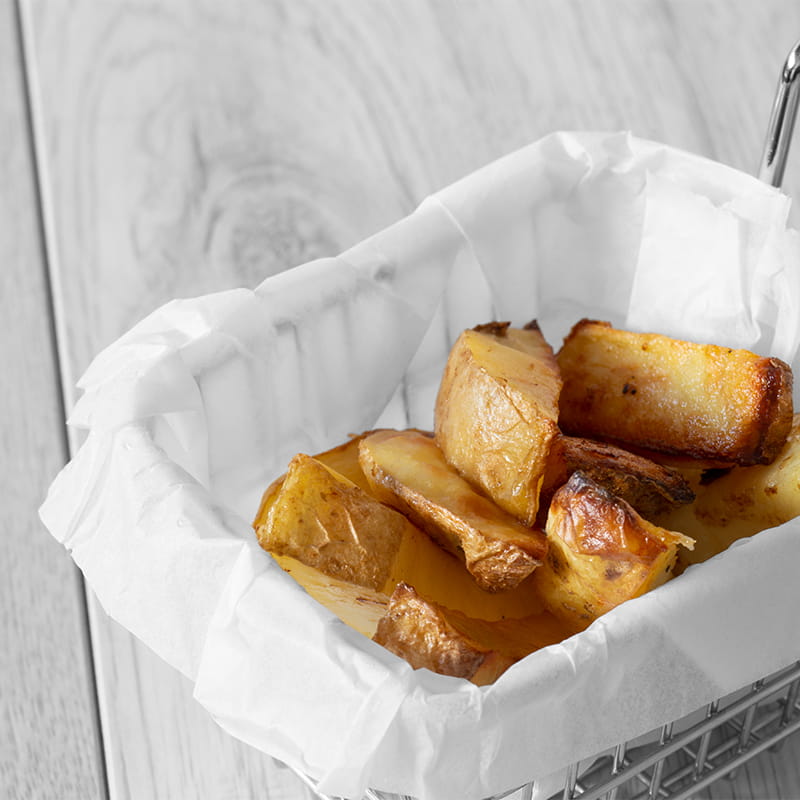
Roasting draws natural sugars to vegetable and root surfaces, producing browning that adheres readily to uncoated metal. Baking paper acts as an intermediate layer, allowing caramelization while blocking direct fusion. Pieces separate cleanly post-cooling, preserving shape and leaving trays nearly clean.
Heat conducts evenly, supporting consistent color development across pieces. Airflow around food continues freely, aiding uniform texture without localized over-drying or charring. This suits mixed trays or larger quantities for family or group meals.
The paper helps balance internal tenderness with external crispness. Limiting contact lowers breakage risk during removal, as sugars avoid strong metal bonds. Roasted items lift intact, ready for final seasoning or assembly.
Uniformity across trays ensures edge and center pieces experience comparable conditions. This consistency simplifies doneness checks and plating, smoothing kitchen timing during meal service.
Supporting Cakes and Quick Breads
Cake batters frequently cling to tin bases, causing tears or uneven tops during unmolding. A fitted piece of baking paper on the bottom prevents this. After cooling, slight contraction allows the cake to release whole upon inversion. Sides may need light greasing in certain cases, but the base stays protected.
Quick breads and denser loaves gain similar advantages from bottom lining, sometimes extended up sides. The paper functions as a removal aid, preserving crust integrity and crumb texture during cooling contraction.
Layered or delicate-crumb cakes avoid sticking-related damage, improving appearance and slicing ease. The barrier permits proper rise and structure development free from pan interference. Confidence increases during unmolding with assured base release.
Denser items cool more evenly thanks to consistent heat transfer, avoiding rapid spot cooling that affects texture. This uniformity enhances eating quality from edge to center.
Working with Delicate and Aerated Mixtures
Delicate mixtures like meringues, pavlovas, and certain soufflé bases depend on a surface that lets go without pulling or distorting their fragile forms. If anything sticks during cooling, the crisp outer layer can develop cracks, or the airy interior may lose its height. Baking paper creates a smooth release after the items have cooled completely, so the entire piece comes away in one piece without damage.
Thin, crisp cookies and wafer-thin treats gain the same advantage. The coated surface allows slow, even drying and gentle color development while ensuring the edges stay sharp and unbroken when lifted. This clean lift keeps intricate shapes and fine textures looking polished right through to the plate.
| Mixture Type | Key Challenge if Sticking Occurs | Benefit from Baking Paper | Specific Outcome |
|---|---|---|---|
| Meringues, pavlovas, soufflé bases | Cracks in crisp shell or loss of airy height | Smooth, complete release after full cooling | Entire piece lifts intact without distortion |
| Thin crisp cookies, wafer-thin treats | Broken edges or damaged fine details | Even drying, gentle browning, sharp edge preservation | Clean lift maintains intricate shapes and polished texture |
The low-resistance interface avoids creating stress points in lightweight items, meaning they hold together fully during removal. The flat, even bottom improves how they look when arranged for serving. When baking several trays at once, the uniform performance from sheet to sheet makes the process more straightforward.
Air bubbles incorporated during whipping stay protected because the paper does not draw in humidity. This helps preserve the characteristic snap and lightness from the moment they leave the oven until they reach the table, which is especially helpful for recipes built around an ethereal texture.
En Papillote and Packet Cooking
Shaping packets from baking paper traps food in its own steam and natural liquids, allowing flavors to build while keeping everything moist. Slices of fish, cut vegetables, pieces of chicken, or bundles with fresh herbs slide out easily when the packet is opened. The surface treatment stops anything from bonding to the inside, so transferring to plates happens without tearing or residue.
Making separate packets means each one can have its own blend of seasonings, and items that need different cooking times can share the same oven run. Steam and scents remain sealed inside, so the baking sheet stays cleaner, and the finished dish arrives looking tidy.
This gentle approach keeps proteins tender and vegetables vibrant without relying on extra liquids or fats. When the packet opens, the contents show concentrated taste developed naturally. Portioning becomes simple, and serving requires little extra handling.
The paper withstands the oven heat without breaking down, acting as a practical, enclosed cooking space that supports both the method and the final presentation.
Streamlining Preparation Tasks
Pressing the paper firmly onto the tray eliminates any trapped air, helping heat reach the food evenly from the start. Cutting pieces to match common pan sizes ahead of time avoids hurried trimming later. Placing dough between two sheets stops it from clinging to the work surface or rolling pin, making it easier to roll out, fold, or move pieces around.
When dropping cookie dough, piping batters, or placing cut scones, the reliable non-stick quality means items stay separate and hold their form without spreading into each other or attaching below. This leads to even spacing and consistent shapes across the tray.
Overall workflow improves because there is less need to grease surfaces repeatedly, and concerns about sticking fade into the background. Cooks can concentrate on arranging ingredients thoughtfully or balancing flavors. The approach works well for handling larger batches or recipes with several steps.
In kitchens where people work together, the consistent way the paper behaves helps everyone stay on the same page without needing special explanations.
Simplifying Cleanup
After baking, the used sheet gathers stray bits, drippings, and any hardened fats into one place for easy wrapping and disposal. Folding it over contains everything, so the tray often needs only a fast rinse instead of heavy scrubbing. Sections with very little residue can sometimes handle another light task before going out.
Keeping rolls in a dry spot makes them unroll smoothly without deep creases forming. Having organized scraps ready means useful pieces stay handy for quick lining or covering jobs.
This containment helps keep odors and marks from spreading around the kitchen during disposal. Less aggressive cleaning preserves baking tools over repeated cycles. Developing a habit of reusing clean portions where practical extends the material's usefulness and keeps waste in check.
Pairing with Lower-Fat Recipes
Recipes that cut back on added fats pair well with the paper's separation traits. A quick brush of oil—or often none at all—works because the surface already prevents attachment. This setup supports cooking styles that lean lighter while still producing attractive browning and texture on the outside.
Heat spreads evenly without interruptions from fixed spots, which helps maintain even moisture throughout. The bottom reaches a pleasing crispness in standard time, avoiding the need to leave items in longer and risk drying the center.
The release remains dependable even when fat levels drop or ingredients swap in. This consistency makes it easier to test variations or lighter adaptations without worrying about handling difficulties or appearance issues.
The combination encourages gradual recipe tweaks that keep results enjoyable and visually appealing.
Adapting to Seasonal Produce
Fresh spring greens and young roots roast with even color and lift away without residue. Summer stone fruits release their juices in controlled bursts that cool and separate cleanly. Autumn squashes and root vegetables develop rich caramelization yet come off the tray residue-free. In winter, slower-cooked proteins and hearty vegetables hold onto their moisture inside folded packets.
The paper adjusts to whatever produce comes into season, maintaining its barrier role through changing textures and moisture levels. This steady performance reduces the need to change techniques much from one part of the year to another.
Whether dealing with tender early vegetables, bursting fruits, firm roots, or substantial cuts, the material keeps separation reliable. Cooks can emphasize the qualities of ingredients at their freshest without extra complications during roasting or baking.
Planning meals becomes more flexible, as the paper helps showcase natural flavors and appearances across the calendar.
Everyday and Supplementary Uses
Small cut pieces keep layers of dough or pastry from touching during refrigeration. Narrow strips placed in loaf pans act as handles for lifting out heavy breads after baking. Leftover clean areas cover bowls of rising dough, line boxes for carrying baked goods, or serve as wraps for packed lunches.
These practical roles expand the paper's place beyond oven work, weaving it into ordinary kitchen duties.
Sheets placed between stacked items in the refrigerator prevent contact and sticking. Lining storage containers with pieces keeps baked items fresh without them adhering to sides. The adaptable nature suits individual ways of organizing and handling food.
Over time, these additional applications turn into regular habits that bring small conveniences and make daily routines flow more easily.
Consistency Across Batch Sizes
Whether filling a full tray with rows of cookies, vegetables, or layered bakes, the coating treats the entire area the same way. This even application means behavior stays similar from one edge to the other, delivering expected release no matter how much is on the sheet. Small single servings behave just as predictably as bigger arrangements.
The material scales naturally to fit everyday quick tasks or times when larger amounts are needed. Its qualities do not shift with quantity, offering dependable planning for different situations.
Knowing the release will happen the same way every time helps coordinate timing when several items share the oven, making use of space more efficient and service smoother.
Comparing Surface Alternatives
Plain metal pans frequently call for added fat to prevent sticking, and sugary mixtures can still bond in places. Reusable silicone mats last longer but require careful cleaning and storage to keep their non-stick surface effective. Baking paper brings together the ease of one-time use with reliable separation and minimal follow-up cleaning.
Different surfaces fit different needs and preferences. The treated paper stands out in cases where effortless release and simple aftermath take priority.
Its disposable nature eliminates worries about gradual wear or loss of performance, providing fresh results with every piece. It occupies a useful spot in kitchens that place value on straightforward handling combined with solid outcomes.
Encouraging Culinary Exploration
When detachment happens reliably, trying unfamiliar recipes, swapping ingredients, or shaping things differently feels less risky. Adjustments to timing or method become simpler to test because adhesion remains a minor factor. Focus naturally turns toward layering flavors, playing with textures, and arranging the final dish instead of dealing with stuck portions.
Reducing that one uncertainty opens the door to broader experimentation in the kitchen. Each successful release adds to a sense of assurance across various approaches.
Over repeated sessions, attention sharpens on details like doneness cues, placement, and finishing touches. Effort moves away from fixing problems toward improving the overall result.
Embedding in Long-Term Kitchen Habits
People who use baking paper regularly build small routines that improve flow: keeping stacks of pre-cut pieces for standard pans, setting aside good remnants for other jobs, and storing rolls where they stay flat. Across weeks, months, or longer, these habits blend into steadier daily patterns and higher satisfaction with oven-based cooking.
Tracking supply levels turns the paper into a regular part of shopping lists. It settles into the background of meal planning, helping maintain even results with little ongoing thought.
Keeping loose notes on what works well in different seasons sharpens personal techniques. Gradually, the material becomes a central piece of efficient kitchen practice.
Final Thoughts on Steady Support
The clean separation from baking paper comes from sturdy cellulose fibers combined with a carefully chosen surface layer. Together they form a barrier that resists bonding under different oven heats, ingredient mixes, and cooking styles. By letting food lift away easily, the paper helps distribute heat evenly, protects intended textures, and lightens both setup and cleanup work.
Its effects reach into careful use of resources, pairing easier cleanup with good results. Bringing it into regular rotation creates smoother transitions from prep to finish. It fits comfortably into everything from quick family dinners to more planned gatherings, suiting a range of cooking preferences.
Non-absorbent qualities help hold moisture and crispness where they belong. Baked goods keep their crumb intact; roasted items balance soft centers with appealing surfaces. The paper manages heat and contact without interfering with natural changes.
Keeping rolls and sheets stored flat makes cutting and fitting more accurate, stretching practical value further.
The fiber and coating work together to handle shifts in kitchen humidity, staying flexible or firm as conditions change. This durability adds to steady performance in different home environments.
Clean contact lets ingredients interact freely with heat and air, encouraging deeper browning and flavor without unwanted burnt notes from residues.
In pastry and bread work, preventing sticking during rest or chilling safeguards dough structure and formed shapes. This opens the way to more involved methods centered on folding, rising, or building layers.
Baking paper quietly bolsters precision and imagination in daily cooking. Continued use shows appreciation for simple tools that provide dependable assistance, allowing deeper engagement with ingredients and methods. Each application reinforces patterns of consistent success, enjoyment, and ongoing discovery in the kitchen.
Zhejiang Guanghe New Materials Co., Ltd.
In kitchens around the world, where the rhythm of daily baking and roasting continues without interruption, Guanghe baking paper from Zhejiang Guanghe New Materials Co., Ltd. quietly joins the process. This manufacturing foundation, combined with certifications such as FDA, KOSHER, LFGB, and others including FSSC22000, BRC, and ISO9001, ensures the paper meets rigorous standards for safety and performance in contact with food. The result appears in rolls, sheets, air fryer liners, steaming papers, and more, offering consistent non-stick behavior, heat resistance, and options that include eco-friendly variants for those mindful of sustainability.
As cooks reach for a fresh sheet to line a tray or fold a packet, Guanghe baking paper becomes part of the moment—supporting even browning, effortless release, and minimal cleanup—while the company's focus on quality materials and versatile production keeps pace with evolving kitchen needs, from home ovens to broader applications.
Related Products
-
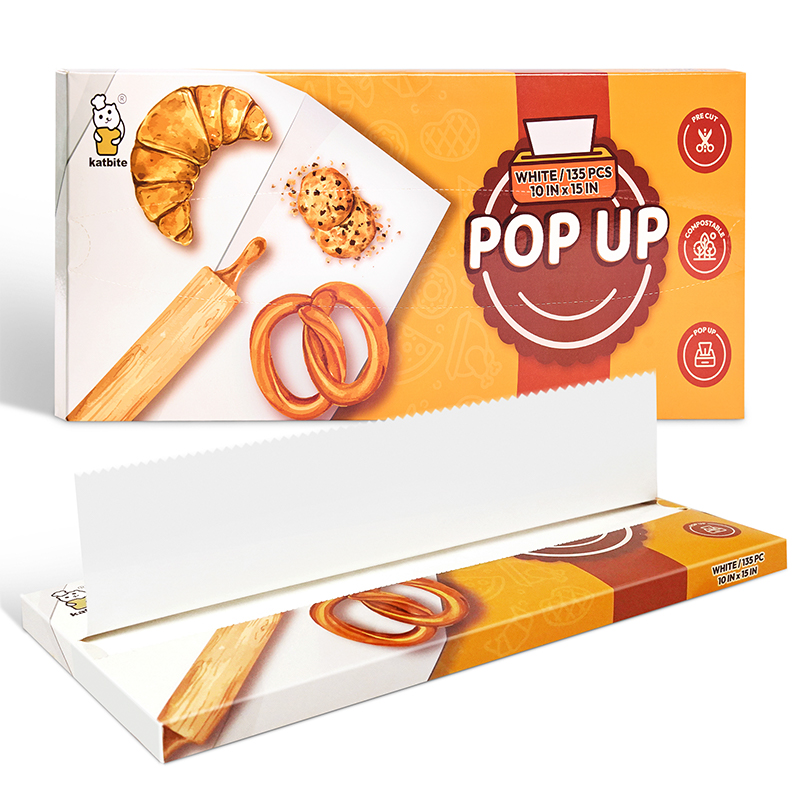
-
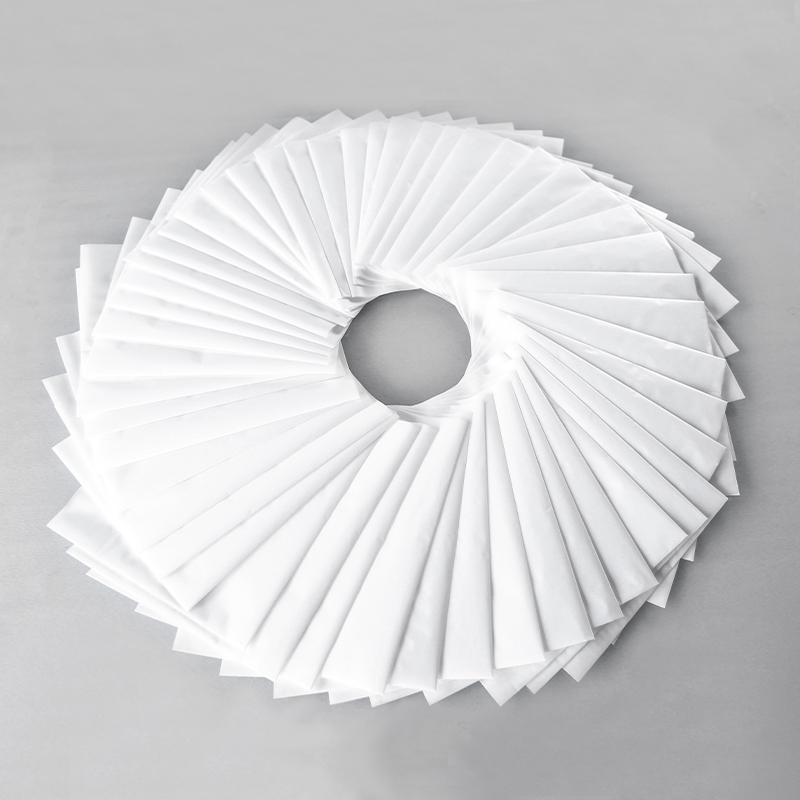
Folded Baking Paper Sheets, also known as Non Stick Baking Paper Sheets, are made from wood pulp and coated on both sides with a food-safe silicone layer. This coating gives the paper a smooth, grease...
See Details -
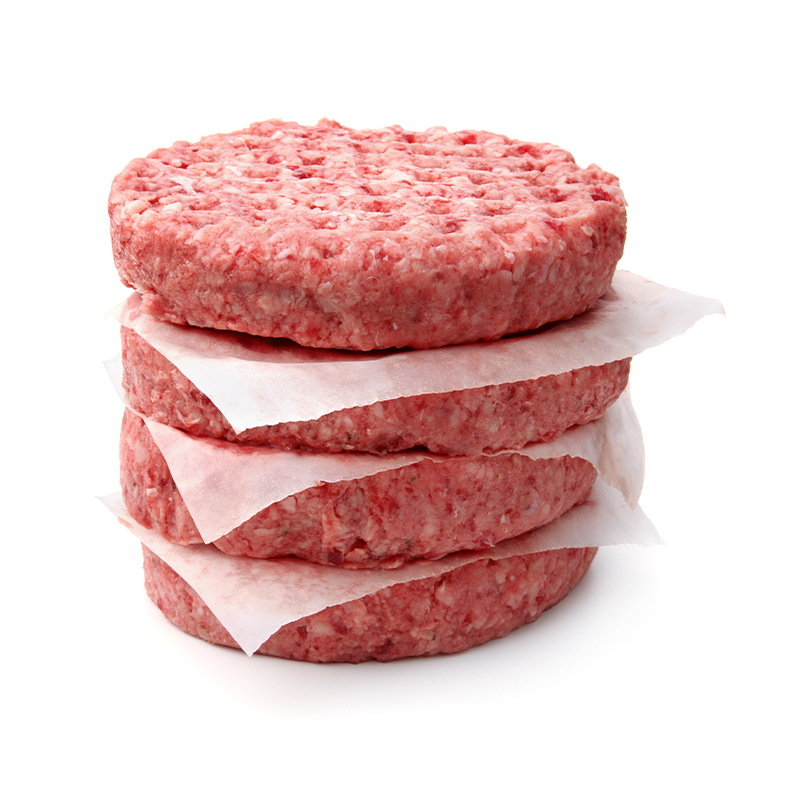
Description: Wax paper is the paper that is coated with food-grade wax in order to make it non-stick and waterproof. wax paper is very good for food storing and presentingMade of food-grade paper and ...
See Details -
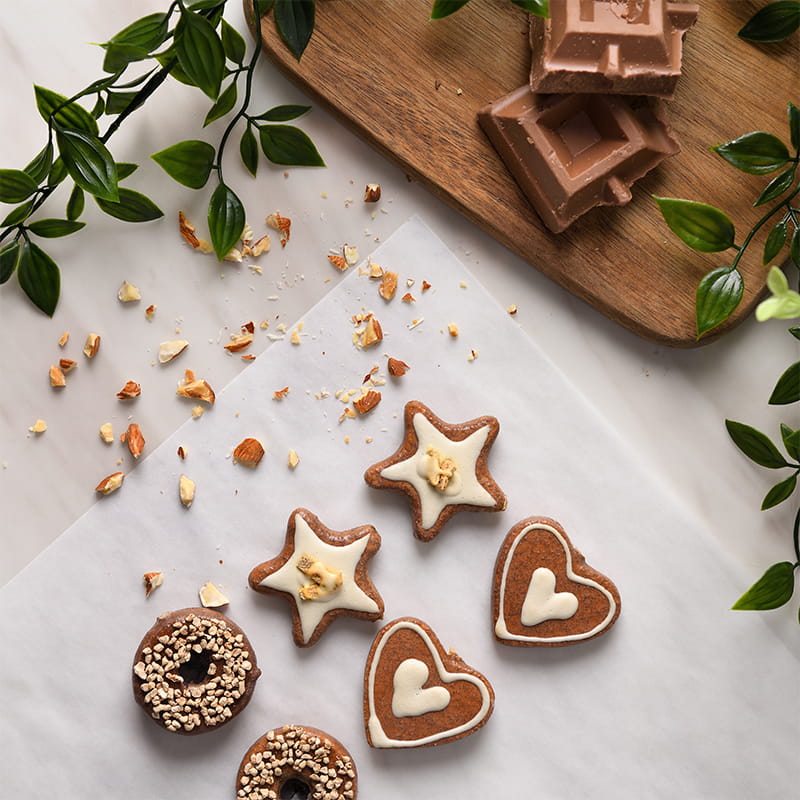
Product Features: 1. Virgin wood pulp 2. Double sides food grade silicone-treated 3. Fluorine-free 4. Non-stick 5. Oven/Microwave safe 6. Freezer safe 7. Reusable 8. BPA f...
See Details -
Product Features: 1. Virgin wood pulp 2. Natural unbleached brown color 3. Double sides food grade silicone-treated 4. Fluorine-free 5. Non-stick 6. Oven/Microwave safe 7. Fre...
See Details -
Product Features: 1. Virgin wood pulp 2. Double sides food grade silicone treated 3. Fluorine-free 4. Non-stick 5. Oven/Microwave safe 6. Freezer safe 7. Reusable 8. BPA ...
See Details -
Product Features: 1. Virgin wood pulp 2. Fluorine-free 3. BPA free 4. Biodegradable Product Details: In an era where environmental consciousness and sustainability are paramount, Natu...
See Details -
Product Features: 1. Virgin wood pulp 2. Double sides food grade silicone-treated 3. Fluorine-free 4. Non-stick 5. Air fryer basket safe 6. Reusable 7. BPA free 8. Biodeg...
See Details -
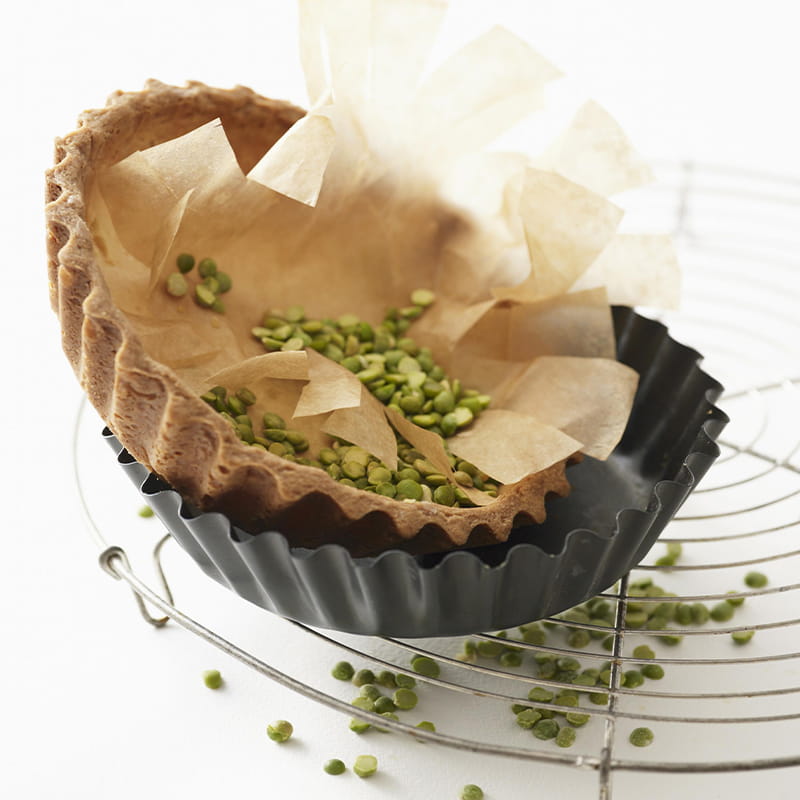
Product Features: 1. Virgin wood pulp 2. Natural unbleached brown color 3. Fluorine-free 4. BPA free 5. Biodegradable Product Details: Introducing our Unbleached Brown Food Grade ...
See Details -
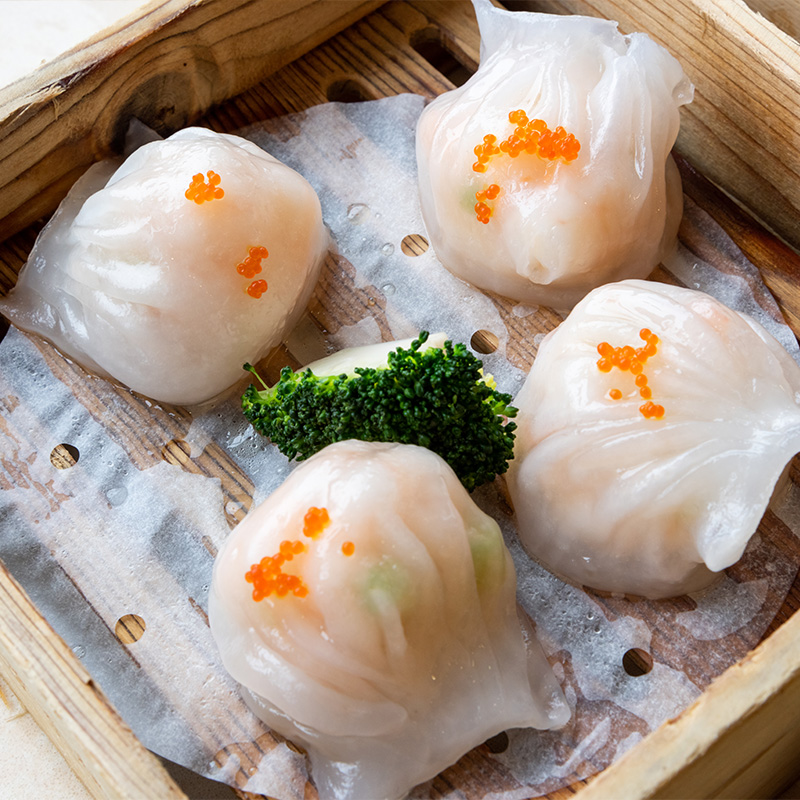
Product Features: 1. Virgin wood pulp 2. Double sides food grade silicone treated 3. Fluorine-free 4. Non-stick 5. Steamer/air fryer basket safe 6. Reusable 7. BPA free 8...
See Details -
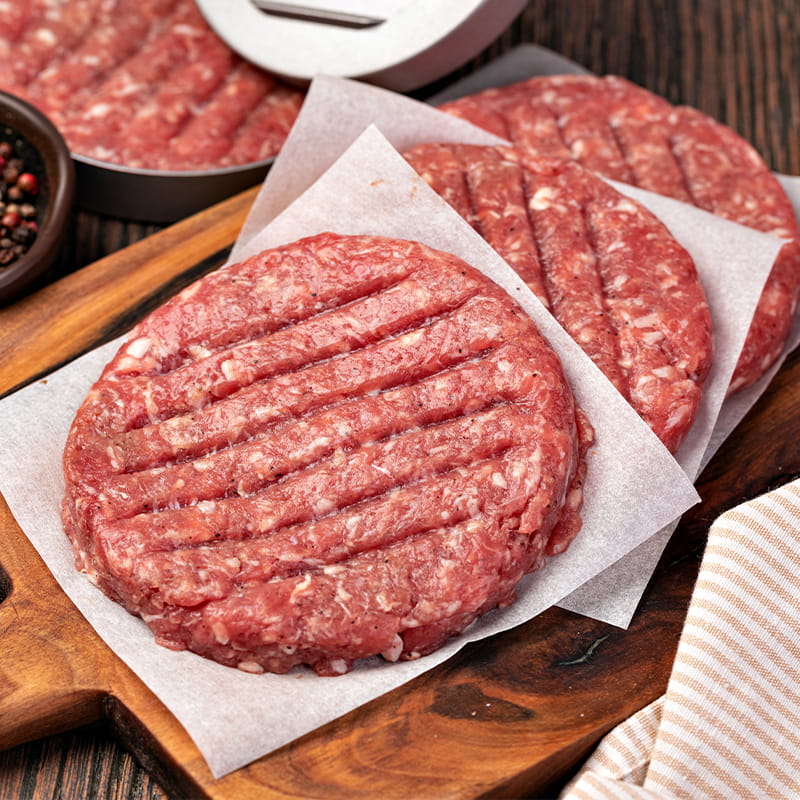
Product Features: 1. Virgin wood pulp 2. Double sides food grade silicone treated 3. Fluorine-free 4. Non-stick 5. Easy to separate 6. Reusable 7. BPA free 8. Biodegradab...
See Details -
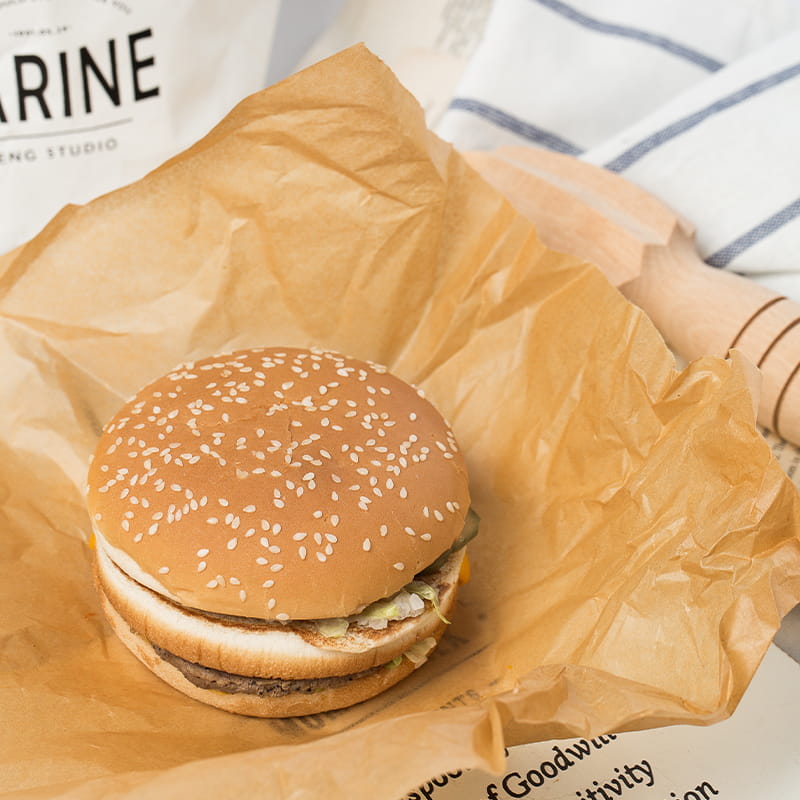
Product Features 1. Virgin wood pulp 2. Flexographic printing 3. Eco-friendly water-based ink 4. BPA free Product Details: Introducing our premium Greaseproof Sandwich Paper Sheets, a...
See Details

Professional Baking Parchment Paper Manufacturer in China with more than 15 years silicone coating experience.
Products
Contact Us
- No.10 Longyin Road, Chengnan Industrial Park,Longyou, Quzhou, China.
- +86-18968091013 / +86-571-88639705
- Avayao-1990@hotmail.com
Copyright © Zhejiang Guanghe New Materials Co., Ltd. All Rights Reserved.
Parchment Paper & Baking Paper Sheets Manufacturer
