 English
 中文简体
中文简体
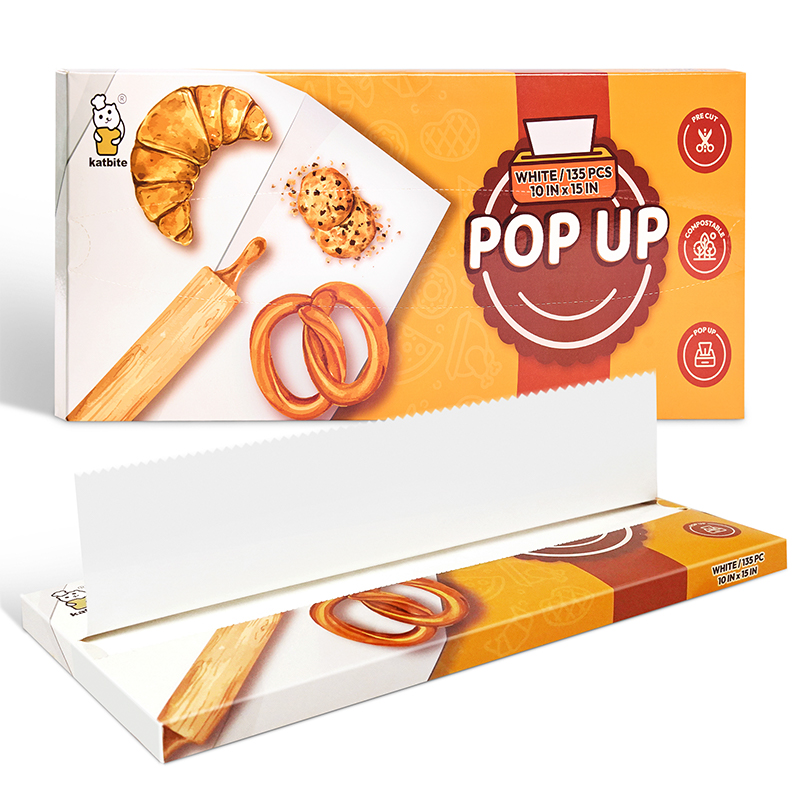
Pre Cut Baking Paper Sheets are made from wood pulp and coated on both sides with a food-safe silicone layer. This coating gives the paper a smooth, greaseproof, and moisture-resistant surface that su...
See DetailsHow to Use Baking Paper for Cake Pans?
Baking paper quietly changes how cakes and cookies come together in the kitchen. It sits between raw batter or dough and the heated metal of pans and trays, letting warmth reach the mixture evenly while stopping it from gluing itself in place. That simple layer makes removal easier and cleanup quicker, without changing the flavor or texture the recipe intends.
Cakes gain level bottoms and smooth sides when the paper lines the pan base. Cookies hold their shape and spread in a controlled way across a tray covered with the sheet. These everyday uses fit into home baking patterns where steady outcomes matter more than complicated tools.
The paper helps deliver the crumb, edges, and surfaces that bakers look for—soft interiors in cakes, crisp or chewy finishes in cookies—by keeping contact surfaces clean throughout the bake.
Building Cake Bases with Baking Paper
Every cake starts as something fluid that needs to rise and set without fighting the pan. Baking paper on the bottom keeps the batter from locking onto the surface right away. While the mixture heats, expands, and firms up, the sheet stays put, giving the cake room to grow straight up instead of pulling sideways or tearing at the edges.
In cakes meant to stack or slice neatly, this separation becomes especially useful. Each layer bakes with its own fitted piece, so the bottom stays smooth and the sides release without ragged spots. The reduced crust on the contact area often leaves a finer, more even texture that holds moisture longer after the cake leaves the oven.
Denser batters with nuts, fruit, or chocolate settle differently when the paper acts as a barrier. The final cut shows ingredients distributed more evenly because nothing sticks and pulls pieces downward during cooling.
Cutting and Fitting Paper for Round Pans
Round cake pans take circles cut from baking paper to match the base exactly. Trace the pan on the sheet, then trim the circle a hair smaller so it settles flat without riding up the sides. Press it down gently after a light grease or directly onto the dry pan—either way works depending on the recipe.
Extra strips sometimes go around the inside wall for cakes that rise tall or contain sticky additions. Measure the pan height, cut a long band, and overlap the ends slightly so the paper forms a continuous collar. That collar catches any small overflow and keeps the sides clean.
When the cake finishes cooling, the paper lifts away in one piece, leaving the bottom ready for frosting, glaze, or serving. The fit matters: too loose and batter sneaks underneath; too tight and wrinkles mark the surface.
Covering Square, Rectangular, and Shaped Pans
Square and rectangular pans use bigger sheets that reach across the whole base. Fold the corners neatly so no gaps form where batter could seep. Leave a generous overhang on two opposite sides—these become handles for lifting the cooled cake out in a single motion.
Shaped pans with patterns or tubes focus the paper on the lower areas where sticking happens . Cut smaller pieces to cover the base and any deep grooves, pressing them firmly into place. The paper follows the contours without bunching too much, so heat reaches everywhere evenly.
Springform pans pair a snug base circle with a side strip that rises above the rim. The combination lets the ring open without scraping the cake edges. Each style of lining keeps the paper secure while matching the pan's shape.
| Pan Type | Lining Focus | Technique / Preparation | Key Benefit / Purpose |
|---|---|---|---|
| Shaped pans (patterns or tubes) | Lower areas & deep grooves where sticking occurs | Cut smaller pieces to cover base and grooves; press firmly into contours | Prevents sticking in detailed areas; ensures even heat distribution without bunching |
| Springform pans | Base + side walls | Snug base circle + side strip extending above rim | Allows ring to open cleanly; protects edges from scraping during release; keeps lining secure |
Layer Cakes Step by Step with Baking Paper
Layer cakes rely on baking paper from the pan to the finished stack. Bake each layer in its own lined tin, leaving the paper on during cooling to shield the surface from racks or moisture buildup. Peel it off only when the cake feels firm enough to handle.
Between assembly steps, a fresh sheet sometimes sits between layers if the cake waits before frosting. On the final board or plate, another piece under the bottom layer stops it from sticking to the presentation surface. These small separations keep everything clean and stable from start to serving.
Roll Cakes and Thin Sheet Cakes
Roll-style cakes need paper that covers a shallow pan completely and hangs over the short ends by a few inches. That overhang turns into a grip for rolling the warm sponge right after baking. The paper rolls up with the cake, holding it in shape while it cools so cracks stay minimal.
When the roll unrolls later, the paper comes away smoothly, leaving a flat surface for spreading filling. Thin sheet cakes use the same full coverage so the batter spreads evenly and lifts out without breaking. In both cases the paper adapts to bending or flat forms without losing its grip on the cake.
Setting Up Cookie Trays with Baking Paper
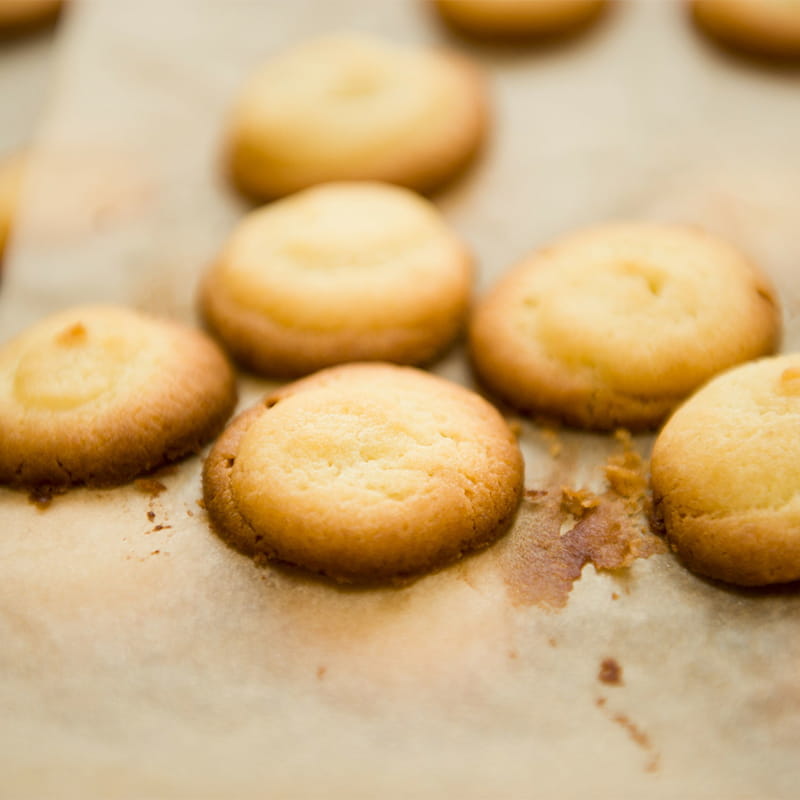
Cookies depend on a flat, non-stick field across the tray. Baking paper covers the surface so dropped mounds, piped shapes, or cut-out pieces bake without grabbing the metal. Space stays consistent, letting each cookie expand on its own terms.
Cut-out dough transfers from the counter to the tray while keeping sharp lines. The paper holds everything steady so details survive the heat. Pan cookies or bars line the vessel with extra length on the sides—those extensions become handles for pulling the whole slab out after cooling.
Tray Preparation for Various Cookie Types
Smooth the paper across the tray from the center outward until no air pockets remain. For piped work, light marks on the sheet guide rows and spacing. Fresh sheets give the cleanest start each round, though a lightly used one can handle a second batch of the same dough if it stays free of crumbs.
Delicate cookies rest on the paper through baking and move to cooling racks with minimal handling. The surface supports even air flow underneath while protecting the bottoms from sticking or condensation.
How Baking Paper Affects Cake Texture
Cakes baked on paper tend to have smoother contact surfaces because the pan never grabs the batter directly. Less crust forms on the bottom, so the crumb stays finer and slices hold together without crumbling. Moisture lingers longer in the interior.
Tops level out more naturally, making frosting spread evenly without patching low spots. The lack of prolonged metal contact helps keep subtle flavors clear instead of picking up faint off-notes.
Cookie Texture and Shape from Baking Paper
Cookies spread more predictably on paper because heat comes up steadily without hot zones on the tray. Edges crisp or centers stay chewy according to the recipe, and bottoms slide off cleanly once cooled.
Cut-out shapes keep their outlines sharp—no curling or tearing from adhesion. The uniform baking field helps each piece finish at roughly the same time, even on a crowded tray.
| Benefit | Description / Mechanism | Outcome / Advantage |
|---|---|---|
| Predictable Spread | Steady, even heat from below (no hot zones on tray) | Cookies expand consistently according to recipe |
| Texture Control | Uniform heat distribution | Edges crisp properly; centers remain chewy as intended |
| Clean Bottom Release | Low-adhesion surface | Bottoms slide off trays easily once cooled |
| Sharp Shape Retention | No adhesion to tray | Cut-out shapes maintain crisp outlines; no curling or tearing |
| Even Baking Across Tray | Consistent baking environment | All cookies finish at similar times, even when crowded |
Troubleshooting Cake Baking with Paper
Paper shifts occasionally if batter pours too quickly—press it down well and add mixture slowly to keep it anchored. In damp kitchens, store sheets sealed until the moment they go into the pan so they stay crisp.
Fragile cakes sometimes tear when lifted too soon; wait until they cool completely in the tin. These small habits prevent sticking or damage.
Common Cookie Baking Notes
Dough spreads farther than planned on the slick surface—chill it longer to slow that down. Crowding causes uneven color; leave breathing room between pieces.
Slight browning on the paper itself shows normal oven exposure and does not mean the cookies suffered. Rotate trays halfway if your oven has hot spots.
Other Ways to Line Pans and Trays
Grease alone works when applied carefully, though it takes practice to avoid thin or thick patches. Reusable mats offer another surface but can change how dough spreads compared with paper.
Paper gives a clean slate every time without extra steps, which suits many bakers who value consistency over reuse.
Cutting Paper to Fit Cake Pans
Set the pan upside down on the sheet and draw around the base. Cut just inside the line so the circle sits flush. Measure side strips by the pan height and inner perimeter, adding a small overlap.
Keep cut pieces stacked flat or rolled gently in a drawer. Quick labels on the storage spot save time when matching pans later.
Placing Paper on Cookie Trays Effectively
Lay the sheet centered and press outward to flatten bubbles. Pencil dots or lines on the paper help space piped or dropped dough evenly. Leave a narrow margin around the edge for air movement.
Secure placement keeps the paper from sliding when the tray goes in or out of the oven.
Matching Paper to Cake Batter Types
Sponge batters often line only the base so sides develop a light crust for support. Thick batters cover base and walls to contain the heavier rise. Wet mixtures benefit from full lining during slow bakes.
The lining choice follows the batter's behavior and the texture goal.
Adapting for Cookie Styles
Drop cookies need room around each mound. Sticky dough sometimes gets a faint flour dusting on the paper. Sandwich cookies use paper between layers while fillings set.
Bars rely on side overhangs for clean lifting and even cutting.
Cleanup Gains After Baking
Paper takes crumbs, drips, and residue away in one sheet, leaving pans with little scrubbing needed. Turnaround speeds up for back-to-back batches, and the workspace stays neater.
Waste collects neatly for disposal instead of spreading across sinks.
Using Sheets More Than Once
Some sheets handle a second or third round when they look nearly clean after the bake. Stick to the same flavor family to avoid taste crossover. Store them dry between uses.
This extends the material without sacrificing results.
Extra Ways to Use Baking Paper
Form loose collars around unfrosted cake tops to hold tall decorations in place while they set. Use pieces as transfer sheets to move fragile cookies to racks or boxes.
Folded sheets occasionally wrap individual cookies for gifting or short-term storage.
Working Alongside Other Kitchen Tools
Place cooling racks over paper-lined trays to catch glaze drips without soiling counters. Paper strips under cake layers keep frosting boards clean during assembly.
These pairings make the whole process flow more smoothly.
Improving Through Practice
Watch how batters and doughs behave on the paper—note spread, release, color—and tweak chilling times or amounts slightly next round. Side-by-side comparisons with and without lining sharpen understanding.
Over batches, those small lessons build confidence in any oven.
Zhejiang Guanghe New Materials Co., Ltd
Zhejiang Guanghe New Materials Co., Ltd stands out as a trusted provider of baking paper designed specifically for the demands of cake and cookie making. With its carefully engineered composition—including a dense cellulose base and a uniform silicone coating—the material delivers consistent separation, even heat distribution, and clean release across a wide variety of pans, trays, and baking styles. Whether lining round cake tins for smooth bottoms, creating slings for bar cookies, or supporting delicate roll cakes through shaping and cooling, the paper helps home bakers achieve reliable textures, well-defined shapes, and level surfaces without unnecessary sticking or cleanup struggles.
As part of everyday kitchen routines, products from Zhejiang Guanghe New Materials Co., Ltd offer practical support that simplifies preparation, protects delicate results, and contributes to satisfying baked goods time after time.
Related Products
-
-
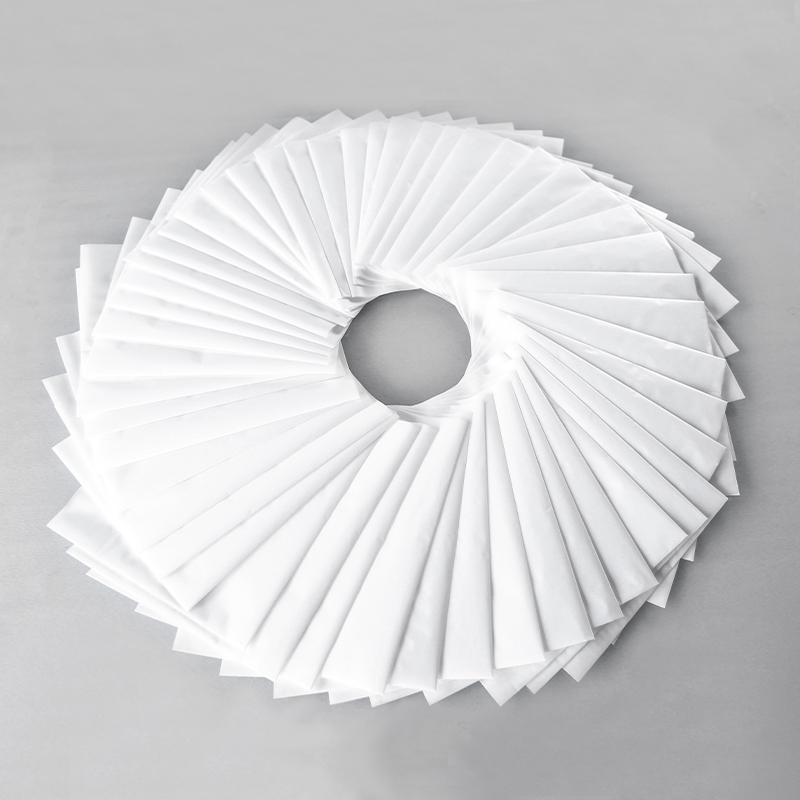
Folded Baking Paper Sheets, also known as Non Stick Baking Paper Sheets, are made from wood pulp and coated on both sides with a food-safe silicone layer. This coating gives the paper a smooth, grease...
See Details -
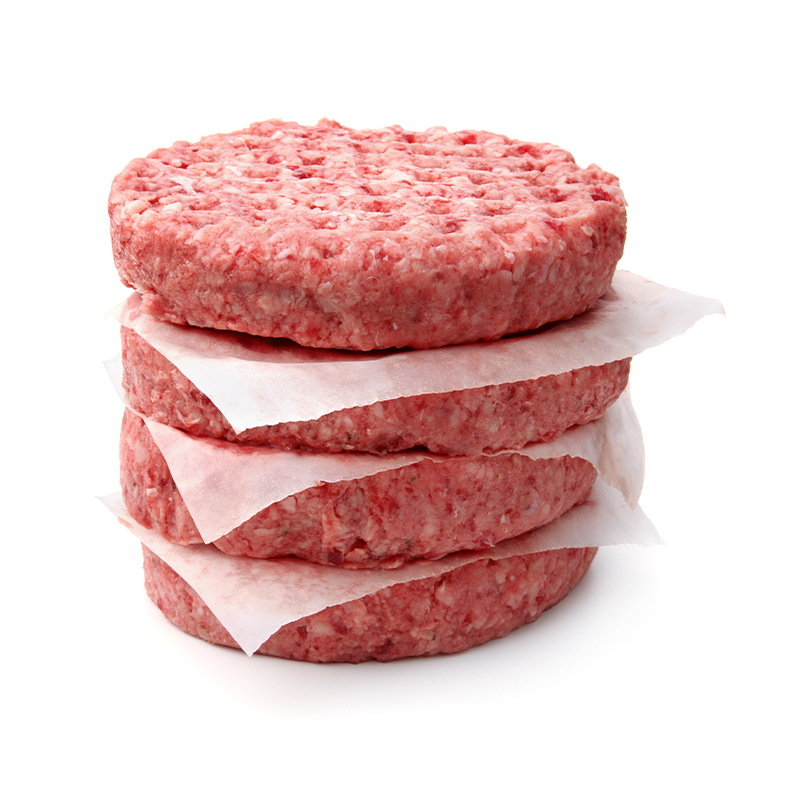
Description: Wax paper is the paper that is coated with food-grade wax in order to make it non-stick and waterproof. wax paper is very good for food storing and presentingMade of food-grade paper and ...
See Details -
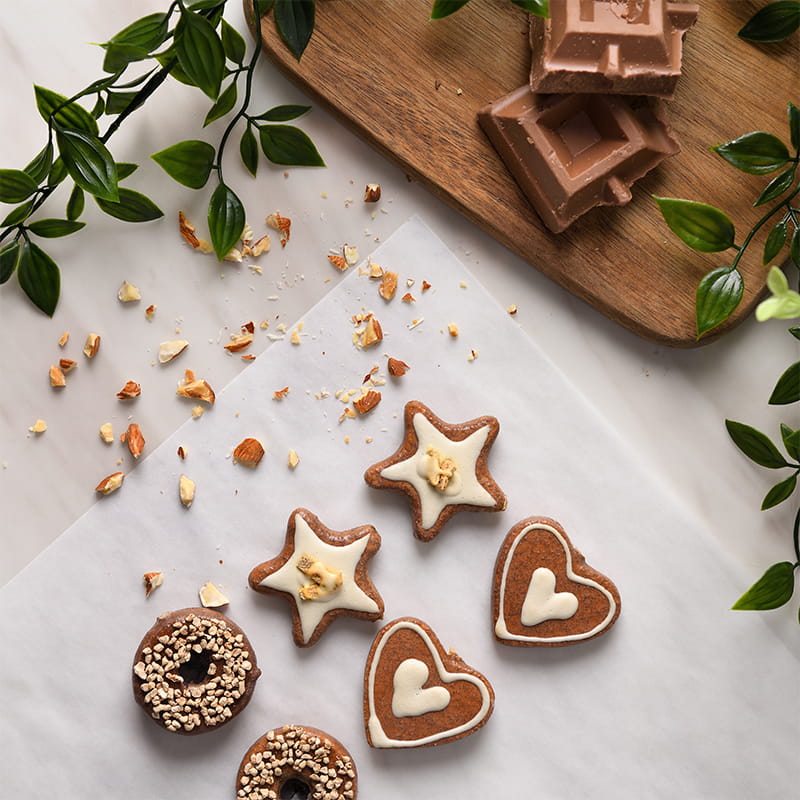
Product Features: 1. Virgin wood pulp 2. Double sides food grade silicone-treated 3. Fluorine-free 4. Non-stick 5. Oven/Microwave safe 6. Freezer safe 7. Reusable 8. BPA f...
See Details -
Product Features: 1. Virgin wood pulp 2. Natural unbleached brown color 3. Double sides food grade silicone-treated 4. Fluorine-free 5. Non-stick 6. Oven/Microwave safe 7. Fre...
See Details -
Product Features: 1. Virgin wood pulp 2. Double sides food grade silicone treated 3. Fluorine-free 4. Non-stick 5. Oven/Microwave safe 6. Freezer safe 7. Reusable 8. BPA ...
See Details -
Product Features: 1. Virgin wood pulp 2. Fluorine-free 3. BPA free 4. Biodegradable Product Details: In an era where environmental consciousness and sustainability are paramount, Natu...
See Details -
Product Features: 1. Virgin wood pulp 2. Double sides food grade silicone-treated 3. Fluorine-free 4. Non-stick 5. Air fryer basket safe 6. Reusable 7. BPA free 8. Biodeg...
See Details -
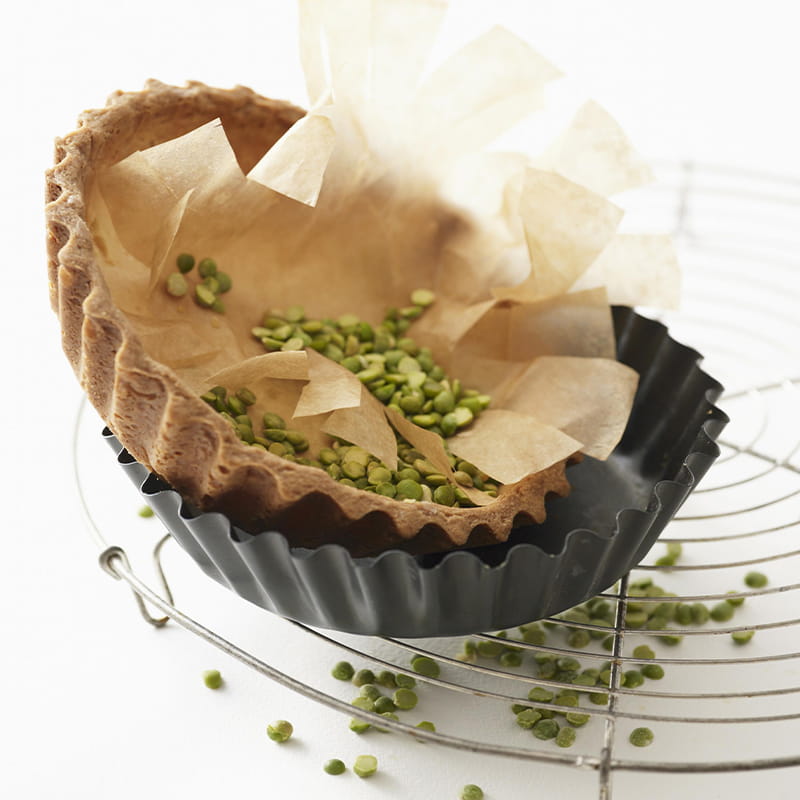
Product Features: 1. Virgin wood pulp 2. Natural unbleached brown color 3. Fluorine-free 4. BPA free 5. Biodegradable Product Details: Introducing our Unbleached Brown Food Grade ...
See Details -
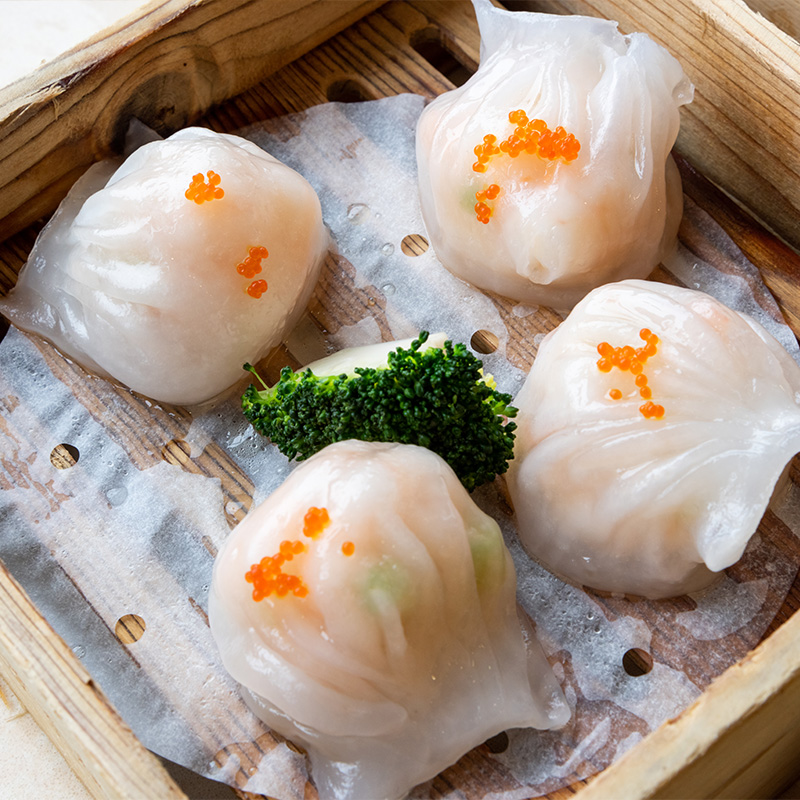
Product Features: 1. Virgin wood pulp 2. Double sides food grade silicone treated 3. Fluorine-free 4. Non-stick 5. Steamer/air fryer basket safe 6. Reusable 7. BPA free 8...
See Details -
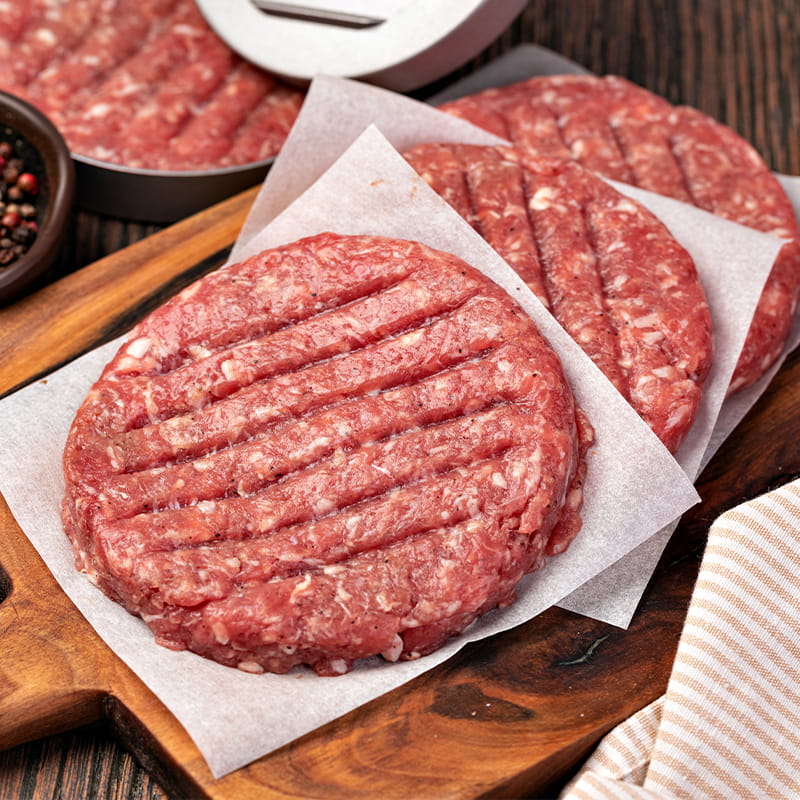
Product Features: 1. Virgin wood pulp 2. Double sides food grade silicone treated 3. Fluorine-free 4. Non-stick 5. Easy to separate 6. Reusable 7. BPA free 8. Biodegradab...
See Details -
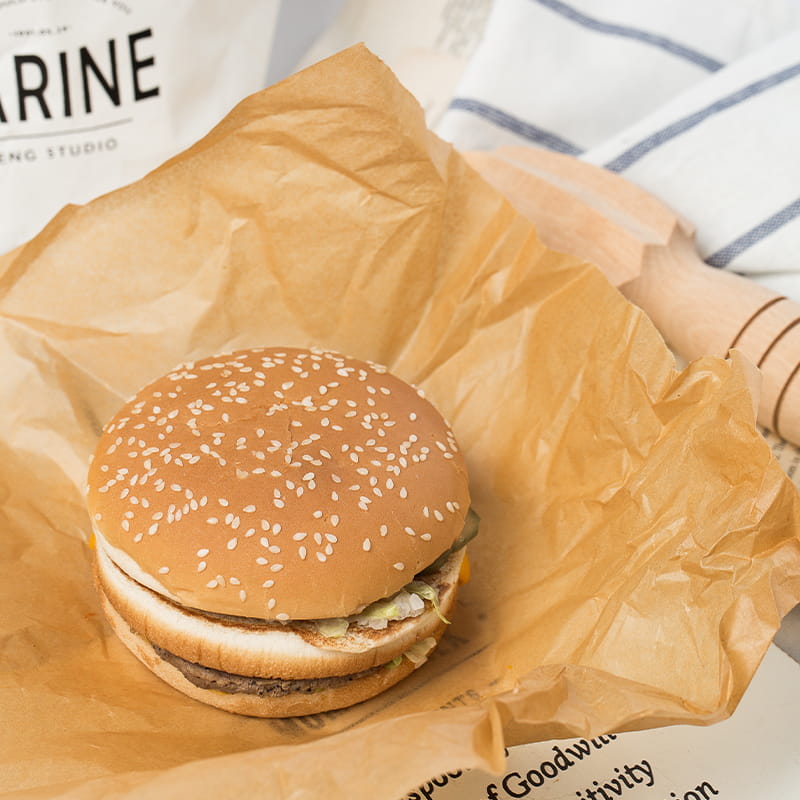
Product Features 1. Virgin wood pulp 2. Flexographic printing 3. Eco-friendly water-based ink 4. BPA free Product Details: Introducing our premium Greaseproof Sandwich Paper Sheets, a...
See Details

Professional Baking Parchment Paper Manufacturer in China with more than 15 years silicone coating experience.
Products
Contact Us
- No.10 Longyin Road, Chengnan Industrial Park,Longyou, Quzhou, China.
- +86-18968091013 / +86-571-88639705
- Avayao-1990@hotmail.com
Copyright © Zhejiang Guanghe New Materials Co., Ltd. All Rights Reserved.
Parchment Paper & Baking Paper Sheets Manufacturer
