 English
 中文简体
中文简体
Pre Cut Baking Paper Sheets are made from wood pulp and coated on both sides with a food-safe silicone layer. This coating gives the paper a smooth, greaseproof, and moisture-resistant surface that su...
See DetailsIs Baking Paper Heat Resistant in Ovens?
Baking paper acts as a simple yet effective tool in kitchens where heat transforms ingredients into finished dishes. Cooks place it on trays, inside pans, or fold it around food to create a barrier between ingredients and hot surfaces. This separation prevents sticking and often reduces the amount of added fat needed during preparation.
The material handles oven conditions where temperatures rise steadily and remain elevated for extended periods. Air circulates, radiant heat reaches from elements, and steam or oils from food come into contact with the sheet. Durability in these settings depends on the paper’s ability to keep its shape and release properties intact until the cooking process ends.
People turn to baking paper for tasks that range from baking small cookies to roasting larger cuts of meat or vegetables. Its presence simplifies removal of finished items and eases cleanup afterward.
Tracing the Development of Heat-Resistant Sheets
Long ago, people prepared animal hides through scraping and stretching to produce thin sheets suitable for writing or wrapping. These offered some resistance to moisture and occasional heat but required significant time and skill to make.
In the nineteenth century, attention moved toward fibers from plants. Chemists in Europe experimented with ways to change regular paper made from vegetable pulp. One method dipped plain sheets briefly into acid solutions, then rinsed and neutralized them thoroughly. The fibers compacted, creating a sheet denser than before with better resistance to liquids and greases.
Toward the end of that century, the treated paper appeared in food storage. It helped keep dairy and other perishables fresh longer by limiting exposure to air. Records from the time noted better results during warm weather.
In the twentieth century, silicone entered the picture as a coating. Applied in thin layers, it bonded to the base and improved how cleanly food released after baking. Descriptions from that period explained application methods that ensured even coverage and strong attachment.
Later improvements concentrated on making sheets more uniform, flexible, and strong. Production grew to supply homes and commercial kitchens. The changes over time show a steady effort to meet the needs of cooking that involves sustained heat.
Basic Composition of the Material
Cellulose fibers from plants form the starting point, arranged into a web much like ordinary paper. These long chains give the sheet its initial strength and ability to bend.
A chemical step follows that presses the fibers closer together. Acid treatment dissolves small amounts at the surface, allowing strands to merge tightly when the sheet dries. Spaces between fibers shrink, making it harder for air, water, or oil to pass through.
Next comes a coating of silicone polymer spread across one side or both. The polymer chains feature silicon and oxygen linked in a stable backbone, with organic side groups that create a surface food tends not to stick to. The coating cures under controlled conditions to lock it in place.
The finished sheet combines a dense core with a smooth, low-adhesion outer layer. Different thicknesses exist, affecting how the paper feels and how much weight it supports without tearing.
This structure sets baking paper apart from plain sheets or those coated with other substances. The core and surface work together to provide reliable behavior when exposed to oven heat.
| Aspect | Description |
|---|---|
| Core Structure | Dense cellulose fiber base (compacted for strength and low porosity) |
| Outer Layer | Smooth, low-adhesion silicone coating |
| Thickness Variations | Different thicknesses available |
| Effects of Thickness | Influences feel and weight-bearing capacity (resistance to tearing) |
| Key Differentiation | Distinct from plain paper or other coated sheets |
| Functional Benefit | Core + surface layers combine for reliable oven-heat performance |
How the Material Resists High Temperatures
Heat resistance comes from several processes that slow or block the usual breakdown of paper under warmth. Burning needs fuel, oxygen, and enough energy to keep going.
The silicone layer reflects part of the incoming heat, so less reaches the cellulose inside right away. Its chemical bonds hold together across a wide temperature span, avoiding quick breakdown that would leave the fibers unprotected.
The compacted fiber network limits how much oxygen can reach deeper layers. Fewer open paths mean slower oxidation, the reaction that turns paper brittle or causes it to catch fire in untreated forms. Changes to the fiber chemistry during treatment also reduce how readily the material reacts to heat.
Heat spreads more evenly through the sheet because of its density and uniform coating. Hot spots become less likely, helping the entire piece respond in a balanced way inside an oven where conditions vary by location.
Treated sheets like this show a higher point where serious change begins compared with ordinary paper. Over long exposure, the surface may darken or become stiffer, yet the sheet frequently holds together well enough to finish its job.
These factors together allow the paper to carry food through baking or roasting cycles without sudden collapse. The natural base combined with deliberate enhancements creates steady performance.
Factors That Shape Performance Under Heat
The length of time in the oven plays a role. Shorter sessions let the material endure conditions that strain it during longer ones. Food in direct contact brings moisture, sugars, or fats that can interact with the surface in ways that protect it or cause gradual wear.
Thickness influences how the sheet distributes pressure and heat. Thicker versions spread load over a larger area and slow heat penetration, while thinner ones react faster to temperature shifts.
Oven design affects air movement and heat direction. Models with fans circulate warmth more evenly, which can help avoid concentrated hot areas. Where the tray sits in relation to heating elements determines whether exposure stays indirect or becomes more direct.
The kind of food and cooking method change the environment around the sheet. Dry roasting differs from steaming inside a folded packet in terms of vapor and pressure. How evenly weight spreads across the surface prevents stress at single points.
Humidity in storage before use affects starting flexibility. Once in the oven, the treated surface handles contact with food reasonably well. Using the same sheet more than once tests how long the coating lasts before noticeable wear appears.
Understanding these elements helps cooks adjust placement, timing, or size choices to suit particular recipes.
Practical Ways to Use Baking Paper in Ovens
The sheet lines flat trays for cookies, scones, or biscuits, allowing easy lifting once baked. Cut pieces fit inside round or square pans to help cakes release without tearing.
Roasting trays hold vegetables, fish, or meat while catching drippings that add flavor during cooking. Folded packets enclose ingredients with herbs or liquids, letting steam cook them gently inside the oven.
Multiple portions bake together on one large sheet, streamlining preparation for gatherings or meal planning. Bread dough sometimes rests on the paper during early high-heat stages to develop a good crust.
Delicate items like meringues or thin pastry layers gain support during baking or cooling. These applications show how the material adapts to different heat levels and food types common in home ovens.
Handling Changes That Appear During Use
After extended time in the oven, the paper may take on a deeper color or feel more rigid when removed. These shifts come from prolonged exposure affecting both coating and fibers, though the main job of keeping food from sticking often remains intact.
Fitting the sheet snugly inside the pan or tray reduces edges left hanging in hotter air currents. Cutting to exact size avoids loose parts that face uneven conditions.
In longer bakes, keeping the paper away from direct heating elements helps limit stress. Allowing items to cool slightly before moving them reduces the chance of tearing during transfer.
Color changes on the surface usually stay cosmetic under normal circumstances. Spreading food weight evenly and keeping some distance from intense heat sources cuts down on problems.
Experience from early uses builds knowledge of how the paper behaves in specific ovens and recipes.
Safety Practices When Working with Heat
The material fits enclosed oven environments rather than open flames or broiler settings. Keeping it contained within pans prevents edges from reaching areas far hotter than intended.
Laying the sheet flat stops it from shifting into contact with elements or walls. Storing unused portions in a dry place away from moisture preserves the coating until needed.
The design supports single use or limited reuse, matching its role as a convenience item. Handling sheets carefully during cutting or placement avoids accidental tears that could affect performance.
Following basic kitchen guidelines keeps application within suitable boundaries and supports consistent results.
Alternatives for High-Heat Cooking Tasks
Silicone mats serve as reusable surfaces with similar release qualities over many cycles. Metal sheets or baking stones transfer heat directly and often need a light fat layer to prevent sticking.
Certain fabric liners treated for ovens provide breathability in recipes where air circulation matters. Greasing pans directly with butter or oil creates a traditional barrier for many baked goods.
Each option suits different priorities around reuse, preparation time, and cleanup effort. Baking paper fits as a lightweight choice for situations where single-session convenience matters.
Sustainability Aspects of the Material
Plant fibers used in the base come from renewable sources when forests or fields receive responsible care. Production involves chemical steps and energy consumption, though improvements continue to lower resource use.
The silicone layer adds only a small amount of synthetic material due to its thin application. In facilities equipped for it, the cellulose portion breaks down through composting, returning to natural cycles.
Efforts focus on reducing water and energy in processing and on lighter packaging. Cooks contribute by cutting sheets efficiently to use more of each piece.
The material sits within larger patterns of kitchen resource use, balancing ease with attention to broader impacts.
Ways to Get Stronger Performance
Measure and cut the sheet to match the pan or tray exactly for complete coverage without excess. Let the oven reach temperature before adding prepared items so heat starts evenly.
Crimp edges tightly when forming packets to hold steam inside effectively. Watch timing closely with recipes high in sugar, as caramelization can affect contact surfaces.
| Tip Category | Key Action / Recommendation | Purpose / Benefit |
|---|---|---|
| Preparation & Sizing | Measure and cut sheet to exactly match pan or tray size | Ensures full coverage, no excess or overhang |
| Oven Preheating | Allow oven to fully reach temperature before adding items | Promotes even initial heat distribution |
| Packet Sealing | Crimp edges tightly when making enclosed packets | Effectively traps steam for gentle cooking |
| Timing with Sugary Recipes | Monitor baking time closely in high-sugar recipes | Prevents issues from caramelization on surface |
Allow baked goods a short cooling period on the sheet before transferring to reduce handling stress. Keep leftover pieces sealed to maintain flexibility for next time.
Note how air moves in different parts of the oven to choose better tray positions. Pair the paper with wire racks when elevation improves results.
Testing small batches with new recipes helps refine techniques that work well in a particular setup.
Directions of Improvement in the Material
Research continues into coatings that keep flexibility longer after repeated heating. Adjustments to fiber processing aim at creating bases with tailored density for specific uses.
Some work explores adding natural compounds to enhance certain qualities while keeping the overall structure simple. Tighter controls during manufacturing reduce differences between batches.
Energy-saving methods for curing coatings align production with resource goals. Future versions might offer subtle signs of when performance begins to decline.
Current baking paper already delivers dependable service through well-established features. Steady progress responds to practical needs in kitchens everywhere.
Guanghe Baking Paper
Guanghe baking paper stands as a dependable choice for anyone seeking reliable performance during high-temperature cooking. Crafted with a focus on quality materials and a specialized silicone coating, it maintains its structure and non-stick properties through the demands of roasting, baking, and steaming. The material's ability to handle sustained heat without sudden failure supports even cooking results and simplifies the removal of finished dishes from trays or pans.
Whether lining surfaces for batch baking or enclosing ingredients in packets, it contributes to smoother kitchen workflows and cleaner outcomes. As cooks continue to explore techniques that balance convenience with consistency, Guanghe baking paper remains a practical companion in creating satisfying meals day after day.
Related Products
-
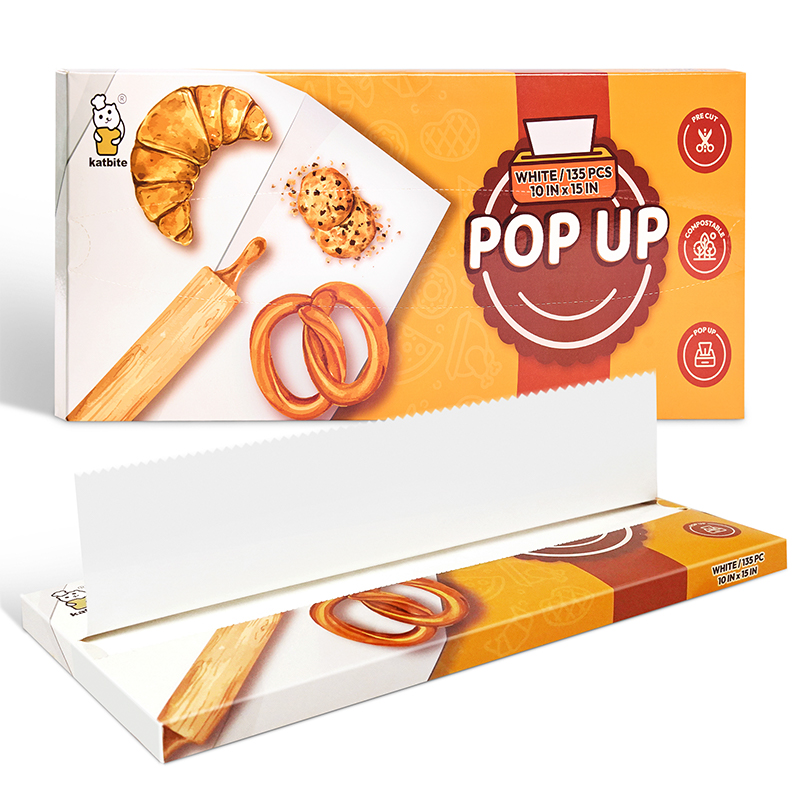
-
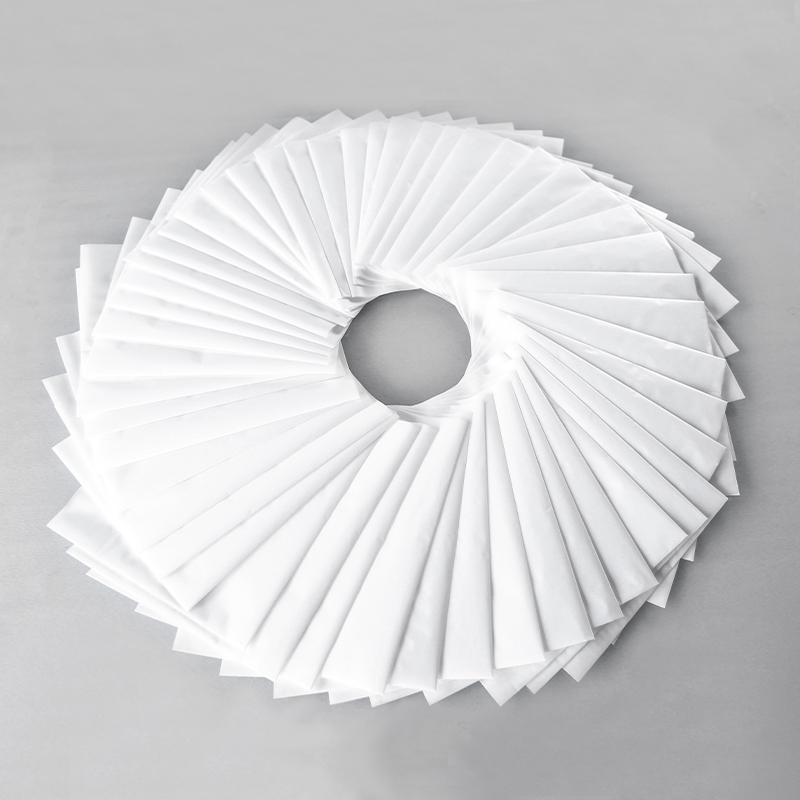
Folded Baking Paper Sheets, also known as Non Stick Baking Paper Sheets, are made from wood pulp and coated on both sides with a food-safe silicone layer. This coating gives the paper a smooth, grease...
See Details -
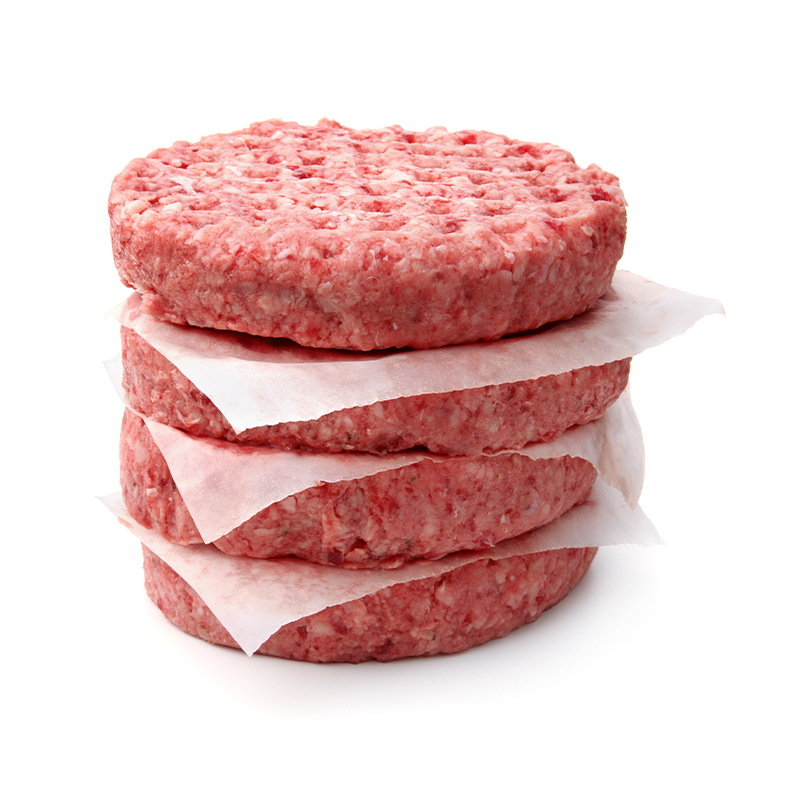
Description: Wax paper is the paper that is coated with food-grade wax in order to make it non-stick and waterproof. wax paper is very good for food storing and presentingMade of food-grade paper and ...
See Details -
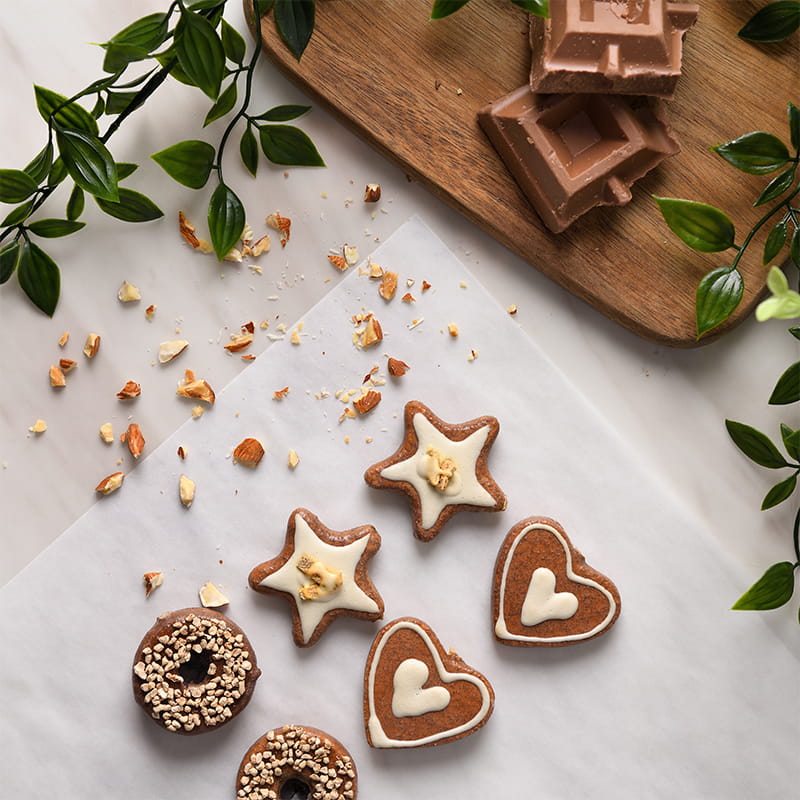
Product Features: 1. Virgin wood pulp 2. Double sides food grade silicone-treated 3. Fluorine-free 4. Non-stick 5. Oven/Microwave safe 6. Freezer safe 7. Reusable 8. BPA f...
See Details -
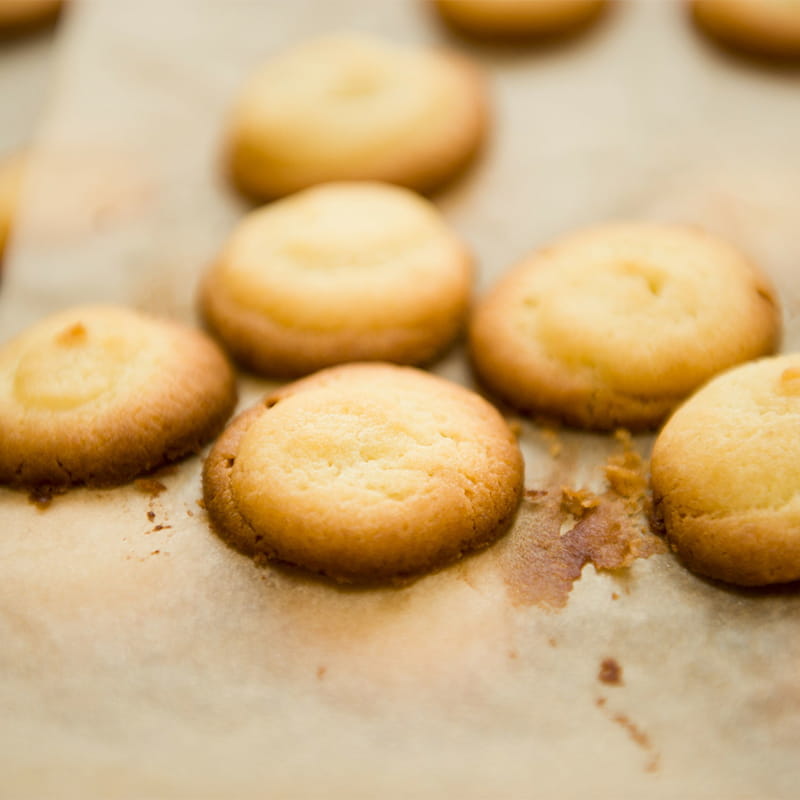
Product Features: 1. Virgin wood pulp 2. Natural unbleached brown color 3. Double sides food grade silicone-treated 4. Fluorine-free 5. Non-stick 6. Oven/Microwave safe 7. Fre...
See Details -
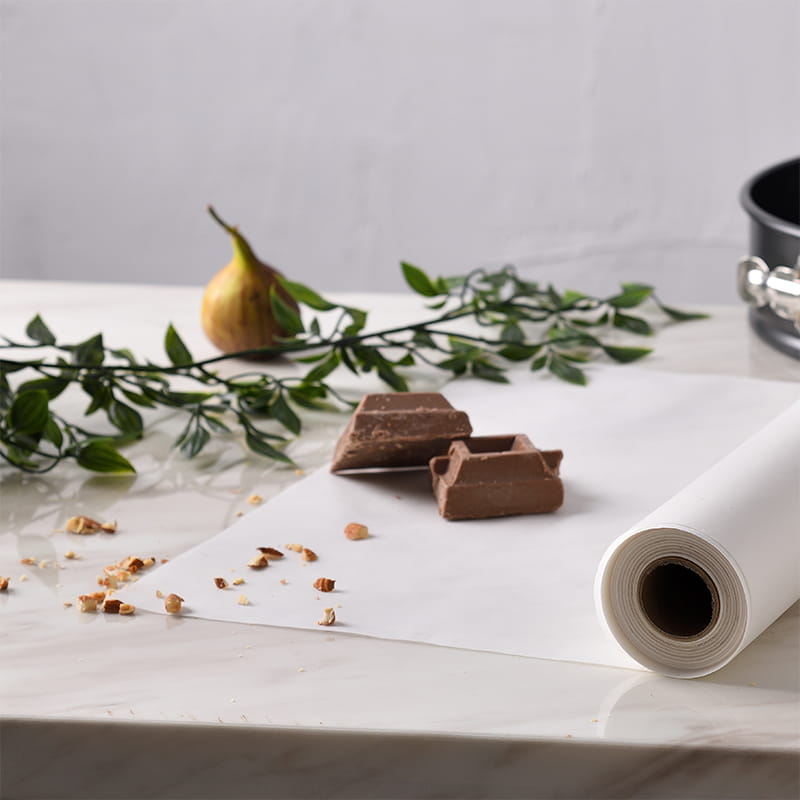
Product Features: 1. Virgin wood pulp 2. Double sides food grade silicone treated 3. Fluorine-free 4. Non-stick 5. Oven/Microwave safe 6. Freezer safe 7. Reusable 8. BPA ...
See Details -
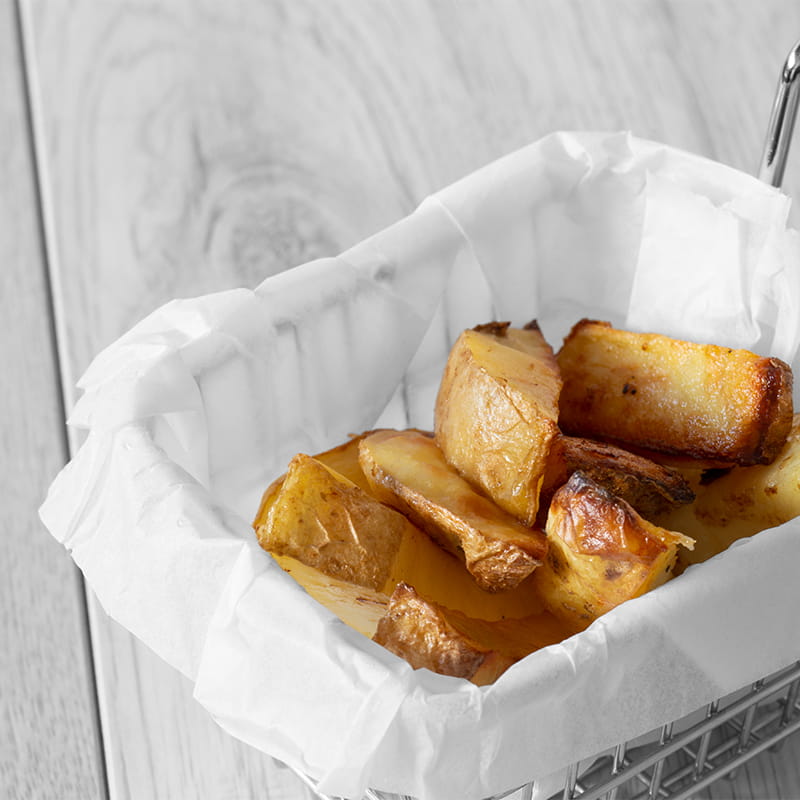
Product Features: 1. Virgin wood pulp 2. Fluorine-free 3. BPA free 4. Biodegradable Product Details: In an era where environmental consciousness and sustainability are paramount, Natu...
See Details -
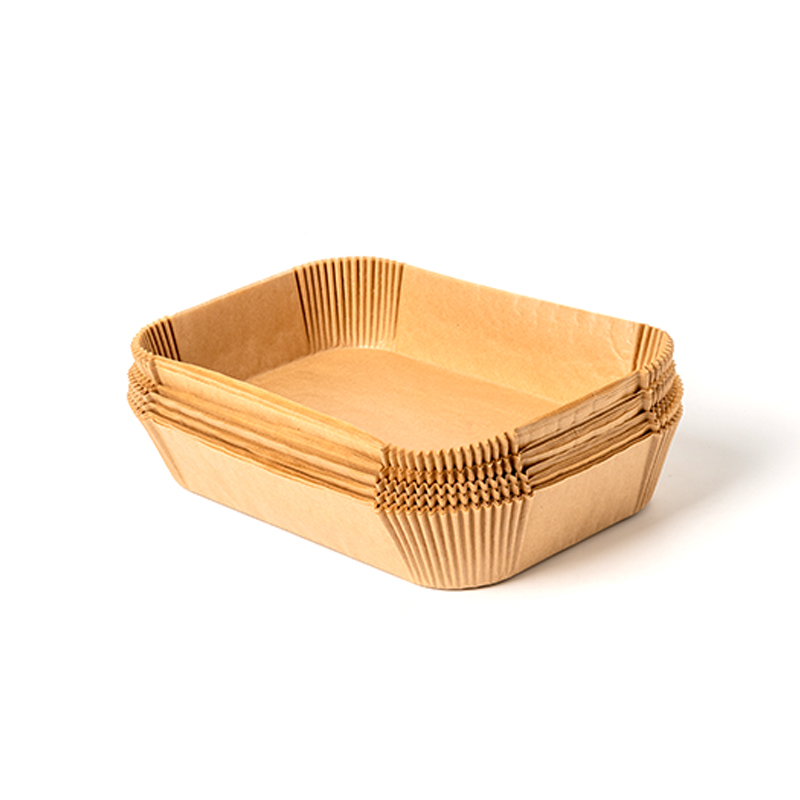
Product Features: 1. Virgin wood pulp 2. Double sides food grade silicone-treated 3. Fluorine-free 4. Non-stick 5. Air fryer basket safe 6. Reusable 7. BPA free 8. Biodeg...
See Details -
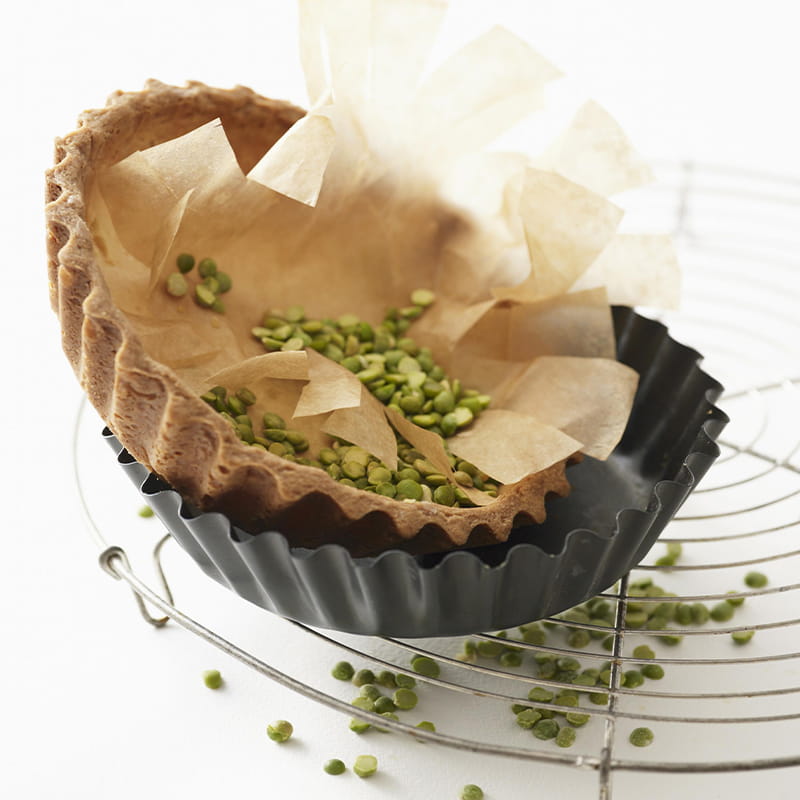
Product Features: 1. Virgin wood pulp 2. Natural unbleached brown color 3. Fluorine-free 4. BPA free 5. Biodegradable Product Details: Introducing our Unbleached Brown Food Grade ...
See Details -
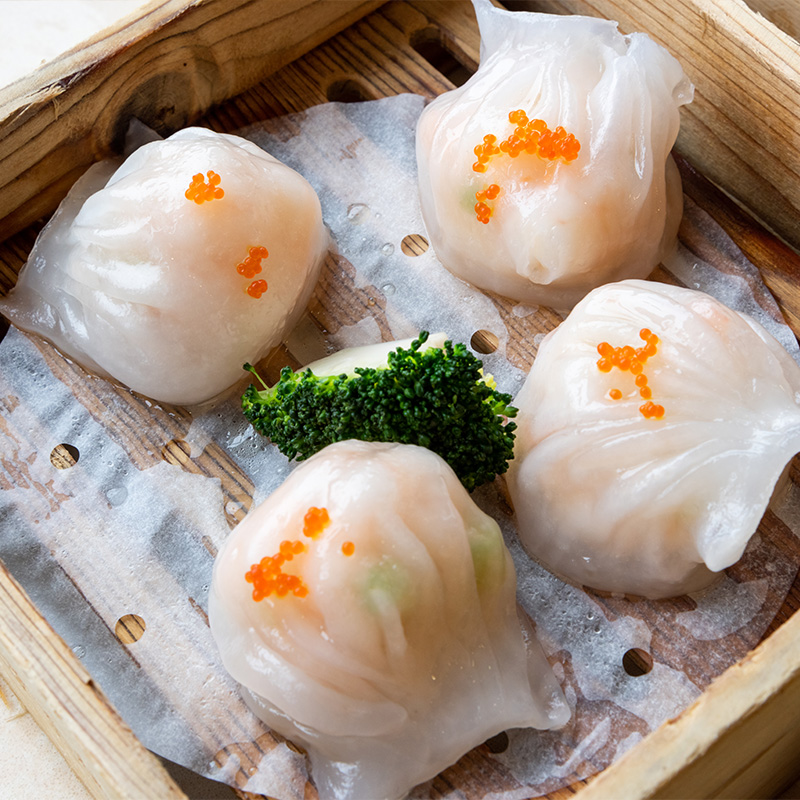
Product Features: 1. Virgin wood pulp 2. Double sides food grade silicone treated 3. Fluorine-free 4. Non-stick 5. Steamer/air fryer basket safe 6. Reusable 7. BPA free 8...
See Details -
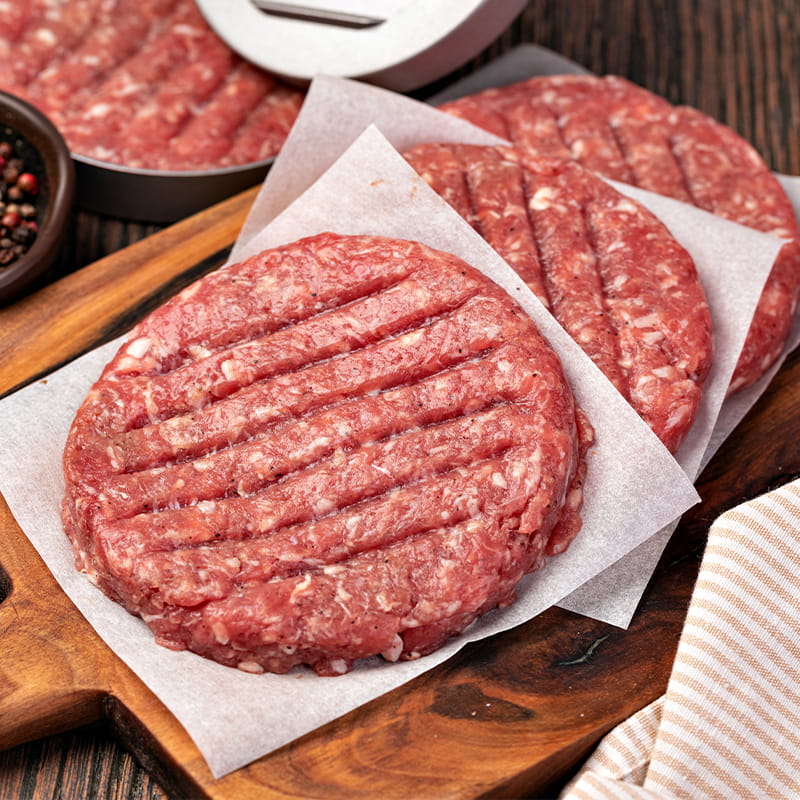
Product Features: 1. Virgin wood pulp 2. Double sides food grade silicone treated 3. Fluorine-free 4. Non-stick 5. Easy to separate 6. Reusable 7. BPA free 8. Biodegradab...
See Details -
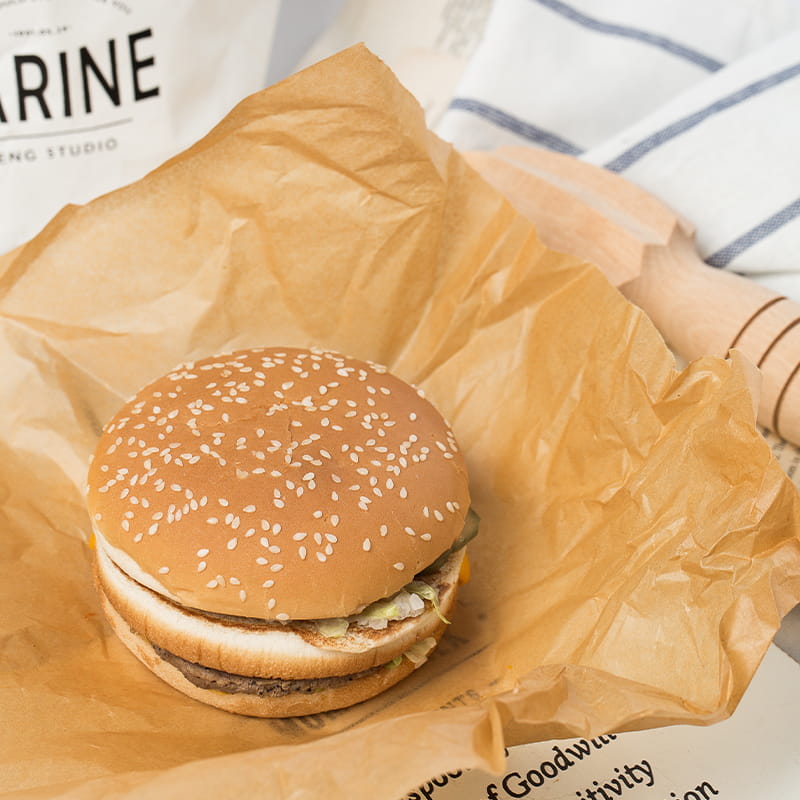
Product Features 1. Virgin wood pulp 2. Flexographic printing 3. Eco-friendly water-based ink 4. BPA free Product Details: Introducing our premium Greaseproof Sandwich Paper Sheets, a...
See Details

Professional Baking Parchment Paper Manufacturer in China with more than 15 years silicone coating experience.
Products
Contact Us
- No.10 Longyin Road, Chengnan Industrial Park,Longyou, Quzhou, China.
- +86-18968091013 / +86-571-88639705
- Avayao-1990@hotmail.com
Copyright © Zhejiang Guanghe New Materials Co., Ltd. All Rights Reserved.
Parchment Paper & Baking Paper Sheets Manufacturer
