 English
 中文简体
中文简体
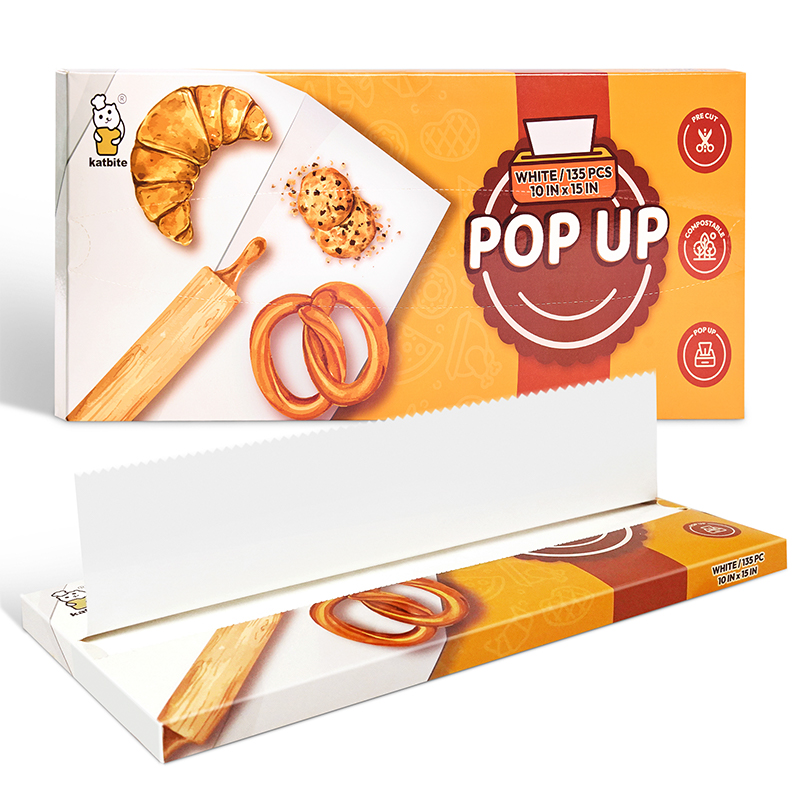
Product details: Pop-up parchment paper sheets, an environment-friendly product, are composed of wood pulp and are double-side coated with silicone. Such a coating makes our paper smooth, greasepr...
See DetailsWhy Use Parchment Paper for Bread Baking?
Home bread baking turns flour, water, salt, and time into loaves that feed daily routines or mark special moments. Parchment Paper has settled into this process because it quietly solves recurring issues that arise when working with dough. It supports clean handling, protects surfaces during long bakes, aids in transferring delicate pieces, and simplifies the transition from oven to table. In kitchens where bread appears regularly—whether for weekday sandwiches, weekend sharing, or quiet morning rituals—the paper contributes to consistent outcomes while reducing some of the physical effort and cleanup that can otherwise interrupt the flow.
Preparing Loaf Pans for Everyday Breads
Many structured breads, from basic white loaves to enriched varieties with milk or eggs, bake inside metal loaf pans. Lining the pan with parchment paper—often with extra length folded over the edges to create easy-grip handles—forms a reliable barrier. Once the bread cools, the entire loaf lifts out smoothly without clinging to the pan walls or base. This method cuts down on heavy greasing and lowers the risk of tearing the crust or compressing the crumb during removal. Bakers who prepare several loaves at the start of the week find this approach especially practical, as pans return to service quickly with only a light rinse required.
Transferring Free-Form Loaves to the Oven
Boules, batards, and baguettes typically bake on preheated stones or heavy sheet pans without sides to contain them. After proofing on a floured cloth or board, the dough can rest on a sheet of parchment paper. The paper then slides easily onto the hot surface, carrying the loaf without direct hand contact that might deflate air pockets or distort the shape. Following the bake, the same paper serves as a carrier to move the hot bread to a cooling rack. This simple transfer becomes particularly valuable when dealing with wetter doughs that spread readily or stick to uncoated surfaces.
| Stage of Process | Role of Parchment Paper | Key Benefit | Special Value For |
|---|---|---|---|
| After proofing | Dough rests on parchment sheet | Provides stable base after floured cloth/board | Wet/high-hydration doughs |
| Transfer to oven | Sheet slides onto preheated stone or pan | Carries loaf without direct hand contact | Prevents deflation of air pockets or shape distortion |
| During bake | Supports loaf on hot surface | Maintains shape and structure | Doughs that spread easily or stick |
| After baking | Same sheet carries hot loaf to cooling rack | Safe, easy removal from oven | Reduces handling of fragile, hot bread |
| Overall advantage | Single sheet for transfer in and out | Simplifies workflow, minimizes risk | High-hydration or sticky doughs |
Lowering Dough Safely into Hot Dutch Ovens
Covered cast-iron vessels create an enclosed, steam-filled environment that encourages strong oven spring and glossy crusts. Placing proofed dough into a scorching pot carries a risk of burns or collapse. A parchment sling—prepared by centering the dough on a wide sheet with long edges extending outward—provides secure handles for a controlled descent. The paper stays under the loaf during the covered phase, shielding the base from immediate high heat while permitting steam to circulate freely. When the lid is removed for browning, the paper can remain in place or be gently pulled away depending on the desired crust texture.
Regulating Moisture for Balanced Crust Development
Steam influences crust thickness, shine, and crumb openness. When baking on open surfaces, parchment paper placed beneath the dough absorbs excess condensation that might otherwise collect on the pan or stone. This helps keep the bottom crust from turning soggy while the upper surface develops color and snap. In setups using sheet pans instead of stones, the paper contributes to more uniform browning and texture across the loaf base. It does not block steam from reaching the dough but tempers excess wetness that can soften areas that should crisp.
Maintaining Clean Flavor Profiles
Parchment paper stays neutral throughout the baking process and does not introduce unwanted tastes or aromas. Lean sourdoughs, whole-grain loaves, seeded breads, and enriched doughs all retain the character developed during fermentation and mixing. The paper's lack of flavor impact allows bakers to focus on ingredient quality, proofing conditions, and shaping details without concern that the baking surface will alter the final eating experience.
Easing Release from Proofing Baskets
Proofing baskets lined with linen sometimes struggle with sticky, high-hydration doughs that adhere during the final rise. Inserting a sheet of parchment paper inside the basket creates a smoother release surface. When the time comes to turn the dough out, it slides onto the prepared baking surface without pulling or creating uneven tension across the skin. This small adjustment proves useful for long-fermented recipes where preserving surface tension and gas distribution matters during the transfer step.
Reducing Post-Bake Cleanup Effort
Direct contact between dough and baking surfaces frequently leaves behind baked-on residues that demand scraping, soaking, or scrubbing. Parchment paper keeps stones, trays, and pans largely free of these remnants, shortening the time needed after baking. In kitchens where bread preparation shares space with other cooking tasks, this decrease in cleanup helps maintain an orderly workspace and prevents the accumulation of chores throughout the day.
Selecting Parchment with Environmental Awareness
Variants processed without bleaching agents or sourced from responsibly managed fiber supplies allow bakers to match material choices with broader resource considerations. Unbleached papers avoid certain whitening treatments used in standard production, which can influence the overall manufacturing impact. Papers tied to sustainable sourcing practices connect to forestry systems that prioritize renewal, careful harvesting, and habitat protection over time. These options let practical baking benefits coexist with intentional upstream decisions.
Composting Lightly Used Sheets at Home
When parchment paper has seen only dough contact with little to no greasy residue, the sheets can go into home compost bins. Torn or cut into smaller fragments and layered with vegetable trimmings, fruit peels, or coffee grounds, the paper adds fibrous structure that prevents compaction in wet mixes and supports steady microbial work. Modest, regular inclusions maintain the carbon-nitrogen balance and contribute to finished compost suitable for garden beds, raised planters, or potted plants.
Disposing of Greasy or Oil-Heavy Sheets
Doughs enriched with butter, olive oil, or eggs often leave visible fat on the paper. These sheets do not break down effectively in small home compost systems and may slow decomposition, produce odors, or draw pests. They belong in regular trash collection or in municipal composting facilities that accept them. Larger operations handle higher fat loads through controlled temperature, aeration, and mechanical turning, converting the material into compost applied in community spaces, farms, or land restoration projects.
Recycling Clean, Uncoated Sheets
Parchment paper that stays free of thick grease, heavy food remnants, or strong coatings can often go into household recycling bins when local programs accept it. The fibers break down during pulping and rejoin the manufacturing stream to form new paper products or packaging, which eases the demand placed on untouched forest areas. Any surface treatments that do not dissolve well in water can disrupt the recycling steps, so taking a moment to inspect each sheet’s condition before sorting helps keep the process running smoothly and improves the quality of what comes out at the end.
| Aspect | Condition for Recycling | Process Benefit | Practical Tip |
|---|---|---|---|
| Eligible sheets | Free of thick grease, heavy food remnants, strong coatings | Fibers re-pulp into new paper products or packaging | Inspect sheet condition before sorting |
| Environmental impact | Reduces demand on primary forest resources | Supports fiber reuse in manufacturing stream | Choose uncoated / lightly used sheets |
| Potential issues | Surface treatments that resist water breakdown | Can disrupt pulping, screening, or quality | Avoid coated or heavily treated sheets |
| Overall value | Improves recycling system efficiency | Leads to higher-quality recycled output | Check local program acceptance |
Organizing Batch Baking Sessions
When several loaves come together in one baking window—perhaps for the week's family meals, portioned meal prep, or sharing with neighbors—the use of parchment paper creates a clear sequence of steps. One sheet might line a standard loaf pan for a soft sandwich bread while another sheet carries a free-form sourdough onto a baking stone. After cooling, each loaf separates cleanly, so flavors from one recipe do not carry over to the next. Baking surfaces need only a quick wipe between batches, letting the entire process move steadily from mixing bowl to finished cooling rack without long pauses for scrubbing.
Adapting to Seasonal Bread Styles
In warmer weather, people tend to bake lighter loaves such as ciabatta, focaccia, or simple flatbreads more often. Parchment paper manages the extra moisture these recipes produce and keeps the dough from sticking during fast, high-temperature bakes. When the weather turns cooler, denser breads like rye, whole-wheat, or those loaded with seeds take center stage; the paper makes it easier to shape and move these heavier doughs while helping them bake evenly at gentler oven settings. Through all these seasonal changes, parchment paper keeps its steady performance and blends naturally into whatever breads the household craves at different times of year.
Keeping Supplies Ready and Compact
Rolls or flat stacks of parchment paper fit neatly into a drawer or on a pantry shelf without taking up much room. When a baking session starts, a fresh sheet pulls out in seconds and sits ready next to the flour canister, salt, and sourdough starter. Because the paper carries no scent or taste of its own, it leaves the aroma and character of every dough untouched—whether the loaf includes fresh herbs, toasted seeds, warm spices, or the deep tang of long fermentation.
Supporting Group and Family Participation
In homes where several people share the kitchen, parchment paper lowers the cleanup hurdle enough to invite everyone to join in. Children, roommates, or partners who may not have much baking experience still feel comfortable helping with shaping rounds, scoring tops, or sliding trays when they know the surfaces will not end up covered in stubborn residue. Casual weekend baking or larger holiday projects become more enjoyable because the work spreads out evenly and no single person ends up stuck with the hardest cleaning tasks.
Complementing Different Dough Techniques
Many bread recipes work well without brushing extra oil or butter onto the pan when parchment paper is underneath. The dough relies on its own natural tension and the steam in the oven to release and form properly. This approach suits lean sourdoughs, richer enriched doughs, and everything in between, while still making every step of handling feel straightforward. Loaves come out with the shape, crust texture, and open crumb the baker intended, which encourages continued experimenting with water ratios, flour combinations, and proofing times.
Building Long-Term Resource Balance
One roll or package of parchment paper lasts through many baking days, so the same supply keeps delivering usefulness over weeks or months. When finished sheets head toward home composting after light use or into recycling when they remain clean, the overall pattern of use starts to feel more balanced and intentional. Households that pay attention to both the joy of baking and the journey of the materials involved find this small alignment rewarding in everyday life.
Achieving Neat Results for Sharing
Loaves that bake on parchment paper lift away evenly once cooled, which makes slicing straight, wrapping tightly, and carrying them to a gathering or neighbor’s door much simpler. There is rarely any sticky residue left behind, so the presentation stays clean and appealing. Choosing unbleached versions or those from more sustainable pulp sources keeps the entire process—baking, sharing, and eventual disposal—in line with a thoughtful approach to everyday materials.
Addressing Common Practical Limits
Not every used piece of parchment paper fits neatly into home composting, and recycling programs differ from one community to the next. Knowing the difference between sheets with only light flour dust, those carrying noticeable grease, and ones with added coatings helps direct each one to the right place. As baking sessions repeat week after week, these small sorting choices turn into natural habits that match the realities of a particular kitchen and the waste systems available nearby.
Guanghe Parchment Paper as a Thoughtful Companion in Bread Baking
Guanghe baking paper quietly stands as a practical ally for anyone who regularly turns out loaves at home. From lining a simple loaf pan to carrying a delicate high-hydration boule onto a hot stone or lowering dough safely into a steaming Dutch oven, it handles each step with steady reliability, letting the focus remain on fermentation, shaping, and the aroma that fills the kitchen. Its clean release preserves the crust and crumb exactly as intended, while the minimal cleanup keeps the rhythm of baking uninterrupted—whether preparing a single rustic loaf on a quiet morning or filling the counter with batches for the week ahead.
When chosen in unbleached or sustainably sourced forms, and directed thoughtfully toward home composting after light use, municipal programs for greasier sheets, or recycling when clean, Guanghe baking paper becomes part of a larger, gentle cycle that respects both the craft of bread making and the resources it draws from. In kitchens that value dependable results alongside a measure of environmental care, Guanghe baking paper offers a straightforward way to keep the process efficient, enjoyable, and aligned with mindful daily habits.
Related Products
-
-
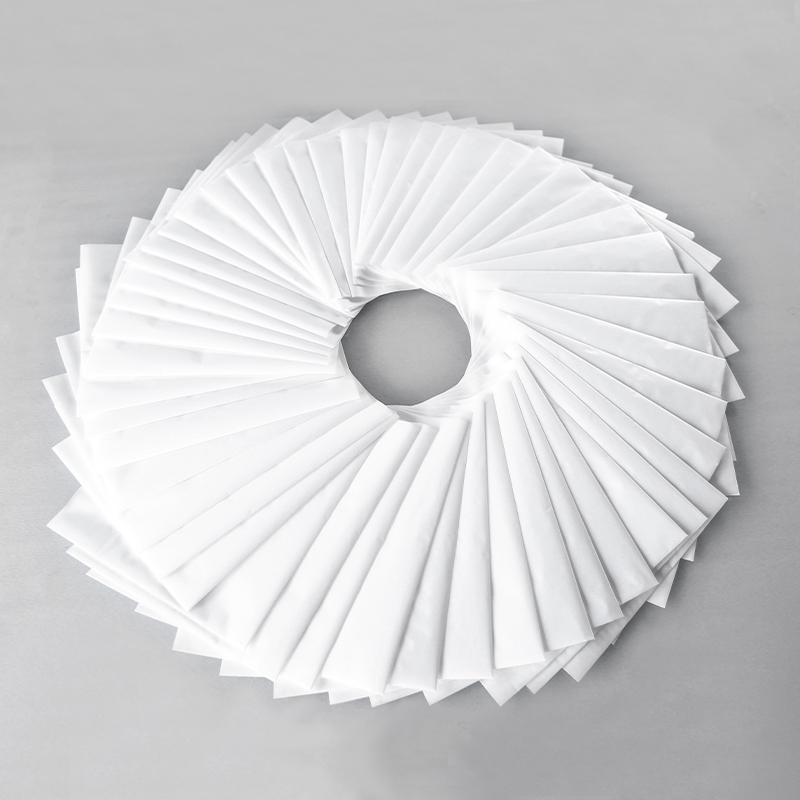
Product details: Folded baking paper sheets, an environment-friendly product, are composed of wood pulp and are double-side coated with silicone. Such a coating makes our paper smooth, greaseproof and...
See Details -
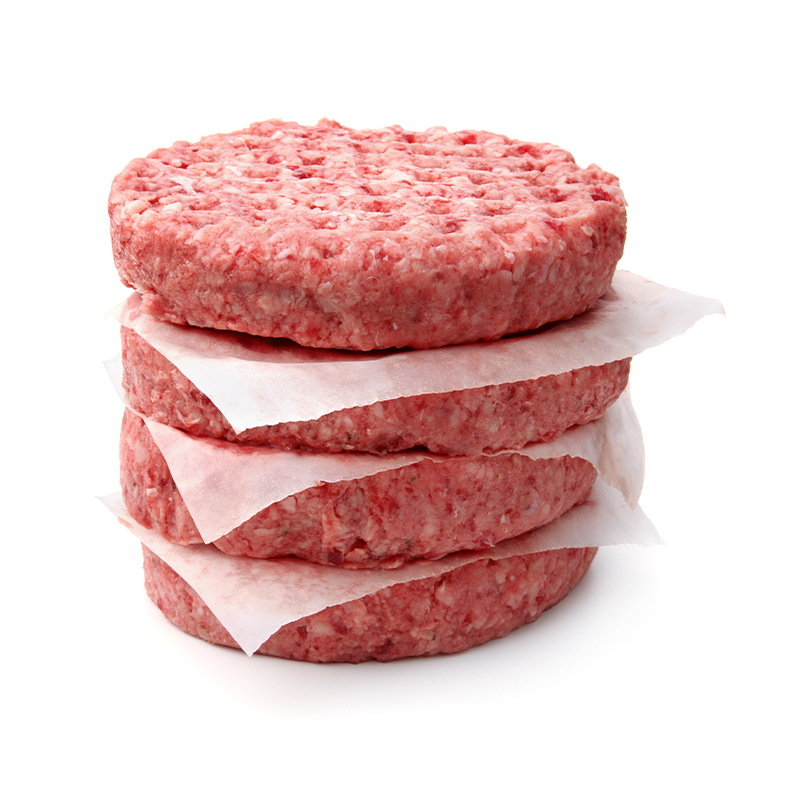
Description: Wax paper is the paper that is coated with food-grade wax in order to make it non-stick and waterproof. wax paper is very good for food storing and presentingMade of food-grade paper and ...
See Details -
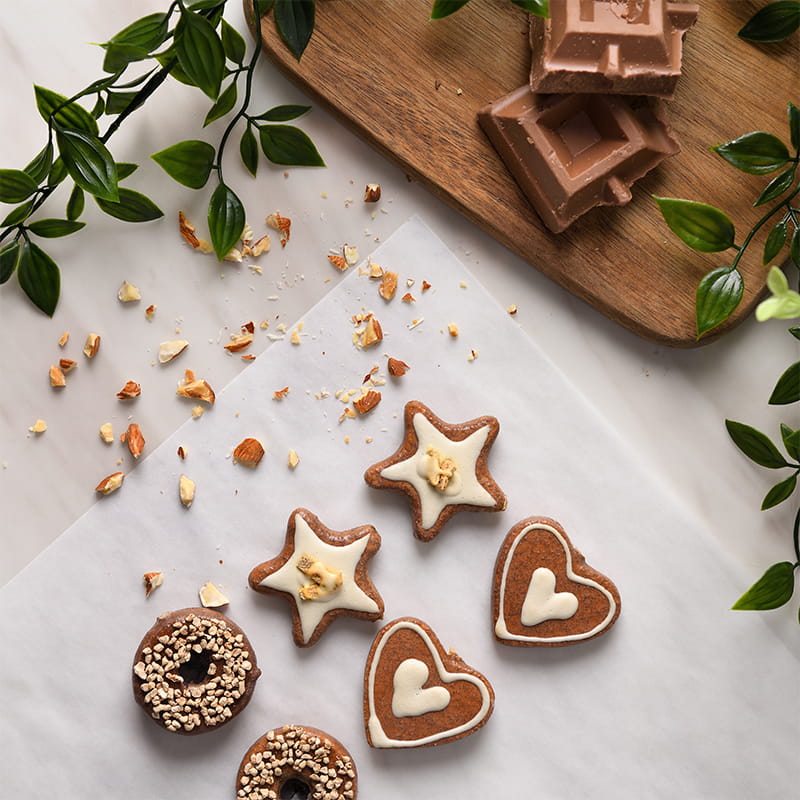
Product Features: 1. Virgin wood pulp 2. Double sides food grade silicone-treated 3. Fluorine-free 4. Non-stick 5. Oven/Microwave safe 6. Freezer safe 7. Reusable 8. BPA f...
See Details -
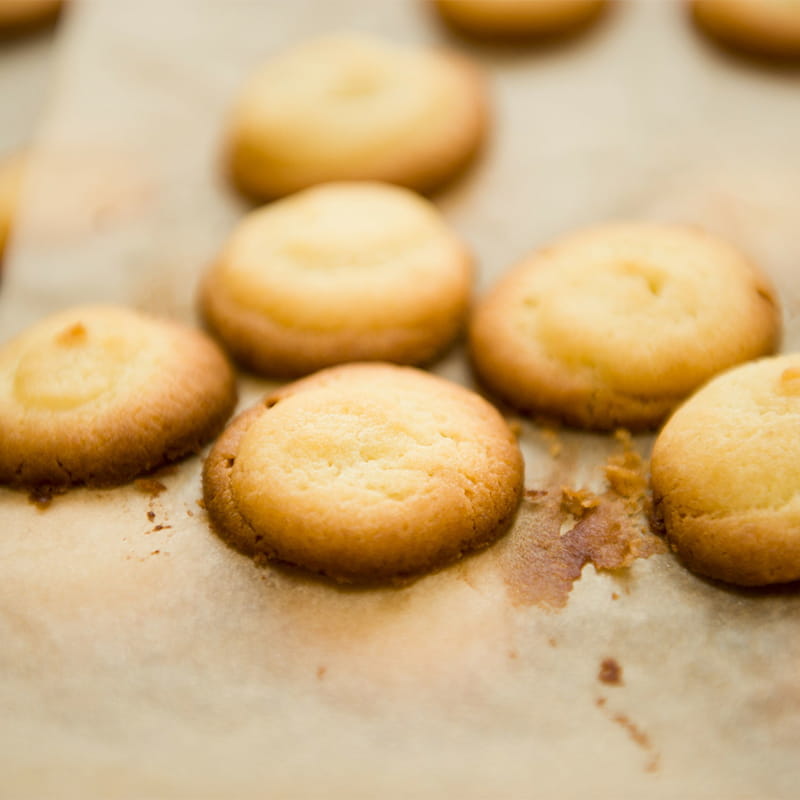
Product Features: 1. Virgin wood pulp 2. Natural unbleached brown color 3. Double sides food grade silicone-treated 4. Fluorine-free 5. Non-stick 6. Oven/Microwave safe 7. Fre...
See Details -
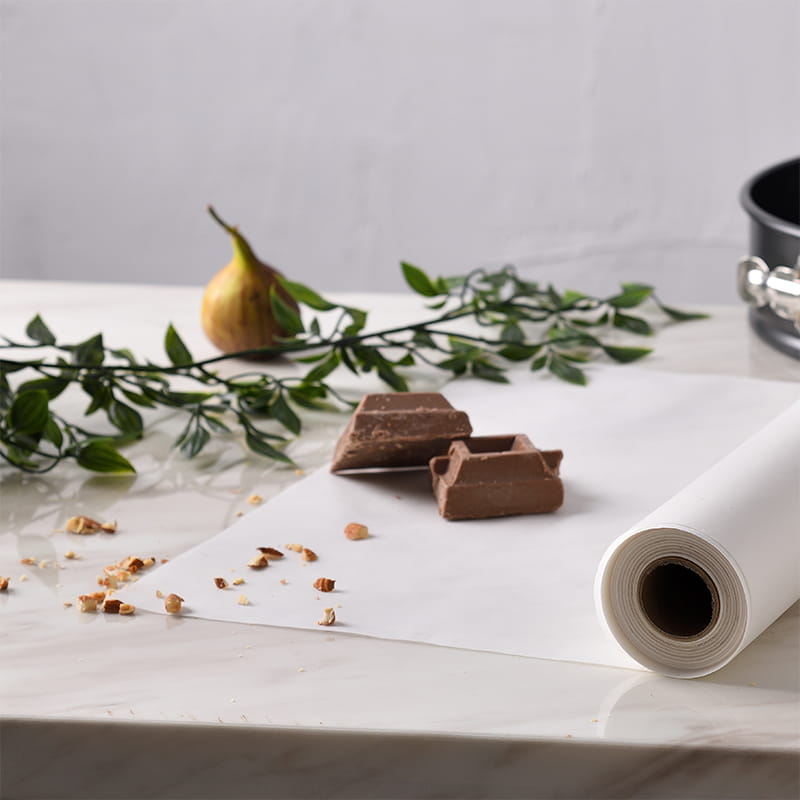
Product Features: 1. Virgin wood pulp 2. Double sides food grade silicone treated 3. Fluorine-free 4. Non-stick 5. Oven/Microwave safe 6. Freezer safe 7. Reusable 8. BPA ...
See Details -
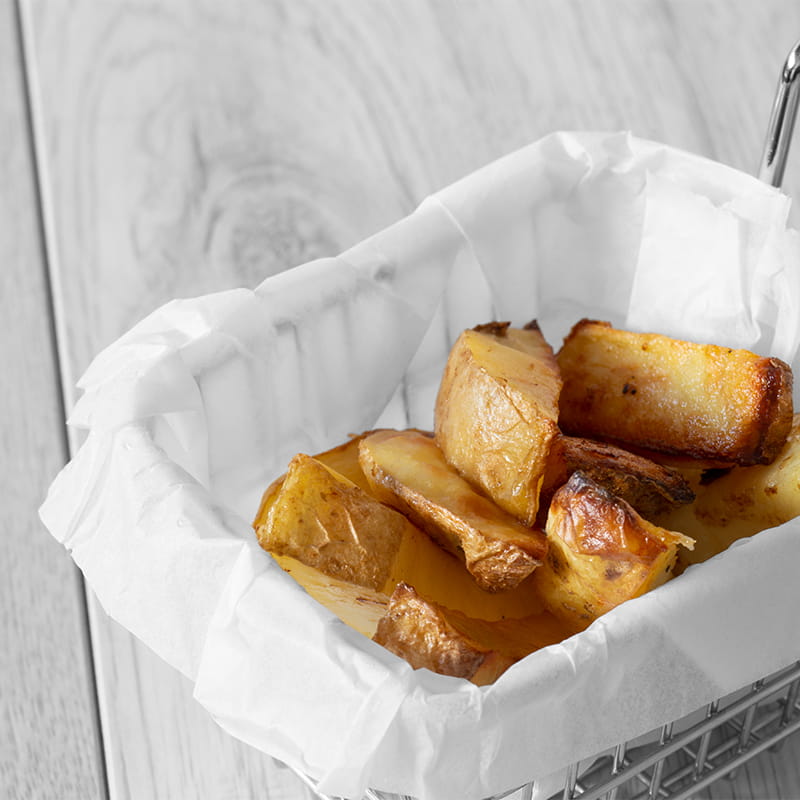
Product Features: 1. Virgin wood pulp 2. Fluorine-free 3. BPA free 4. Biodegradable Product Details: In an era where environmental consciousness and sustainability are paramount, Natu...
See Details -
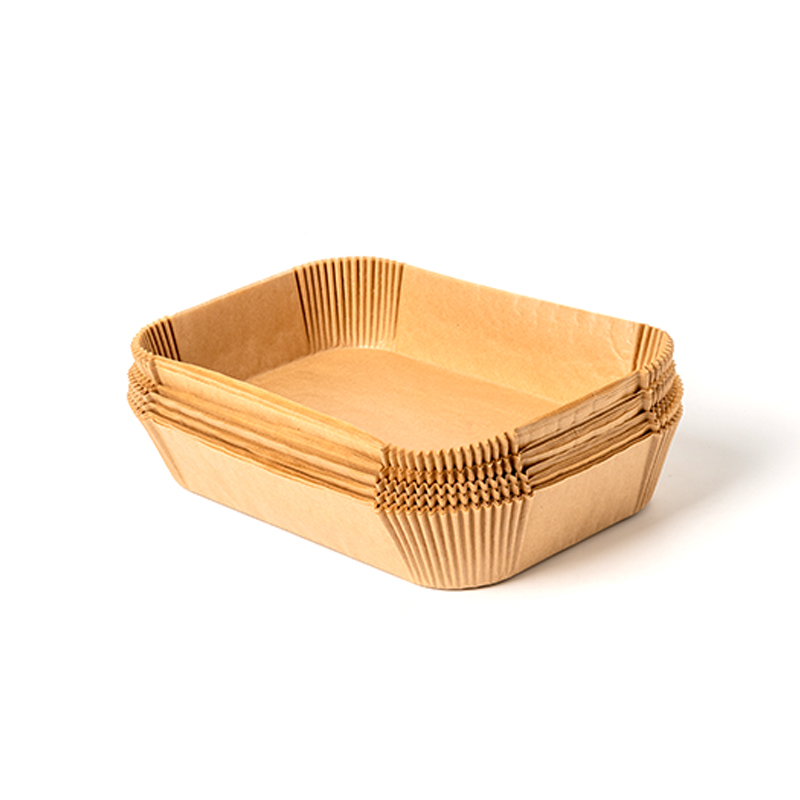
Product Features: 1. Virgin wood pulp 2. Double sides food grade silicone-treated 3. Fluorine-free 4. Non-stick 5. Air fryer basket safe 6. Reusable 7. BPA free 8. Biodeg...
See Details -
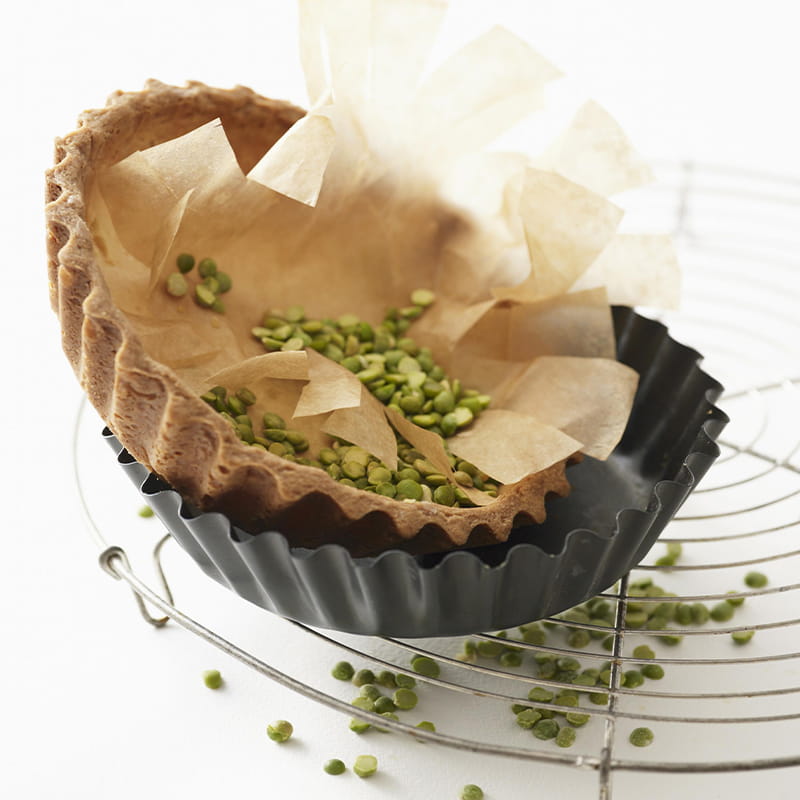
Product Features: 1. Virgin wood pulp 2. Natural unbleached brown color 3. Fluorine-free 4. BPA free 5. Biodegradable Product Details: Introducing our Unbleached Brown Food Grade ...
See Details -
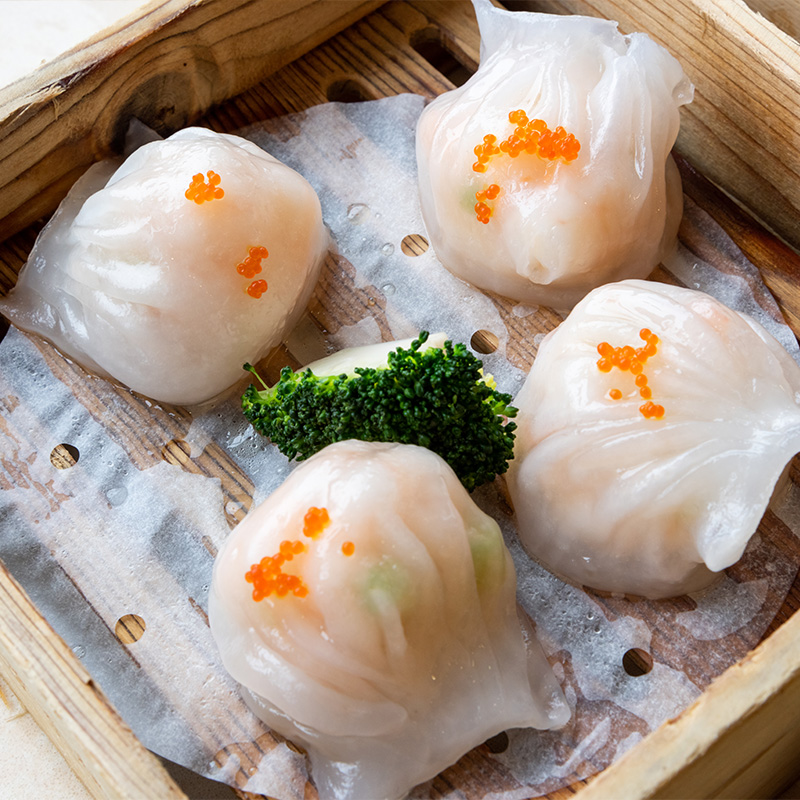
Product Features: 1. Virgin wood pulp 2. Double sides food grade silicone treated 3. Fluorine-free 4. Non-stick 5. Steamer/air fryer basket safe 6. Reusable 7. BPA free 8...
See Details -
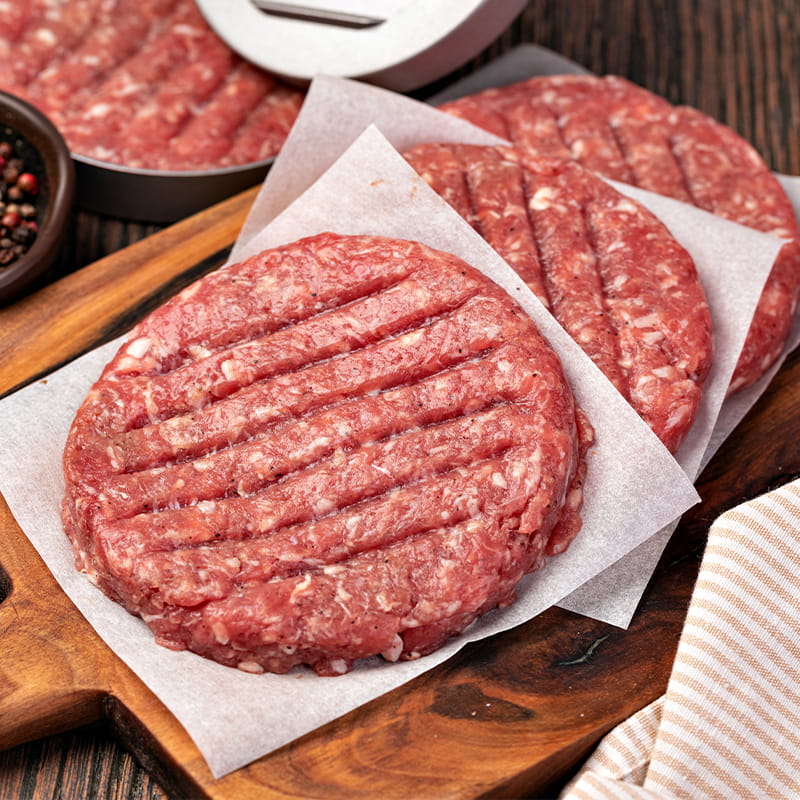
Product Features: 1. Virgin wood pulp 2. Double sides food grade silicone treated 3. Fluorine-free 4. Non-stick 5. Easy to separate 6. Reusable 7. BPA free 8. Biodegradab...
See Details -
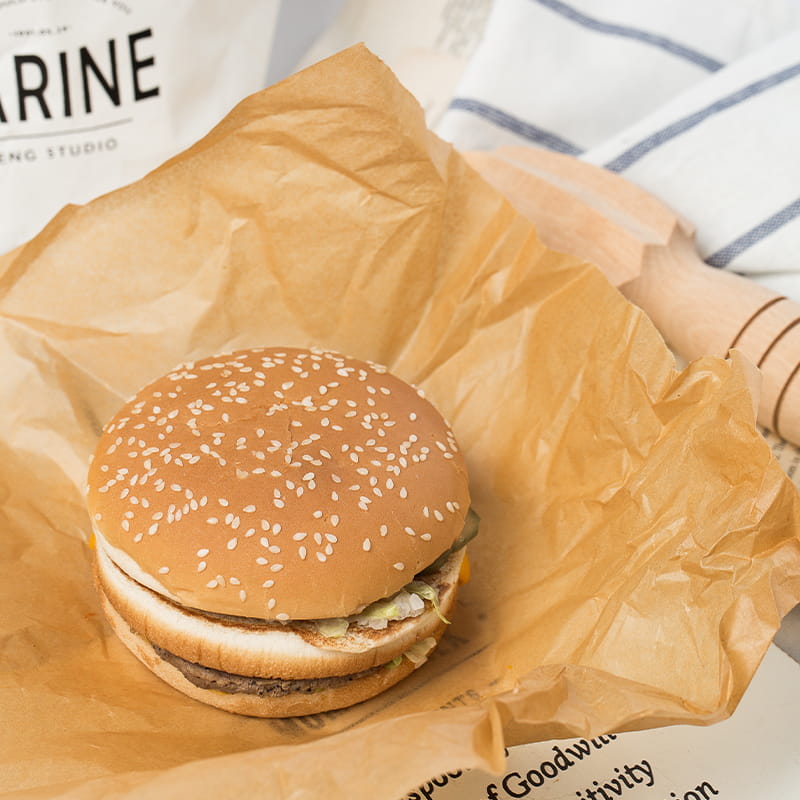
Product Features 1. Virgin wood pulp 2. Flexographic printing 3. Eco-friendly water-based ink 4. BPA free Product Details: Introducing our premium Greaseproof Sandwich Paper Sheets, a...
See Details

Professional Baking Parchment Paper Manufacturer in China with more than 15 years silicone coating experience.
Products
Contact Us
- No.10 Longyin Road, Chengnan Industrial Park,Longyou, Quzhou, China.
- +86-18968091013 / +86-571-88639705
- Avayao-1990@hotmail.com
Copyright © Zhejiang Guanghe New Materials Co., Ltd. All Rights Reserved.
Parchment Paper & Baking Paper Sheets Manufacturer
