 English
 中文简体
中文简体
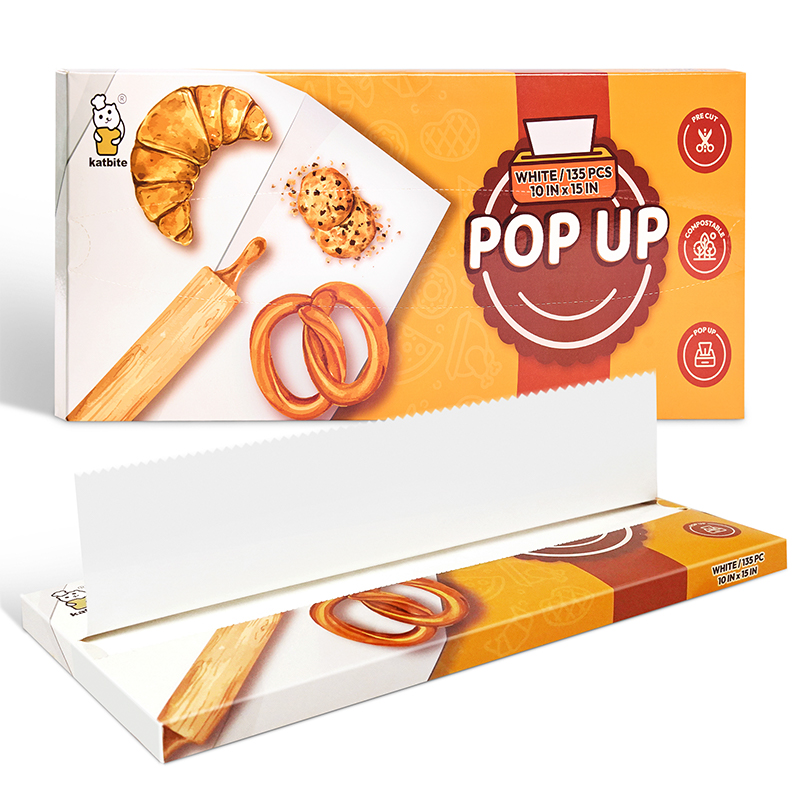
Product details: Pop-up parchment paper sheets, an environment-friendly product, are composed of wood pulp and are double-side coated with silicone. Such a coating makes our paper smooth, greasepr...
See DetailsWhy Is Baking Paper Essential in Modern Kitchens?
Contemporary kitchens serve as central gathering points where daily life unfolds through the preparation of meals, the testing of new recipes, and the management of household routines. Baking Paper have gained a steady place in these spaces because they respond to several overlapping needs that arise repeatedly during cooking. They offer practical assistance with common tasks, reduce the effort required for cleanup, provide consistent performance across different types of preparations, and include disposal pathways that align with increasing awareness of material lifecycles and waste management. Their widespread use reflects an adaptation to the way people cook today—balancing speed, convenience, and consideration for environmental consequences.
A primary reason for their frequent appearance involves the way they facilitate clean release of food from surfaces. Placing a sheet of this paper on a tray or in a pan creates a barrier that generally allows baked or roasted items to separate smoothly once they have cooled. The result is far less scrubbing and soaking of cookware afterward. In homes where the oven operates regularly—preparing weekday dinners, weekend batches of goods, or occasional larger meals—this reduction in post-cooking labor becomes noticeable. Cooks can direct their energy toward adjusting flavors, monitoring doneness, arranging presentations, or simply moving on to the next part of the day instead of wrestling with stuck residues.
Versatility contributes significantly to their integration. The same material can line baking sheets for cookies or pastries, support roasted vegetables or proteins, serve as a base when rolling out dough, act as a temporary work surface during assembly, or provide a clean layer for cooling and storing finished items. This range of applications means a single supply handles multiple roles without requiring an assortment of specialized alternatives. People who prepare both sweet and savory dishes, who alternate between quick meals and more involved projects, or who cook for varying group sizes appreciate the reliability that comes from one consistent option. The simplicity streamlines kitchen organization and reduces the mental load of deciding which tool fits each task.
Environmental aspects have also shaped the role these papers play. When variants exist that involve reduced processing or fibers drawn from responsibly managed sources, users can choose materials that reflect personal priorities around resource use. Unbleached papers bypass certain whitening treatments that occur in conventional production, affecting the chemical profile of manufacturing. Papers connected to sustainable pulp sourcing relate to forestry systems that focus on renewal, selective cutting, habitat preservation, and long-term supply stability. These features allow convenience to coexist with choices that consider upstream impacts.
Such options do not remove every compromise involved in everyday products, but they create space for alignment with values that many households now incorporate into purchasing decisions. As conversations about where materials come from and how they are handled become more routine, the presence of these variants helps baking papers fit comfortably into modern kitchens rather than standing out as a point of concern.
End-of-life handling further supports their compatibility with responsible practices. After light use—meaning contact with only small amounts of fat, oil, sugar, or other residues—the papers can enter home composting systems. In a properly maintained compost setup, where carbon materials combine with nitrogen-rich scraps, moisture stays appropriate, and turning provides oxygen, the paper fibers gradually decompose. Depending on bin size, climate, and mix balance, breakdown occurs over weeks to several months. The added structure helps prevent dense, airless layers, encourages microbial activity, and contributes to finished compost that improves soil texture, water-holding capacity, and nutrient content for garden beds, raised planters, or indoor pots. This process offers a sense of continuity, turning a temporary kitchen aid into something that nourishes future plant growth.
When sheets carry heavier loads of grease, oil, or baked-on fats—from roasting meats, frying, or working with buttery doughs—home composting becomes less suitable. Substantial residues can create barriers to airflow, slow microbial processes, generate odors, or attract unwanted attention in smaller systems. In these cases, regular trash collection or municipal composting programs (where acceptance exists) provide more appropriate routes. Larger facilities typically employ mechanical turning, controlled temperatures, and monitored aeration that manage higher-fat inputs effectively. Acceptance policies differ by location, so reviewing local guidelines ensures items reach the right stream and avoids unintended complications in community processing.
Sheets that remain clean, free of thick coatings or heavy food buildup, sometimes qualify for recycling programs. These can be re-pulped into new paper goods, helping conserve raw fiber resources. However, wax or comparable surface treatments can interfere during pulping by resisting water breakdown, forming residues that complicate screening and cleaning stages, or reducing the quality of the recycled output. Coatings may cause material to be diverted from standard recycling lines or result in lower-grade products. Checking condition before placement—wiping away light residues when practical and separating heavily treated or soiled sheets—supports more efficient recycling and reinforces habits that match material state to system requirements.
The combination of in-use advantages and thoughtful disposal options helps explain the steady role of baking papers. They provide immediate help during preparation while connecting to end-of-life pathways that reflect current approaches to waste as a potential resource. Households that seek both operational ease and alignment with sustainability considerations find this dual capability valuable.
Daily applications reveal additional layers of utility. In batch cooking—preparing several trays for family meals, meal-prep portions, community events, or holiday baking—the papers enable smooth sequencing. Items lift cleanly after cooling, limiting flavor carryover between batches. This separation becomes particularly useful when shifting between sweet items and savory roasts or when preserving distinct tastes across a menu. Cookware requires minimal attention between rounds, allowing steady progress without frequent interruptions for deep cleaning.
| Application Scenario | Key Benefit | Specific Advantage | Practical Outcome |
|---|---|---|---|
| Batch cooking (family meals, meal-prep, events, holidays) | Enables smooth sequencing | Clean lift after cooling | Limits flavor carryover between batches |
| Switching between sweet & savory recipes | Preserves distinct tastes | Prevents mixing of sweet/savory flavors | Maintains menu integrity |
| Multiple cooking rounds | Minimal cookware attention between uses | Reduced need for deep cleaning mid-process | Faster, uninterrupted workflow |
Routine examples illustrate the pattern clearly. A lined tray used to cool scones or muffins keeps counters free of crumbs and sticky spots, making transfer to storage jars or containers straightforward. The same technique applied later in the day aids quick release of roasted root vegetables or baked chicken pieces during plating. These repeated small efficiencies build over time, creating a kitchen experience that feels less fragmented by cleanup demands.
Choices related to pulp origin and processing extend the environmental conversation to earlier stages. Fibers sourced through managed systems often involve practices that prioritize replanting cycles, biodiversity protection, and reduced ecological footprint. When combined with unbleached methods, the resulting paper carries fewer manufacturing additives, influencing both production impacts and subsequent decomposition characteristics. Individuals who consider these factors find the papers compatible with deliberate material selection.
Managing Greasy Sheets
Sheets heavy with grease go to regular trash or municipal programs that accept them, preventing slowdowns like delayed breakdown, low-oxygen conditions, or pest problems in smaller home bins, whereas larger industrial operations manage fats more reliably through volume, heat, and mixing to produce compost used in public areas, farms, or land recovery efforts.
Recycling Clean Sheets
Recycling clean sheets supports fiber reuse cycles by breaking them down into pulp for fresh paper, cardboard, or packaging materials, reducing demand on original forest supplies, although surface treatments can create processing difficulties, wear on equipment, or lower output quality, making it essential to check the paper's condition before adding it to bins.
End-of-Use Integration
These end-of-use methods show how baking papers fit kitchens focused on ongoing sustainability, turning disposal choices into a natural part of routines that pair the material's state with available systems for smooth progression from use to renewal or proper discard.
| Aspect | Key Idea | Practical Benefit | Outcome |
|---|---|---|---|
| End-of-use methods | Match disposal to paper's condition | Pairs material state with suitable systems | Smooth flow from use to renewal or discard |
| Sustainability focus | Disposal as natural routine step | Integrates choices into daily kitchen habits | Supports ongoing environmental awareness |
| Overall fit | Baking papers suit mindful, sustainable kitchens | Turns waste handling into thoughtful practice | Creates logical progression in resource cycle |
Shared-Kitchen Advantages
Shared kitchens gain from easier cleanup, allowing family, roommates, or visitors with different skill levels to join in more comfortably since surfaces stay largely free of heavy buildup, benefiting group meal preparations from simple evening meals to organized events by spreading tasks evenly and building teamwork.
Support for Cooking Methods
Certain preparation approaches benefit particularly, as the papers lessen reliance on extra fats or oils for release where recipes permit, enabling foods to cook in their natural juices with limited additions to suit various eating preferences while keeping handling straightforward and helping finished items hold their form, texture, and look for further recipe trials.
Storage Practicality
Storage works well because rolls or flat packs need little space and come out quickly for spontaneous use, with the material's neutral quality avoiding any flavor carryover to keep ingredients pure across sweet, savory, or plain applications and positioning them conveniently among pantry basics.
Value for Composting Households
Active composting households find extra value in how the papers join nutrient cycles after their kitchen role, shifting from temporary aid to soil improver and linking everyday tasks to noticeable garden or container outcomes, while awareness of municipal acceptance or recycling options guides choices that cut down on landfill use when personal composting isn't possible.
Material Design Evolution
Material improvements, especially in surface treatments, continue to develop functionality for better handling in moist or fatty cooking yet bring specific disposal considerations, so opting for variants with fewer treatments when suitable or managing coated items apart helps match practices to system capabilities.
Adaptability to Home Settings
The material adapts readily to varied home setups, offering reduced cleaning needs in smaller city apartments or composting chances in places with outdoor space, and scales easily to different cooking amounts from infrequent baking to daily components without calling for big routine changes.
Long-Term Value
Value spreads over time as one supply covers many sessions, and directing items toward composting or recycling creates a more balanced overall resource picture that resonates with households mindful of both upfront choices and extended impacts.
Ongoing Challenges
Difficulties continue since not all sheets meet home composting standards and recycling rules differ by area, but information separating light from heavy use or coated from uncoated states supports better decisions, allowing habits to develop over ongoing cycles of selection, use, and disposal that match individual kitchens and local resources.
Guanghe Baking Paper
Guanghe baking paper quietly embodies the balance many modern kitchens seek: dependable performance during everyday cooking combined with practical pathways for responsible use and disposal. Whether lining trays for a batch of morning scones, supporting roasted vegetables at dinner, or providing a clean surface for cooling delicate pastries, it handles these tasks with consistent ease while allowing cooks to focus on flavor and creativity rather than cleanup struggles.
Its adaptability across seasons, cooking styles, and household sizes—from compact urban apartments to homes with active gardens—makes it a natural fit for routines that value both efficiency and mindfulness. When chosen in unbleached or sustainably sourced forms and directed thoughtfully toward home composting after light use, municipal programs for heavier residues, or recycling when clean, Guanghe baking paper becomes more than a simple kitchen tool; it turns into a small but meaningful part of a larger cycle that respects resources and reduces waste.
In an era when households increasingly weigh convenience against care for the environment, Guanghe baking paper offers a straightforward, reliable way to bring both together, proving that even everyday items can support thoughtful, sustainable living without sacrificing practicality.
Related Products
-
-
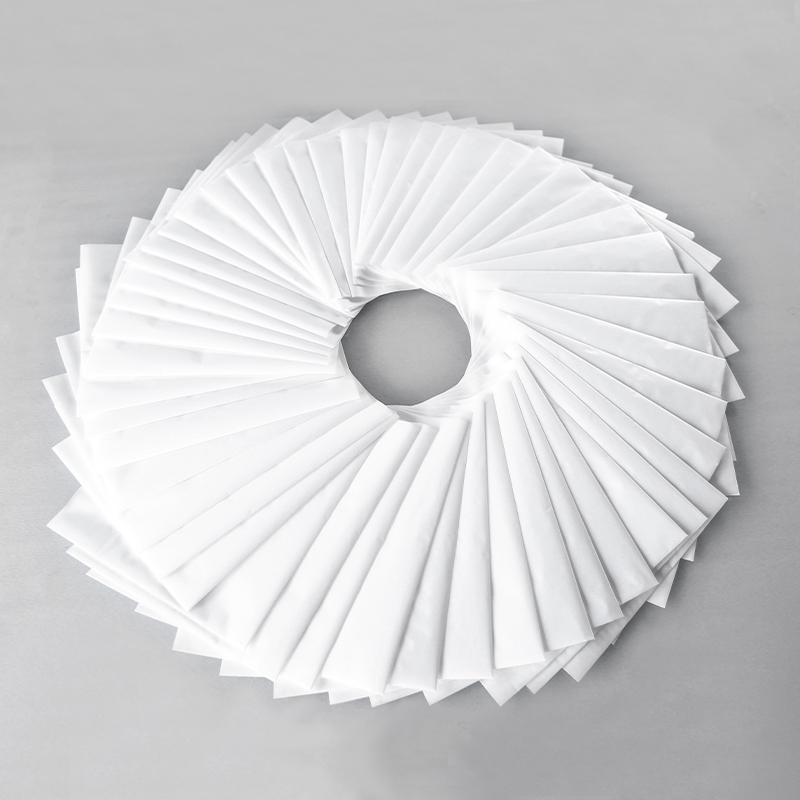
Product details: Folded baking paper sheets, an environment-friendly product, are composed of wood pulp and are double-side coated with silicone. Such a coating makes our paper smooth, greaseproof and...
See Details -
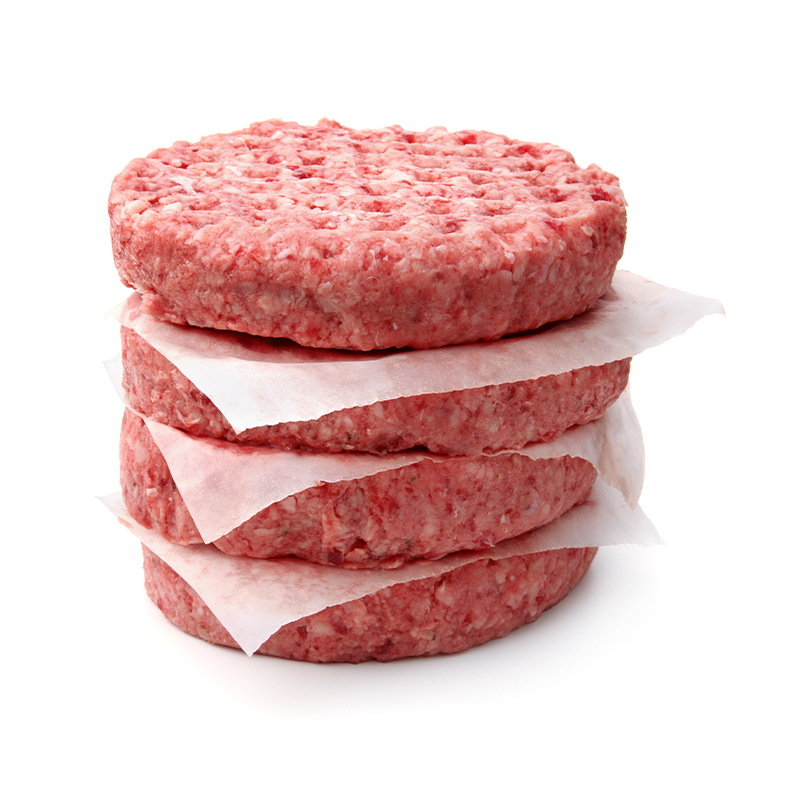
Description: Wax paper is the paper that is coated with food-grade wax in order to make it non-stick and waterproof. wax paper is very good for food storing and presentingMade of food-grade paper and ...
See Details -
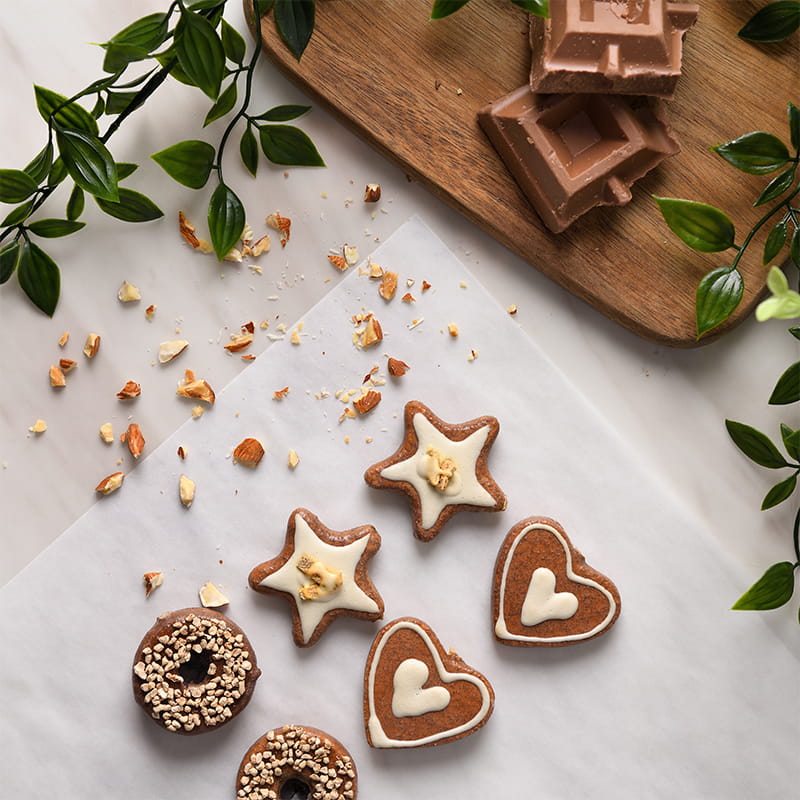
Product Features: 1. Virgin wood pulp 2. Double sides food grade silicone-treated 3. Fluorine-free 4. Non-stick 5. Oven/Microwave safe 6. Freezer safe 7. Reusable 8. BPA f...
See Details -
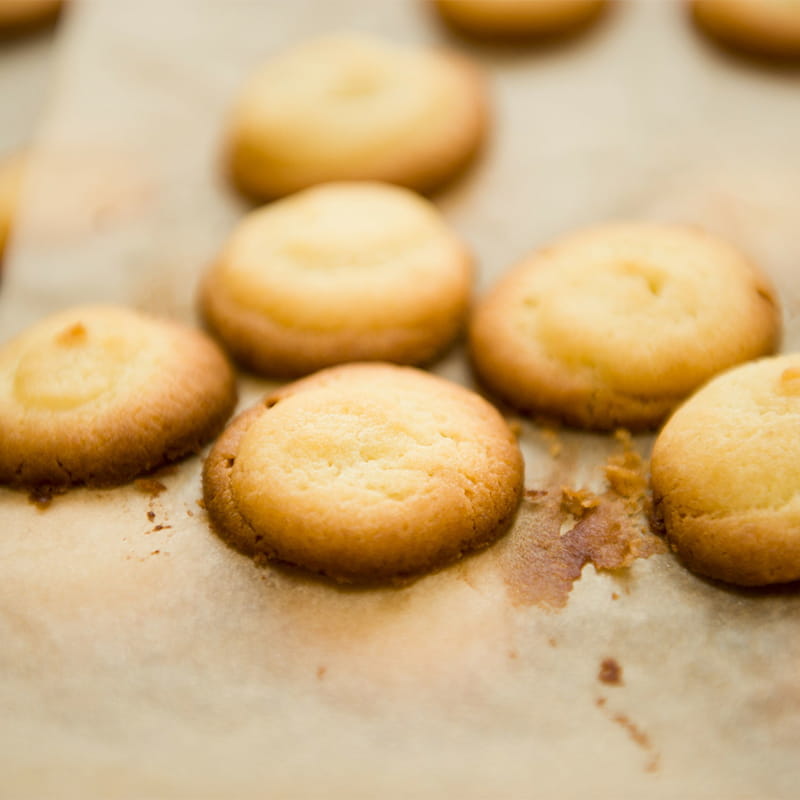
Product Features: 1. Virgin wood pulp 2. Natural unbleached brown color 3. Double sides food grade silicone-treated 4. Fluorine-free 5. Non-stick 6. Oven/Microwave safe 7. Fre...
See Details -
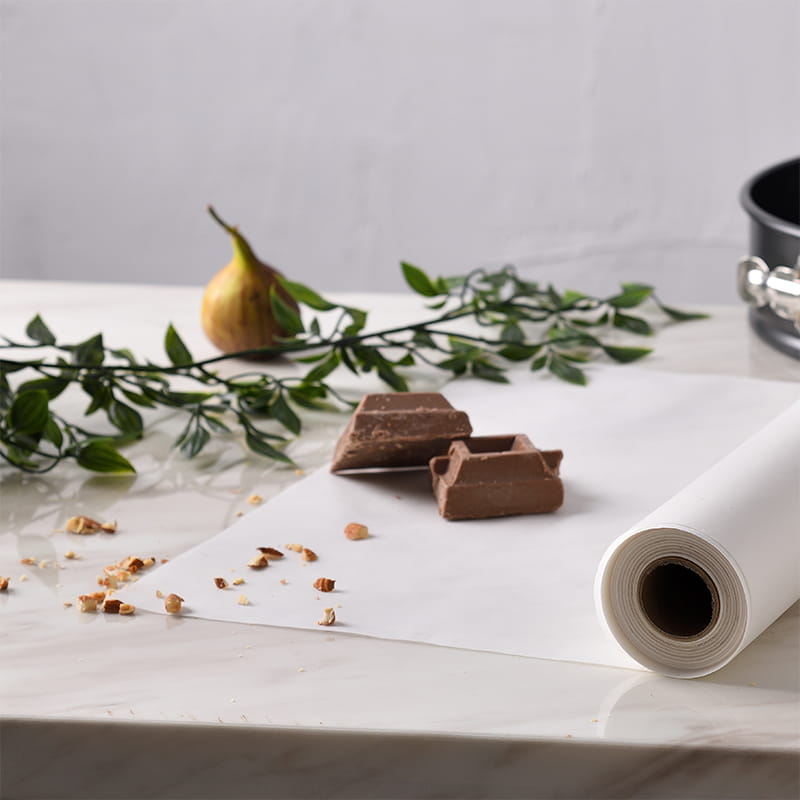
Product Features: 1. Virgin wood pulp 2. Double sides food grade silicone treated 3. Fluorine-free 4. Non-stick 5. Oven/Microwave safe 6. Freezer safe 7. Reusable 8. BPA ...
See Details -
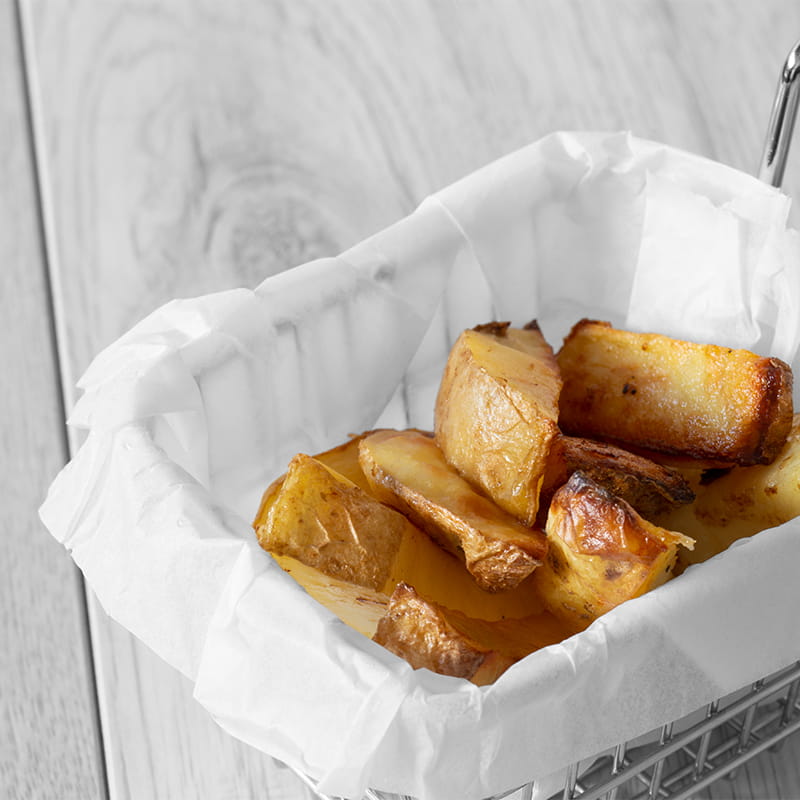
Product Features: 1. Virgin wood pulp 2. Fluorine-free 3. BPA free 4. Biodegradable Product Details: In an era where environmental consciousness and sustainability are paramount, Natu...
See Details -
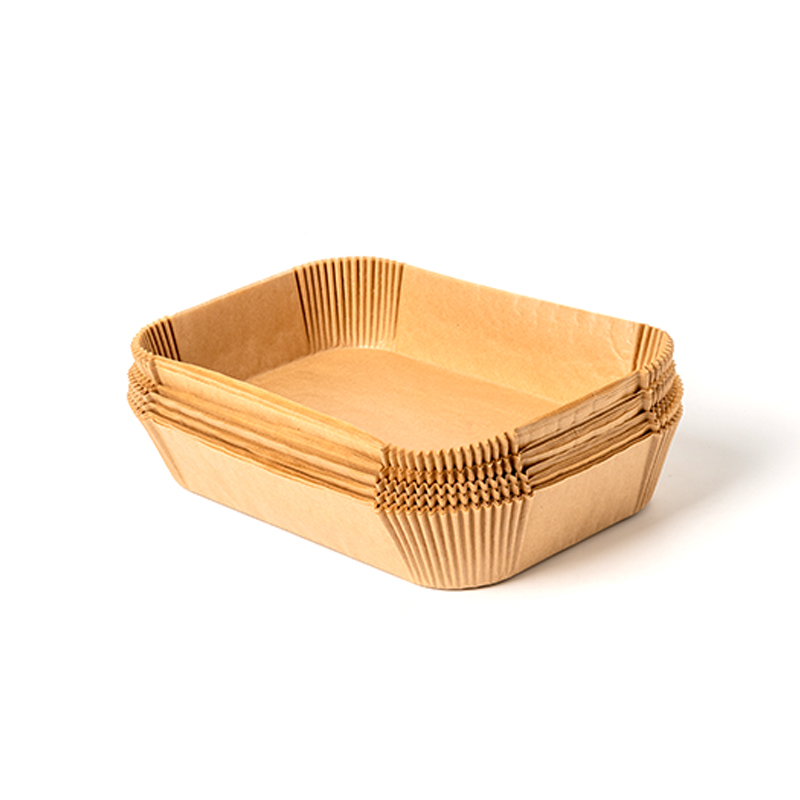
Product Features: 1. Virgin wood pulp 2. Double sides food grade silicone-treated 3. Fluorine-free 4. Non-stick 5. Air fryer basket safe 6. Reusable 7. BPA free 8. Biodeg...
See Details -
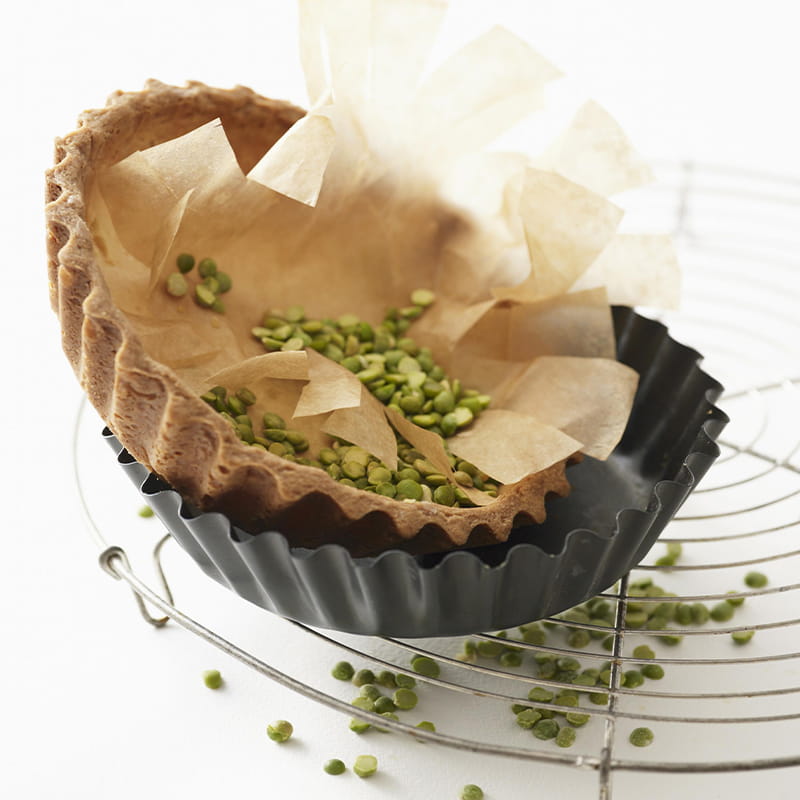
Product Features: 1. Virgin wood pulp 2. Natural unbleached brown color 3. Fluorine-free 4. BPA free 5. Biodegradable Product Details: Introducing our Unbleached Brown Food Grade ...
See Details -
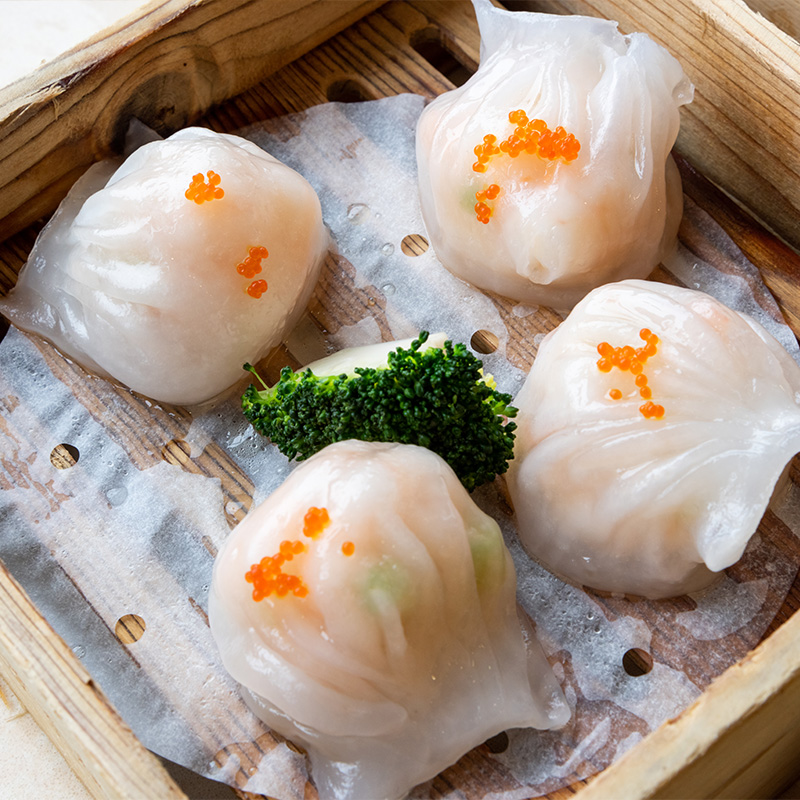
Product Features: 1. Virgin wood pulp 2. Double sides food grade silicone treated 3. Fluorine-free 4. Non-stick 5. Steamer/air fryer basket safe 6. Reusable 7. BPA free 8...
See Details -
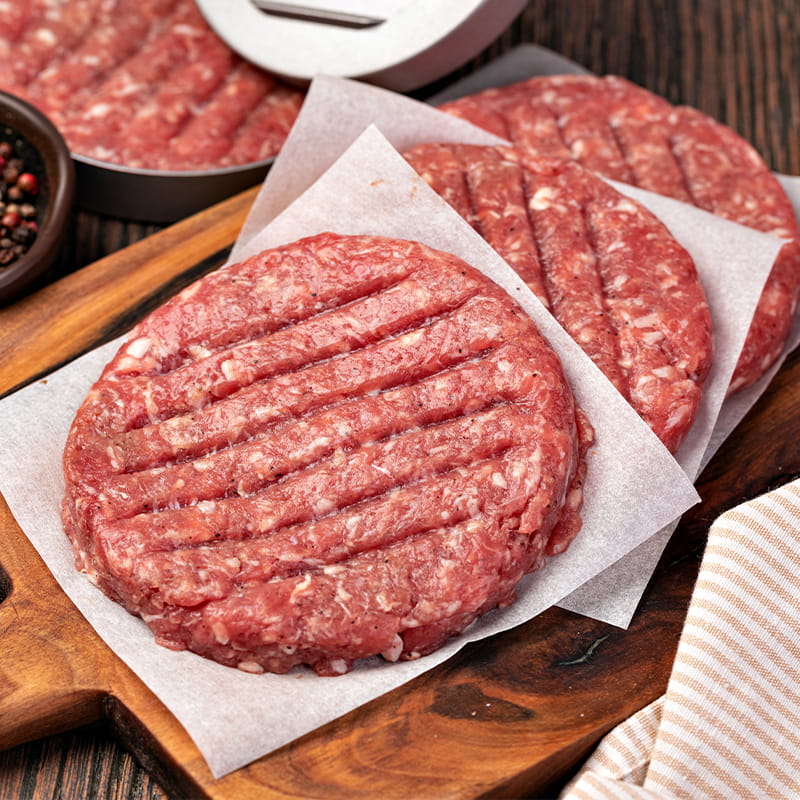
Product Features: 1. Virgin wood pulp 2. Double sides food grade silicone treated 3. Fluorine-free 4. Non-stick 5. Easy to separate 6. Reusable 7. BPA free 8. Biodegradab...
See Details -
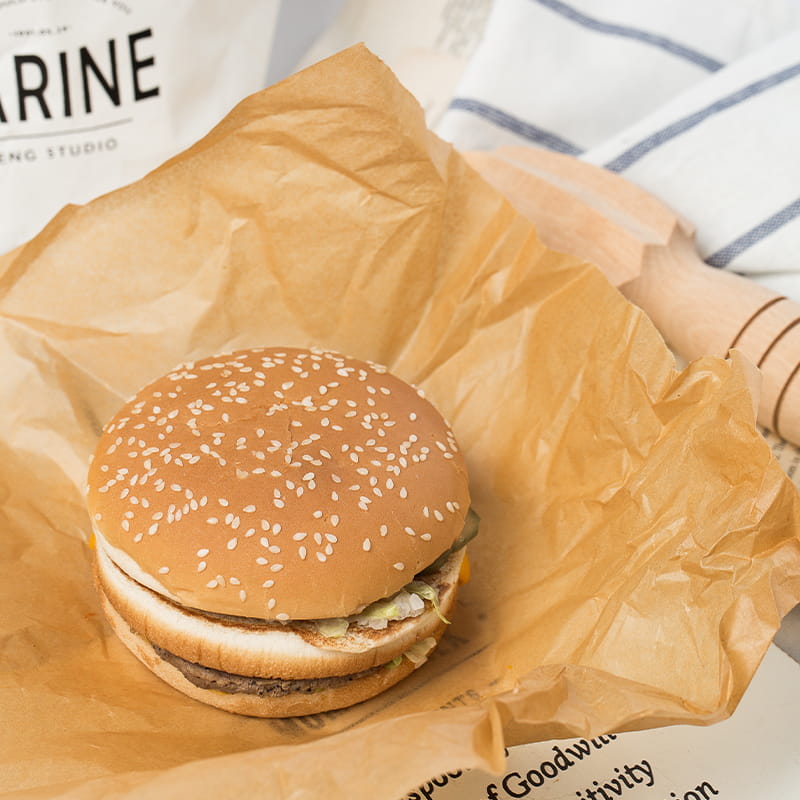
Product Features 1. Virgin wood pulp 2. Flexographic printing 3. Eco-friendly water-based ink 4. BPA free Product Details: Introducing our premium Greaseproof Sandwich Paper Sheets, a...
See Details

Professional Baking Parchment Paper Manufacturer in China with more than 15 years silicone coating experience.
Products
Contact Us
- No.10 Longyin Road, Chengnan Industrial Park,Longyou, Quzhou, China.
- +86-18968091013 / +86-571-88639705
- Avayao-1990@hotmail.com
Copyright © Zhejiang Guanghe New Materials Co., Ltd. All Rights Reserved.
Parchment Paper & Baking Paper Sheets Manufacturer
