 English
 中文简体
中文简体
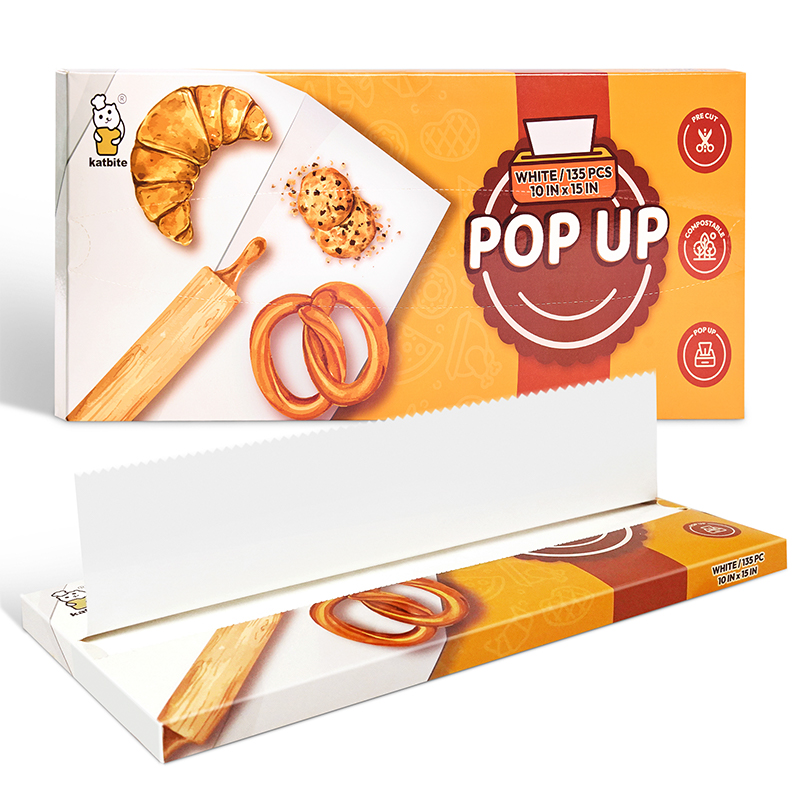
Product details: Pop-up parchment paper sheets, an environment-friendly product, are composed of wood pulp and are double-side coated with silicone. Such a coating makes our paper smooth, greasepr...
See DetailsThe Difference Between Baking Paper And Wax Paper?
In home kitchens, two common papers—baking paper and wax paper—often sit next to each other on the pantry shelf. At glance they look similar: thin, flexible sheets sold in rolls or folded stacks. Yet their behavior in the kitchen differs sharply. Baking Paper handles oven heat without breaking down, while wax paper softens or melts when exposed to temperatures above room level. Using the wrong one can turn a simple baking task into a sticky mess or a smoky cleanup job.
How Baking Paper Is Made
Baking paper begins with wood pulp, the same starting point as ordinary writing paper. The pulp is cooked, washed, and beaten until the fibers separate and form a slurry. This slurry is spread in a thin layer on large moving screens, pressed to remove water, and dried into sheets. So far the process resembles regular paper production.
The critical step that turns it into baking paper happens next. The dried sheets pass through a bath of sulfuric acid or a similar chemical solution. This treatment—often called parchmentizing—tightens the fiber structure, making the paper denser and much less absorbent. After the acid bath, the sheets are rinsed thoroughly to neutralize any remaining acid and then dried again. At this stage the paper already resists water and grease better than ordinary paper.
The final layer comes from silicone. A thin, even coating of food-grade silicone is applied to one side or both sides. Silicone is stable at high temperatures, does not melt or release fumes in a normal oven, and creates the smooth, non-stick surface cooks rely on. The coated paper is cured with heat to bond the silicone securely, then wound into rolls or cut into pre-sized sheets for retail.
Some producers skip bleaching to keep a natural brown color, while others bleach the pulp for a bright white look. The unbleached version performs the same way in the oven; the color choice is mainly aesthetic. The silicone layer is applied carefully so it does not flake or transfer to food. The result is a sheet that stays flexible yet strong, releases baked goods cleanly, and holds together even after contact with butter, sugar, or fruit juices.
How Wax Paper Is Made
Wax paper follows a shorter path. The same wood pulp base is prepared, formed into sheets, and dried, but the parchmentizing acid bath is skipped. Without that chemical tightening, the fibers stay looser, and the paper remains more absorbent and pliable.
The defining step is the wax coating. Paraffin wax—derived from petroleum—or a plant-based wax such as soybean wax is melted and applied to both sides of the sheet. The paper passes through rollers or a dipping bath so the wax soaks in slightly and forms a continuous layer on the surface. As the wax cools and hardens, it creates a glossy, slightly translucent finish that repels water and blocks air.
No silicone is used. The wax itself provides the non-stick quality at room temperature or below. Bleaching is common for a clean white appearance, though unbleached versions exist. The finished paper is rolled or folded and packaged. Because the process avoids harsh chemicals and complex curing, wax paper remains inexpensive and easy to produce in large quantities.
The wax layer is thin but effective for cold applications. It seals out moisture, keeps sandwiches fresh longer, and prevents dough from sticking to a rolling pin or counter. However, the same wax that works so well at cool temperatures becomes a liability when heat is applied.
Heat Behavior: The Core Difference
Heat is where baking paper and wax paper part ways completely.
Baking paper is built for the oven. The silicone coating stays solid and inert at temperatures well above those used for baking cakes, roasting vegetables, or toasting nuts. It does not melt, drip, or give off smoke under normal conditions. If an edge hangs over a pan and touches a heating element, that small exposed part may darken or crisp, but the rest of the sheet remains intact. This stability makes baking paper safe and predictable for any recipe that goes into a hot oven.
Wax paper reacts differently. The wax coating begins to soften around body temperature and melts fully when exposed to oven heat or even a hot pan straight from the stove. Once melted, the wax can soak into food, leave a greasy film on the pan, or produce light smoke if it drips onto a heating element. In cases, prolonged direct heat can cause the paper to catch fire. For these reasons, wax paper is never recommended for oven use.
Microwave performance follows the same pattern. Baking paper allows microwaves to pass through without absorbing energy, so it can cover dishes to prevent splatters or wrap food for gentle steaming. Wax paper can be used for very short microwave times—covering a plate for a minute or two—but longer exposure softens the wax and risks melting or smoking.
Everyday Uses for Baking Paper
Baking paper shines whenever heat is involved. Line a rimmed baking sheet for cookies, scones, or roasted vegetables; the silicone surface releases the food cleanly and catches any drips or caramelized bits. For layer cakes or cheesecakes, cut a circle to fit the bottom of the pan so the finished cake lifts out without sticking or tearing.
When roasting chicken pieces or fish fillets, place the paper under a wire rack inside a sheet pan. Juices drip onto the paper instead of burning onto the metal. For steaming delicate foods, fold a large sheet into a packet around fish, herbs, and vegetables, then bake—the paper seals in moisture and aroma while allowing gentle browning.
Baking paper also serves as a work surface for rolling dough, piping chocolate decorations, or sifting powdered sugar. It peels away easily, leaving the counter clean.
Reusing is practical for dry items. A sheet used for cookies can often handle a second or third batch if cooled and brushed free of crumbs. Discard any sheet that becomes heavily soaked with grease or shows deep browning.
Everyday Uses for Wax Paper
Wax paper is at home in cold or room-temperature tasks. Wrap sandwiches, burgers, or slices of cake to keep them fresh in a lunchbox or fridge. The wax barrier blocks air and moisture, so bread stays soft and fillings do not dry out.
In the freezer, place wax paper between hamburger patties, cookie dough rounds, or stacked pancakes to prevent them from freezing together. When rolling pie crust or sugar cookie dough, lay the paper on the counter; the wax prevents sticking and makes lifting the dough easy.
Wax paper covers bowls of rising dough or cut fruit to keep them from browning. It lines drawers or shelves to catch drips from stored cheeses or cured meats. For candy making, pour melted chocolate or fudge onto wax paper to cool and set without sticking.
Because it is inexpensive and disposable, wax paper is convenient for quick, one-time jobs like separating layers of phyllo dough or covering a bowl during short microwave reheating.
Here is a quick reference to highlight the main differences:
| Aspect | Baking Paper | Wax Paper |
|---|---|---|
| Coating | Food-grade silicone | Paraffin or plant-based wax |
| Heat tolerance | Stable in ovens and high heat | Melts or softens with heat |
| Best temperature range | Oven temperatures up to typical baking | Room temperature or cold |
| Non-stick performance | Excellent with heat | Good at room temperature or below |
| Breathability | Allows steam to escape | Seals tightly against air and moisture |
| Microwave use | Safe for short times | Safe only for very brief heating |
| Common mistake | None if labeled oven-safe | Used in oven → melted wax, smoke, mess |
| Reusability | Often reusable for similar dry tasks | Usually single-use |
| Typical price | Higher due to silicone treatment | Lower |
Mistakes People Make and How to Prevent Them
The single biggest mistake is using wax paper in the oven. A recipe calls for lining a pan, the cook grabs the roll that looks similar, and soon the kitchen fills with smoke as the wax melts and drips. Always read the label. If it says "wax paper" or shows food being wrapped cold, put it back and look for "baking" or "parchment."
Another error is expecting wax paper to act as a non-stick liner in heated applications. It may seem to work briefly, but the wax eventually migrates into the food or pan. Reserve wax paper for wrapping and cold prep.
Baking paper is sometimes misused for long-term freezer storage. While it works short-term, its breathability allows freezer burn over weeks or months. Wax paper or plastic wrap is better for extended freezing.
Overlapping multiple sheets in the oven can trap steam in odd ways, to soggy bottoms on baked goods. Use a single layer cut to fit.
Choosing Between Them: Decision Guide
Ask these questions when standing at the pantry:
- Will the paper touch heat above 200°F? → Choose baking paper.
- Is the task wrapping cold food, lining a counter, or separating items for freezing? → Choose wax paper.
- Do you need a non-stick surface for baked goods or roasted items? → Baking paper.
- Are you only covering a bowl briefly or wrapping a sandwich? → Wax paper.
When in doubt, default to baking paper for anything that goes into an oven or near a hot surface. Keep a roll of each on hand so the right one is always within reach.
Practical Storage and Handling Tips
Store both papers in a cool, dry drawer or cabinet. Heat and humidity can soften wax paper prematurely or make baking paper curl. Flat storage prevents deep creases that interfere with fitting pans.
Keep a pair of kitchen scissors nearby for quick trimming. For round pans, trace the base with a pencil on the paper, cut slightly inside the line, and press into place.
Label shelves clearly—many kitchens have had at least one incident where someone grabbed the wrong roll in a hurry.
Cost, Availability, and Environmental Notes
Baking paper generally costs more because of the extra processing steps and silicone coating. Wax paper is less expensive and widely available in grocery aisles. Both come in rolls that last a long time with moderate use.
From an environmental perspective, look for unbleached versions and sustainably sourced pulp when possible. Both papers can be composted in home systems after light use, though heavily greased sheets belong in the trash or municipal compost if accepted. Recycling facilities sometimes accept clean paper, but wax coatings can complicate the process.
| Aspect | Recommendation / Note | Details / Exceptions |
|---|---|---|
| Purchase Priority | Prefer unbleached & sustainably sourced pulp | Reduces environmental impact |
| Home Composting | Yes, both papers OK after light use | Heavily greased → trash or municipal compost (if accepted) |
| Recycling | Possible if clean | Wax coatings often cause problems |
| Heavily Greased Sheets | Trash preferred | Municipal compost only if facility accepts |
Alternatives for Specific Needs
When baking paper runs out, silicone baking mats provide a reusable non-stick option for sheet pans and trays. They clean easily and last for years.
Greasing a pan with oil or butter and dusting lightly with flour works for many cakes and quick breads, though it adds extra fat.
Clean, untreated brown paper bags can substitute for wax paper in some cold wrapping tasks, but they lack the wax barrier and are not suitable for moist foods.
Aluminum foil lines pans effectively for roasting, but it conducts heat differently and may darken certain foods more than baking paper.
Why did you choose Guanghe baking paper
When someone asks, "Why did you choose Guanghe baking paper?", the answer is simple: like any kitchen essential, it's reliable. Just as chefs choose baking paper not because it looks fancy on the shelf, but because it quietly delivers consistent baking results—easily unmolding in a conventional oven, maintaining flatness in convection, absorbing grease in an air fryer, or preventing oil splattering in a microwave—Guanghe baking paper has won over the market with its reliable everyday performance, not exaggerated marketing claims.
Whether lining a baking sheet for scones, wrapping fish for gentle steaming, or preventing food from splattering during oven baking, Guanghe baking paper easily handles various temperatures and cooking tasks. Choosing Guanghe baking paper reflects people's trust in this product: it consistently performs excellently, reliably withstands various temperatures, reduces cleanup, and allows you to enjoy more and have less trouble. Guanghe stands out not with fancy promises, but with its solid, unpretentious skill, making everyday baking and cooking a consistently satisfying experience.
Related Products
-
-
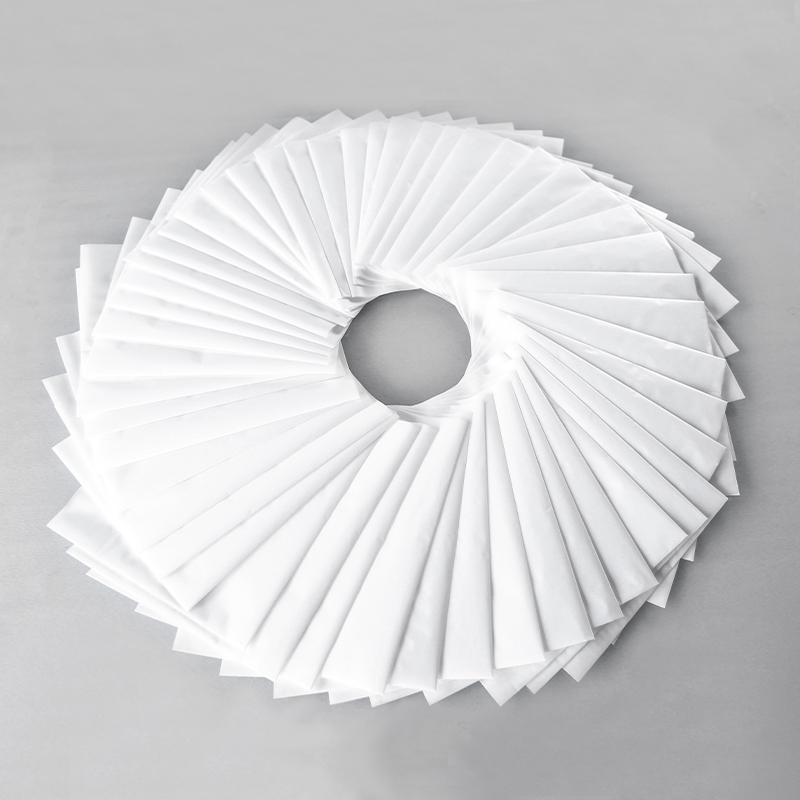
Product details: Folded baking paper sheets, an environment-friendly product, are composed of wood pulp and are double-side coated with silicone. Such a coating makes our paper smooth, greaseproof and...
See Details -
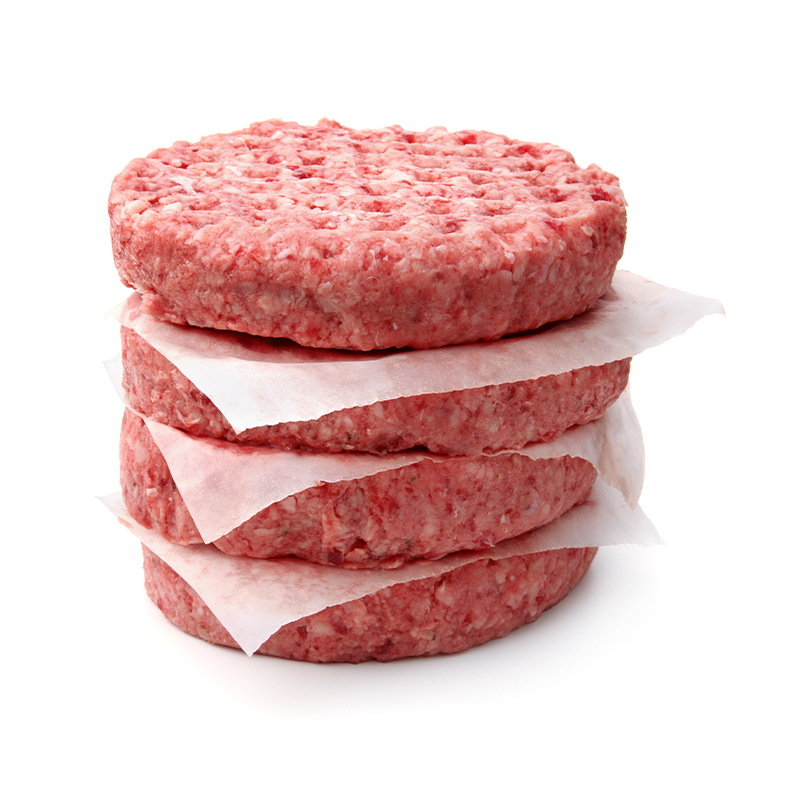
Description: Wax paper is the paper that is coated with food-grade wax in order to make it non-stick and waterproof. wax paper is very good for food storing and presentingMade of food-grade paper and ...
See Details -
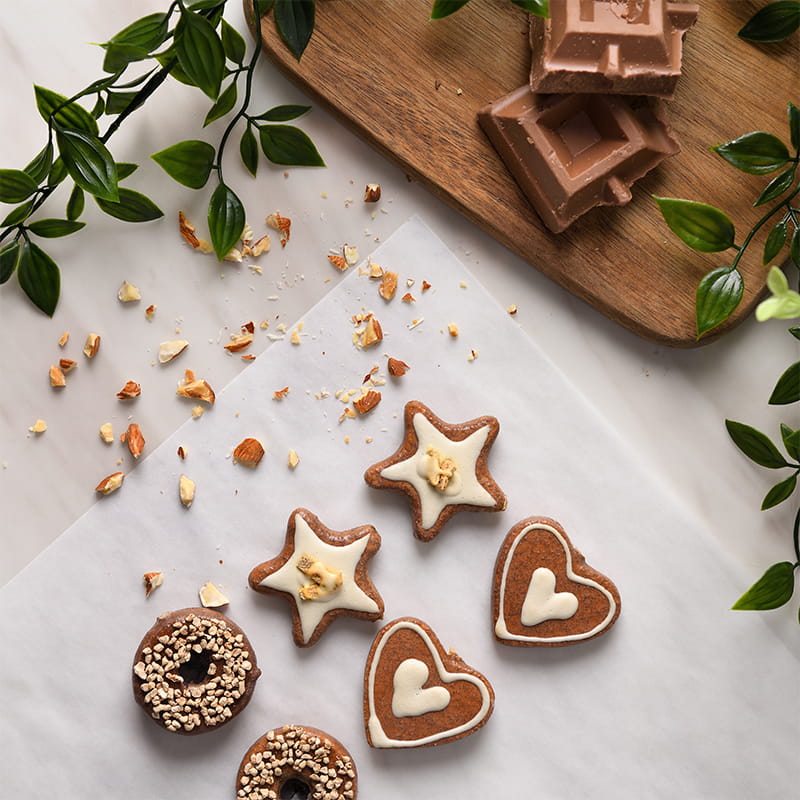
Product Features: 1. Virgin wood pulp 2. Double sides food grade silicone-treated 3. Fluorine-free 4. Non-stick 5. Oven/Microwave safe 6. Freezer safe 7. Reusable 8. BPA f...
See Details -
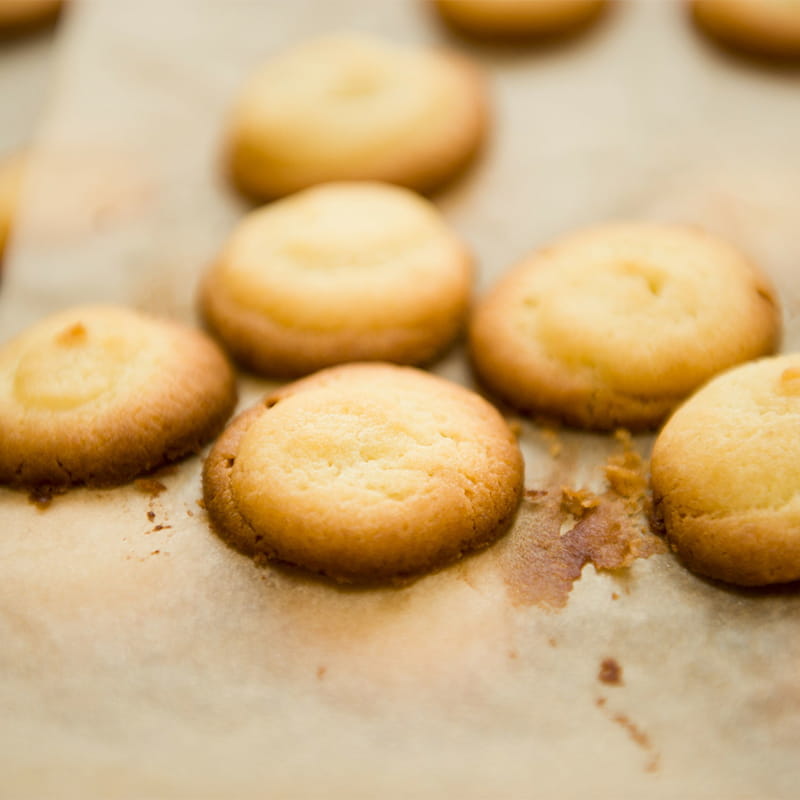
Product Features: 1. Virgin wood pulp 2. Natural unbleached brown color 3. Double sides food grade silicone-treated 4. Fluorine-free 5. Non-stick 6. Oven/Microwave safe 7. Fre...
See Details -
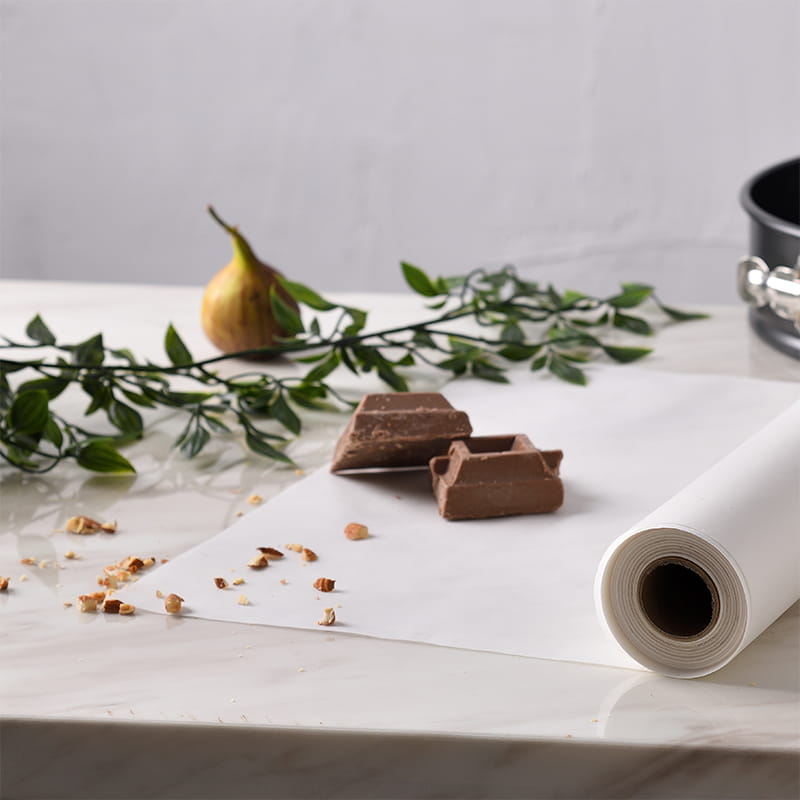
Product Features: 1. Virgin wood pulp 2. Double sides food grade silicone treated 3. Fluorine-free 4. Non-stick 5. Oven/Microwave safe 6. Freezer safe 7. Reusable 8. BPA ...
See Details -
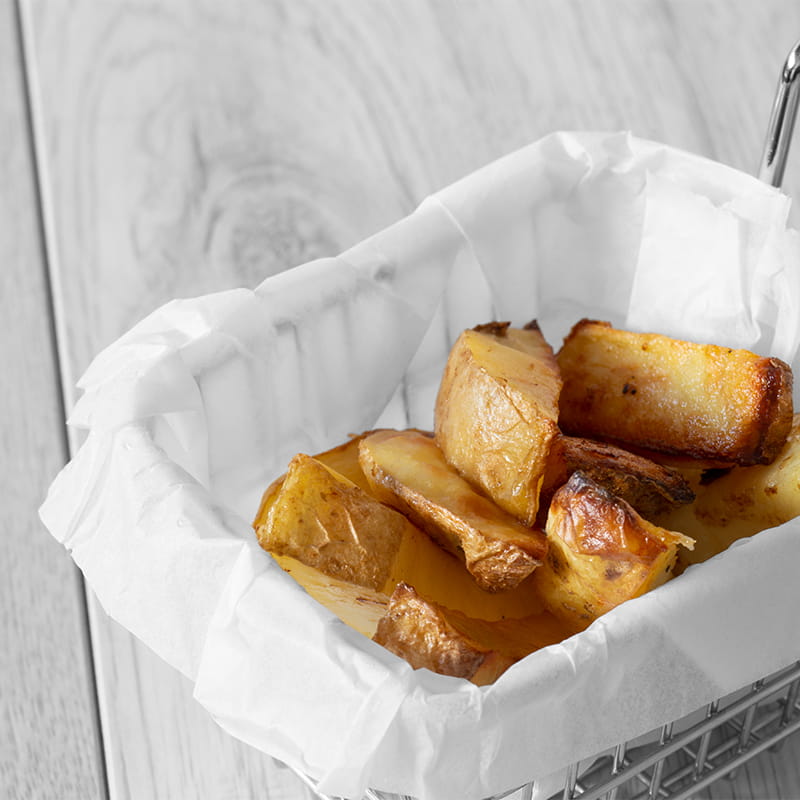
Product Features: 1. Virgin wood pulp 2. Fluorine-free 3. BPA free 4. Biodegradable Product Details: In an era where environmental consciousness and sustainability are paramount, Natu...
See Details -
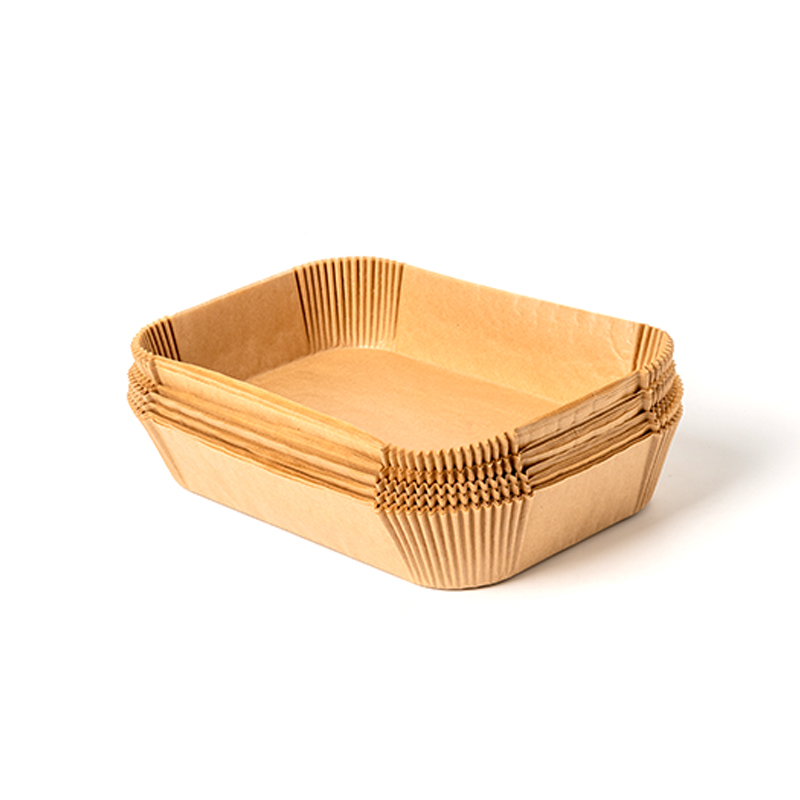
Product Features: 1. Virgin wood pulp 2. Double sides food grade silicone-treated 3. Fluorine-free 4. Non-stick 5. Air fryer basket safe 6. Reusable 7. BPA free 8. Biodeg...
See Details -
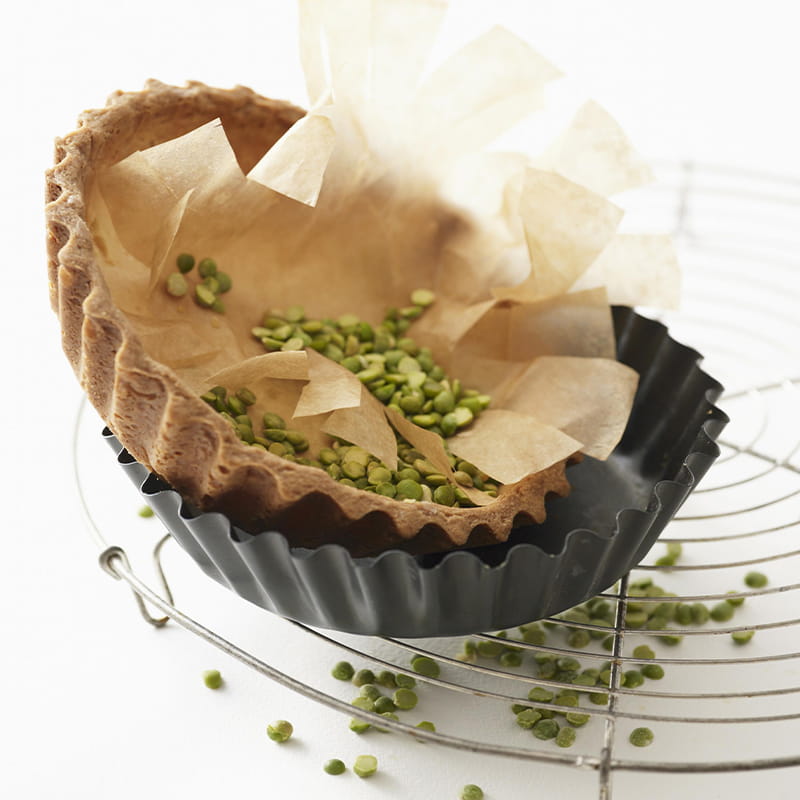
Product Features: 1. Virgin wood pulp 2. Natural unbleached brown color 3. Fluorine-free 4. BPA free 5. Biodegradable Product Details: Introducing our Unbleached Brown Food Grade ...
See Details -
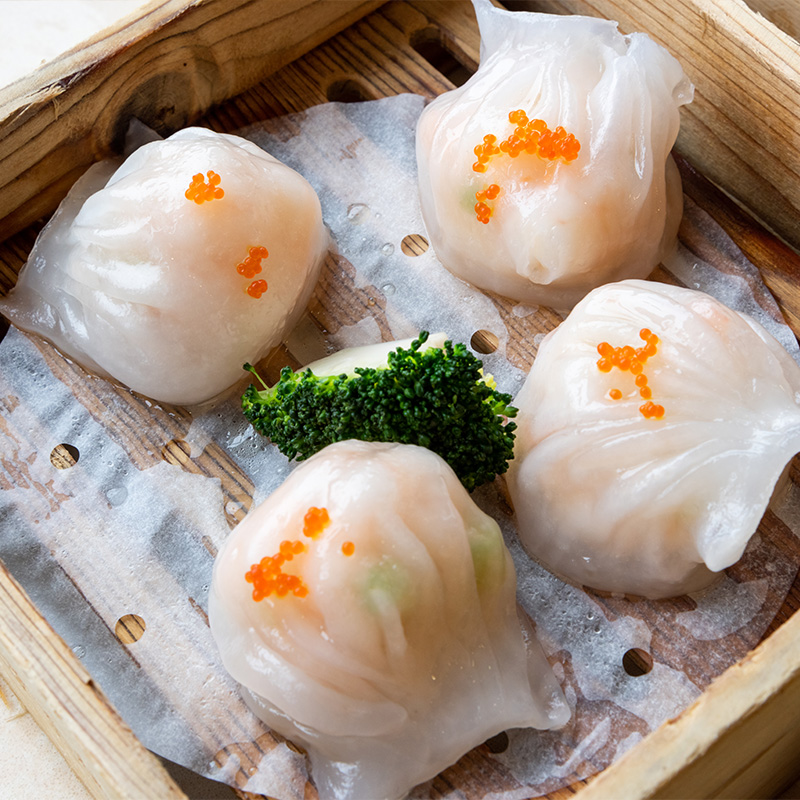
Product Features: 1. Virgin wood pulp 2. Double sides food grade silicone treated 3. Fluorine-free 4. Non-stick 5. Steamer/air fryer basket safe 6. Reusable 7. BPA free 8...
See Details -
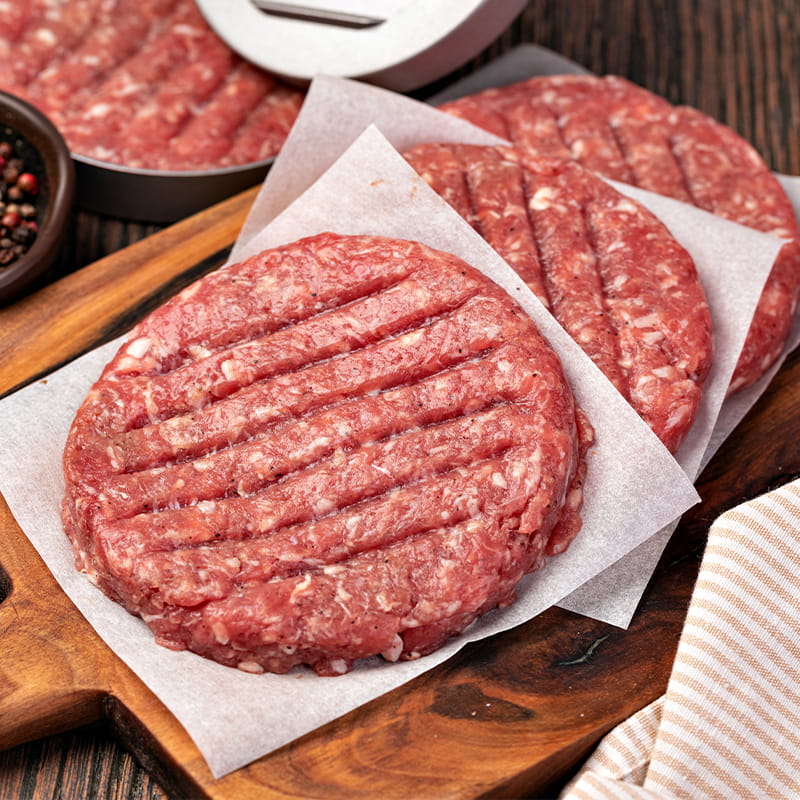
Product Features: 1. Virgin wood pulp 2. Double sides food grade silicone treated 3. Fluorine-free 4. Non-stick 5. Easy to separate 6. Reusable 7. BPA free 8. Biodegradab...
See Details -
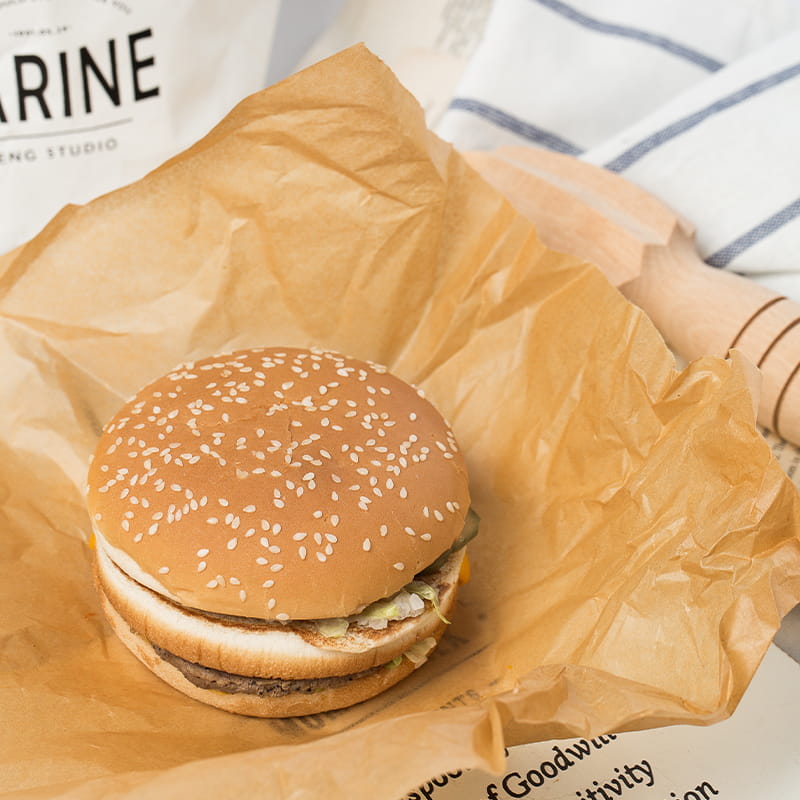
Product Features 1. Virgin wood pulp 2. Flexographic printing 3. Eco-friendly water-based ink 4. BPA free Product Details: Introducing our premium Greaseproof Sandwich Paper Sheets, a...
See Details

Professional Baking Parchment Paper Manufacturer in China with more than 15 years silicone coating experience.
Products
Contact Us
- No.10 Longyin Road, Chengnan Industrial Park,Longyou, Quzhou, China.
- +86-18968091013 / +86-571-88639705
- Avayao-1990@hotmail.com
Copyright © Zhejiang Guanghe New Materials Co., Ltd. All Rights Reserved.
Parchment Paper & Baking Paper Sheets Manufacturer
