 English
 中文简体
中文简体
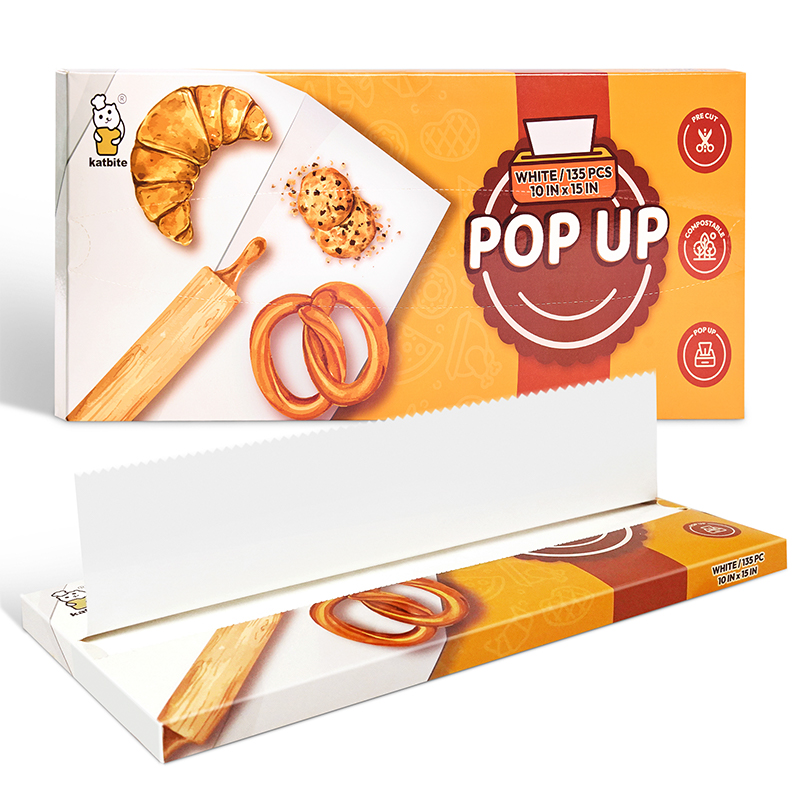
Product details: Pop-up parchment paper sheets, an environment-friendly product, are composed of wood pulp and are double-side coated with silicone. Such a coating makes our paper smooth, greasepr...
See DetailsIs Baking Paper Safe for All Ovens?
Baking Paper remains one of the simplest yet helpful tools in home cooking. It provides a clean, non-stick surface for trays and pans, catches drips, and often eliminates the need to grease cookware heavily. Made from treated paper with a thin layer of silicone on one or both sides, it withstands typical oven temperatures without breaking down or transferring unwanted flavors. While many people use it instinctively for sheet-pan baking, its behavior changes depending on the oven type—conventional, convection, microwave, toaster oven, or air fryer. Each oven applies heat differently, affects air movement in unique ways, and interacts with paper liners at different intensities. Understanding these differences helps avoid common problems such as curling edges, scorching, lifting, or uneven browning.
This guide walks through practical ways to use baking paper in each major oven category. The focus stays on everyday cooking techniques, safety considerations, and small adjustments that improve results. No special equipment or unusual ingredients are required—just standard baking paper sold in rolls or pre-cut sheets.
What Baking Paper Actually Does in an Oven
Before looking at specific ovens, it helps to understand why baking paper behaves the way it does. The paper itself is cellulose-based and coated with food-grade silicone, which creates the non-stick surface. This coating allows fats and sugars to release easily, so cookies lift off without scraping and roasted vegetables slide onto plates. The paper is also somewhat breathable, meaning steam can escape instead of being trapped against food, which supports crisp edges on baked items.
Heat resistance comes from the manufacturing process. The fibers are compressed and treated so the sheet holds together at temperatures well above boiling point. In home ovens, the paper stays stable unless it directly contacts open flames or heating elements for extended periods. When that happens, exposed edges can brown, curl, or—rarely—ignite if left unattended.
Baking paper differs from wax paper (which melts under heat) and aluminum foil (which conducts heat very aggressively and can darken food). Confusing these materials is a frequent source of kitchen mishaps. Always confirm the label reads "oven-safe" or "baking" before placing a sheet inside any oven.
Cutting the paper to fit the pan exactly reduces the chance of overhangs touching hot surfaces. For round cake tins, lightly crumpling the sheet and then smoothing it into the base creates natural folds that hug the corners. A quick spritz of water on the underside before placing it can help it cling to metal without sliding.
| Aspect | Key Information | Practical Tip / Reason to Avoid Confusion |
|---|---|---|
| Material Comparison | Baking paper: oven-safe, silicone-coated, non-stick, heat-resistant | Use only baking/parchment paper labeled "oven-safe" or "baking" |
| Wax Paper | Melts under heat, not suitable for ovens | Common mistake: causes smoking, melting, and mess |
| Aluminum Foil | Conducts heat aggressively, can darken or over-brown food surfaces | Common mistake: leads to uneven cooking or burnt spots |
| Cutting to Fit | Trim paper exactly to pan size | Prevents overhangs touching hot surfaces and scorching |
| Round Cake Tin Technique | Lightly crumple sheet, then smooth into base | Creates natural folds that conform to curved shape |
| Clinging Method | Lightly spritz underside with water before placing | Helps paper adhere to metal pan without sliding |
Using Baking Paper in Conventional (Static) Ovens
Conventional ovens heat primarily from the bottom element, sometimes with a top broiler. Heat rises unevenly, creating hot and cool zones depending on rack position. Baking paper works reliably here because air movement is gentle and predictable.
Line baking sheets for cookies, scones, or roasted vegetables by pressing the paper into the corners. The paper catches sugary drips and prevents sticking even when butter or oil is minimal. For layer cakes, trace the pan base onto the paper, cut a circle, and place it in the greased tin. This method ensures the cake releases cleanly after cooling.
When roasting meats or fish, place a sheet under the wire rack inside a roasting pan. Juices collect on the paper instead of burning onto the metal, and the paper can be discarded afterward. For en papillote cooking—steaming fish or vegetables in sealed packets—cut large rectangles, fold them over the food, and crimp the edges tightly. The paper holds steam inside while allowing gentle browning.
Avoid letting the paper hang over the pan edges. In conventional ovens, radiant heat from the bottom element can scorch overhanging portions, especially during long bakes. If you need to cover a casserole to prevent drying, place the paper directly on the food surface before adding foil on top. The paper acts as a barrier, keeping foil from sticking to cheese or sauces.
Reusing sheets is practical for similar items. After the bake, let the paper cool completely, brush off crumbs, and store flat. A single sheet often handles two or three batches of cookies before it becomes too brittle or greasy. Discard any sheet that shows deep discoloration or tearing.
Using Baking Paper in Convection Ovens
Convection ovens use a fan to circulate hot air, producing more uniform heat and shorter cooking times. This air movement changes how baking paper behaves. Lightweight sheets can lift at the edges or even flutter toward the fan if not secured.
To counteract lifting, place a few oven-safe weights—such as metal spoons or small heatproof ramekins—on the corners of the paper during preheating. Alternatively, fold the edges under the pan or use binder clips on the rim (remove them before serving). Once food is added, the weight of the ingredients usually holds everything in place.
Convection excels at crisping, so baking paper works well for items like roasted root vegetables, chicken wings, or frozen fries. The circulating air reaches the food from all sides, and the paper still catches rendered fat and prevents sticking. For pastries and breads, the even heat helps achieve consistent browning without rotating trays halfway through.
Temperature adjustments are often recommended. Many bakers reduce the set temperature by 15–25 degrees when using convection, because the moving air transfers heat more efficiently. Baking paper tolerates this range comfortably. If the recipe was developed for a conventional oven, start with the lower temperature and check doneness a few minutes early.
When making meringues or macarons, baking paper on flat trays prevents spreading and allows easy peeling after cooling. The fan-driven air dries the surface evenly, contributing to the desired crisp shell. For delicate items, double-layer the paper if the sheet feels too thin for the air velocity.
Using Baking Paper in Microwave Ovens
Microwave ovens heat food using electromagnetic waves that excite water molecules. Baking paper is transparent to microwaves, so it does not block energy or spark. It can be used to cover dishes, line plates, or wrap food for steaming.
Place a sheet over a bowl of soup, sauce, or leftovers to prevent splatters on the microwave ceiling. The paper traps steam while allowing pressure to escape, reducing mess. For reheating sandwiches or pizza slices, wrap them loosely in baking paper. The paper absorbs excess moisture from the bread, keeping the crust from turning rubbery.
Steaming vegetables or fish works well with baking paper pouches. Place food in the center of a large sheet, add seasonings, fold the edges tightly, and microwave. The paper holds steam inside, cooking gently without added fat. Check doneness carefully—microwaves heat unevenly, and paper can become hot to the touch.
Avoid using crumpled or torn sheets; flat pieces heat more evenly. Do not cover the entire turntable or let paper touch the walls for long periods, as localized heating could cause scorching. Paper that has been used for oily foods should be discarded rather than reused in the microwave, because residual grease can smoke.
Microwaving bacon between layers of baking paper absorbs grease and reduces splatter. Lay strips on one sheet, cover with another, and cook in short bursts, turning midway. The result is crisp bacon with far less cleanup.
Using Baking Paper in Toaster Ovens
Toaster ovens combine radiant heat, convection (in some models), and small enclosed space. Baking paper fits perfectly for small-batch baking, toasting, and reheating.
Cut sheets to match the tray size. For cookies or biscuits, place dough directly on the paper. The small cavity means heat surrounds food quickly, so baking paper prevents sticking and allows easy transfer to a cooling rack. For reheating pizza or pastries, the paper keeps bottoms crisp while containing melted cheese.
When broiling, place paper under the food on a rack to catch drips. Keep the paper slightly inset from the edges to avoid contact with the top heating element. For open-faced sandwiches or nachos, the paper simplifies cleanup after cheese and toppings melt.
Temperature settings in toaster ovens vary widely. Start at moderate heat and watch closely, because the compact space intensifies cooking. Baking paper withstands the typical range, but avoid using it for very high broil settings unless the paper stays fully covered by food or cookware.
Reusing is possible for dry items like toasting nuts. Cool the paper completely between uses, then store flat. Discard any sheet that has absorbed large amounts of oil or shows charring.
Using Baking Paper in Air Fryers
Air fryers combine intense convection with a basket design. Baking paper can line the basket, but air flow is the critical factor.
Use perforated baking paper or cut regular paper to allow air circulation through the holes. Solid paper over the entire basket blocks airflow and reduces crisping. Place the paper in the bottom, then add food on top. The weight of the food holds the paper down during cooking.
For french fries, chicken tenders, or breaded vegetables, perforated paper catches crumbs and oil while letting hot air reach the food from below. Shake the basket midway as usual; the paper stays in place if trimmed to fit without overhanging.
For delicate items like battered fish or doughnuts, the paper prevents sticking and simplifies removal. Avoid covering the entire cooking surface—leave space around the edges for air to circulate.
Preheating the air fryer without paper is usually best, then add the lined basket with food. High temperatures and rapid air movement can lift unsecured paper, so center heavier items first.
Reusing perforated paper in air fryers works well for similar foods. Brush off crumbs and store flat. Discard sheets that become greasy or torn.
General Safety and Practical Tips Across All Ovens
Always confirm that the baking paper is labeled safe for oven use. Some papers are intended only for microwave or cold storage.
Never place baking paper directly on the oven floor or against heating elements. Exposed edges can scorch or catch fire if left unattended.
Store rolls or sheets in a dry drawer away from heat sources. Flat storage prevents creases that could cause uneven cooking.
When reusing, inspect for tears, excessive grease, or burnt spots. A single sheet can often handle several batches of dry baked goods.
If smoke or unusual odors appear, stop cooking immediately and ventilate the kitchen. Remove the paper and let the oven cool before continuing.
Baking paper complements—not replaces—proper pan preparation. Lightly greasing pans before lining can help the paper adhere better in some cases.
Experimentation improves results. Keep notes on which techniques work for your specific oven and recipes.
Common Mistakes and How to Avoid Them
Using wax paper instead of baking paper is a frequent error. Wax melts and smokes at oven temperatures. Always check labels carefully.
Allowing paper to overhang creates a fire risk, especially in ovens with exposed elements. Trim sheets to fit inside the pan rim.
Overcrowding trays covered with paper blocks air circulation, to uneven cooking. Leave space between items.
Microwaving metal-edged paper or foil-wrapped packets causes arcing. Stick to plain paper in microwaves.
Reusing heavily soiled paper transfers flavors or burns residue onto new food. Discard greasy or discolored sheets.
Alternatives When Baking Paper Is Not Available
Silicone baking mats offer reusable non-stick surfaces for trays and pans. They withstand repeated use and clean easily.
Greasing pans with oil or butter and dusting with flour works for many cakes and breads.
Parchment alternatives include clean brown paper bags (untreated) for some applications, though they lack silicone coating.
Aluminum foil can line pans, but it conducts heat differently and may darken food surfaces.
| Alternative | Key Characteristics | Main Advantages | Limitations / Notes |
|---|---|---|---|
| Silicone baking mats | Reusable, non-stick silicone surface | Withstands repeated use, easy to clean | Requires initial investment, not disposable |
| Greasing + flour dusting | Oil/butter applied to pan, then dusted with flour | Works well for cakes and breads | Adds extra fat, can leave residue if overdone |
| Clean brown paper bags (untreated) | Plain, uncoated paper from grocery bags | Readily available, low-cost | No non-stick coating, limited heat resistance, not ideal for high-fat or sugary foods |
| Aluminum foil | Thin metal sheet, highly heat-conductive | Excellent for lining and heat conduction | Can darken or over-brown food surfaces, conducts heat aggressively |
Baking paper adapts to a wide range of ovens, simplifying preparation, improving texture, and reducing cleanup. Conventional ovens benefit from its gentle heat barrier, convection models from its ability to stay in place under airflow, microwaves from its steam-trapping capacity, toaster ovens from its compact fit, and air fryers from its grease-catching role. Small adjustments—trimming to size, securing edges, monitoring temperature—make the difference between reliable results and minor frustrations.
With practice, baking paper becomes second nature in the kitchen. It supports everything from delicate pastries to hearty roasts, allowing cooks to focus on flavor and creativity rather than stuck food or burnt pans. Whether preparing a quick weeknight meal or a weekend baking project, this simple sheet remains a dependable partner across all oven types.
Zhejiang Guanghe New Materials Co., Ltd.
Chefs choose baking paper not for its fancy appearance, but for its reliability across different ovens—preventing sticking in conventional ovens, maintaining flatness in convection ovens, absorbing grease in air fryers, or preventing food splattering in microwaves—choosing Guanghe reflects a preference for quiet reliability rather than flashy promises.
Whether you're using it to line baking trays, wrap fish for gentle steaming, or protect oven-baked food from grease, Guanghe delivers consistent, effortless results. The ultimate choice is trusting a product that performs consistently day after day, easily handling various temperatures and cooking tasks, reducing cleanup and giving you more time to enjoy your meals.
Related Products
-
-
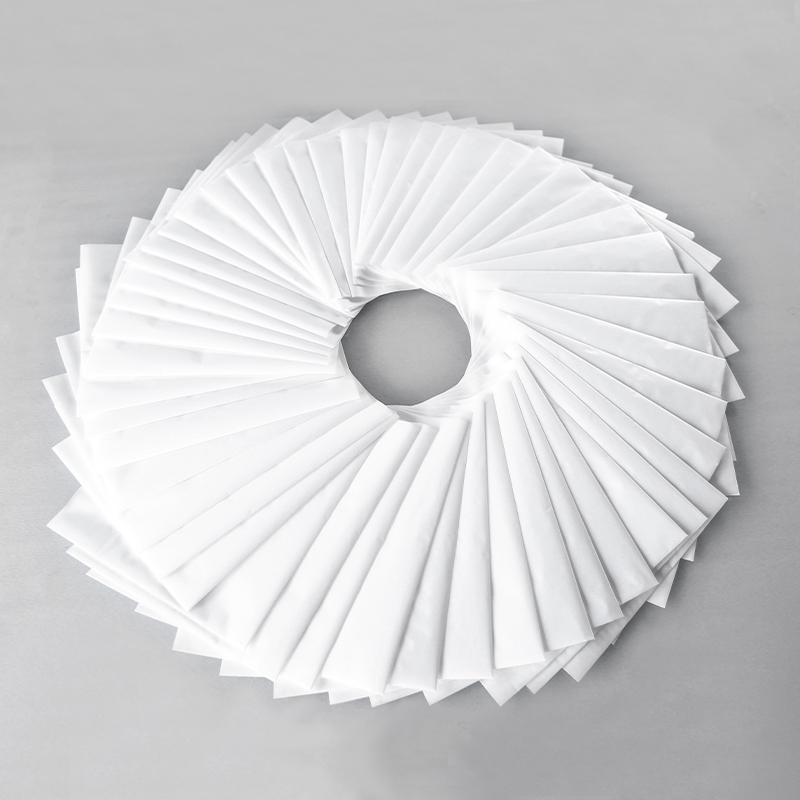
Product details: Folded baking paper sheets, an environment-friendly product, are composed of wood pulp and are double-side coated with silicone. Such a coating makes our paper smooth, greaseproof and...
See Details -
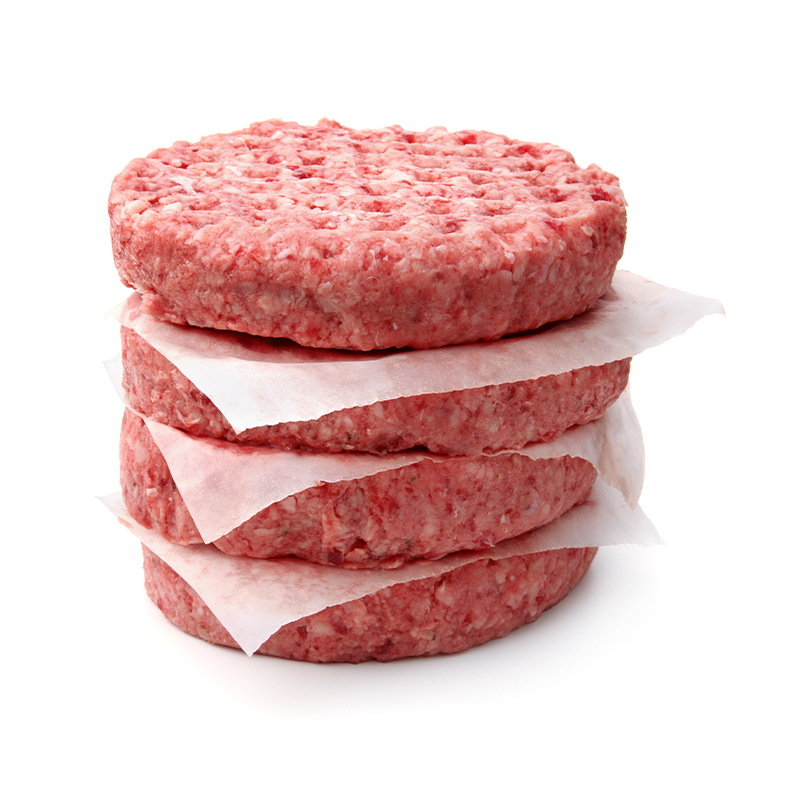
Description: Wax paper is the paper that is coated with food-grade wax in order to make it non-stick and waterproof. wax paper is very good for food storing and presentingMade of food-grade paper and ...
See Details -
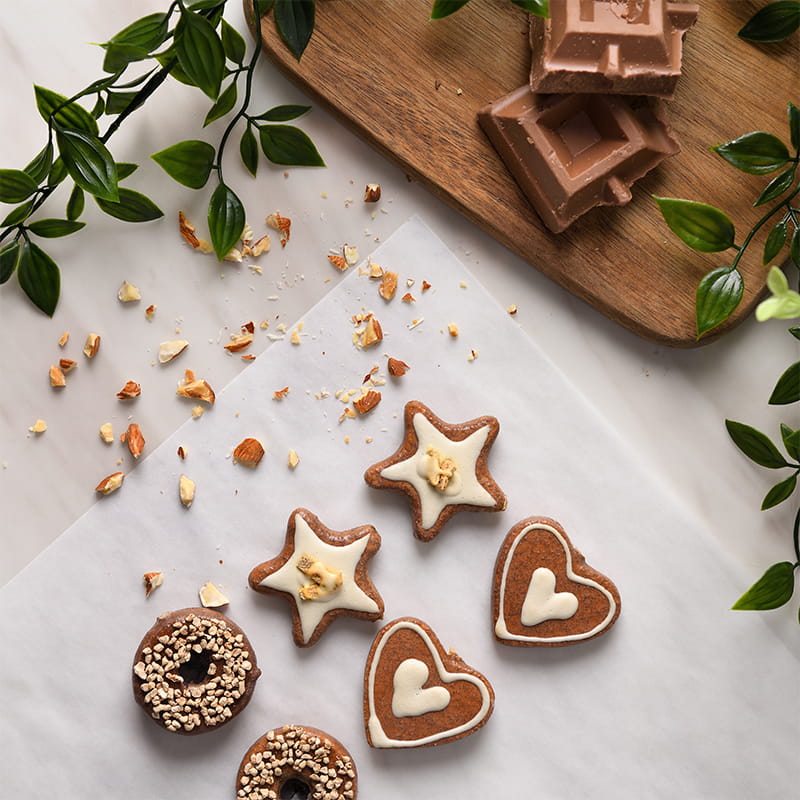
Product Features: 1. Virgin wood pulp 2. Double sides food grade silicone-treated 3. Fluorine-free 4. Non-stick 5. Oven/Microwave safe 6. Freezer safe 7. Reusable 8. BPA f...
See Details -
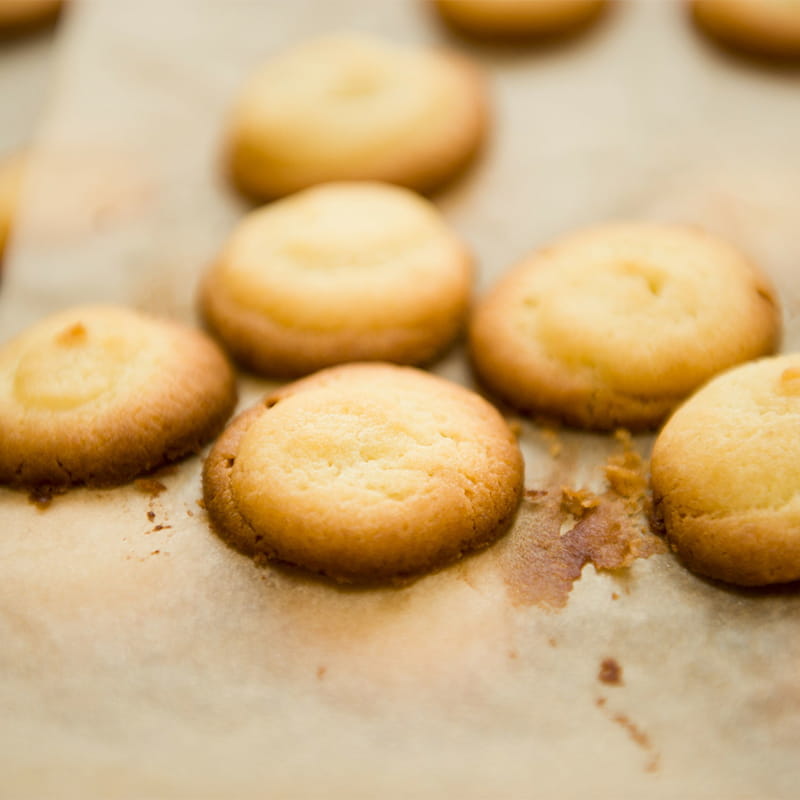
Product Features: 1. Virgin wood pulp 2. Natural unbleached brown color 3. Double sides food grade silicone-treated 4. Fluorine-free 5. Non-stick 6. Oven/Microwave safe 7. Fre...
See Details -
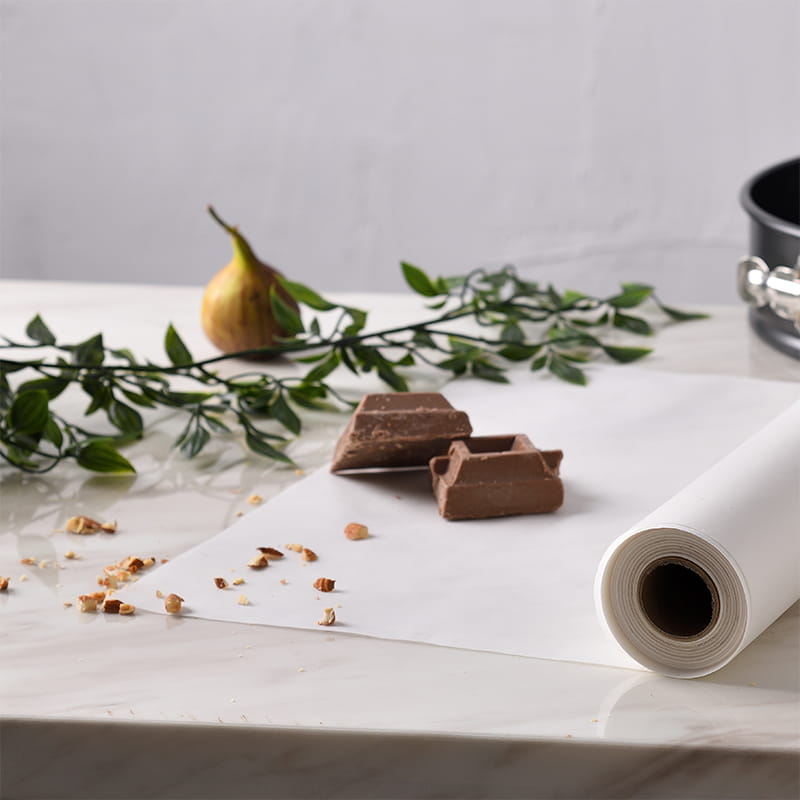
Product Features: 1. Virgin wood pulp 2. Double sides food grade silicone treated 3. Fluorine-free 4. Non-stick 5. Oven/Microwave safe 6. Freezer safe 7. Reusable 8. BPA ...
See Details -
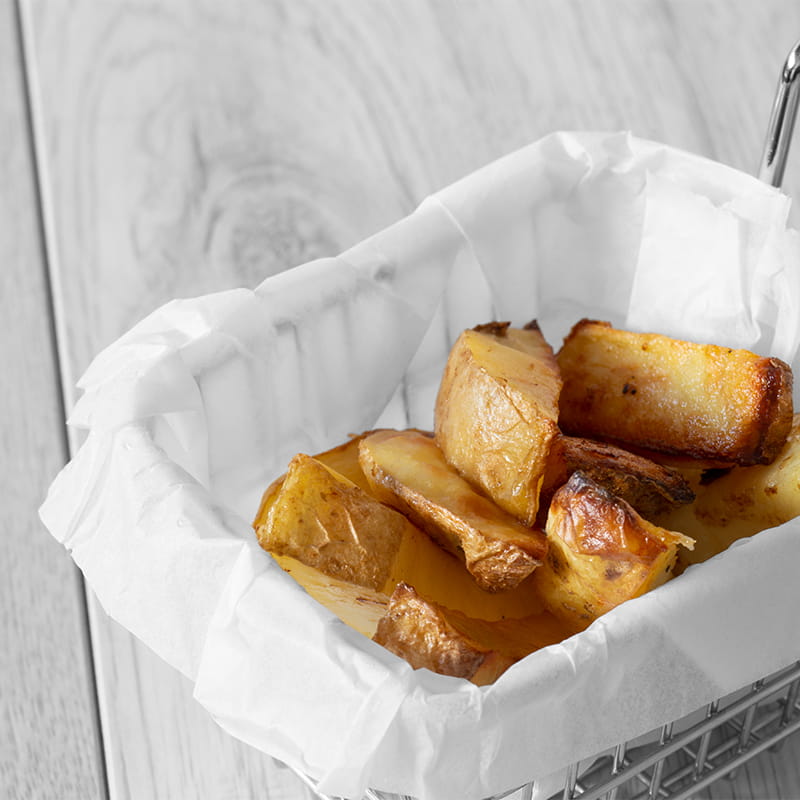
Product Features: 1. Virgin wood pulp 2. Fluorine-free 3. BPA free 4. Biodegradable Product Details: In an era where environmental consciousness and sustainability are paramount, Natu...
See Details -
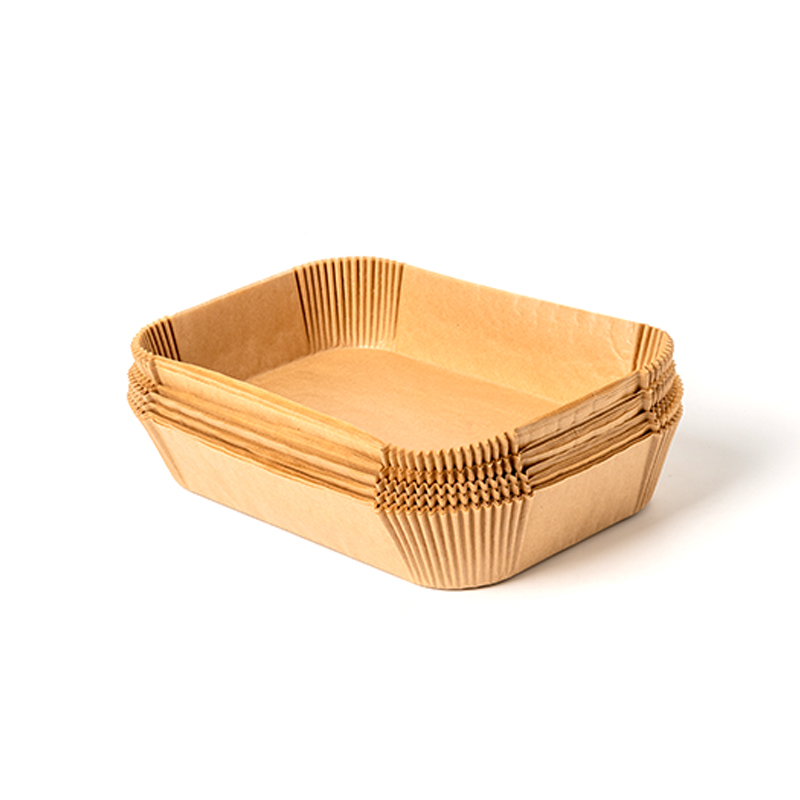
Product Features: 1. Virgin wood pulp 2. Double sides food grade silicone-treated 3. Fluorine-free 4. Non-stick 5. Air fryer basket safe 6. Reusable 7. BPA free 8. Biodeg...
See Details -
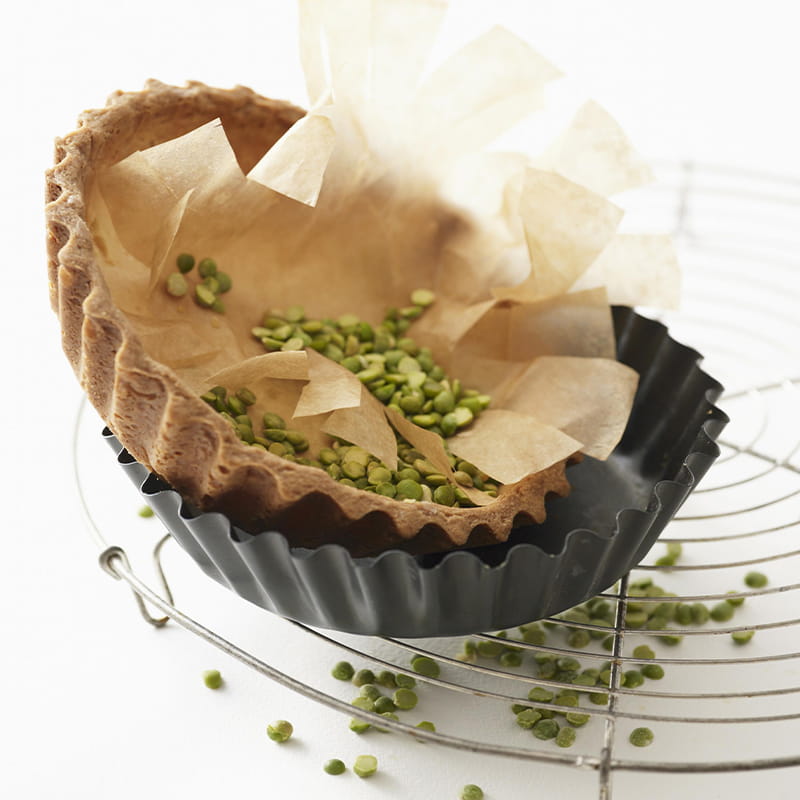
Product Features: 1. Virgin wood pulp 2. Natural unbleached brown color 3. Fluorine-free 4. BPA free 5. Biodegradable Product Details: Introducing our Unbleached Brown Food Grade ...
See Details -
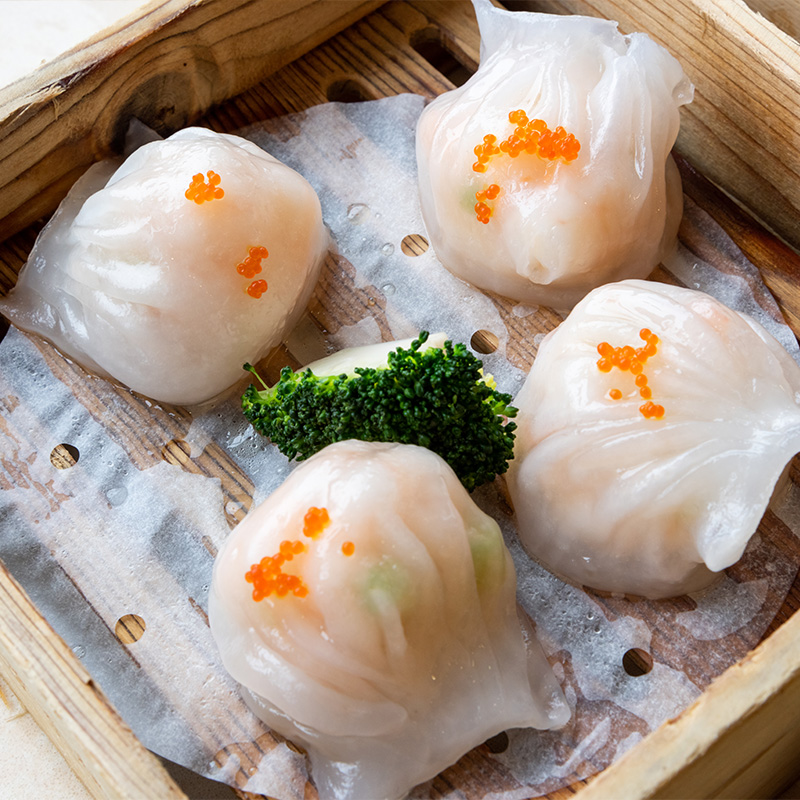
Product Features: 1. Virgin wood pulp 2. Double sides food grade silicone treated 3. Fluorine-free 4. Non-stick 5. Steamer/air fryer basket safe 6. Reusable 7. BPA free 8...
See Details -
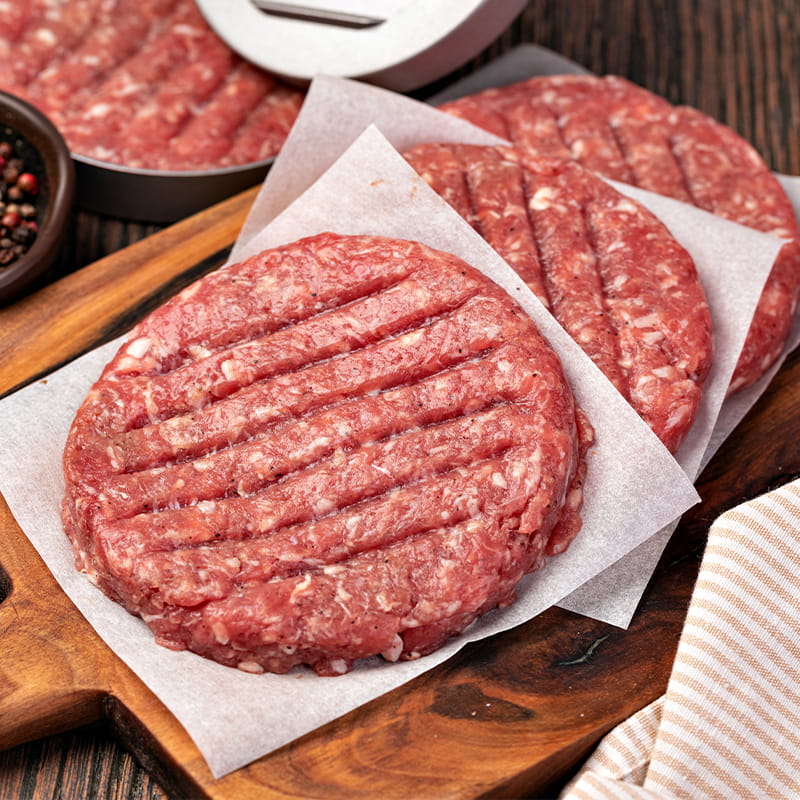
Product Features: 1. Virgin wood pulp 2. Double sides food grade silicone treated 3. Fluorine-free 4. Non-stick 5. Easy to separate 6. Reusable 7. BPA free 8. Biodegradab...
See Details -
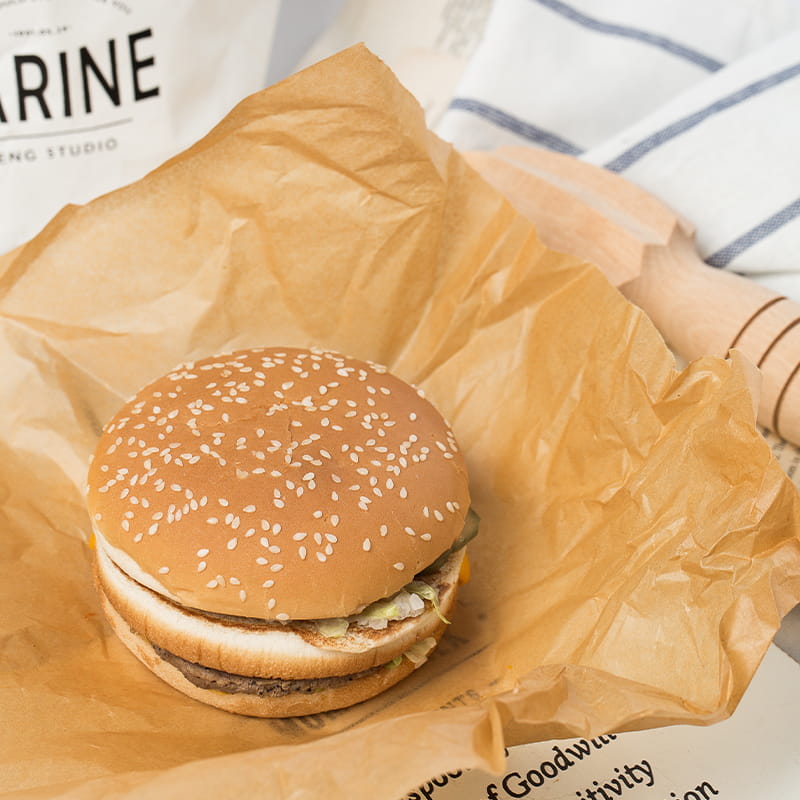
Product Features 1. Virgin wood pulp 2. Flexographic printing 3. Eco-friendly water-based ink 4. BPA free Product Details: Introducing our premium Greaseproof Sandwich Paper Sheets, a...
See Details

Professional Baking Parchment Paper Manufacturer in China with more than 15 years silicone coating experience.
Products
Contact Us
- No.10 Longyin Road, Chengnan Industrial Park,Longyou, Quzhou, China.
- +86-18968091013 / +86-571-88639705
- Avayao-1990@hotmail.com
Copyright © Zhejiang Guanghe New Materials Co., Ltd. All Rights Reserved.
Parchment Paper & Baking Paper Sheets Manufacturer
