 English
 中文简体
中文简体
Product details: Pop-up parchment paper sheets, an environment-friendly product, are composed of wood pulp and are double-side coated with silicone. Such a coating makes our paper smooth, greasepr...
See DetailsWhy Use Baking Paper for Ready-to-Eat Meals?
Baking Paper remains one of the simplest yet effective tools in modern food preparation, storage, and presentation. In the world of frozen foods and ready-to-eat meals, it performs several quiet but essential functions that directly influence product quality, convenience, and shelf performance. Whether separating portions during freezing, lining trays for reheating, or acting as a release surface during assembly, baking paper quietly solves problems that would otherwise require more complex solutions.
This article explores how baking paper is used across the lifecycle of frozen and ready-to-eat products — from production and freezing, through storage and distribution, to final consumer use. It examines the material's physical properties that make it suitable for these applications, the practical techniques employed in both home and industrial settings, the benefits it provides, and the limitations that users and manufacturers must consider.
Core Properties That Make Baking Paper Suitable
Baking paper is produced from cellulose fibers (typically wood pulp) that undergo a special treatment to create a smooth, grease-resistant, and heat-tolerant surface. The common treatment involves applying a very thin layer of silicone to one or both sides of the sheet. This coating gives the paper its signature non-stick behavior while allowing it to tolerate a wide temperature range — from deep-freeze conditions to moderate oven temperatures.
The material is designed to be:
- Relatively impermeable to fats and oils
- Moderately resistant to moisture transfer
- Dimensionally stable when wet or frozen
- Chemically inert (does not impart taste or odor)
- Lightweight and easy to cut or fold
These characteristics allow baking paper to behave differently than ordinary paper, aluminum foil, or plastic films in cold-chain and quick-preparation environments.
Thickness generally ranges from very light (around 35–40 g/m²) to heavier-duty sheets (up to 70 g/m² or more). Lighter grades are preferred for delicate items and single-use applications; heavier grades are chosen when more mechanical strength is needed.
Role in the Freezing Process
Freezing food successfully requires preventing two main problems: excessive ice crystal growth and unwanted adhesion between pieces.
When foods are frozen in direct contact with each other or with a metal tray, they often freeze into a solid block. Separating portions later becomes difficult and usually damages the surface texture. Baking paper addresses this issue effectively.
- Individual quick freezing (IQF)-style preparation
at home and in small-scale production Many home cooks and small producers spread berries, sliced fruit, blanched vegetables, meatballs, cookie dough portions, or herb butter discs on a baking-paper-lined tray. The non-stick surface allows each piece to freeze separately. After a few hours, the items can be collected into bags or containers without clumping. This technique preserves the individual shape and texture of each piece far better than freezing them loose in a bag or in direct contact with plastic. - Layering in bulk freezing
When freezing large quantities — for example, homemade ravioli, fish fillets, sliced bread, or burger patties — alternating layers of food with sheets of baking paper prevents fusion. The paper acts as a clean, low-friction separator. Because it remains flexible even at low temperatures, it does not crack or become brittle during long-term storage. - Protecting delicate surfaces
Delicate items such as frosted cakes, meringues, macarons, or chocolate-dipped fruits benefit from being placed between two sheets of baking paper before freezing. The paper prevents the delicate surface from sticking to packaging material and reduces the risk of smudging or cracking during handling.
Storage and Portion Control
Once frozen, baking paper continues to provide practical advantages during storage.
Preventing freezer burn in wrapped items
While vacuum sealing offers the protection against freezer burn, many households and small producers still use conventional bags or containers. Placing a sheet of baking paper directly against the surface of the food before sealing helps reduce air pockets and limits moisture migration. Although not as effective as vacuum packaging, it noticeably improves quality during medium-term storage.
Creating stackable, portion-controlled packs
Flat, interleaved portions (chicken breasts, fish fillets, pancakes, waffles, cookie dough slices) can be stacked neatly with baking paper between each piece. This creates compact, space-efficient packages that thaw more uniformly and allow the user to remove only the required number of portions.
Labeling surface
Baking paper accepts writing with permanent markers. Placing a labeled sheet on top of a stack or wrapping a portion in paper with the contents and date written on it simplifies inventory management in both home freezers and commercial cold stores.
Applications in Ready-to-Eat and Heat-and-Eat Products
Ready-to-eat and heat-and-eat categories include a wide range of products: microwave meals, oven-ready trays, air-fryer snacks, chilled deli items sold in trays, pre-baked pastries, sandwiches, wraps, and dessert bars.
Baking paper appears in several different roles here.
Tray liners and dividers in production
Many commercial ready-to-eat trays are lined with baking paper before filling. The liner:
- Prevents sticking to the tray during chilling or freezing
- Allows clean release when the consumer removes the product
- Reduces cleaning requirements for reusable trays
- Provides a hygienic barrier between food and container
In multi-component meals (protein + starch + vegetable), small pieces of baking paper can serve as dividers to keep sauces or gravies from migrating into drier components during transport and storage.
Microwave and oven-compatible liners
Many heat-and-eat products instruct the consumer to keep the paper liner in place during reheating. Baking paper tolerates microwave energy and moderate oven temperatures without melting or releasing harmful substances. It:
Prevents food from sticking to the tray or plate
- Absorbs some excess moisture or fat
- Helps contain splatter
- Allows steam to escape gradually (preventing sogginess in some products)
| Benefit | Main Function / Effect | Practical Advantage |
|---|---|---|
| Prevents food from sticking | Non-stick surface stops food adhering to tray or plate | Easy removal, clean presentation, no scraping |
| Absorbs some excess moisture or fat | Paper takes up surplus liquid or grease | Keeps food from becoming soggy or overly oily |
| Helps contain splatter | Acts as a barrier to reduce splashes during heating | Cleaner microwave/oven interior |
| Allows steam to escape gradually | Permits controlled release of moisture | Prevents sogginess in breaded or pastry items |
Air-fryer and convection oven use
In recent years, baking paper has become popular in air-fryer cooking. Manufacturers of frozen ready-to-eat snacks often recommend placing the product on a perforated or unperforated sheet of baking paper inside the basket. The paper:
- Catches drips
- Prevents small pieces from falling through the basket holes
- Reduces the need for added oil
- Simplifies cleanup
Wrapping sandwiches, wraps, burritos, and similar items
Chilled or frozen grab-and-go sandwiches, burritos, and breakfast wraps are frequently rolled or folded inside baking paper. The paper:
- Keeps the item compact
- Absorbs excess moisture from fillings
- Provides a clean eating surface
- Allows easy unwrapping without tearing the tortilla or bread
Benefits Summary
Using baking paper in frozen and ready-to-eat foods offers several practical advantages:
- Reduces food waste by preventing items from freezing together
- Improves portion control and inventory management
- Simplifies release from trays and containers
- Provides a clean reheating surface
- Reduces cleaning time
- Minimizes added fat usage
- Maintains product appearance during storage and reheating
- Offers a relatively low-cost solution
Limitations and Practical Considerations
Baking paper is not a universal solution.
- Temperature ceiling
Most baking paper is rated for temperatures up to around 220–240 °C. Exceeding this limit (for example, under a broiler or in very high-temperature ovens) can cause browning, smoking, or even small flames. Users should follow package guidelines carefully. - Moisture saturation
Very wet or saucy products can eventually saturate the paper, causing it to lose strength and stick to the food. In these cases, heavier grades or double-layering may help. - Not a complete oxygen barrier
Unlike plastic films or aluminum foil, baking paper allows slow oxygen transmission. It should not be relied upon as the sole barrier against oxidation in long-term freezing. - Compostability varies
Some baking papers are certified compostable; many are not (due to the silicone coating). Users interested in sustainability should check product labeling. - Cost accumulation
While inexpensive per sheet, frequent use in large households or commercial kitchens can become noticeable. Reusable silicone mats sometimes serve as a longer-term alternative for certain applications.
| Limitation | Description | Practical Advice / Workaround |
|---|---|---|
| Temperature ceiling | Rated for ~220–240 °C; higher heat may cause browning, smoking or flames | Always follow package guidelines; avoid broilers and very high-temperature ovens |
| Moisture saturation | Very wet or saucy foods can soak through, weakening paper and causing sticking | Use heavier-grade paper or double-layer for wet dishes |
| Not a complete oxygen barrier | Allows slow oxygen transmission; not ideal for long-term oxidation protection | Combine with airtight bags/containers for extended freezing |
| Compostability varies | Many types not compostable due to silicone coating | Check product label; choose certified compostable versions when sustainability is a priority |
| Cost accumulation | Low per-sheet price, but frequent use adds up in large households or commercial kitchens | Consider reusable silicone mats for suitable applications |
Emerging Trends and Creative Uses
Home cooks and small producers continue to find new applications:
- Freezing homemade baby food purees in small mounds on baking paper before transferring to storage containers
- Creating parchment "boats" for steaming fish or vegetables in the oven
- Using folded baking paper as disposable piping bags for decorating frozen desserts
- Lining baking pans when preparing large batches of frozen cookie dough logs
- Creating individual frozen yogurt or smoothie packs by layering fruit, yogurt, and granola with baking paper separators
In commercial settings, some producers are experimenting with pre-printed, food-safe baking paper that includes cooking instructions, ingredient lists, or QR codes linking to preparation videos.
Zhejiang Guanghe New Materials Co., Ltd.
Baking paper occupies a humble but indispensable place in the world of frozen and ready-to-eat foods. Its combination of non-stick performance, temperature tolerance, moisture management, and disposability makes it a practical choice at every stage — freezing, storing, transporting, reheating, and serving.
While it is not a miracle material and must be used within its physical limits, it solves everyday problems in a low-tech, low-cost, and user-friendly way. Whether in a home freezer drawer or on a high-speed production line, baking paper quietly contributes to better food quality, less waste, and greater convenience.
Through consistent quality control, stable silicone coating performance, and a range of sheet sizes and thicknesses, Guanghe supports both large-scale food factories and smaller packaging operations in achieving reliable separation, clean release, and food safety during the entire cold-chain and preparation process
Related Products
-
-
Product details: Folded baking paper sheets, an environment-friendly product, are composed of wood pulp and are double-side coated with silicone. Such a coating makes our paper smooth, greaseproof and...
See Details -
Description: Wax paper is the paper that is coated with food-grade wax in order to make it non-stick and waterproof. wax paper is very good for food storing and presentingMade of food-grade paper and ...
See Details -
Product Features: 1. Virgin wood pulp 2. Double sides food grade silicone-treated 3. Fluorine-free 4. Non-stick 5. Oven/Microwave safe 6. Freezer safe 7. Reusable 8. BPA f...
See Details -
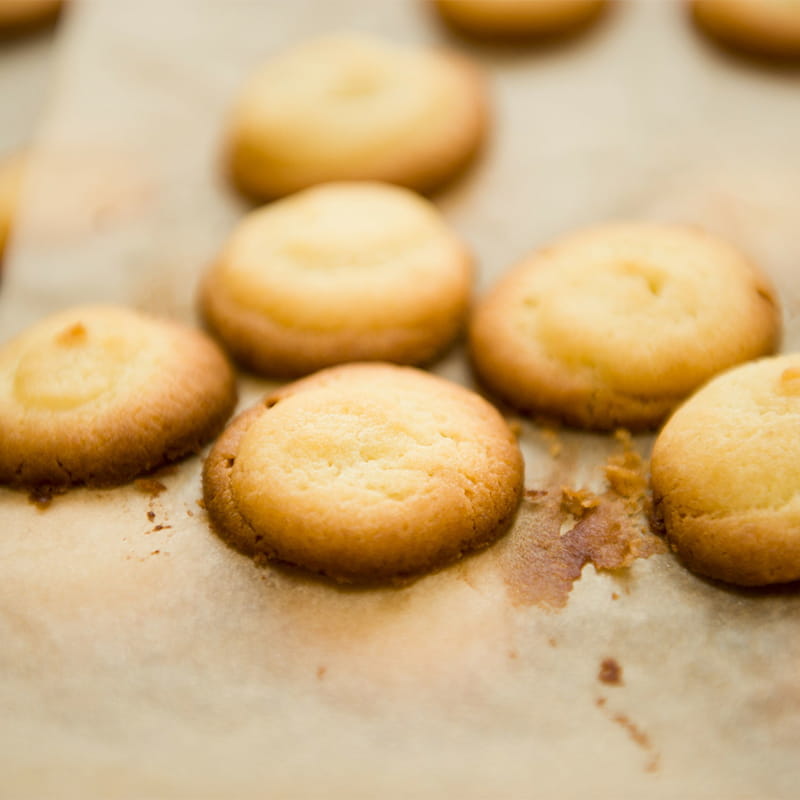
Product Features: 1. Virgin wood pulp 2. Natural unbleached brown color 3. Double sides food grade silicone-treated 4. Fluorine-free 5. Non-stick 6. Oven/Microwave safe 7. Fre...
See Details -
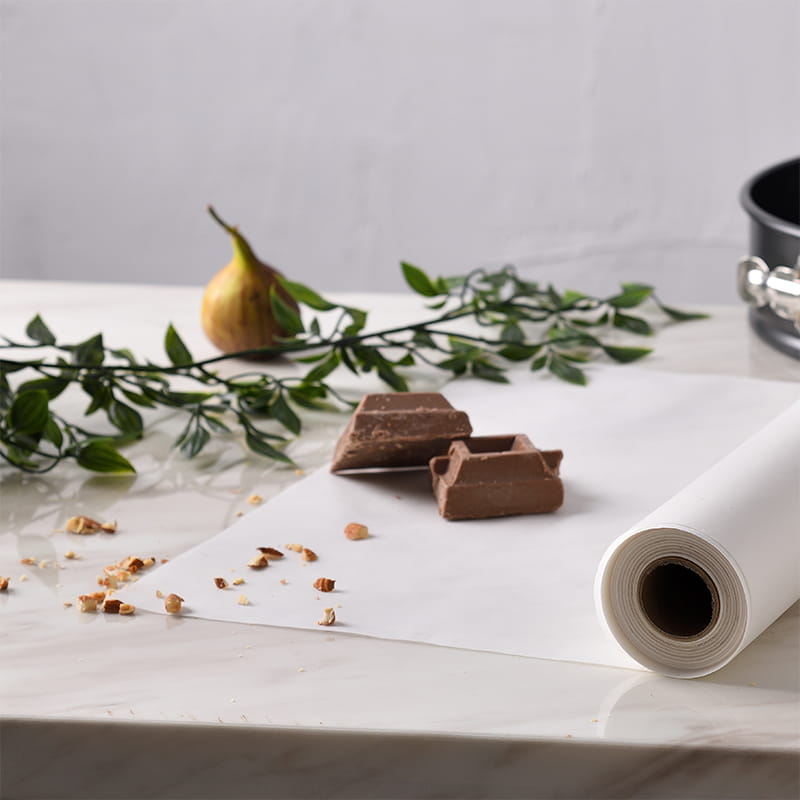
Product Features: 1. Virgin wood pulp 2. Double sides food grade silicone treated 3. Fluorine-free 4. Non-stick 5. Oven/Microwave safe 6. Freezer safe 7. Reusable 8. BPA ...
See Details -
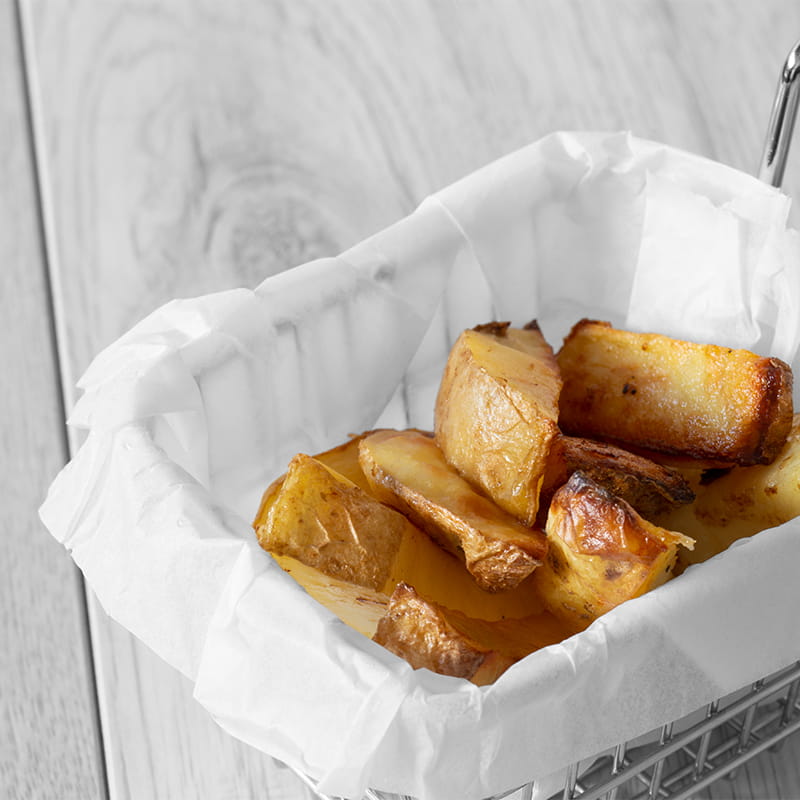
Product Features: 1. Virgin wood pulp 2. Fluorine-free 3. BPA free 4. Biodegradable Product Details: In an era where environmental consciousness and sustainability are paramount, Natu...
See Details -
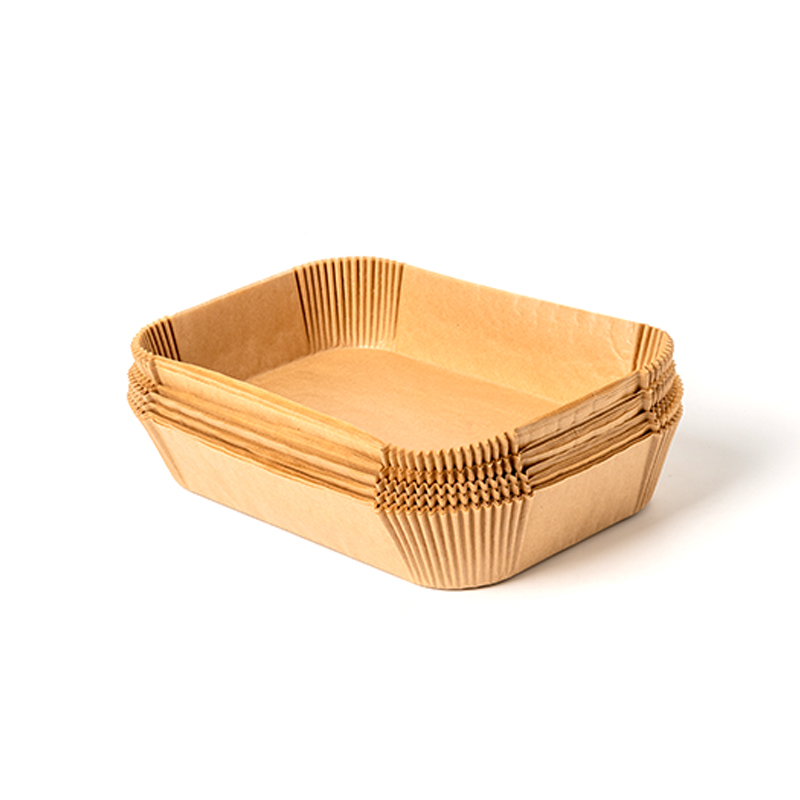
Product Features: 1. Virgin wood pulp 2. Double sides food grade silicone-treated 3. Fluorine-free 4. Non-stick 5. Air fryer basket safe 6. Reusable 7. BPA free 8. Biodeg...
See Details -
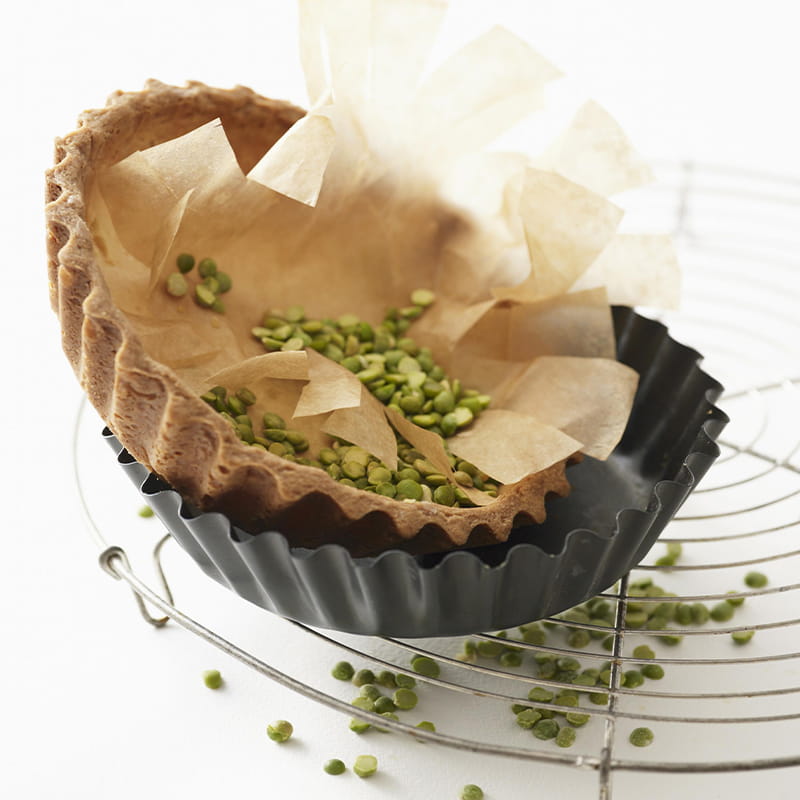
Product Features: 1. Virgin wood pulp 2. Natural unbleached brown color 3. Fluorine-free 4. BPA free 5. Biodegradable Product Details: Introducing our Unbleached Brown Food Grade ...
See Details -
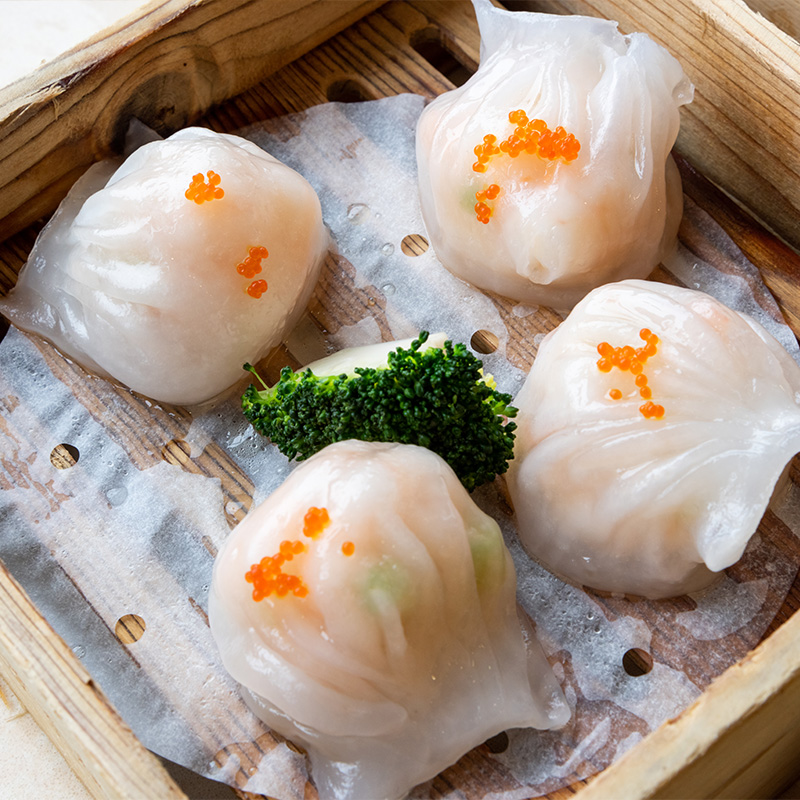
Product Features: 1. Virgin wood pulp 2. Double sides food grade silicone treated 3. Fluorine-free 4. Non-stick 5. Steamer/air fryer basket safe 6. Reusable 7. BPA free 8...
See Details -
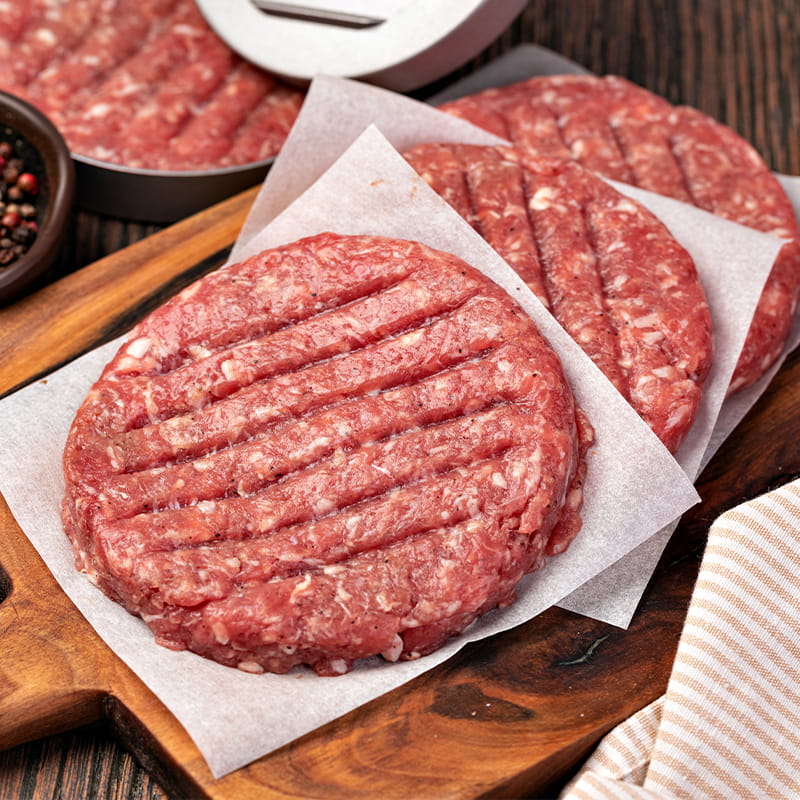
Product Features: 1. Virgin wood pulp 2. Double sides food grade silicone treated 3. Fluorine-free 4. Non-stick 5. Easy to separate 6. Reusable 7. BPA free 8. Biodegradab...
See Details -
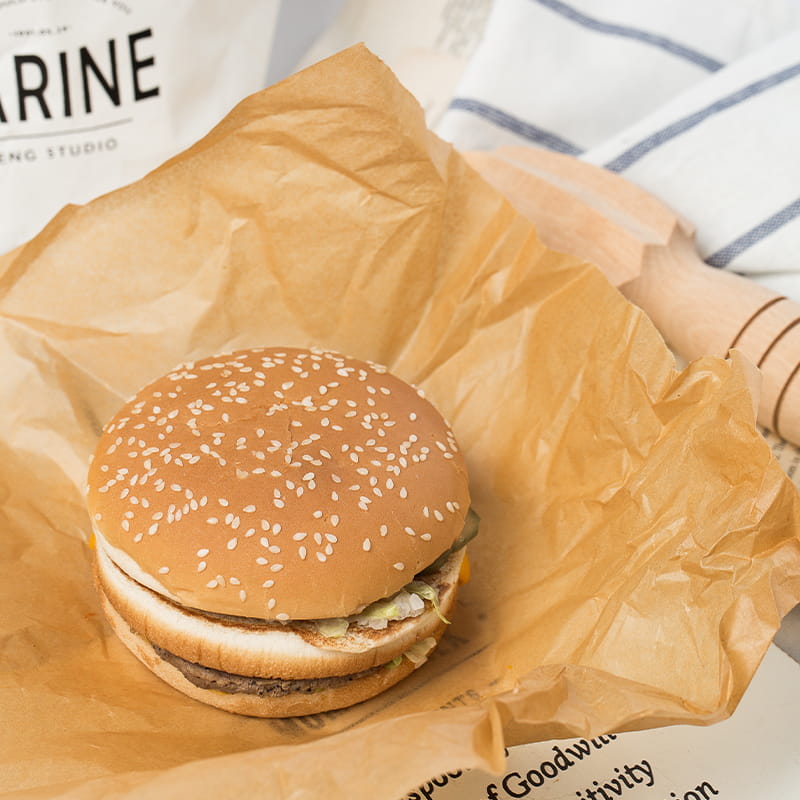
Product Features 1. Virgin wood pulp 2. Flexographic printing 3. Eco-friendly water-based ink 4. BPA free Product Details: Introducing our premium Greaseproof Sandwich Paper Sheets, a...
See Details

Professional Baking Parchment Paper Manufacturer in China with more than 15 years silicone coating experience.
Products
Contact Us
- No.10 Longyin Road, Chengnan Industrial Park,Longyou, Quzhou, China.
- +86-18968091013 / +86-571-88639705
- Avayao-1990@hotmail.com
Copyright © Zhejiang Guanghe New Materials Co., Ltd. All Rights Reserved.
Parchment Paper & Baking Paper Sheets Manufacturer
