 English
 中文简体
中文简体
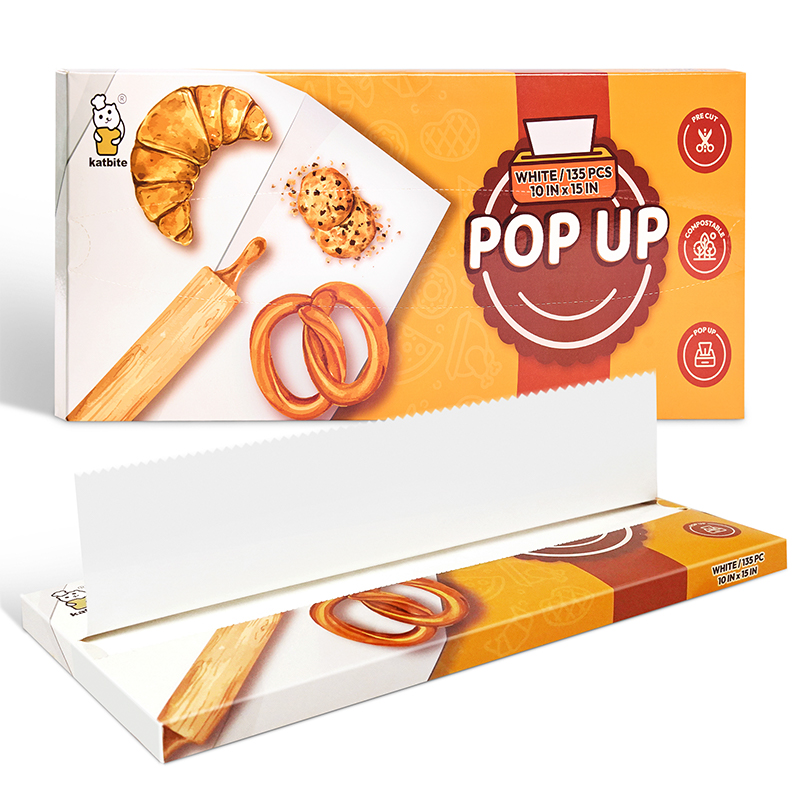
Product details: Pop-up parchment paper sheets, an environment-friendly product, are composed of wood pulp and are double-side coated with silicone. Such a coating makes our paper smooth, greasepr...
See DetailsGuanghe Custom Baking Paper for Reliable and Efficient Baking
Baking keeps pulling more people in these days. What used to be mostly a holiday thing or a small bakery trade has turned into something folks do regularly at home and something businesses count on every single day. People bake bread on weekends, whip up cakes for birthdays, experiment with cookies for neighbors, or just enjoy the smell of something warm coming out of the oven. On the commercial side, neighborhood spots, coffee shops with pastry cases, dessert bars, and even larger production kitchens churn out trays constantly to keep shelves stocked and customers coming back.
Expectations have climbed too. Baked goods need to look nice—clean edges, even browning, no torn bottoms. Taste matters just as much—crisp crusts, soft interiors, flavors that come through clean. Safety and cleanliness sit right up there; nobody wants residue from a pan or paper that leaves odd tastes or flakes. Convenience plays a big role now as well—people want the process to feel smooth rather than frustrating, especially when time is tight or kids are helping.
Problems creep in pretty often though. Batter sticks to the pan corners, dough clings to the sides of loaf tins, delicate meringues tear when you try to lift them. Cleanup becomes a headache—grease baked on hard, bits that won' t scrub off without soaking forever, brushes clogged with residue. Waste happens quietly—cookies that break apart when stuck, cake layers that lose half their bottom, batches that look uneven and end up in the trash. These little frustrations pile up fast.
Standard baking paper or the usual alternatives don' t always solve it cleanly. Plain sheets curl at the edges during long bakes, shift around under heavy batter, soak up too much oil and turn soggy, or tear when you try to peel them off. Greasing the pan works until it doesn' t—too much oil makes bottoms greasy, too little leaves food glued down. Silicone mats help with release but they' re bulky, expensive to replace, and don' t always fit odd pan shapes. These gaps leave room for something better.
Custom baking paper steps into that space naturally. Instead of forcing every bake into a one-size-fits-all sheet, it gets made to match the actual pan, the recipe, or the production rhythm. Sizes cut exactly right, shapes that hug the corners, thicknesses that handle the job without ripping or soaking through. The result feels more intentional—less trimming, less waste, smoother release, and baking that turns out closer to what was pictured in the mind.
What Makes Custom Baking Paper Different
Custom baking paper isn' t just another roll cut down to size. It starts from the idea that different bakes need different support. Sheets come pre-cut for round springform pans, long Pullman loaves, square brownie trays, or even perforated patterns for air circulation on cookies and crackers. Some roll out for easy tear-off in busy kitchens, others fold neatly for stacking in small drawers.
Thickness adjusts too—thicker for heavy fruitcakes or dense breads that press down hard, thinner for delicate tuiles or macarons that need gentle handling. Coatings vary depending on the task—some lean heavier on non-stick for sticky caramels or chocolate work, others focus on oil resistance for greasy sausage rolls or buttery pastries.
The material itself draws from food-safe sources that hold up under typical oven heat without giving off smells, tastes, or breaking apart. It resists sticking so nearly all items lift away cleanly after cooling a bit, cuts way back on extra sprays or greases, and cleans up with a quick wipe or rinse instead of elbow grease. Compared to basic parchment that curls or tears, or wax paper that melts or sticks in spots, this version stays flat longer, releases more reliably, and handles repeated use in some cases without falling apart.
The customization part really sets it apart. A home baker tired of trimming circles for layer cakes gets even rounds every time—no scissors, no waste. A small shop doing wedding cakes asks for oversized sheets that drape fully over tall tiers without gaps or overlaps. That kind of fit reduces fiddling during prep, speeds up the whole flow, and helps keep results looking and tasting the same batch after batch.
Where Demand Comes From in Today's Baking World
Commercial kitchens feel the pressure constantly. Bakeries open early, fill cases all morning, restock for lunch, push through afternoon rushes, and still need fresh product for evening pickups. Speed matters—anything that shortens setup or cleanup opens up more time for decorating, packaging, or serving customers. Consistency matters even more—one tray of uneven cookies or torn cake layers shows up in complaints or unsold stock. Operators look for ways to keep quality high while handling volume without burning out staff or wasting ingredients.
Home baking has its own rhythm. People bake for enjoyment, for health reasons, for sharing with friends, or just because it feels good on a rainy afternoon. They try new recipes from videos or books, tweak ingredients to make things lighter or gluten-free, and want the end result to match the picture they had in mind. Frustration kills the fun fast—stuck muffins that break apart, cakes that won' t release cleanly, pans that take forever to scrub. Tools that make the process smoother and more predictable keep the enjoyment alive.
Online sales and gift sets have grown a lot too. Baking kits show up for birthdays, holidays, or housewarmings—often bundled with cutters, sprinkles, mixes, and accessories. Customers pick items that feel thoughtful, practical, and a little special. Sheets that come pre-sized or printed with a fun pattern stand out compared to plain rolls from the grocery aisle.
Globally the pattern looks similar with some differences by region. More focus lands on cutting waste, choosing materials that don' t stick around forever in landfills, and supporting cleaner ways of doing things. People notice when a product helps reduce food loss from sticking or uses sources that feel responsible. Custom baking paper fits into that conversation by being useful primarily and considerate second.
Everyday Uses Across Baking and Kitchen Tasks
Classic baking takes the spotlight first. Bread dough slides out of loaf pans without ripping the crust. Sponge cakes release from rounds so layers stack neatly for filling. Cookies bake evenly without greasy spots or stuck centers. Tart shells blind-bake flat and lift away whole for filling. Pastries proof and bake on sheets that hold shape without curling.
Steaming opens another use. Line steamers for bao, fish parcels, or vegetable bundles so nothing clings to the basket. In rice cookers or multi-cookers, a quick liner keeps sticky rice or congee from bonding to the pot.
Food prep and storage benefit quietly. Layer cutlets or dough sheets in containers without them fusing together. Wrap sandwiches for lunchboxes so sauces don' t soak through. Interleave delicate cookies or macarons for transport without breakage. Oil-resistant layers keep greasy items from migrating, moisture barriers help keep things fresh longer than plain paper.
Special cases pop up often. Big commercial ovens with full-sheet trays need oversized pieces that cover completely without bunching. Holiday baking calls for hearts, stars, trees, or other cuts that match the theme. Personalized orders let small shops add a logo or message that customers spot in photos or at pickup. Event catering uses it for themed displays—coordinated shapes that tie the whole table together visually.
Key Benefits That Show Up in Real Use
Quality jumps noticeably when sticking disappears. Edges brown evenly, bottoms avoid scorching, delicate tops stay intact instead of tearing on release. Appearance looks cleaner—crisp lines on shortbread, smooth sides on cakes, uniform color on rolls. Texture improves too—crusts stay crisp, interiors stay tender, no off-flavors from burnt bits left behind.
Workflow speeds up in practical ways. Prep goes quicker—no endless trimming, no fighting with shifting sheets. Baking runs smoother—trays load fast, items release fast. Cleanup shrinks to a quick wipe or rinse instead of soaking and scraping. In busy kitchens that adds real hours back—more batches per day, less tired arms, smoother handoff between tasks.
Customization solves problems standard supplies ignore. Fit irregular molds without gaps or overhangs. Match seasonal runs with printed patterns that carry the brand or occasion. Adjust thickness or coating for wet batters versus dry doughs so nothing compromises the bake.
Safety stays simple and reliable. No unwanted transfers into food, no worries about melting or flaking under heat. It works comfortably for family baking and daily commercial use alike.
Environmentally it leans toward materials that break down more naturally or recycle without much trouble. Less food gets tossed because of sticking damage. Precise sizing cuts prep waste. Efficient use in ovens reduces energy spent on re-bakes or long cleanups.
| Benefit Category | What It Helps With in Practice | How It Shows Up Day to Day | Longer-Term Impact on Baking |
|---|---|---|---|
| Baking Quality | Prevents sticking, even browning, clean release | Nicer-looking products, fewer broken pieces | More consistent results, happier customers |
| Workflow Efficiency | Faster prep, quick cleanup, less downtime | Shorter setup and turnaround times | More batches per shift, lower labor fatigue |
| Customization Flexibility | Exact fit for pans, shapes for themes, adjusted thickness | No trimming or gaps, matches specific recipes | Reduced waste, easier special orders |
| Health & Safety | Food-safe materials, no unwanted transfer | Peace of mind for family or commercial use | Fewer concerns about residues or flavors |
| Environmental Side | Materials that break down easier, less food loss | Less trash from ruined bakes, simpler disposal | Aligns with greener habits over time |
How Customization Adds Real Value
Tailored sizes and shapes fix frustrations fast. Round tins get clean circles—no folding, no waste. Rectangular trays get full coverage without curling corners. Perforated patterns match trays for even browning on crackers or biscuits.
Printing brings personality. Small bakeries add a quiet logo that customers notice in photos or on take-home boxes. Holiday batches feature seasonal designs—hearts for Valentine' s, snowflakes for winter, pumpkins for fall. Themed events get coordinated looks that make the whole display feel pulled together.
Material tweaks expand what it can do. Some versions handle oil better for butter-heavy doughs. Others resist moisture during long steams or humid proofing. Strength keeps large sheets from tearing when stretched across wide trays.
Functions layer on top of basic non-stick. Oil-proof surfaces stop greases bleeding through. Moisture barriers protect delicate items from drying out or getting soggy. Crack resistance holds up during heavy use or folding. These additions make one product cover more tasks without swapping types.
How It Feels in Everyday Home and Commercial Settings
Home bakers notice the difference right away. Line the pan, spread batter, bake, cool a bit, lift out clean—no prying, no broken pieces, no ruined presentation. Sheets stack flat in a drawer or roll compactly. Reuse when it makes sense, dispose when done. The whole routine feels lighter, less stressful, more about enjoying the bake than fighting the tools.
Commercial kitchens see gains stack up differently. Trays cycle fast—quick lining keeps the pace. Clean release means every item looks similar, which matters for display cases, catering trays, or wholesale orders. Less scrubbing frees staff for piping, packaging, or front-of-house work. Labor stays lower, consistency stays higher, waste stays down.
Pairing with other tools boosts it further. Line molds for clean demolding. Use with air-flow trays for crisp results. Bundle into retail kits with cutters or tins. The combination smooths the whole chain from mixing to serving.
Supporting Environmental Goals Without Compromise
Thoughtful material choices help ease the load on waste systems. Many options break down over time or fit into recycling streams without special handling. That matches what more people look for in kitchen items—useful now, responsible later.
Food waste drops naturally. Clean release means fewer scorched or broken pieces hit the bin. Precise cuts reduce scraps during prep. Commercial runs waste less energy on re-bakes or long cleanups because everything flows efficiently.
The general move toward greener habits makes this kind of paper feel right at home. Customers and businesses notice when a product supports sustainability without making daily tasks harder. It becomes a small but meaningful way to align with values people care about.
Building Business Value Through Practical Choices
Custom options give a place a small edge without shouting about it. When a bakery offers sheets cut exactly for their special cake tins or printed with their logo on the packaging, it sticks in customers' minds. It changes what could be just "baking paper" into something that feels like the shop actually thought about the details. People notice that kind of thing—especially when they take a photo of their order or show it off to friends.
Over time the efficiency side starts showing real benefits. Fewer batches ruined because things stuck and tore, quicker wipe-downs between trays instead of deep scrubbing, more consistent output that looks the same tray after tray. All that adds up—less dough or batter wasted, less time spent on cleanup, fewer complaints coming back about uneven bakes or broken pieces. Customers keep coming when things look and taste reliable, and that quiet loyalty helps the bottom line more than flashy advertising ever could.
Standing out gets easier when the market feels full of the same stuff. Most places still grab whatever generic roll is on the shelf—plain, one size, no frills. Offering something made to fit their actual pans, their recipes, or even their branding lets a shop fill a gap others skip over. It lines up nicely with what people care about now: healthier baking without weird additives, quicker routines that don't eat the whole afternoon, materials that don't just pile up in landfills forever. It feels thoughtful without trying too hard to sell the "eco-perfect" angle.
Looking Ahead at Baking Trends and Possibilities
Ovens are changing—smarter controls, quicker heating, more push-button automation in both home models and commercial lines. Paper that keeps up with that—pre-cut to drop right onto new tray sizes, coatings that don't break down under fast temperature ramps—slides in without any fuss. Less time spent trimming or repositioning means the whole setup runs smoother from the start.
The material side keeps moving forward in small, steady steps. Non-stick surfaces that hold up better under heavier oils, better resistance to moisture so steaming or humid doughs don't cause issues, stronger sheets that don't tear when pulled across wide trays. Those upgrades open doors to recipes that were tricky before—think sticky toffee puddings, long-proof breads, or layered pastries that used to need extra grease or foil hacks. Designs that handle multiple jobs—baking one day, steaming the next, wrapping for storage—mean fewer different products cluttering the kitchen.
Ordering custom stuff is getting simpler too. Online forms let home bakers or small shops type in their pan measurements, pick a shape, add a holiday pattern or logo, and get exactly what they want without calling around or waiting weeks. What used to feel like a special project—seasonal runs, event catering, themed birthday kits—turns into something routine. That ease encourages more people to try it instead of sticking with the same old roll.
Home baking and small specialty shops keep spreading worldwide. More folks bake regularly, more cafes add pastry cases, more people look for tools that make it enjoyable rather than a chore. Demand follows for things that work reliably, save time, and don't leave a heavy footprint afterward. Products that match those changes—without making daily baking more complicated—tend to stay around for years.
Why Custom Baking Paper Makes Sense for Bakers Everywhere
Custom baking paper brings together fixes for the things that frequently go wrong: sticking that ruins appearance, cleanup that drags on forever, batches that never quite match the last one. Tailored sizes, shapes, and little tweaks mean it actually fits the job instead of forcing the baker to work around it. No more scissors at every prep, no more gaps at the edges, no more wrestling torn pieces off the pan.
The customization part and the environmental angle sit side by side as quiet advantages. Getting sheets made for your exact needs feels personal and practical. Materials chosen with disposal in mind—ones that break down easier or recycle without hassle—line up with the way more people think about everyday items now. Put those together and you have something that works well right now while pointing in the direction things seem to be heading: kitchens that run smoother, less waste overall, more focus on enjoying the bake than fighting the tools.
Bakers who care about getting reliable results, keeping routines simple, and feeling a little better about the impact find this kind of paper useful. The path forward looks like smarter equipment, more thoughtful habits, and tools that help rather than hinder. Custom baking paper fits right into that picture without needing to be flashy about it.
In this growing field Guanghe operates as a dedicated manufacturer focused on producing reliable custom baking paper and related kitchen solutions. Guanghe emphasizes consistent quality, practical customization, and thoughtful material choices so partners and users can bake with confidence and care.
Related Products
-
-
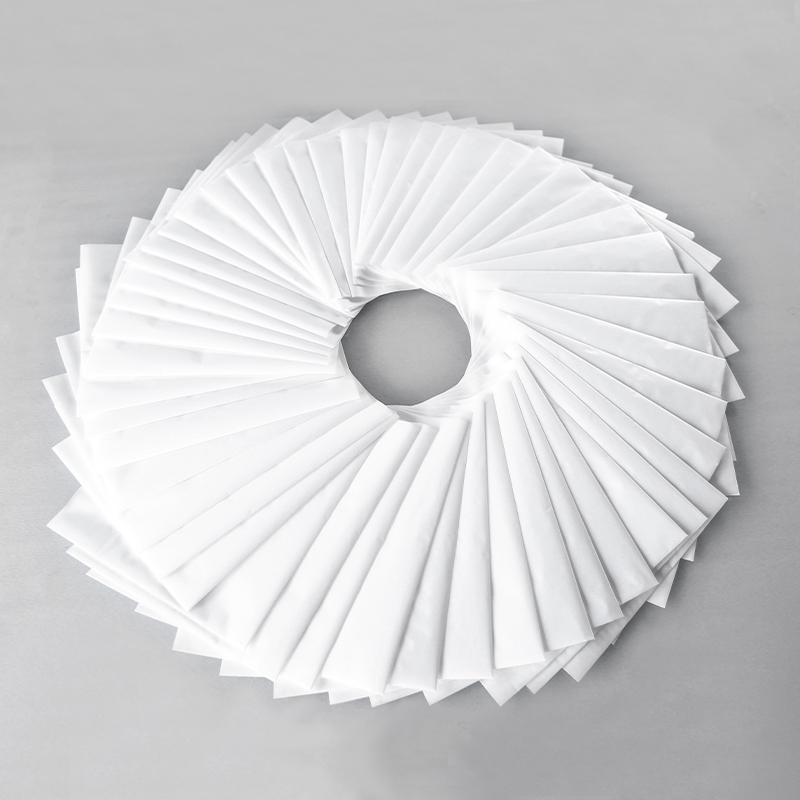
Product details: Folded baking paper sheets, an environment-friendly product, are composed of wood pulp and are double-side coated with silicone. Such a coating makes our paper smooth, greaseproof and...
See Details -
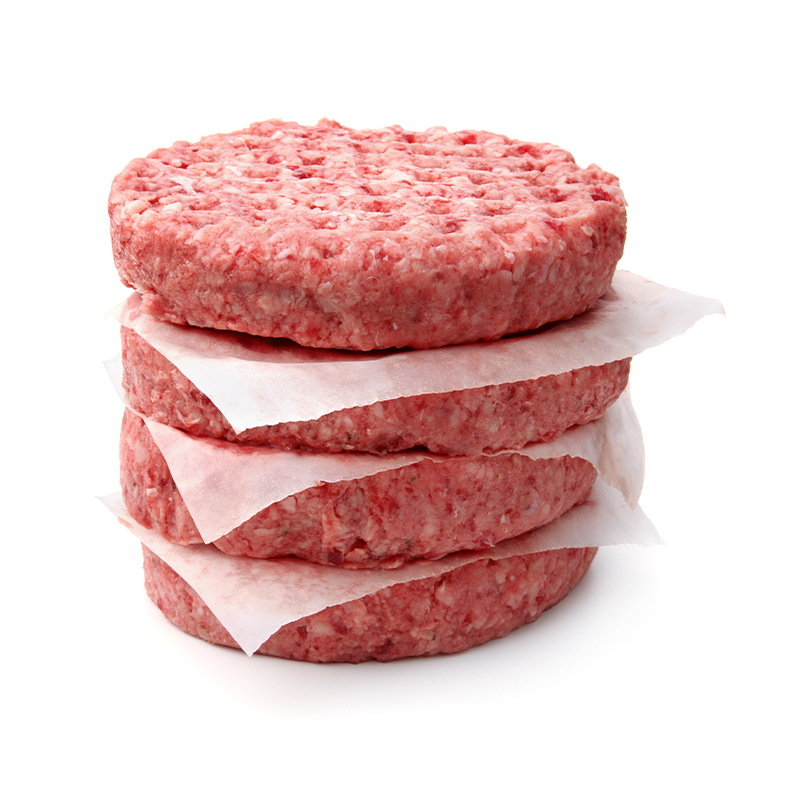
Description: Wax paper is the paper that is coated with food-grade wax in order to make it non-stick and waterproof. wax paper is very good for food storing and presentingMade of food-grade paper and ...
See Details -
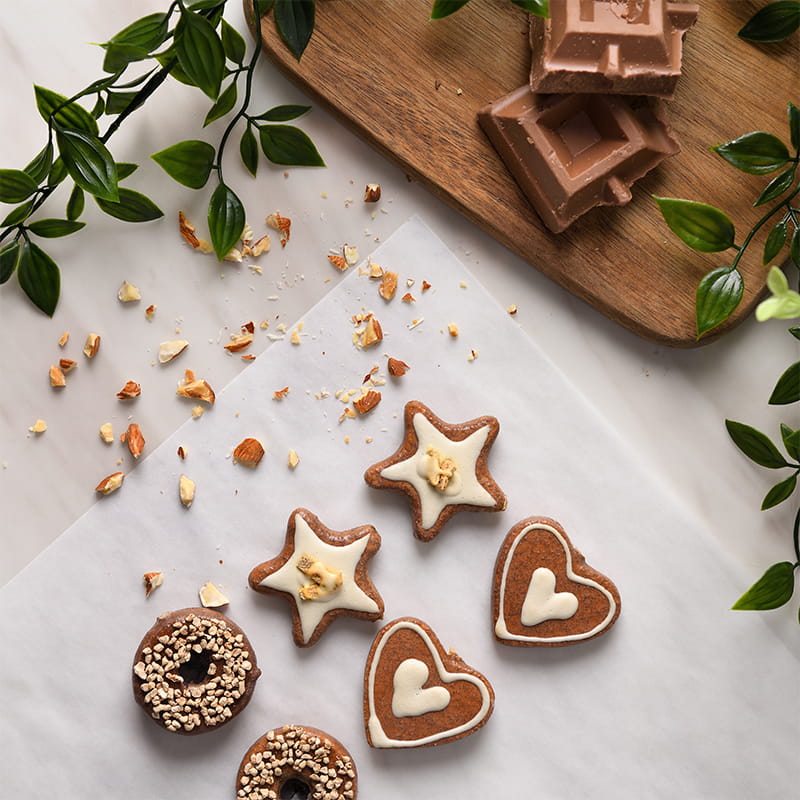
Product Features: 1. Virgin wood pulp 2. Double sides food grade silicone-treated 3. Fluorine-free 4. Non-stick 5. Oven/Microwave safe 6. Freezer safe 7. Reusable 8. BPA f...
See Details -
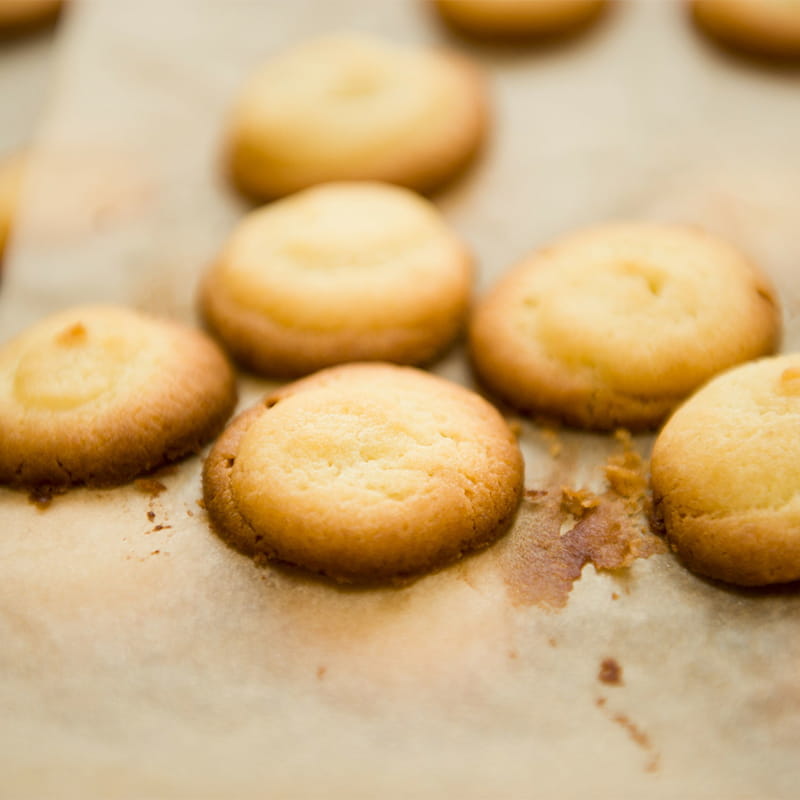
Product Features: 1. Virgin wood pulp 2. Natural unbleached brown color 3. Double sides food grade silicone-treated 4. Fluorine-free 5. Non-stick 6. Oven/Microwave safe 7. Fre...
See Details -
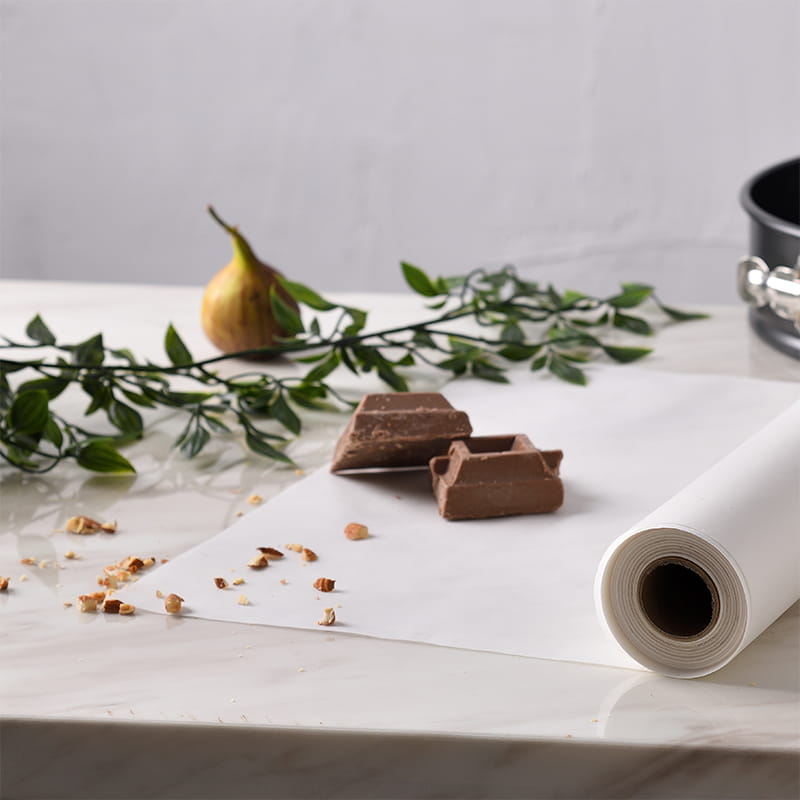
Product Features: 1. Virgin wood pulp 2. Double sides food grade silicone treated 3. Fluorine-free 4. Non-stick 5. Oven/Microwave safe 6. Freezer safe 7. Reusable 8. BPA ...
See Details -
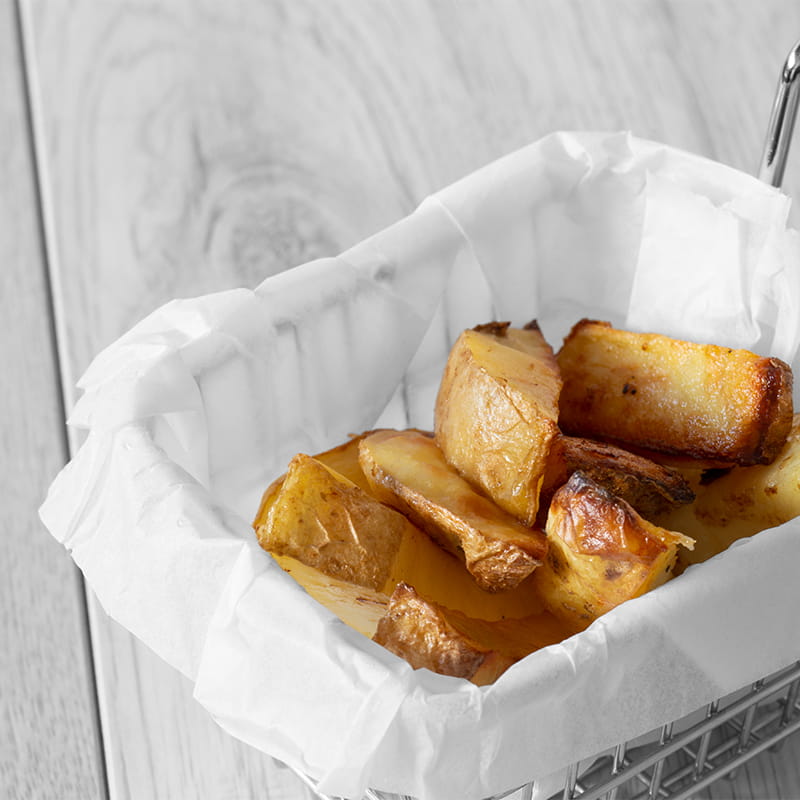
Product Features: 1. Virgin wood pulp 2. Fluorine-free 3. BPA free 4. Biodegradable Product Details: In an era where environmental consciousness and sustainability are paramount, Natu...
See Details -
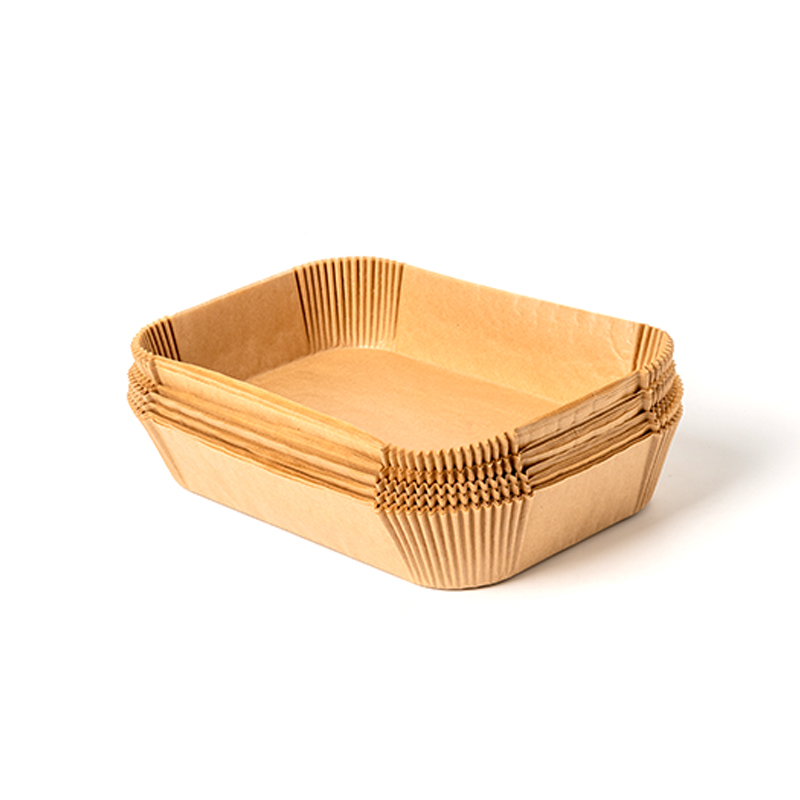
Product Features: 1. Virgin wood pulp 2. Double sides food grade silicone-treated 3. Fluorine-free 4. Non-stick 5. Air fryer basket safe 6. Reusable 7. BPA free 8. Biodeg...
See Details -
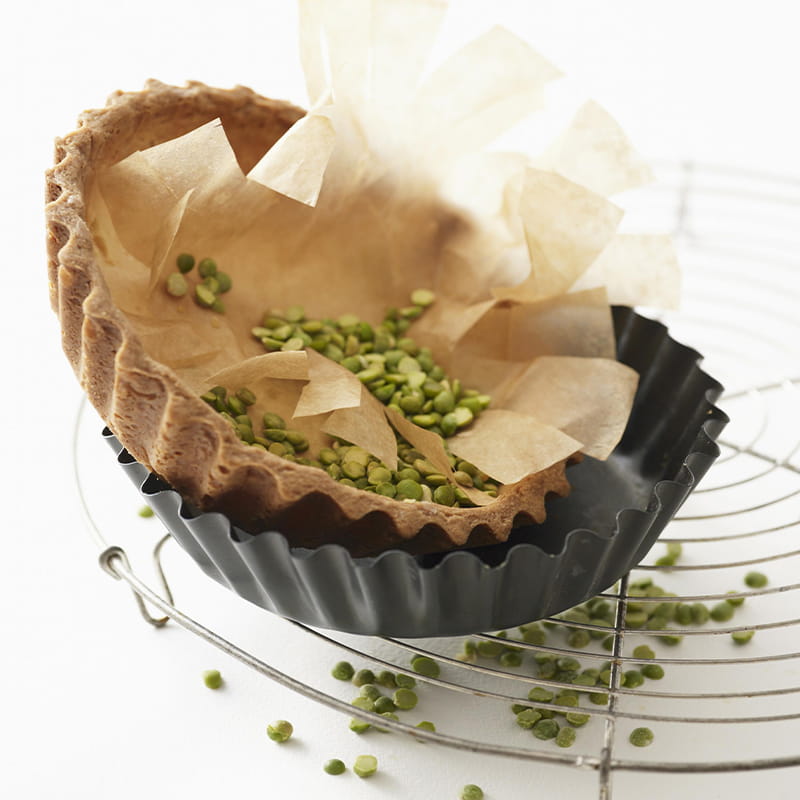
Product Features: 1. Virgin wood pulp 2. Natural unbleached brown color 3. Fluorine-free 4. BPA free 5. Biodegradable Product Details: Introducing our Unbleached Brown Food Grade ...
See Details -
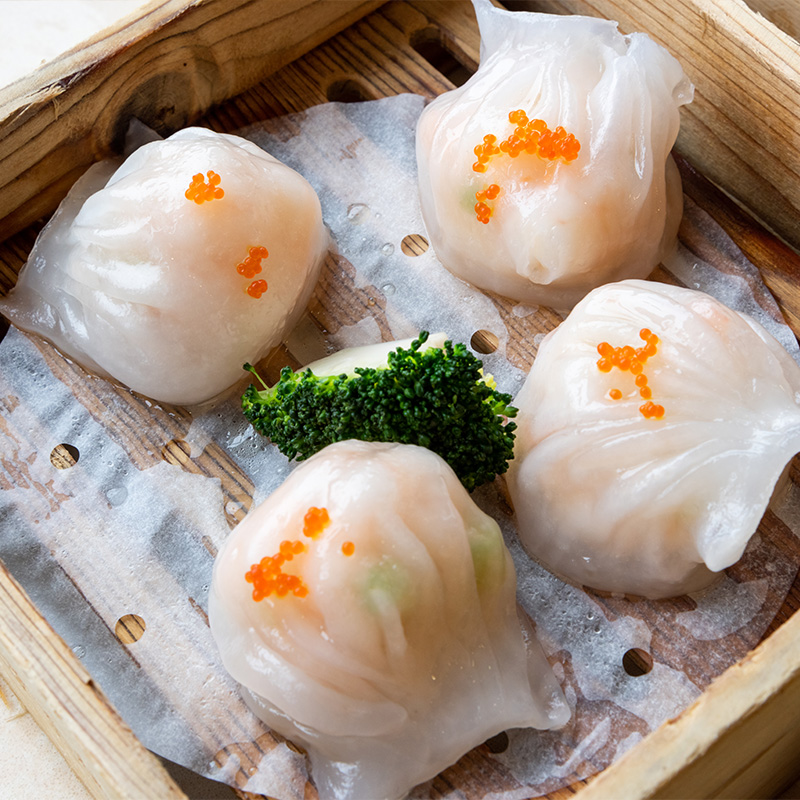
Product Features: 1. Virgin wood pulp 2. Double sides food grade silicone treated 3. Fluorine-free 4. Non-stick 5. Steamer/air fryer basket safe 6. Reusable 7. BPA free 8...
See Details -
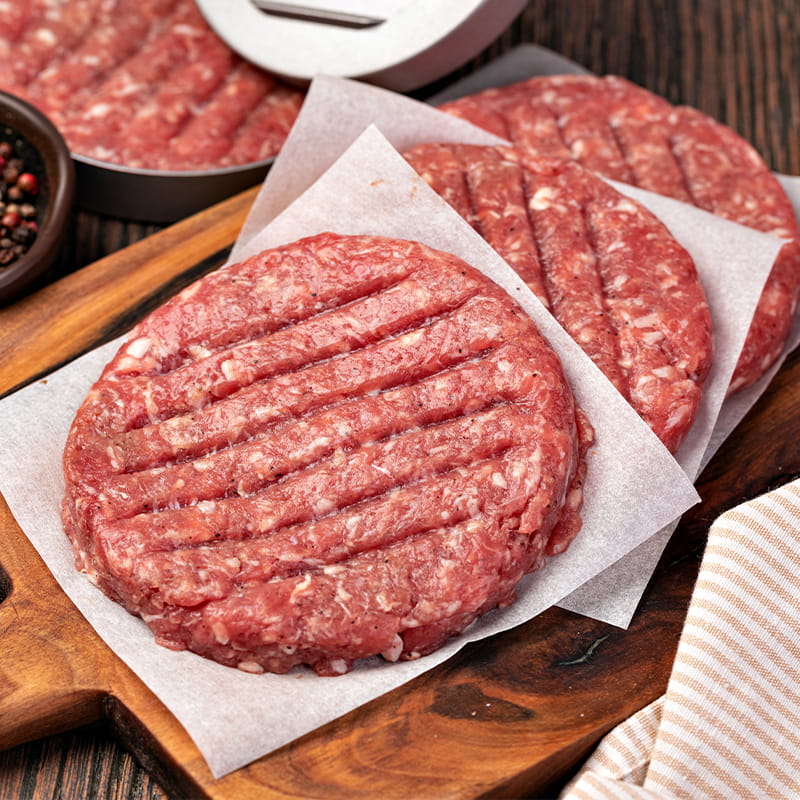
Product Features: 1. Virgin wood pulp 2. Double sides food grade silicone treated 3. Fluorine-free 4. Non-stick 5. Easy to separate 6. Reusable 7. BPA free 8. Biodegradab...
See Details -
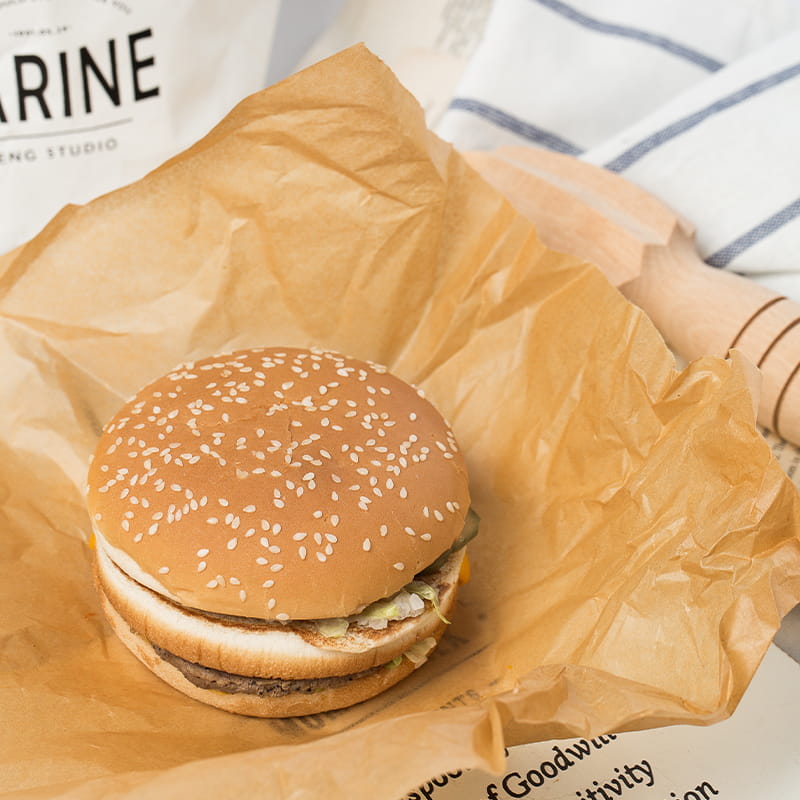
Product Features 1. Virgin wood pulp 2. Flexographic printing 3. Eco-friendly water-based ink 4. BPA free Product Details: Introducing our premium Greaseproof Sandwich Paper Sheets, a...
See Details

Professional Baking Parchment Paper Manufacturer in China with more than 15 years silicone coating experience.
Products
Contact Us
- No.10 Longyin Road, Chengnan Industrial Park,Longyou, Quzhou, China.
- +86-18968091013 / +86-571-88639705
- Avayao-1990@hotmail.com
Copyright © Zhejiang Guanghe New Materials Co., Ltd. All Rights Reserved.
Parchment Paper & Baking Paper Sheets Manufacturer
