 English
 中文简体
中文简体
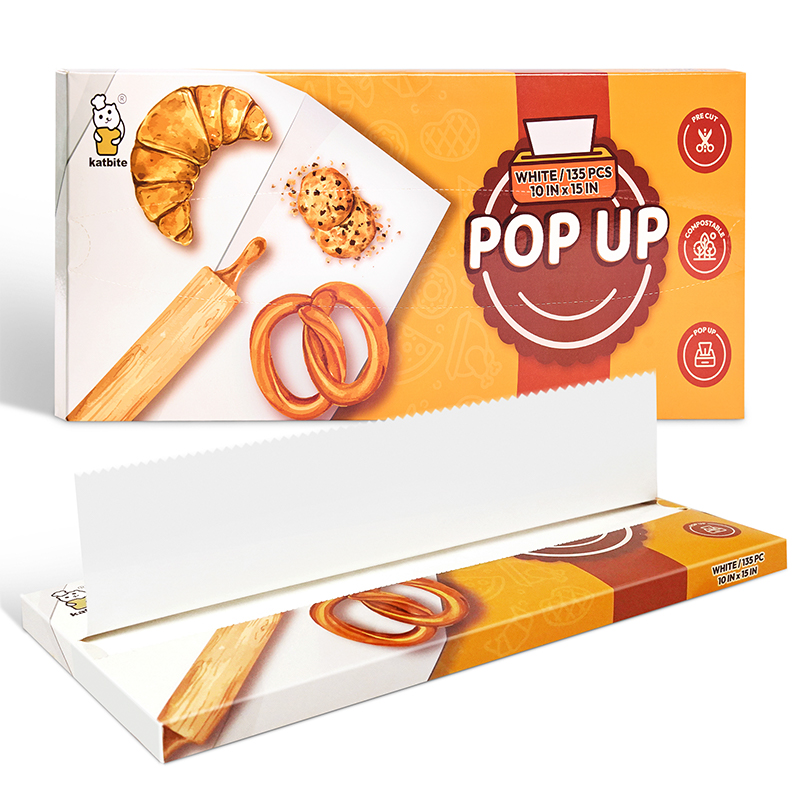
Product details: Pop-up parchment paper sheets, an environment-friendly product, are composed of wood pulp and are double-side coated with silicone. Such a coating makes our paper smooth, greasepr...
See DetailsParchment Paper for Cleaner, More Reliable Kitchen Workflows
Kitchens today function as real workspaces that need to deliver steady, dependable results every single time. The space handles family dinners, weekend baking sessions, meal prep for the week ahead, or even small-scale food production for local orders. When everything runs smoothly, the routine feels natural—ingredients move from counter to oven to plate without unnecessary delays. But when things go off track, frustration builds fast. Counters get cluttered with greasy tools, trays end up covered in baked-on residue that refuses to come off, odors hang in the air long after cooking finishes, and batches turn out uneven—one tray perfect, the next slightly burnt or stuck. Home kitchens usually face the same pans being washed over and over, while small food businesses lose precious minutes (or hours over a day) scrubbing between orders or dealing with inconsistent appearance that customers notice right away.
Parchment paper quietly tackles many of these everyday headaches. It sits between food and equipment as a thin, disposable layer that stops adhesion, collects drips and splatters, keeps surfaces far cleaner, and makes removal straightforward. Over weeks and months of regular use, the paper starts to reshape how the kitchen operates. Preparation steps speed up because nothing sticks to the counter, cooking becomes more reliable since heat spreads evenly and food releases cleanly, cleanup shrinks to almost nothing, and the whole rhythm feels less chaotic. What starts as simply placing a sheet under a tray slowly turns into an invisible part of the workflow—something that organizes small messes, cuts down on repeated work, and lets attention stay on timing, seasoning, and final taste instead of constantly battling sticky pans or lingering smells.
Common Sources of Chaos in Baking and Cooking
Sticking happens constantly and interrupts everything. Cookie dough bonds to the tray so edges tear when lifted, cake batter fuses to the sides of the pan and leaves chunks behind, roasted root vegetables weld to the metal and lose half their crispy surface, caramel or sugar syrup hardens into a glassy layer that requires soaking and scraping. Each time this occurs, extra minutes go into prying food loose, and pans need aggressive cleaning afterward.
Cleaning time balloons when grease, sugars, proteins, or marinades bake directly onto hot surfaces. Dark stains appear, burnt bits release strong odors that fill the kitchen, and air becomes thick with the smell of charred residue even after washing. In smaller or shared kitchens, these smells linger for hours and require extra ventilation or repeated wiping of walls and counters.
Uneven cooking adds another layer of trouble. One part of the tray browns nicely while another stays pale because heat pockets form or food shifts position. Batch variation shows up in color, texture, crispness—home bakers end up with trays that look mismatched, and small businesses see complaints when orders do not match previous ones.
High-frequency use makes all these problems worse. When the oven cycles trays every twenty or thirty minutes, any delay from stuck food, long soaking, or uneven results slows the entire process. What should be steady production turns into a chain of small interruptions that drain energy and patience over the course of a morning or afternoon.
How Parchment Paper Improves the Overall Workflow
The paper quietly splits the cooking process into separate steps that feel a lot more natural and less rushed. When getting things ready, it gives a clean, non-stick base for rolling out dough, forming patties, or laying out vegetables—counters don' t pick up as much mess, chances of cross-contamination go down, and flour doesn' t scatter everywhere as easily. Once in the oven, it works as a solid shield between the food and the hot metal—nothing fuses to the pan, drips stay caught on the sheet instead of burning onto the tray, and heat spreads more evenly so everything browns without surprise dark spots or pale patches.
Taking food out turns into a straightforward lift instead of a battle. Items come off in one piece, trays stay pretty clean, and moving things to cooling racks or plates happens without ripping or leaving sticky bits behind. Cleanup drops to just folding the paper up or tossing it—no more chipping away at hardened sugar or letting greasy pans soak for ages. Extra greasing mostly disappears since the non-stick surface does the job on its own; sprays, butter rubs, or oil coats turn optional rather than necessary. The whole sequence starts feeling predictable—the same setup gives similar results every run, timing holds steady, and juggling a few things at once doesn' t feel as stressful. The kitchen settles into a calmer, more manageable pace even when several dishes are going at the same time.
Impact on Food Presentation Consistency
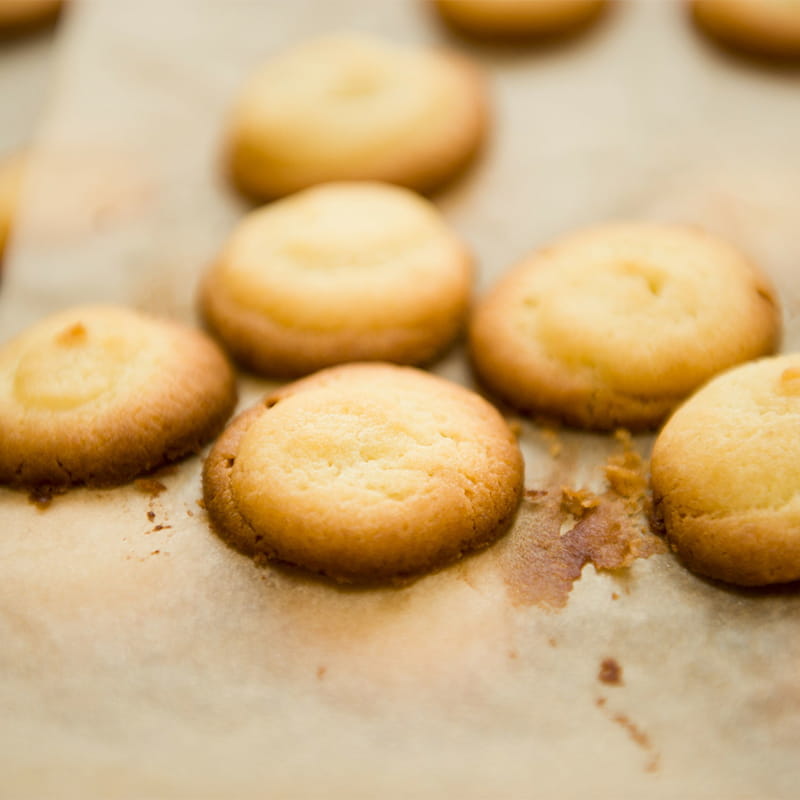
Clean release makes a big difference in how finished food actually looks. Cookies hold sharp, even edges instead of coming away with torn or ragged sides, cakes drop out of pans with smooth, level surfaces ready for icing, roasted vegetables and proteins keep their shape without losing pieces or breaking apart. When food comes off whole, plating feels deliberate—dishes end up looking put-together and intentional, not patched up or fixed after the fact.
Heat moving evenly under the paper helps color and texture stay consistent across the tray. No random hot zones mean browning happens the same way everywhere—crisp bottoms without burnt corners, moist centers without dry edges. Batch after batch keeps the same look, which matters a lot when putting out several plates at once or setting up items to sell or display.
In regular home kitchens, that reliable appearance quietly builds trust—meals and baked goods come out close to how they were pictured, not thrown off by sticking or scorching. In small commercial kitchens, uniform looks help meet what customers expect and keep them coming back. When everything on the tray or plate matches, quality feels steady, complaints drop off, and the need to redo things almost disappears.
Changing Roles in Different Cooking Stages
In the preparation stage, parchment paper works as a straightforward, clean surface to work on. Dough rolls out smoothly without grabbing onto the counter and making a mess, marinated meats or vegetables can sit side by side without flavors bleeding into each other, and chopped ingredients stay neatly arranged before heading to the oven or pan. The paper keeps things sanitary and contained so counters wipe down faster and everything stays organized from the start.
When baking begins, the paper changes into a steady, heat-tolerant barrier inside the pan or on the tray. Food cooks without fusing to the metal, so juices, drips, and fats collect right on the sheet instead of burning onto the surface and creating smoke or hard-to-remove residue. Heat spreads more evenly underneath, helping textures develop the way they should—crisp edges on cookies, tender centers in cakes, roasted vegetables that brown without scorching in spots.
During cooling, the paper helps hold shape and texture intact. Pastries or cookies can rest directly on it so moisture doesn' t get trapped underneath and make bottoms soggy against a rack, cakes cool in the pan or on the sheet without sticking and tearing when lifted, and fragile items like meringues or delicate biscuits transfer to storage without breaking apart.
For storage and transportation, the paper handles layering and protection duties. Frozen portions placed on sheets separate easily once solid—no more chipping pieces apart or thawing everything at once. Sandwiches wrap up without clinging together in the bag or container, transport boxes get lined so items stay neat and don' t shift around or lose freshness on the way. The same sheet quietly switches jobs from one stage to the next, so there' s no need to grab different tools, liners, or disposables for each part of the process.
Assistance with Kitchen Hygiene and Odor Management
When parchment paper sits between food and equipment, direct contact drops sharply. Grease, sugars, proteins, and marinades stay captured on the sheet instead of baking onto trays or molds. Pans come out with only light crumbs or drips, so deep scrubbing is needed less often and heavy detergents stay on the shelf longer.
Smoke and odor production decrease noticeably. Burnt drips no longer vaporize into the air, charred sugars and fats do not cling to metal and keep smelling after washing. Kitchen air stays clearer and fresher, especially during long baking sessions or in compact spaces with limited airflow.
Long-term hygiene gains accumulate. Less frequent aggressive cleaning reduces wear on bakeware and lowers exposure to strong chemical cleaners. In homes with multiple users or small commercial kitchens, surfaces remain cleaner between uses, creating a more pleasant and safer environment overall.
Value in Small-Scale Food Production Scenarios
Home batch meal preparation gains efficiency from cleaner workflow. Roasted proteins and vegetables cook in larger trays without adhesion, portioning stays neat, and storage layers separate easily. Time saved on cleanup shifts attention to seasoning, variety, and planning ahead.
Home baking for events, gifts, or small sales benefits from uniformity. Cookies, breads, and pastries release cleanly, presentation looks professional, and production feels less chaotic. Small studios or home-based businesses count on this reliability to fulfill orders without constant rework or waste.
Café back kitchens use it for prep and display work. Tray desserts set up quickly, pastries hold shape during baking, and turnover remains fast. Lined display cases stay presentable longer, cutting down on discarded or damaged items.
Teaching sessions, pop-up events, and temporary kitchens rely on dependable, low-maintenance tools. Demonstrations show clear techniques, participants avoid frustration from stuck food, and setup/teardown happens quicker. These variable, high-pressure situations particularly need aids that perform consistently without adding complexity.
Comparison with the Usage Logic of Other Common Kitchen Liners
Direct greasing with oil or butter leaves residue that bakes on hard and demands scrubbing. Parchment paper removes that step completely—food releases without added fat, pans stay cleaner, and cleanup shortens to almost nothing.
Aluminum foil transfers heat very aggressively, sometimes creating hot spots or uneven browning, and can react with acidic ingredients. Plastic wraps soften or melt under oven conditions and trap moisture without breathability. Parchment paper sidesteps these drawbacks while staying disposable and effective.
Reusable silicone mats provide durability but need washing after every use and occupy storage space. Parchment paper trades reusability for convenience—no washing required, minimal space needed, and a fresh surface each time.
The practical middle ground often favors parchment paper as a staple consumable. It sits between high-waste single-use plastics and high-maintenance reusables, delivering consistent performance for daily and frequent use.
Practical Dimensions to Consider When Choosing Parchment Paper
Strength plays a real role in how well the paper holds up day to day. Sheets that don' t rip easily when you' ve got thick, wet batter on them or when you' re running multiple trays through the oven back to back handle actual kitchen work without falling apart halfway. The surface coating makes a difference too—ones with a light treatment usually let sticky sugars, proteins, or caramel slide off more reliably so you don' t end up scraping or fighting the food.
How easily it cuts and spreads out saves a surprising amount of time. Rolls that tear straight along the edge without bunching or fraying make quick work of fitting odd-shaped pans or trays. Pre-cut sheets that already match common tray sizes skip the measuring and trimming step entirely. Packaging that lets you pull out what you need smoothly—without the roll unraveling or the sheets sticking together—keeps things from getting crumpled or wasted in the drawer.
Getting to it fast matters when the kitchen is busy. Flat packs slide neatly into a drawer and stack without taking up weird space. Rolls with a simple tear notch can hang from a hook or stand upright on a shelf so they don' t roll off the counter or disappear behind other stuff. Picking the format that lines up with how you actually cook—quick-grab sheets for everyday use or a big roll for batch days—makes the whole routine flow better and cuts down on those little annoying moments of hunting around.
Typical Kitchen Tasks Supported by Baking Paper
| Task Category | Common Application | Primary Workflow Benefit | Observed Practical Effect |
|---|---|---|---|
| Preparation | Rolling dough, shaping items | Clean work surface, no cross-contamination | Counters stay easier to wipe |
| Baking | Cookies, cakes, roasted items | Even heat, clean release | Uniform browning, minimal pan residue |
| Cooling | Pastries, breads, bars | Maintains shape, prevents sogginess | Items cool evenly without sticking to racks |
| Storage / Freezing | Layering portions, separating dough | Easy separation after freezing | Portions thaw individually without clumping |
| Transport / Display | Wrapping sandwiches, lining boxes | Keeps items neat and intact | Presentation stays fresh upon arrival |
| Small Commercial Prep | Batch roasting, tray desserts | Fast tray turnover, consistent results | Reduces downtime between batches |
| Hygiene-Sensitive Use | Steaming, delicate unmolding | Low odor, minimal residue | Kitchen air and surfaces remain fresher |
Impact on Long-Term Kitchen Habits
Over time, the habit of reaching for complicated gadgets and stocking multiple types of liners starts to fade away. One single sheet ends up handling lining trays, wrapping sandwiches, separating frozen portions, and protecting surfaces—no more cluttering drawers with sprays, foil rolls, silicone mats, or extra tools that only get used occasionally. The whole cooking flow smooths out because sticking problems, long scrubbing sessions, and uneven batches become much less common. Things just work more reliably day after day.
Confidence builds quietly as success happens more often. Food comes out looking and tasting closer to what was pictured—no more disappointment from torn edges, scorched spots, or stuck bottoms. That steady reliability makes the kitchen feel easier to manage—processes settle into something predictable, timing stays on track, and results repeat without surprises. The space stops feeling like a battleground and starts feeling like a place where things usually go right.
Little shifts add up slowly across weeks and months. Recipes gradually need less added fat since release happens naturally, cleanup takes minutes instead of half an hour, the air stays cleaner with fewer burnt smells hanging around, and lingering odors from greasy pans disappear. These small changes layer on top of each other until the kitchen feels noticeably calmer and more pleasant overall. Cooking sessions stretch longer without the same fatigue setting in because the routine has become less draining and more enjoyable.
Rational Usage in the Context of Environmental Awareness
Using the paper thoughtfully keeps waste in check. Sheets get used right to the edge before being tossed, cuts are measured so scraps stay small, and storing the roll or pack properly stops it from tearing or getting damaged early. Pieces that pick up only light grease or crumbs can still go on non-food jobs—lining kitchen drawers, covering shelves to catch drips, protecting work surfaces during messy prep—stretching every sheet a little further.
The disposable side balances out against what it saves on cleaning. Heavy washing cycles that pull water, electricity, and detergent drop off sharply. In kitchens where the oven runs often, the reduced utility use more than makes up for the single-use nature of the paper.
Longer-term savings show up through the habits that form around it. Pans don' t wear down as quickly from constant scrubbing, replacements happen less often, cleaning supplies last longer, and reliance on other non-degradable liners or wraps decreases. When parchment paper becomes part of everyday routines in a deliberate way, it quietly supports kitchens that manage to stay efficient and clean while being more considerate of resources over the long run.
An Unseen Yet Continuously Effective Kitchen Essential
Parchment paper never asks for the spotlight. It stays out of recipe photos, does not get listed as an ingredient, and rarely gets mentioned in conversations about cooking. Yet when it is missing, the kitchen rhythm breaks almost immediately—sticking food, rising smoke, stubborn scrubbing, mismatched batches appear within a single session. When the space works toward stability, cleanliness, and repeatability, this quiet sheet naturally stays in constant rotation.
Its real value lies in steady, background support. It smooths workflows, delivers cleaner results, enables lighter dishes, reduces waste, and quietly builds confidence. For modern households and small food businesses, it evolves into a foundational piece—unobtrusive, dependable, and surprisingly important over months and years.
Guanghe – Focused Manufacturing of Practical Baking Paper
Guanghe operates a dedicated production site centered on baking paper designed for real kitchen demands. The facility concentrates on consistent non-stick performance, reliable heat stability, and materials that remain neutral during cooking. Sheets and rolls go through steady quality checks to ensure they handle everyday tasks without tearing or affecting food flavor. The operation combines dependable output with practical manufacturing choices—waste reduction during cutting, efficient equipment use, and responsible material sourcing. Products move through various distribution channels to reach households, cafes, bakeries, and catering operations in different regions. More information about the full range of products and specifications is available at https://www.guanghepaper.com/. Through ongoing adjustments based on actual kitchen patterns, Guanghe helps keep this basic tool reliable and useful for cooks who value efficiency, cleanliness, and simplicity.
Related Products
-
-
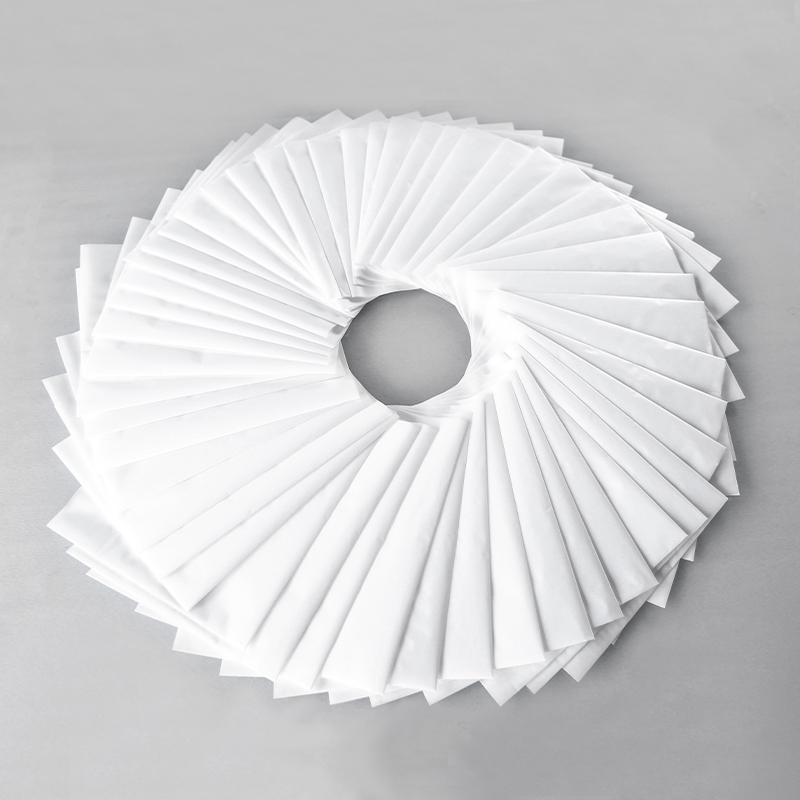
Product details: Folded baking paper sheets, an environment-friendly product, are composed of wood pulp and are double-side coated with silicone. Such a coating makes our paper smooth, greaseproof and...
See Details -
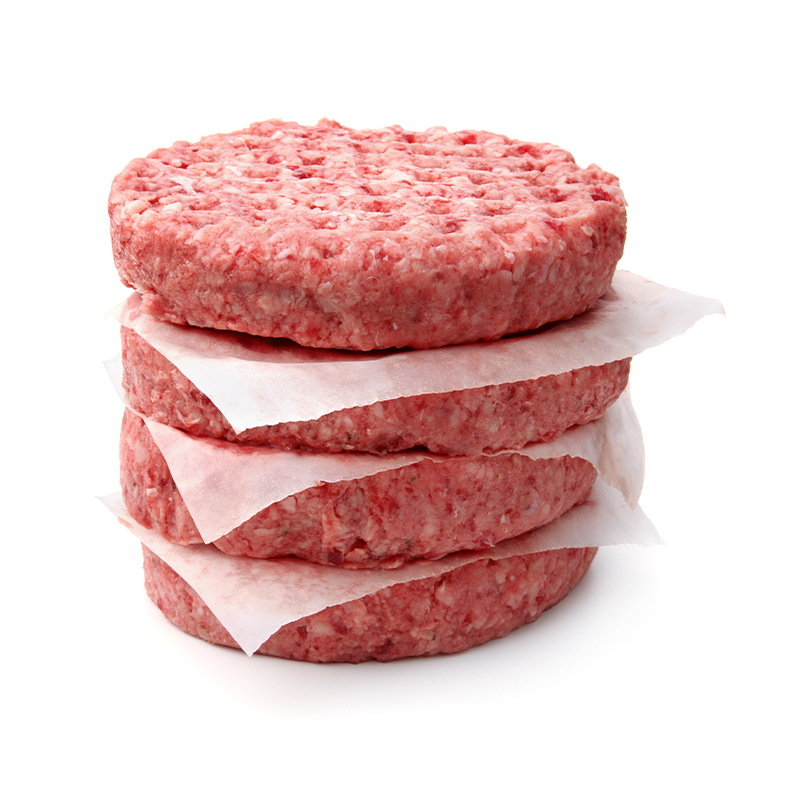
Description: Wax paper is the paper that is coated with food-grade wax in order to make it non-stick and waterproof. wax paper is very good for food storing and presentingMade of food-grade paper and ...
See Details -
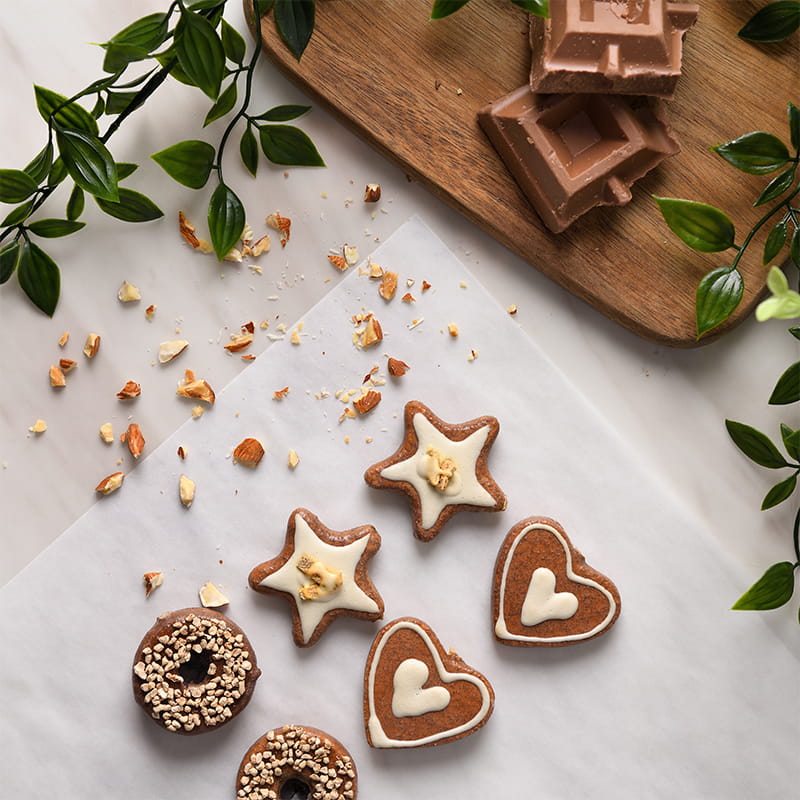
Product Features: 1. Virgin wood pulp 2. Double sides food grade silicone-treated 3. Fluorine-free 4. Non-stick 5. Oven/Microwave safe 6. Freezer safe 7. Reusable 8. BPA f...
See Details -
Product Features: 1. Virgin wood pulp 2. Natural unbleached brown color 3. Double sides food grade silicone-treated 4. Fluorine-free 5. Non-stick 6. Oven/Microwave safe 7. Fre...
See Details -
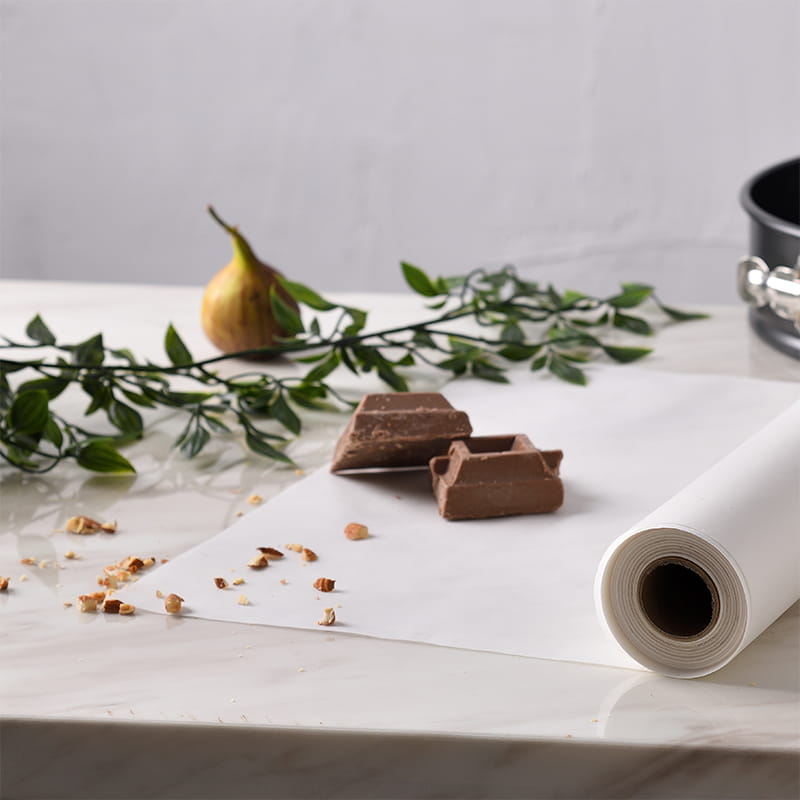
Product Features: 1. Virgin wood pulp 2. Double sides food grade silicone treated 3. Fluorine-free 4. Non-stick 5. Oven/Microwave safe 6. Freezer safe 7. Reusable 8. BPA ...
See Details -
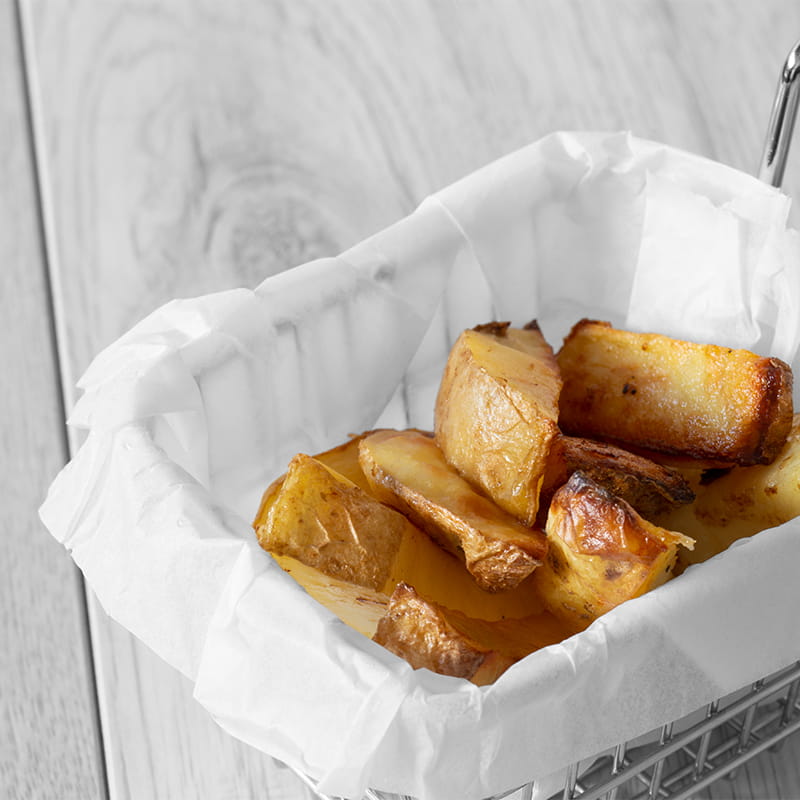
Product Features: 1. Virgin wood pulp 2. Fluorine-free 3. BPA free 4. Biodegradable Product Details: In an era where environmental consciousness and sustainability are paramount, Natu...
See Details -
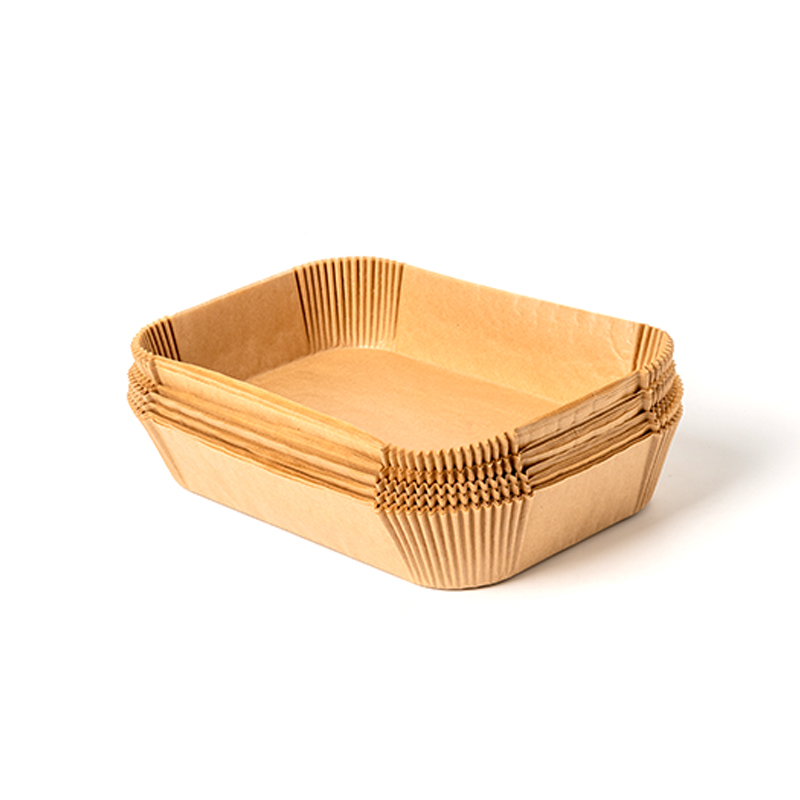
Product Features: 1. Virgin wood pulp 2. Double sides food grade silicone-treated 3. Fluorine-free 4. Non-stick 5. Air fryer basket safe 6. Reusable 7. BPA free 8. Biodeg...
See Details -
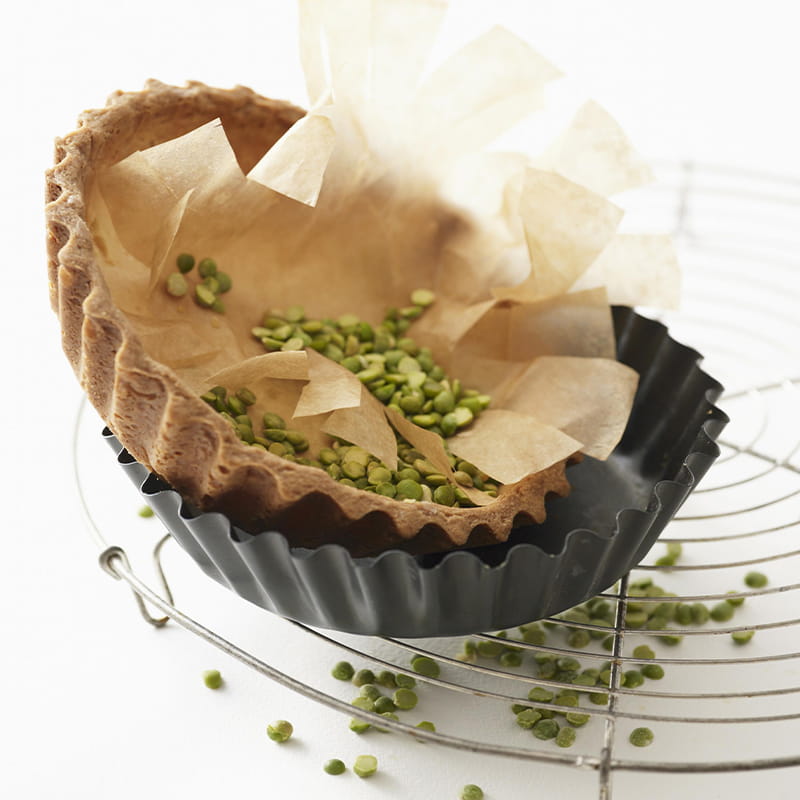
Product Features: 1. Virgin wood pulp 2. Natural unbleached brown color 3. Fluorine-free 4. BPA free 5. Biodegradable Product Details: Introducing our Unbleached Brown Food Grade ...
See Details -
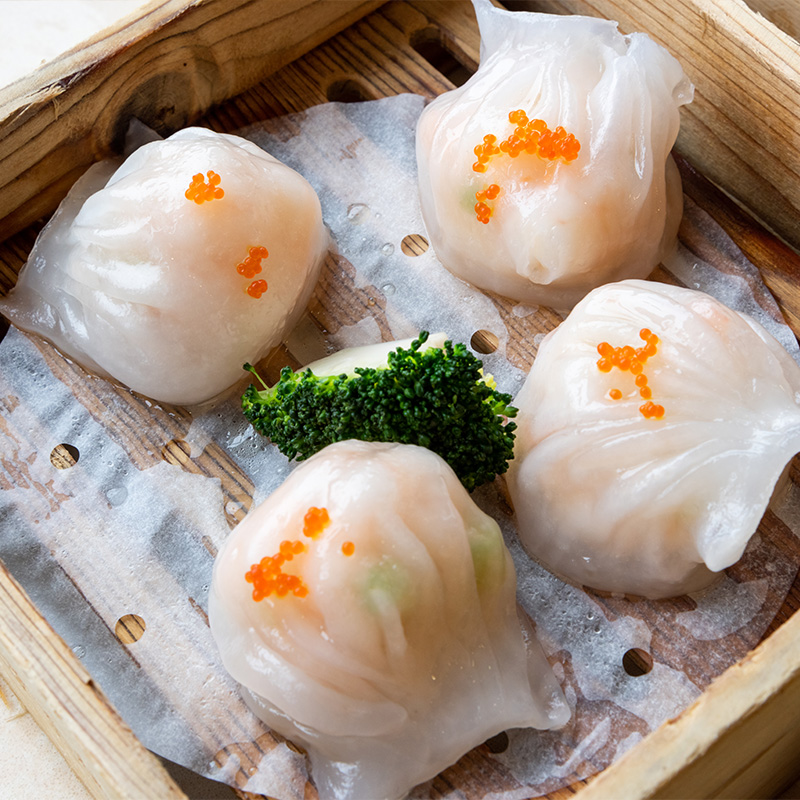
Product Features: 1. Virgin wood pulp 2. Double sides food grade silicone treated 3. Fluorine-free 4. Non-stick 5. Steamer/air fryer basket safe 6. Reusable 7. BPA free 8...
See Details -
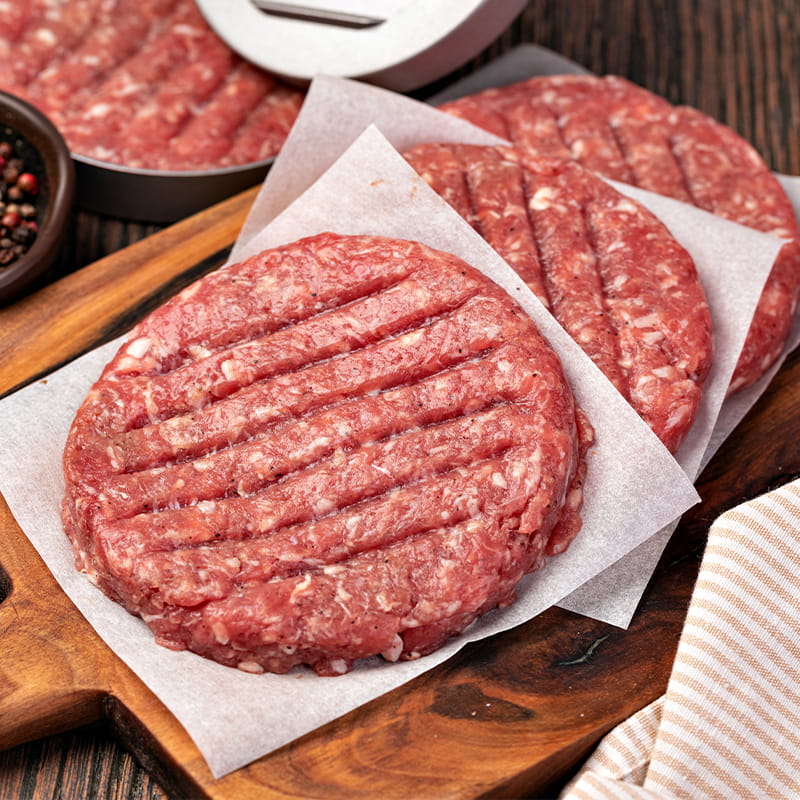
Product Features: 1. Virgin wood pulp 2. Double sides food grade silicone treated 3. Fluorine-free 4. Non-stick 5. Easy to separate 6. Reusable 7. BPA free 8. Biodegradab...
See Details -
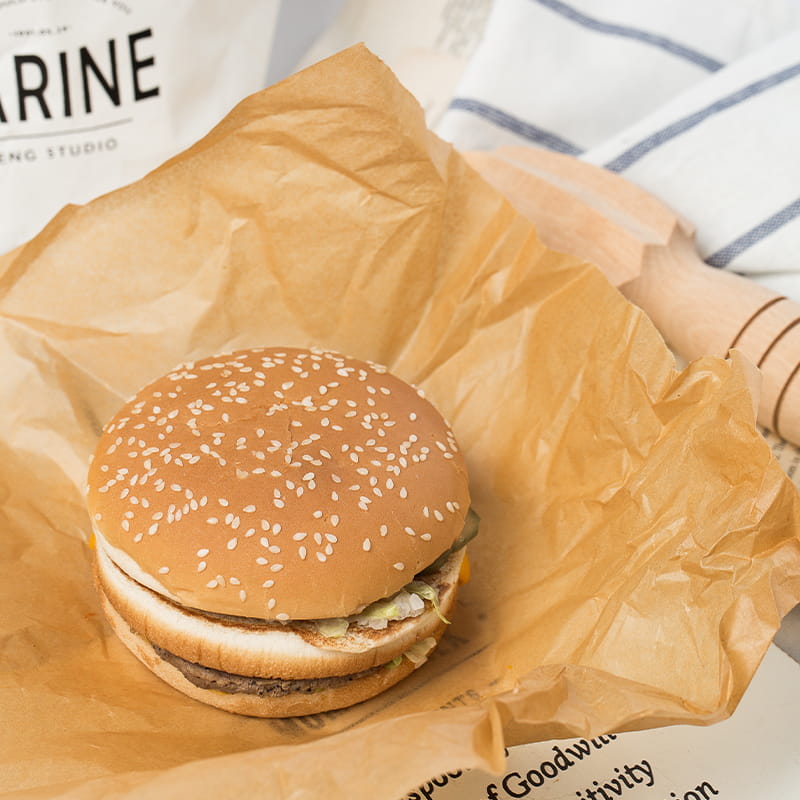
Product Features 1. Virgin wood pulp 2. Flexographic printing 3. Eco-friendly water-based ink 4. BPA free Product Details: Introducing our premium Greaseproof Sandwich Paper Sheets, a...
See Details

Professional Baking Parchment Paper Manufacturer in China with more than 15 years silicone coating experience.
Products
Contact Us
- No.10 Longyin Road, Chengnan Industrial Park,Longyou, Quzhou, China.
- +86-18968091013 / +86-571-88639705
- Avayao-1990@hotmail.com
Copyright © Zhejiang Guanghe New Materials Co., Ltd. All Rights Reserved.
Parchment Paper & Baking Paper Sheets Manufacturer
