 English
 中文简体
中文简体
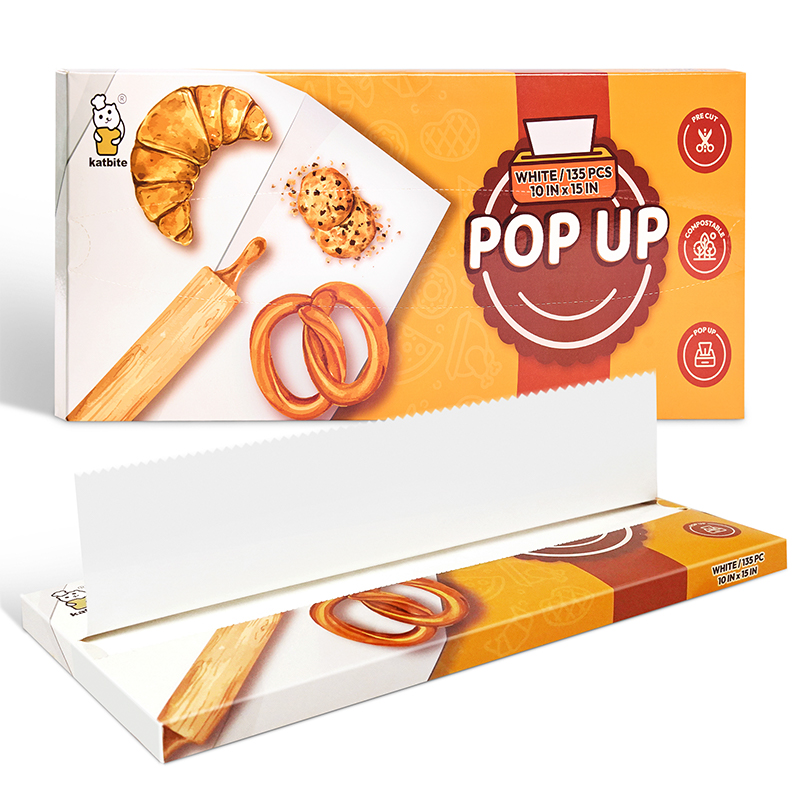
Product details: Pop-up parchment paper sheets, an environment-friendly product, are composed of wood pulp and are double-side coated with silicone. Such a coating makes our paper smooth, greasepr...
See DetailsWhy Is Parchment Paper Essential in Everyday Baking
Baking has become a steady part of family routines in many homes. Weekends often involve pulling out bowls, measuring flour, and mixing dough, not only for holidays but simply because making something warm and fresh feels satisfying. The kitchen fills with the aroma of cookies browning or bread rising, and the process turns into a small ritual that brings comfort. In the middle of measuring, mixing, and watching the oven, one basic item handles a surprising amount of the work without drawing attention: baking paper.
This thin sheet lines trays to stop dough from sticking, wraps ingredients for steaming, catches drips when roasting, and separates layers when freezing. Without it, trays would need long soaking, dough would rip when lifted, and scrubbing would take much longer. The kitchen would feel more chaotic after every session.
The paper changes the experience in small but noticeable ways. Food releases cleanly, so less oil or butter needs to be added. It withstands oven heat without curling, smoking, or passing on any off taste. A reliable sheet smooths out the process, shortens cleanup, keeps flavors clean, and quietly reduces some of the waste that builds up in busy kitchens.
Core Advantages That Make Baking Paper So Useful
The biggest reason people reach for Parchment Paper again and again is how easily food comes away from it. Dough, batter, roasted vegetables, or sticky caramel all lift off without leaving chunks behind or requiring a layer of grease. That means less oil in recipes, which many families prefer for lighter eating. The surface stays smooth even after high heat, so nothing scorches or burns onto the paper itself.
Heat tolerance is another practical point. Most versions handle temperatures well above what home ovens usually reach, so they work for everything from low-and-slow bread proofing to high-heat roasting or broiling. The paper does not curl up, catch fire easily, or give off strange smells that could change the taste of food. That reliability lets cooks focus on timing and seasoning instead of worrying whether the liner will hold.
Cleanup becomes noticeably quicker. Baking trays, muffin tins, cookie sheets, and cake pans stay almost spotless because crumbs, drips, and residue stay on the paper. A quick fold and toss later means no soaking pans overnight or scrubbing burnt bits. This saves water, reduces dish soap use, and frees up time after cooking—especially helpful when kids are waiting to eat or when baking late in the evening.
Versatility stands out too. Beyond lining oven trays, the paper wraps sandwiches for packed lunches, separates layers of frozen dough or cookies so they do not freeze together, steams vegetables in a bamboo basket without sticking, and even acts as a makeshift piping bag cone for simple decorations. Some people use it to roll out pastry dough without extra flour sticking everywhere, or to cover bowls during proofing to keep moisture in. One roll or box covers many small tasks that would otherwise need separate tools or disposable plastics.
Home Baking Situations Where It Really Helps
Cookies spread more evenly on baking paper because the surface stays flat and heat circulates properly around each piece. Edges crisp without burning, bottoms brown evenly, and nothing fuses to the tray. Cakes release cleanly from springform pans or sheet pans—no tearing when flipping or scraping with a knife. Bread loaves slide out of proofing baskets or Dutch ovens without sticking, keeping the crust intact.
Roasting vegetables or meat benefits from the same non-stick quality. Potatoes, carrots, or chicken pieces brown nicely without gluing themselves to the pan. Juices stay contained on the paper instead of baking hard onto metal, so flavor stays locked in rather than lost to carbonized residue. The paper also catches excess fat that drips away, making the finished dish lighter without sacrificing crispness.
Snack preparation gets simpler too. Melted chocolate sets cleanly on Parchment Paper for homemade bark or dipped nuts, candies cool without sticking to plates, and energy bars or granola clusters hold shape while firming up. Rolling truffles or shaping peanut butter balls happens mess-free when the paper catches stray crumbs or chocolate smears.
Small cooking habits change for the better with baking paper around. It reduces oil splatter during high-heat roasting, which means less smoke in the kitchen and fewer greasy fumes lingering. Pans last longer because they do not face direct contact with acidic marinades or sticky sugars. Overall, the kitchen stays calmer and less chaotic, even when several things are baking at once.
Health Benefits and Environmental Considerations
Baking paper is generally made from materials considered safe for direct food contact. At typical oven temperatures, it does not release anything into the food—no strange flavors seep into cookies, bread, or roasted items. The surface remains neutral even after extended time in heat, which becomes important when preparing meals for young children or for anyone keeping a close eye on what goes into their food. Switching from heavy aluminum foil or plastic wraps sidesteps worries about metal particles migrating into food or plastic softening and potentially altering taste under high heat.
Many types of Parchment Paper are designed to break down more readily after use, either through natural decomposition in compost conditions or by fitting into local recycling streams where accepted. This approach reduces the volume of kitchen waste compared to single-use plastics or foil sheets that often end up in landfills and linger there for a long time. Over weeks and months, opting for paper instead of those alternatives quietly lowers the amount of non-degradable trash leaving the home—less packaging clutter, fewer items that cannot be reused or repurposed.
The health angle reaches further than just the ingredients themselves. Because food releases so cleanly, recipes often need far less added oil or fat, resulting in lighter finished dishes that still keep their intended texture and taste. Less time spent scrubbing burnt-on residue means fewer encounters with strong chemical cleaners, and the kitchen stays tidier overall. A space that does not carry lingering harsh odors or require aggressive scrubbing feels more pleasant for anyone who spends time there. In households with small children or elderly family members, the absence of toxic residues and minimal chemical off-gassing during use contributes to a calmer, more comfortable cooking environment.
Common Uses of Baking Paper in Home and Small Professional Settings
| Setting | Typical Task | Main Practical Benefit | Everyday Note |
|---|---|---|---|
| Home Oven Baking | Cookies, cakes, bread | Clean release, even browning | Pans stay almost spotless after baking |
| Roasting | Vegetables, meat, fish | Prevents sticking, catches drips | Less smoke and easier tray cleanup |
| Snack Preparation | Chocolate bark, candies, energy balls | Sets cleanly, no sticking to surfaces | Quick transfer to storage containers |
| Freezing / Storage | Dough portions, cookies, fruit | Layers separate easily after thawing | Avoids frozen clumps and waste |
| Steaming | Vegetables, dumplings, fish | Keeps food from sticking to basket | Steam circulates freely without mess |
| Small Bakery / Cafe | Batch cookies, pastries, tray desserts | Fast turnover, trays ready for next use | Speeds service during busy hours |
| Catering / Classes | Wrapping sandwiches, demo unmolding | Clean presentation, easy handling | Keeps focus on teaching or serving |
Uses in Small Professional and Catering Settings
Small bakeries and dessert shops count on Parchment Paper to keep things running smoothly day after day. Cookies roll out even, pastries hold their shape, and nothing ends up glued to the tray or spreading in weird ways. Trays go in and come out looking almost untouched, so the next batch can start right away during those rushed morning rushes. The paper doubles as a liner inside display cases or takeaway boxes too, so items stay neat, don' t dry out, and look good when handed over the counter.
Cafes and casual eateries turn to it for roasting big trays of vegetables, throwing together flatbreads, or setting up sheet-pan desserts ahead of time. Between the breakfast crowd and lunch rush, cleanup happens in seconds instead of minutes—no scraping burnt bits or soaking greasy pans. That saved time lets staff focus on plating orders, adding garnishes, or chatting with customers instead of being stuck at the sink.
Catering operations lean on Parchment Paper in practical ways. Sandwiches wrap up without sticking together in transit, chafing dishes get lined so food lifts out clean, and layers of pre-made appetizers or desserts stay separated so they don' t turn mushy or tear when served. Everything arrives looking fresh and ready, even after a bumpy ride in the van.
Cooking classes run more smoothly with baking paper on hand. Students get to practice rolling dough, piping batter, or unmolding cakes without the frustration of pieces sticking or tearing. Demonstrations show up clearly—lifting a full sheet of cookies intact or flipping a cake pan without a mess—so the technique sticks in people' s minds faster. The lesson keeps moving instead of pausing for cleanup disasters.
In any small-scale professional kitchen, the real gain comes down to time. Less scrubbing means more batches baked, quicker service, and a workspace that doesn' t look chaotic even when orders are flying out the door. The paper quietly handles the messy parts so the focus stays on the food and the customers.
Creative and Practical Ways to Use Parchment Paper
Freezing food works better with baking paper. Cookies, dough portions, or fruit slices placed on sheets prevent them from freezing into a solid block. Layers separate cleanly later, so thawing one portion does not mean defrosting the whole batch.
Steaming vegetables, fish, or dumplings in a pot or bamboo steamer becomes mess-free. The paper lets steam circulate while keeping ingredients from sticking to the basket or falling through gaps. Roasting delicate items like fish fillets or stuffed vegetables keeps everything intact without tearing during transfer.
Creative plating gets easier too. Paper serves as a disposable base for drizzling chocolate designs, setting up candy decorations, or catching crumbs during assembly. Some use it to create simple stencils for powdered sugar or cocoa patterns on cakes.
Cookware lasts longer when protected. Lining pans during sticky bakes or high-acid roasting prevents pitting and staining. The paper acts as a barrier that extends the life of favorite trays and sheets without changing how they perform.
Tips for Picking the Right Parchment Paper for Your Kitchen
Thickness plays a bigger role than many people think at first. If you're dealing with dense batters, thick cookie doughs, or long roasts where juices pool up, go for the sturdier sheets—they hold their shape better and won't tear halfway through. Thinner paper works perfectly for everyday cookies, light pastry lining, or wrapping sandwiches, since it folds easily and doesn't add bulk. Matching the thickness to what you usually bake helps avoid frustration later.
Size is another thing worth paying attention to. Standard home oven trays are usually around half-sheet size, so a roll that's wide enough lets you cut pieces without wasting much or having to piece together scraps. Pre-cut rounds save time when you're always baking layer cakes or round pizzas—pop one in the pan and you're done. Having both a roll for flexibility and a pack of circles for common pans makes things run smoother on busy days.
Check the packaging for basic assurances. Look for wording that says it's safe for food contact and can handle typical oven heat without issues. Some sheets mention they're made with fewer chemicals or can go in the compost bin after use, which matters if you're trying to cut down on waste. If anyone in the household has silicone sensitivities, skip the ones that list added silicone in the coating—plain parchment usually avoids that problem altogether.
Cost doesn't always show up the way you expect. A single roll or box might sit on the shelf for months, but it ends up paying for itself because you use it over and over. Compare that to constantly buying extra foil packs, replacing scratched-up pans from stuck-on residue, or pouring more oil just to grease everything. Over time, the upfront price feels small when you count how many bakes one roll actually covers.
A few common slip-ups trip people up. Don' t push the paper under a broiler on very high settings—the edges can brown or char quickly and sometimes leave tiny burnt bits behind. Reusing the same sheet too many times is tempting to save money, but once it gets greasy or torn, food starts sticking and flavors from earlier bakes can carry over. Starting with a fresh piece every time keeps results cleaner and avoids those off-tastes sneaking into the next batch.
In the end, the right baking paper feels like it disappears into the routine—nothing dramatic, just quietly making baking less messy and more reliable. Picking one that fits how you actually cook means fewer headaches and more time enjoying the results.
Everyday Value and Lasting Place in the Kitchen
Baking paper quietly supports so much of what happens in home cooking. It saves scrubbing time, keeps food tasting clean, reduces oil use, and eases waste concerns. From weekday snacks to holiday pies, it removes small frustrations so the focus stays on flavor and family. In catering or small professional setups it speeds service and maintains quality. Over time the habit of keeping a roll handy becomes second nature because it makes the kitchen feel more manageable and more enjoyable.
Guanghe – Reliable Production of Everyday Baking Paper
Guanghe runs a dedicated facility centered on making baking paper suited for home ovens and small professional kitchens. The process focuses on consistent non-stick performance, reliable heat handling, and food-safe materials that stay neutral during cooking. Sheets and rolls go through careful checks to ensure they hold up without tearing or transferring unwanted tastes. The operation pays attention to responsible practices—reducing scrap waste, sourcing fibers thoughtfully, and keeping energy use in mind. Products reach distributors and stores serving families, cafes, bakeries, and catering businesses in various regions. Through steady quality control and practical adjustments based on real kitchen use, Guanghe helps keep this simple kitchen essential dependable and useful for everyday baking and cooking.
Related Products
-
-
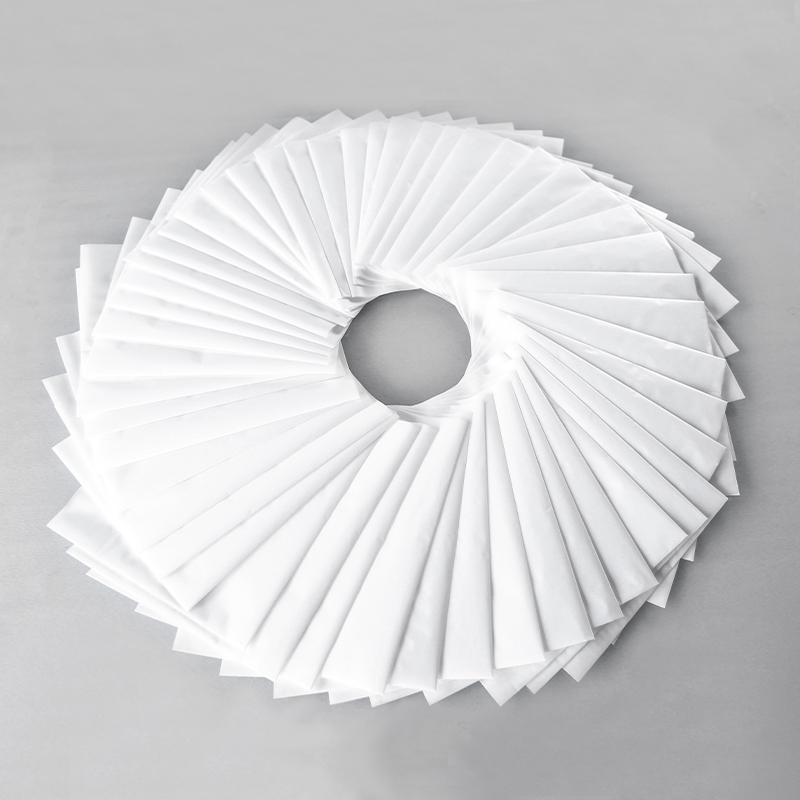
Product details: Folded baking paper sheets, an environment-friendly product, are composed of wood pulp and are double-side coated with silicone. Such a coating makes our paper smooth, greaseproof and...
See Details -
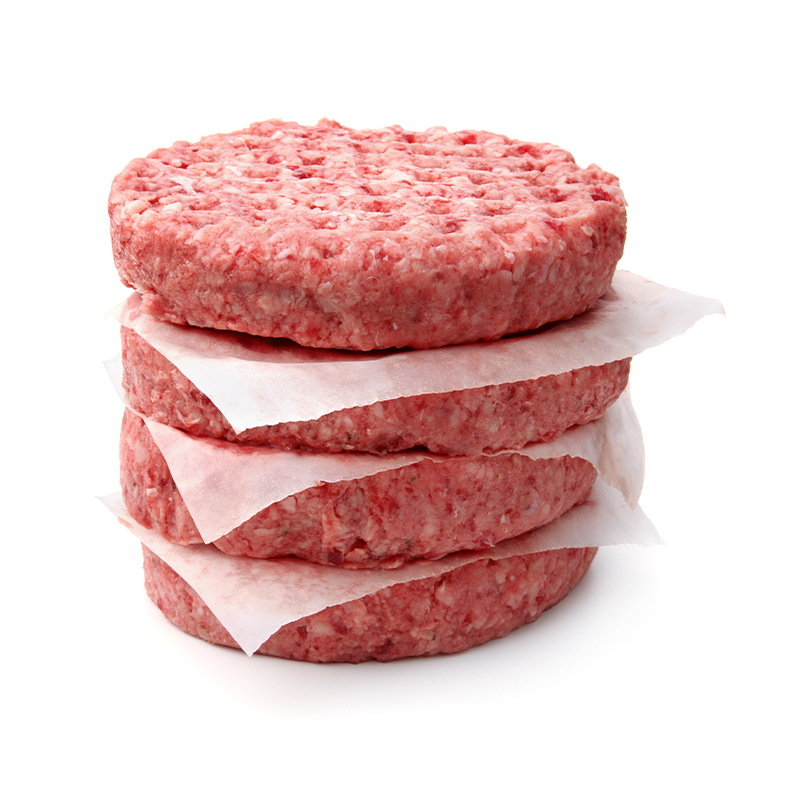
Description: Wax paper is the paper that is coated with food-grade wax in order to make it non-stick and waterproof. wax paper is very good for food storing and presentingMade of food-grade paper and ...
See Details -
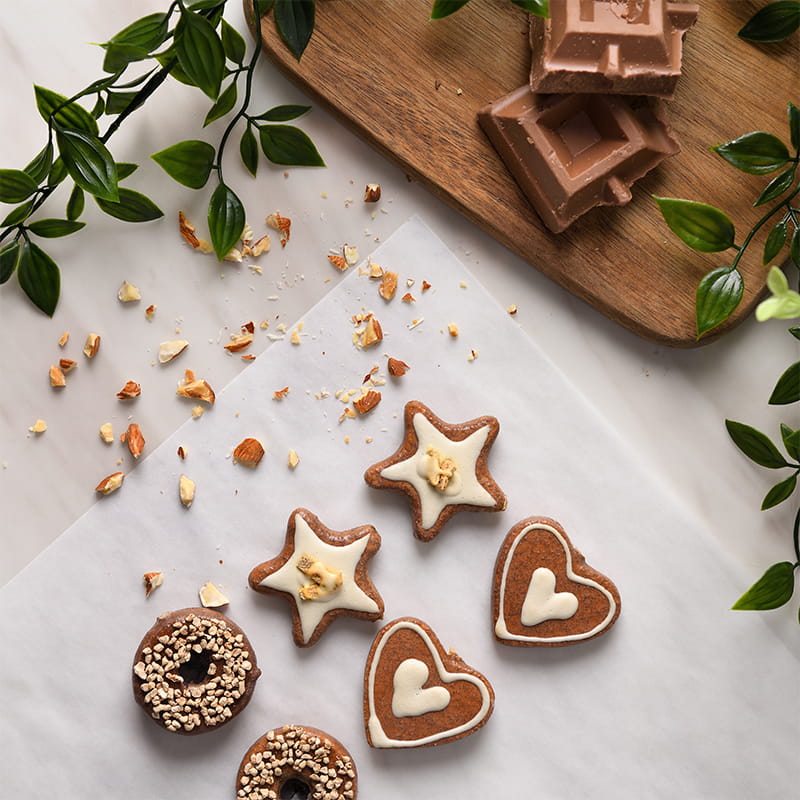
Product Features: 1. Virgin wood pulp 2. Double sides food grade silicone-treated 3. Fluorine-free 4. Non-stick 5. Oven/Microwave safe 6. Freezer safe 7. Reusable 8. BPA f...
See Details -
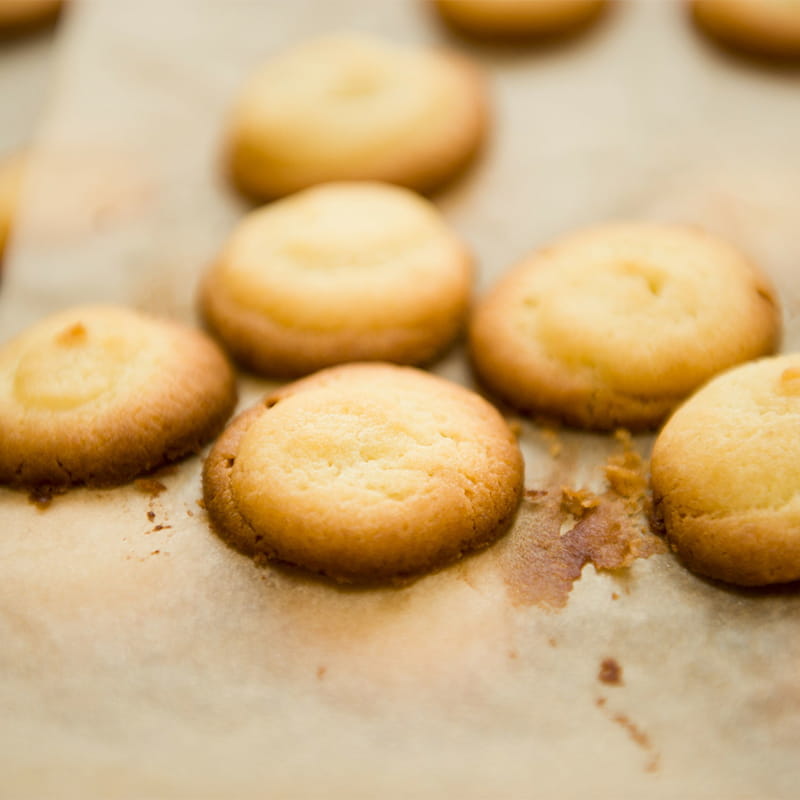
Product Features: 1. Virgin wood pulp 2. Natural unbleached brown color 3. Double sides food grade silicone-treated 4. Fluorine-free 5. Non-stick 6. Oven/Microwave safe 7. Fre...
See Details -
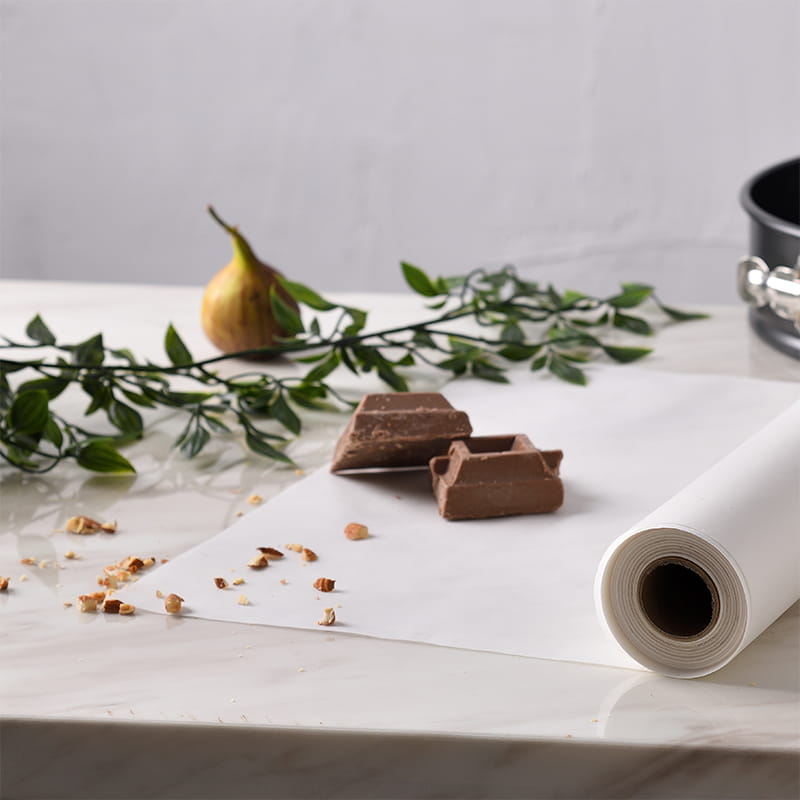
Product Features: 1. Virgin wood pulp 2. Double sides food grade silicone treated 3. Fluorine-free 4. Non-stick 5. Oven/Microwave safe 6. Freezer safe 7. Reusable 8. BPA ...
See Details -
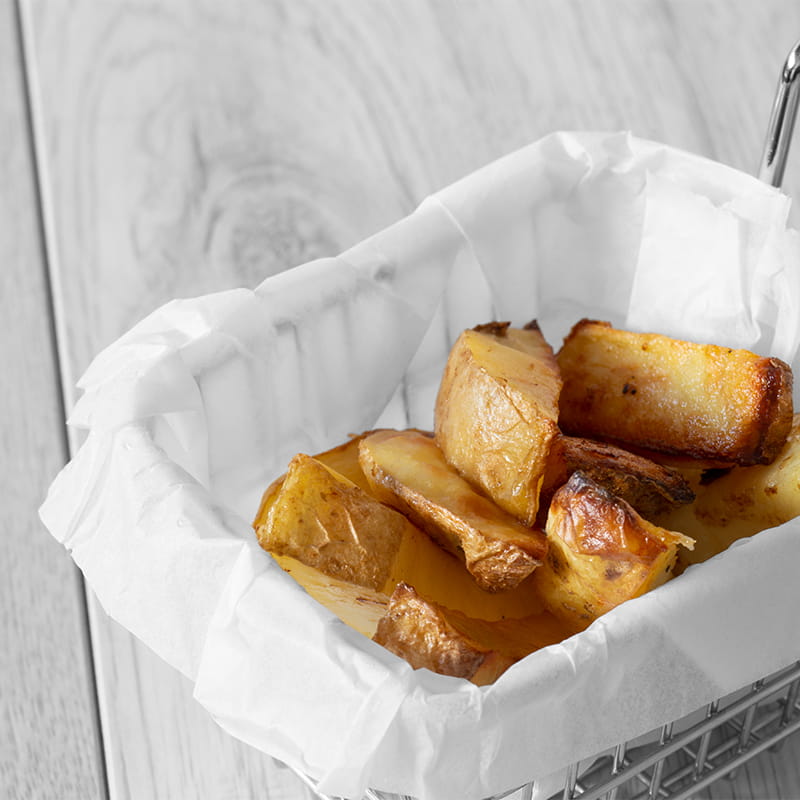
Product Features: 1. Virgin wood pulp 2. Fluorine-free 3. BPA free 4. Biodegradable Product Details: In an era where environmental consciousness and sustainability are paramount, Natu...
See Details -
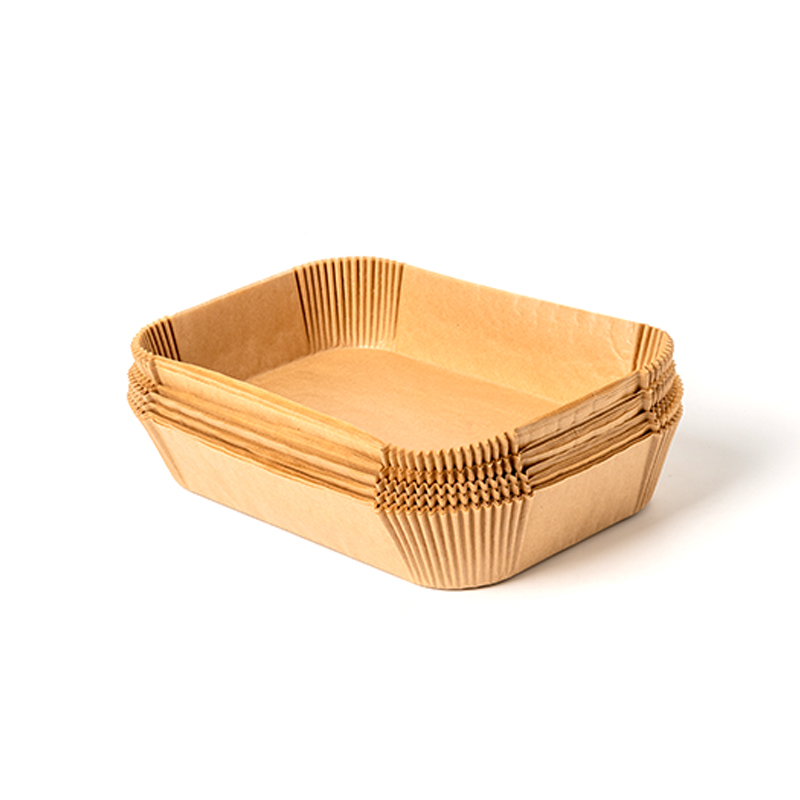
Product Features: 1. Virgin wood pulp 2. Double sides food grade silicone-treated 3. Fluorine-free 4. Non-stick 5. Air fryer basket safe 6. Reusable 7. BPA free 8. Biodeg...
See Details -
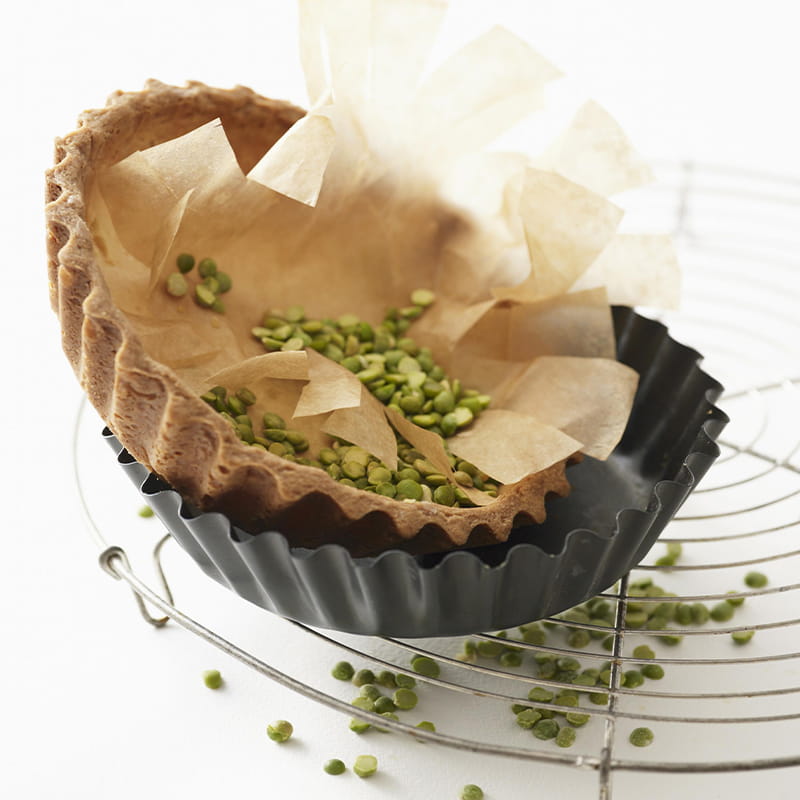
Product Features: 1. Virgin wood pulp 2. Natural unbleached brown color 3. Fluorine-free 4. BPA free 5. Biodegradable Product Details: Introducing our Unbleached Brown Food Grade ...
See Details -
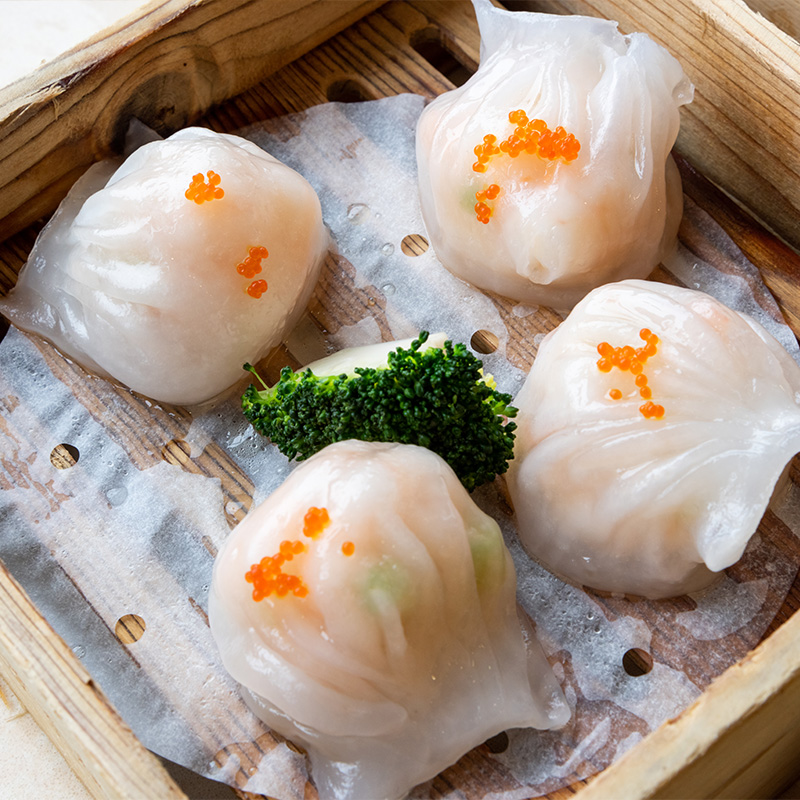
Product Features: 1. Virgin wood pulp 2. Double sides food grade silicone treated 3. Fluorine-free 4. Non-stick 5. Steamer/air fryer basket safe 6. Reusable 7. BPA free 8...
See Details -
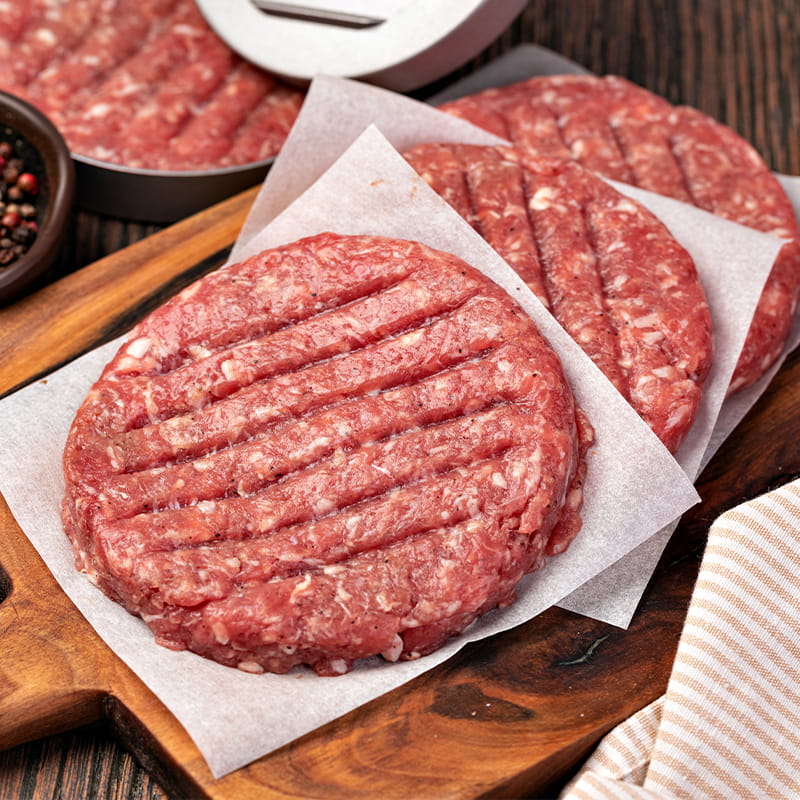
Product Features: 1. Virgin wood pulp 2. Double sides food grade silicone treated 3. Fluorine-free 4. Non-stick 5. Easy to separate 6. Reusable 7. BPA free 8. Biodegradab...
See Details -
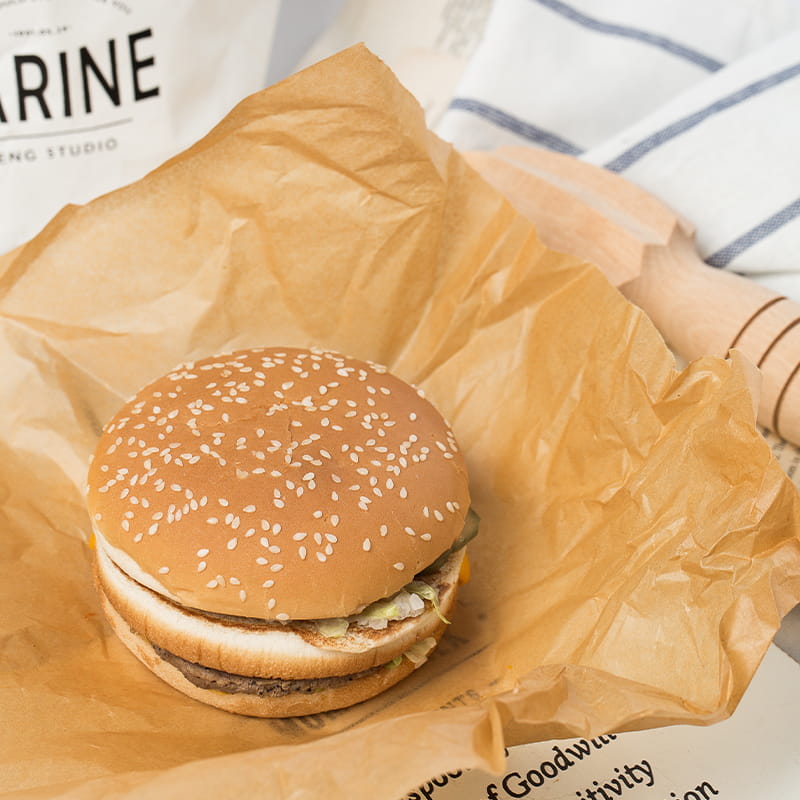
Product Features 1. Virgin wood pulp 2. Flexographic printing 3. Eco-friendly water-based ink 4. BPA free Product Details: Introducing our premium Greaseproof Sandwich Paper Sheets, a...
See Details

Professional Baking Parchment Paper Manufacturer in China with more than 15 years silicone coating experience.
Products
Contact Us
- No.10 Longyin Road, Chengnan Industrial Park,Longyou, Quzhou, China.
- +86-18968091013 / +86-571-88639705
- Avayao-1990@hotmail.com
Copyright © Zhejiang Guanghe New Materials Co., Ltd. All Rights Reserved.
Parchment Paper & Baking Paper Sheets Manufacturer
