 English
 中文简体
中文简体
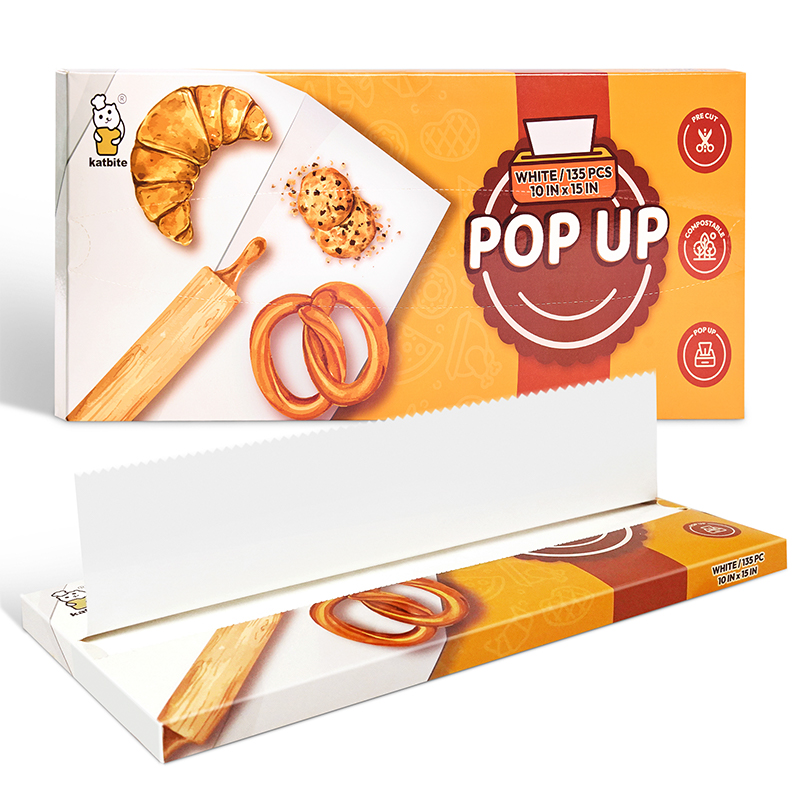
Product details: Pop-up parchment paper sheets, an environment-friendly product, are composed of wood pulp and are double-side coated with silicone. Such a coating makes our paper smooth, greasepr...
See DetailsWhy Choose Guanghe Parchment Paper for Everyday Baking
The everyday kitchen throws a lot of curveballs at bakers—dough that clings like glue, heat that browns one side faster than the other, pans that turn release into a wrestling match. Parchment paper quietly steps in and changes the game. It sits under trays so cookies slide off in one piece, holds fragile pastries steady while shaping, and turns cleanup from a dreaded chore into a quick wipe. Home bakers keep coming back to it because the sheet takes heat without fuss, pushes grease away, and lets finished goods lift away clean. It fits right into routines where time feels short—weekly cookie nights or weekend experiments that stretch into the evening. Its job has expanded far past basic tray lining. The paper shapes rounds, traps steam in folded packets, helps with fine piping, and even makes plating look neater.
Basics and Selection of Parchment Paper
Parchment paper starts as paper fibers treated to push back against oil and water. The treatment rearranges the structure so the sheet holds together under heat and stops food from bonding tight. Some sheets get an extra light layer for even smoother release; others stick with the core treatment alone.
Picking the right one comes down to the job at hand. Uncoated sheets do fine for drier things like shortbread or roasted root vegetables where grease stays low. Coated sheets tackle stickier doughs, batters loaded with chocolate, or caramel that wants to grab hold. Rolls let you cut whatever size fits the pan; pre-cut sheets save a step on standard trays.
People sometimes assume every sheet acts the same. A few curl at the corners if not weighted down, others take on a light tan in hotter ovens but keep working. When shopping, food-safe labels matter—skip anything not cleared for direct food contact. Thickness differs a bit—sturdier sheets handle heavier loads, lighter ones work for simple tasks. Keep them stored dry and flat so they stay easy to unroll.
How often baking happens guides the buy. Heavy users lean toward bulk rolls; occasional bakers stick with smaller packs. Steer clear of craft-marketed paper unless it's confirmed safe for eating. The smart pick matches the paper to usual recipes and pan shapes.
Techniques for Improving Baking Efficiency
Parchment paper cuts sticking by putting a clean barrier between food and metal. Line cake pan bottoms with a circle cut to size—run strips up the sides for taller cakes so the whole layer lifts out smooth. Cookies drop straight onto the sheet; it soaks up extra butter so bottoms crisp without scorching.
Even baking improves when the paper sits under items that spread or brown unevenly. It softens direct heat a touch, so cookies come out uniform instead of dark rims and pale middles. Bread loaves proof right on the sheet, then slide into a hot pot—the paper holds the dough steady during rise and pulls away clean afterward.
Oven type changes the approach. Convection air can dry edges fast; parchment keeps moisture in. Conventional ovens benefit from sheets catching drips from berry pies or custards. Pinch corners to trap sauces in roasting packets. Double up for runny mixes like quiche so nothing seeps through to the pan.
Ingredient prep gets easier too. Roll dough between two sheets—no clinging to counters or rolling pins. Pipe choux or meringue straight onto the paper for neat lines. Layer fillings on sheets during assembly so flavors stay separate until ready.
Cleanup shrinks to almost nothing. Trays wipe once instead of soaking. The paper traps crumbs and spills so ovens stay cleaner. These small moves turn baking from chaotic to calm, especially in compact kitchens where every minute counts.
Applications of Parchment Paper in Creative Cooking
Creative baking leans on parchment paper for its easygoing nature. Tempered chocolate sets on sheets and pops off cleanly after cooling. Pipe éclairs or profiteroles directly onto the paper—shapes stay put, release without tearing. Fold into cones for drizzling glaze or adding fine lines to cakes.
Steaming and microwaving open new doors. Fold fish or veggies with seasonings into packets, crimp edges, bake or steam—the paper locks in moisture and holds juices. Microwave sheets cover bowls to catch splatters without sealing steam in. Loose wraps let heat circulate evenly.
Shaping gets inventive. Roll fondant or marzipan between sheets for smooth work without sticking. Cut stencils for dusting powdered sugar or cocoa patterns. Crumple paper for textured chocolate curls or curve it for fragile tuiles during baking.
Food photography looks cleaner on fresh parchment—matte white background, no glare or stains. Arrange elements on sheets during plating for quick tweaks.
Experiments feel safer. Test small dough batches on parchment to see behavior before scaling up. Layer flavors in sealed packets for gentle infusion without mess. Clean release lets new shapes and combinations happen without waste worries.
Quick Comparison of Parchment Paper Types for Different Baking Tasks
| Type of Parchment Paper | Typical Use Case | Release Performance | Handling Sticky Batters | Ease of Cleanup | Notes on Everyday Feel |
|---|---|---|---|---|---|
| Uncoated Sheets | Dry cookies, roasted vegetables | Good | Moderate | Very easy | Simple, lightweight, curls less in dry heat |
| Coated Sheets | Chocolate items, caramel, sticky doughs | Very smooth | Strong | Very easy | Extra glide, handles gooey mixes better |
| Pre-Cut Sheets | Standard tray sizes, quick batches | Matches coating | Depends on type | Very easy | Saves cutting time, consistent sizing |
| Rolls | Custom pan shapes, large or odd trays | Matches coating | Depends on type | Very easy | Flexible for any size, needs storage |
Parchment Paper and Health and Environmental Protection
Baking with parchment paper trims added fats because food releases without heavy greasing. Recipes lighten up while keeping good texture and taste. The sheet prevents direct metal contact that sometimes reacts with acidic ingredients—no strange flavors or color changes.
Healthier patterns form naturally. Less oil overall, fewer cleanup chemicals. Food-grade sheets reduce worries about breakdown during heat. Clean surfaces help avoid cross-contamination in busy kitchens.
On the environmental side, parchment paper gives a plant-fiber option over plastic wraps or thick disposables. The base draws from renewable sources, and uncoated sheets break down readily in compost setups. Coated types differ but often manage home composting better than many alternatives.
Waste drops with careful use. Reuse sheets for dry batches when clean, then compost remnants. Households swap plastic for parchment when wrapping lunches or storing produce. Sorting clean pieces for recycling or composting boosts the impact.
Everyday swaps add up. Fewer plastics in landfills, less trash volume from kitchen habits. The material fits sustainable cooking without losing ease or results.
Sharing of Home Baking Cases
Everyday recipes highlight parchment paper's practical side. Chocolate chip cookies drop onto sheets, bake evenly, and lift off whole—no broken edges. The paper catches butter runoff so bottoms stay crisp and golden.
Layer cakes come away clean from pans lined with parchment circles. Cut to fit, pour batter—the cake lifts out intact after cooling. No torn sides or stuck bits.
Bread loaves proof on parchment in a basket, then transfer to a hot pot. The paper supports during rise and removes without clinging.
Sticky cinnamon rolls roll out on parchment, spread filling, slice—the paper lifts the log cleanly. Bake on the same sheet to contain caramel drips.
Meringues or macarons pipe onto paper with templates underneath. The guide ensures even sizes, and shells release without cracking.
These cases make home baking simpler—safer with less pan handling, more enjoyable with creative shaping, quicker cleanup so the kitchen stays ready. Parchment paper turns tricky moments into smooth ones.
Parchment Paper for Kitchen Organization and Efficiency
Parchment paper sneaks into kitchen organization in ways that feel almost accidental at first, but once you start using it like this, it's hard to go back. Cut a few sheets to roughly the same size as your drawer dividers, and suddenly utensils, measuring spoons, or small cookie cutters sit neatly separated instead of jumbled together. No more digging through a mess to find the right spatula—the paper acts as a soft, clean barrier that keeps things from scratching each other and makes grabbing what you need quicker during busy prep.
In smaller kitchens where counter space disappears fast, rolled-up parchment sheets turn into impromptu covers. Drape one over a cutting board or mixing bowl after prepping dough—it catches stray flour or sugar spills without letting them soak into wood or plastic. When you're done, just crumple and toss, or reuse if it's still clean. The paper also works as a disposable work mat for slicing bread, chopping vegetables, or portioning meat. Food sits on the sheet instead of the counter, so juices don't spread, knives stay cleaner, and wiping up afterward takes seconds instead of minutes. Cross-contamination stays lower too—swap the sheet between raw chicken and veggies without rinsing a board every time.
Storage gets a little smarter with parchment. Line pantry shelves or fridge drawers with it to keep jars from sticking together or absorbing odors. Separate cheese blocks, stack homemade cookies between layers so they don't cling, or wrap fresh herbs loosely to maintain crispness without plastic bags. In drawers, fold sheets to create quick compartments for spice packets or baking liners—everything stays visible and easy to pull out.
These little tricks turn parchment paper from an oven-only item into a daily helper for keeping the kitchen calmer and more functional. It doesn't solve every clutter problem, but it quietly cuts down on chaos, reduces scrubbing time, and makes small spaces feel more manageable without extra tools or expense.
Enhancing Culinary Creativity and Experimentation
Parchment paper lowers the stakes so much that trying something new in the kitchen stops feeling risky. Small test batches—half a dozen flavored shortbread rounds, a single layer of experimental mousse, or a mini tart—bake right on the sheet. If the texture comes out wrong or the flavor needs tweaking, the paper lifts everything off clean—no ruined pan, no wasted full recipe. Adjustments happen fast: more spice here, less sugar there, different shaping, all without starting over from scratch.
Presentation opens up too. Fold the paper into little boats or cones for drizzling chocolate, piping ganache, or serving individual desserts. Cut stencils for dusting cocoa or powdered sugar patterns on cakes—the sheet holds the shape steady and peels away without smudging. Crumple it lightly for textured chocolate curls or bake fragile cookies on curved paper forms to get interesting shapes that would be hard on a flat tray.
Layered builds get easier. Spread fillings or sauces on separate sheets during assembly—keep them from bleeding into each other until the last moment. Fold and stack components for transport or chilling without sticking. When kids join in, the paper defines a safe zone: roll dough, cut shapes, decorate—all on the sheet so counters stay mostly clean and messes wipe away fast. They experiment with colors, sizes, or add-ins without the fear of a big failure.
The material encourages play because failure costs less. Test a new spice blend on a few cookies baked on parchment—see how it bakes before committing a whole batch. Pipe macaron shells with drawn circles underneath for uniform size. Roll fondant between sheets for smooth, non-stick work. Cleanup stays quick, so the kitchen resets fast and the next idea can start right away.
Parchment paper quietly turns routine baking into something more open-ended. It reduces mess, cuts cleanup, gives room to fail small and learn fast, and makes hands-on cooking feel lighter and more enjoyable. The sheet doesn't create creativity, but it removes enough obstacles that trying new things becomes the natural next step.
A Reliable Companion in Everyday Baking and Its Lasting Value
Parchment paper often ends up being one of those quiet kitchen staples that keeps proving its worth long after the oven timer goes off. It takes the frustration out of sticky bottoms, uneven browning, or pans that refuse to let go. Cookies come away whole, cakes lift out smoothly, cleanup shrinks to a quick wipe, and trays stay ready for the next round. The material fits so naturally into routines—whether it's rushing through weekday muffins or spending a slow Sunday layering a cake—that baking starts feeling less like a project and more like part of the day.
Over months and years, the small habits build up. Reaching for a sheet before dropping dough, crimping edges to catch drips, pulling the paper away after cooling, noticing how little grease ends up in the recipe. These moments add lightness to meals, cut down on scrubbing time, and leave the kitchen calmer. The paper also quietly supports trying new things—different shapes, flavor packets, small test batches—without the fear of a ruined pan or wasted ingredients. Cleanup stays simple, experiments stay low-risk, and the results look a bit better with less effort.
On top of that, the everyday swaps matter. Less added fat in recipes, fewer harsh cleaners for trays, more compostable scraps instead of plastic cling. The material encourages baking over frying, cleaner counters after family help, and a small but steady reduction in waste. It turns baking into something approachable, enjoyable, and even a little mindful without adding complexity.
Guanghe factory produces parchment paper with real kitchen use in mind. The lineup includes rolls for custom sizes, pre-cut sheets for quick jobs, coated and uncoated options to match different recipes—all focused on reliable release, easy handling, and performance that holds up in everyday baking and wrapping.
Related Products
-
-
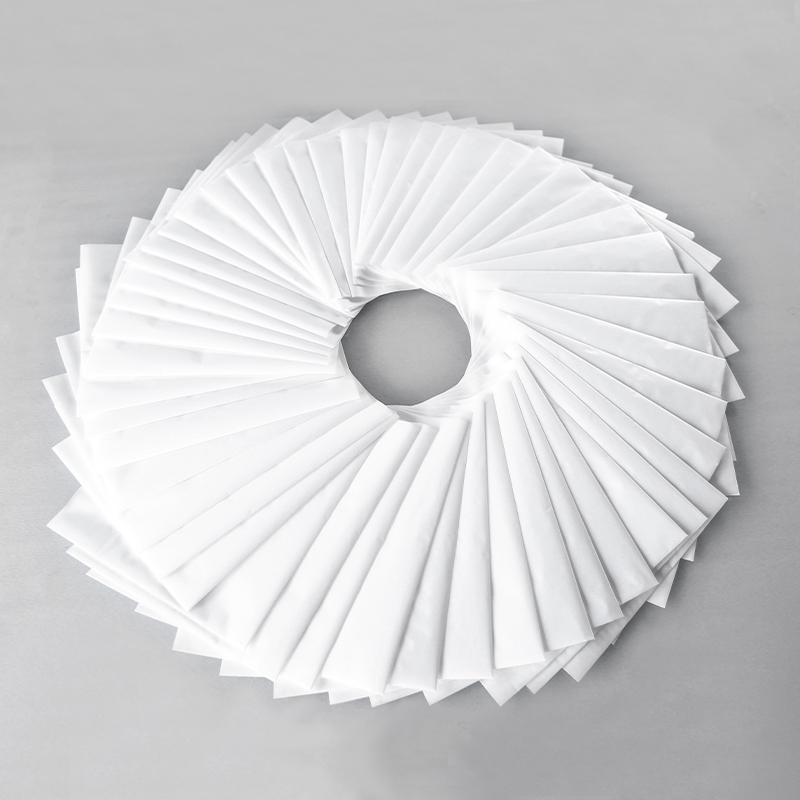
Product details: Folded baking paper sheets, an environment-friendly product, are composed of wood pulp and are double-side coated with silicone. Such a coating makes our paper smooth, greaseproof and...
See Details -
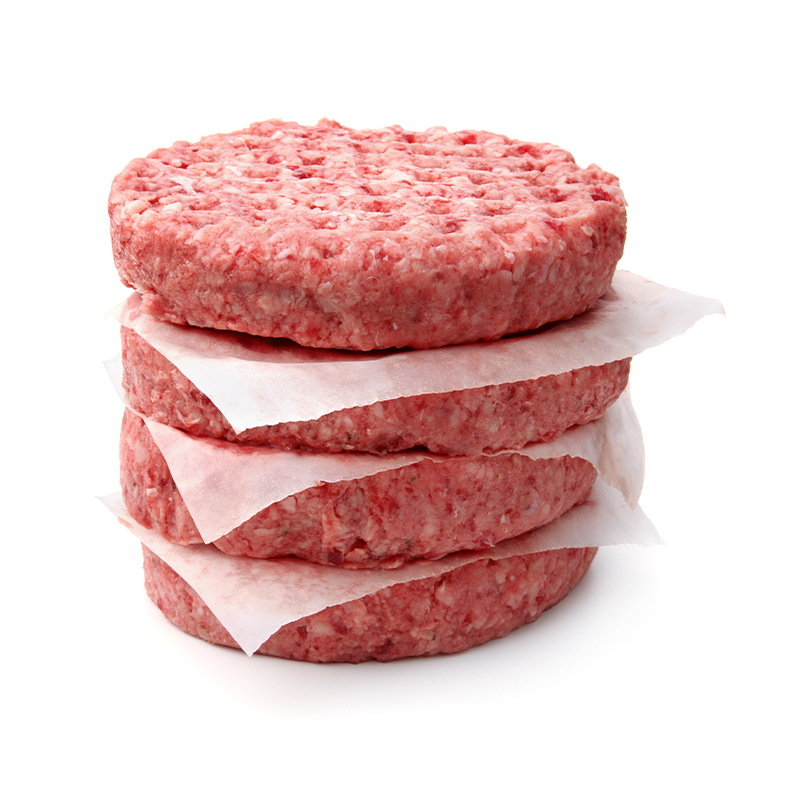
Description: Wax paper is the paper that is coated with food-grade wax in order to make it non-stick and waterproof. wax paper is very good for food storing and presentingMade of food-grade paper and ...
See Details -
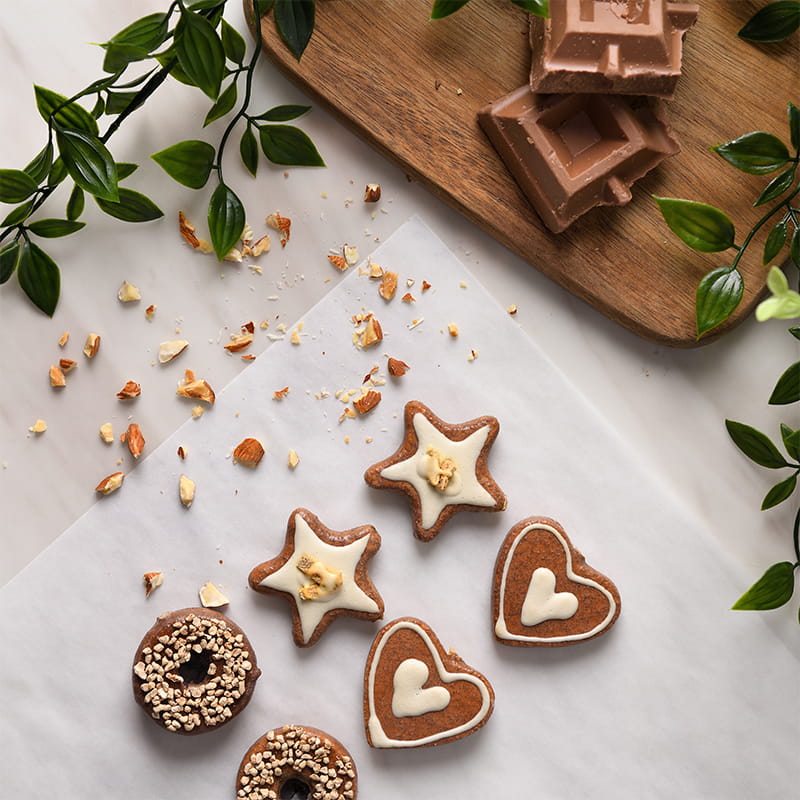
Product Features: 1. Virgin wood pulp 2. Double sides food grade silicone-treated 3. Fluorine-free 4. Non-stick 5. Oven/Microwave safe 6. Freezer safe 7. Reusable 8. BPA f...
See Details -
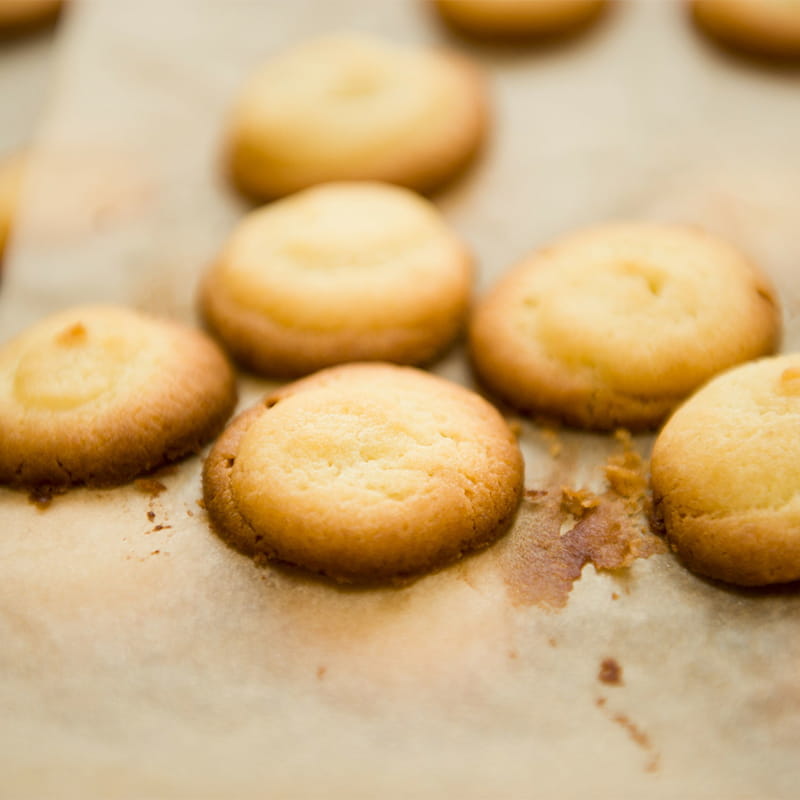
Product Features: 1. Virgin wood pulp 2. Natural unbleached brown color 3. Double sides food grade silicone-treated 4. Fluorine-free 5. Non-stick 6. Oven/Microwave safe 7. Fre...
See Details -
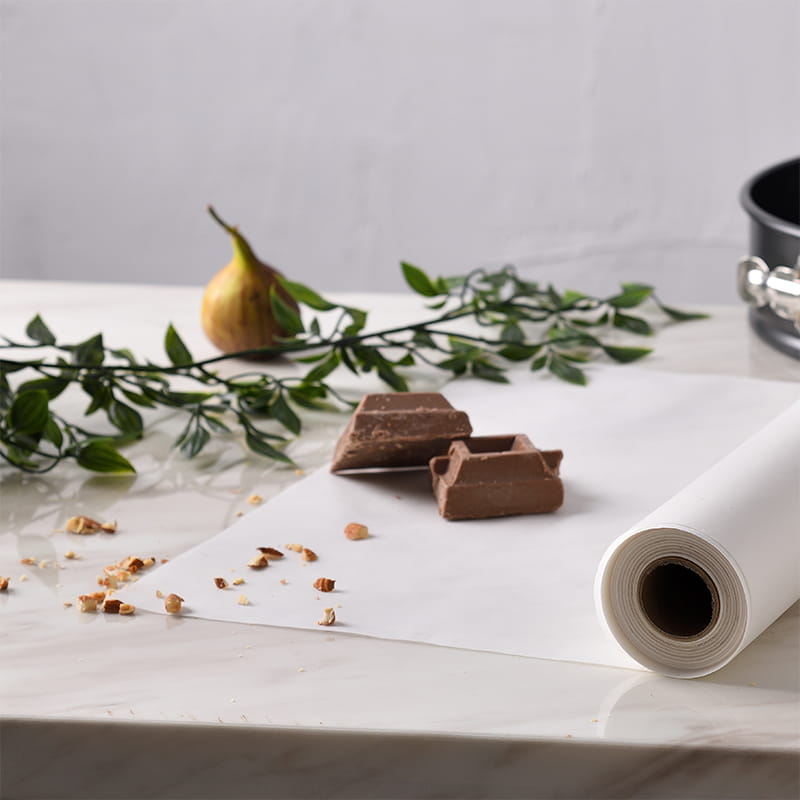
Product Features: 1. Virgin wood pulp 2. Double sides food grade silicone treated 3. Fluorine-free 4. Non-stick 5. Oven/Microwave safe 6. Freezer safe 7. Reusable 8. BPA ...
See Details -
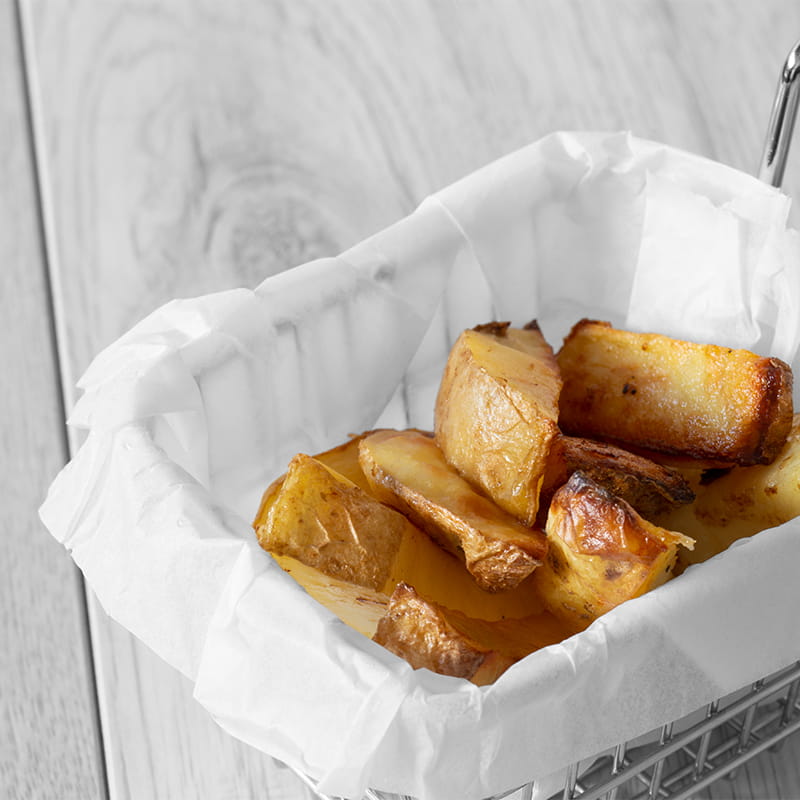
Product Features: 1. Virgin wood pulp 2. Fluorine-free 3. BPA free 4. Biodegradable Product Details: In an era where environmental consciousness and sustainability are paramount, Natu...
See Details -
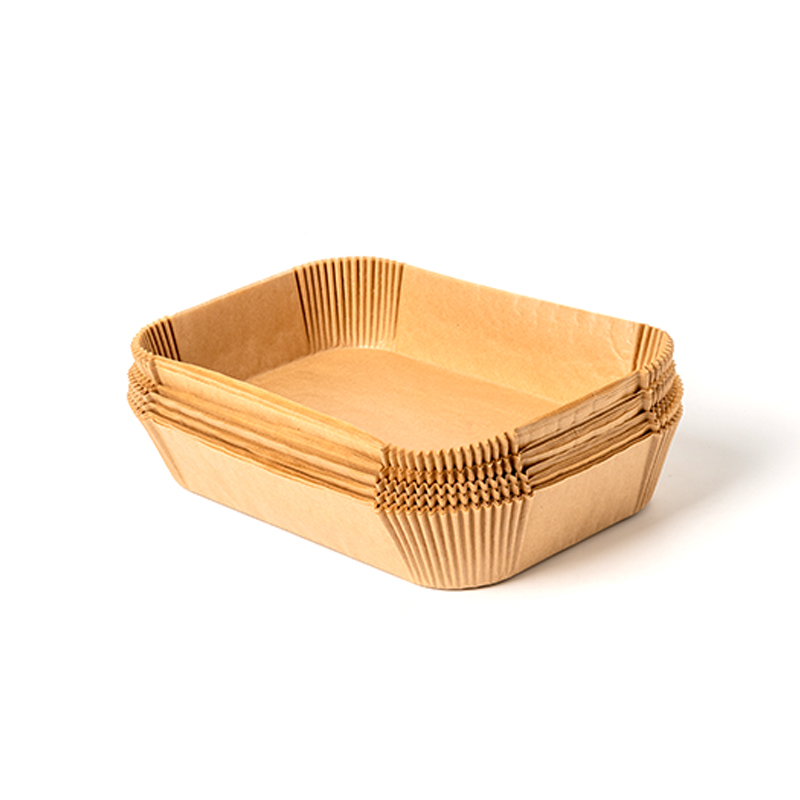
Product Features: 1. Virgin wood pulp 2. Double sides food grade silicone-treated 3. Fluorine-free 4. Non-stick 5. Air fryer basket safe 6. Reusable 7. BPA free 8. Biodeg...
See Details -
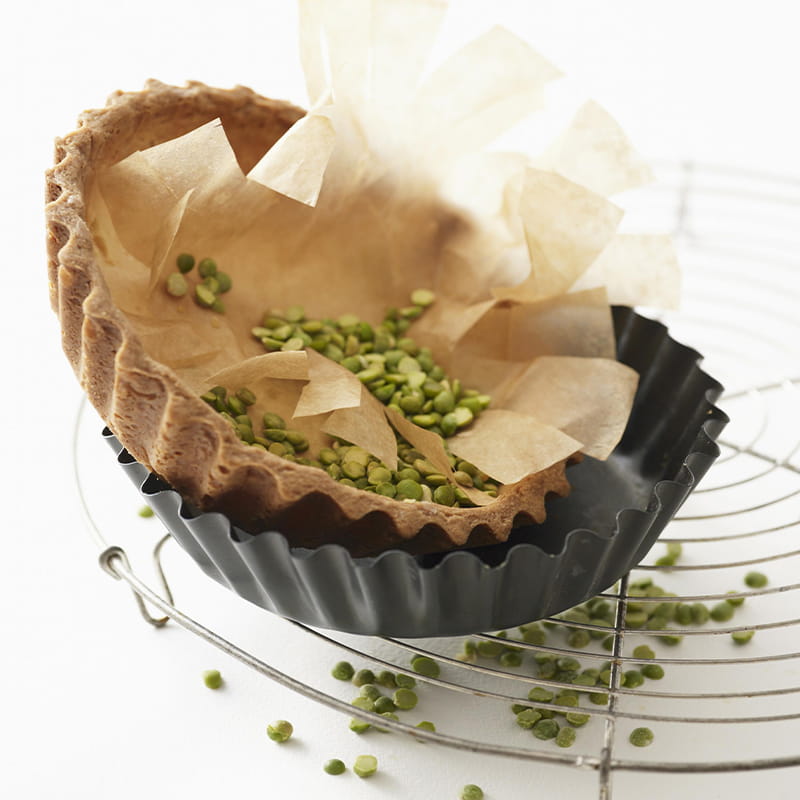
Product Features: 1. Virgin wood pulp 2. Natural unbleached brown color 3. Fluorine-free 4. BPA free 5. Biodegradable Product Details: Introducing our Unbleached Brown Food Grade ...
See Details -
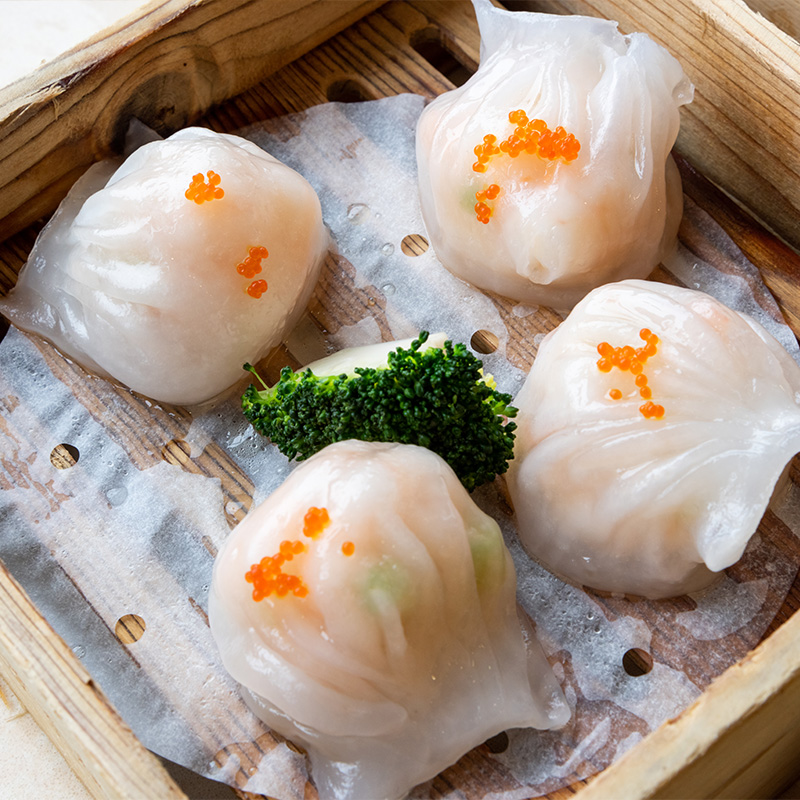
Product Features: 1. Virgin wood pulp 2. Double sides food grade silicone treated 3. Fluorine-free 4. Non-stick 5. Steamer/air fryer basket safe 6. Reusable 7. BPA free 8...
See Details -
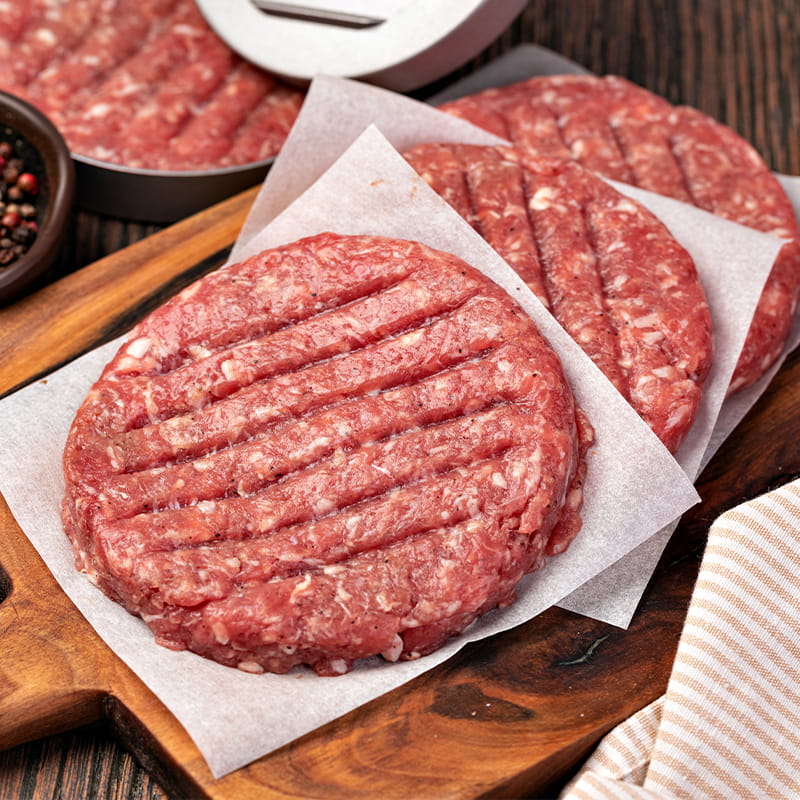
Product Features: 1. Virgin wood pulp 2. Double sides food grade silicone treated 3. Fluorine-free 4. Non-stick 5. Easy to separate 6. Reusable 7. BPA free 8. Biodegradab...
See Details -
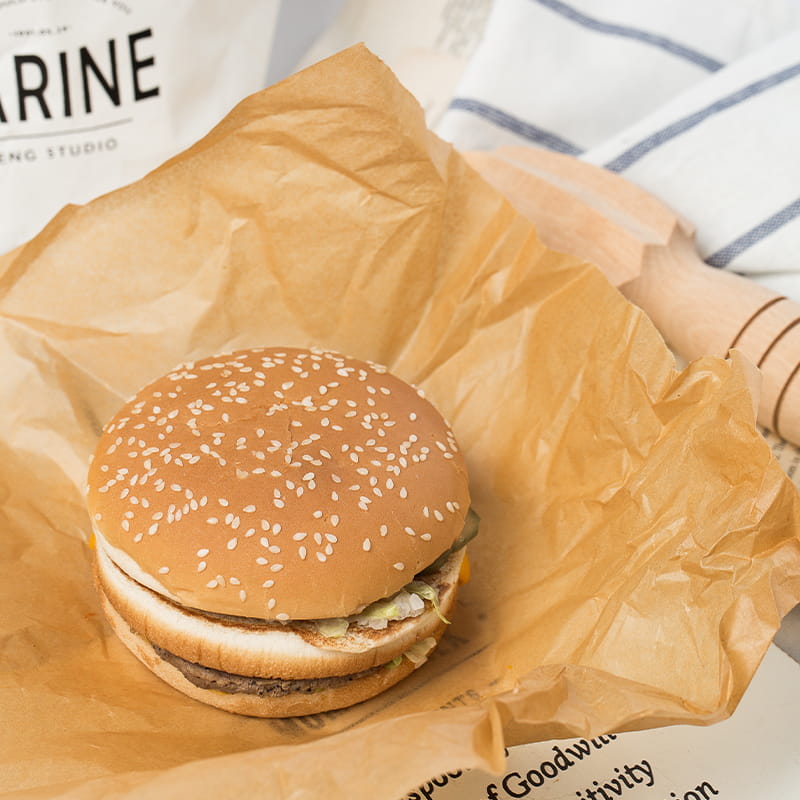
Product Features 1. Virgin wood pulp 2. Flexographic printing 3. Eco-friendly water-based ink 4. BPA free Product Details: Introducing our premium Greaseproof Sandwich Paper Sheets, a...
See Details

Professional Baking Parchment Paper Manufacturer in China with more than 15 years silicone coating experience.
Products
Contact Us
- No.10 Longyin Road, Chengnan Industrial Park,Longyou, Quzhou, China.
- +86-18968091013 / +86-571-88639705
- Avayao-1990@hotmail.com
Copyright © Zhejiang Guanghe New Materials Co., Ltd. All Rights Reserved.
Parchment Paper & Baking Paper Sheets Manufacturer
