 English
 中文简体
中文简体
Product details: Pop-up parchment paper sheets, an environment-friendly product, are composed of wood pulp and are double-side coated with silicone. Such a coating makes our paper smooth, greasepr...
See DetailsGuanghe Parchment Paper: Non-Stick, Heat-Safe, Easy to Use
The everyday kitchen has all sorts of little helpers that quietly take the edge off cooking. Parchment paper sits right in the middle of that bunch—it deals with heat without drama, stops food from gluing itself to the pan, and means the tray doesn't end up needing a serious scrub afterward. Cooks grab it for lining baking sheets or rolling out dough because it just makes the whole process less of a chore. Back when folks had to slather grease on metal pans or wrestle with foil that rips halfway through, this stuff feels like a small mercy for anyone juggling a busy day.
It does more than just sit under cookies or cake batter. The sheet holds up in the oven without scorching, pushes grease away so things slide right off, and doesn't leave bits stuck behind. That kind of no-fuss behavior really shines when cleanup time rolls around fast—after a quick family dinner or when someone's baking treats for the weekend.
Origins and Evolution of Parchment Paper
Parchment paper started showing up in the 1800s as people looked for plant-based replacements for animal hides that had been used for writing and packaging. The early attempts involved soaking paper fibers in acid baths to change how they handled grease and water. That treatment reworked the cellulose from wood pulp into something that didn't fall apart when it got damp or oily.
Later on the focus turned to making it safer and more kitchen-friendly. Extra coatings came in to boost the non-stick side without leaning on the harsher old methods. Food-safe ingredients took over so nothing weird ended up in the food during cooking. The whole thing moved away from animal origins completely, leaning on plant fibers that could be handled in a more renewable way.
Traditional greaseproof paper holds oil back but sometimes clings to sticky batters during long bakes. Aluminum foil heats up fast and can rip or leave odd tastes on acidic ingredients like tomatoes or lemons. Parchment paper skips those headaches while staying bendy enough to wrap around food or fit odd pan shapes.
Some versions skip coatings and rely just on the fiber treatment for grease protection. Others add a light layer that makes release even smoother. Uncoated ones work fine for basic jobs; coated ones handle gooier mixes or hotter ovens. The sheet stays light but tough, folds flat without splitting, and cuts to size without fuss.
These days the emphasis stays on making it easy to grab and use. Pre-cut sheets, rolls that unspool smoothly, even some with faint measurement lines printed on. The heart of it remains a treated paper sheet built to cope with kitchen heat and mess without crumbling or changing the taste of what's on it.
Everyday Baking Scenarios with Parchment Paper
Home baking usually means trays loaded with cookie dough, cake rounds, or bread loaves. A sheet of parchment paper underneath stops everything from welding to the pan, so the finished pieces come away whole once cooled. Cookies drop off without crumbling corners, cake layers lift out smooth, bread slides free—no scraping stuck bits.
Cookies go straight onto the paper. After baking the bottoms come crisp, not soggy, because the sheet soaks up a bit of extra fat. Switching batches is quicker since the tray only needs a fast wipe. For cakes, cut a piece to cover the base—sometimes run it up the sides a little so the whole thing lifts out easily. Round pans get circles; square or rectangular ones get strips. Nothing fancy, just shapes that make getting the cake out simple.
Bread dough proofs right on the paper. It supports the shaped loaf in a covered pot or on a baking stone, then lifts it out clean after baking. Flatbreads and pizza dough cook evenly with nice crisp edges and no pan to wash.
Basic oven rules keep things smooth. Set the sheet on the tray or rack, don't let it hang over the edges too far or it curls. It takes regular baking temperatures without smoking or burning. A few habits help—pinch the corners to hold sauces or drips, double up for really runny mixes so nothing seeps through.
It travels beyond home ovens too. Office kitchens use it for quick snacks, outdoor meetups line grills or camp setups for packet cooking without foil sticking. Shared spaces stay tidier when it's around for fast batches. The way it cuts down on added fats keeps recipes lighter while the texture holds up.
Parchment Paper and Health Safety
Using parchment paper in baking trims back on extra oil because food doesn't glue itself down. Goods come away clean, so pans need less greasing and doughs stay leaner. That habit nudges meals toward lighter without losing taste or mouthfeel.
The safety side depends on picking sheets made for food. Coatings should be food-grade and hold steady under heat. Steer clear of anything with additives that might migrate when hot. Oven-safe labels help spot the right ones and cut down on worries.
High temperatures always raise questions with any kitchen material. Parchment paper manages normal oven levels without breaking apart or giving off smells. Pushing past usual ranges risks browning or charring, so keeping within typical baking temps avoids trouble.
Folks with sensitivities or young children get an edge from straightforward materials. The paper keeps food from touching metal directly, which can react with acidic things like citrus or tomato sauces. Fresh sheets stop any cross-mess in busy kitchens.
In the end it nudges toward better patterns—baking instead of frying, fewer harsh cleaners for pans. Using it right—keeping it away from open flames, not reusing when it's really dirty—keeps any downsides small.
Quick Comparison of Common Kitchen Lining Materials
| Material | Non-Stick Performance | Grease Resistance | Heat Stability in Oven | Cleanup Effort | Common Everyday Drawback |
|---|---|---|---|---|---|
| Parchment Paper | Very good release | Strong | Reliable in typical use | Very low | Single-use nature if not careful |
| Traditional Greaseproof Paper | Moderate | Good | Generally okay | Low to medium | May stick more on sticky batters |
| Aluminum Foil | Variable | Good | Excellent conductivity | Medium | Can tear, may leave marks on food |
| Silicone Mat | Excellent | Excellent | Very stable | Very low | Higher initial cost, needs storage |
| Greased Metal Pan | Depends on oil amount | Variable | Standard | High | Requires scrubbing afterward |
Environmental Value of Parchment Paper
Kitchen disposables pile up fast over time. Parchment paper gives a plant-fiber choice next to plastic wraps or thick foil. The base comes from renewable trees or similar, and plenty of types break down quicker than plastic alternatives.
Plastic films linger in landfills for ages; parchment paper skips that long stay. Aluminum foil can go back into recycling if it's clean, but food bits often make that hard. Uncoated parchment paper composts in backyard bins or larger facilities without much trouble.
How much it breaks down depends on any coating. Plain sheets turn back into soil naturally. Coated varieties differ—some formulated to decompose properly. Curbside recycling takes paper but coatings sometimes slow the process.
Cutting waste begins with how it's used. Run the same sheet for several dry batches if it stays clean, then toss scraps into compost. Households swap out plastic for parchment when wrapping sandwiches or lining trays, trimming down on throwaways.
Wider shifts happen when people choose materials that return to the earth. Fewer plastics washing into rivers or piling in dumps start with those small kitchen changes. Sorting clean pieces for compost instead of trash pushes the benefits further.
Innovative Usage Scenarios
Parchment paper stretches far past baking trays. Steam vegetables or fish by folding everything inside with seasonings, crimping the edges, then baking or steaming—the paper traps juices and steam while flavors blend.
Microwave use works too. Drape a sheet over bowls to catch splatters without sealing in steam. Wrap leftovers or corn loosely for even reheating. Short bursts keep it safe and effective.
Craft corners find it handy. Roll out fondant or dough between sheets so nothing sticks to counters or rolling pins. Use it as a clean surface for tracing or protecting work from glue drips.
Family activities lean on the non-stick side. Children shape dough or play materials without mess sticking everywhere. The paper pulls away clean when done.
Storage gets simpler—wrap fresh greens, cheese, or herbs in parchment to keep them crisp without plastic cling. Creative cooks roll it into cones for piping frosting or chocolate with clean lines.
The material's easygoing nature makes it fit into all sorts of spots—clean, adaptable, and low-drama.
How Parchment Paper Handles Messy Doughs and Batters in Practice
Sticky doughs and runny batters turn into a hassle without the right surface. Parchment paper changes that by letting the mess slide off or lift away once cooled. Cinnamon rolls proof and bake on the sheet—after rising and baking, they peel off in one piece, no tearing the bottoms or leaving caramelized bits glued to the pan. Biscuit dough patted out between two sheets rolls flat without clinging to the pin or counter, and cutting shapes leaves clean edges that transfer easily to the tray.
Wet batters like muffin mix or quick breads pour onto the paper in the pan, bake evenly, and come out without the usual scraping. Even delicate things like meringues hold their shape on parchment—the paper gives just enough grip during baking but releases completely when dry. For no-bake treats, chill bars or slices on the sheet for easy lifting and cutting—no stuck-on crumbs.
The sheet absorbs minor oil from doughs so bottoms crisp up instead of turning soggy. When things go wrong—like a batter that spreads too thin—the paper catches overflow and keeps the oven floor clean. Multiple uses in one session work well for dry items; wipe the tray, flip the paper if one side stays clean, and keep going. That habit stretches the sheet further and cuts down on waste in the moment.
In small kitchens where counter space is tight, parchment paper doubles as a work surface for kneading or shaping. Roll it out, work the dough right on top, then lift the whole thing into the pan or fridge. Cleanup stays quick—no greasy counter to wipe. The material's forgiving nature means it handles the sticky, the runny, and the crumbly without adding extra stress to the process.
Why Parchment Paper Fits Into Busy Family Kitchens So Well
Family kitchens run on speed and less mess. Parchment paper slips into that rhythm by handling the chaos without slowing things down. Weekend breakfast pancakes or weekday muffins go onto the sheet—pour, bake, lift off, tray back in the cupboard in minutes. No waiting for pans to cool before washing, no scrubbing stuck-on edges. Kids helping with snacks can line their own trays, drop dough blobs, and feel like they're doing real cooking without the cleanup falling on one person.
School lunches or after-school treats wrap in parchment instead of plastic bags—fold a sandwich, roll cookies for sharing, keep everything fresh without clinging. The paper folds flat, tucks into lunchboxes, and peels away clean when eaten. For dinner prep, wrap proteins or veggies for roasting packets—season, fold, bake—the paper contains juices so the sheet pan stays mostly clean. After eating, the used sheet goes straight to compost or trash without lingering odors.
Evenings with homework or activities benefit too. Quick desserts like baked apples or fruit crisps bake on parchment—juices bubble but stay contained, no oven spills. The non-stick surface means less added butter or oil in recipes, so meals feel a bit lighter without changing the taste. Storage leftovers in parchment keeps them from drying out in the fridge, and reheating in the oven or microwave works without sogginess.
The material's quiet reliability makes it a background player in hectic homes. Grab, use, move on—no extra steps, no big cleanup. It quietly supports the flow of family life, from rushed mornings to relaxed evenings, without drawing attention to itself.
Choosing and Using Parchment Paper Thoughtfully
Everyday cooking gets smoother with tools like parchment paper. Pick rolls when flexibility matters, pre-cut sheets for speed. Keep them in a dry drawer or on a shelf where hands reach easily.
The mix of simple handling, safety in use, and lighter waste impact makes it a solid pick. It nudges toward easier, cleaner routines without extra steps.
Guanghe factory produces parchment paper focused on practical kitchen needs. The range includes options for baking, wrapping, and creative tasks, emphasizing reliable performance in everyday settings. Visitors to the website : https://www.guanghepaper.com/ can explore varieties suited to home use.
Related Products
-
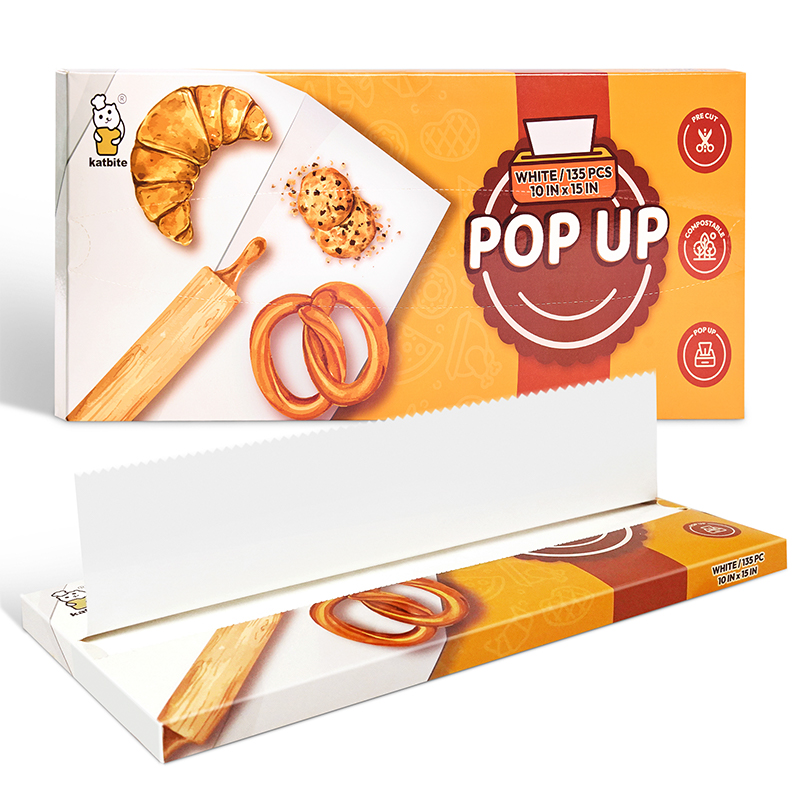
-
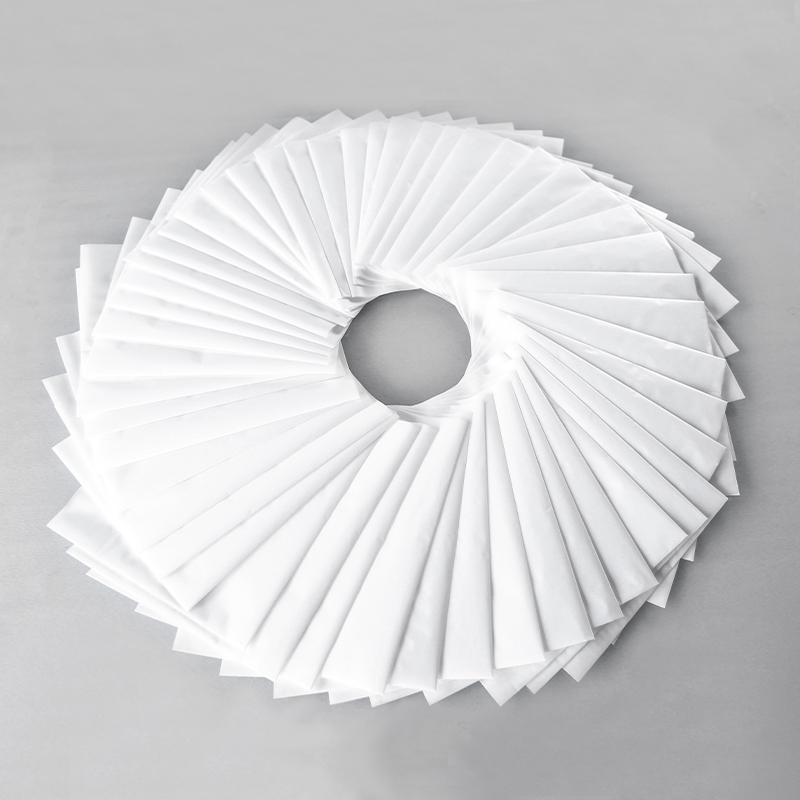
Product details: Folded baking paper sheets, an environment-friendly product, are composed of wood pulp and are double-side coated with silicone. Such a coating makes our paper smooth, greaseproof and...
See Details -
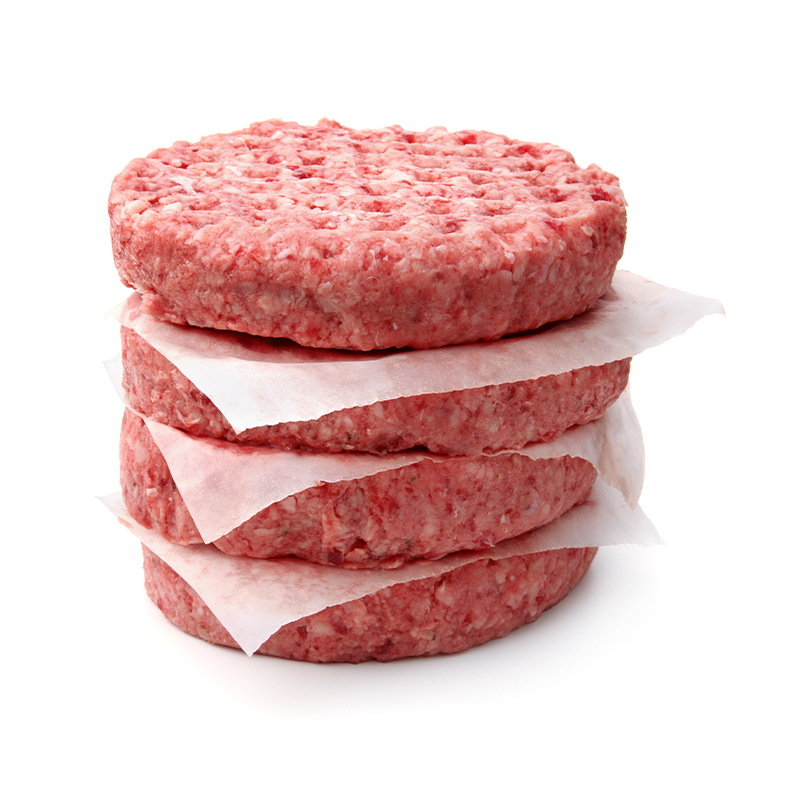
Description: Wax paper is the paper that is coated with food-grade wax in order to make it non-stick and waterproof. wax paper is very good for food storing and presentingMade of food-grade paper and ...
See Details -
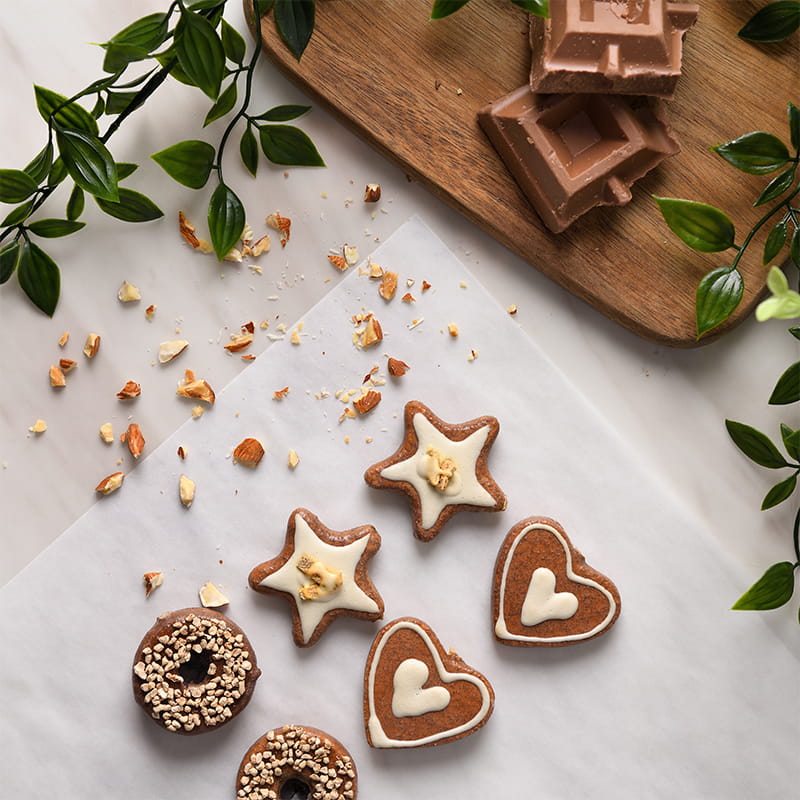
Product Features: 1. Virgin wood pulp 2. Double sides food grade silicone-treated 3. Fluorine-free 4. Non-stick 5. Oven/Microwave safe 6. Freezer safe 7. Reusable 8. BPA f...
See Details -
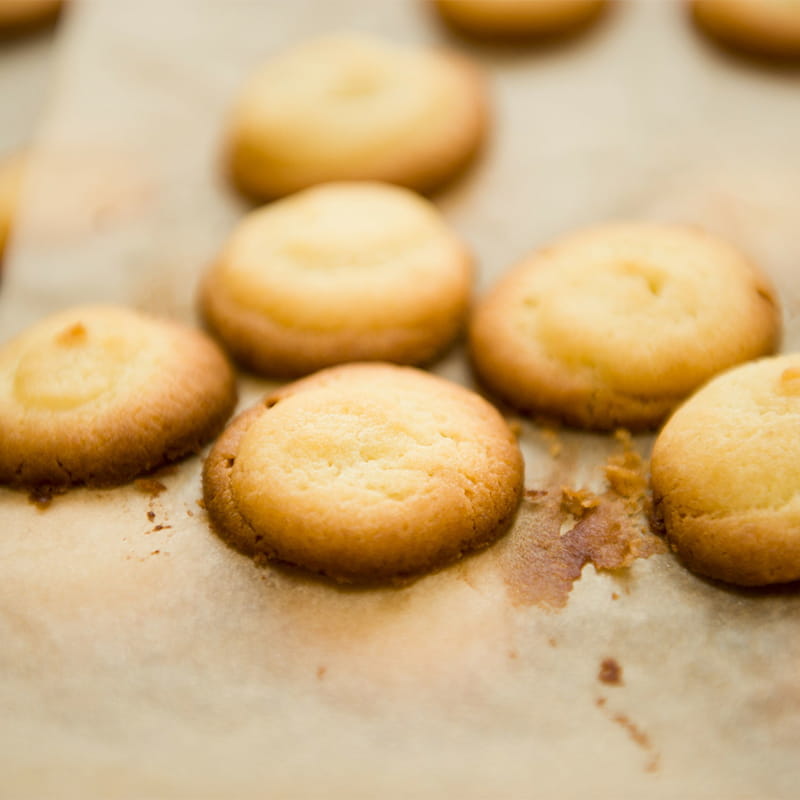
Product Features: 1. Virgin wood pulp 2. Natural unbleached brown color 3. Double sides food grade silicone-treated 4. Fluorine-free 5. Non-stick 6. Oven/Microwave safe 7. Fre...
See Details -
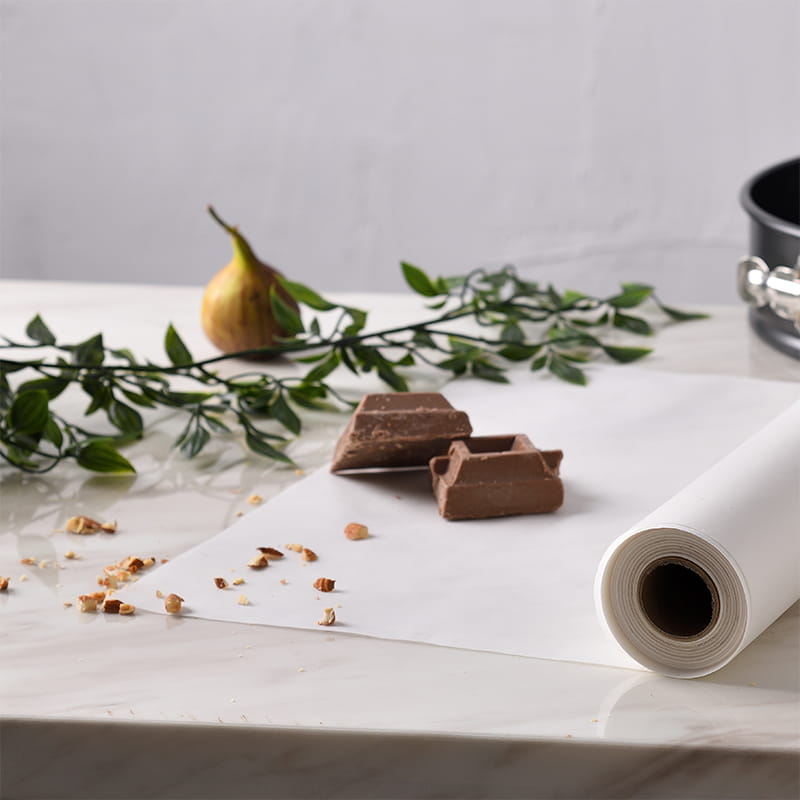
Product Features: 1. Virgin wood pulp 2. Double sides food grade silicone treated 3. Fluorine-free 4. Non-stick 5. Oven/Microwave safe 6. Freezer safe 7. Reusable 8. BPA ...
See Details -
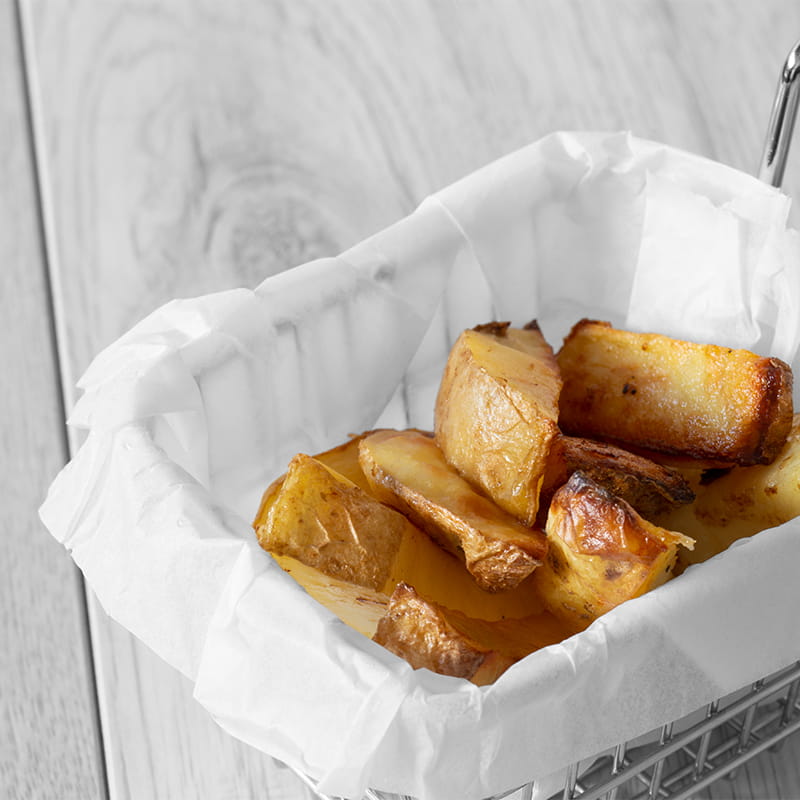
Product Features: 1. Virgin wood pulp 2. Fluorine-free 3. BPA free 4. Biodegradable Product Details: In an era where environmental consciousness and sustainability are paramount, Natu...
See Details -
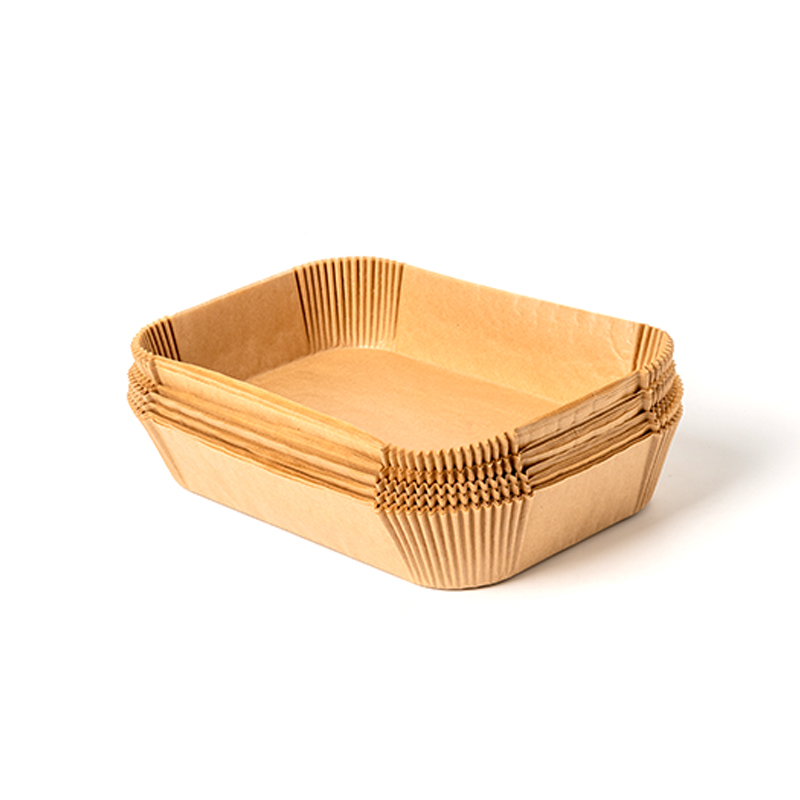
Product Features: 1. Virgin wood pulp 2. Double sides food grade silicone-treated 3. Fluorine-free 4. Non-stick 5. Air fryer basket safe 6. Reusable 7. BPA free 8. Biodeg...
See Details -
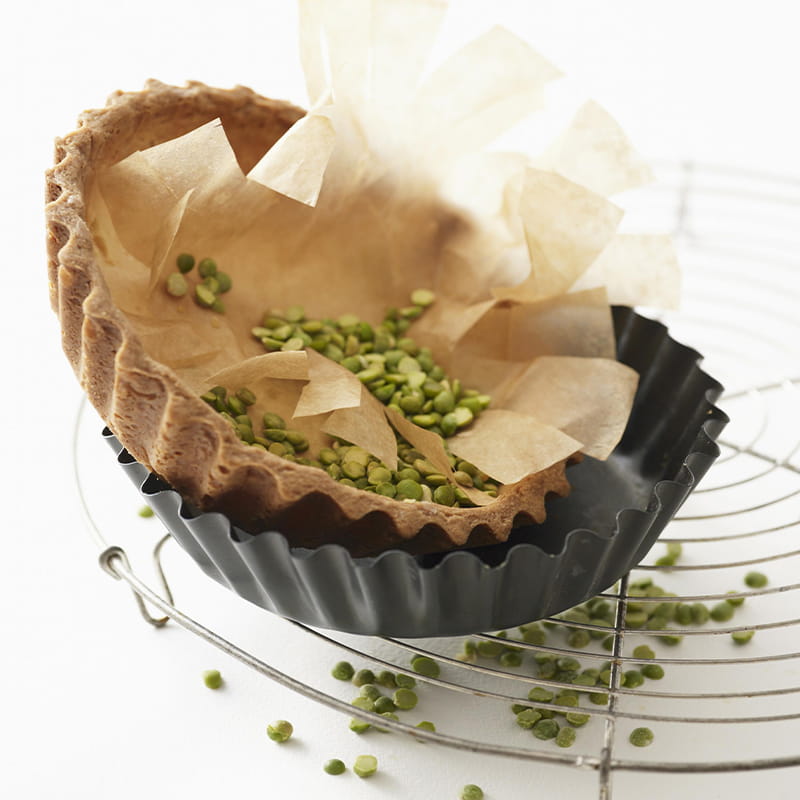
Product Features: 1. Virgin wood pulp 2. Natural unbleached brown color 3. Fluorine-free 4. BPA free 5. Biodegradable Product Details: Introducing our Unbleached Brown Food Grade ...
See Details -
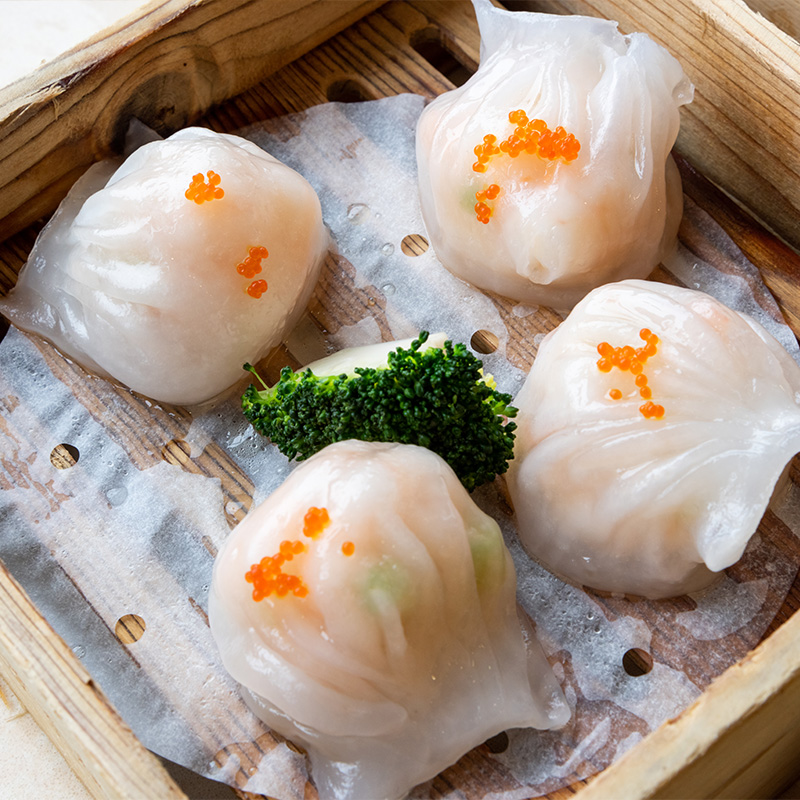
Product Features: 1. Virgin wood pulp 2. Double sides food grade silicone treated 3. Fluorine-free 4. Non-stick 5. Steamer/air fryer basket safe 6. Reusable 7. BPA free 8...
See Details -
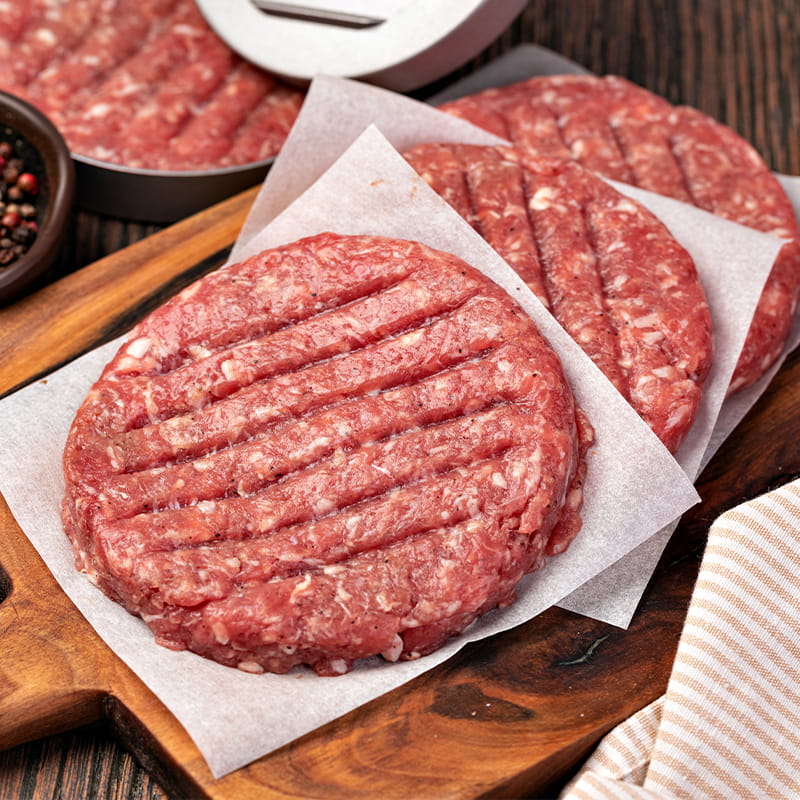
Product Features: 1. Virgin wood pulp 2. Double sides food grade silicone treated 3. Fluorine-free 4. Non-stick 5. Easy to separate 6. Reusable 7. BPA free 8. Biodegradab...
See Details -
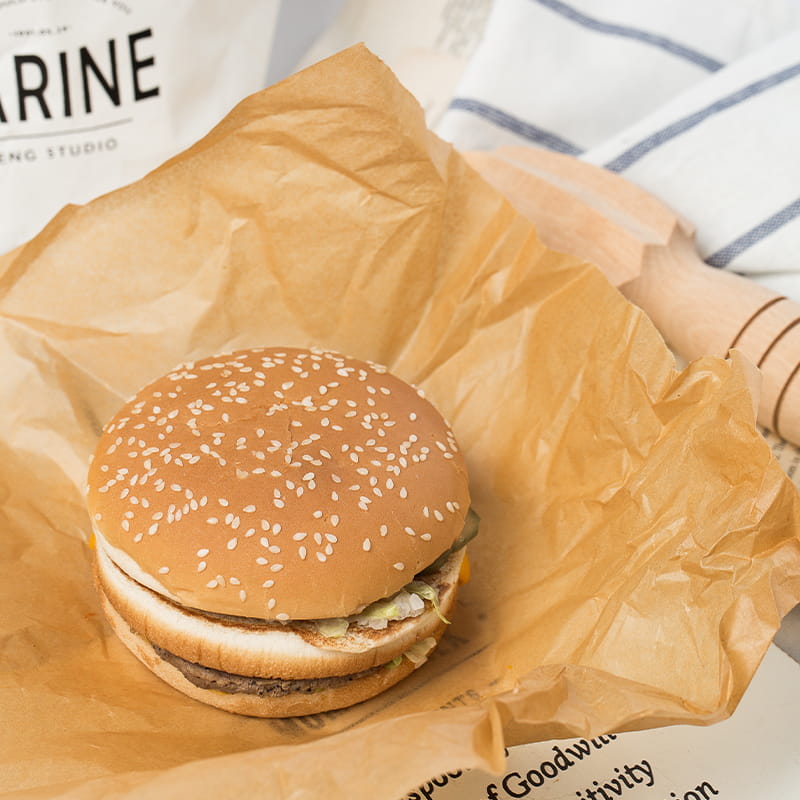
Product Features 1. Virgin wood pulp 2. Flexographic printing 3. Eco-friendly water-based ink 4. BPA free Product Details: Introducing our premium Greaseproof Sandwich Paper Sheets, a...
See Details

Professional Baking Parchment Paper Manufacturer in China with more than 15 years silicone coating experience.
Products
Contact Us
- No.10 Longyin Road, Chengnan Industrial Park,Longyou, Quzhou, China.
- +86-18968091013 / +86-571-88639705
- Avayao-1990@hotmail.com
Copyright © Zhejiang Guanghe New Materials Co., Ltd. All Rights Reserved.
Parchment Paper & Baking Paper Sheets Manufacturer
