 English
 中文简体
中文简体
Pre Cut Baking Paper Sheets are made from wood pulp and coated on both sides with a food-safe silicone layer. This coating gives the paper a smooth, greaseproof, and moisture-resistant surface that su...
See DetailsWhy Is Baking Paper Getting More Attention in Home Cooking
Conversations about Baking Paper have picked up lately, and the reasons feel pretty clear when you think about it. People care more now about food safety—how things that touch food during cooking might affect health. This paper lands right in the middle of those talks because it meets food directly at high temperatures. It shifted from something people barely noticed to an item that now gets questioned regularly: safe for regular use? Does it add anything over time? Does it add anything over time? How does it fit daily cooking routines? This change comes from how home meals have evolved. Baking and roasting happen more often—weekend treats, weekday sides, quick snacks—and small helpers like this become routine. Folks start noticing "invisible" contact materials—things that aren't ingredients but still touch food during prep. Parchment fits that group perfectly. It's not part of the recipe, but it shapes how food cooks and how pans clean up afterward. Talks often loop back to health worries, environmental questions, and plain convenience. People wonder if using it regularly changes anything about meals or kitchen habits. The sheet itself hasn't changed much in makeup, but how people view it has. It's no longer just background; it's weighed against other choices—greasing pans, silicone mats, or skipping liners. That growing attention mirrors wider habits: more home cooking, more care about what enters the body, more interest in balancing ease with thoughtfulness. The discussions keep building because parchment touches health, practicality, and the small choices that fill everyday kitchens.
Basic Understanding of Baking Paper and Food Contact
Parchment brings up questions mainly because it touches food straight on during cooking. Common worries about food-contact items show up here too—does heat make anything transfer? Stable at oven temps? Affect taste or add unwanted bits? Most concerns focus on safety during heating. Home cooks often ask if the sheet breaks down or releases anything when baked for a while. Misconceptions float around—some think any paper in the oven is risky, others figure all parchment acts the same. In truth, the paper has a thin coating that resists heat and grease, staying whole during normal oven use. It doesn't melt or char under typical baking conditions. The coating helps food release without sticking, but questions linger about whether that coating interacts with food over time. Many wonder about repeated use—safe after multiple batches? The answer comes down to design: meant for single use per session. Proper use keeps risks low—don't go over recommended temps, avoid direct flame, use fresh sheets each time. Safety worries often center on high-heat stability and whether anything leaches into food. Frequent bakers think about this more than occasional users. Beginners worry about ruining pans or food sticking; experienced cooks focus on consistency and whether the paper holds up through long roasts or multiple trays. The sheet itself doesn't change much, but knowing its limits eases worries. It's a contact material that works reliably when used as intended—lining trays, wrapping for roasting, separating layers in storage—but like any kitchen tool, it performs well within its intended range.
Usage Habits and Precautions in Heating Environments
Parchment gets used in different ways once heat enters the picture. Most people line baking trays or sheet pans before adding dough, batter, or food. Cookies, biscuits, pastries go on top so they bake evenly without sticking to metal. Roasting vegetables or meat follows the same pattern—spread food on the paper, season, bake, and the tray stays mostly clean. Some wrap food directly—fish or chicken parcels folded in the sheet to steam in the oven, keeping moisture in and pans free of grease. Precautions matter during heating. Keep it away from direct flame—don't use it under broilers or on stovetops where fire touches it. Stay within normal oven temperatures; very high heat can cause browning or breakdown. Avoid covering the entire oven floor—leave space for air circulation. When baking sticky items like meringues or caramel, the paper prevents them from gluing to the pan. For breads or rolls, it supports proofing or baking without sticking to the surface. Proper habits keep things safe—use fresh sheets each time, don't reuse if heavily soiled or discolored, fold edges if needed to fit the pan. The sense of security comes from knowing the paper stays stable during heating. Food releases cleanly, pans don't need heavy scrubbing, and the kitchen stays calmer.Beginners learn quickly that lining trays prevents sticking disasters. Experienced cooks use it to maintain consistency—same release every batch, no surprises from pan buildup. The paper adapts to different heating scenarios—short bakes for cookies, longer roasts for vegetables or meat—while keeping the process reliable and low-stress.
The Relationship Between Baking Paper and Healthy Eating Habits
Parchment supports lighter cooking in small but noticeable ways. Roasting or baking without extra oil becomes easier—vegetables crisp on the paper without needing heavy coating, meat renders fat onto the sheet instead of pooling in the pan. That reduces overall oil use without sacrificing texture or flavor. Home cooks aiming for lighter meals find it helps—roasted potatoes or chicken thighs brown nicely with just a light brush or spray, and the paper catches drippings so nothing burns on. The paper also aids portion control and meal prep—line trays for single servings or batch cooking, keep ingredients separate in the fridge or freezer without sticking together. Daily dietary habits benefit too—baking fish or vegetables in parchment packets steams them gently with minimal added fat. Snacks like homemade granola or energy bars set on the paper without clinging, so they stay intact and portioned. For families watching fat intake or following balanced eating, the paper makes lighter methods more practical—no need to deep-clean greasy pans after every roast. It encourages more oven cooking instead of frying, since trays stay manageable. The paper doesn't change recipes, but it lowers barriers to healthier approaches—less oil, less cleanup, more willingness to bake or roast instead of pan-frying. That small support helps keep cooking aligned with better eating habits over time.
Discussion of Baking Paper Use under Environmental Awareness
Disposable kitchen items like parchment spark environmental discussions. Single-use products create waste—each sheet thrown away after one job adds up in households that bake or roast often. Convenience pulls one way—quick prep, no scrubbing—while environmental concerns pull the other—more trash, more resources used for production. Consumers weigh that trade-off daily. Some use parchment sparingly—only for sticky recipes or when cleanup feels overwhelming—while others reach for it every time. Frequency matters—occasional bakers generate little waste, frequent users see piles in the trash bin. The paper itself uses paper pulp and a thin coating, so it breaks down differently from plastic, but it still ends up in landfills unless composted in industrial facilities. Reusable alternatives enter the conversation—silicone mats or metal liners wash and reuse many times. They cut waste but require cleaning each time, which uses water and energy. Parchment offers convenience at the cost of disposability. Many households mix approaches—reusable mats for regular baking, parchment for greasy or sticky jobs where washing feels like too much. The debate centers on balance—how much convenience is worth the waste? Some cut sheets to exact pan size to use less per batch. Others save slightly used paper for low-heat jobs like proofing dough. Environmental awareness pushes people to think about frequency—do they reach for it every time, or only when needed? That reflection shapes habits over time—using what works without over-relying, keeping convenience while trimming unnecessary waste.
How Home Users Can Rationally View Baking Paper Consumption
Home users tend to fall into their own little routines with parchment that just feel right for how their kitchen actually runs. Some grab a sheet every single time the oven gets turned on—lining trays for cookies, covering roasting pans for dinner—simply because cleanup ends up feeling effortless. Others only pull it out when sticking looks like a real possibility—sticky doughs that cling, oily marinades that burn on, delicate baked goods that tear if you breathe on them wrong. Rational use really comes down to matching how often you reach for it to what the kitchen actually needs. Folks who bake every day or regularly go through sheets pretty quick, so they stock up on larger rolls or bigger packs and cut them down to size so nothing gets wasted. Occasional cooks—maybe once a week or every couple weeks—keep smaller boxes or rolls around so nothing sits forever and goes stale in the back of the drawer. Different family setups shape those habits too. Bigger households with kids or lots of weekend baking chew through more paper naturally. Small homes or single cooks use way less, so they don't need giant rolls taking up space. The real trick is using it when it actually helps instead of grabbing it automatically every time. If a pan releases food cleanly without any help, skip the sheet. If sticking ruins a batch or turns cleanup into a nightmare, use it. That kind of balance stops over-reliance while still keeping all the good stuff—clean pans, easy release, less stress. Storage and how easy it is to get to play into habits as well. Rolls live in a drawer and unroll smoothly when you need them, but they can get crushed or tangled if you're not careful. Folded sheets or pre-cut ones stack neatly in a cabinet or a box, easy to grab one without fuss. Choosing based on how often baking or roasting happens keeps consumption in check. Heavy users grab bulk packs because it's cheaper and they know they'll go through it. Light users stick with smaller packs so nothing sits around forever. Seeing parchment as a helpful tool instead of something you must use every single time lets people stay in control of how much they go through. It keeps supporting cooking without turning into automatic waste that piles up guilt in the trash. Habits shift naturally over time—use it when it makes sense, skip it when the pan does fine on its own, keep the kitchen practical without any excess.
Alternative Solutions and Practical Choices for Combined Use
Parchment isn't the only option, and many kitchens use multiple approaches side by side. Reusable silicone mats line trays and release food well after baking. They wash easily in hot water or the dishwasher and last through many uses. No waste per batch, but they need cleaning each time—scrubbing grease or stuck bits adds a step. Metal liners or perforated sheets work for roasting—crisp results, reusable, but they still require washing and don't prevent sticking as reliably without light oil. Cloth liners or parchment-like fabric options exist too—washable, natural feel, but they absorb odors or stains over time and need thorough cleaning. Parchment offers single-use convenience—no washing, reliable release—but creates waste after each job. Many users combine them based on the recipe. Silicone mats handle regular batches where cleaning isn't a burden. Parchment steps in for sticky or oily jobs—caramel, roasted garlic, fatty meats—where scrubbing would take too long. Some save used paper for low-heat tasks like proofing dough or separating freezer items. The trade-offs show in daily life: reusable options save money and reduce trash but add laundry or washing steps. Parchment trades reuse for speed and ease. No single choice fits every kitchen—busy households lean toward quick disposal, eco-focused ones prefer washing reusables. Combining both works well—keep silicone for everyday, parchment for messy jobs. That practical mix lets people keep cooking enjoyable without feeling locked into one method.
| Option | Main Use Advantage | Main Drawback | Best For |
|---|---|---|---|
| Parchment | Reliable non-stick, no cleanup needed | Single-use, creates waste | Baking, roasting, quick release |
| Ordinary Kitchen Paper | Absorbs grease well | Tears easily in oven, sticks when wet | Short-term draining or covering |
| Reusable Silicone Liner | Reusable many times, no waste | Needs washing, can absorb odors | Frequent bakers who don’t mind cleaning |
| Reusable Fabric Liner | Reusable, natural material | Requires thorough cleaning, may stick | Eco-conscious users with time to wash |
| Brushing Oil Directly | No extra item needed | Still some sticking, pan needs scrubbing | Occasional use when paper isn’t available |
Trends in Consumer Perception
The way people see parchment has changed quite a bit over the years. Questions used to be pretty straightforward—"Is this thing safe to put in the oven at all?" "Will it burn or catch fire?" "Does it mess with the taste of what I'm baking?" Those early worries mostly stayed on the surface—immediate safety stuff like whether it would char or leave something behind right away. Now the conversations dig a lot deeper. Folks ask things like "Okay, but is it really fine to use this stuff week after week, year after year?" "Does regular use mean anything unwanted ends up in my food over the long haul?" "How does it actually fit with the bigger picture of staying healthy and not creating too much waste?" Information moves so much quicker these days—online forums fill up with home cooks sharing what they've noticed, cooking videos show people using it (or skipping it), articles pop up explaining coatings and heat behavior. That speed makes people way more aware of contact materials in general—anything that touches food while cooking gets a closer look. Transparency helps calm a lot of nerves—once someone learns the paper has a simple heat-stable coating and doesn't break down under normal oven temps, a bunch of the worry just melts away. Perception shifts as more people spend time cooking at home. For some, parchment goes from "optional extra I grab sometimes" to "regular tool I reach for almost every bake." For others, single-use items start feeling more questionable—they think harder about waste piling up and long-term habits. Comprehensive thinking starts showing up—balancing convenience (quick prep, no scrubbing) against health (does anything leach?) and environmental impact (more trash from disposables?). Buyers weigh how often they actually reach for it against how much waste it creates. Some get precise—cut sheets exactly to pan size to use less per batch. Others mix things up—reusable liners for everyday baking, parchment for those sticky or greasy recipes where scrubbing would take forever. Purchasing decisions start reflecting that mix—bulk rolls for people who bake a lot, smaller packs for occasional users so nothing sits around unused. The trend leans toward more thoughtful use—looking at health, waste, and ease all together instead of picking one and ignoring the rest. Information transparency shapes choices more than ever—people read labels, watch videos, compare options, decide what actually feels right for their own kitchen. Perception keeps evolving as home cooking stays a central part of life and awareness about these little details just keeps growing.
Rational Outlook on Future Development Directions
Parchment will likely keep its place in kitchens as home baking and roasting remain common. Market expectations lean toward solutions that feel more user-friendly—pre-cut sheets for standard pans, rolls with easy-tear edges, packaging that stores neatly. Usage habits mature gradually—people learn when it helps and when to skip it. Some reach for it only for sticky or oily jobs, others use it more broadly. The paper stays simple—no complicated instructions, no special skills needed—so it fits kitchens of all kinds. Future developments probably focus on small improvements—coatings that release even better, paper that handles higher heat without browning, packaging that reduces waste. Reusable options will coexist—silicone mats or metal sheets for regular use, parchment for convenience when needed. The long-term presence seems steady—home cooking continues, small frustrations still annoy, and simple tools that remove those frustrations remain welcome. Parchment won't disappear; it will adapt quietly as kitchens evolve. Demand stays tied to how often people bake or roast—more home cooking means more use. It supports convenient methods—sheet-pan meals, quick bakes, easy roasts—without complicating things. The outlook is practical: steady role as a small helper, gradual improvements, continued coexistence with other tools. One factory that has steadily supplied this kind of paper is Guanghe. Visit their site at https://www.guanghepaper.com/ to see their range—they focus on consistent quality, handle different sizes and types smoothly, and aim for reliable output that meets everyday kitchen demands.
Related Products
-
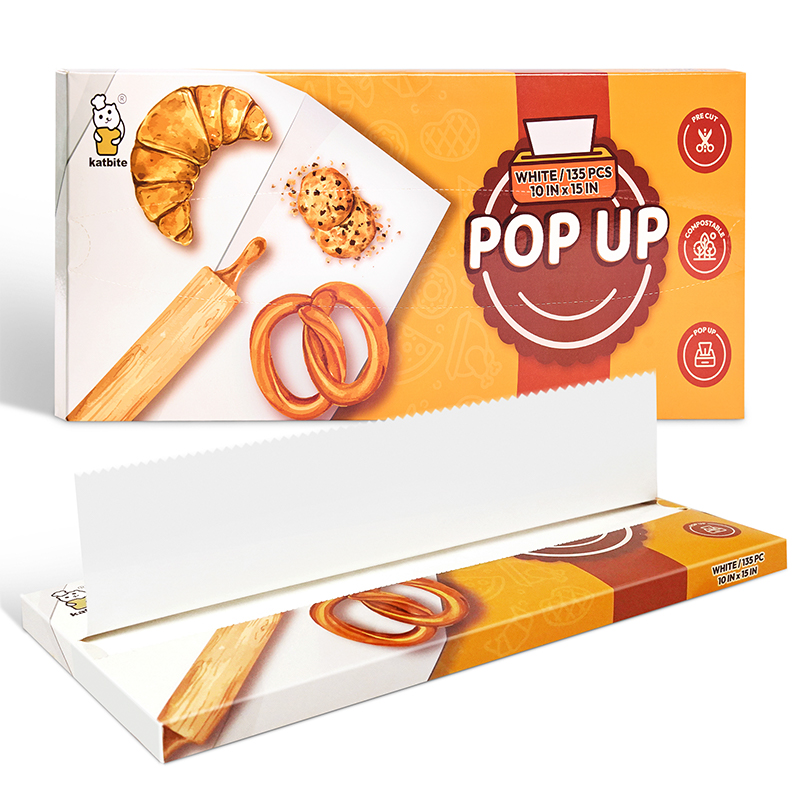
-
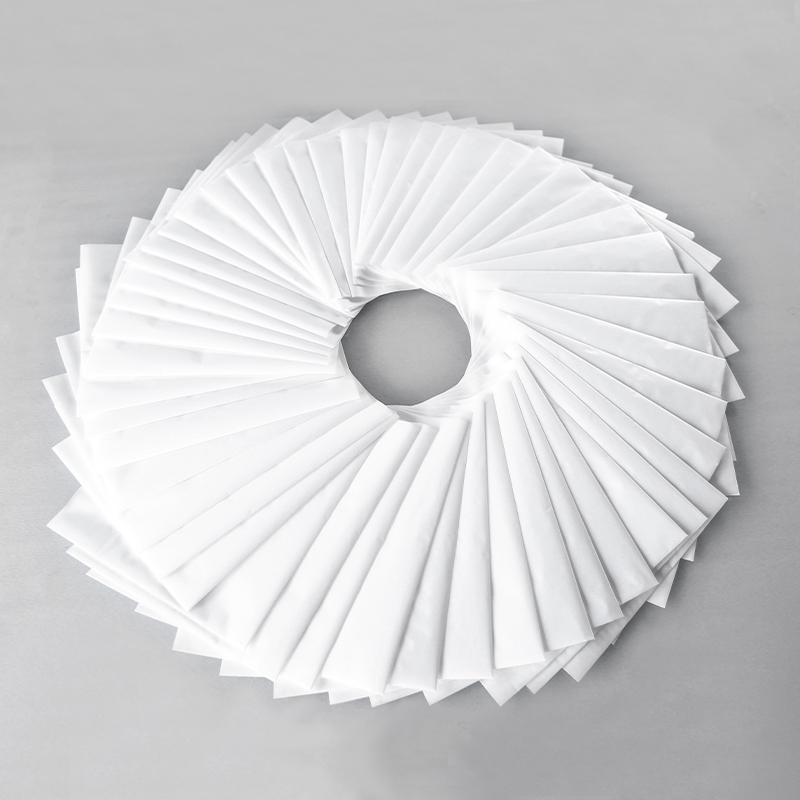
Folded Baking Paper Sheets, also known as Non Stick Baking Paper Sheets, are made from wood pulp and coated on both sides with a food-safe silicone layer. This coating gives the paper a smooth, grease...
See Details -
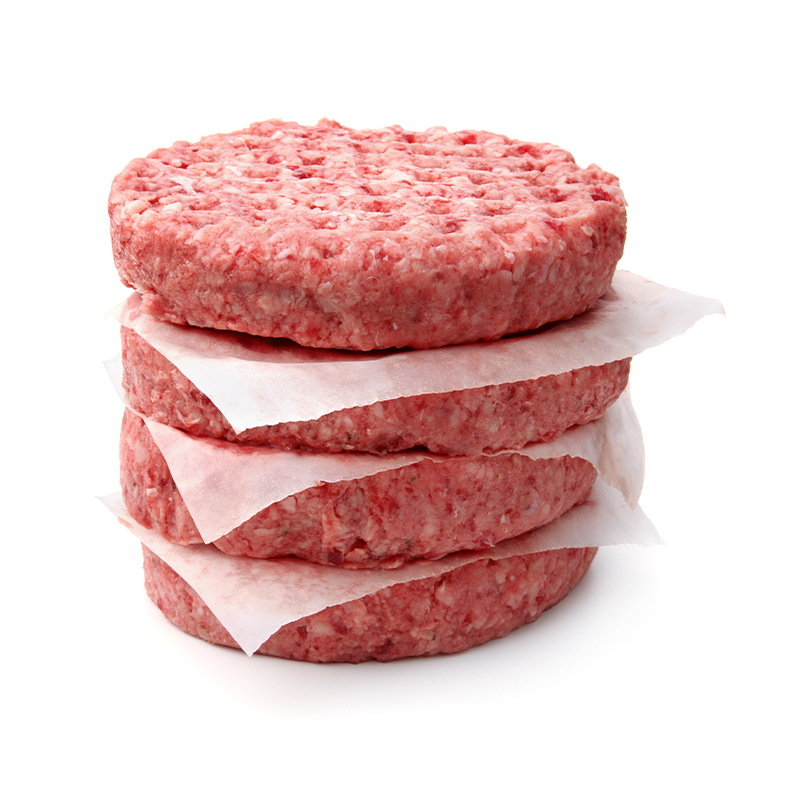
Description: Wax paper is the paper that is coated with food-grade wax in order to make it non-stick and waterproof. wax paper is very good for food storing and presentingMade of food-grade paper and ...
See Details -
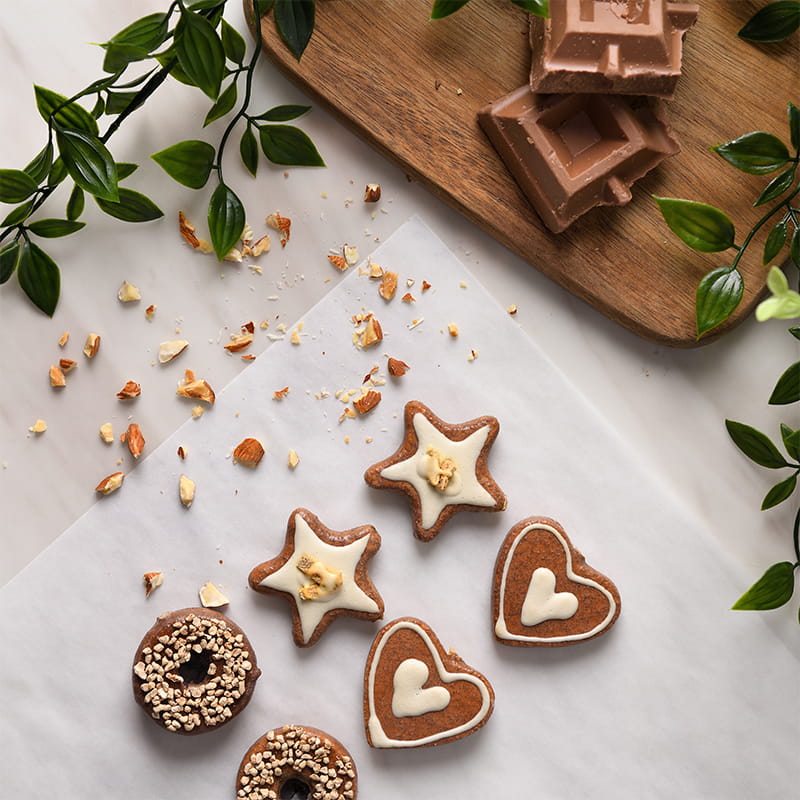
Product Features: 1. Virgin wood pulp 2. Double sides food grade silicone-treated 3. Fluorine-free 4. Non-stick 5. Oven/Microwave safe 6. Freezer safe 7. Reusable 8. BPA f...
See Details -
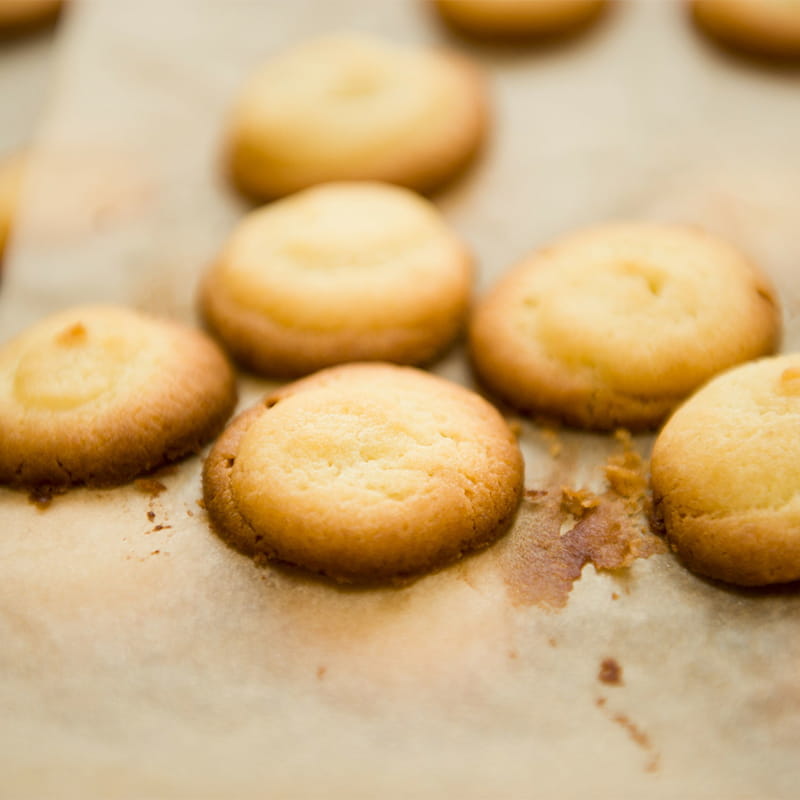
Product Features: 1. Virgin wood pulp 2. Natural unbleached brown color 3. Double sides food grade silicone-treated 4. Fluorine-free 5. Non-stick 6. Oven/Microwave safe 7. Fre...
See Details -
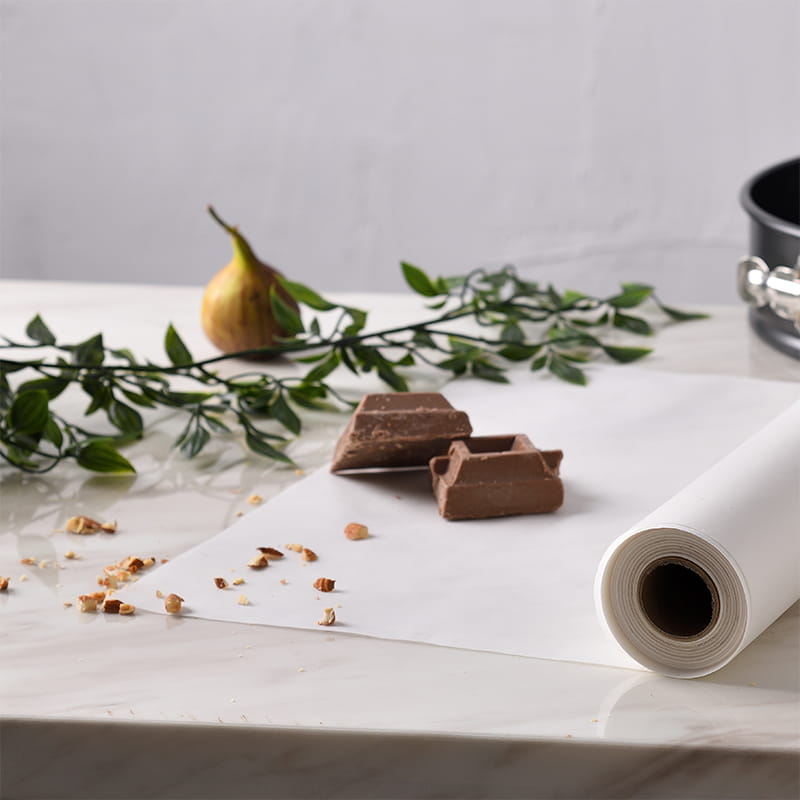
Product Features: 1. Virgin wood pulp 2. Double sides food grade silicone treated 3. Fluorine-free 4. Non-stick 5. Oven/Microwave safe 6. Freezer safe 7. Reusable 8. BPA ...
See Details -
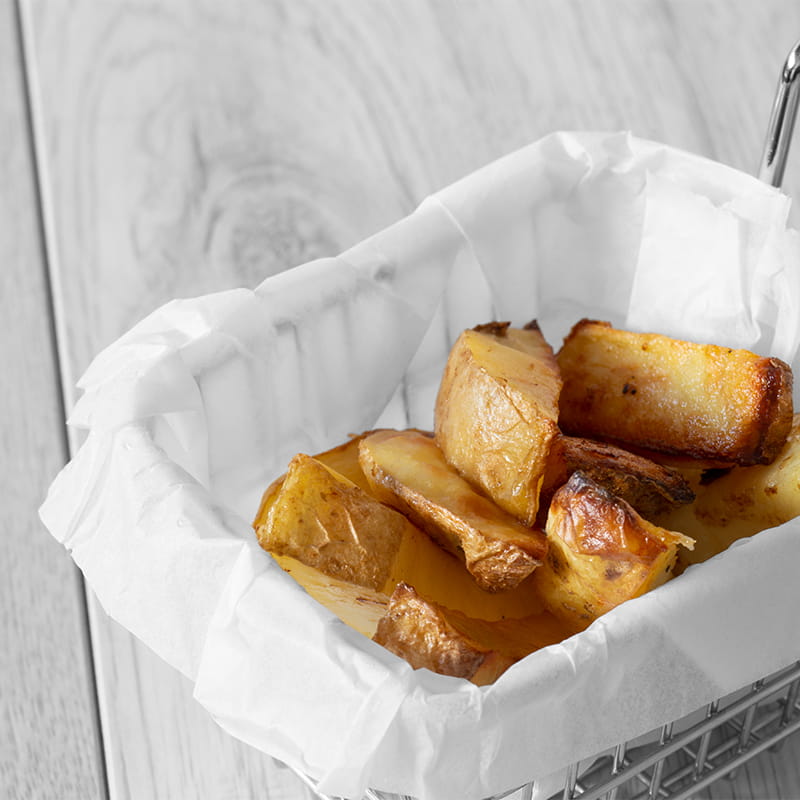
Product Features: 1. Virgin wood pulp 2. Fluorine-free 3. BPA free 4. Biodegradable Product Details: In an era where environmental consciousness and sustainability are paramount, Natu...
See Details -
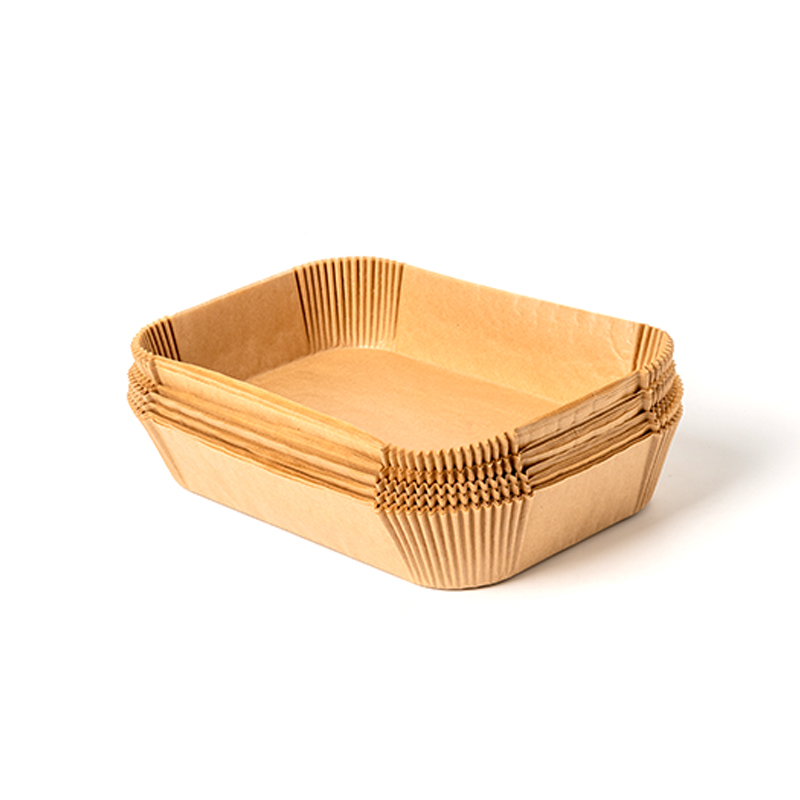
Product Features: 1. Virgin wood pulp 2. Double sides food grade silicone-treated 3. Fluorine-free 4. Non-stick 5. Air fryer basket safe 6. Reusable 7. BPA free 8. Biodeg...
See Details -
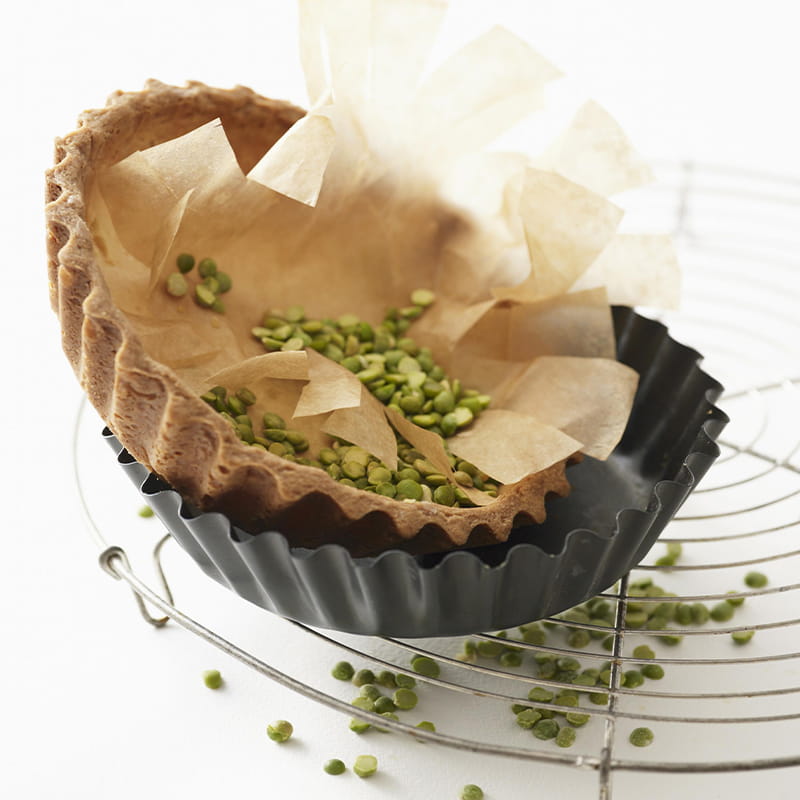
Product Features: 1. Virgin wood pulp 2. Natural unbleached brown color 3. Fluorine-free 4. BPA free 5. Biodegradable Product Details: Introducing our Unbleached Brown Food Grade ...
See Details -
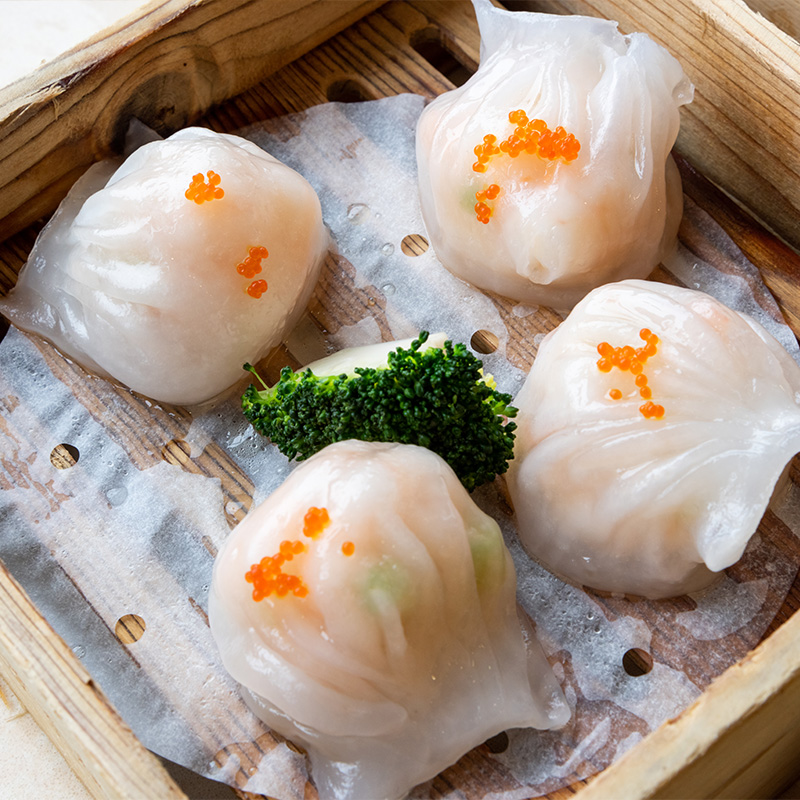
Product Features: 1. Virgin wood pulp 2. Double sides food grade silicone treated 3. Fluorine-free 4. Non-stick 5. Steamer/air fryer basket safe 6. Reusable 7. BPA free 8...
See Details -
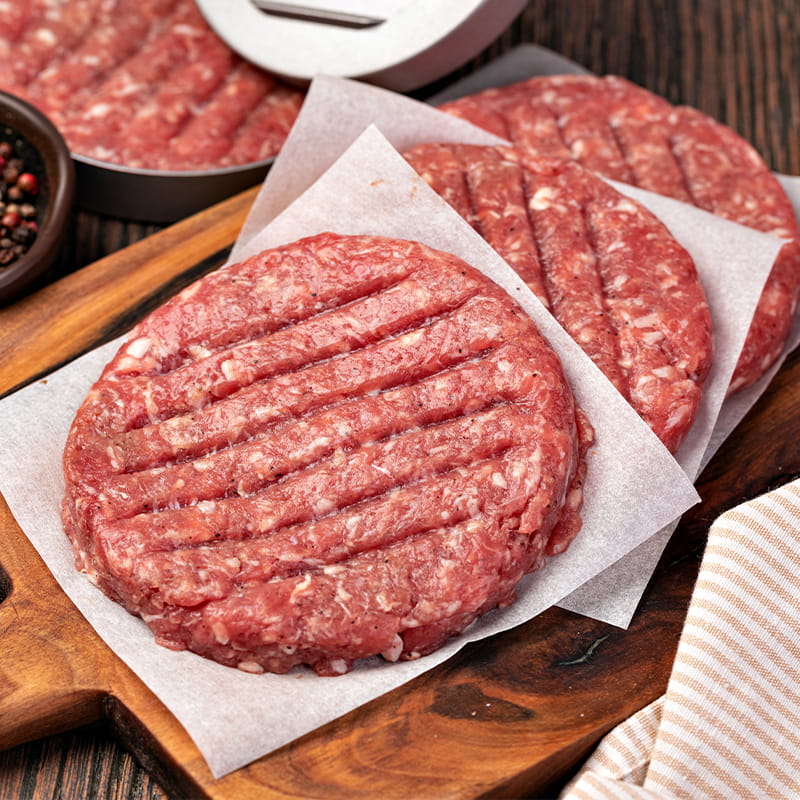
Product Features: 1. Virgin wood pulp 2. Double sides food grade silicone treated 3. Fluorine-free 4. Non-stick 5. Easy to separate 6. Reusable 7. BPA free 8. Biodegradab...
See Details -
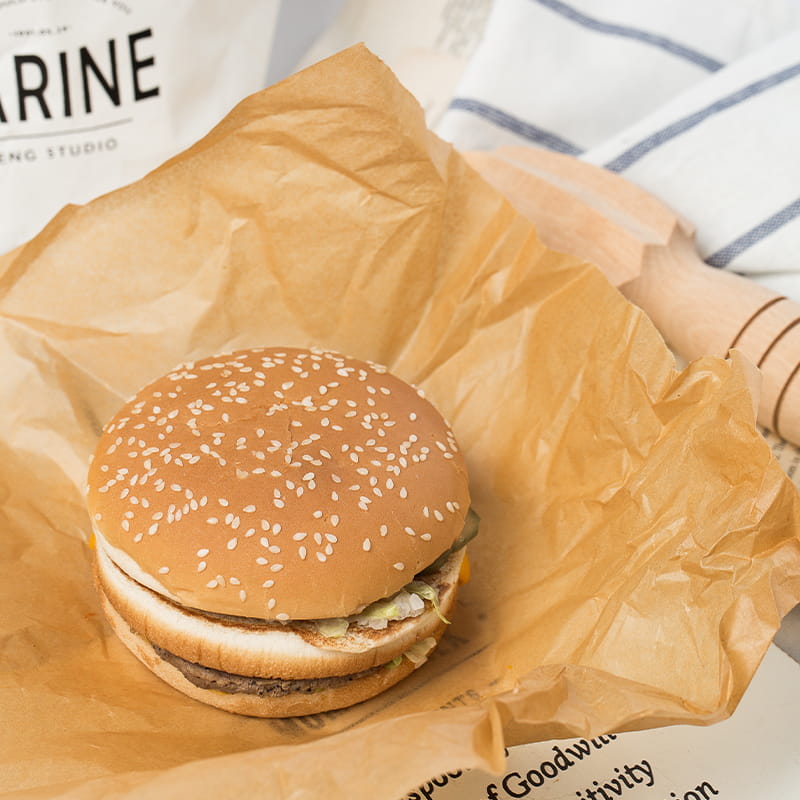
Product Features 1. Virgin wood pulp 2. Flexographic printing 3. Eco-friendly water-based ink 4. BPA free Product Details: Introducing our premium Greaseproof Sandwich Paper Sheets, a...
See Details

Professional Baking Parchment Paper Manufacturer in China with more than 15 years silicone coating experience.
Products
Contact Us
- No.10 Longyin Road, Chengnan Industrial Park,Longyou, Quzhou, China.
- +86-18968091013 / +86-571-88639705
- Avayao-1990@hotmail.com
Copyright © Zhejiang Guanghe New Materials Co., Ltd. All Rights Reserved.
Parchment Paper & Baking Paper Sheets Manufacturer
