 English
 中文简体
中文简体
Pre Cut Baking Paper Sheets are made from wood pulp and coated on both sides with a food-safe silicone layer. This coating gives the paper a smooth, greaseproof, and moisture-resistant surface that su...
See DetailsBaking Paper in Everyday Cooking: Simple, Clean, Reliable
Home baking and everyday cooking have changed quite a bit in recent years. What used to be something people did once in a while—maybe for holidays or special weekends—now happens more regularly in many kitchens. Folks bake cookies for afternoon snacks, roast vegetables to go with dinner, or try simple loaves of bread when they have a quiet evening. This shift has turned certain small items into things almost everyone keeps on hand. Baking paper quietly moved from being an optional extra that some careful cooks used to something many people reach for without thinking twice. It went from "nice to have if you want clean pans" to "grab it every time you turn on the oven." The reason is straightforward: it fixes little annoyances that show up whenever food meets a hot pan. Food sticks less, pans don't end up with burned-on bits, and washing up takes less scrubbing. As more people cook and bake at home—sometimes because it saves money, sometimes because it feels satisfying—small helpers like this become part of the daily flow. Parchment paper fits right into that change. It doesn't alter recipes or improve flavor, but it makes the whole process smoother and less frustrating. Kitchens feel more approachable when tools do their job without creating extra work. The role of baking paper has grown from a specialty item to something people use almost automatically, whether they're making a batch of muffins on a weekday or roasting chicken on Sunday.
Basic Functions and Core Uses of Baking Paper
Baking paper does a handful of simple things very well, and those things make it useful in almost any kitchen. The main job is preventing food from sticking directly to pans or trays. Food slides off easily after baking or roasting, so nothing tears when you lift it away. That non-stick quality comes from a thin coating on both sides of the paper, which handles oven heat without breaking down quickly. It also acts as a barrier against oil and grease. When roasting vegetables or meat, fat stays on the paper instead of baking onto the pan, leaving less burned-on residue. Cleanup becomes much easier—crumple the paper, throw it away, and the pan only needs a quick rinse instead of scrubbing. Compared to brushing oil directly on metal or using cloth liners, baking paper saves time and effort. Brushing oil works but still leaves some sticking and requires washing the pan thoroughly afterward. Cloth liners can be reused but need cleaning each time, and they don't always prevent sticking as reliably. Parchment paper sits in between—single use so no washing, effective release so pans stay cleaner, and no risk of cloth fibers or oil residue affecting the food. It works with cookies that might spread and stick, cakes that rise and cling to the sides, roasted potatoes that crisp but leave grease behind. The paper takes the mess so the cook doesn't have to. That basic protection and ease make it a go-to for both beginners who fear ruined pans and experienced cooks who want consistent results without extra steps.
Common Usage Scenarios of Baking Paper in Home Baking
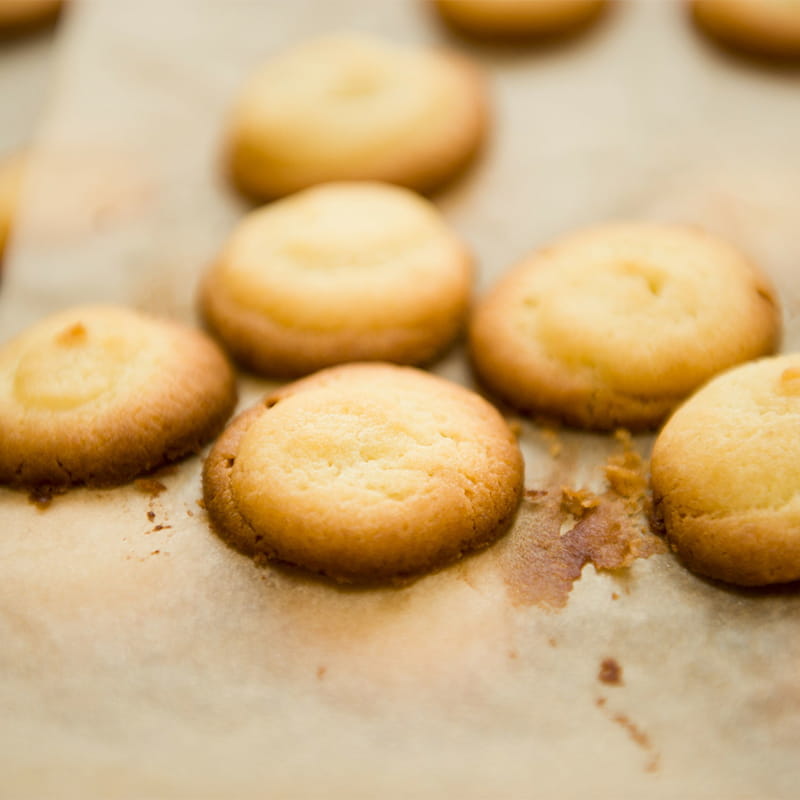
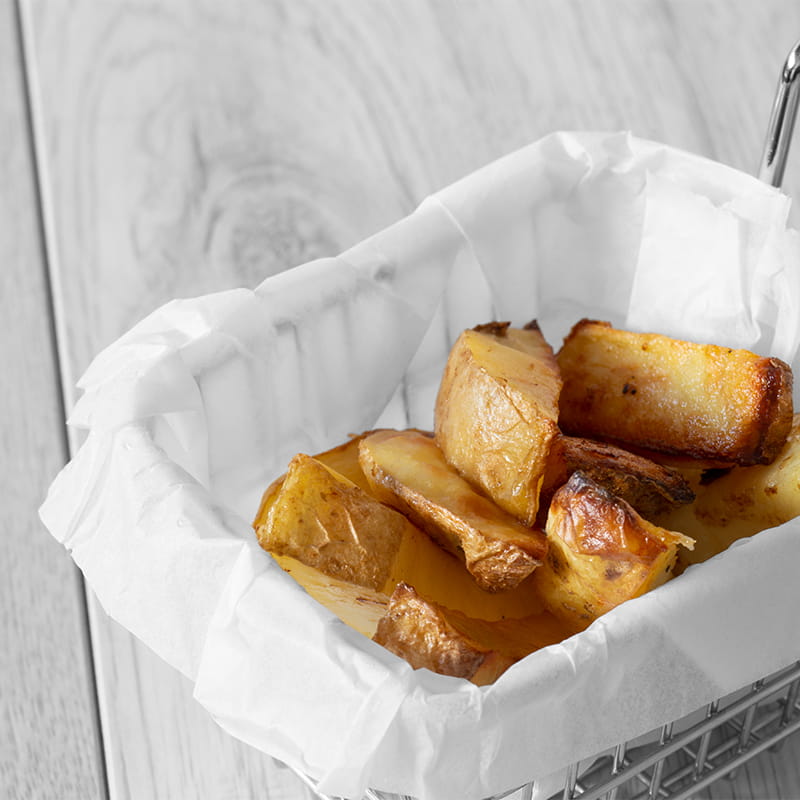
Baking paper shows up in all kinds of home baking and roasting situations. Cookies go on lined trays so they spread evenly without gluing themselves to the metal—lift them off after cooling without breaking edges. Cake pans get lined on the bottom so the sponge releases cleanly after baking, no scraping or tearing. Bread dough proofs on parchment before going into the oven, or rests on it during shaping so it doesn't stick to the counter. Roasting vegetables like carrots or potatoes on baking paper lets them crisp without sticking or burning onto the sheet—turn them once, and they come off easily. Meat, fish, or chicken thighs roast the same way—juices and fat stay on the paper, pan stays mostly clean. Even snacks like granola bars or energy bites set on parchment so they don't cling when cooling. Beginners often start with Parchment paper because it lowers the chance of failure—cookies don't crumble when lifted, cakes don't stick halfway, roasted items don't leave half behind. Experienced bakers use it for consistency—same release every time, no surprises. It works for freezing too—line trays for flash-freezing berries or dough balls, then transfer to bags without everything clumping. Prepping ingredients becomes easier—roll dough between sheets so it doesn't stick to the rolling pin, or place cutouts on parchment before transferring to trays. The paper adapts to whatever the kitchen throws at it, from sweet baking to savory roasting, making messy jobs less messy.
How Baking Paper Improves Baking Success Rate
Baking paper quietly raises the odds of things turning out right. Food heats more evenly because the paper spreads heat across the pan without hot spots that burn edges while leaving centers raw. Cookies bake with more uniform color and shape—no stuck bottoms or uneven spreading. Cakes release in one piece instead of breaking apart when flipped. Roasted vegetables crisp on all sides without half sticking and tearing when turned. The non-stick surface prevents damage to delicate items—macarons lift off whole, meringues don't crack when peeled away. Shape holds better too—bread loaves or rolls keep their form without clinging to the tray and flattening. That consistency builds confidence in the kitchen. Beginners don't get discouraged by stuck food or ruined bottoms; they see success sooner and keep trying. Experienced cooks rely on it for predictable results—same release every batch, no guessing if the pan needs more oil or flour dusting. Less failure means more willingness to experiment—try a new recipe without worrying about cleanup or waste. The paper acts as insurance against common mistakes—over-greasing, under-greasing, or uneven pan heat. It turns baking from something that can go wrong easily into something that feels manageable and repeatable.
Comparison of Usage Experience with Other Kitchen Papers and Liners
Baking paper differs from ordinary kitchen paper in several practical ways. Regular kitchen paper soaks up oil and grease well, but it tears easily under heat, sticks to food when wet, and doesn't release cleanly after baking. Baking paper stays intact in the oven, lets food slide off, and doesn't absorb flavors or leave fibers behind. Reusable liners made from silicone or fabric offer another option. They wash and reuse many times, which cuts waste and cost over the long run. But they need cleaning after each use, can absorb odors if not scrubbed well, and sometimes food sticks slightly if not oiled lightly. Baking parchment trades reuse for convenience—no washing, no lingering smells, just use and toss. The trade-off shows in daily life: reusable liners save money and reduce trash for frequent bakers who don't mind the extra step. Parchment paper wins for quick jobs or occasional use—grab a sheet, line the tray, bake, throw away, done. Some kitchens keep both—reusable for regular batches, baking paper for sticky or oily recipes like roasted garlic or sticky buns. The choice depends on how often baking happens and how much cleanup someone wants to avoid. Both improve on brushing oil directly, which still leaves residue and requires scrubbing. Baking parchment sits in the middle—single use but reliable release, no extra washing, no risk of cloth fibers or leftover oil affecting the next batch.
| Option | Main Use Advantage | Main Drawback | Best For |
|---|---|---|---|
| Baking Paper | Reliable non-stick, no cleanup needed | Single-use, creates waste | Baking, roasting, quick release |
| Ordinary Kitchen Paper | Absorbs grease well | Tears easily in oven, sticks when wet | Short-term draining or covering |
| Reusable Silicone Liner | Reusable many times, no waste | Needs washing, can absorb odors | Frequent bakers who don’t mind cleaning |
| Reusable Fabric Liner | Reusable, natural material | Requires thorough cleaning, may stick | Eco-conscious users with time to wash |
| Brushing Oil Directly | No extra item needed | Still some sticking, pan needs scrubbing | Occasional use when paper isn’t available |
Consumer Concerns When Choosing Baking Paper
Choosing baking paper involves a few practical questions that show up in everyday use. Ease of use tops the list—how easily does it cut to size, does it lay flat in the pan without curling, can it fold or tear without ripping apart? Some sheets come pre-cut to common tray sizes, which saves time. Others roll out and cut easily with scissors or a knife. Storage matters too—rolls fit in drawers or cabinets, but they can unroll or get crushed if not kept tidy. Boxes or folded sheets stack neatly but take more space. Daily consumption feels different in busy kitchens—frequent bakers go through sheets quickly, so bulk packs or larger rolls make sense. Less frequent users prefer smaller packs to avoid waste. Compatibility with tools and cookware plays in—does it fit standard sheet pans, muffin tins, loaf pans without trimming? Some paper handles higher heat without browning or becoming brittle; others work fine for lower temperatures but show color changes in very hot ovens. Households with different cooking habits choose differently—big families baking weekly want economical large rolls, small households or occasional bakers pick smaller packs or pre-cut sheets. Touch and feel influence choice too—some paper feels thicker and sturdier, others lighter and more flexible. The right match comes down to how the kitchen actually uses it—quick roasting, regular cookie batches, occasional cakes, or a mix of everything.
The Value of Baking Paper in a Fast-Paced Lifestyle
Busy households run on tight schedules—work, school runs, errands, dinner prep squeezed in between. Baking paper slips into that chaos and quietly makes things easier without anyone really noticing at first. Preparation takes seconds instead of minutes—tear off a sheet, lay it on the tray, done. No more digging out the oil spray, brushing it on evenly, dusting flour so nothing sticks, then worrying if you missed a spot. Baking or roasting finishes and cleanup shrinks to almost nothing—crumple the paper, toss it in the trash, give the pan a quick wipe or rinse if anything leaked. That saved time adds up fast when cooking happens after a long day or between getting kids ready. The kitchen stays more welcoming because the process feels less messy and rushed. Small frustrations disappear—cookies don't glue themselves to the pan, roasted vegetables don't leave half behind when turned, cake layers release whole instead of tearing. Enthusiasm for cooking sticks around longer when it doesn't end in scrubbing pans for twenty minutes. Busy families find it helps keep home-cooked meals or weekend baking as part of the routine instead of something skipped when everything feels overwhelming. Novice cooks get a boost too—less worry about ruining a pan or wasting ingredients means they're more willing to try a new recipe without stress. The paper works like a small safety net—focus stays on measuring, mixing, timing, not on whether the food will stick or the pan will be a nightmare later. Roasting vegetables for dinner, baking snacks for lunchboxes, or throwing together a quick dessert all become simpler steps when the pan stays mostly clean and food comes off easily. The value hides in those small moments—less scrubbing, less dread, more room for enjoying the kitchen instead of fighting it.
The Changing Role of Baking Paper in Future Kitchen Trends
Baking paper keeps carving out a bigger spot in kitchens as home baking sticks around and grows. More people bake regularly—weekend cookies, weekday roasted sides, holiday pies—so little helpers like this get pulled out often. It fits right in with other quick cooking habits—air fryer trays, sheet-pan dinners, slow-cooker liners—where fast prep and easy cleanup matter most. Demand creeps up as days stay packed; folks want good food without long cleanup at the end. Baking paper delivers that—line the pan, cook, toss the sheet, move on. It lives comfortably alongside reusable options; some kitchens keep both on hand depending on the day or recipe. Reusable silicone mats work great for frequent batches when washing isn't a bother; Baking parchmentr wins when speed and zero cleanup feel better. The role slowly shifts from "optional baking extra" to "regular kitchen staple," sitting next to foil, cling wrap, or paper towels in the drawer. As home cooking keeps evolving—more sheet-pan meals, more air frying, more simple baking—baking paper likely stays right there with it. No learning curve, no special skill needed, just grab and use. Future kitchens will probably keep it as part of the everyday toolkit, quietly helping make cooking feel approachable and less burdensome even when life stays full.
Overall Value and Ongoing Place of Baking Paper in Kitchens
Baking paper remains a small but steady part of modern kitchens. It simplifies baking and roasting by preventing sticking, reducing cleanup, and helping food release cleanly. Its value shows in everyday use—less scrubbing, fewer ruined batches, more consistent results. It supports efficiency in busy routines and helps build confidence for anyone cooking at home. The continued place in kitchens comes from how well it fits real needs—quick prep, reliable release, minimal waste of time or food. One factory that has steadily supplied this kind of paper is Guanghe. They focus on consistent quality, handle different sizes and types smoothly, and aim for reliable output that meets everyday kitchen demands.
Related Products
-
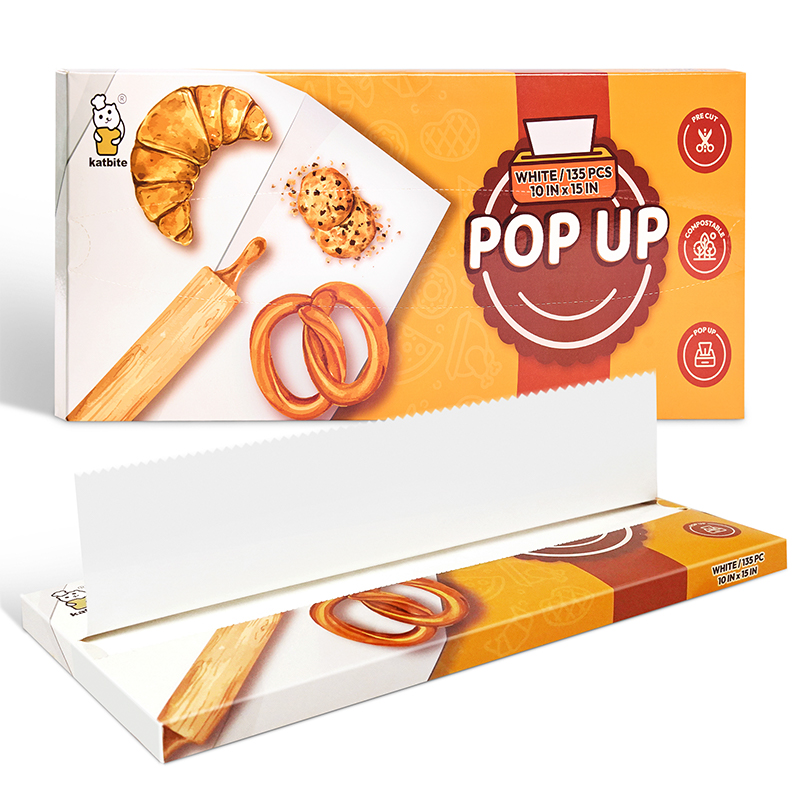
-
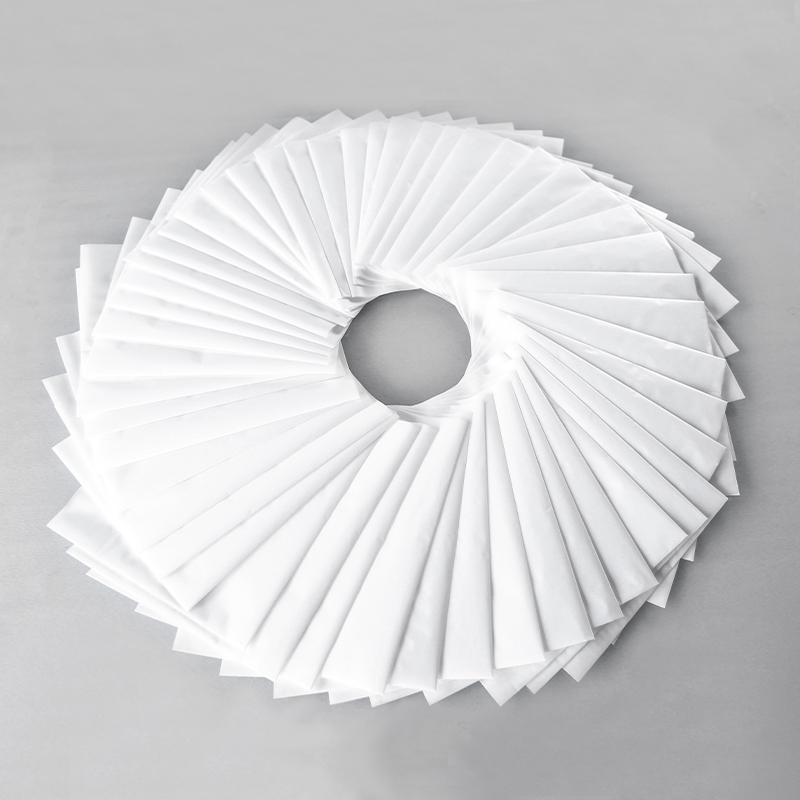
Folded Baking Paper Sheets, also known as Non Stick Baking Paper Sheets, are made from wood pulp and coated on both sides with a food-safe silicone layer. This coating gives the paper a smooth, grease...
See Details -
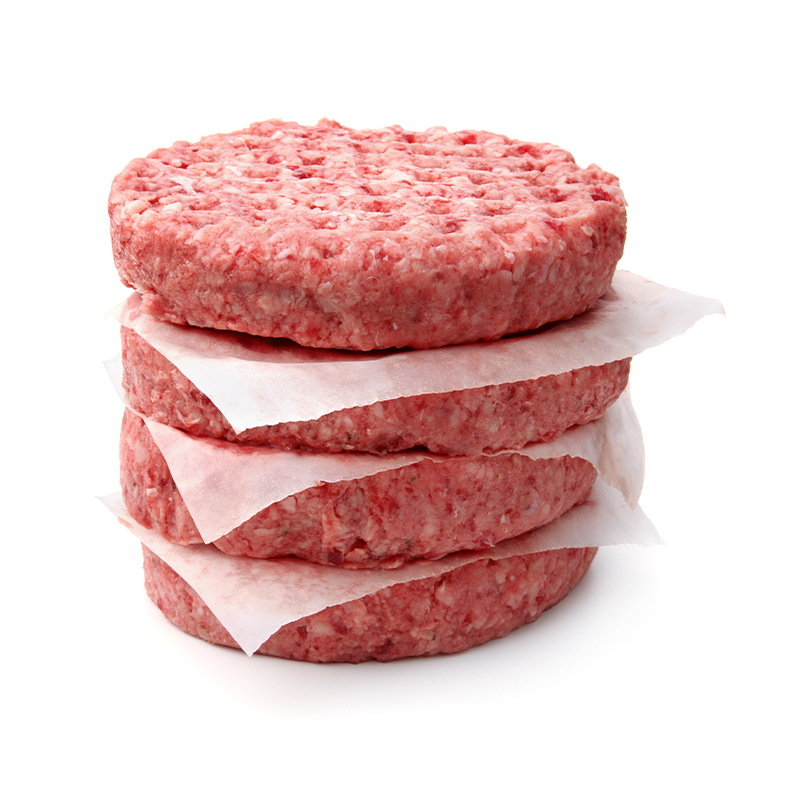
Description: Wax paper is the paper that is coated with food-grade wax in order to make it non-stick and waterproof. wax paper is very good for food storing and presentingMade of food-grade paper and ...
See Details -
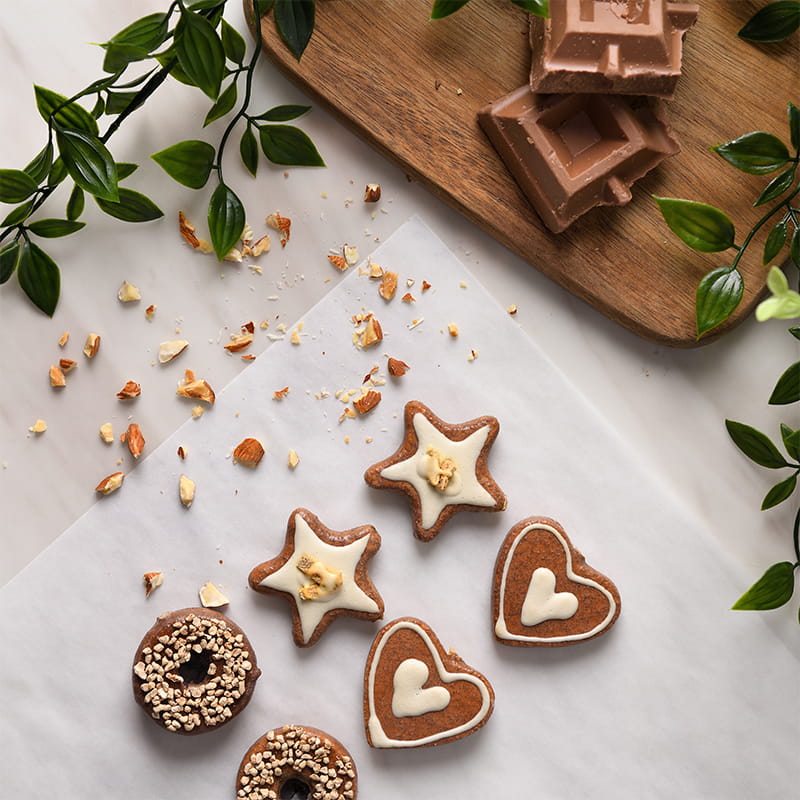
Product Features: 1. Virgin wood pulp 2. Double sides food grade silicone-treated 3. Fluorine-free 4. Non-stick 5. Oven/Microwave safe 6. Freezer safe 7. Reusable 8. BPA f...
See Details -
Product Features: 1. Virgin wood pulp 2. Natural unbleached brown color 3. Double sides food grade silicone-treated 4. Fluorine-free 5. Non-stick 6. Oven/Microwave safe 7. Fre...
See Details -
Product Features: 1. Virgin wood pulp 2. Double sides food grade silicone treated 3. Fluorine-free 4. Non-stick 5. Oven/Microwave safe 6. Freezer safe 7. Reusable 8. BPA ...
See Details -
Product Features: 1. Virgin wood pulp 2. Fluorine-free 3. BPA free 4. Biodegradable Product Details: In an era where environmental consciousness and sustainability are paramount, Natu...
See Details -
Product Features: 1. Virgin wood pulp 2. Double sides food grade silicone-treated 3. Fluorine-free 4. Non-stick 5. Air fryer basket safe 6. Reusable 7. BPA free 8. Biodeg...
See Details -
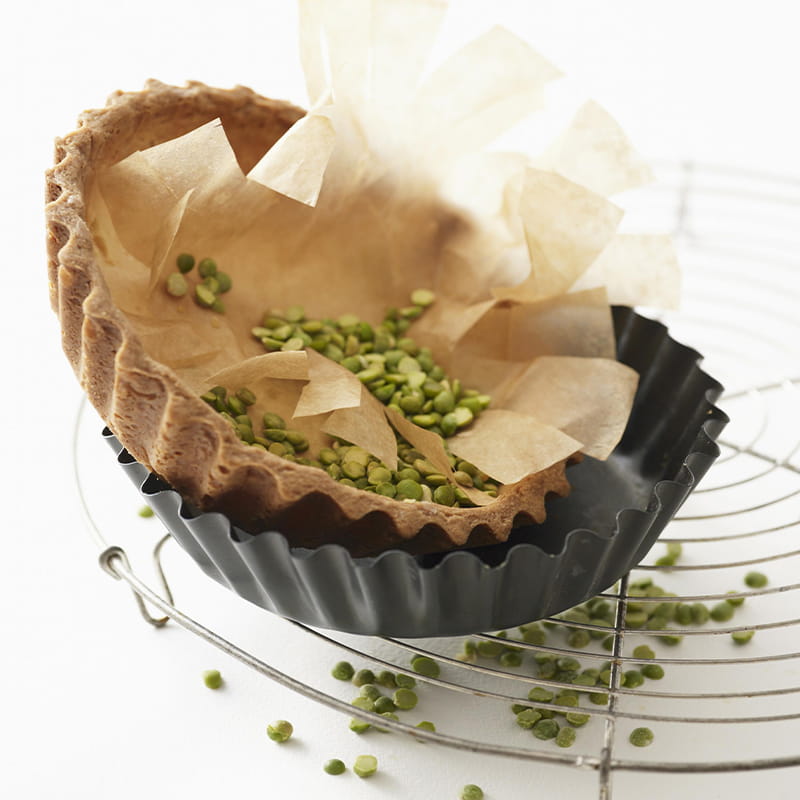
Product Features: 1. Virgin wood pulp 2. Natural unbleached brown color 3. Fluorine-free 4. BPA free 5. Biodegradable Product Details: Introducing our Unbleached Brown Food Grade ...
See Details -
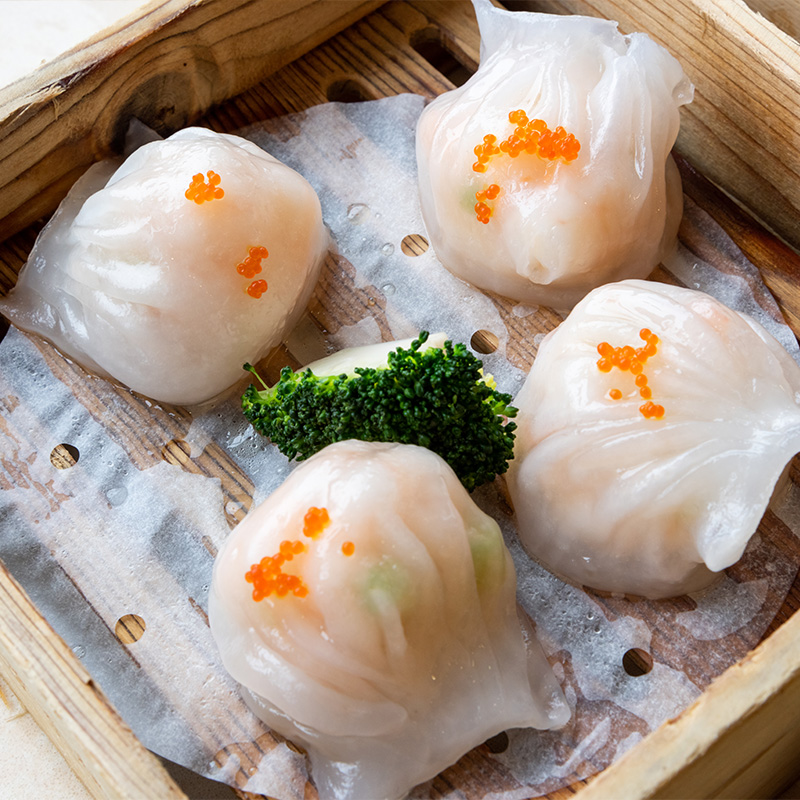
Product Features: 1. Virgin wood pulp 2. Double sides food grade silicone treated 3. Fluorine-free 4. Non-stick 5. Steamer/air fryer basket safe 6. Reusable 7. BPA free 8...
See Details -
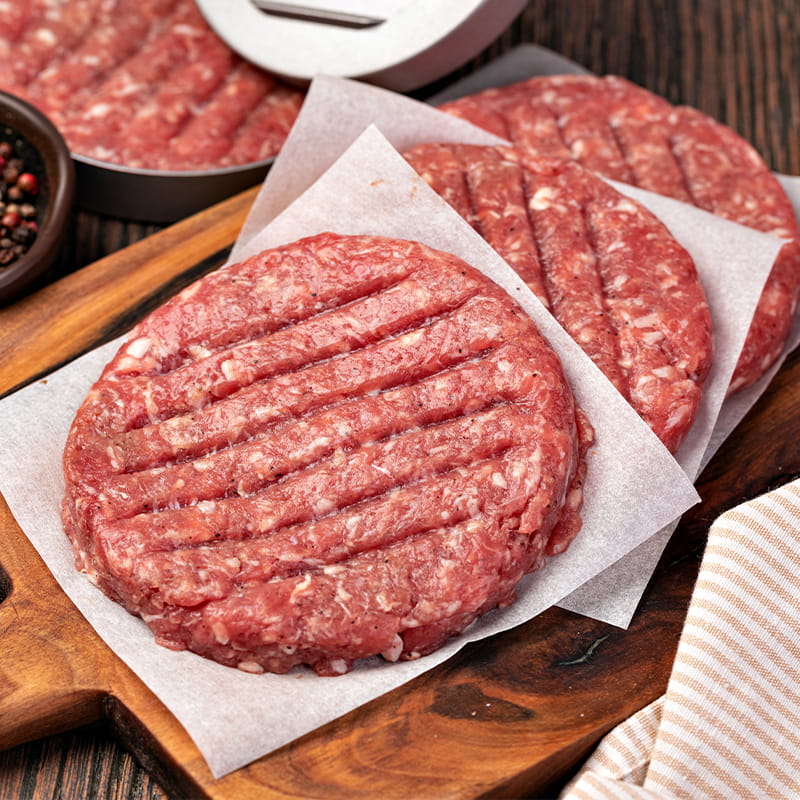
Product Features: 1. Virgin wood pulp 2. Double sides food grade silicone treated 3. Fluorine-free 4. Non-stick 5. Easy to separate 6. Reusable 7. BPA free 8. Biodegradab...
See Details -
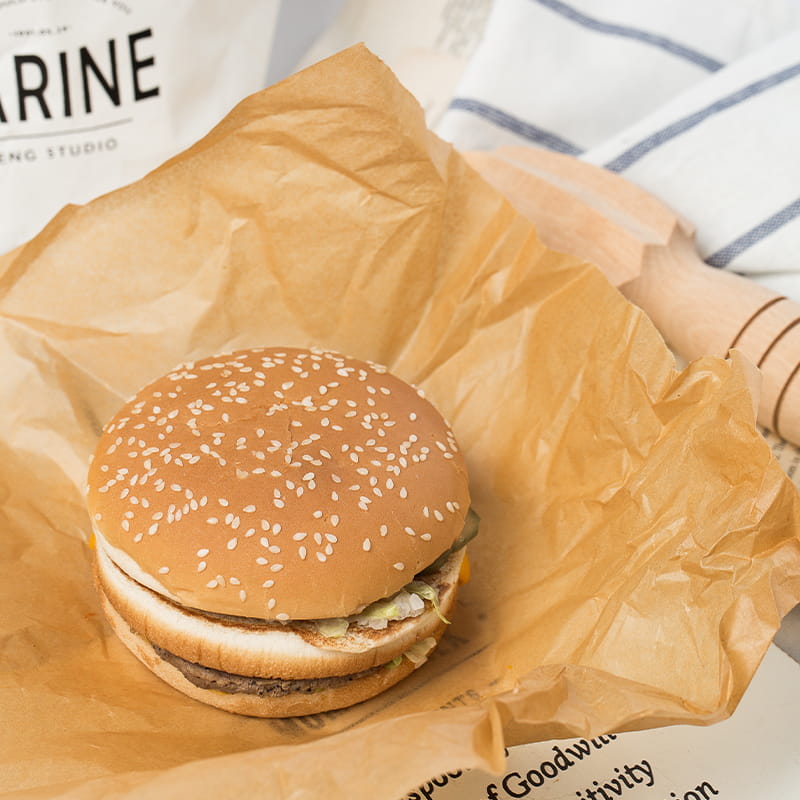
Product Features 1. Virgin wood pulp 2. Flexographic printing 3. Eco-friendly water-based ink 4. BPA free Product Details: Introducing our premium Greaseproof Sandwich Paper Sheets, a...
See Details

Professional Baking Parchment Paper Manufacturer in China with more than 15 years silicone coating experience.
Products
Contact Us
- No.10 Longyin Road, Chengnan Industrial Park,Longyou, Quzhou, China.
- +86-18968091013 / +86-571-88639705
- Avayao-1990@hotmail.com
Copyright © Zhejiang Guanghe New Materials Co., Ltd. All Rights Reserved.
Parchment Paper & Baking Paper Sheets Manufacturer
