 English
 中文简体
中文简体
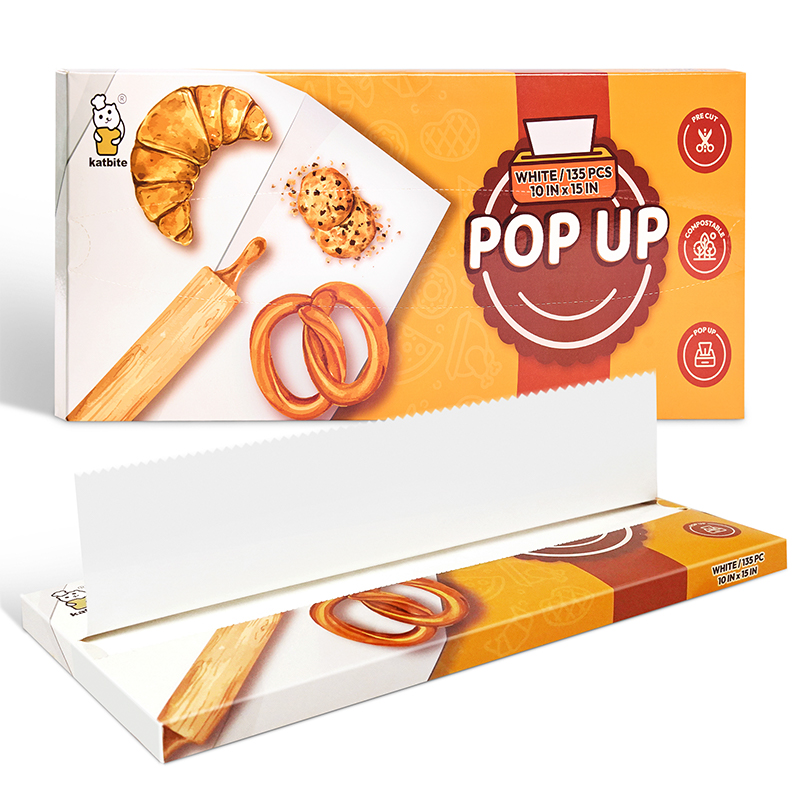
Pre Cut Baking Paper Sheets are made from wood pulp and coated on both sides with a food-safe silicone layer. This coating gives the paper a smooth, greaseproof, and moisture-resistant surface that su...
See DetailsGuanghe Parchment Paper: Eco-Friendly Kitchen Essential
Lately, just about every conversation about cutting down waste seems to land on the kitchen sooner or later. That's the room where wrappers, bags, foil, and all kinds of single-use stuff pile up fast—after making dinner, packing lunches, or grabbing takeout. Folks have started noticing how much ends up in the trash bin after one quick use. Pictures of oceans full of plastic or landfills that keep growing have a way of sticking in people's heads. Because of that, plenty of households are poking around for everyday items that still get the job done but don't leave behind a mess that lasts forever.
One thing showing up more and more on countertops and in pantry drawers is Parchment Paper. It's been a baker's friend for ages—slide a sheet under cookies or a cake, and nothing sticks. But these days, cooks pull it out for all sorts of other jobs too. A roll sits handy next to the stove because it works for steaming fish, wrapping sandwiches, or catching drips in the air fryer. Cafes tuck it around hot pastries, and takeout spots line boxes with it to keep fries crisp. The switch happens quietly. Someone buys a roll to try for roasting potatoes, sees how the tray rinses clean in seconds, and next week reaches for it again when packing tomorrow's lunch. Bit by bit, without any big fuss, the kitchen starts running with less trash and less scrubbing. That gradual change feels doable, and that's why the liner keeps gaining ground in regular homes.
Materials and Production: The Green Story Behind Parchment Paper Manufacturing
Everything starts with trees grown in forests where new ones get planted to replace what's cut. Workers turn the wood into soft pulp by cooking and washing it carefully. That pulp spreads out thin on big machines, dries into long sheets, and winds onto rolls. A very light silicone coating gets brushed on—just enough to make food slide off and stand up to oven heat without tearing or burning.
Compared to digging oil for plastic wrap or mining ore for foil, this way leans heavier on stuff that grows back. Factories keep an eye on water use, running it through filters so the same batch cycles several times. Steam from dryers often warms the next step instead of venting out. Leftover bits of pulp don't hit the trash; they head right back into the machine or turn into packing material. Power comes from a mix of sources, with many places adding solar panels or wind contracts to cut the bill and the footprint.
Safety gets built in from the start. The silicone layer stays put when things get hot, so nothing odd moves into the food. Producers skip strong bleaches or dyes that could wash into streams later. From forest to finished roll, the whole setup tries to keep things clean on the way in and on the way out.
How Parchment Paper Serves as an All-Purpose Kitchen Helper
Of course, lining a baking sheet is still the go-to move. Spread a piece on the tray, drop cookie dough or chicken wings, and when the timer dings, everything lifts off without leaving half the food behind. But the sheets earn their keep in plenty of other spots around the kitchen.
Fold one into a loose packet with salmon, sliced lemons, and a sprinkle of herbs—crimp the edges, pop it in the oven, and dinner steams itself while flavors stay trapped inside. Same idea works great for mixed veggies or potato wedges; the tray underneath stays almost dry. Microwave leftovers heat more evenly when they sit on a sheet instead of straight on the plate—no more soggy bottoms on pizza slices.
Wrapping cheese or cold cuts for the fridge lets just enough air through to keep things fresh without turning slimy. Takeout counters fold burgers or burritos inside pieces that soak up grease but let steam escape so buns don't go soft. Home cooks stack a few layers to drain fried onions or doughnuts, saving handfuls of paper towels.
Even the grill basket or air fryer gets a liner to catch crumbs and splatters, making cleanup a quick shake into the bin. Rolling out pie crust between two sheets keeps the counter clean and the dough tender. Once people start playing around, the roll becomes one of those quiet workhorses—always there when needed, handling whatever job comes up.
Food hangs onto flavor and texture longer too. Herbs stay bright, breaded coatings keep their crunch, and strong smells don't jump from one wrapped item to another in the fridge. Pans and ovens stay way cleaner, cutting down on elbow grease and harsh scrubbers.
Degradability and Better Waste Management with Parchment Paper
Toss a used sheet into the backyard compost or the city's green bin, and it starts falling apart pretty quick. Dampness and all the tiny creatures in the dirt get to work, softening the fibers until they mix right back into the soil. Nothing stubborn hangs around—no little plastic bits that float around for years.
Regular households see their kitchen trash bag get lighter week by week. Plain or lightly greased pieces break down easily next to eggshells and coffee grounds. Even sheets with a bit more food residue disappear faster than plastic and take up less room in the regular garbage. Towns with yard-waste pickup happily take them along with leaves and clippings.
Landfills get a break as well. Stuff that vanishes in months instead of centuries means less space filled and fewer nasty liquids leaking out over time. Little by little, swapping out everyday disposables for ones that go back to nature eases the load on waste sites all over.
| Liner Type | Usual Breakdown Speed | Home Compost Friendly | Effect on Landfill Space | Leftover in Soil/Water |
|---|---|---|---|---|
| Parchment Paper | Weeks to a few months | Yes, if not too greasy | Keeps growth low | Hardly any trace |
| Plastic Film | Takes hundreds of years | No go | Builds up steadily | Leaves tiny pieces |
| Aluminum Foil | Stays forever | Can't compost | Adds permanent metal | None, but doesn't renew |
| Waxed Paper | Breaks down slowly | Sometimes okay | Takes moderate room | Wax can hang around |
Looking at them side by side makes it easier to see why one choice leans greener than another.
Market Trends: Shifting Consumer Demand for Greener Kitchen Products
Head into the grocery store these days and the baking aisle tells the story. Rolls and flat packs of plant-based liners take up more room because shelves need restocking often. Shoppers linger a little longer, flipping packages over to read about renewable pulp or compost instructions. That extra look shows how people tie what they cook tonight to bigger worries about tomorrow.
Cafes and quick-service spots pick up the vibe too. Some test new wrappers on sandwiches or line trays with sheets that breathe. Customers notice and sometimes mention it at the counter. Suppliers keep pallets ready and add different sizes—small boxes for apartments, big rolls for busy counters.
Makers roll out new options to keep pace: unbleached sheets for folks wanting fewer steps, heavier grades for juicy meats. Packages spell out plant sources and disposal tips in plain language, helping busy buyers grab the right thing fast.
Cost-Benefit Analysis: Long-Term Economic Advantages of Regular Parchment Paper Use
Sure, a roll costs a bit more than the basic cling film when you initially pick it up.But dig a little deeper and the numbers shift. Barely any oil needed for roasting veggies, almost no spray cans emptied, and pans that rinse clean under hot water—those little bits saved add up over a month of meals.
Cafes and restaurants see it clearest. Buying in bulk drops the price per sheet, and staff finish cleanup faster when trays aren't crusted over. Ovens and pans last longer without burnt-on buildup. Home kitchens make one roll cover weeks: a piece for cookies Monday, another for wrapping cheese Wednesday, a couple more to catch fryer drips on weekend wings.
Food keeps longer in the fridge, so less gets tossed when it goes bad. Dishwater runs shorter, trimming the water bill a bit. After a full year of steady use, plenty of households find the greener pick ends up easier on the wallet too.
Industry Challenges and Future Prospects: Obstacles and Innovation Opportunities Ahead
In some areas, old routines hang on tight. People reach for whatever's been on the shelf forever or whatever costs least that week. Stores there keep smaller stock, so the loop stays small. Price still nudges some buyers back to plastic even when they'd rather try something else.
Teams keep tinkering with fiber mixes to handle hotter ovens or heavier grease without extra coatings. Some play with adding seeds that sprout when the sheet hits the compost, or thin versions safe to eat for true zero waste. Hauling materials shorter distances cuts fuel use along the way.
Getting everyone on board takes shared effort. Grocers set up sample displays, cafes slip info cards into bags, city programs explain green-bin rules clearly. When suppliers, shops, and waste crews pull together, word spreads and shelves fill faster.
Simple Ways to Bring the Baking Liner into Regular Kitchen Routines
Lots of cooks feel a little unsure when they initially spot a roll of this plant-based sheet on the shelf.It looks like yet another thing to buy, but after a couple of tries, it usually ends up staying on the counter for good. The easiest way to start is small—grab a roll next time you're shopping and use it to line the pan for a batch of roasted carrots or chicken thighs. The food comes off clean, the tray needs barely a rinse, and that quick win often hooks people.
Weeknight dinners get simpler too. Cut a big piece, pile on sliced zucchini, onions, a drizzle of oil, fold the edges loosely, and slide it into the oven. Everything cooks in its own steam, flavors mix nicely, and there's no greasy pan waiting afterward. Leftovers cool fast when you just open the packet and let the heat out. Packing school or work lunches turns easier—wrap a turkey sandwich or some fruit slices, and the bread stays soft but not soggy, even hours later.
Keeping the roll handy helps build the habit. Tuck it in a drawer near the stove or stand it upright next to the foil. On lazy weekends, lay a sheet in the air-fryer basket to catch cheese drips from nachos or crumbs from frozen fries. Cleanup becomes a shake over the bin and a quick wipe. Before long, reaching for the liner feels as natural as grabbing a spoon. Families notice the trash bag isn't as full, dishes take less time, and the kitchen stays tidier without extra effort. The change sneaks in one meal at a time, turning into something everyone just does.
Clearing Up Questions About Switching to Plant-Based Liners
People often ask if this sheet really cuts down on waste enough to matter. The answer comes down to everyday use—yes, especially for anyone who cooks or packs food regularly. Plastic wrap and foil do their jobs, but they add to piles that never fully disappear. The plant sheet handles the same tasks and then breaks down in soil or compost, leaving far less behind.
Another worry is the silicone coating. In decent rolls, it's a thin, stable layer made to stay put through normal oven heat, so nothing unwanted gets into the food. Unbleached kinds appeal to those who prefer fewer processing steps, while bleached ones still meet safety checks and sometimes grip sticky batters better.
Cost comes up a lot too. The roll might seem pricier at a quick look, but one lasts through many meals—one piece lines a tray, another wraps deli meat, a third drains bacon. Less oil, fewer scrubbers, and hardly any stuck-on messes mean the money stretches further than it seems. Sales or larger rolls bring the price down even more.
Disposal questions pop up as well. Many cities take lightly used sheets in green bins along with yard clippings. At home, plain or lightly soiled pieces go straight into the compost pile. Heavier grease just means it heads to regular trash, but it still takes up less space and breaks down quicker than plastic. All these little details make the swap feel straightforward rather than complicated, fitting into busy days without adding hassle.
Moving Toward More Sustainable Kitchens and a Greener Future
Day after day, this plain baking liner helps kitchens run smoother with far less waste. It steps in for materials that never go away, handling the same daily jobs while fading back into the earth harmlessly. Cooking stays easy and tasty, but the trash bin stays lighter.
Every home or business that keeps a roll on the counter adds to the pile of small changes turning into something bigger. Choosing to line a pan or wrap a sandwich today builds quieter habits for tomorrow.
Factories like Guanghe keep turning out steady, reliable sheets from well-chosen plant fibers, making sure homes, bakeries, cafes, and packaging lines have what they need as the switch grows. As more kitchens lean this way, simple tools like this one clear the path for meals that taste good and leave the planet a little better off for the long haul.
Related Products
-
-
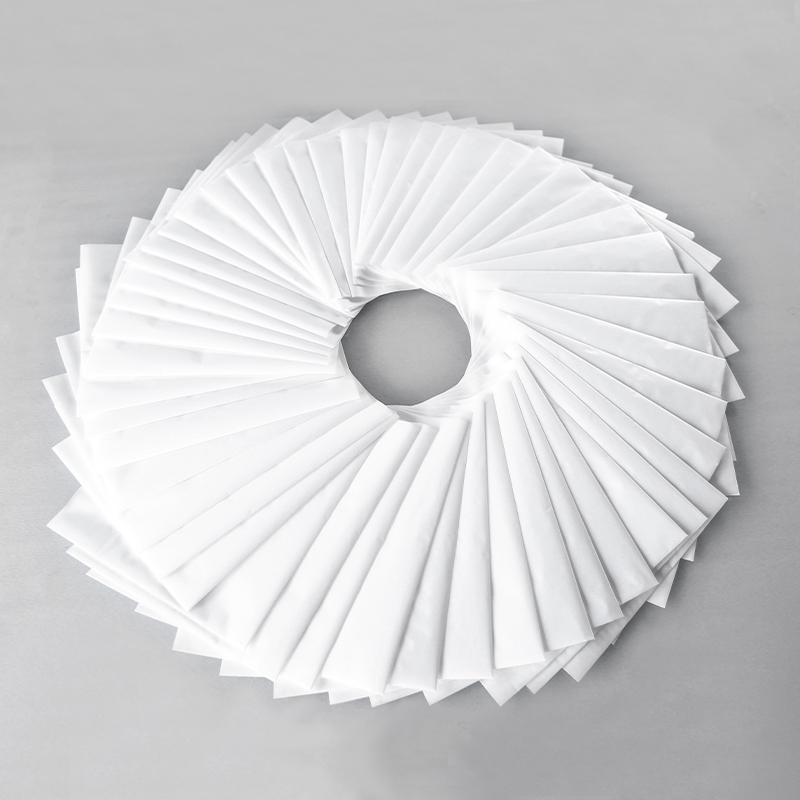
Folded Baking Paper Sheets, also known as Non Stick Baking Paper Sheets, are made from wood pulp and coated on both sides with a food-safe silicone layer. This coating gives the paper a smooth, grease...
See Details -
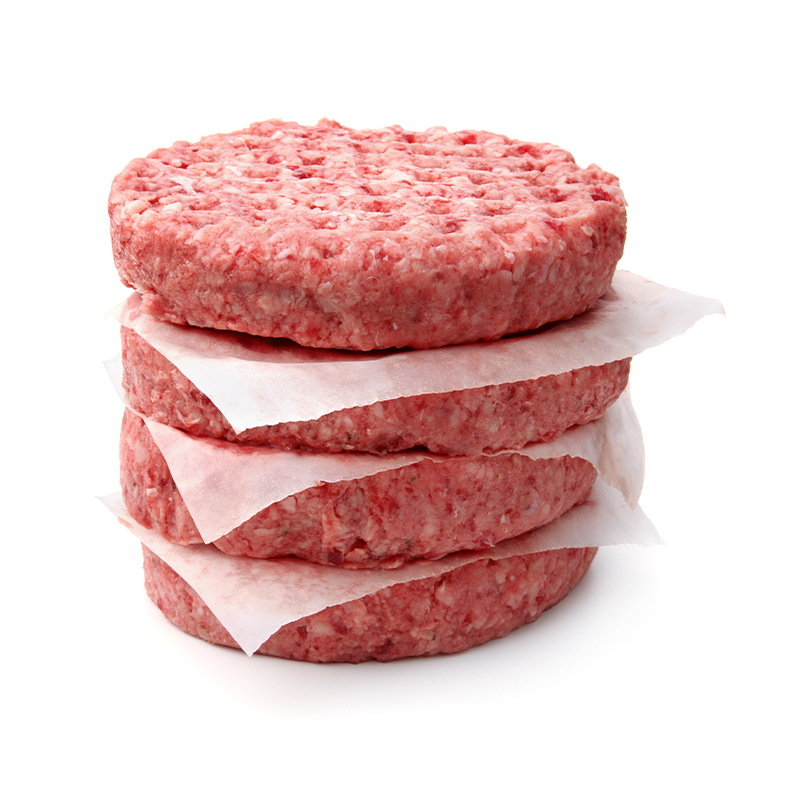
Description: Wax paper is the paper that is coated with food-grade wax in order to make it non-stick and waterproof. wax paper is very good for food storing and presentingMade of food-grade paper and ...
See Details -
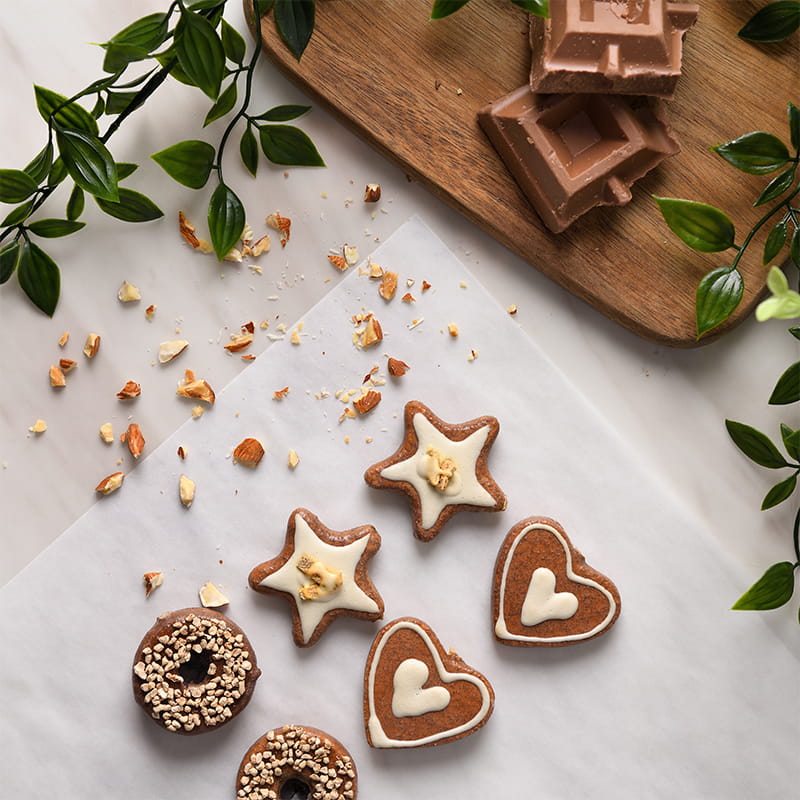
Product Features: 1. Virgin wood pulp 2. Double sides food grade silicone-treated 3. Fluorine-free 4. Non-stick 5. Oven/Microwave safe 6. Freezer safe 7. Reusable 8. BPA f...
See Details -
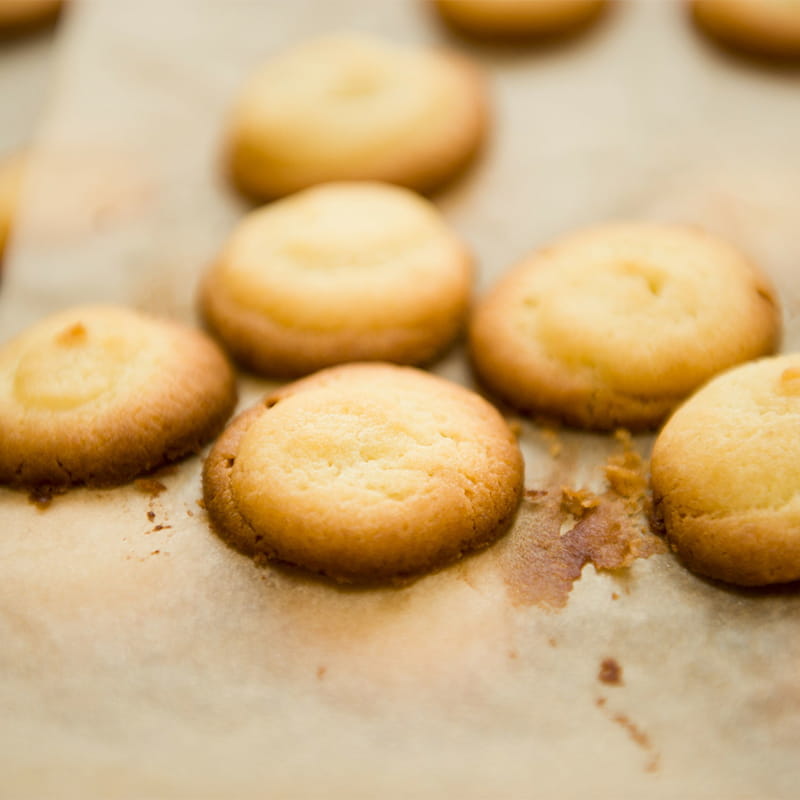
Product Features: 1. Virgin wood pulp 2. Natural unbleached brown color 3. Double sides food grade silicone-treated 4. Fluorine-free 5. Non-stick 6. Oven/Microwave safe 7. Fre...
See Details -
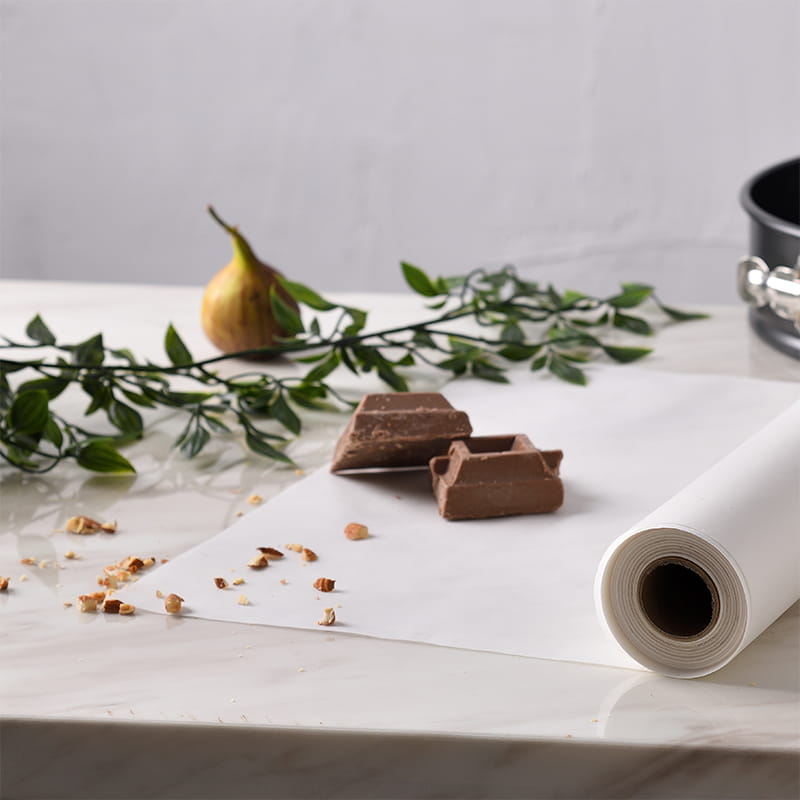
Product Features: 1. Virgin wood pulp 2. Double sides food grade silicone treated 3. Fluorine-free 4. Non-stick 5. Oven/Microwave safe 6. Freezer safe 7. Reusable 8. BPA ...
See Details -
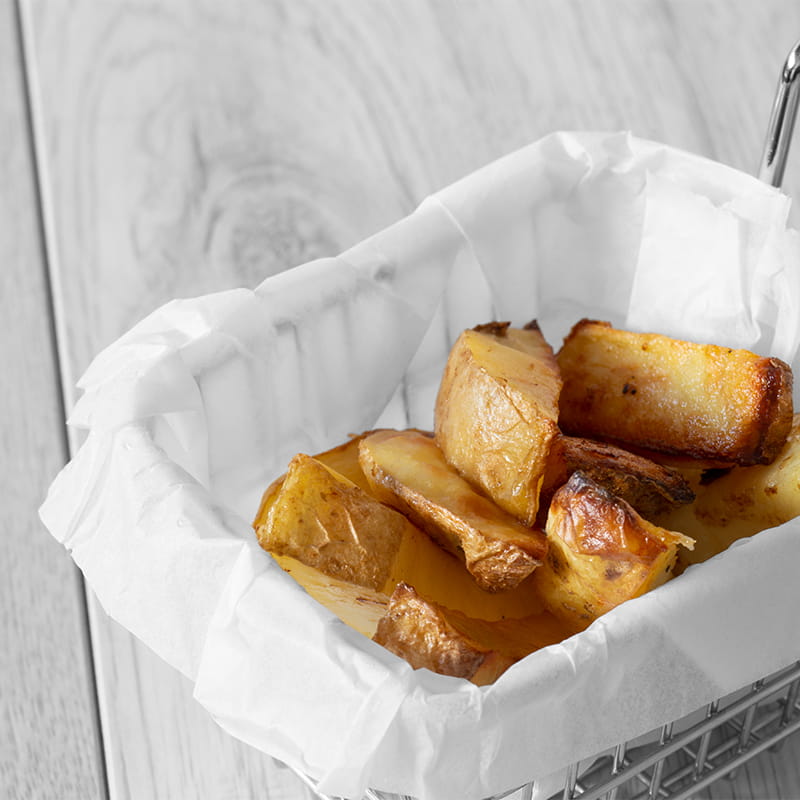
Product Features: 1. Virgin wood pulp 2. Fluorine-free 3. BPA free 4. Biodegradable Product Details: In an era where environmental consciousness and sustainability are paramount, Natu...
See Details -
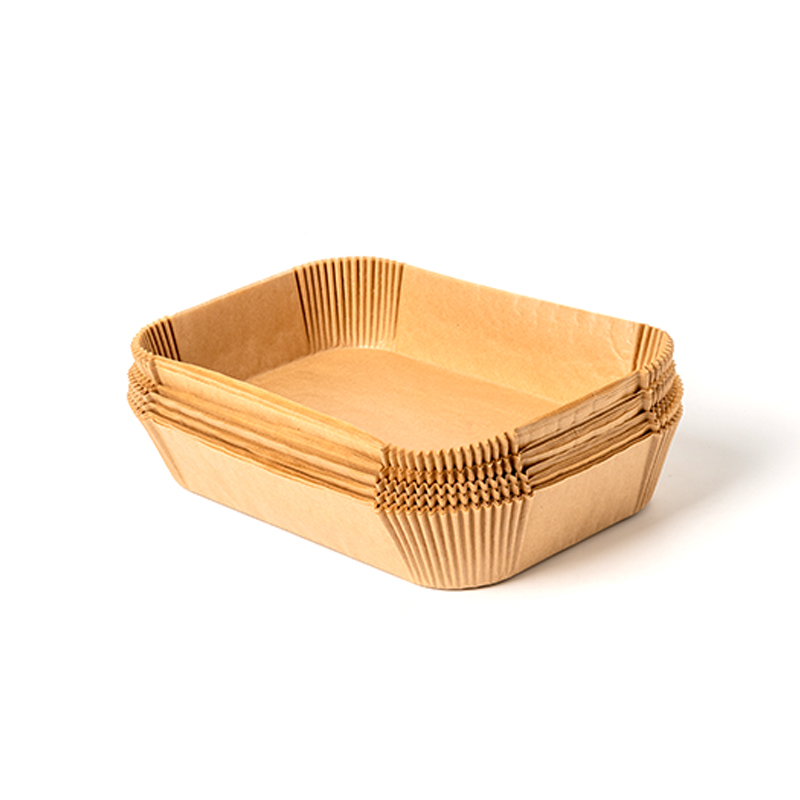
Product Features: 1. Virgin wood pulp 2. Double sides food grade silicone-treated 3. Fluorine-free 4. Non-stick 5. Air fryer basket safe 6. Reusable 7. BPA free 8. Biodeg...
See Details -
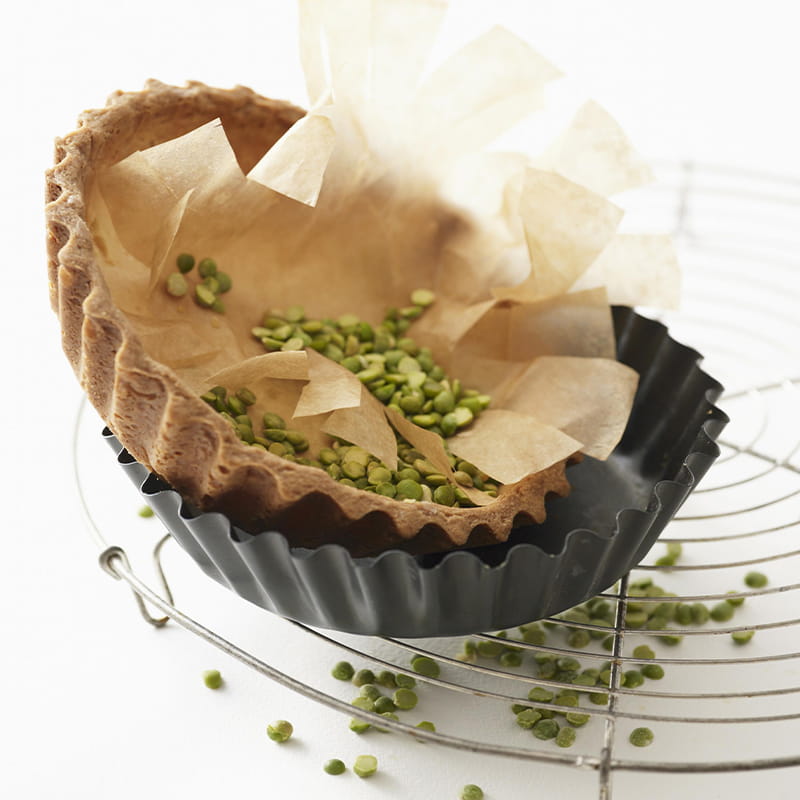
Product Features: 1. Virgin wood pulp 2. Natural unbleached brown color 3. Fluorine-free 4. BPA free 5. Biodegradable Product Details: Introducing our Unbleached Brown Food Grade ...
See Details -
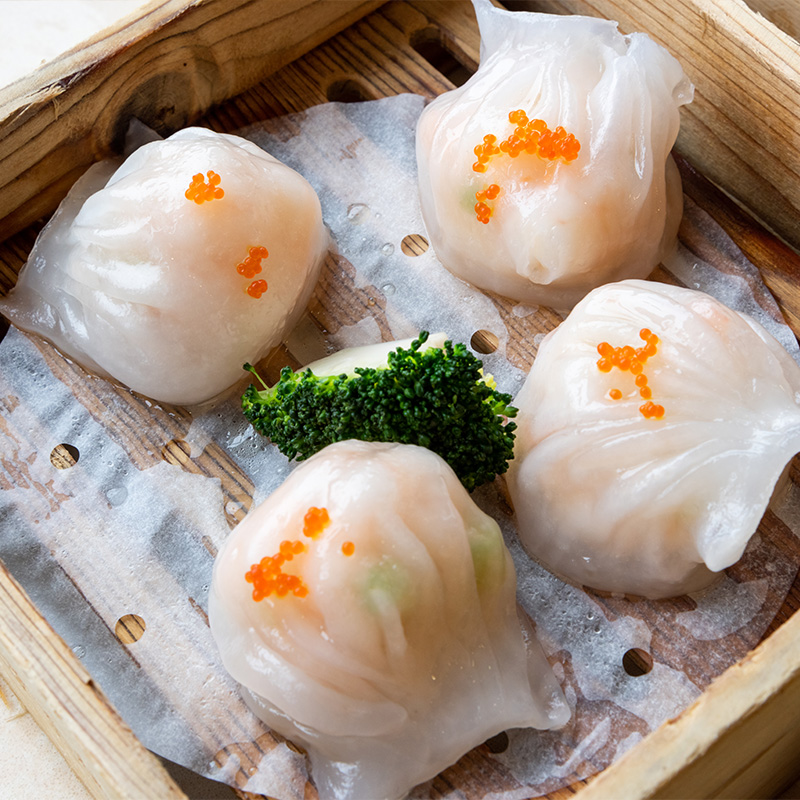
Product Features: 1. Virgin wood pulp 2. Double sides food grade silicone treated 3. Fluorine-free 4. Non-stick 5. Steamer/air fryer basket safe 6. Reusable 7. BPA free 8...
See Details -
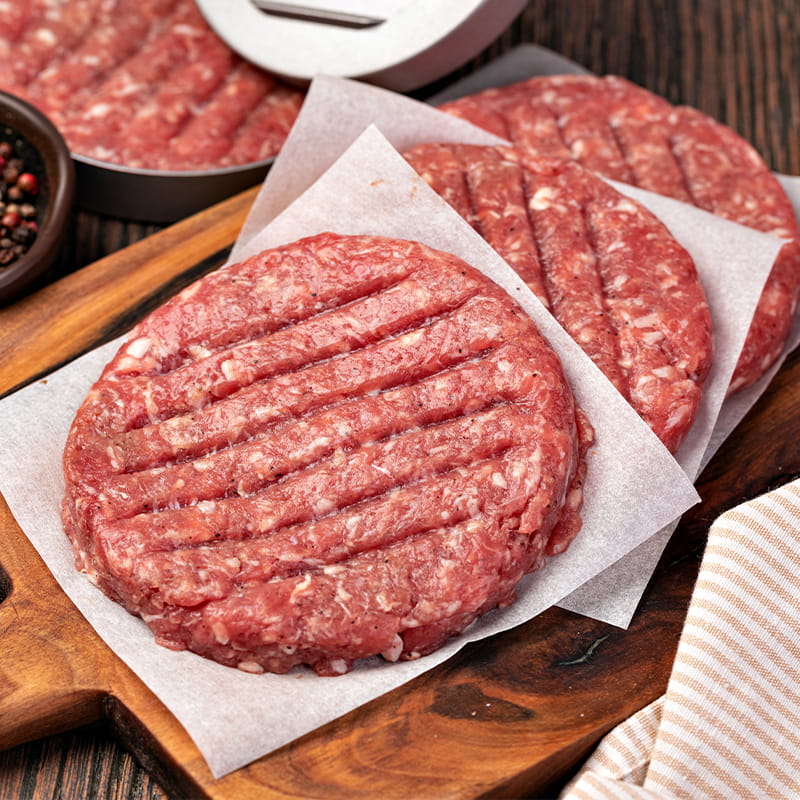
Product Features: 1. Virgin wood pulp 2. Double sides food grade silicone treated 3. Fluorine-free 4. Non-stick 5. Easy to separate 6. Reusable 7. BPA free 8. Biodegradab...
See Details -
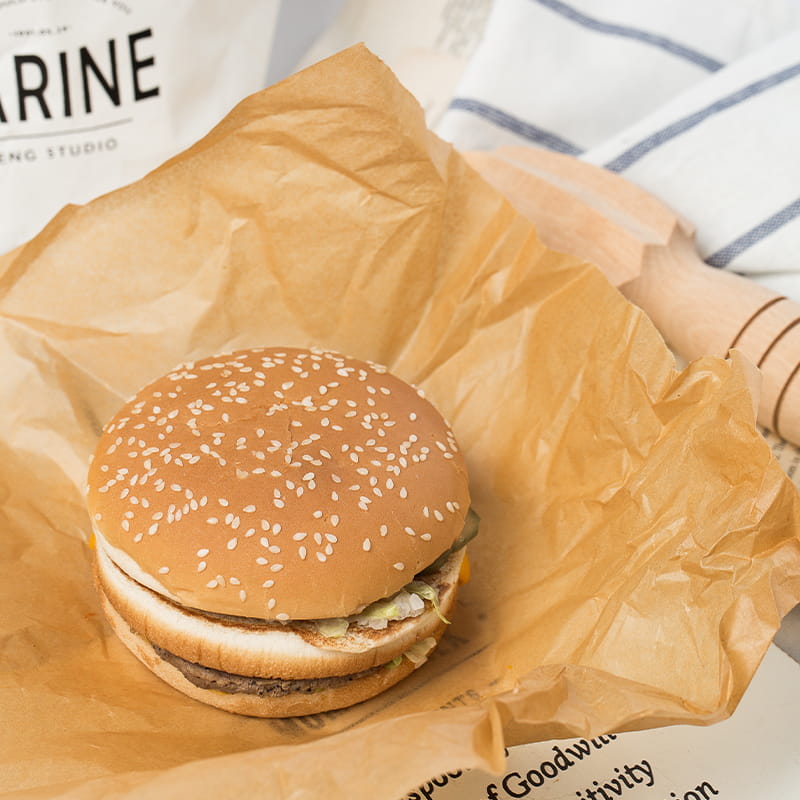
Product Features 1. Virgin wood pulp 2. Flexographic printing 3. Eco-friendly water-based ink 4. BPA free Product Details: Introducing our premium Greaseproof Sandwich Paper Sheets, a...
See Details

Professional Baking Parchment Paper Manufacturer in China with more than 15 years silicone coating experience.
Products
Contact Us
- No.10 Longyin Road, Chengnan Industrial Park,Longyou, Quzhou, China.
- +86-18968091013 / +86-571-88639705
- Avayao-1990@hotmail.com
Copyright © Zhejiang Guanghe New Materials Co., Ltd. All Rights Reserved.
Parchment Paper & Baking Paper Sheets Manufacturer
