 English
 中文简体
中文简体
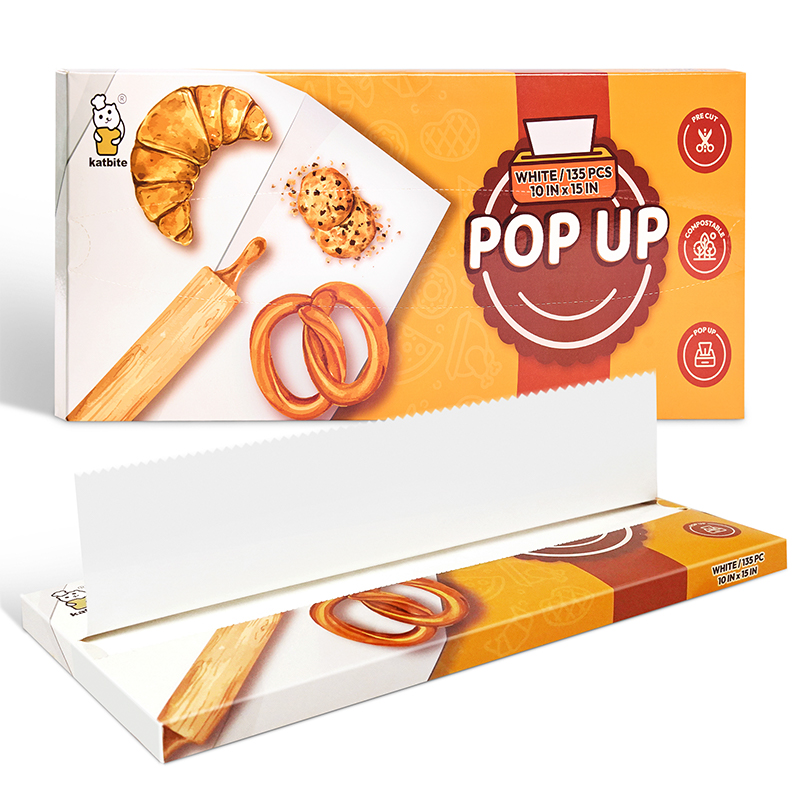
Pre Cut Baking Paper Sheets are made from wood pulp and coated on both sides with a food-safe silicone layer. This coating gives the paper a smooth, greaseproof, and moisture-resistant surface that su...
See DetailsThe Versatility and Eco-Benefits of Parchment Paper
These past few years, kitchens everywhere have started changing in small, quiet ways. Folks now stop for a moment when grabbing stuff off the shelf, wondering what happens to it once the meal is done. All those photos of trash-strewn beaches, rivers full of bottles, and landfills that never seem to stop growing—they stick with people. That's why so many are looking for straightforward ways to cook and pack food without piling on more waste. One thing that keeps coming up in these talks is Parchment Paper.
Parchment Paper goes way back. It got its start as a handy helper for bakers who wanted to keep things from sticking to the pan. Back then, some versions even came from animal skins, but now it's mostly plant pulp with a light silicone coating to make it slick and heat-resistant. What began as just a tray liner has turned into something used all over the kitchen. You'll find it wrapping up sandwiches, lining steamers, or helping store leftovers. That wider use lines up with the general move away from stuff that hangs around forever.
With all the worry about plastic waste these days, this baking liner has become a go-to for anyone wanting something greener. You see it sitting on store shelves right beside foil and plastic wrap, and people pick it up because it does the job and then breaks down without causing trouble. Coffee shops, grab-and-go places, and regular home kitchens keep rolls or cut sheets on hand because they slide right into busy days. The change happens bit by bit—someone uses it once for a batch of cookies, loves how the pan stays clean, and next time reaches for it when roasting veggies or packing a lunch. Those little habits build up and slowly change how food gets made and served.
Environmental Benefits: Why Parchment Paper Supports Greener Kitchen Habits
The main reason plenty of people like Parchment Paper is that it's a lot easier on the planet than plastic wrap or foil. Those usual options get tossed after one use and then sit in the trash for ages. This plant-based sheet breaks down much faster once it hits damp soil or a compost pile. Regular backyard bins or city composting setups can take it without any fuss, leaving hardly anything behind.
It falls apart the natural way. Throw it in the right spot, and moisture plus tiny organisms in the dirt start softening the fibers until they turn back into basic organic stuff that helps the ground. That means less junk stacking up and fewer new dumps needed. Waste crews and towns notice when more homes switch to things that disappear instead of linger.
Another plus is what's missing from the sheet. Good ones skip harsh chemicals that might sneak into food or stick around in nature. The silicone layer is thin and stable, so there's little chance of anything unwanted getting into meals or washing into rivers. Cooks like knowing the liner touching their supper won't add anything sketchy.
Versatile Uses: Exploring the Many Ways Parchment Paper Fits into Cooking Routines
Baking remains the primary way people encounter Parchment Paper. Line the tray, and dough won't glue itself down. Air flows underneath for nice even color, and finished treats lift off without a fight. Cookies move straight to racks, cakes come out clean, and nuts stay loose instead of baking onto the metal.
But the sheet does a lot more now. Takeout spots wrap burgers and fries in it to catch grease and keep things warm. Deli counters fold sandwiches inside pieces that let steam escape, so bread doesn't go soggy fast. Home cooks bundle fish or veggies into packets for steaming, trapping flavors without extra pots.
All kinds of other jobs work too. Draining fried chicken on stacked sheets saves on paper towels. Wrapping dough balls for the fridge keeps them from drying. Even reheating leftovers in the microwave goes better when food sits on a piece instead of straight on the plate—no weird wet spots. The stuff just adjusts to whatever comes up in the kitchen.
Practical Advantages: How Parchment Paper Makes Cooking and Cleanup Easier
Immediately, people notice how little scrubbing is needed after using Parchment Paper.Pans come out almost clean, needing just a quick wipe or rinse instead of soaking and scraping. That extra time saved really adds up when you cook a lot.
You often need less oil or butter too. The slick surface lets things slide off without extra grease, making meals lighter without losing taste. Potatoes get crispy with barely any oil, and fish cooks nicely without sitting in fat.
It handles heat fine for regular home ovens. Sheets stay put through normal baking and roasting, protecting food from the pan while still letting it brown. They catch spills and drips, so the oven itself stays neater longer.
| Material Type | Nonstick Properties | Cleanup Impact | Oil Reduction Potential | Heat Handling |
|---|---|---|---|---|
| Parchment Paper | Strong release | Minimal pan scrubbing | Noticeable decrease | Good for standard ovens |
| Aluminum Foil | Moderate with spray | Some residue remains | Limited effect | Handles high heat |
| Plastic Wrap | None on its own | No direct pan contact | No change | Not oven-safe |
| Silicone Mats | Excellent reusable | Wipe clean only | Significant reduction | Repeated high heat |
This quick look helps show where each one shines for different jobs around the kitchen.
Market Trends: Changing Consumer Preferences and Growing Demand
These days, shoppers spend more time checking labels on kitchen supplies. They hunt for clues that materials come from renewable places and pass food-safety checks. Claims about being compostable or breaking down naturally catch more eyes as people link their daily buys to bigger picture outcomes.
Restaurants and packaging outfits feel the push too. Big chains swap in greener wrappers for takeout to keep customers happy and trim disposal bills. Grocery aisles give more room to rolls and sheets, seeing sales climb steadily near the baking stuff.
Getting noticed among all the paper options comes down to actual results. Plant roots, solid nonstick performance, and natural disappearance give this liner a real advantage for buyers wanting something useful and responsible.
Alternatives Comparison: How Parchment Paper Stacks Up Against Common Options
Foil still works great for heavy wrapping or super-hot grilling, but mining and processing take a toll. The baking liner is lighter, cuts easier, no sharp edges, and handles many of the same jobs just fine.
Plastic films seal tight for fridge storage, but they add to waste that never goes away. The plant sheet lets food breathe more, cutting down on trapped moisture, and skips any worry about chemicals moving when heated.
Other papers or waxed kinds might do basic lining, but silicone-treated ones manage grease and wetness without ripping. Coming from natural fibers fits better with what lots of folks look for now—stuff that goes back to the ground harmlessly.
Food Safety Role: Supporting Clean and Reliable Meal Preparation
Careful making means the sheets clear tough rules for touching food directly. Coatings hold steady through usual cooking heat, so nothing transfers to meals. That matters a bunch when cooking for kids or anyone watching health closely.
While baking or roasting, the liner keeps food away from pan surfaces that might have old bits stuck on. Fresh pieces each time mean no leftover tastes or crumbs carrying over.
Wrapped leftovers stay tasty longer because the material lets moisture out slowly instead of locking it in. Texture and flavor keep better in the fridge or freezer without picking up odd smells from packaging.
Cost Considerations: Long-Term Value of Using Parchment Paper Regularly
A roll might cost a touch more upfront than plain foil, but the savings show up in other spots. Less spray oil, butter, or cleaning stuff stretches the budget over time. Fewer burnt-on messes mean lighter cleanups and less food thrown out.
Buying bigger rolls or in bulk drops the price per sheet. In many homes, one roll covers a lot of baking and wrapping jobs, making it last a long time.
Over years of steady use, moving away from constant plastic or foil replacements adds up to real money saved alongside the earth-friendly side.
Selection and Usage Tips: Getting the Most Out of Parchment Paper
Pick sheets marked clearly for oven use and made from plant pulp, bleached or not. Thicker ones stand up better to wet batters or juicy meats. Pre-cut saves time; rolls let you fit exactly.
Cut pieces a bit bigger than the pan so sides curl up and catch drips. For packets, fold loose so steam moves around. Keep rolls in a dry spot so sheets don't stick together.
Outside regular cooking, they're handy for pouring spices into jars, covering rising dough, or separating freezer stacks. Little tricks like that cut waste and make each roll go further.
Everyday Tips for Getting Started with Parchment Paper in the Kitchen
A lot of home cooks feel unsure about jumping in with this baking liner at first. It seems like one more thing to buy, but once you try it a few times, it quickly becomes a regular go-to. Start small—pick up a roll next time you're at the store and use it to line a tray for cookies or roast some potatoes. You'll notice right away how the food lifts off without leaving half of it stuck to the pan. That easy win usually convinces people to keep going.
For weeknight dinners, cut a big piece and spread vegetables across it, drizzle a little oil, fold the edges up, and slide it into the oven. Everything cooks evenly, flavors stay inside the packet, and there's no greasy tray to scrub later. Leftovers cool faster too because you can just open the sheet and let steam escape. Wrapping sandwiches for lunch the next day keeps bread from getting soggy, especially if there's tomato or mayo involved.
Storage is simple—keep the roll in a dry drawer or cupboard so the sheets don't absorb moisture and stick together. If you bake a lot, pre-cut a stack of pan-sized pieces and tuck them between the roll's cardboard for quick grabs. On busy mornings, lay a sheet in an air-fryer basket; crumbs fall through but don't burn onto the bottom. Little tricks like these make the liner feel less like a special item and more like something that's always been there. Over a few weeks, kitchens begin to reach for it without a second thought. The shift happens gradually, one meal at a time.
Common Questions About Switching to Parchment Paper Answered Simply
People often wonder if this sheet really makes that much difference compared to foil or plastic. The short answer is yes, especially if you cook regularly. Foil works fine for some jobs, but it's heavier, tears sharply, and doesn't break down. Plastic can't go in the oven and adds to waste that never disappears. The plant-based liner handles daily tasks and breaks down naturally afterward.
Another frequent question is whether the silicone coating is safe. In good-quality versions, the coating is thin, stable, and approved for food contact—it doesn't flake off or migrate into meals at normal baking temperatures. Unbleached sheets appeal to those wanting even fewer additives, though bleached ones are still considered safe and sometimes perform better with sticky doughs.
Some worry about cost. A roll might look pricier upfront, but it stretches far—one sheet lines a tray, another wraps leftovers, a third drains fried food. Less oil, fewer cleaning sprays, and almost no stuck-on messes mean the money evens out fast. Buying larger rolls or watching for sales brings the price down further.
Recycling and composting come up too. Many areas accept used sheets in yard-waste bins if they're not heavily soiled with cheese or meat fat. Lightly used pieces often go in regular compost at home. The key is keeping grease low so microbes can do their work. All these small details add up to a straightforward switch that fits busy lives without extra hassle.
Parchment Paper's Place in Building Sustainable Kitchen Habits
Attention to cutting waste keeps growing worldwide, pulling makers toward plant-based, compost-friendly materials. This common liner is ready to meet that need as home cooks and food businesses hunt for solid green choices.
Shoppers wanting responsible goods and companies building better supply lines feed off each other. More options and lower prices will probably follow, making the switch smoother.
Pushing everyday use of Parchment Paper is about more than one kitchen item. It mirrors a wider shift toward buying and cooking thoughtfully, where ease and planet care fit together naturally. Factories like Guanghe concentrate on turning out reliable, high-quality sheets from well-chosen plant fibers, keeping steady supply flowing to homes and businesses making the change. As more kitchens adopt it, these small daily moves strengthen routines that help today's meals and tomorrow's environment. Check out https://www.guanghepaper.com for details on their products and approach.
Related Products
-
-
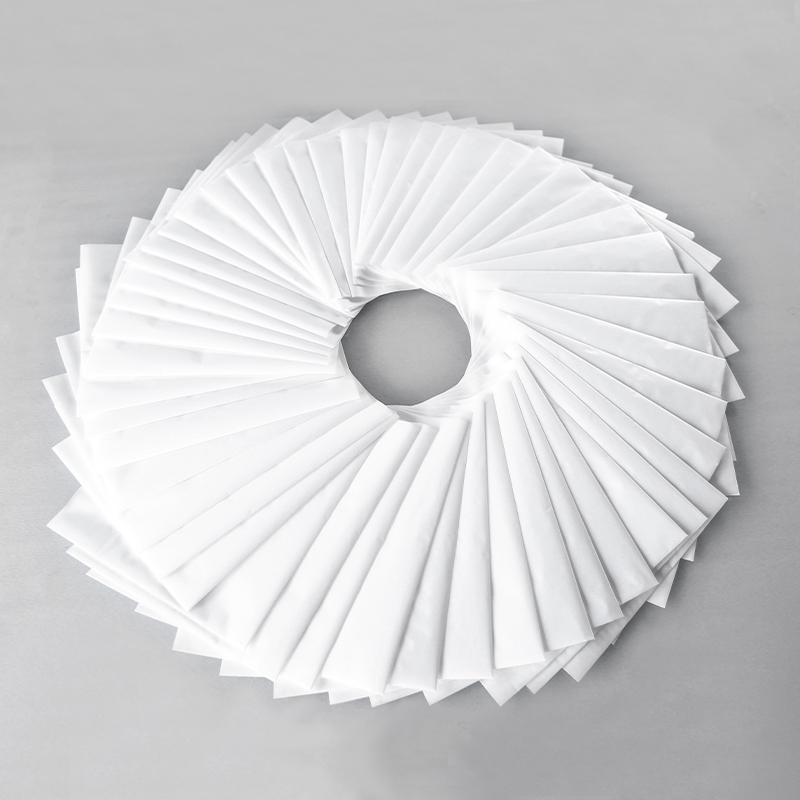
Folded Baking Paper Sheets, also known as Non Stick Baking Paper Sheets, are made from wood pulp and coated on both sides with a food-safe silicone layer. This coating gives the paper a smooth, grease...
See Details -
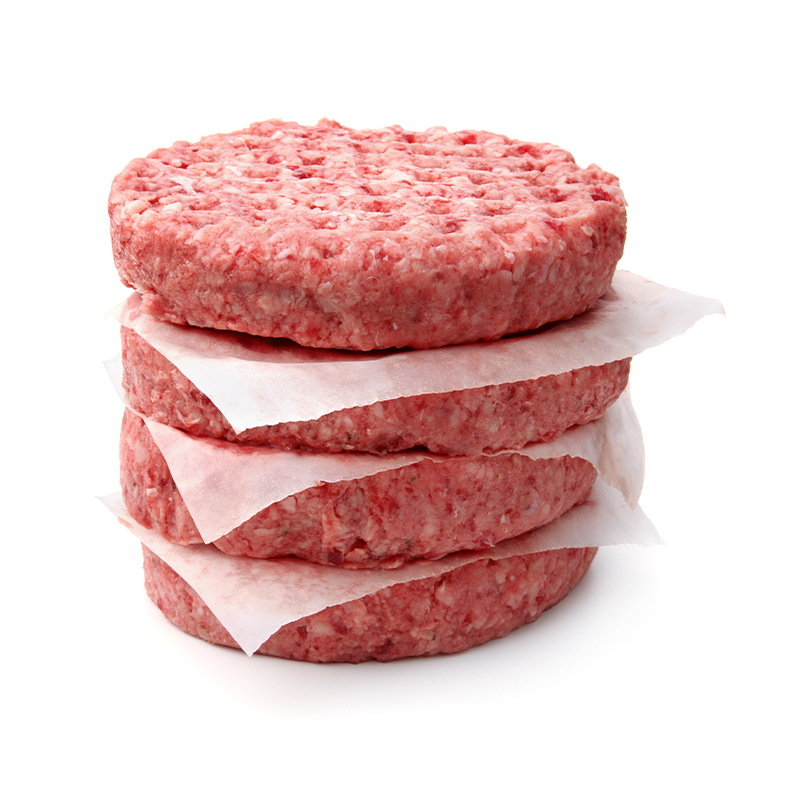
Description: Wax paper is the paper that is coated with food-grade wax in order to make it non-stick and waterproof. wax paper is very good for food storing and presentingMade of food-grade paper and ...
See Details -
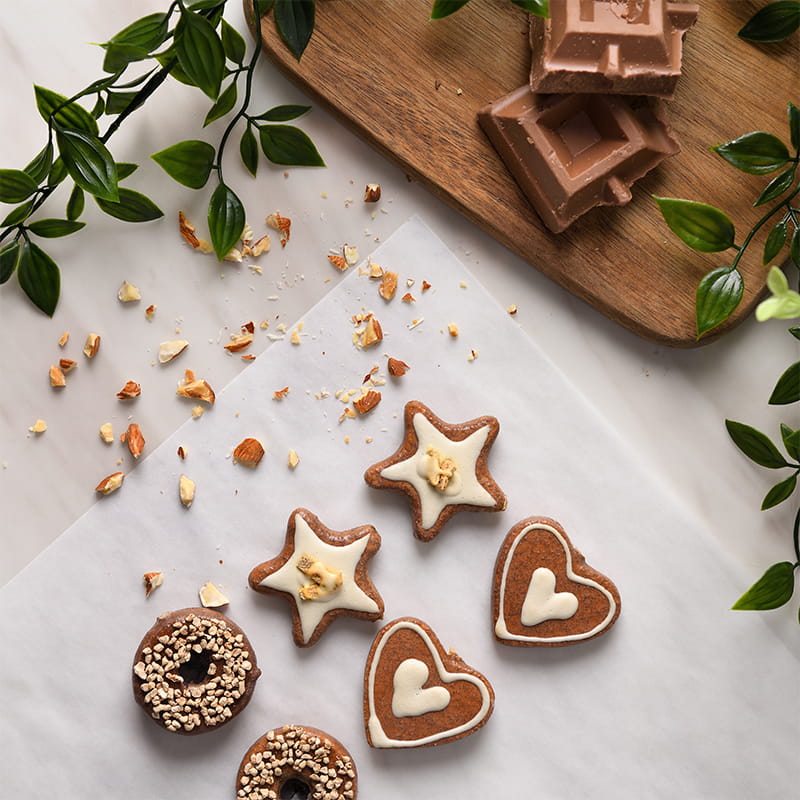
Product Features: 1. Virgin wood pulp 2. Double sides food grade silicone-treated 3. Fluorine-free 4. Non-stick 5. Oven/Microwave safe 6. Freezer safe 7. Reusable 8. BPA f...
See Details -
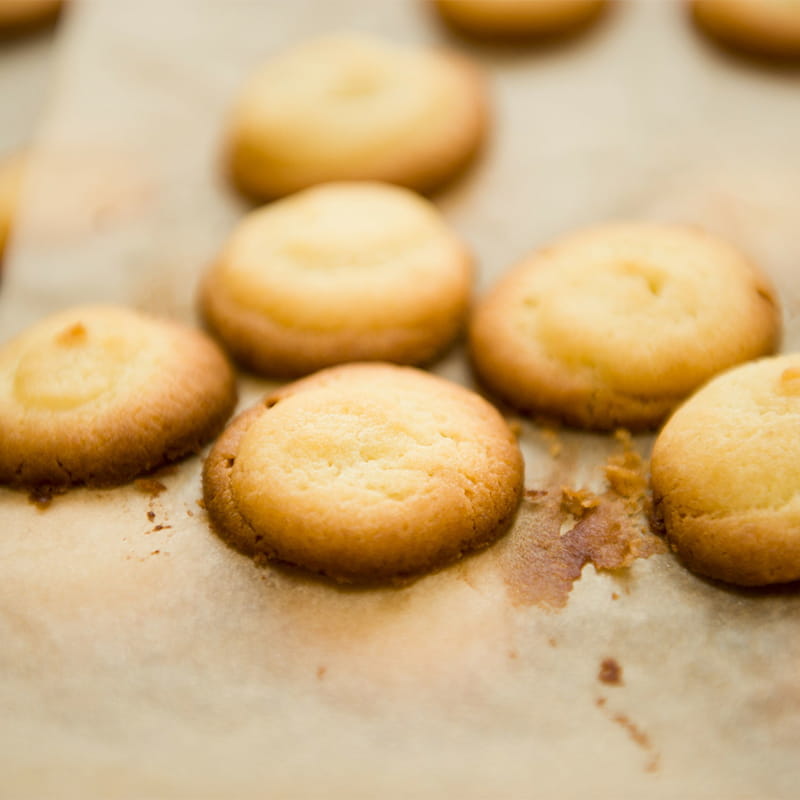
Product Features: 1. Virgin wood pulp 2. Natural unbleached brown color 3. Double sides food grade silicone-treated 4. Fluorine-free 5. Non-stick 6. Oven/Microwave safe 7. Fre...
See Details -
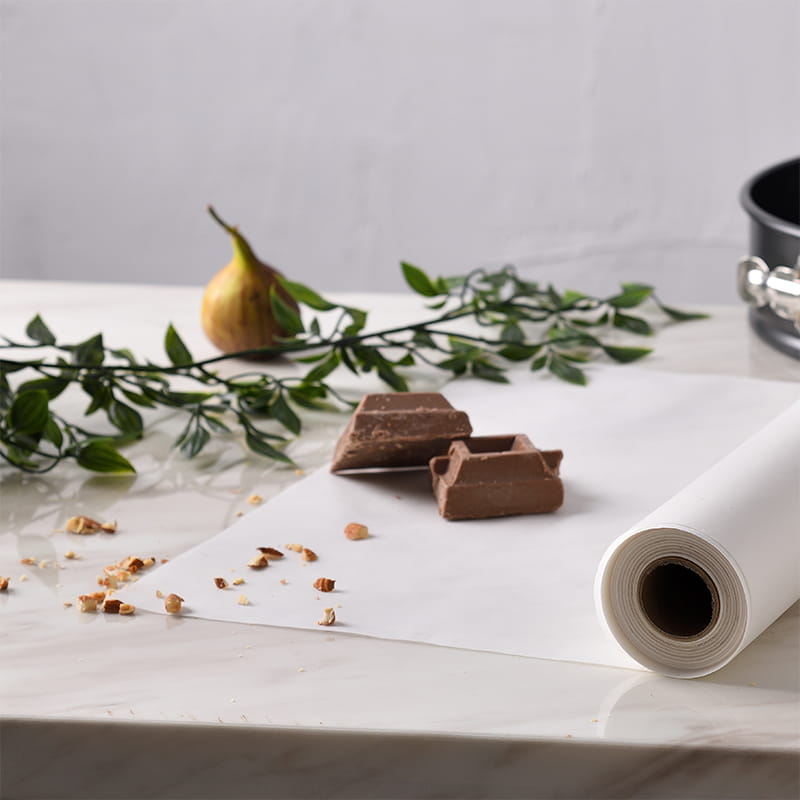
Product Features: 1. Virgin wood pulp 2. Double sides food grade silicone treated 3. Fluorine-free 4. Non-stick 5. Oven/Microwave safe 6. Freezer safe 7. Reusable 8. BPA ...
See Details -
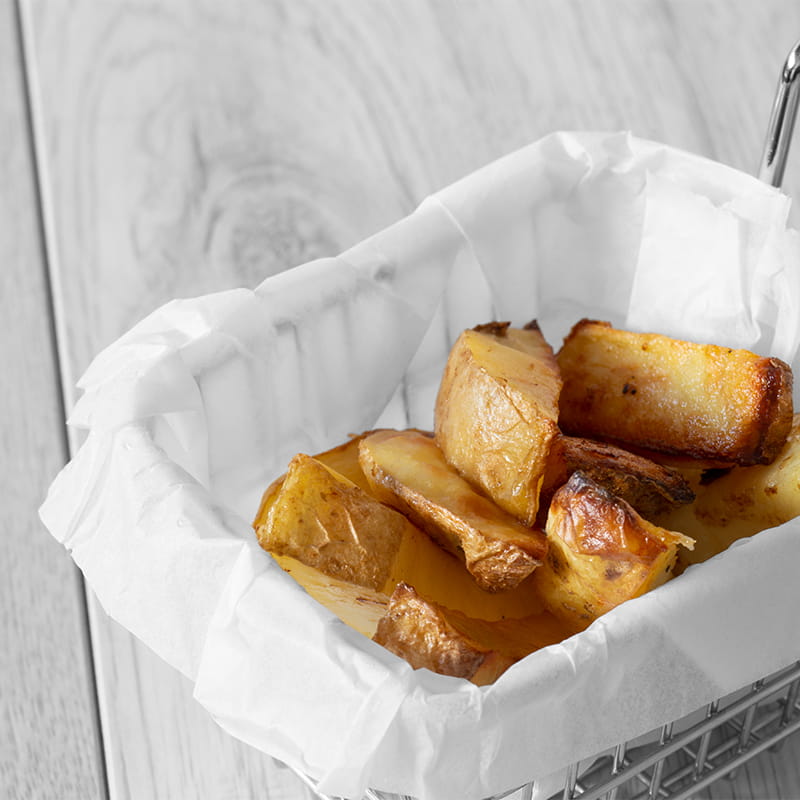
Product Features: 1. Virgin wood pulp 2. Fluorine-free 3. BPA free 4. Biodegradable Product Details: In an era where environmental consciousness and sustainability are paramount, Natu...
See Details -
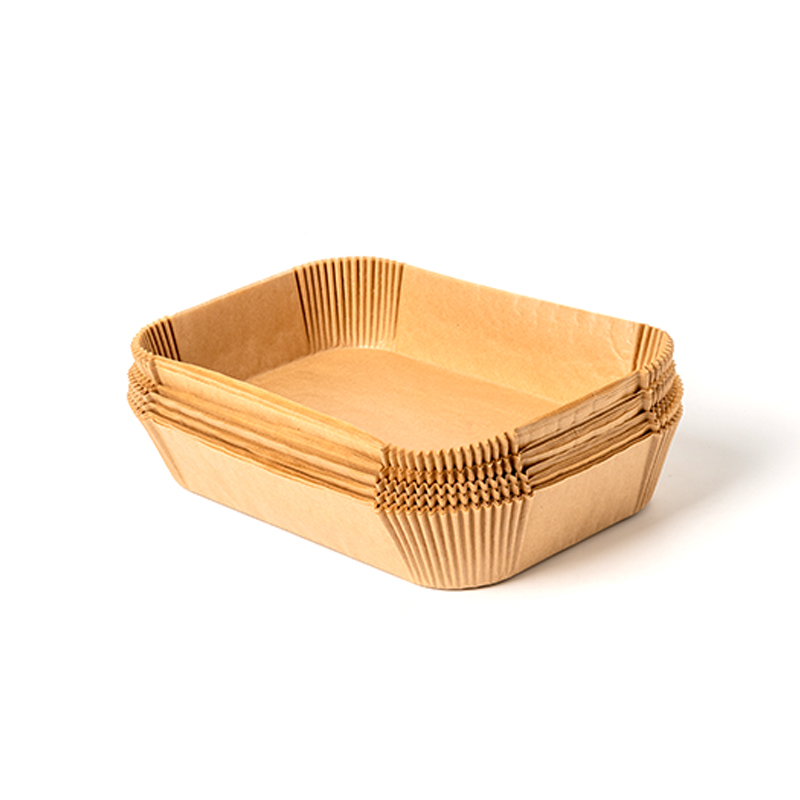
Product Features: 1. Virgin wood pulp 2. Double sides food grade silicone-treated 3. Fluorine-free 4. Non-stick 5. Air fryer basket safe 6. Reusable 7. BPA free 8. Biodeg...
See Details -
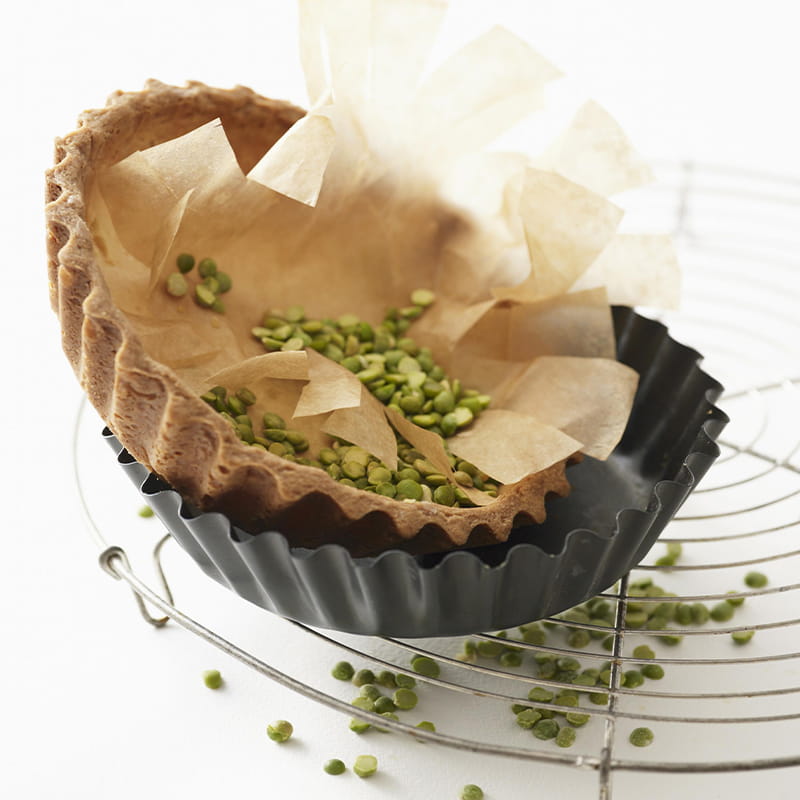
Product Features: 1. Virgin wood pulp 2. Natural unbleached brown color 3. Fluorine-free 4. BPA free 5. Biodegradable Product Details: Introducing our Unbleached Brown Food Grade ...
See Details -
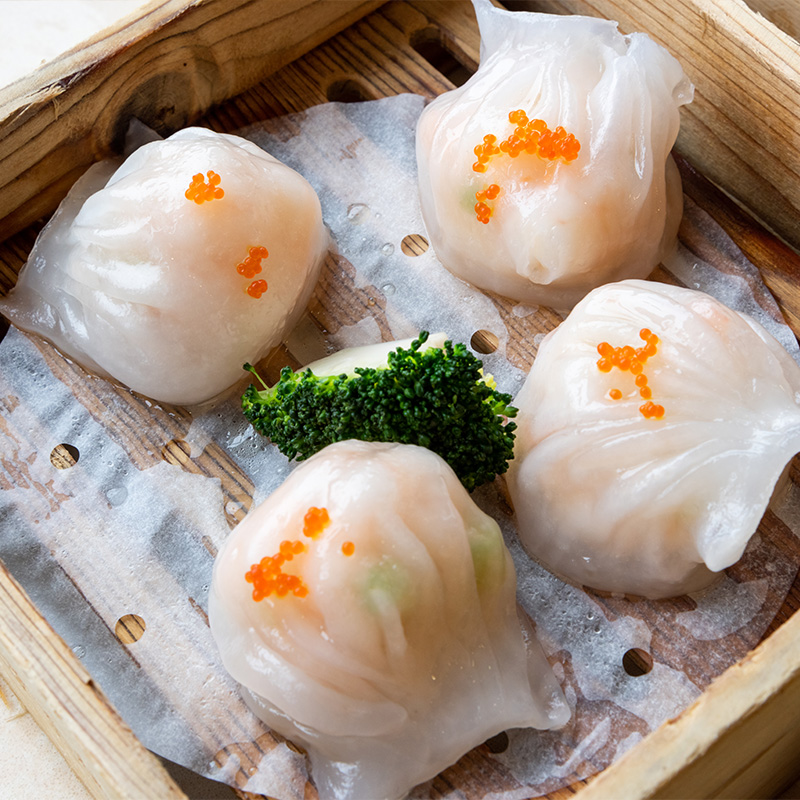
Product Features: 1. Virgin wood pulp 2. Double sides food grade silicone treated 3. Fluorine-free 4. Non-stick 5. Steamer/air fryer basket safe 6. Reusable 7. BPA free 8...
See Details -
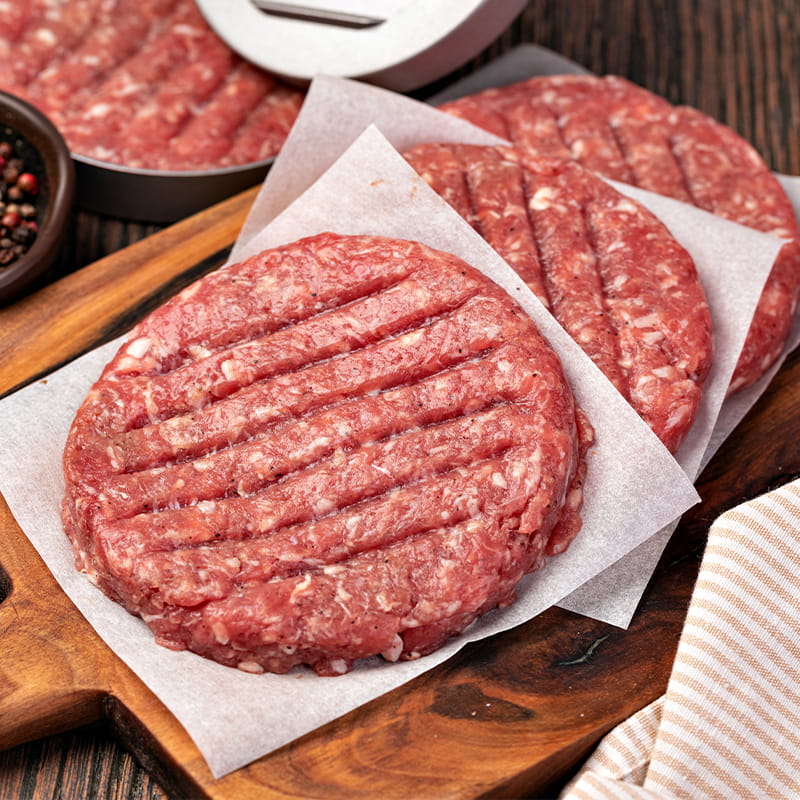
Product Features: 1. Virgin wood pulp 2. Double sides food grade silicone treated 3. Fluorine-free 4. Non-stick 5. Easy to separate 6. Reusable 7. BPA free 8. Biodegradab...
See Details -
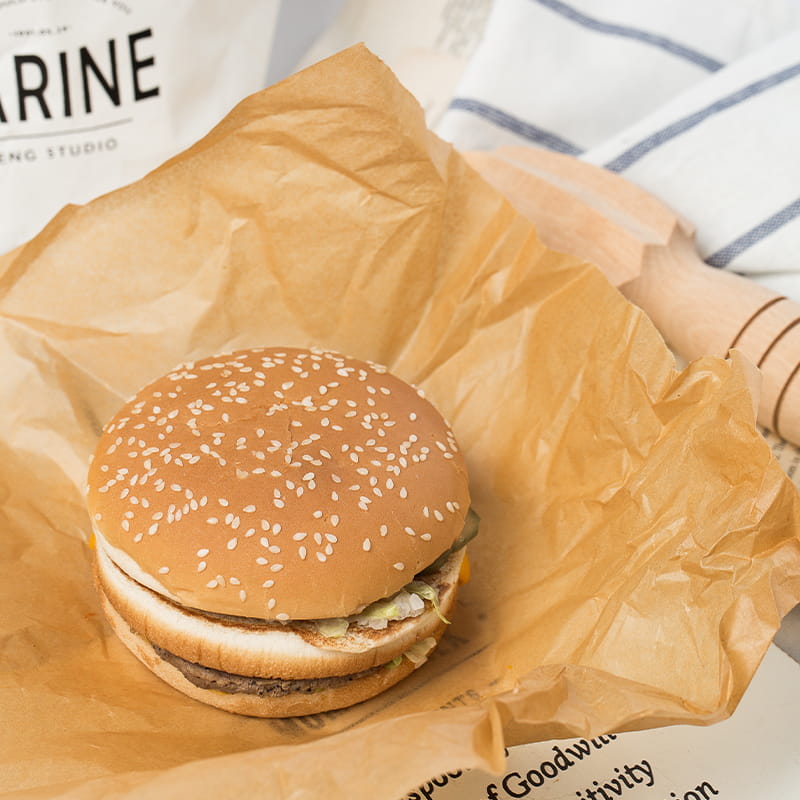
Product Features 1. Virgin wood pulp 2. Flexographic printing 3. Eco-friendly water-based ink 4. BPA free Product Details: Introducing our premium Greaseproof Sandwich Paper Sheets, a...
See Details

Professional Baking Parchment Paper Manufacturer in China with more than 15 years silicone coating experience.
Products
Contact Us
- No.10 Longyin Road, Chengnan Industrial Park,Longyou, Quzhou, China.
- +86-18968091013 / +86-571-88639705
- Avayao-1990@hotmail.com
Copyright © Zhejiang Guanghe New Materials Co., Ltd. All Rights Reserved.
Parchment Paper & Baking Paper Sheets Manufacturer
