 English
 中文简体
中文简体
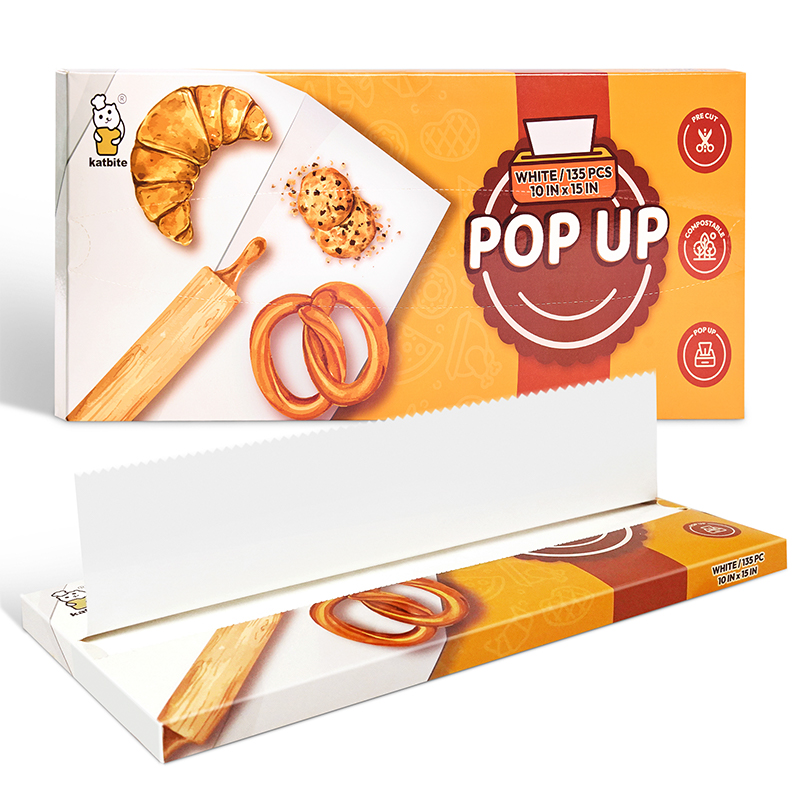
Product details: Pop-up parchment paper sheets, an environment-friendly product, are composed of wood pulp and are double-side coated with silicone. Such a coating makes our paper smooth, greasepr...
See DetailsBaking Paper's Role in Kitchen Efficiency and Food Safety
Running a kitchen these days, whether it's a small takeaway joint, a busy cafe, or a big central facility feeding several outlets, means dealing with constant pressure to keep everything clean, safe, and quick. The stuff you use every day has to hold up when things get hectic—orders piling up, staff rushing around, and no room for mistakes.
Customers notice more than they used to. They care about how clean the food looks, how fresh it tastes, and whether it's been handled properly. Nobody wants to open a box and see grease stains or crumbs from something else. That's where baking paper comes in handy. It's just a simple sheet you lay down, but it stops food from sticking, keeps trays tidy, and makes the whole job easier without adding extra work.
In a little bakery getting ready for the morning crowd or a catering setup packing hundreds of lunches, this parchment liner keeps layers apart, stops flavors mixing, and protects against spills. It fits right into the need for things to move faster and stay cleaner, especially now with so many people ordering food to go or getting meals delivered.
How Parchment Paper Liner Fits with Food Safety Rules
Rules around food safety keep getting tighter, and many establishments welcome that because it protects everyone.Anything that touches food has to stand up to heat, grease, and steam without falling apart or leaving anything behind. If it can't handle those conditions, you risk odd flavors getting into the food or worse.
Baking paper does well here because it stays steady even when things get messy with oil or high temperatures. It doesn't soften up or soak through too much, so there's less chance of anything unwanted ending up in the meal. In commercial setups or production lines, that reliability means one less thing to worry about.
Cross-contamination is always a headache—one batch leaving residue that affects the next, or germs finding somewhere to hang on. Laying down a fresh sheet each time blocks those problems. It's almost like having a new surface without dragging out the scrub brush. Inspectors like seeing measures like this, and the material usually holds up fine under checks.
For the people running the place, staying on the right side of regulations isn't just about avoiding fines. It keeps daily risks down and builds trust with customers. Using this liner helps meet the standards while letting the team focus on cooking rather than constant cleaning.
Everyday Ways Parchment Paper Makes Kitchen Work Easier and Faster
Back in the day, you'd grease pans by hand, scrape off burnt bits later, and spend ages washing up. In a busy kitchen, that kind of routine slows everything down and wears people out. Staff end up stuck on cleanup when they could be prepping the next order.
Switching to baking paper cuts out a lot of that hassle. Just put down a sheet, load your food, and when it's done, lift it off and throw the used one away. No more stuck-on mess, no heavy scrubbing. People finish faster and move on to something else, like packing or serving.
It really helps when you're doing one thing after another—baking something, then steaming, or stacking layers for the freezer. The parchment lets you shift from oven to cooling rack without stopping to rearrange. Small kitchens and big central ones both handle more in the same time.
Think of a cafe turning out breakfast rolls or a facility supplying several branches. The liner covers the trays for dough or fillings, keeps everything separate, and speeds the jump from cooking to wrapping. Batch after batch goes smoother, with fewer hold-ups from food welded to the pan.
How Parchment Paper Helps Keep Food Quality Steady
Customers expect the same thing every time they order. If one pastry looks outstanding and the next comes out patchy or broken, they notice. Without good tools, batches can turn out uneven—some too crisp, some soggy in spots.
This liner gives a dependable surface that stops sticking and lets heat spread evenly. Items lift off whole, with clean edges and no grease bleed-through. Pastries look appealing straight out of the oven, wraps stay dry on the outside, and everything holds together better.
Different foods get their own benefits. Dough for bread or cookies bakes without grabbing the tray. Cakes keep their shape and moisture. Frozen meals stay neatly layered without freezing into one block.
When things come out looking right more often, you throw less away and get fewer complaints. Over time, that steady quality helps build a solid reputation—people come back because they know what to expect.
How Parchment Paper Helps When Switching Between Sweet and Savory Items in the Same Kitchen
A lot of smaller kitchens and even some bigger ones don't have the luxury of separate areas for different kinds of food. One minute the team is rolling out cookie dough or glazing cakes, the next they're prepping savory pies, quiches, or roasted vegetables. Without good separation, flavors carry over—sweet items pick up onion or garlic smells, and savory dishes end up tasting faintly of vanilla or chocolate. Customers notice right away, and it can cause to complaints or lost repeat business.
This non-stick sheet makes those quick switches much safer and cleaner. Lay down a fresh piece for the sweet batch, bake it off, toss the used liner, and put a new one down for the savory stuff. No lingering butter from pastries mixing with cheese or herbs from the last tray. The barrier stops odors and residues from soaking into the metal pans, so the equipment stays neutral between runs.
In places like hotel kitchens that handle room service desserts and breakfast items on the same line, or small cafes doing both muffins and sausage rolls, this simple step keeps everything tasting as it should. Staff don't waste time deep-cleaning trays between every changeover—just a quick wipe if needed, and they're ready for the next order. It's especially useful during busy holiday periods when the menu jumps from gingerbread to meat pies in the same shift.
The liner also catches drips and crumbs better than bare metal, so less falls into cracks or burns onto the oven floor. Over a long day, that means fewer interruptions for scraping or dealing with smoke from old bits catching fire. Owners of these mixed kitchens often say adding the parchment was one of the easiest ways to raise overall food quality without buying extra equipment or rearranging the whole space. It just lets the same setup handle more variety confidently, keeping both sweet-toothed and savory customers happy.
Dealing with High-Volume Rush Hours Using Parchment Liners
Most food businesses know those sudden rush periods—lunchtime in a corporate canteen, the after-school snack wave at a bakery, or weekend brunch crowds piling in. Orders flood the counter, tickets print nonstop, and the kitchen has to turn out large numbers fast without letting quality drop. In those moments, anything that slows the flow or creates extra cleanup becomes a real bottleneck.
This parchment liner turns into a quiet time-saver during exactly these crunches. Trays can be lined ahead of time during quieter moments, so when the rush hits, staff just slide in the prepared food and push it into the oven. No pausing to grease pans or fiddle with spray oils under pressure. Multiple sheets go in at once, and when they come out, lifting everything off is quick—food goes straight to plating or packing while a new lined tray waits to go in.
In takeaway spots doing hundreds of wrapped sandwiches or baked snacks, the sheet keeps bread from sticking to warmers and stops cheese melting through onto surfaces. Everything stays intact longer, so orders look neat even after sitting a few minutes waiting for collection. Less damaged items mean fewer remakes, which is crucial when every second counts.
Cleanup after the storm is lighter too. Instead of baked-on cheese or sauce hardening while the team catches up, the majority of mess stays on the disposable liner. A fast wipe-down between waves keeps the kitchen moving instead of shutting down for heavy scrubbing. Many managers who run high-volume shifts say the parchment helps them get through peaks with fewer staff mistakes and less burnout—people stay focused on assembly rather than fighting stuck food.
For seasonal businesses facing unpredictable busy spells, having rolls of this liner on hand removes a lot of stress. It lets the same crew handle double or triple the usual volume without the operation falling apart. In the end, those smoother rushes translate to higher sales, happier customers waiting less time, and a team that finishes the shift less exhausted.
Fitting Baking Paper into Greener Kitchen Practices
More places are trying to cut waste and use resources smarter, and customers like seeing that effort. The focus is on supplies that do the job well but don't leave a big mess behind.
Baking paper helps here because it means less washing with hot water and strong cleaners. Cleanup is quicker, so less runs down the drain. It also catches oils and crumbs that would otherwise need extra wiping or disposable covers.
Many types can go in recycling or break down on their own, which fits with efforts to keep stuff out of landfills. It even protects trays and pans from heavy buildup, so equipment lasts longer.
Balancing performance with these greener habits works when the sheet still handles heat and grease reliably. Kitchens that make the switch often find they meet both customer expectations and their own targets for lower impact.
| Angle | Practical Benefits |
|---|---|
| Production Side | Steady handling, uniform results, much less scrubbing |
| Commercial Kitchens | Fast setup and tidy finish, smooth back-to-back tasks, fewer staff mistakes |
| Greener Practices | Easier recycling or breakdown, less water and cleaner use, supports reuse ideas |
| Business Edge | Lower waste, savings over time, quicker training |
New Ways Parchment Liner Is Used in Takeout, Delivery, and Modern Cooking
Food habits have shifted a lot—more grab-and-go meals, delivery apps, air fryers in homes and cafes, steam ovens everywhere. People want food that travels well and still looks fresh when it arrives.
This parchment works great in those setups. In air fryers, it catches drips and keeps the basket easy to empty. For packed meals, it keeps sauces in their section and stops bread going soft. Takeout containers stay cleaner, and the food reaches the customer looking appetizing.
It's versatile too—one sheet can line a tray for baking, divide stacks in the freezer, or wrap something for reheating later. Chains use it to keep the same steps across branches, so every location turns out similar results.
With catering leaning toward quick-service events or daily deliveries, the liner helps maintain speed while keeping presentation sharp. It cuts down on single-use plastics for wrapping while still protecting the food on the way.
How Smaller Operations Gain an Edge with Parchment Paper
Small businesses—family-run bakeries, food trucks starting out, or new cafe chains—usually watch every penny. Wasted food or extra hours on cleanup hit hard.
Adding baking paper brings savings that show up month after month. Staff spend less time greasing and scrubbing, more time on things that bring money in, like serving customers or trying new items.
New workers pick it up fast—just show them how to place the sheet and they're less likely to ruin a tray of goods. Food waste drops when less sticks or burns unevenly. A local spot can try seasonal specials with lower risk of big losses.
Those small gains let owners stretch further—maybe open earlier, add delivery, or stock a wider range. Many find the cost comes back quickly through steadier output and happier regulars.
The Long-Term Place of Baking paper in Kitchens and Food Supply Chains Ahead
Going forward, kitchens will keep facing tighter rules, higher customer standards, and the push to work greener. Reliable, clean, efficient food-contact supplies will stay in demand.
Baking paper ties those needs together—it keeps things hygienic without slowing anyone down, supports lower-waste habits, and gives operations of any size practical advantages. In a field short on staff and long on expectations, tools that make daily work simpler become staples.
Manufacturers focused on quality, like Guanghe, put effort into making consistent, food-safe parchment that fits modern needs. With solid experience in responsible production, Guanghe provides options built for professional kitchens—check out https://www.guanghepaper.com for details on their products and approach.
Related Products
-
-
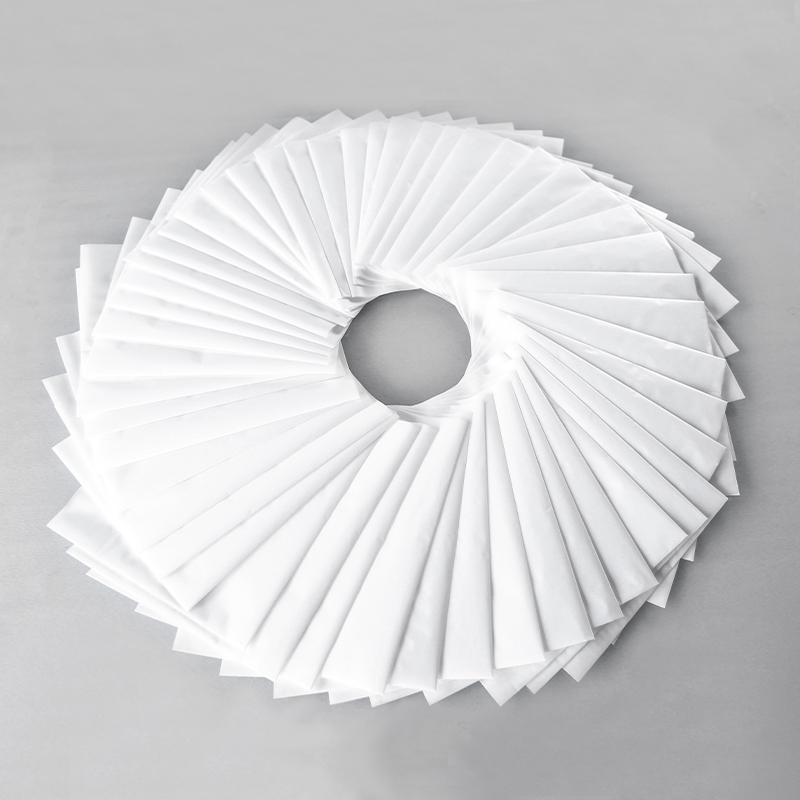
Product details: Folded baking paper sheets, an environment-friendly product, are composed of wood pulp and are double-side coated with silicone. Such a coating makes our paper smooth, greaseproof and...
See Details -
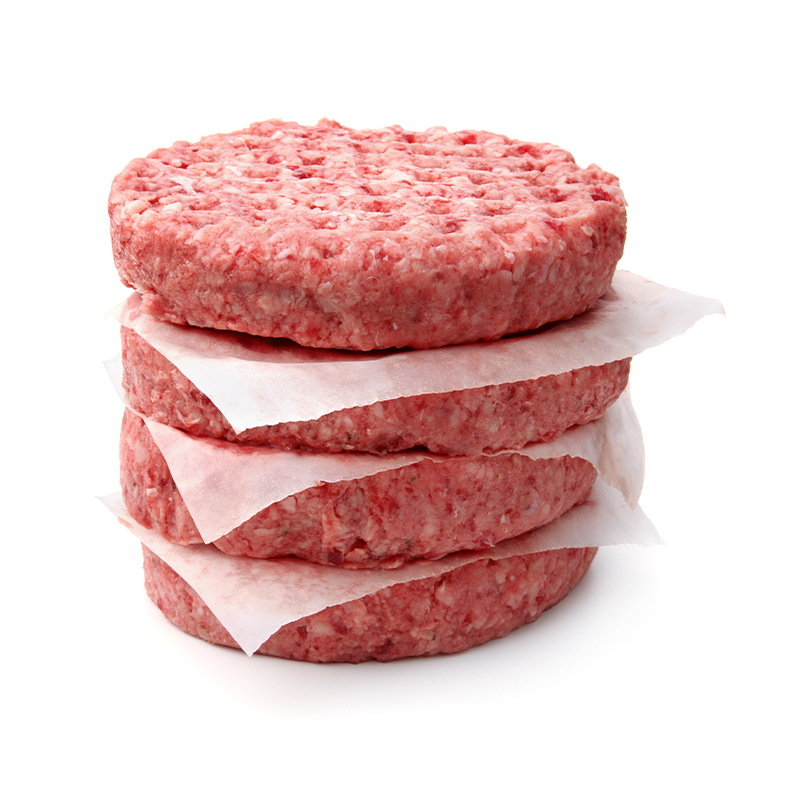
Description: Wax paper is the paper that is coated with food-grade wax in order to make it non-stick and waterproof. wax paper is very good for food storing and presentingMade of food-grade paper and ...
See Details -
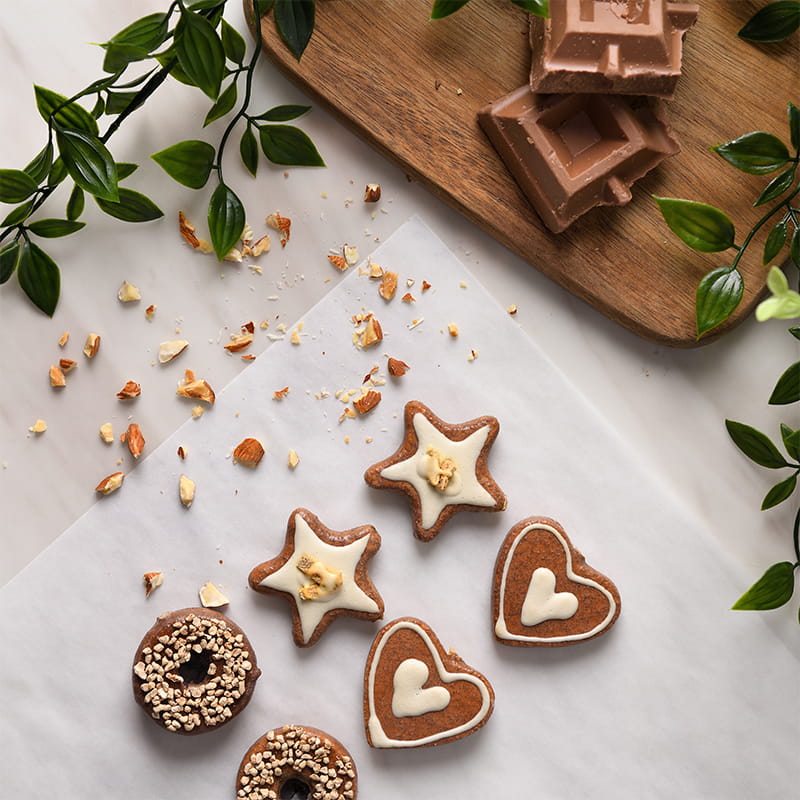
Product Features: 1. Virgin wood pulp 2. Double sides food grade silicone-treated 3. Fluorine-free 4. Non-stick 5. Oven/Microwave safe 6. Freezer safe 7. Reusable 8. BPA f...
See Details -
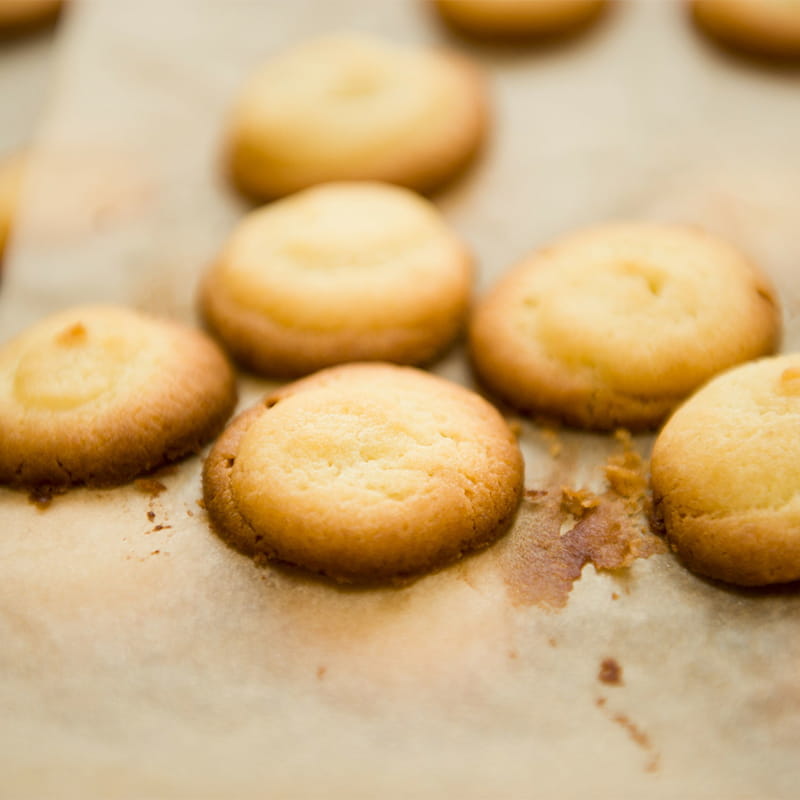
Product Features: 1. Virgin wood pulp 2. Natural unbleached brown color 3. Double sides food grade silicone-treated 4. Fluorine-free 5. Non-stick 6. Oven/Microwave safe 7. Fre...
See Details -
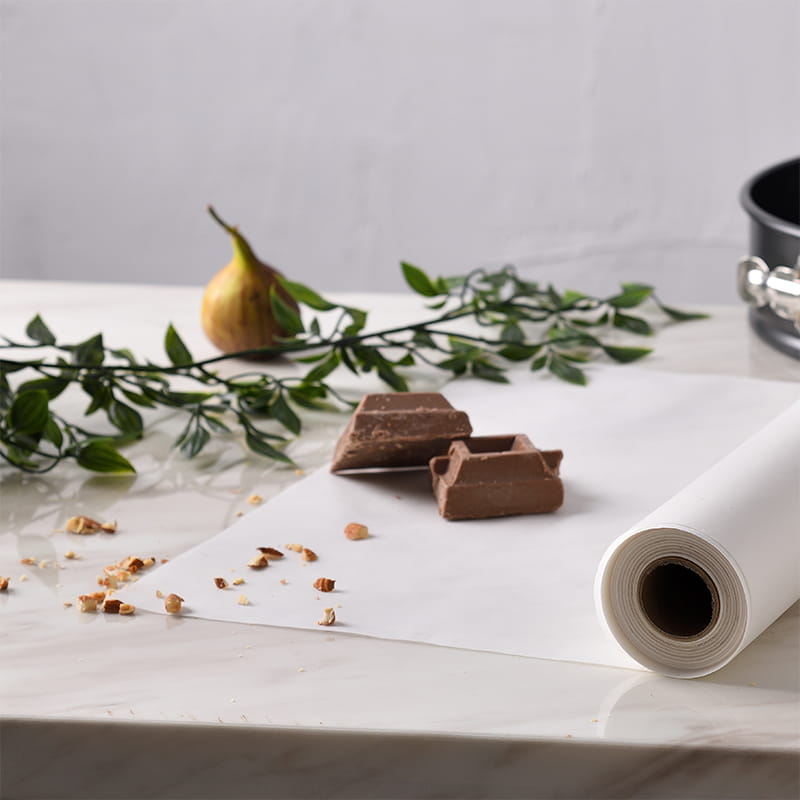
Product Features: 1. Virgin wood pulp 2. Double sides food grade silicone treated 3. Fluorine-free 4. Non-stick 5. Oven/Microwave safe 6. Freezer safe 7. Reusable 8. BPA ...
See Details -
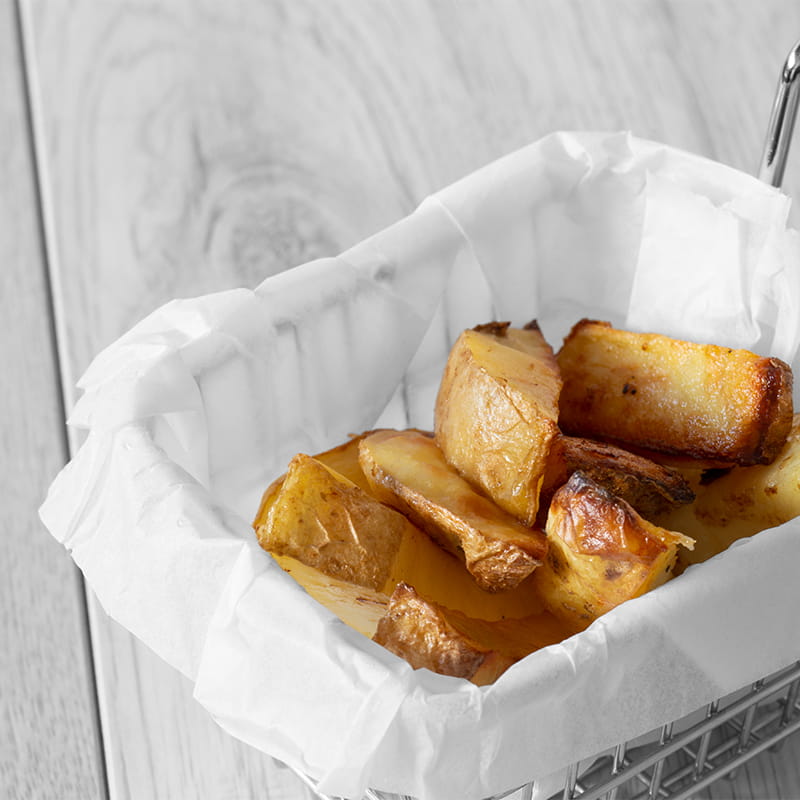
Product Features: 1. Virgin wood pulp 2. Fluorine-free 3. BPA free 4. Biodegradable Product Details: In an era where environmental consciousness and sustainability are paramount, Natu...
See Details -
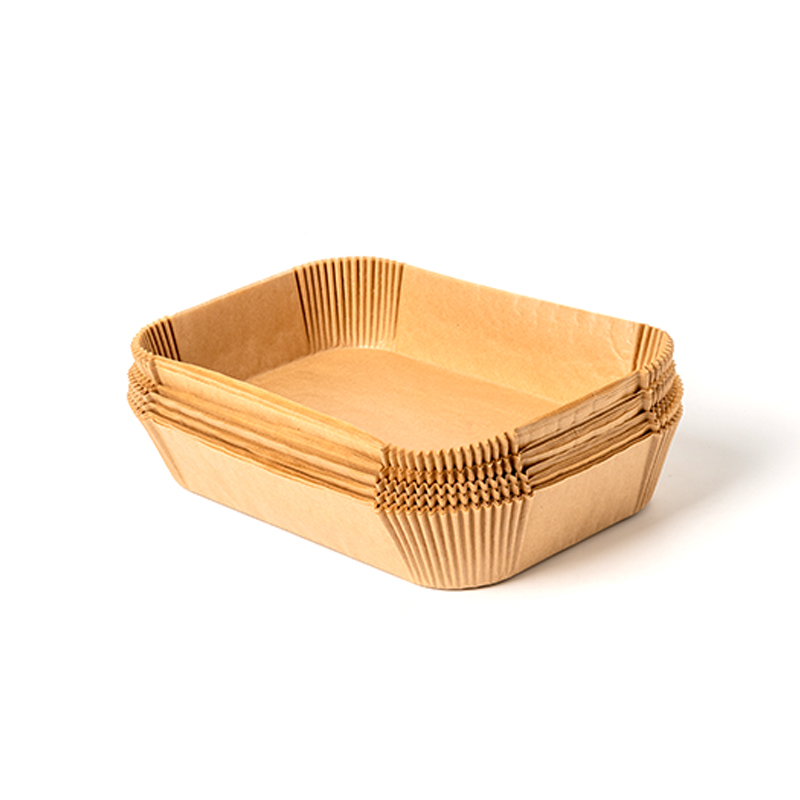
Product Features: 1. Virgin wood pulp 2. Double sides food grade silicone-treated 3. Fluorine-free 4. Non-stick 5. Air fryer basket safe 6. Reusable 7. BPA free 8. Biodeg...
See Details -
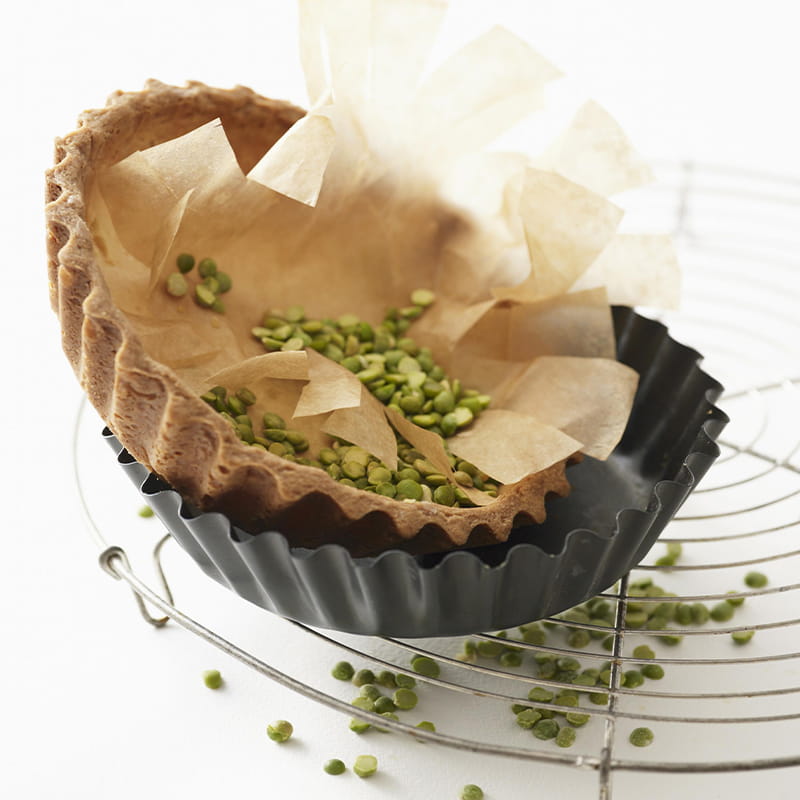
Product Features: 1. Virgin wood pulp 2. Natural unbleached brown color 3. Fluorine-free 4. BPA free 5. Biodegradable Product Details: Introducing our Unbleached Brown Food Grade ...
See Details -
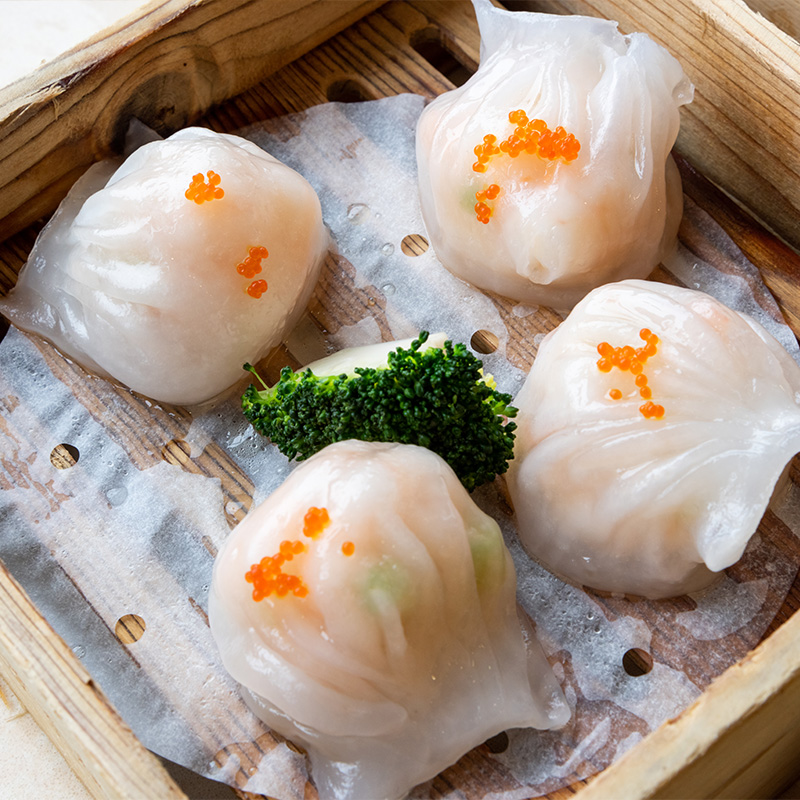
Product Features: 1. Virgin wood pulp 2. Double sides food grade silicone treated 3. Fluorine-free 4. Non-stick 5. Steamer/air fryer basket safe 6. Reusable 7. BPA free 8...
See Details -
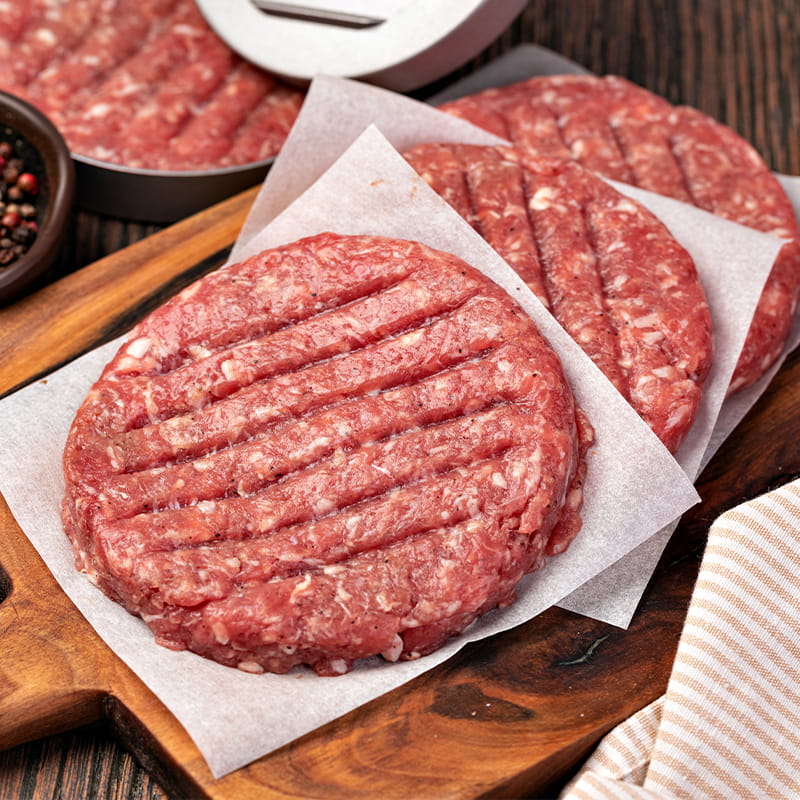
Product Features: 1. Virgin wood pulp 2. Double sides food grade silicone treated 3. Fluorine-free 4. Non-stick 5. Easy to separate 6. Reusable 7. BPA free 8. Biodegradab...
See Details -
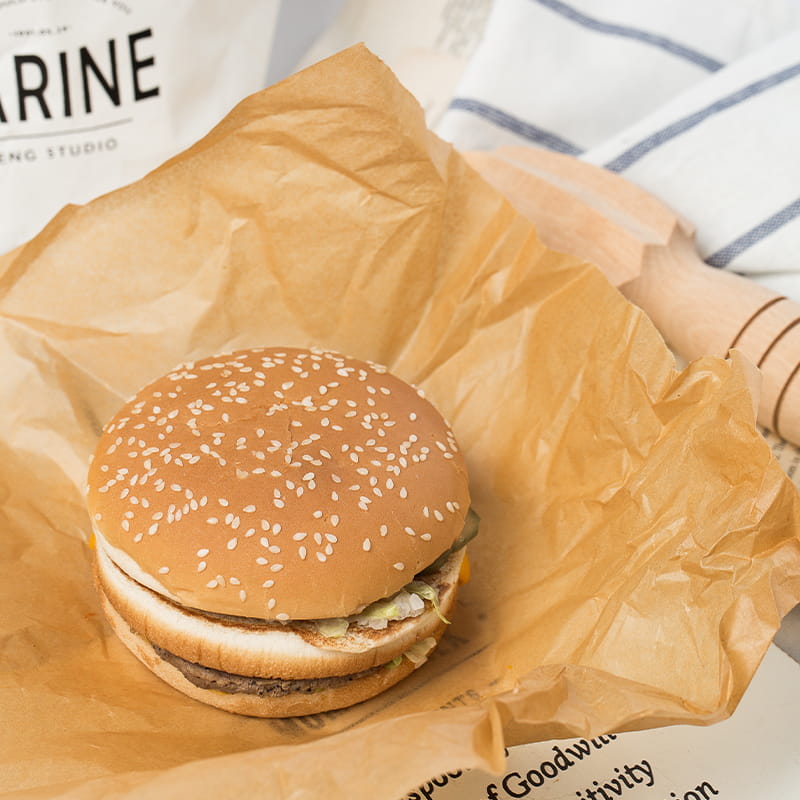
Product Features 1. Virgin wood pulp 2. Flexographic printing 3. Eco-friendly water-based ink 4. BPA free Product Details: Introducing our premium Greaseproof Sandwich Paper Sheets, a...
See Details

Professional Baking Parchment Paper Manufacturer in China with more than 15 years silicone coating experience.
Products
Contact Us
- No.10 Longyin Road, Chengnan Industrial Park,Longyou, Quzhou, China.
- +86-18968091013 / +86-571-88639705
- Avayao-1990@hotmail.com
Copyright © Zhejiang Guanghe New Materials Co., Ltd. All Rights Reserved.
Parchment Paper & Baking Paper Sheets Manufacturer
