 English
 中文简体
中文简体
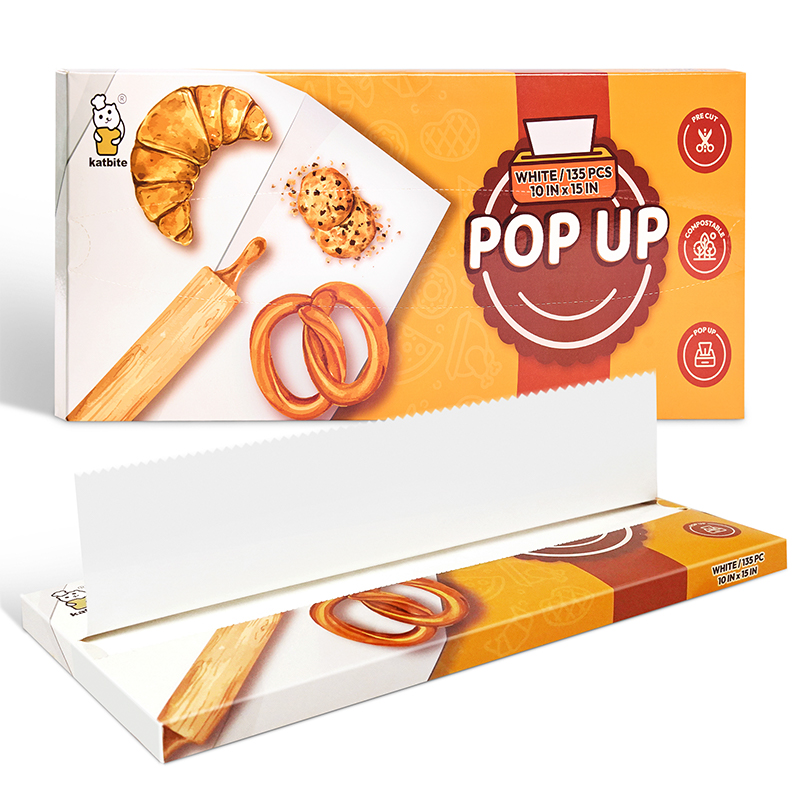
Product details: Pop-up parchment paper sheets, an environment-friendly product, are composed of wood pulp and are double-side coated with silicone. Such a coating makes our paper smooth, greasepr...
See DetailsOptimizing Food Production with Baking Paper
In the global manufacturing and food preparation landscape, isolation and lining materials that come into direct contact with ingredients are attracting a level of attention that goes far beyond being a background item in production. Over the past decade, growth in commercial baking, food takeaway services, frozen food layering, and central kitchen models has steadily shifted the spotlight toward consumables that can meet the intersecting demands of hygiene, stability, and workflow continuity. Production lines in many food-related sectors increasingly rely on materials that serve a dual purpose: enabling smoother processing while also supporting cleaner, safer output. Regulatory conversations have moved toward broader food contact material governance, emphasizing that anything touching food must contribute to stability under oil exposure, humidity fluctuations, and thermal stress without degrading into process liabilities.
Commercial kitchens, central food prep hubs, and small-to-medium food workshops all share a common operational reality: speed and predictability are now non-negotiable components of competitiveness. In busy baking environments, grease buildup, sticking residues, cross-batch contamination, and manual tray greasing add friction to otherwise efficient workflows. What used to be solved by labor intensity is now solved by smarter process consumables. At the same time, sustainability narratives are evolving rapidly, especially in eco-conscious food manufacturing regions. The challenge is no longer simply producing faster, but producing responsibly, ensuring materials can fit into sustainable waste handling pathways without undermining product safety or creating new bottlenecks.
These shifts have created a manufacturing ecosystem where isolation materials are no longer judged on a single performance dimension. Instead, they are evaluated for their ability to help businesses operate cleaner, reduce manual risk exposure, maintain batch consistency, support sustainable packaging transitions, and meet increasingly detailed hygiene inspection expectations. In that context, Baking paper has quietly—but very steadily—secured a place as one of the practical materials manufacturers and kitchens adopt to harmonize product safety and process stability.
Core Application Logic of Baking Paper as a Process Consumable
In manufacturing and kitchen workflows, isolation materials serve as the interface between raw ingredients and the surfaces, trays, molds, or containers they interact with. When the wrong material is used, sticking, tearing, grease seepage, moisture imbalance, or oxidation exposure can create chain reactions that ripple through the entire production cycle. Baking and steaming operations generate a complex environment where oil saturation, trapped vapor, fluctuating humidity, and sustained heat converge. An isolation sheet that cannot tolerate these combined stressors becomes part of the problem, not the solution.
Baking paper functions as a non-stick and grease-stable barrier, enabling food to separate cleanly from trays without requiring manual greasing or repeated washing cycles mid-shift. Unlike open greasing methods, which introduce flavor-neutral oils that can interfere with finished product surfaces or leave uncontrolled residue layers, baking paper offers a dry, stable interface that avoids material-softening grease pooling and reduces variability between batches. The compatibility extends beyond baking alone—food wrapping, steaming isolation, freezer layering separation, dough shaping lining, and prepared meal stacking all benefit from a surface buffer that preserves material integrity while avoiding unwanted chemical migration or surface breakdown.
A defining part of its adoption logic is adaptability. In commercial baking, the same tray may handle butter-rich cookies in one batch, sticky caramel-based pastries in the next, and high-moisture vegetable bakes shortly afterward. A process material that lacks multi-condition tolerance forces operators to reset conditions, reglaze surfaces, or deep-clean equipment prematurely. Baking paper, by contrast, provides a standardized buffer that can be swapped between batches instantly, allowing workflow continuity even in mixed-material production environments.
For manufacturers, the value lies in a straightforward logic: smoother tray turnover, less manual exposure to oil and heat, reduced sticking-based waste, fewer interruptions, and a more predictable output profile that improves downstream process reliability. That reliability is why baking paper is now treated as a workflow material rather than a single-purpose accessory.
Influence of Baking Paper on Food Quality and Batch Consistency
In large-batch food production, inconsistency often originates not from the recipe but from the surfaces, oils, and environmental moisture that food contacts during processing. Uncontrolled moisture can deform dough bases, generate uneven steaming absorption, and alter pastry firmness gradients. Manual tray greasing introduces uncontrolled film thickness that may absorb into dough edges unevenly. Repeated washing between batches introduces micro-temperature variation due to residual tray moisture. Each of these factors increases batch unpredictability.
Baking paper minimizes these interferences by providing a stable thermal interface. Pastries brown more evenly without localized oil pooling, dough peels cleanly without structural tearing, and wrapped foods steam without surface sogginess transferring unpredictably into texture gradients. In freezer stacking, sheets prevent prepared food layers from fusing, protecting shape retention for later processing or reheating. This directly reduces product loss from sticking damage, deformation, or surface breakdown.
For manufacturers selling baked or steamed goods, this consistency is more than a workflow improvement—it is a product stability guarantee. Consistent batches strengthen buyer trust, stabilize long-cycle client relationships, and reduce quality disputes or refund cycles triggered by deformity, cracking, sticking scars, or mold risk from humidity exposure. In inspection-heavy food sectors, consistent output also supports more stable hygiene validation outcomes, as trays, layers, and separation sheets introduce fewer microbial breeding variables caused by trapped grease or inconsistent humidity absorption.
How Baking Paper Helps Improve Production Efficiency and Reduce Process Costs
Manufacturing profitability depends on reducing friction inside production cycles. Natural air drying or manual greasing creates long pauses between batches. Tray cleaning cycles may become longer than baking cycles themselves. Manual rotation of steaming racks increases heat exposure risk for workers and introduces labor intensity that slows multi-machine workshop environments.
Industrial isolation consumables like baking paper streamline production by shortening tray reset time, allowing back-to-back batch processing without mid-shift greasing or deep washing. Grease-blocking interfaces reduce dough or pastry damage, which means more finished output per load. Thermal stability reduces energy fluctuations, preventing ovens from working harder to compensate for tray moisture or grease pooling variations. Lower material waste also means fewer input resources are lost in process errors triggered by sticking or deformation.
| Drying & Baking Approach | Workflow Continuity | Energy Stability | Waste Control |
|---|---|---|---|
| Natural Greasing & Open Drying | Weather-dependent | Unstable | Uneven waste control |
| Basic Heated & Manual Lining | Partially continuous | Moderate | Inconsistent results |
| Baking Isolation with Sheets | Continuous batch turnover | Stable | Improved control |
Efficiency gains show up in labor hours saved, batch continuity protected, and ingredient loss minimized. For smaller workshops managing multiple machines and mixed food loads, these time and waste savings reduce both direct and hidden operational costs.
Baking Paper and the Industry Shift Toward Sustainable Manufacturing Practices
Sustainable manufacturing in food-related sectors now involves balancing waste reduction, energy stability, and material isolation pathways that do not interfere with recycling or composting systems. Grease-heavy open drying or repeated tray washing introduces water waste and chemical runoff that complicates disposal narratives. Plastic-based isolation layers often contaminate recycling loops when food-soiled. Fabric drying racks introduce laundering runoff and detergent waste. The industry conversation is moving toward isolation materials that help production run cleanly without becoming a sustainability liability at the end of use.
Baking paper supports sustainable workflows by eliminating tray oil waste and reducing water-based tray washing frequency. When food workshops stack frozen meals, wrap steam-roasted ingredients, or separate oil-rich pastry batches, sheets preserve product shape without creating synthetic contamination loops. This aligns naturally with circular economy preparation logic—dry isolation layers prepare materials for reuse cycles without embedding oil residue that breaks down fiber or plastic integrity for the next processing phase.
Environmental trust narratives are evolving. Buyers now expect manufacturing chains to use materials that demonstrate responsible grease isolation, thermal stability, and hygienic batch turnover. Baking paper supports that expectation because it works as a process consumable that improves workflow continuity while still aligning with biodegradable isolation narratives when discarded responsibly. This positions it well in sustainability-forward food manufacturing sectors without leaning on claims or numerical efficiency bragging.
Emerging Kitchen and Manufacturing Scenarios Where Baking Paper Extends Process Reliability
Food processing environments are evolving. Modern kitchens now adopt steam-wrap baking, freezer layering separation, air-heated tray lining, pastry oil isolation, prepared meal stacking separation, dough-shaping lining, takeaway food layering, and cold-chain material separation before packaging. Isolation consumables must now function in both wet heat and oil-saturated thermal environments without degrading into production liabilities.
Baking paper extends reliability across these mixed-condition scenarios by serving as a thermal buffer that keeps trays dry between batches, isolates grease without embedding into dough edges, separates stacked food layers in freezer storage, protects steaming wraps from oxidation exposure, and enables small teams to run multiple food processes without resetting surfaces manually. The adaptability supports batch-based loading in compact workshops, central kitchens managing mixed loads, and takeaway hubs stacking prepared meals without adhesion damage between layers.
Future kitchen workflows are expected to emphasize low manual heat exposure, cleaner batch turnovers, mixed-material adaptability, and sustainable waste control narratives. Isolation consumables that can function as both baking and packaging liners will gain traction as a long-cycle reliability asset for manufacturers managing batch continuity across seasons, humidity gradients, and mixed food oil profiles.
Changing Expectations in Food Manufacturing for Heat, Oil, and Humidity-Stable Isolation Sheets
The demands placed on food isolation materials have shifted significantly. Commercial baking now includes butter-heavy pastries, sticky syrup bases, dough-rich tray bakes, vegetable steam-wrap bakes, frozen prepared meal stacking, and grease-saturated industrial bakes. These mixed conditions create a convergence of oil, vapor, and thermal stress. Isolation sheets must handle these combined pressures without breaking down into clumps, sticking residues, oxidation triggers, or tray moisture imbalances that deform food.
Baking paper responds to these demands by offering non-stick separation that works under oil exposure without requiring manual greasing resets. It protects steaming wraps from oxidation risk, prevents freezer stacking adhesion damage, isolates trays from humidity-driven microbial breeding loops, and keeps batches more predictable for operators managing multiple machines. Unlike basic greasing or open-rack drying, this consumable material creates fewer failure triggers caused by residue moisture, oil migration scars, or surface film interference.
These shifts reflect a broader industry narrative: isolation consumables are now judged for stability, process compatibility, hygiene inspection readiness, waste reduction logic, and thermal interface predictability rather than single-purpose performance claims.
How Baking Paper Supports Small Workshops and Central Kitchens
Smaller workshops and central kitchen models operate under tighter spatial and labor constraints than large-scale industrial plants. In these environments, consumables must reduce manual dependency, minimize heat exposure risk, prevent sticking waste, support multi-batch continuity, and improve hygiene inspection outcomes without forcing owners to overhaul traditional hands-on process identities. Many small food workshops historically relied on rooftop sun drying, manual greasing, or repeated tray washing between batches. These methods worked when environment cooperated but created batch inconsistency when humidity shifted, rain stalled operations, or oil film pooled unevenly into dough edges.
Baking paper allows these workshops to operate continuously without embedding environmental variability into production. Compact batch loading fits lean workflows where one operator handles multiple machines simultaneously. Tray turnovers become simpler without requiring specialist labor or process redesign. Dough retains shape better because trays stay dry between cycles, avoiding water-embedded microbial breeding loops. Pastry surfaces remain cleaner without patchy oil migration scars. This reduces refund friction with buyers while keeping regular clients satisfied.
Future Trends and Strategic Role of Baking Paper in Food Manufacturing
Food manufacturing is moving toward more stable isolation layers, reduced manual dependency, circular economy readiness, mixed-material adaptability, and hygienic batch continuity narratives that remain credible without superlative claims. Baking paper fits this future positioning because it provides a stable buffer under oil, vapor, and humidity stress while enabling continuous batch turnovers without interfering with product integrity or downstream reuse cycles. Microwave-based drying and low-temperature isolation methods are emerging for delicate foods, but the core narrative remains consistent: process sheets that reduce sticking waste, stabilize thermal interfaces, and support multi-batch continuity will become a long-cycle reliability asset for manufacturers operating in mixed-condition environments.
Practical Value of Baking Paper and an Introduction to Manufacturing Capability
Isolation consumables that come into direct contact with ingredients will continue gaining strategic value as manufacturers balance safety, quality, cost stability, and sustainability narratives. Rather than being a single-purpose kitchen accessory, these materials now function as workflow consumables that help production run continuously, reduce sticking waste, stabilize trays under wet heat and grease pressure, support freezer stacking separation, improve hygiene inspection outcomes, and strengthen long-cycle buyer trust.
It is fitting to highlight that such manufacturing-scale consumables require stable upstream capability to support growing demand. Guanghe, the factory behind this material category, operates with production experience in large-batch food isolation consumables. The facility supports mixed-condition process adaptability, efficient tray isolation workflows, hygiene-inspection readiness, and scalable manufacturing capability while preserving a hands-on production identity. With structured internal processes, stable material preparation pathways, and manufacturing continuity protected across diverse workshop and central kitchen scenarios, Guanghe continues strengthening its role as an upstream partner supporting food manufacturing chains that expect practical, reliable, and sustainability-aligned isolation consumables.
Related Products
-
-
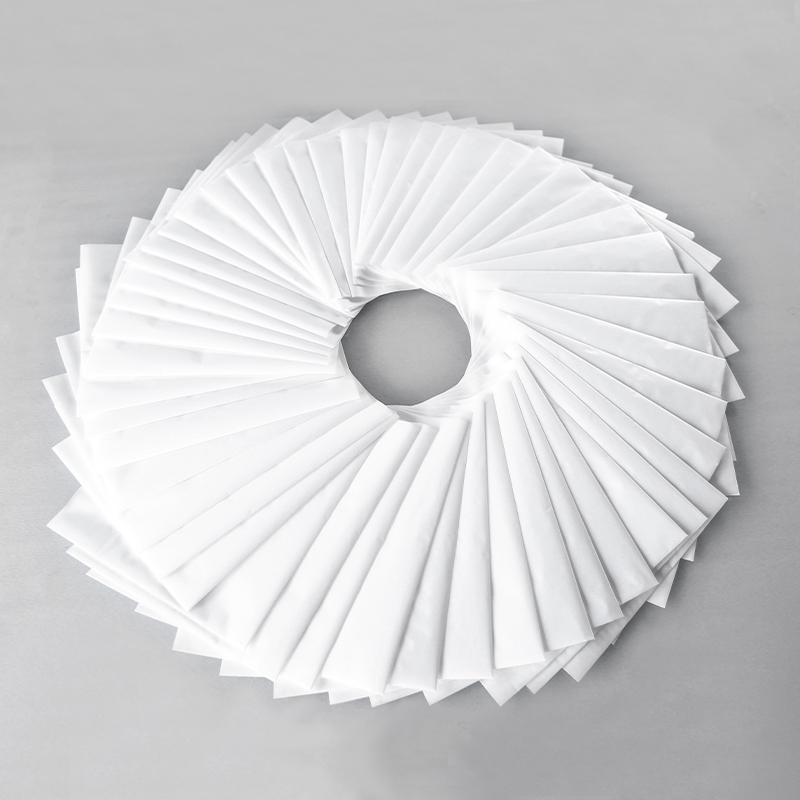
Product details: Folded baking paper sheets, an environment-friendly product, are composed of wood pulp and are double-side coated with silicone. Such a coating makes our paper smooth, greaseproof and...
See Details -
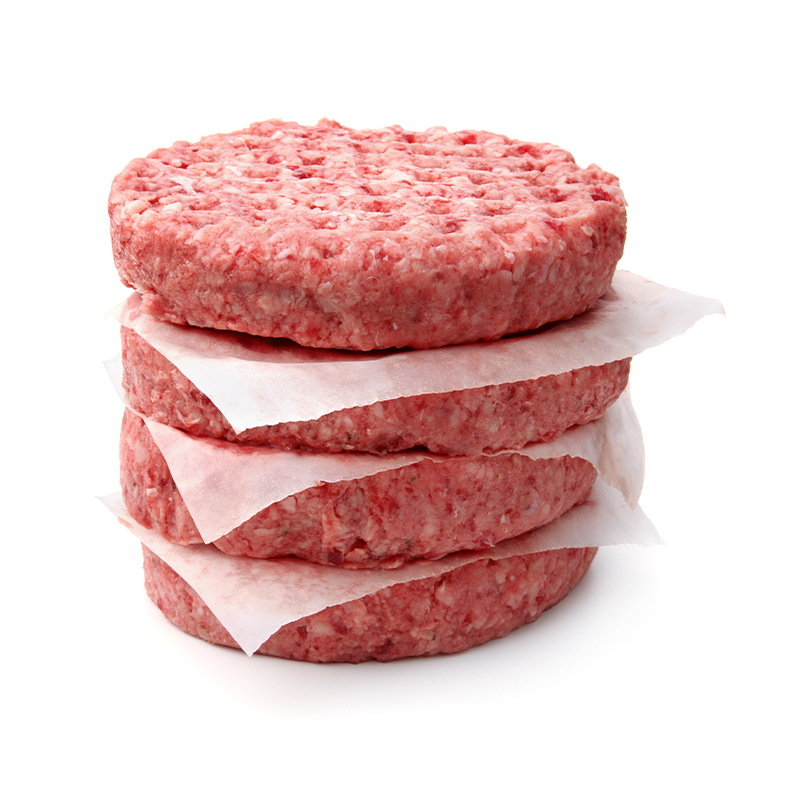
Description: Wax paper is the paper that is coated with food-grade wax in order to make it non-stick and waterproof. wax paper is very good for food storing and presentingMade of food-grade paper and ...
See Details -
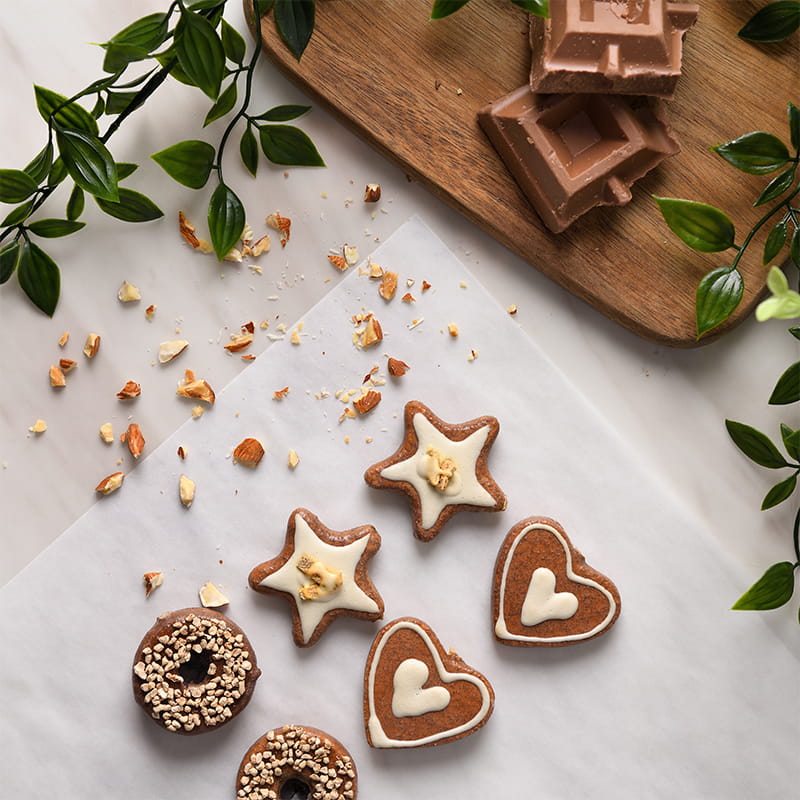
Product Features: 1. Virgin wood pulp 2. Double sides food grade silicone-treated 3. Fluorine-free 4. Non-stick 5. Oven/Microwave safe 6. Freezer safe 7. Reusable 8. BPA f...
See Details -
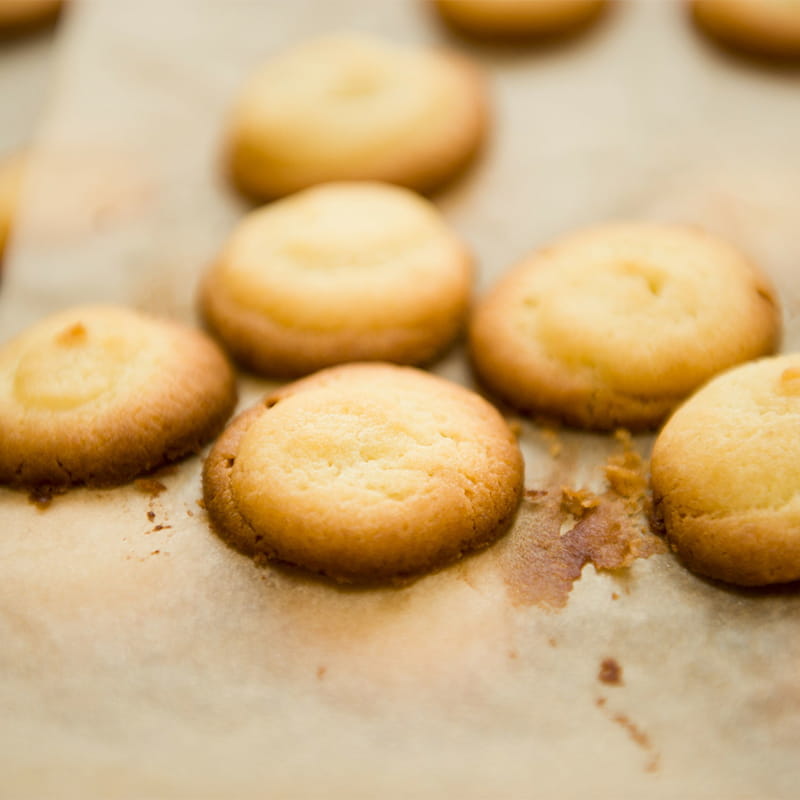
Product Features: 1. Virgin wood pulp 2. Natural unbleached brown color 3. Double sides food grade silicone-treated 4. Fluorine-free 5. Non-stick 6. Oven/Microwave safe 7. Fre...
See Details -
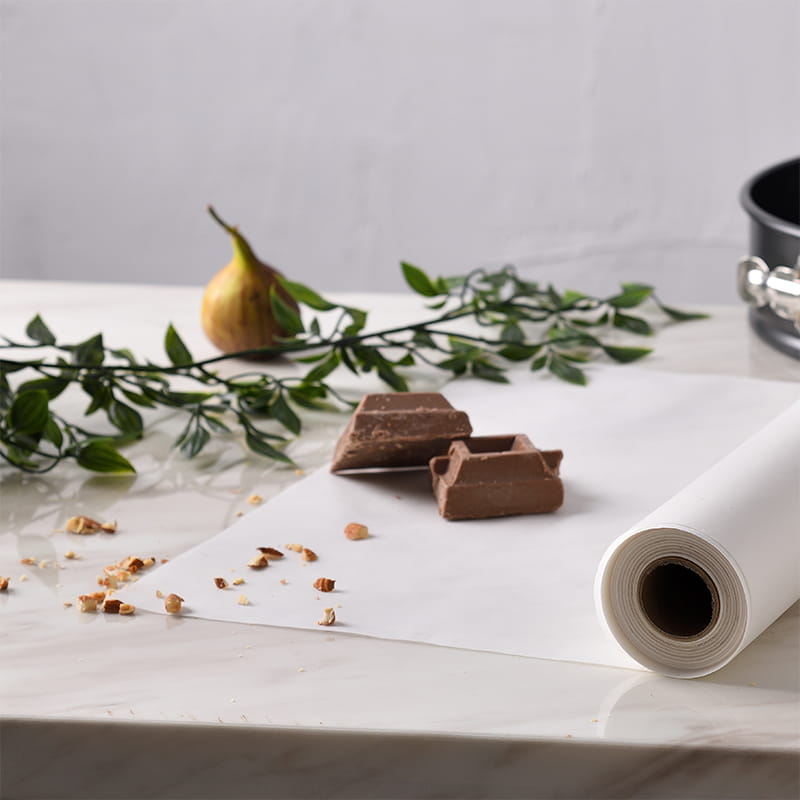
Product Features: 1. Virgin wood pulp 2. Double sides food grade silicone treated 3. Fluorine-free 4. Non-stick 5. Oven/Microwave safe 6. Freezer safe 7. Reusable 8. BPA ...
See Details -
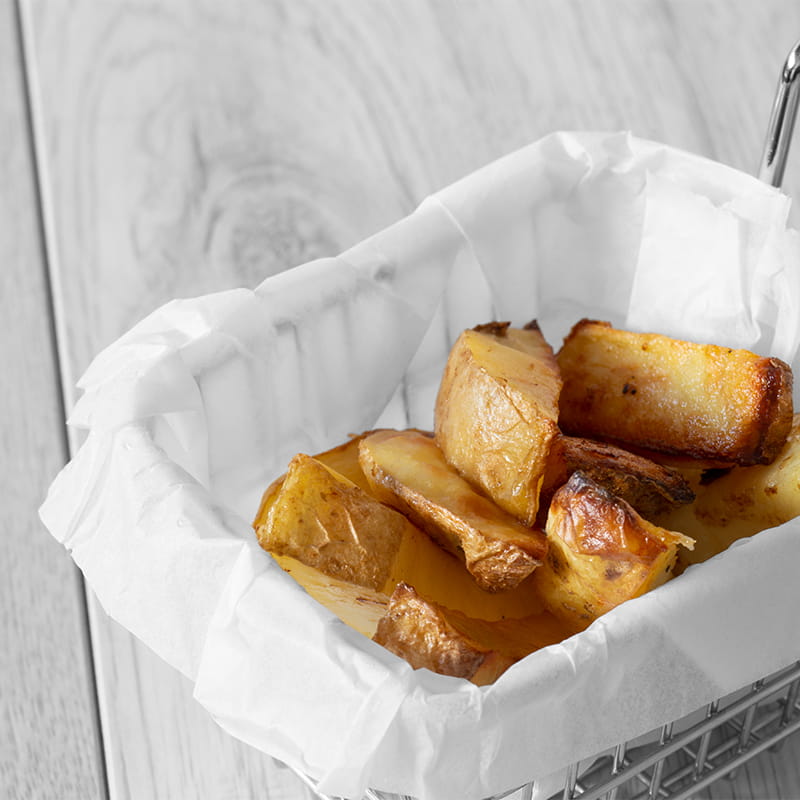
Product Features: 1. Virgin wood pulp 2. Fluorine-free 3. BPA free 4. Biodegradable Product Details: In an era where environmental consciousness and sustainability are paramount, Natu...
See Details -
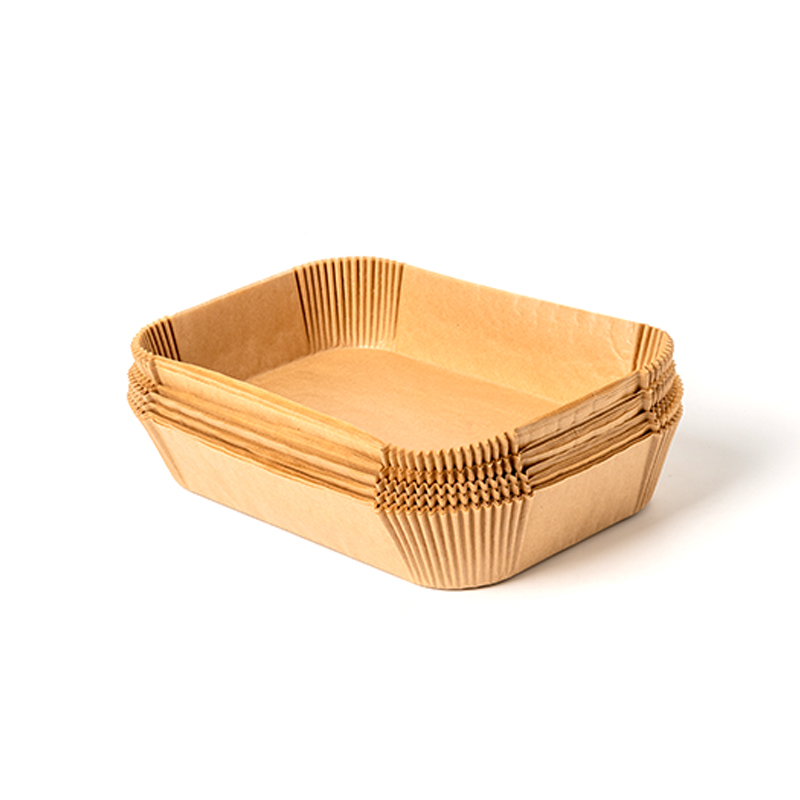
Product Features: 1. Virgin wood pulp 2. Double sides food grade silicone-treated 3. Fluorine-free 4. Non-stick 5. Air fryer basket safe 6. Reusable 7. BPA free 8. Biodeg...
See Details -
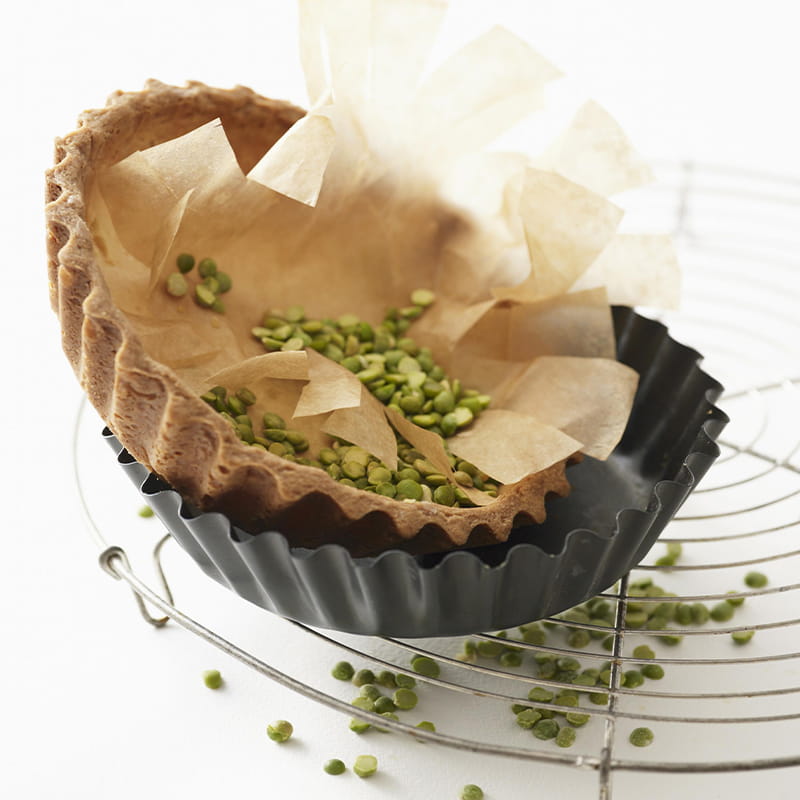
Product Features: 1. Virgin wood pulp 2. Natural unbleached brown color 3. Fluorine-free 4. BPA free 5. Biodegradable Product Details: Introducing our Unbleached Brown Food Grade ...
See Details -
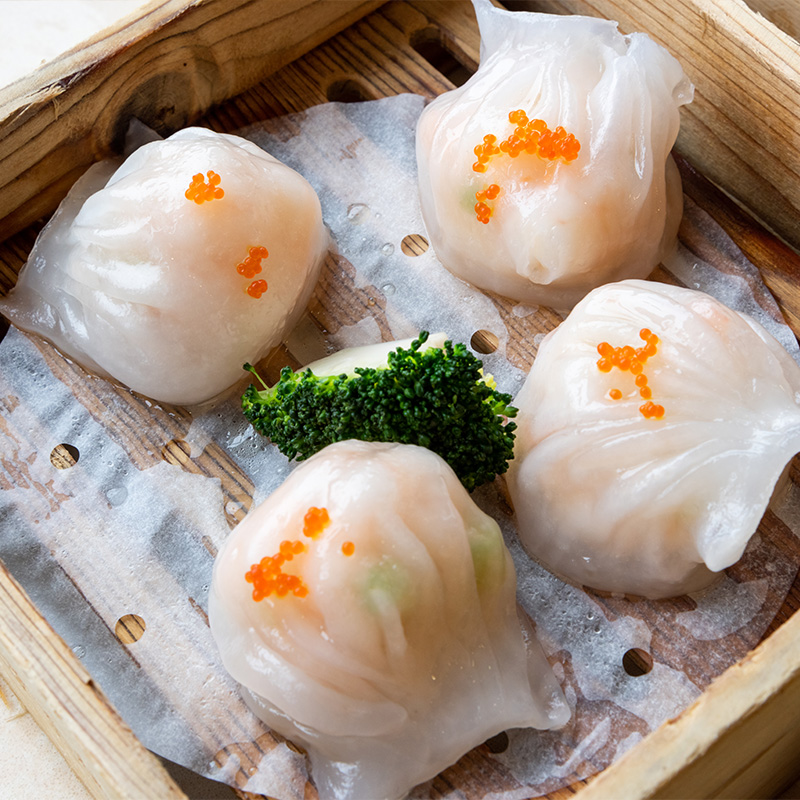
Product Features: 1. Virgin wood pulp 2. Double sides food grade silicone treated 3. Fluorine-free 4. Non-stick 5. Steamer/air fryer basket safe 6. Reusable 7. BPA free 8...
See Details -
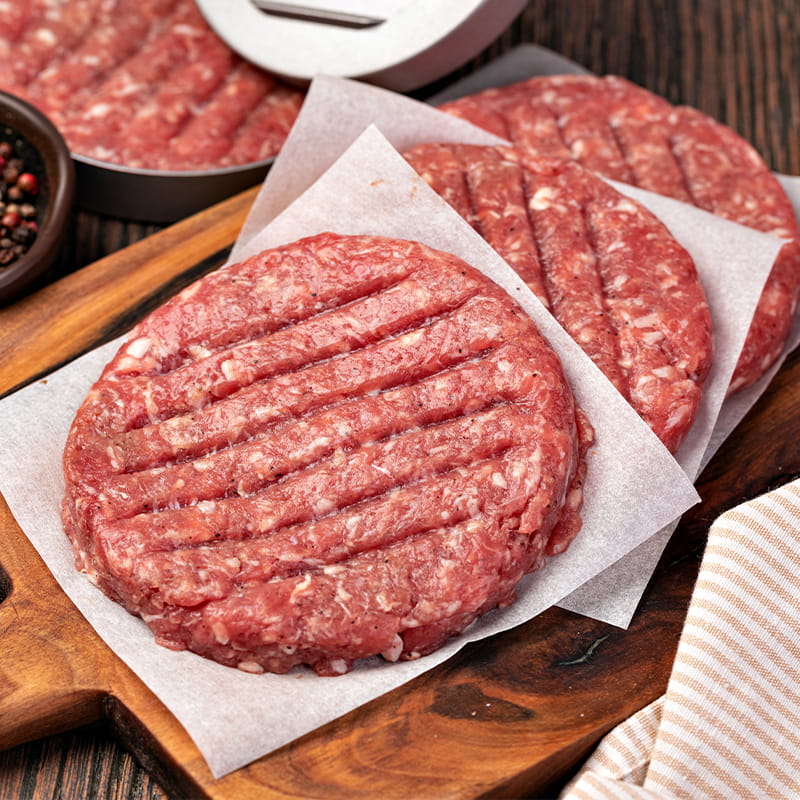
Product Features: 1. Virgin wood pulp 2. Double sides food grade silicone treated 3. Fluorine-free 4. Non-stick 5. Easy to separate 6. Reusable 7. BPA free 8. Biodegradab...
See Details -
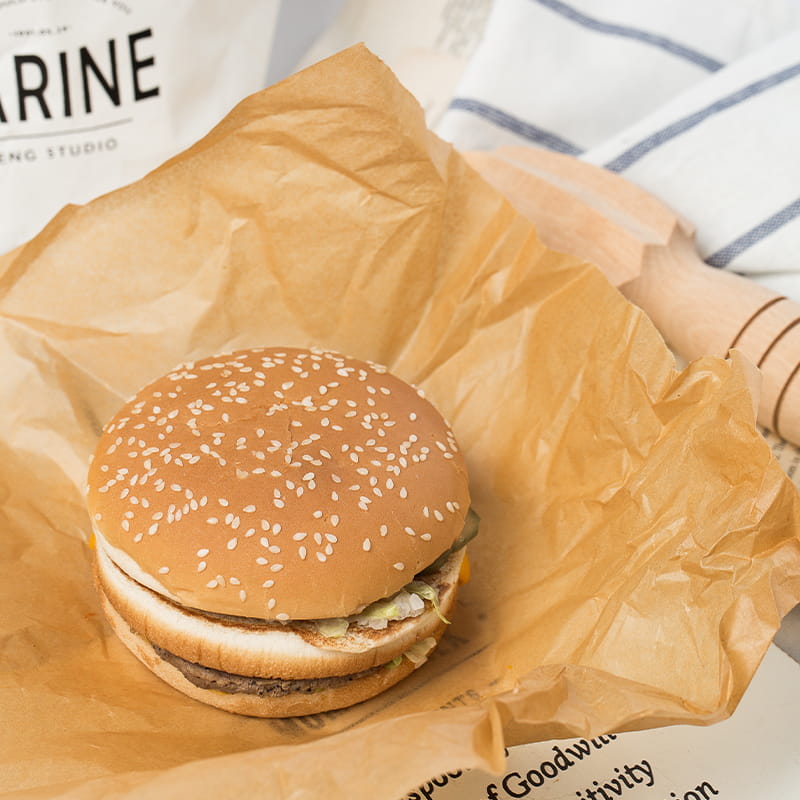
Product Features 1. Virgin wood pulp 2. Flexographic printing 3. Eco-friendly water-based ink 4. BPA free Product Details: Introducing our premium Greaseproof Sandwich Paper Sheets, a...
See Details

Professional Baking Parchment Paper Manufacturer in China with more than 15 years silicone coating experience.
Products
Contact Us
- No.10 Longyin Road, Chengnan Industrial Park,Longyou, Quzhou, China.
- +86-18968091013 / +86-571-88639705
- Avayao-1990@hotmail.com
Copyright © Zhejiang Guanghe New Materials Co., Ltd. All Rights Reserved.
Parchment Paper & Baking Paper Sheets Manufacturer
