 English
 中文简体
中文简体
Product details: Pop-up parchment paper sheets, an environment-friendly product, are composed of wood pulp and are double-side coated with silicone. Such a coating makes our paper smooth, greasepr...
See DetailsGuanghe Parchment Paper Trends and Consumer Expectations
Parchment paper has found its way into more kitchens over the last few years, quietly becoming one of those items people keep on hand without much debate. It lines baking sheets for cookies or bread, wraps fish or vegetables for steaming, separates layers in packaging, or keeps trays from getting covered in grease. What used to be mostly an occasional baking aid now shows up in regular meal prep, small-scale food businesses, and even takeaway packaging. People reach for it because it cuts down on stuck food, makes cleanup quicker, and helps handle ingredients without adding extra oil or mess. The conversations around it have changed too—folks talk more about where the material comes from, how it affects the food, what happens after use, and whether it really fits with the way they want to cook and live.
Changing Expectations Around Kitchen Liners in Homes and Businesses
People using these sheets now want to know more about the starting point—how the pulp is sourced, what steps turn it into a finished liner, and if any treatments get added along the way. Questions about avoiding animal-based ingredients or heavy chemical layers come up often, especially when food touches the surface directly.
The bigger picture matters too. Where the raw materials come from, how much energy goes into production, and what happens when the sheet ends up in the bin or compost pile—all of these feed into decisions. It's not just about the cooking moment; it's about feeling okay with the whole chain.
Convenience still wins out many days. Lining a tray means less scrubbing afterward, which is hard to argue against when dinner needs to hit the table fast. But there's also a growing sense that single-use items add up, so some people weigh them against washable mats or other reusable options. Online cooking videos and shared recipes play a big part here—when a popular post shows a liner making a tricky dish easier, it often sends people looking for a pack the next time they shop.
There's some hesitation around liners that seem overly engineered. Simpler compositions that don't change the taste, texture, or how heat moves through food tend to get more trust. When marketing pushes too hard on special features, users sometimes step back and ask whether the basic job still gets done reliably.
The Back-and-Forth on Sustainability Claims and Real-Life Disposal
Sustainability talk around these liners often hits a wall between what's promised and what actually happens. Many packages say “compostable,” but once food residue, oils, or certain coatings are involved, the sheet doesn't always break down the way people expect—especially in home compost bins or local facilities that aren't set up for industrial processing.
Recycling confusion shows up too. Greasy or treated sheets don't always fit standard bins, and the labels don't always make that clear enough. This gap keeps the conversation going, with people sharing their own disposal experiences and asking for more straightforward guidance.
On the flip side, liners do help cut waste during cooking itself. They prevent food from sticking and burning onto trays, which means less gets thrown out. Portioning becomes cleaner, batches cook more evenly, and you often end up using less oil or spray. In places that go through a lot of trays—like restaurants, Cafes, or catering setups—this adds up to real savings in cleaning water, detergents, and time spent scrubbing.
Wider Use Across Different Settings and the Push for Better-Fitting Formats
Home baking picked up speed during the years when everyone was cooking more at home, and social media kept that momentum going. Recipes for cookies, breads, pastries, and roasted vegetables spread quickly, and liners became part of the visual story—easy release, clean trays, nice-looking results. Some people now look for subtle patterns or colors that make the finished dish look more appealing in photos.
In catering, pop-up kitchens, or small food businesses, space is usually tight and turnaround is fast. Liners that handle multiple jobs without taking up much room become go-to choices. Hygiene rules in these settings make single-use surfaces appealing since they reduce cross-contamination worries and speed up prep.
Packaging uses have grown too. Sheets work as inner wraps for fried foods, baked goods, or greasy items to keep packaging clean. They line baskets, cover trays, or act as grease barriers in takeaway containers. In artisanal food sales or gifting, a natural-looking wrap adds to the handmade feel without much extra effort.
Changes in How Liners Are Made and Coated
Coating approaches have shifted toward methods that use fewer strong chemicals. Water-based or plant-sourced treatments show up more because they tend to smell less and leave fewer traces after heating.
Cutting accuracy has improved too. Even edges and consistent sizes mean less trimming and better fit on standard trays or molds. Some sheets come perforated for airflow in certain cooking methods, others pre-folded for quick stacking, or lightly textured for better grip during handling.
Printing on liners brings its own questions—making sure any ink stays put during baking and doesn't transfer to food. Natural pigments get more attention for those who want a touch of design without worrying about safety.
Important Regulatory Topics and Certification Questions
Rules around food-contact materials focus on keeping unwanted substances from moving into the food. Requirements have tightened in several regions, so suppliers now share more detailed information about testing and compliance.
Sourcing certifications tied to responsible forestry practices come up regularly, along with those for industrial composting. People sometimes get mixed up about what these labels actually mean in everyday use, so clearer explanations help.
Labeling has to be honest—avoiding claims that don't hold up in real disposal situations. Professional buyers increasingly ask for basic documentation to confirm what's being supplied.
How Suppliers Stand Out Through Reliable Performance and Trust
In a crowded market, the liners that get repeat buys are the ones that simply work well over time. They release food cleanly, hold up when folded or exposed to oil, and don't tear easily under normal heat.
Packaging details make a difference too—flat stacks that store easily, boxes that dispense one sheet at a time, or wraps that keep moisture out. Simpler, sturdy packaging keeps the product in good shape until it's used.
Trust builds through real feedback. When recipe creators or professional cooks share their experiences—good or bad—it carries more weight than advertising. Word spreads naturally about which liners hold up in daily use.
Supply Chain Realities, Cost Pressures, and Regional Differences
Pulp prices move around a lot depending on global supply, which affects availability and pushes some buyers toward closer sources. Shipping holdups have made local or regional options more appealing when possible.
Tastes vary by area. Unbleached sheets appeal in places where people like a natural look. Stronger grease resistance stands out in markets where fried or oily foods are common. Decorative prints do well where food gifting or café presentation plays a big role.
Online Searches and Content That Shape Buying Choices
People search for answers to practical questions: whether the sheet handles high heat safely, what else it can be used for beyond baking, how to pick a more responsible option, whether it can stand in for foil or mats, and how to avoid burning edges.
These searches reflect everyday concerns and drive decisions at the store or online.
| Application Scene | Main User Priorities | Expected Value to Workflow | Common Design Influence |
|---|---|---|---|
| Home Baking & Roasting | Safety, quick cleanup, good release | Less stuck food, fewer cleaning chemicals | Pre-cut sizes, unbleached varieties, light patterns |
| Restaurant & Food Service | Fast turnaround, hygiene, durability | Less oil residue, easier tray cleaning | Dispense boxes, reliable grease handling |
| Catering & Pop-Up Kitchens | Easy transport, stacking, clean presentation | Consistent results, reduced waste | Flat packs, folded stacks |
| Artisanal & Gift Packaging | Grease control, natural look | Tidy wraps for baked or oily items | Safe pigments, subtle textures |
Health-Related Discussions Around Food-Contact Liners
Talk often centers on avoiding coatings that could migrate into food. Options without certain synthetic treatments get more attention as people look for simpler makeup.
Maintaining the food's natural taste and texture is a priority—no off notes or unexpected moisture changes. Allergy considerations push interest in coatings free from common triggers.
Common Misconceptions About Kitchen Liners and How Reality Often Differs
People pick up a lot of ideas about these sheets from packages, online posts, or quick tips shared in cooking groups. Some of those ideas hold up fine, but others cause confusion when they meet real-life use. Clearing up the mix-ups helps folks choose and use liners in ways that actually match their needs.
The Belief That All Sheets Break Down Easily in Home Compost
A common assumption is that any liner labeled compostable will disappear nicely in a backyard bin. In practice, once the sheet has picked up food oils, grease, or certain coatings, it often doesn't break down as quickly—or at all—in typical home setups. Many composting certifications refer to industrial facilities with higher heat and specific conditions, not the slower process in a garden pile. Dyes or printed patterns can slow things further. This doesn't mean the sheets are bad; it just means disposal expectations need to line up with local options. Some users end up tossing soiled sheets in regular trash anyway, which takes away from the intended benefit.
Assumptions Around Heat Handling and Limits
Another frequent thought is that kitchen liners can take any oven temperature without issue. The truth varies by how thick the sheet is and what treatment it has. Thinner or lightly coated ones might curl, brown early, or lose non-stick properties at higher settings, while heavier versions hold up longer. It's why some people notice edges charring on one batch but not another, even in the same oven. Checking the package guidance—or testing a small piece first—saves frustration. Over time, users learn which types suit their usual roasting or baking habits.
What Unbleached Really Means in Practice
Unbleached sheets get praised for looking more natural, and many assume that means no processing chemicals at all. Actually, it just skips chlorine bleaching; the pulp still goes through other steps to become a flat, heat-resistant sheet. The color comes from leaving some natural lignin in, giving that brownish tone. It's a meaningful difference for those avoiding certain bleaches, but not a completely untreated product. This distinction matters to people watching every ingredient or step in their kitchen.
Why Reusable Options Like Silicone Mats Don't Always Make the Most Sense in Practice
Silicone mats and other washable liners seem like a smart way to cut down on trash, and honestly, they do a solid job in plenty of home kitchens where you're only pulling out a tray once or twice a day. You bake something, let the mat cool, give it a quick wash in the sink or dishwasher, and it's ready for next time. That routine works fine when things aren't rushed.
But step into a restaurant or catering setup, and the picture changes. Those places might go through dozens of trays in a single shift—baking off batches of cookies, roasting vegetables for sides, or prepping sheet-pan meals for events. Stopping to properly wash, rinse, and dry a mat between every round eats up time that the staff just doesn't have. Grabbing a fresh disposable sheet lets them keep the line moving without pausing for cleanup.
Hygiene plays a part too. In professional kitchens, rules often push for surfaces that you can trust to be completely clean without worrying about tiny bits left behind from the last use. Even with thorough washing, there's always a small chance something lingers on a reusable mat, especially if it's gotten scratched or worn over time. A new sheet every time removes that concern entirely.
At the end of the day, it comes down to what fits the situation best. Neither option is ideal for everything—one saves on waste but asks for more upkeep, the other keeps things fast and spotless but adds to the bin. Most cooks pick based on their daily reality rather than trying to force one approach everywhere.
Everyday Tips and Habits for Getting the Most Out of Kitchen Liners
Small adjustments in how you handle and use these sheets can make a noticeable difference in results and how long a pack lasts.
Fitting and Positioning the Sheet Properly on Trays
Cutting or tearing to match the pan size and tucking corners neatly keeps the liner flat during cooking. Loose overhang can catch hot air and lift, causing to uneven browning or food shifting. A snug fit also reduces waste from trimming too much off. Some people lightly crease along the edges for a better hold, especially on deeper pans.
Managing Liquids and Moisture During Use
Letting oils or juices pool too much can soak through weaker spots or cause steaming instead of roasting. Spreading ingredients evenly and using just enough fat helps the sheet do its job without getting soggy. For wetter dishes like marinated vegetables, a quick drain before placing on the liner prevents excess buildup.
Storage Practices That Keep Sheets Usable Longer
Humidity is the biggest enemy—rolls or stacks left in damp cupboards can stick together or develop musty smells. Keeping them in a dry drawer or sealed bag away from the stove area preserves the original texture. Flat storage for pre-cut sheets stops curling edges that make laying them out harder.
When and How to Reuse a Sheet Safely
If a liner comes out fairly clean after a light bake—no heavy grease or burned spots—wiping it down with a dry cloth or quick rinse lets some people get a second gentle use, like lining for dry cookies. It's not for everything, but it stretches a pack further in low-mess situations. Judging by eye and smell helps decide if it's still good.
Exploring Newer Applications for Kitchen Liners Outside Traditional Baking
These sheets have moved beyond just oven trays, finding spots in other cooking methods and storage needs.
- Role in Air Fryer Cooking: Perforated versions designed for air circulation catch drips while letting hot air flow around food. They keep the basket cleaner and make flipping or removing items easier without scratching surfaces. Regular sheets work in a pinch too, cut to fit with holes poked for airflow.
- Separating and Protecting Items in Freezer Storage: Placing sheets between portions of meat, baked goods, or dough prevents them from freezing into one block. It's handy for meal prep—grab one serving without thawing the whole batch. The non-stick surface means no tearing when pulling apart frozen pieces.
- Uses in Steaming and Other Moist Cooking Methods: Heat-stable liners placed in steamer baskets or trays keep delicate foods like fish or dumplings from sticking to metal. They also simplify cleanup after starchy items like rice. Folded or shaped to fit, they hold up to moisture without falling apart.
- Presentation and Serving Touches in Cafes and Markets: Printed or lightly textured sheets add a clean, intentional look when wrapping sandwiches, lining serving baskets, or presenting pastries. The grease barrier keeps packaging tidy, and a subtle pattern gives a small upgrade to takeaway or market displays without much extra cost.
Current Trends in Production Methods and Material Selection Worldwide
Manufacturing approaches keep adjusting to balance performance, cost, and responsibility.
- Growing Interest in Plant-Derived and Less Synthetic Coatings: Treatments made from plant sources feel less processed to many users and often have milder odors during heating. They aim to provide non-stick properties while using fewer traditional chemicals, though they may not match every heavy-duty need yet.
- Efforts to Reduce Energy Use in Production: Some facilities tweak drying or coating steps to cut power draw, responding to both cost pressures and broader environmental goals. These changes don't always show up on the package but influence overall supply stability.
- Ongoing Comparisons Between Recycled and Fresh Pulp Sources: Using recycled pulp saves resources but can affect how evenly the sheet handles heat or absorbs oils. Fresh pulp often gives more consistent strength and purity. The choice depends on the intended use—some markets lean one way, others mix both for different product lines.
Outlook for Practical Developments in Everyday Kitchen Liners
The path ahead looks like continued small steps rather than big overhauls. Formats that address specific pain points—like better fits for popular appliances or easier dispensing—seem likely to grow. Treatments focused on reliable performance with clearer end-of-life realities will probably gain ground. Wider adoption in catering, multi-cooking setups, and presentation roles points to versatility without unnecessary extras. Closer attention to regulations and more straightforward sharing of information should help build steady trust.
Thoughts on the Continuing Place of Reliable Tools in Daily Food Handling
Kitchen liners fit into routines that keep getting busier while asking for cleaner results and less waste. The useful changes show up in everyday ways—food releasing more easily from trays, less scrubbing time, simpler separation of portions. These sheets support the work without complicating it, and as conversations around materials, real performance, and responsible choices become more open, they become easier to rely on. At Guanghe, our factory keeps focusing on producing liners that handle common cooking situations well, drawing from user experiences to offer straightforward options for homes and professional spaces alike.
Final Thoughts on the Place of Simple Tools in Modern Food Preparation
Kitchen liners like parchment paper keep adapting to routines that move faster, demand cleaner results, and pay more attention to waste. The changes come through small, dependable steps—better release for cleaner trays, less stuck food going to waste, easier handling of ingredients. These sheets don't replace decisions; they support them, making tasks less frustrating and building confidence as material choices, user experiences, and responsible practices become clearer over time.
At Guanghe, our factory focuses on making liners that meet these real-world needs—practical sheets for homes and professional kitchens alike. We listen to feedback from users and keep refining what we produce to stay straightforward, reliable, and useful in everyday situations.
Related Products
-
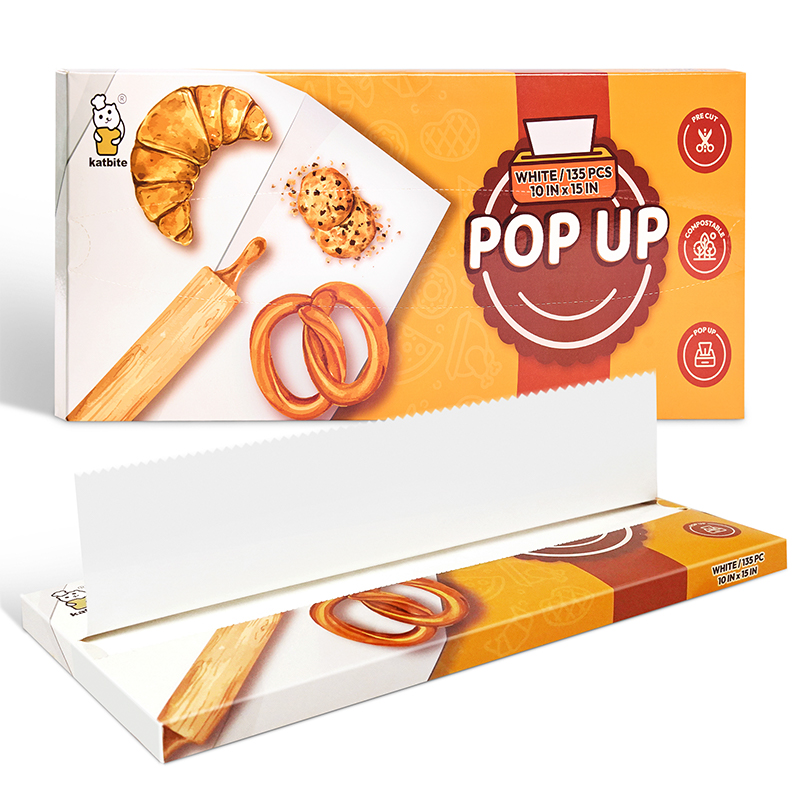
-
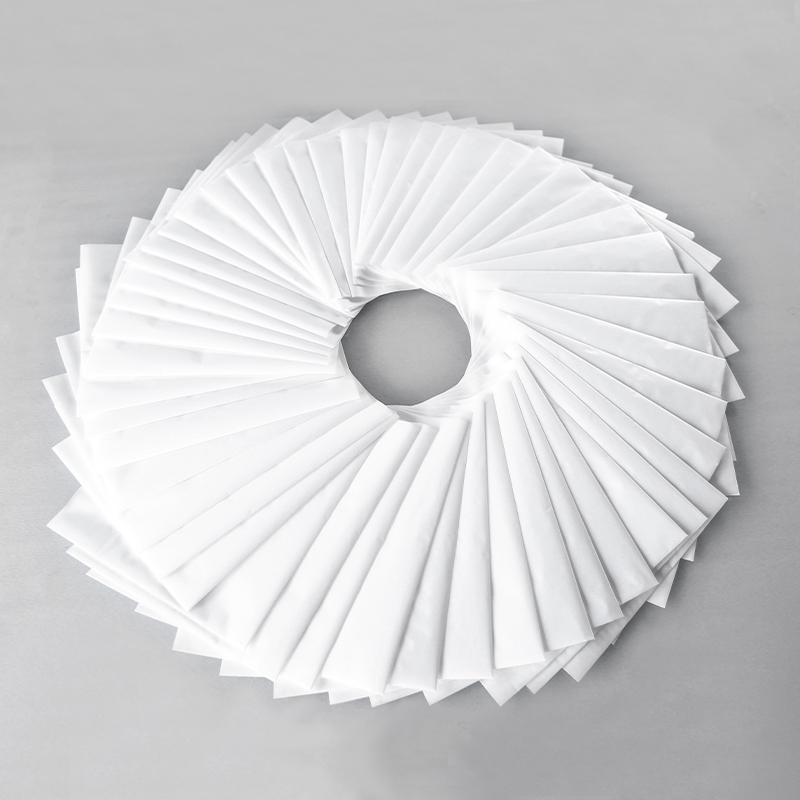
Product details: Folded baking paper sheets, an environment-friendly product, are composed of wood pulp and are double-side coated with silicone. Such a coating makes our paper smooth, greaseproof and...
See Details -
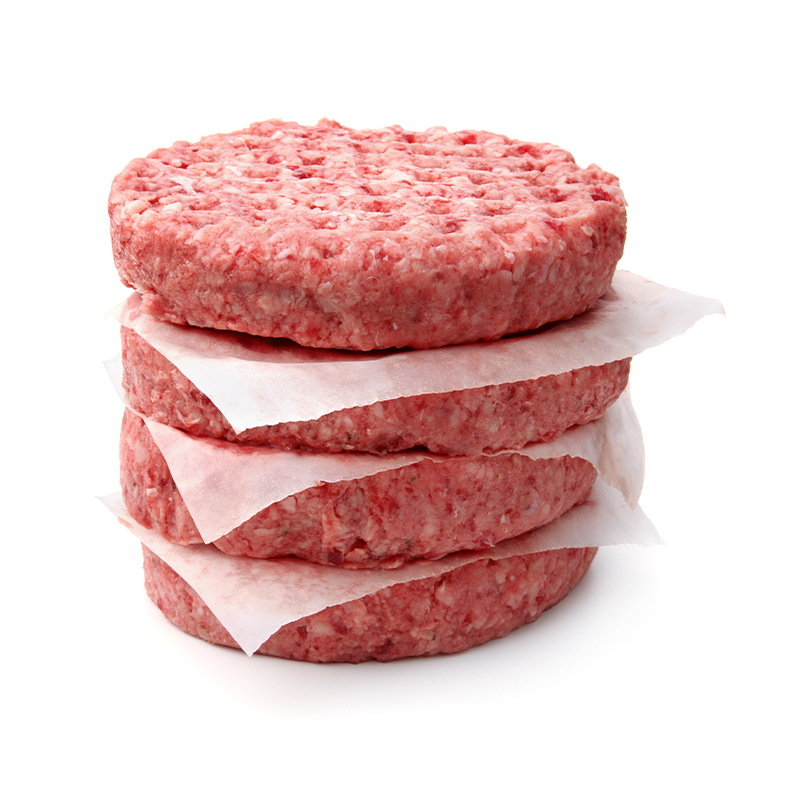
Description: Wax paper is the paper that is coated with food-grade wax in order to make it non-stick and waterproof. wax paper is very good for food storing and presentingMade of food-grade paper and ...
See Details -
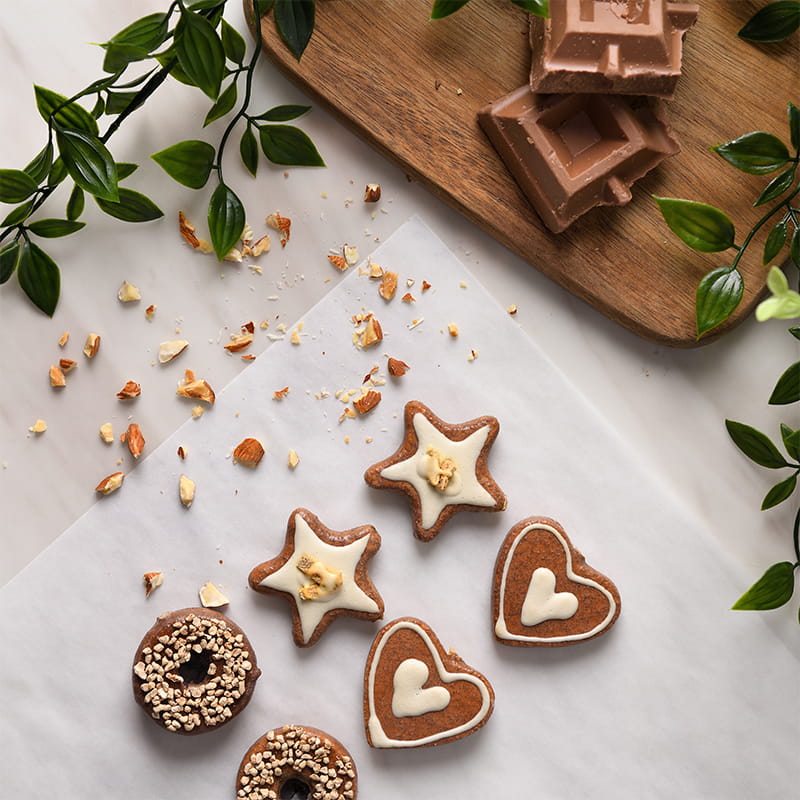
Product Features: 1. Virgin wood pulp 2. Double sides food grade silicone-treated 3. Fluorine-free 4. Non-stick 5. Oven/Microwave safe 6. Freezer safe 7. Reusable 8. BPA f...
See Details -
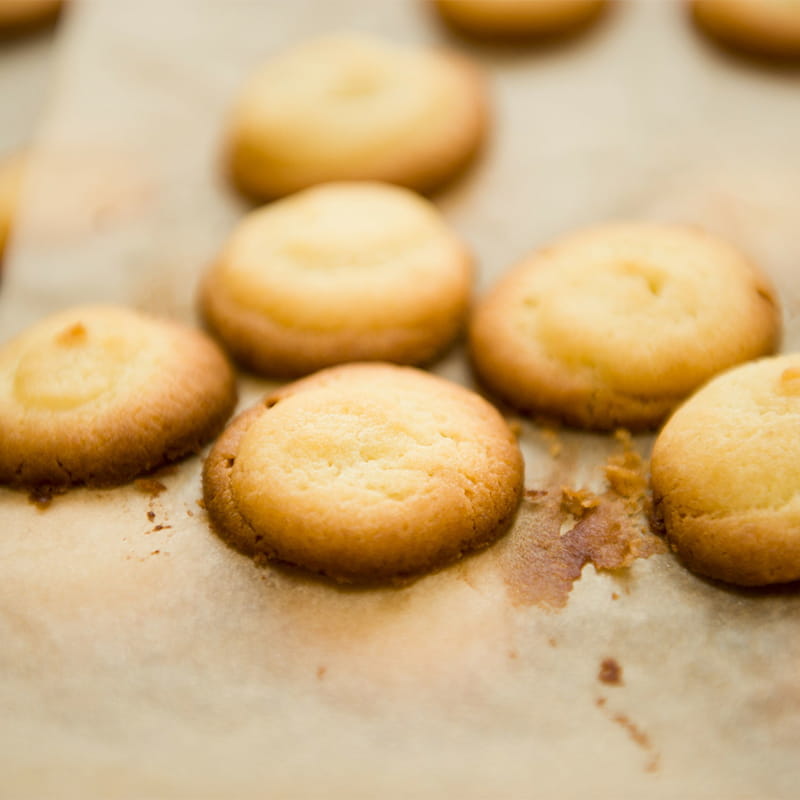
Product Features: 1. Virgin wood pulp 2. Natural unbleached brown color 3. Double sides food grade silicone-treated 4. Fluorine-free 5. Non-stick 6. Oven/Microwave safe 7. Fre...
See Details -
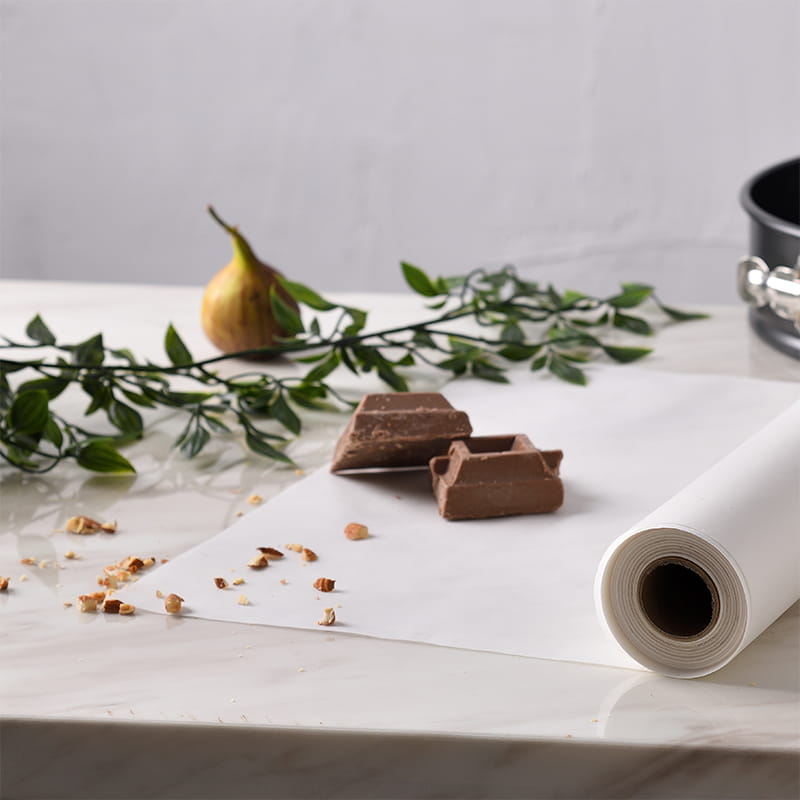
Product Features: 1. Virgin wood pulp 2. Double sides food grade silicone treated 3. Fluorine-free 4. Non-stick 5. Oven/Microwave safe 6. Freezer safe 7. Reusable 8. BPA ...
See Details -
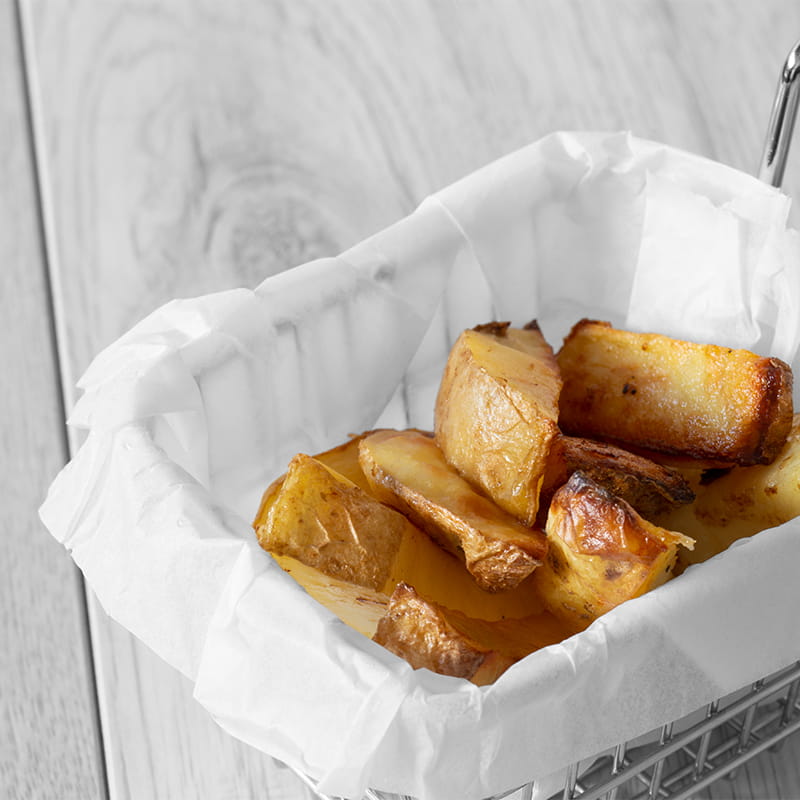
Product Features: 1. Virgin wood pulp 2. Fluorine-free 3. BPA free 4. Biodegradable Product Details: In an era where environmental consciousness and sustainability are paramount, Natu...
See Details -
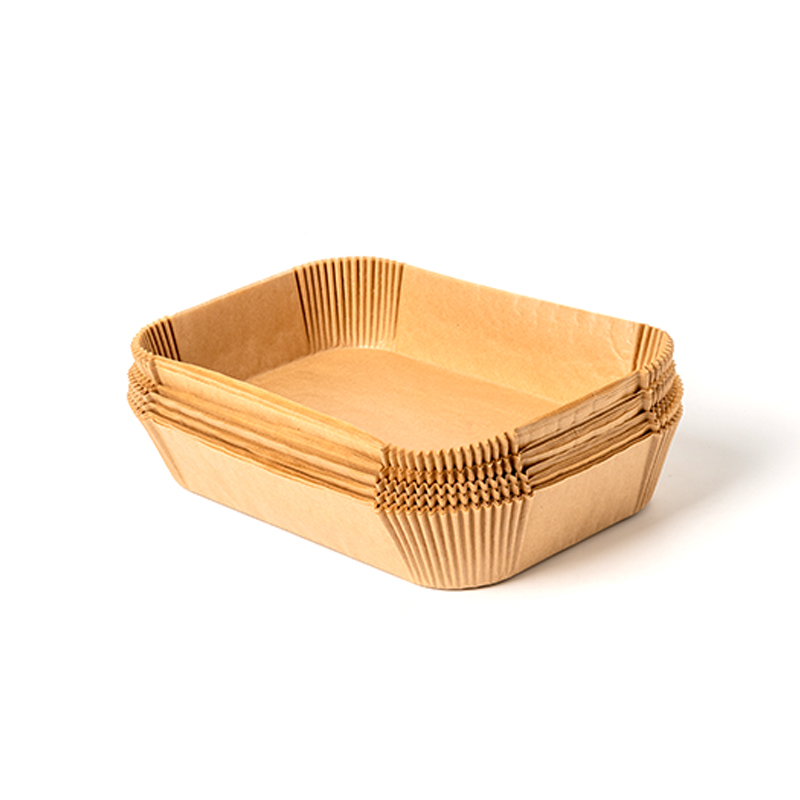
Product Features: 1. Virgin wood pulp 2. Double sides food grade silicone-treated 3. Fluorine-free 4. Non-stick 5. Air fryer basket safe 6. Reusable 7. BPA free 8. Biodeg...
See Details -
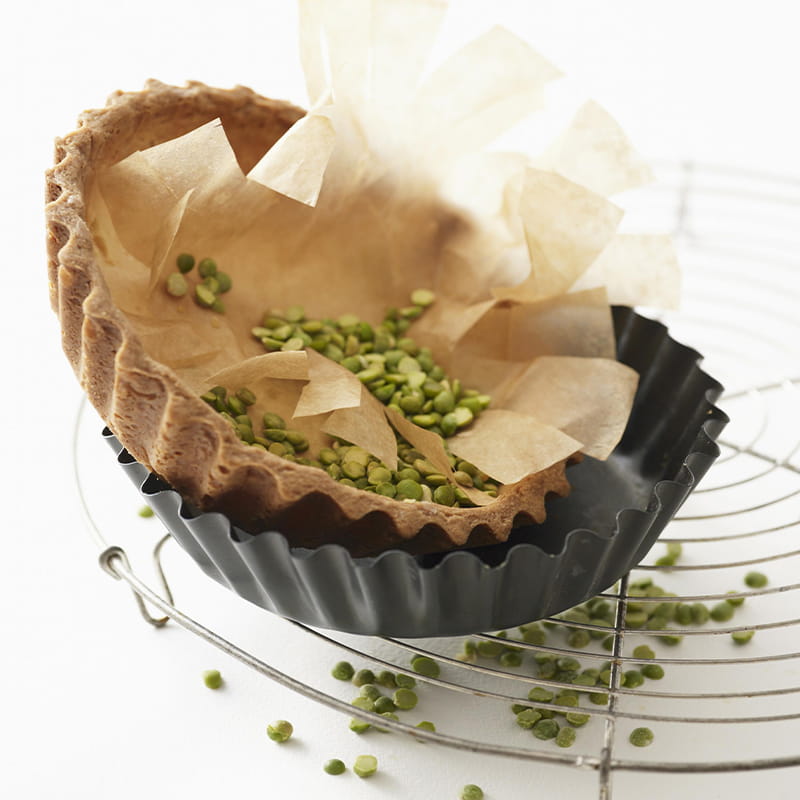
Product Features: 1. Virgin wood pulp 2. Natural unbleached brown color 3. Fluorine-free 4. BPA free 5. Biodegradable Product Details: Introducing our Unbleached Brown Food Grade ...
See Details -
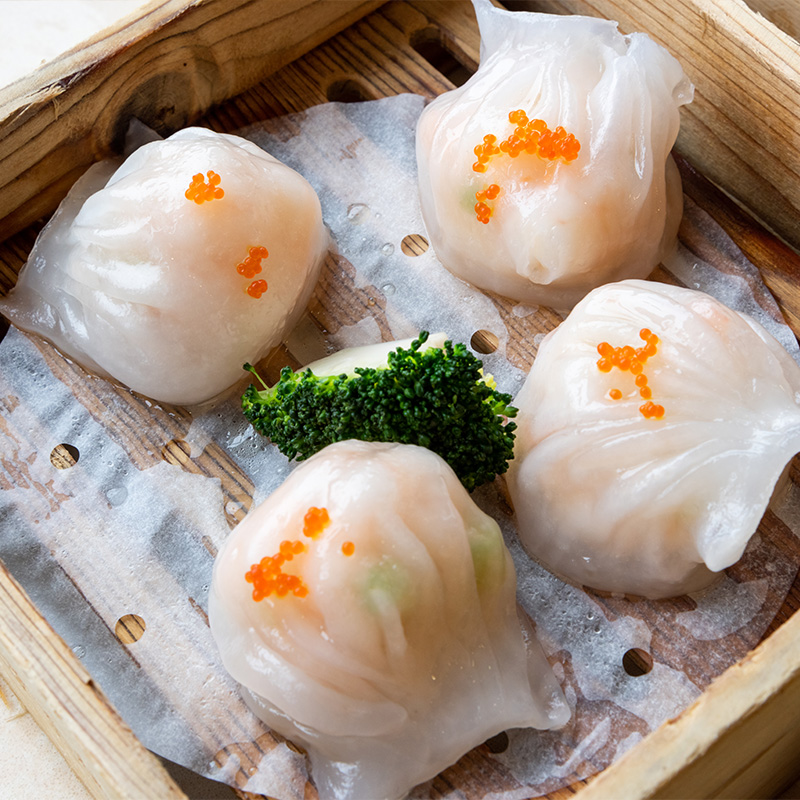
Product Features: 1. Virgin wood pulp 2. Double sides food grade silicone treated 3. Fluorine-free 4. Non-stick 5. Steamer/air fryer basket safe 6. Reusable 7. BPA free 8...
See Details -
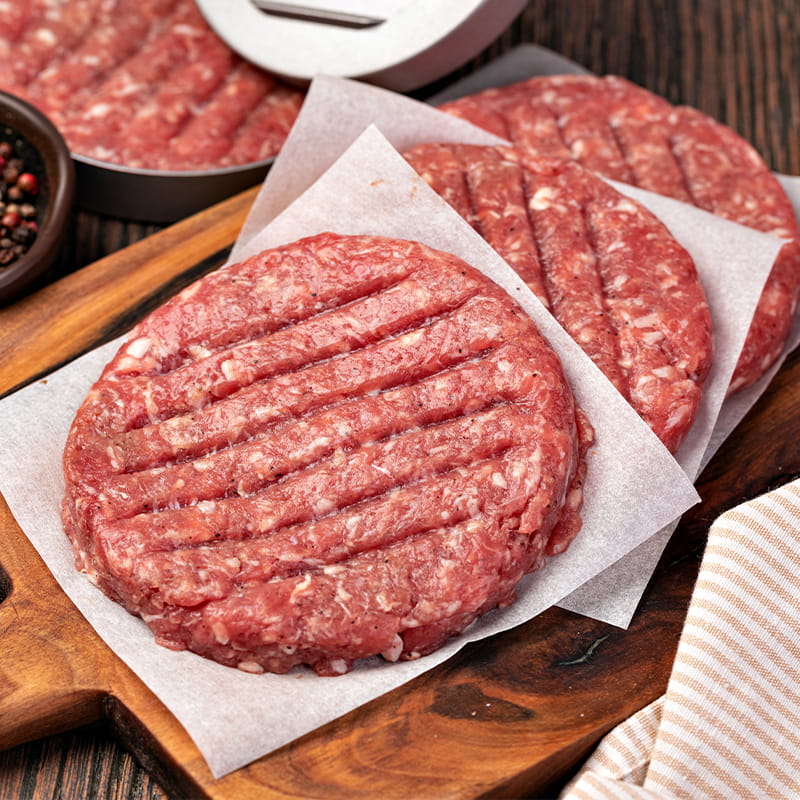
Product Features: 1. Virgin wood pulp 2. Double sides food grade silicone treated 3. Fluorine-free 4. Non-stick 5. Easy to separate 6. Reusable 7. BPA free 8. Biodegradab...
See Details -
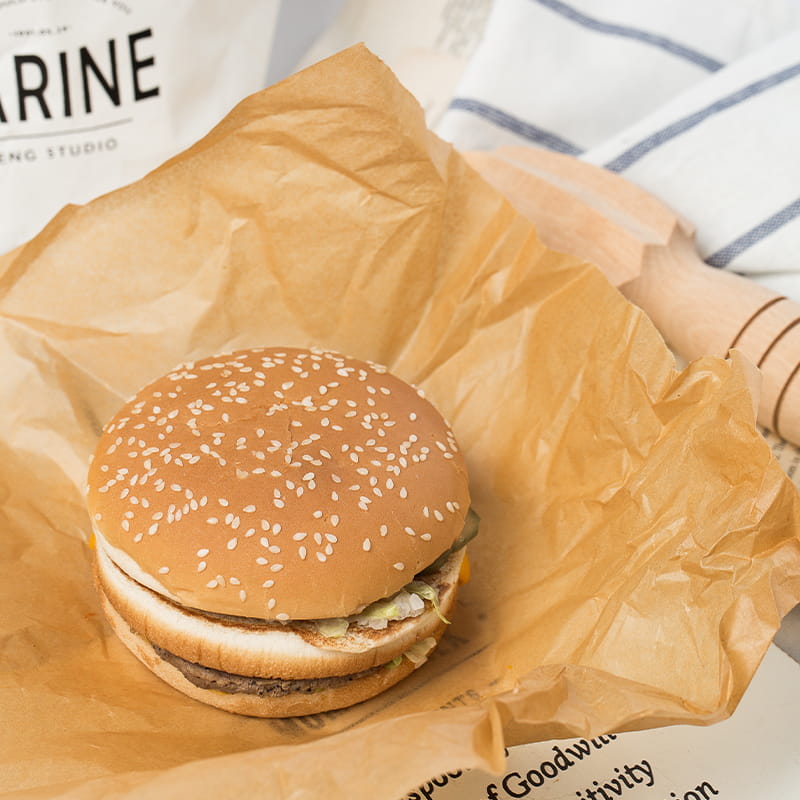
Product Features 1. Virgin wood pulp 2. Flexographic printing 3. Eco-friendly water-based ink 4. BPA free Product Details: Introducing our premium Greaseproof Sandwich Paper Sheets, a...
See Details

Professional Baking Parchment Paper Manufacturer in China with more than 15 years silicone coating experience.
Products
Contact Us
- No.10 Longyin Road, Chengnan Industrial Park,Longyou, Quzhou, China.
- +86-18968091013 / +86-571-88639705
- Avayao-1990@hotmail.com
Copyright © Zhejiang Guanghe New Materials Co., Ltd. All Rights Reserved.
Parchment Paper & Baking Paper Sheets Manufacturer
