 English
 中文简体
中文简体
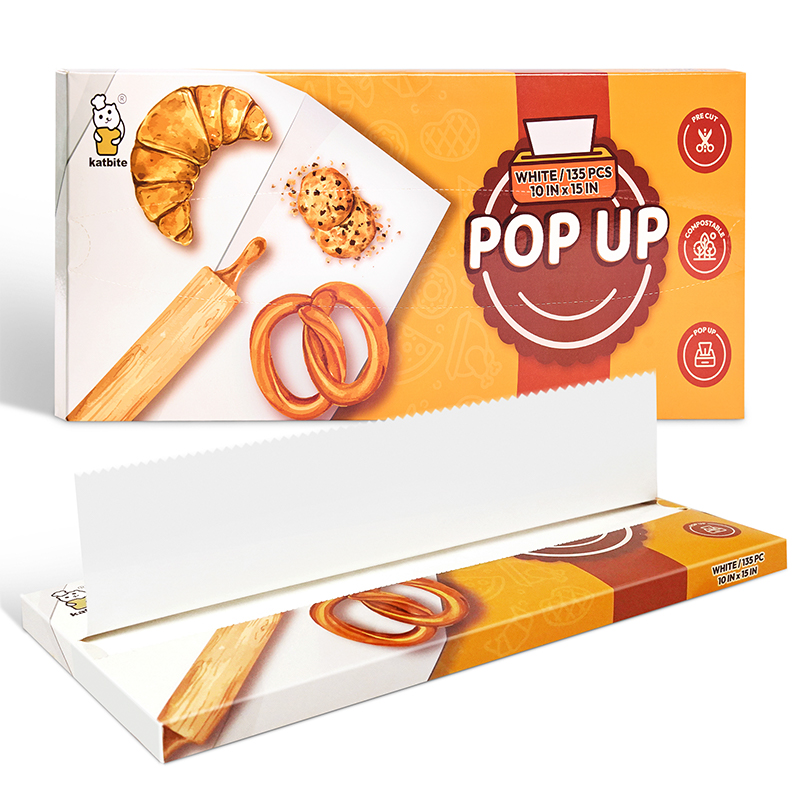
Product details: Pop-up parchment paper sheets, an environment-friendly product, are composed of wood pulp and are double-side coated with silicone. Such a coating makes our paper smooth, greasepr...
See DetailsWhat's Shaping the Future of Baking Paper
Baking paper has become a go-to item in kitchens everywhere, whether at home or in large-scale operations. It's that special sheet you line trays with to stop things from sticking, handling heat without falling apart, and keeping food safe to eat. As more people take up baking for fun or health reasons, and commercial places look for ways to work cleaner and faster, the demand for good baking paper keeps climbing.
Background and Market Demand for Oven Liners in Today's World
Oven liners—those coated sheets you put down in pans to stop food from sticking—have turned into something a lot of people reach for when cooking. They handle heat fine, push away grease and water, and let whatever you're baking slide off without a fight. No more scraping burnt bits or using extra butter to grease the tray. At home, they're great for throwing cookies in the oven or roasting some vegetables without mess. In larger kitchens or food plants, they keep things moving by cutting the time spent cleaning pans between batches.
The uptick in how much these get used has a lot to do with the way people eat and cook now. More folks are making meals from scratch, following recipes they find online, or trying to eat cleaner. That means more baking at home, and these liners make it less of a chore. Commercial spots like bakeries or packaged food companies count on them for turning out consistent batches and keeping hygiene up without slowing down. The easy part is a big draw too—having rolls you can tear off or sheets already cut to size speeds prep. On top of that, a growing number of people think about where things end up after use, so they're picking liners that break down quicker or come from sources that renew easier. Put it all together, and the market for these sheets is holding strong as cooking fits into more daily lives and business routines.
How Oven Liners Are Manufactured and the Technologies Involved
Baking Paper Factory turning out these liners takes a few solid steps to get plain paper ready for hot ovens and greasy foods.
Choosing Raw Materials for Oven Liner Production
Everything starts with pulp, either fresh from trees or pulled from recycled stock, shaped into light, thin paper. Then comes the coating—usually silicone or something plant-based—to give that non-stick feel. If there's any color or pattern, it comes from dyes safe for food contact. Lately, the move is toward stuff that's kinder to the environment, like pulp from forests looked after properly or coatings that skip rough chemicals.
The Production Process and Key Techniques for Oven Liners
The plain paper runs through machines that lay down the coating in even, thin passes. Heat follows to lock it in place so it sticks well and doesn't flake. After that, it's slit to width, rolled up, or cut into sheets, with spot checks for how thick and strong it is. The real test is how it lets food lift off clean and stands up to oven temperatures without falling apart.
Developing Environmentally Responsible Oven Liner Options
A bunch of production lines have dropped certain chemicals that used to be common, switching to coatings that break down naturally. Versions that recycle or compost are using barriers from plants instead of man-made ones. The aim is liners that do the job but leave less behind when they're done.
Where Baking Paper Finds Use in Different Sectors
Baking paper fits into various areas, solving sticking or cleaning issues.
- In Home Kitchens and Everyday Baking: People line trays for cookies or cakes, making cleanup simple. It helps with even browning on veggies or fish. Pre-cut pieces suit quick sessions.
- In Commercial Bakeries and Food Service Operations: Large bakeries use sheets for high-volume runs of bread or pastries. It speeds turnover by reducing pan prep. Restaurants rely on it for consistent results in ovens.
- Crossing Into Food Packaging Applications: It wraps items for storage, blocking grease or moisture. This extends freshness in takeout or prepped foods.
- Specialized Uses in Controlled Environments: Some versions suit sterile needs, like lab prep or medical packaging.
Current Market Trends and Changing Consumer Preferences for Parchment Paper
The market is shifting with new expectations.
- Growing Interest in Sustainable and Eco-Friendly Baking Paper: People want options that align with green habits, like compostable sheets.
- Innovations in Functional Features for Parchment Paper: Coatings improve resistance to water or oil. Reusable types allow washing for multiple bakes.
- Convenience Through Packaging and Formats: Small packs or cut sheets suit casual users. Automated lines make varied sizes easier.
- Preference for Natural and Additive-Free Products: Uncoated or plant-based versions appeal to those avoiding synthetics.
| Trend | Description | Effect on Use |
|---|---|---|
| Sustainability | Compostable materials | Lower waste |
| Functionality | Better coatings | Easier release |
| Convenience | Pre-cut formats | Quicker prep |
| Natural Options | Fewer additives | Health focus |
Technical Progress and New Ideas in Sheet Production for Baking
The field for these oven liners isn't sitting idle—there's ongoing effort to make them perform better, hold up longer under heat, and match what cooks and businesses are looking for now. The changes come from experimenting with coatings, figuring out reusable options, and building in extra traits that go beyond basic non-stick. It's mostly about small, useful tweaks that simplify baking at home or keep commercial lines running without hitches.
Updates in Coating Methods for Baking Paper
The coating is what really makes Parchment Paper do its job, and the way it's put on has gotten a lot better over time. Silicone layers are spread more evenly now, so the non-stick holds up across the whole sheet without thin spots that let food grab on. Wax options are applied in thinner, consistent passes too, keeping the release reliable while using less material. Some lines use plant-based alternatives that behave similar but come from renewable sources. The machines doing the coating run faster and with tighter controls, which means less waste and sheets that perform the same every time. This evenness is key when you're baking something delicate that needs to slide off without tearing.
Exploring Reusable and Smart Concepts for Oven Liners
Most sheets are one-and-done, but interest is building in types you can clean and reuse. A thicker base with tougher coating lets you wipe or rinse it and slide it back in the oven several times, trimming how much ends up in the bin. It won't suit every bake—greasy or very hot ones wear it faster—but for cookies, breads, or vegetables, it lasts through multiple rounds. On the smarter side, a few concepts involve coatings that shift color once the oven reaches a certain heat, giving a quick visual signal instead of guessing with a thermometer. Others change texture slightly when they're nearing their limit. These ideas aren't everywhere yet, but they could take some of the trial and error out of baking, especially for people who do it often.
Adding Multiple Properties to Baking Paper Sheets
Newer sheets aren't stopping at non-stick—they're picking up extra tricks like better resistance to water or oil soaking through. This helps when baking juicy items or greasy meats, keeping the tray cleaner underneath. Heat handling has improved too, with sheets that stay intact longer in hot ovens without curling or browning themselves. Some combine all this in one layer, so you get grease block, moisture hold-off, and easy release without switching products. The idea is one sheet that covers more situations, making storage simpler and reducing how many different types a kitchen needs to stock.
Challenges Encountered in the Oven Liner Industry
Running production for these sheets brings its own set of headaches that touch everything from the factory floor to store shelves. They're not minor glitches—they can drag on timelines, bump up prices, or make it harder to keep buyers coming back. Plants face them regularly, sorting out workarounds or fixes as they come.
Managing Production Expenses for Oven Liners
Material prices fluctuate a lot, depending on supply or world events, and that hits the budget hard. Decent pulp or safe coatings aren't always low-cost, and when they rise, it's tricky to hold the line on final pricing without skimping somewhere. Factories hunt for reliable suppliers or larger orders to even things out, but it's still a balancing act. Energy for the coating machines and labor add to it, particularly when scaling for bigger demand. The aim is spotting places to trim—like reducing scrap or sharing tools across lines—while making sure the sheets still come out reliable so customers stick around.
Meeting Varying Environmental Rules Across Regions
Guidelines for what's allowed in these sheets change depending on the market. One region might ban certain chemicals in coatings, another focus on how the material breaks down after use. Staying compliant means extra testing and sometimes small recipe changes for different sales areas. Overlook a rule and a shipment sits, or worse, gets sent back. Many plants design for the strictest standards from the start so one product works globally, but that can mean pricier inputs right away. Rules keep evolving, so tracking them is just part of the routine.
Standing Out in a Crowded Market for Oven Liners
With so many similar products on shelves, getting noticed takes effort. Most offer basic non-stick, so standing apart means adding something extra—like stronger grease resistance or sourcing that's easier on the environment—without pushing the price too high. Word of mouth from steady performance counts more than ads in the end. Plants experiment with formats, like perforated rolls for easy tearing or packs of pre-cut pieces, to make handling quicker. It's about that little difference that makes someone reach for your box instead of the one next to it.
Ensuring Consistent Quality Across Large Production Runs
Turning out thousands of sheets daily makes keeping them all the same a real task. Coating can vary if machines drift slightly, or pulp batches differ a touch. Checks happen at several stages—right after coating, during slitting, before packing—to catch anything off. Samples go through actual oven runs to confirm release works every time. It's tedious, but skipping it brings complaints or returns. Better setups have alerts that flag drifts and let adjustments happen without stopping the line long.
These hurdles keep the industry on its toes, but pushing through them leads to liners that handle everyday kitchen realities a bit better each time.
Outlook for Baking Paper in the Years Ahead
The coming years for Parchment Paper look like they'll bring a fair amount of change, mostly because kitchens—both home and commercial—are asking for things that fit better with how people cook now and what they worry about, like waste or energy. It's not going to flip overnight, but the sheet will adapt in ways that make it more useful, less wasteful, and easier to produce. Factories are already eyeing these shifts to stay ahead.
Incorporating Digital and Automated Production for Baking Paper
Production lines are starting to lean more on digital tools and automation to run tighter. Sensors and software keep an eye on coating thickness or speed, adjusting on the fly so less material gets wasted. Data from runs helps spot patterns—like when a batch starts drifting—and fix it before a whole lot goes wrong. In bigger plants, this means fewer people walking the floor checking things by hand, and more time spent on planning or new ideas. Automated cutting or packing cuts labor and errors, letting smaller runs for special orders without big setup costs. Over time, this could make turning out consistent sheets cheaper and quicker, even as demand goes up.
Emphasizing Sustainable Practices in Parchment Paper Development
The push for greener options is only getting stronger, with more effort going into sheets that break down easier or use materials that renew faster. Biodegradable coatings from plants are showing up more, aiming to leave less behind in landfills. Factories are looking at ways to recycle scrap from production or use less water in processing. The idea is building liners that do the job without adding to long-term waste, fitting the broader move toward responsible sourcing. As buyers ask for proof of lower impact, this focus will likely shape what rolls off the lines, balancing performance with how the product ends its life.
Reaching New Global Areas for Baking Paper
With building and cooking habits spreading in many parts of the world, there's fresh ground for these sheets. Places adding homes, restaurants, or food plants need reliable liners as kitchens modernize. Local tastes vary—some areas bake more breads, others sweets—so offerings might adjust for that. Infrastructure growth in developing regions opens doors for steady supply chains. Suppliers who figure out local needs, like packs sized for smaller shops or tougher sheets for humid climates, will find room to grow. It's less about flooding markets and more about fitting what people there actually use in their ovens.
Offering More Customized Choices in Parchment Paper
Tailored options are likely to increase as users want sheets that match their exact setup. Different sizes, pre-cut shapes, or coatings tuned for certain foods could become common. A bakery doing greasy items might ask for stronger grease block, while a home user wants easy-tear rolls. Factories can handle this with flexible lines that switch formats quick. This customization helps in niche spots, like special diets or commercial runs, where one standard roll doesn't cover everything. It gives buyers something that feels made for them, building loyalty without huge overhauls.
All in all, the outlook points to baking paper becoming more tuned to specific needs, produced smarter, and kinder to the environment. These shifts will come from listening to what cooks and businesses say, plus keeping an eye on costs and rules. The sheet will stay a simple helper in ovens, but with updates that make it fit better into how people live and work.
Reflections on Parchment Paper Trends and Their Ongoing Impact Across Industries
Baking paper has settled into a useful spot for avoiding sticks and easing cleanup in ovens. Its growth ties to more home cooking, commercial needs, and environmental awareness. Trends like sustainable materials, better functions, and convenient packs show how it's adjusting to what users want.
Going forward, expect continued work on green options and smarter production. This will help meet varied demands while keeping things practical.
For those looking at suppliers, consider how well they handle material choices and consistency.
Our factory, Guanghe, focuses on producing baking paper with attention to quality and usability in different settings. We aim for reliable sheets that support everyday baking needs.
Related Products
-
-
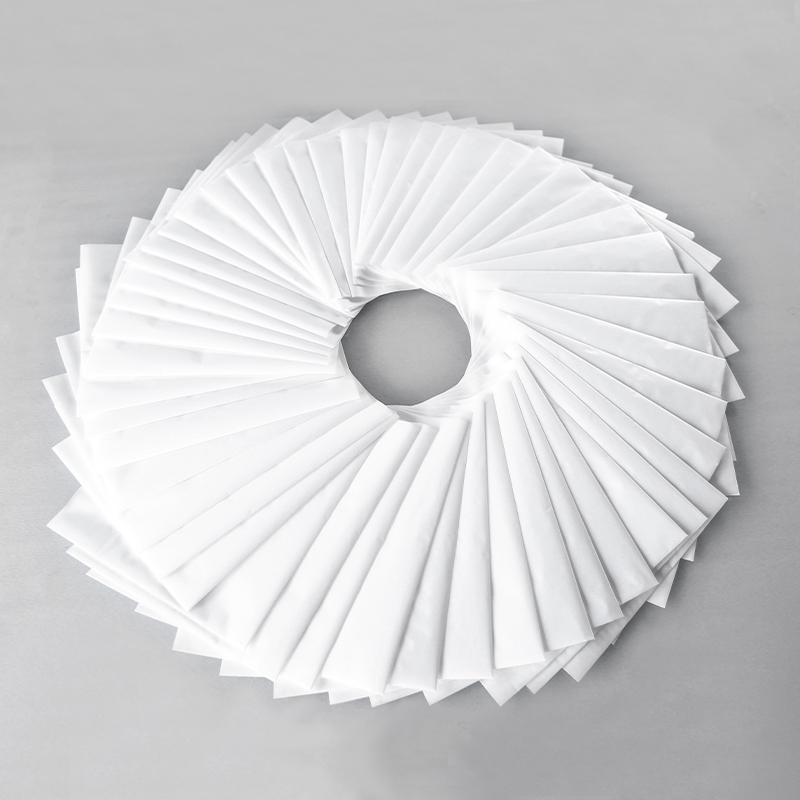
Product details: Folded baking paper sheets, an environment-friendly product, are composed of wood pulp and are double-side coated with silicone. Such a coating makes our paper smooth, greaseproof and...
See Details -
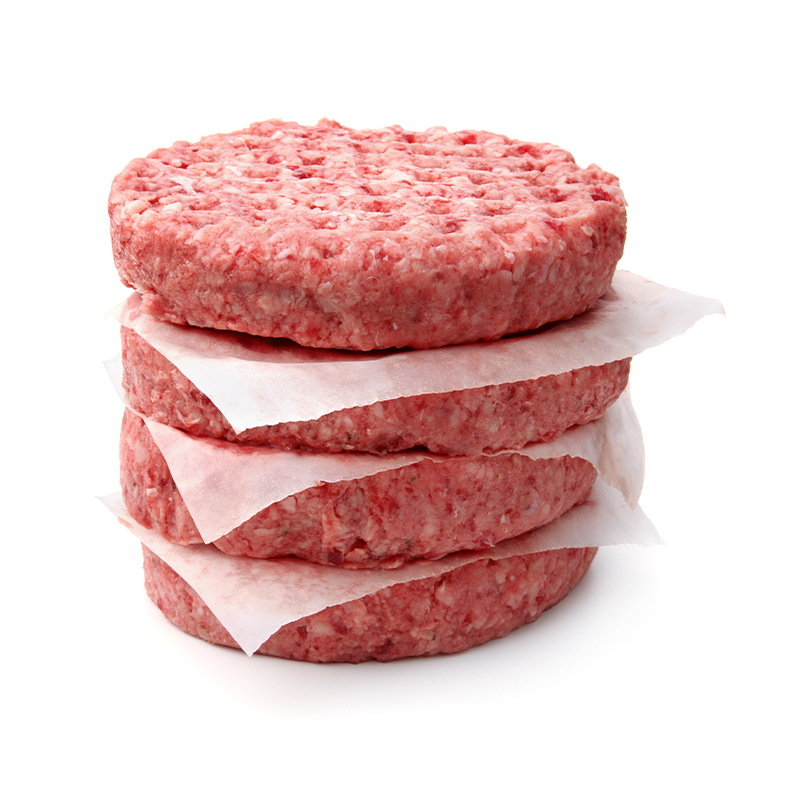
Description: Wax paper is the paper that is coated with food-grade wax in order to make it non-stick and waterproof. wax paper is very good for food storing and presentingMade of food-grade paper and ...
See Details -
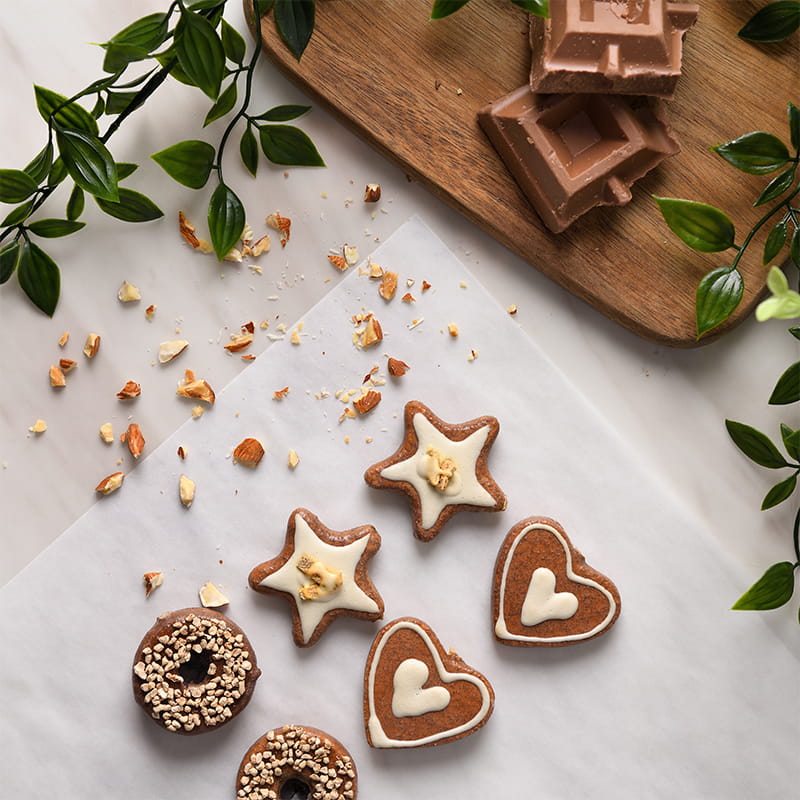
Product Features: 1. Virgin wood pulp 2. Double sides food grade silicone-treated 3. Fluorine-free 4. Non-stick 5. Oven/Microwave safe 6. Freezer safe 7. Reusable 8. BPA f...
See Details -
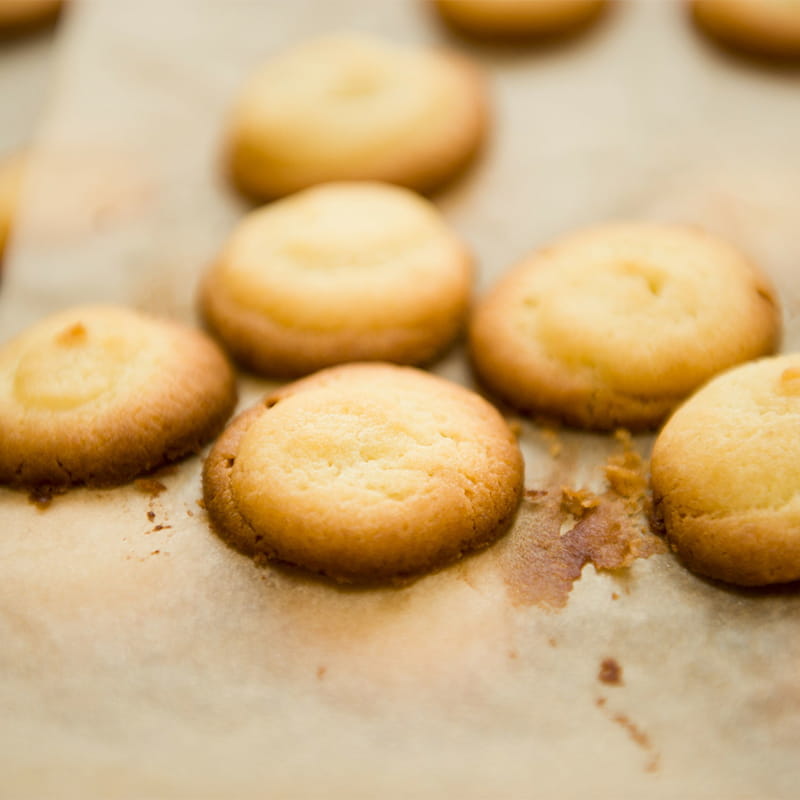
Product Features: 1. Virgin wood pulp 2. Natural unbleached brown color 3. Double sides food grade silicone-treated 4. Fluorine-free 5. Non-stick 6. Oven/Microwave safe 7. Fre...
See Details -
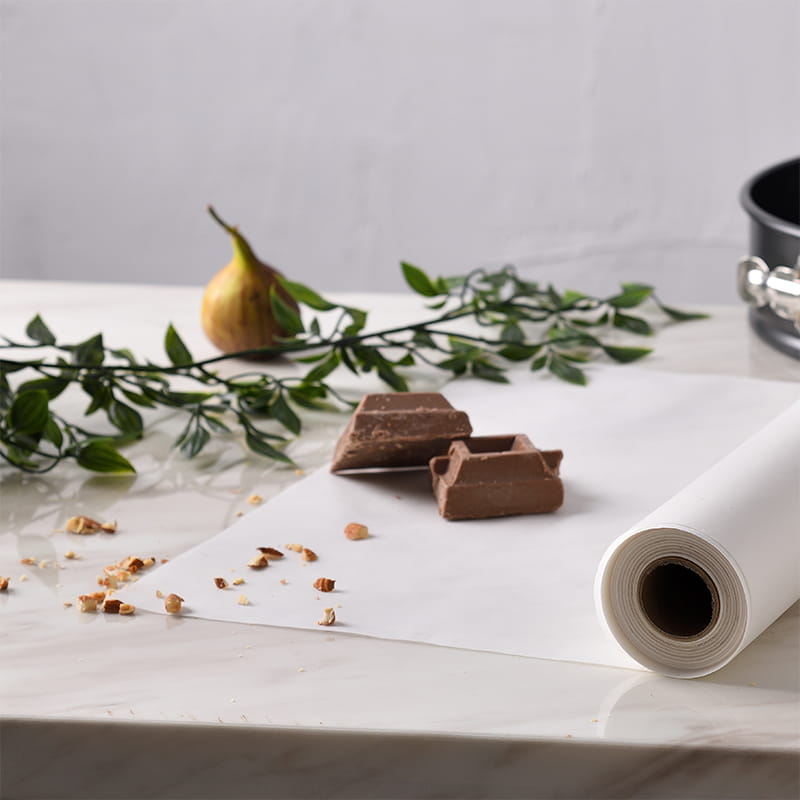
Product Features: 1. Virgin wood pulp 2. Double sides food grade silicone treated 3. Fluorine-free 4. Non-stick 5. Oven/Microwave safe 6. Freezer safe 7. Reusable 8. BPA ...
See Details -
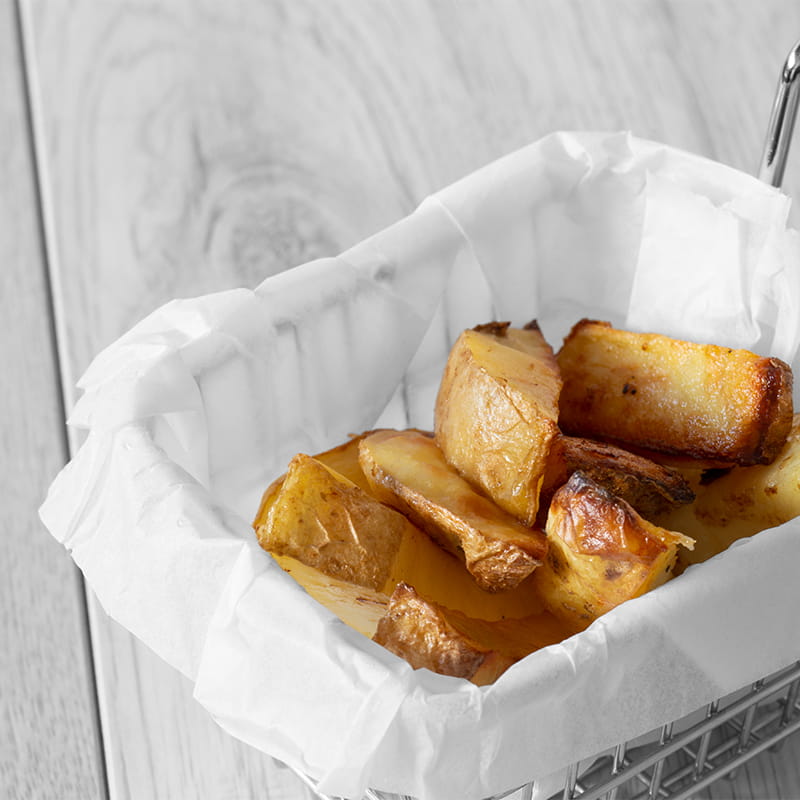
Product Features: 1. Virgin wood pulp 2. Fluorine-free 3. BPA free 4. Biodegradable Product Details: In an era where environmental consciousness and sustainability are paramount, Natu...
See Details -
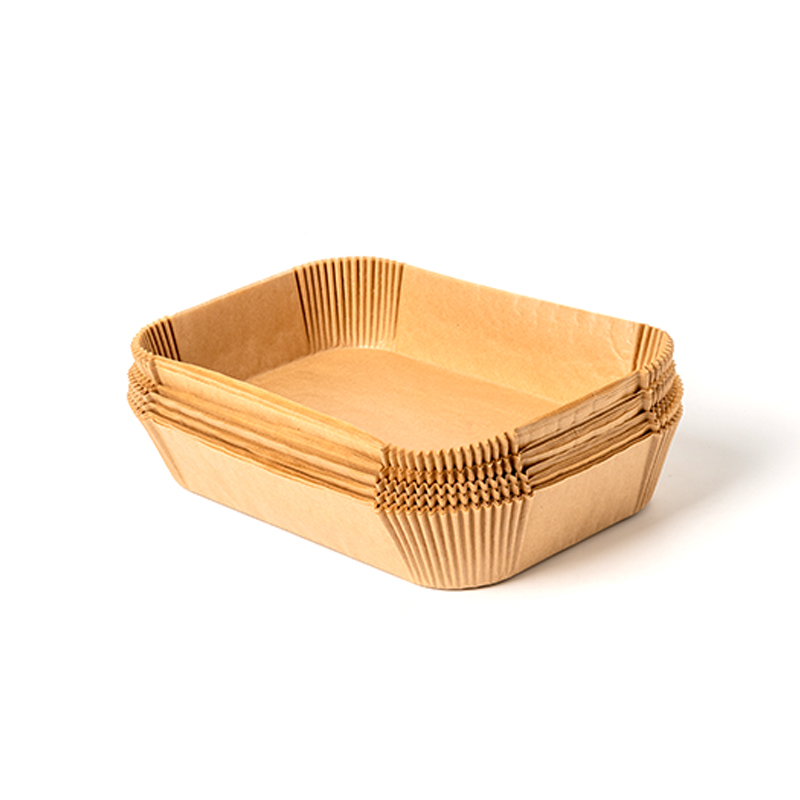
Product Features: 1. Virgin wood pulp 2. Double sides food grade silicone-treated 3. Fluorine-free 4. Non-stick 5. Air fryer basket safe 6. Reusable 7. BPA free 8. Biodeg...
See Details -
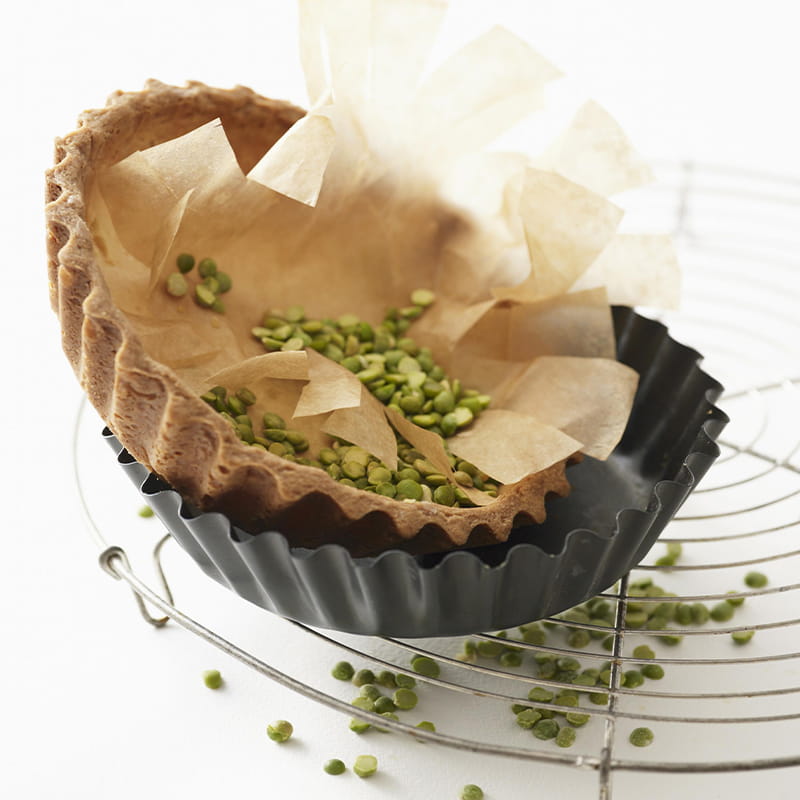
Product Features: 1. Virgin wood pulp 2. Natural unbleached brown color 3. Fluorine-free 4. BPA free 5. Biodegradable Product Details: Introducing our Unbleached Brown Food Grade ...
See Details -
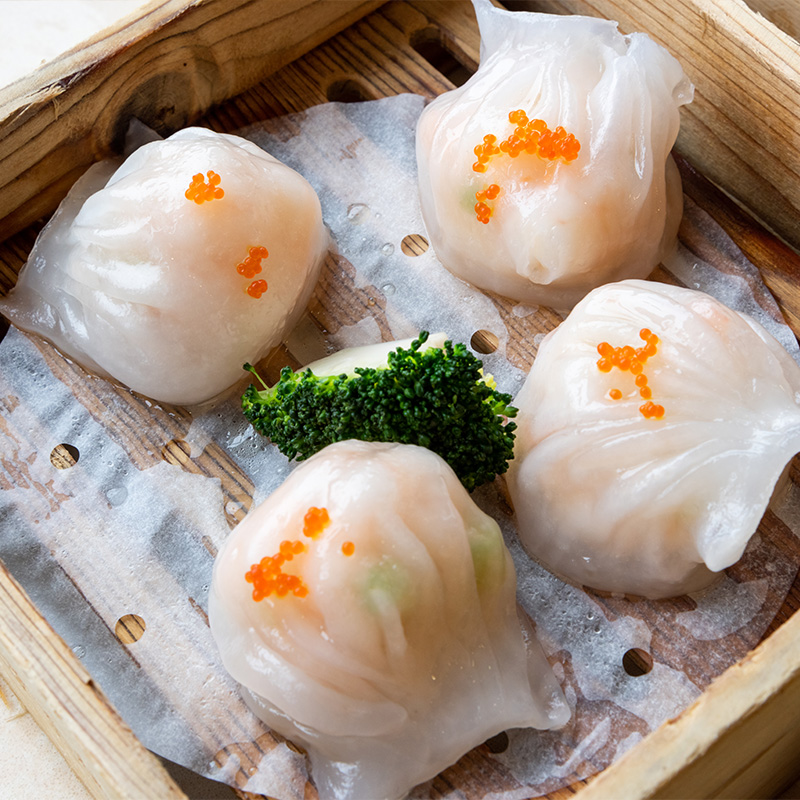
Product Features: 1. Virgin wood pulp 2. Double sides food grade silicone treated 3. Fluorine-free 4. Non-stick 5. Steamer/air fryer basket safe 6. Reusable 7. BPA free 8...
See Details -
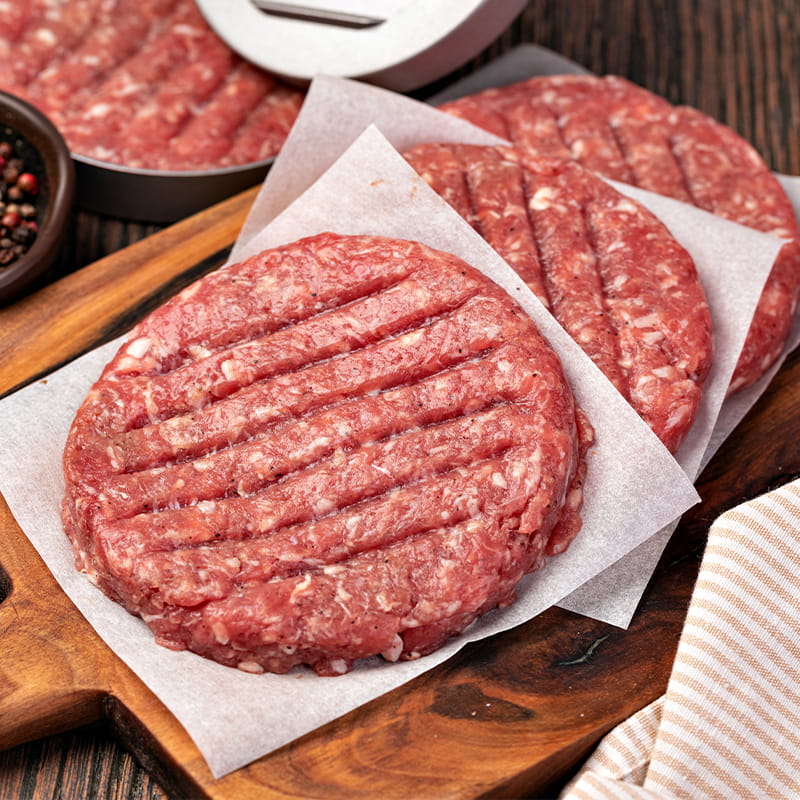
Product Features: 1. Virgin wood pulp 2. Double sides food grade silicone treated 3. Fluorine-free 4. Non-stick 5. Easy to separate 6. Reusable 7. BPA free 8. Biodegradab...
See Details -
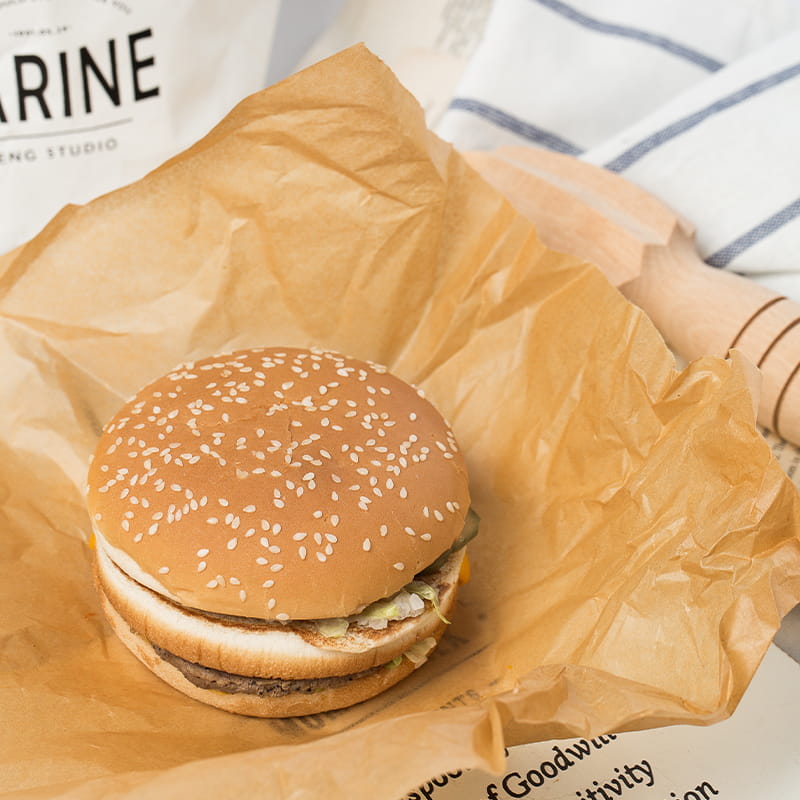
Product Features 1. Virgin wood pulp 2. Flexographic printing 3. Eco-friendly water-based ink 4. BPA free Product Details: Introducing our premium Greaseproof Sandwich Paper Sheets, a...
See Details

Professional Baking Parchment Paper Manufacturer in China with more than 15 years silicone coating experience.
Products
Contact Us
- No.10 Longyin Road, Chengnan Industrial Park,Longyou, Quzhou, China.
- +86-18968091013 / +86-571-88639705
- Avayao-1990@hotmail.com
Copyright © Zhejiang Guanghe New Materials Co., Ltd. All Rights Reserved.
Parchment Paper & Baking Paper Sheets Manufacturer
