 English
 中文简体
中文简体
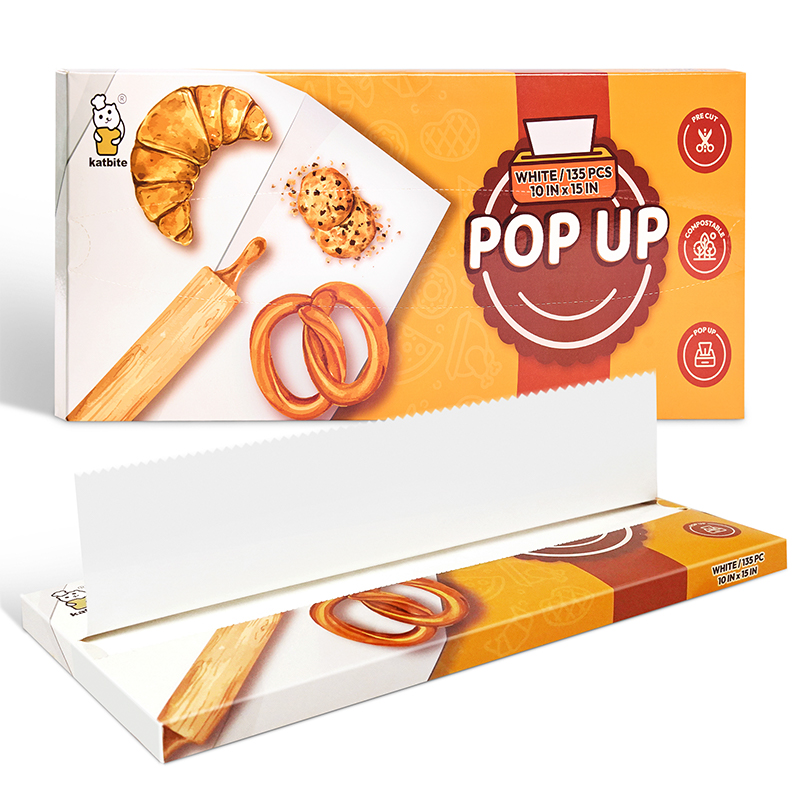
Product details: Pop-up parchment paper sheets, an environment-friendly product, are composed of wood pulp and are double-side coated with silicone. Such a coating makes our paper smooth, greasepr...
See DetailsHow Has Parchment Paper Evolved and What Are Its New Uses
Parchment paper is a treated sheet that many people know from baking. It's made from wood pulp that has been processed to resist heat and grease. The surface lets food release easily, and it can handle oven temperatures without burning or breaking down. In the kitchen, it's often used to line trays so cakes or cookies lift off cleanly, or to wrap fish and vegetables for gentle steaming.
Outside the kitchen, this material is finding new roles. In packaging, it wraps sandwiches or pastries, keeping moisture in without plastic. Crafters use it as a smooth base for glue or paint projects because it peels away cleanly. Artists sometimes choose it for transferring sketches or building up layers in mixed-media work.
Its simple design and reliable performance make it adaptable. As more people look for materials that are practical and easier on the environment, parchment paper keeps showing up in unexpected places.
Getting Started with the Material and Why It's More Than a Kitchen Item
The treated paper that shows up in so many kitchens has a straightforward purpose at heart. It's made from pulp that's been worked over to handle heat and keep grease from soaking through. The surface lets food come off without much fuss, and it stays together in ovens where plain paper would char or tear apart.
In cooking, people use it to line trays so cookies or cakes lift away cleanly, or to fold around fish and vegetables for steaming in their own juices. Cleanup turns easier, and food cooks more evenly without sticking to hot metal.
But this material has moved well beyond the oven. It's turning up in packaging, where it wraps sandwiches or pastries at takeaway counters, holding moisture in without plastic films. Crafters find it handy for projects because glue or paint doesn't grab too hard, making it simple to peel away when needed. Artists use it for tracing designs or building layers in mixed-media work, since it stays flat and holds colors without bleeding.
This wider reach comes from how practical the material is. It doesn't need special storage, handles quick tasks well, and fits into routines where people want something reliable that doesn't add to long-term waste. As habits change toward items that serve multiple purposes and leave less behind, this paper keeps finding new places to fit in.
The story of how it got here starts with early attempts to create grease-proof sheets for cooking. Those were often animal-based and took time to prepare. Over time, production shifted to plant fibers, making it steadier and easier to produce in larger amounts. This change opened the door for something closer to what kitchens use now—a paper that could handle heat and liquids without falling apart.
In more recent years, factories added coatings, usually silicone, to make the surface even less sticky and more reliable in ovens. These updates turned the material into something ordinary households could keep on hand, not just for professionals.
A lot of the old ways of using it are still common. Wrapping food in a packet to cook gently—letting steam do the work while keeping juices inside—comes straight from earlier methods. It's a simple approach that hasn't needed much changing because it works so well for flavors and texture.
The material's ability to break down naturally after use has added to its appeal in a world looking for practical swaps for plastics. As more people think about what happens to things after they're thrown away, this paper stands out for doing its job and then disappearing without much trace.
How the Material Has Moved Beyond Just Baking Tasks
This paper began as a way to make oven work less messy—lining pans or wrapping food for slow cooking. Those basic uses remain popular, but the material has spread into other areas as needs evolve.
In packaging, it serves as a clean wrapper for deli items or baked goods. It provides a barrier that holds moisture in while letting the product stay visible. Retail spots use it to separate delicate items or add a clean layer inside gifts, offering a simple touch that's easy to dispose of responsibly.
For crafts, the paper offers a smooth workspace. People fold it for paper models or use it under hot glue for decorations, since nothing bonds permanently. In art projects, it's good for transferring sketches or building up textures in collages because it stays flat and doesn't warp with moisture.
In health-related work, sterile versions wrap instruments or cover surfaces during preparation. The clean, non-stick nature makes it suitable for tasks where one-time use and hygiene matter.
Even in small workshops or home offices, it protects tables during painting or crafting sessions. The material's flexibility lets it adapt to whatever barrier or release layer is needed.
These new roles show how the paper has quietly grown to meet everyday demands outside the original cooking focus. It remains easy to produce and handle, but now supports a broader set of activities that value practicality and low impact.
The shift has happened gradually. As plastic restrictions spread, packaging operations looked for alternatives that worked similarly but broke down better. Crafters discovered it by trial, finding it helpful for messy projects. Medical suppliers tested it for sterile wrapping because it met cleanliness standards without extra processing.
Each area adds its own demands—packaging needs grease resistance, crafts want easy release, medical use requires no contaminants. The material meets these without major redesign, which is why it keeps expanding.
Putting Sustainability at the Center of Changes for This Material
Sourcing has become more thoughtful over time. Pulp is often taken from forests where new trees replace those harvested, keeping the balance. Some producers add recycled fibers to lower the demand for fresh wood.
The making process has seen shifts to use less water and avoid strong chemicals. Avoiding bleach leaves the paper in a natural tone and keeps wastewater cleaner. Factories look for ways to capture heat or recycle water within the plant to cut overall use.
Coatings, which create the non-stick feel, are getting attention too. Plant-based options are replacing some synthetic ones. These natural barriers still protect against grease but break down more readily in compost conditions.
Looking ahead, the aim is for the material to fit into home composting or industrial breakdown without trouble. New barrier ideas from renewable sources could make it part of systems where used sheets turn back into useful inputs.
To give a quick overview of common sustainability considerations:
| Aspect | What It Involves | How It Helps the Material |
|---|---|---|
| Pulp Sourcing | Managed forests or recycled content | Supports ongoing supply |
| Processing Methods | Reduced chemical or water use | Lowers impact during making |
| Coating Choices | Plant-based or compost-ready | Improves breakdown after use |
| Overall Design | Focus on natural return to environment | Reduces waste buildup |
These steps add up to a material that does its job while leaving less behind. The changes reflect a broader effort to align production with careful resource use. Factories experiment with different pulp mixes or coating thicknesses to see what works without losing performance. The goal is steady improvement, not overnight overhaul.
Fresh Ideas in Coatings and Additives for the Material
The coating is the key to what makes this paper special, and recent work has brought new approaches. Silicone has been a steady choice because it lets food release smoothly and handles heat without issue.
Plant-based alternatives are becoming more available. These use vegetable extracts or resins to build a similar barrier. They perform close to traditional coatings for regular cooking but degrade more naturally when discarded.
Some coatings now handle oils better for fried foods or offer extra strength for several uses. This lets the paper go through multiple baking sessions before needing replacement, cutting down on how much gets thrown away.
The focus remains on keeping the practical benefits—easy release, no sticking—while making the coating easier to break down. Progress is gradual, with new options appearing that balance daily performance with environmental care.
Additives that enhance specific traits, like better moisture control, are also in development. These help the paper adapt to varied tasks, from oven roasting to packet steaming. Testing involves real kitchen runs to see how well they hold up over time.
The push for natural additives ties into wider concerns about what ends up in food or the environment. Finding options that work for real tasks while fitting better with careful disposal habits takes time, but the effort continues.
How This Material Helps with Healthier Cooking Habits
This paper makes it easier to cook with less fat. You just line a tray with a sheet, throw on some vegetables or chicken, and roast them in the oven. No need to drizzle oil all over—things brown up nicely on their own, and the natural taste of the food comes through stronger. A lot of people who are trying to eat lighter find this handy because it cuts calories without making the meal bland or dry.
In kitchens where allergies are a concern, it acts as a simple barrier. Say you're baking something gluten-free; you put down a fresh sheet, mix and bake on that, and nothing from previous batches sneaks in. It keeps things separate without extra washing or worry about traces left on the pan. Families dealing with different food sensitivities use it a lot for that reason—it gives peace of mind.
The paper doesn't pick up or give off flavors from strong ingredients like lemon, tomatoes, or vinegar. Everything stays true to what you put in, which is useful when you're balancing seasonings in a dish. No odd tastes creep in from the cooking surface.
When planning meals ahead, it's great for wrapping up individual servings. You portion out fish or veggies with some herbs, fold the sheet into a packet, and bake. Everything cooks evenly in its own steam, and later you can reheat the whole packet without adding anything extra. No soggy leftovers or dried-out edges.
It also helps with keeping portions in check. Lining several trays at once for weekend batch cooking lets you prep a week's worth of balanced meals—proteins on one, veggies on another—all without oil splashing everywhere or pans getting messed up. Pull a sheet out of the freezer, pop it in the oven, and dinner's ready with minimal effort.
Overall, having this paper around takes some of the hassle out of trying to eat better. It handles the little things—like no sticking, no cross-mixing, no extra fat—that add up over time, making healthier routines feel more doable day to day.
The Material Finding a Place in Packaging Work
This paper is gaining ground in packaging as a replacement for plastic films. In food sales, it wraps fresh items like cheese or meats, holding moisture in while being easy to handle.
Its grease resistance makes it good for bakery goods or take-out foods that might leak. Retailers use it to line boxes for fragile items, adding protection without bulk.
The natural breakdown appeals to operations wanting less permanent waste. Customers notice when packaging feels thoughtful, and this paper provides that without complicated recycling steps.
In shipping, it separates layers or cushions contents, keeping things intact during travel. For larger operations, it offers a simple way to protect products without adding unnecessary layers.
The shift to this material in packaging has happened as plastic restrictions spread and buyers ask for greener options. Operations test it for different products, adjusting thickness or coating to fit specific needs.
New Tech Showing Up in How the Material Gets Produced
Factories have brought in more automated handling for feeding pulp, applying treatments, and rolling out finished product. This keeps things running smoothly and cuts variation between batches.
Digital printing adds customization, allowing logos or designs directly on the paper. This is useful for packaging that needs labeling or patterns.
Advanced treatments, like finer barriers or controlled heating, improve how the paper holds up to different conditions. These make it more adaptable for varied tasks.
The updates help turn out larger amounts with tighter checks on quality, supporting steady supply for growing demand. Workers train on new equipment to keep everything calibrated.
What's Likely Next for the Material's Uses and Ideas
The paper could branch into beauty wrapping for delicate products or pharmaceutical barriers where cleanliness counts. In farming, it might protect seeds or young plants during handling.
Thinking in circles—where materials get reused or composted—could shape new designs. This would make used paper easier to turn back into something useful.
As waste-reduction habits grow, the material supports setups that aim for less trash. In business, it helps show commitment to careful practices.
These directions point to the paper staying relevant in changing needs, adapting to new roles while keeping its core strengths. Research into stronger fibers or different coatings continues to open possibilities.
Wrapping Up Thoughts on the Material's Directions
This treated paper has expanded from a simple kitchen item to a material with broader roles. Changes in coatings and production open new tasks while keeping practicality.
Its fit in packaging and careful cooking highlights ongoing value. Developments address environmental care alongside daily use.
The future holds room for further adaptation in materials and applications. Staying attuned to responsible habits will guide progress.
As a committed manufacturer in this field, Guanghe works on delivering consistent parchment paper made with thoughtful, sustainable care, adding to the sector's forward steps.
Related Products
-
-
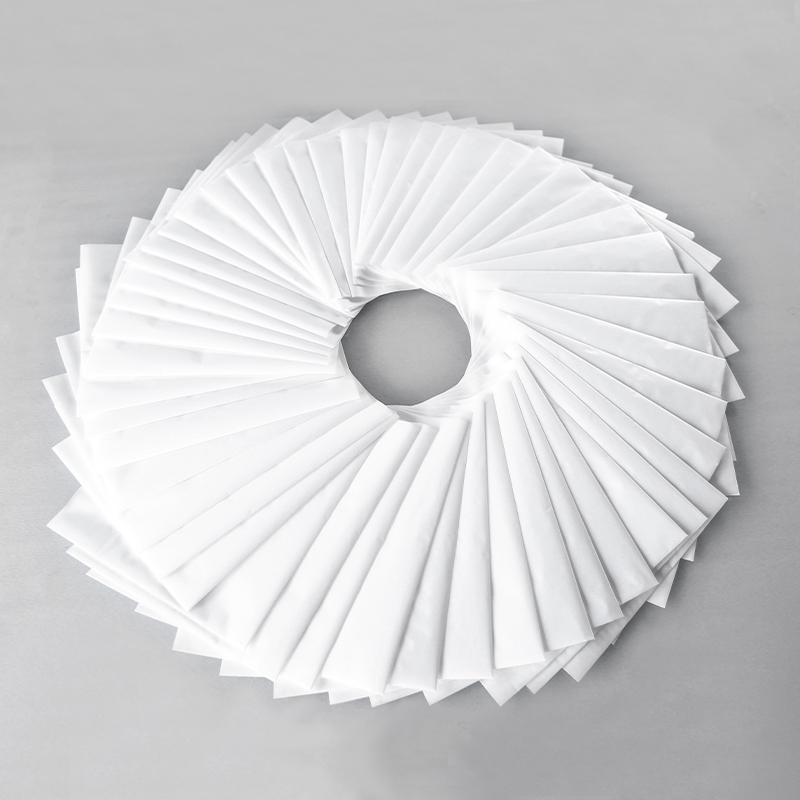
Product details: Folded baking paper sheets, an environment-friendly product, are composed of wood pulp and are double-side coated with silicone. Such a coating makes our paper smooth, greaseproof and...
See Details -
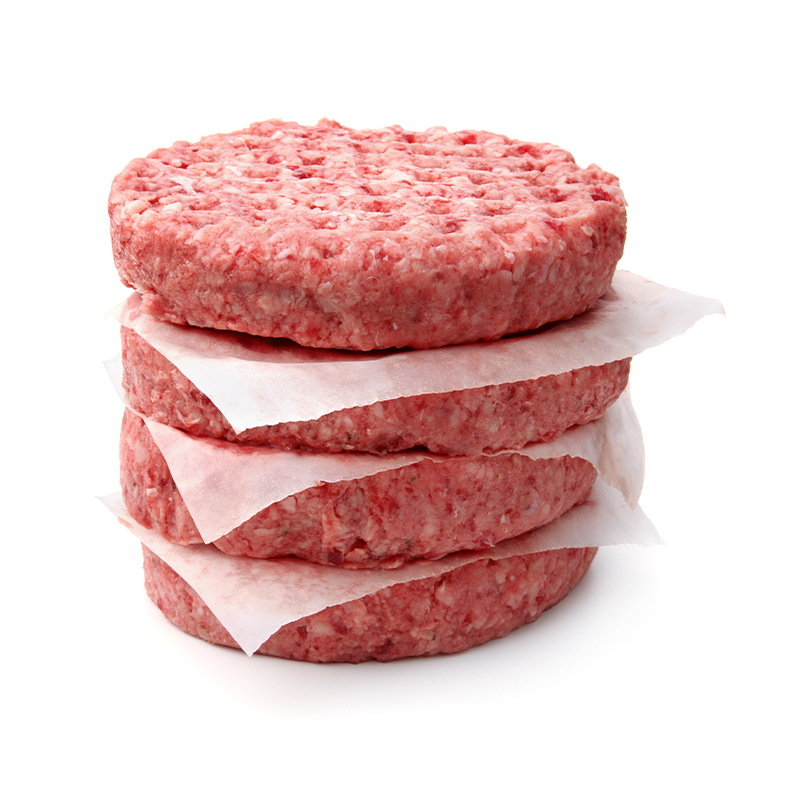
Description: Wax paper is the paper that is coated with food-grade wax in order to make it non-stick and waterproof. wax paper is very good for food storing and presentingMade of food-grade paper and ...
See Details -
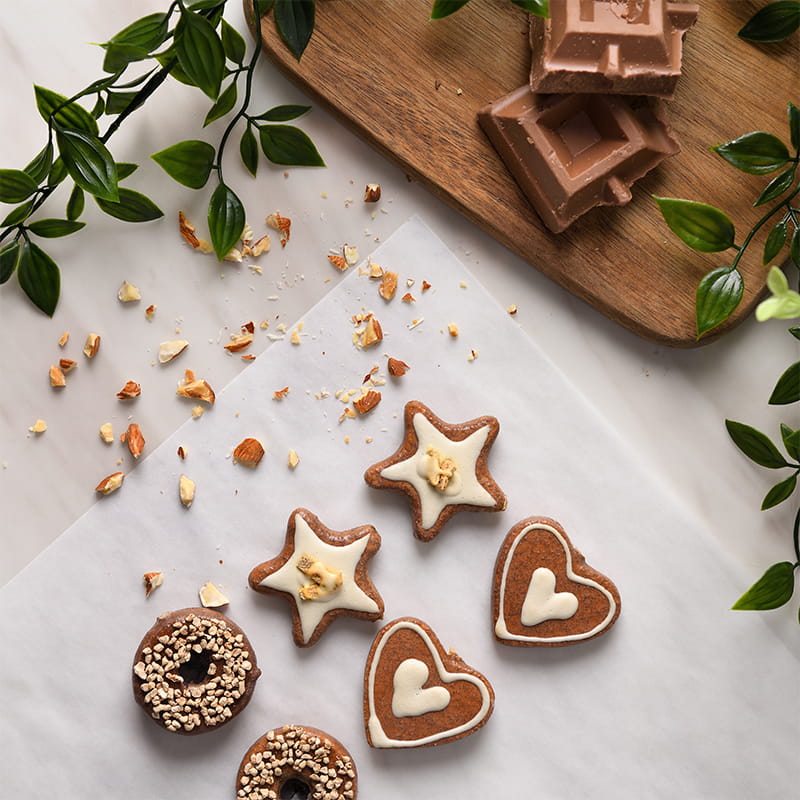
Product Features: 1. Virgin wood pulp 2. Double sides food grade silicone-treated 3. Fluorine-free 4. Non-stick 5. Oven/Microwave safe 6. Freezer safe 7. Reusable 8. BPA f...
See Details -
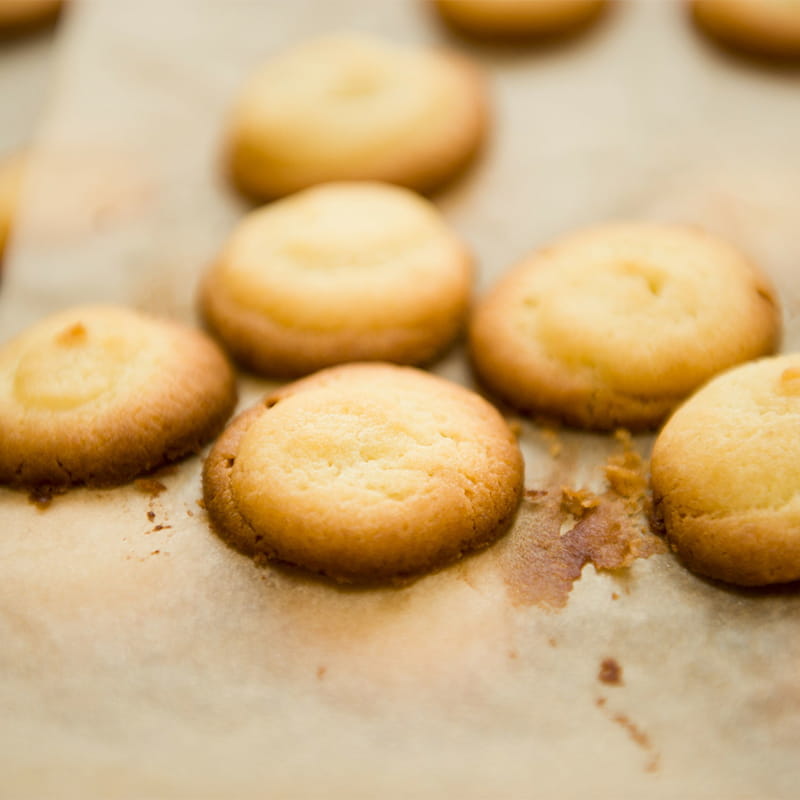
Product Features: 1. Virgin wood pulp 2. Natural unbleached brown color 3. Double sides food grade silicone-treated 4. Fluorine-free 5. Non-stick 6. Oven/Microwave safe 7. Fre...
See Details -
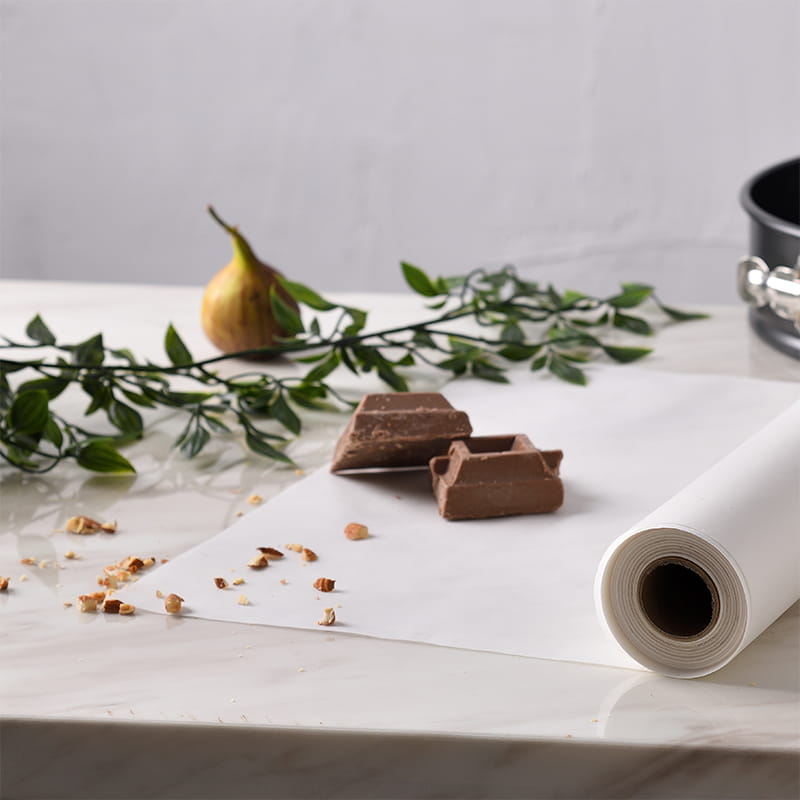
Product Features: 1. Virgin wood pulp 2. Double sides food grade silicone treated 3. Fluorine-free 4. Non-stick 5. Oven/Microwave safe 6. Freezer safe 7. Reusable 8. BPA ...
See Details -
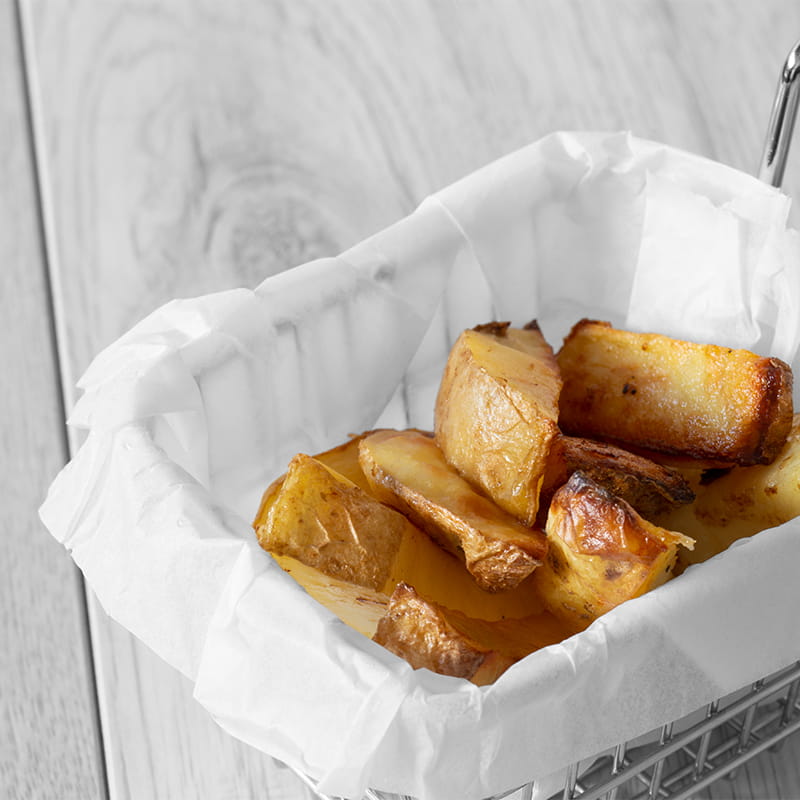
Product Features: 1. Virgin wood pulp 2. Fluorine-free 3. BPA free 4. Biodegradable Product Details: In an era where environmental consciousness and sustainability are paramount, Natu...
See Details -
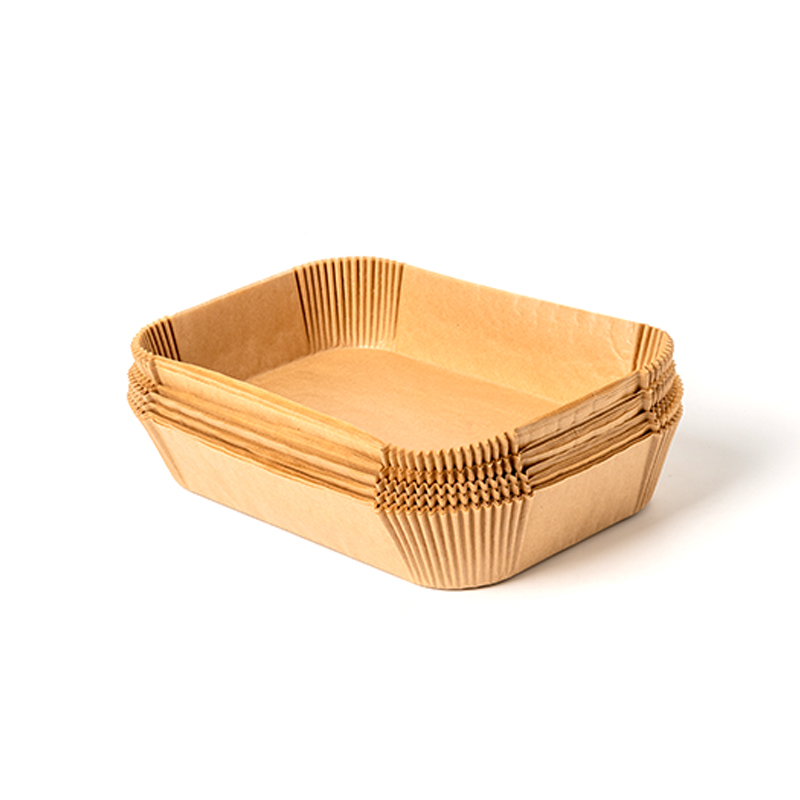
Product Features: 1. Virgin wood pulp 2. Double sides food grade silicone-treated 3. Fluorine-free 4. Non-stick 5. Air fryer basket safe 6. Reusable 7. BPA free 8. Biodeg...
See Details -
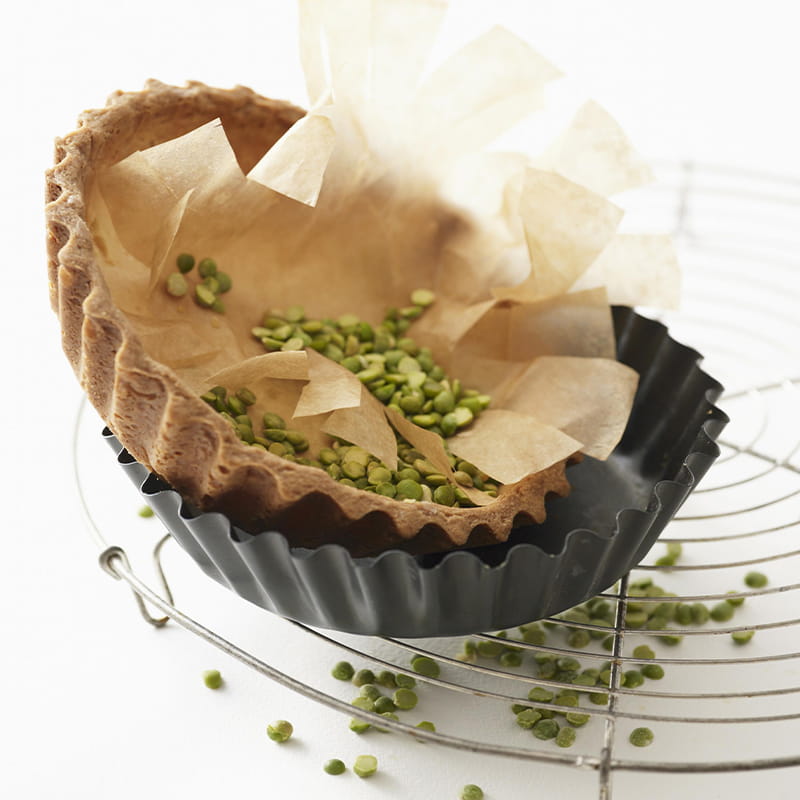
Product Features: 1. Virgin wood pulp 2. Natural unbleached brown color 3. Fluorine-free 4. BPA free 5. Biodegradable Product Details: Introducing our Unbleached Brown Food Grade ...
See Details -
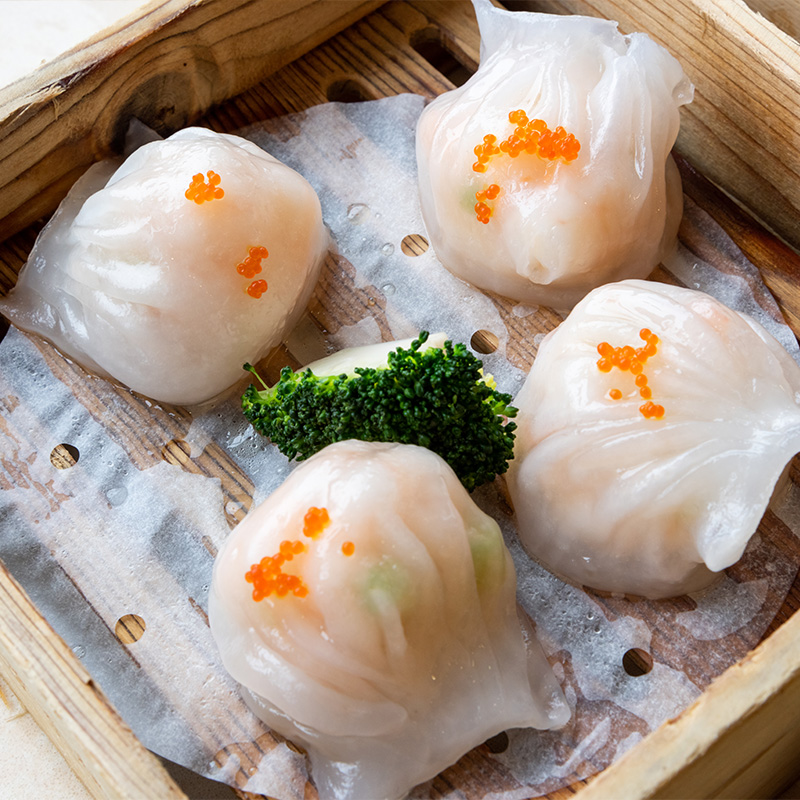
Product Features: 1. Virgin wood pulp 2. Double sides food grade silicone treated 3. Fluorine-free 4. Non-stick 5. Steamer/air fryer basket safe 6. Reusable 7. BPA free 8...
See Details -
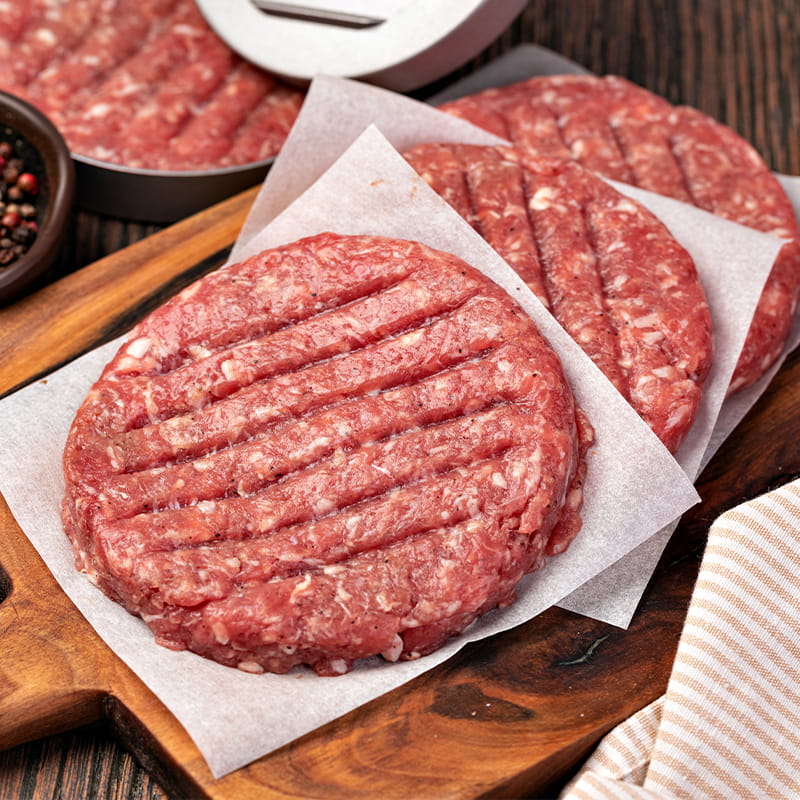
Product Features: 1. Virgin wood pulp 2. Double sides food grade silicone treated 3. Fluorine-free 4. Non-stick 5. Easy to separate 6. Reusable 7. BPA free 8. Biodegradab...
See Details -
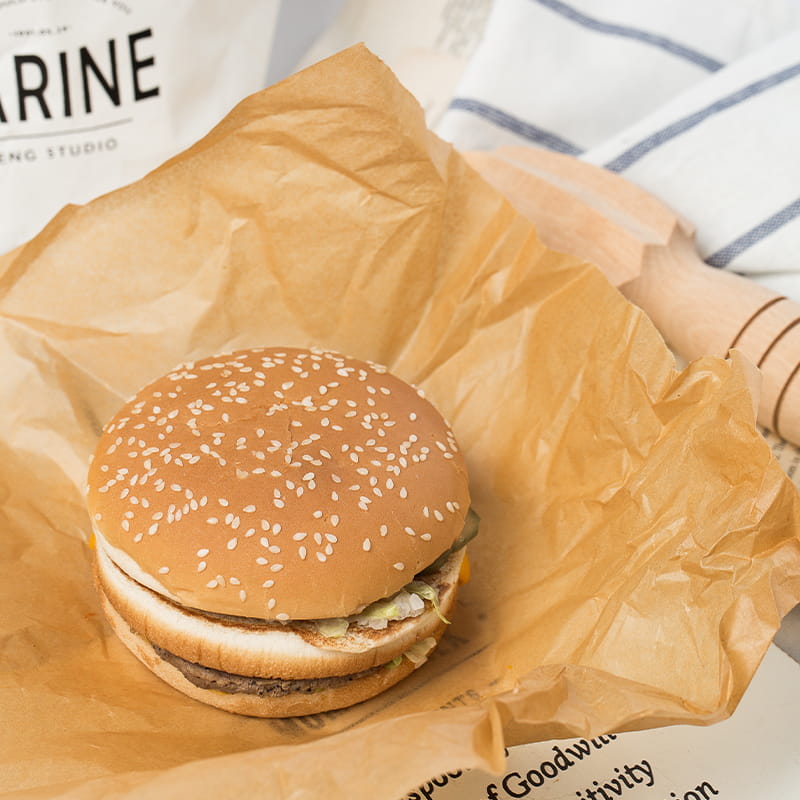
Product Features 1. Virgin wood pulp 2. Flexographic printing 3. Eco-friendly water-based ink 4. BPA free Product Details: Introducing our premium Greaseproof Sandwich Paper Sheets, a...
See Details

Professional Baking Parchment Paper Manufacturer in China with more than 15 years silicone coating experience.
Products
Contact Us
- No.10 Longyin Road, Chengnan Industrial Park,Longyou, Quzhou, China.
- +86-18968091013 / +86-571-88639705
- Avayao-1990@hotmail.com
Copyright © Zhejiang Guanghe New Materials Co., Ltd. All Rights Reserved.
Parchment Paper & Baking Paper Sheets Manufacturer
