 English
 中文简体
中文简体
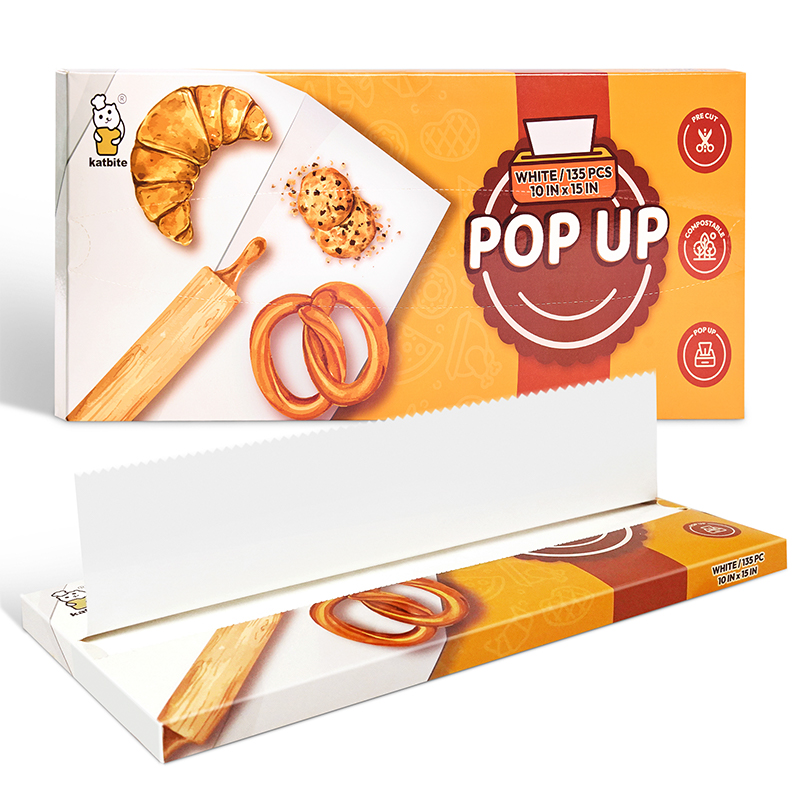
Product details: Pop-up parchment paper sheets, an environment-friendly product, are composed of wood pulp and are double-side coated with silicone. Such a coating makes our paper smooth, greasepr...
See DetailsHome / News / Industry News / How Is Parchment Paper Shaping Sustainable Packaging and Cooking Trends
How Is Parchment Paper Shaping Sustainable Packaging and Cooking Trends
Parchment paper is a specialized type of paper that has been treated to make it suitable for cooking and baking tasks. The treatment gives it the ability to withstand oven heat without scorching and creates a surface that food does not easily stick to. This makes it a handy tool in kitchens for a variety of preparation methods.
The main qualities include tolerance for higher temperatures, a release effect that reduces the need for extra greasing, and assurance that it is safe when in direct contact with food. These features allow it to be used for lining pans, wrapping items during cooking, or even forming barriers between layers of dough or baked goods.In daily food preparation, Baking Paper contributes to cleaner results and simpler cleanup, appearing in both home settings and larger-scale operations.
How Parchment Paper Has Changed and Developed Through the Years
The idea of a paper that doesn't let grease soak through for cooking goes back a long way. At the beginning, people used animal skins treated in special ways to keep fats out. Those early versions worked for wrapping food or lining pans, but making them took time and wasn't easy to do on a large scale.
Once ways to make paper from plants got better, things shifted. Wood pulp became the main starting point because it was steadier and cheaper to produce in bigger amounts. This change opened the door for something closer to what we use now—a paper that could handle kitchen work without falling apart.
In more recent times, factories started treating the paper with chemicals to make the fibers tighter and less porous. That step gave it the strength to stand up to heat and liquids. Later, adding thin coatings, usually silicone, made the surface even less sticky and more reliable in ovens. These updates turned parchment paper into something ordinary kitchens could keep on hand, not just for professionals.
A lot of the old ways of using it are still around. Wrapping food in a packet to cook it gently—letting steam do the work while keeping juices inside—comes straight from those earlier methods. It's a simple approach that hasn't needed much changing because it works so well.
What the Parchment Paper Industry Looks Like Today and How It's Growing
These days, the Baking Paper business has picked up pace alongside more people baking at home and places like restaurants needing quick, clean ways to prepare food. You find it sold in small rolls for household use or big quantities for commercial setups that go through a lot.
The direction now leans toward making it in ways that ease up on harsh chemicals or pull materials from places that replant trees. This matches what a lot of buyers want—something that does the job without adding too much burden down the line.
The whole field keeps adjusting to hold onto the usefulness in kitchens while paying more mind to how it's produced and what happens after it's thrown away. It's a balancing act, but one that's shaping how new batches come out and what options show up on shelves.
How Parchment Paper Plays a Role in Different Parts of the Food Industry
Ways Baking Paper Gets Used in Regular Baking and Cooking
Parchment paper ends up on a lot of baking trays and pans because it stops things from sticking. You put a sheet down, spread out cookie dough or cake batter, and when it's done, everything lifts right off without tearing or leaving bits behind. That comes in handy for anything delicate like meringues or layered pastries where you want the bottom to brown evenly without burning onto the metal.
When it comes to cooking on the stove or in the oven, a common trick is folding food into little packets. You lay out a sheet, pile on fish or chicken with some vegetables and herbs, fold it up tight, and let it cook. The steam stays inside, flavors mix together, and nothing dries out. It's a gentle way to get dinner on the table without watching it every second.
There are other small jobs it handles too—rolling out pie dough so it doesn't grab the counter, or slipping sheets between burger patties before freezing them so they don't freeze into one block.
Why the Non-Stick Quality and Heat Tolerance Matter So Much in the Kitchen
The surface on parchment paper is treated in a way that food just slides off when it's ready, which means you often don't need to grease the pan or add extra butter. That keeps things lighter and makes cleanup quicker.
It holds up fine in hot ovens without catching fire or falling apart like regular paper would. Unlike aluminum foil, it doesn't spark reactions with tomatoes or citrus that can give a metallic taste, and it won't melt like some waxed papers do when things get too warm. All that makes it easy to use for different kinds of cooking where you don't want food touching the pan directly.
The way it's made packs the fibers close together so grease can't seep through, but the sheet still bends and folds without cracking.
How It Helps with Food Safety and Keeping Things Clean
Parchment paper meets the rules for stuff that touches food, so nothing unwanted leaches out when it gets hot. It catches drips and crumbs, keeping the pan underneath cleaner and cutting down on scrubbing later.
In a busy kitchen or when you're prepping several things at once, it acts as a barrier—raw meat juices stay contained on one sheet, then you toss it and start fresh for the next batch without worrying about carryover. That simple step reduces the chance of mixing things that shouldn't mix.
It also wraps up leftovers or prepped ingredients in a way that keeps air out and freshness in longer, especially if you're storing cut fruits or cheeses for a day or two.
Overall, having parchment paper around makes the whole process feel a bit safer and a lot less messy, whether you're cooking for a family or turning out bigger quantities.
Steps Toward Making Baking Paper Production More Sustainable
Looking at the Environmental Side of Older Production Ways
The usual methods for turning out parchment paper take a fair amount of water and energy, and they can leave behind some byproducts that aren't great for the surroundings. If bleaching is part of the process, chemicals can end up in the wastewater, which isn't ideal when it gets released.
On top of that, if the finished paper doesn't break down easily after it's thrown away, it just adds to the pile of waste that sits around. People in the industry have seen these issues and started making changes to lighten the load.
Checking Out Greener Ways to Make Parchment Paper
Unbleached kinds skip the step that lightens the color, so they keep a more natural look but still do the job in the kitchen. Going chlorine-free in processing means fewer worrying substances going out with the water.
There are also types made to compost properly, with coatings that rot away under the right conditions. Getting pulp from forests that have proper management in place helps make sure trees get replanted.
A few lines now use barriers that come from plants instead of man-made stuff.
How Shopper Choices Are Pushing for Cleaner Production
More folks are thinking about the planet when they buy things, so they're leaning toward products that don't cause as much harm. Labels that explain where materials come from or what certifications they have make it easier for people to pick options that fit their habits.
Places that serve food are doing the same—choosing supplies that show they're trying to run things more carefully.
The Tricky Parts of Switching to Greener Methods
Moving to ways that are easier on the environment can bump up costs along the line, which ends up affecting what the paper sells for. Finding a steady flow of the right kind of raw materials takes extra planning and connections.
Keeping the paper working well for cooking while making these changes isn't always straightforward—it takes steady tweaking and testing.
Going Over the Materials and How Parchment Paper Gets Made These Days
Common Starting Materials and What They Do for the Finished Paper
Most Baking Paper starts with pulp from wood fibers that's been worked to make it dense enough to hold up. The release layer usually comes from silicone coatings added later.
There's a real effort now to pull those materials from places that replant or manage resources carefully.
What goes in at the beginning directly changes how the paper handles heat and deals with food on it.
Here is an overview of typical material elements:
| Element | Purpose in Production | Effect on Usage |
|---|---|---|
| Fiber Pulp | Forms the paper structure | Gives durability and heat handling |
| Release Coating | Creates non-adherent surface | Allows easy food separation |
| Processing Agents | Tighten fibers or adjust color | Influences breakdown and safety |
| Supply Sources | Ensure consistent input | Supports steady quality |
How Parchment Paper Gets Made: Looking at the Main Stages
The whole thing starts with pulp that's already been turned into big sheets or rolls. This base paper goes through a treatment step where it's soaked or passed through baths that tighten up the fibers, making the paper denser and less likely to let grease or moisture through.
After that treatment, it has to dry properly—usually with heat or air flow—so the changes set in and the paper holds its new structure. Once it's dry, a lot of lines add a thin coating on one or both sides to give that non-stick feel. This coating gets its own drying time to make sure it bonds well and doesn't stay tacky.
With everything set, the wide rolls move to slitting machines that cut them down to the widths people actually use in kitchens. From there, some get chopped into individual sheets for boxes, while others stay as rolls. Finally, it's all packed up—folded, rolled, boxed, and labeled—ready to head out to stores or warehouses.
These days, factories keep a close eye on things as the paper moves along, checking thickness and how evenly the coating spreads so every batch comes out consistent.
What Kinds of Coatings and Additives Go Into Parchment Paper
Silicone is still the go-to coating for a lot of Baking Paper because it does a solid job of letting food slide off and holds up fine in hot ovens without breaking down. It's reliable and has been used for years.
That said, there's steady work going on to find options that come from plants or other natural sources. The idea is to get similar release and heat performance but make the coating something that breaks down more easily when the paper gets thrown away. It's not straightforward—finding stuff that works just as well without costing a fortune or changing how the paper feels—but progress keeps happening bit by bit.
Whatever ends up on the paper has to meet food safety rules, so nothing unwanted transfers when things get heated. The shift toward more natural additives is part of trying to keep the kitchen benefits while easing up on the long-term impact.All additions adhere to food contact safety guidelines.
Integration of Automation and Other Technological Improvements in Factories
Facilities increasingly use automated handling for coating and cutting, enhancing consistency and reducing material loss. Inline checks identify variations early.This allows for higher volumes while keeping tight control over output.
Shifts in Market Dynamics, Buyer Preferences, and Overall Demand Patterns
- Factors Contributing to Expansion in the Parchment Paper Market
- Rising interest in home baking and streamlined food prep sustains need. Commercial kitchens depend on it for efficient workflows.
- Digital sales platforms have widened availability.
- Elements That Influence Consumer Choices When Selecting Parchment Paper
- Practicality, safety, and alignment with environmental care guide selections. Users value formats that minimize preparation time and support reduced fat cooking.
- Visuals in recipes often showcase its role in various steps.
- Emerging Formats and Design Improvements in Available Products
- Pre-sized sheets match common pan dimensions for quick setup. Rolls permit tailoring to specific needs.
- Options with heightened grease barriers or natural coloring address varied preferences.
- Ways in Which Producers Differentiate Themselves in a Competitive Environment
- Focus areas include material composition, user-friendly packaging, and emphasis on responsible processing. Store brands provide accessible alternatives with similar traits.
- Competition encourages refinements that highlight convenience or sustainability.
Connections Between Parchment Paper Use and Health-Focused Approaches
How Parchment Paper Aids in Preparing Meals with Fewer Added Fats
It enables baking or roasting without extra oils for release, supporting lighter outcomes. This suits efforts to lower calorie intake through everyday methods.
Addressing Buyer Questions Regarding Chemicals in Production
Past treatments occasionally raised concerns about residues. Current practices limit such risks, with many lines avoiding particular compounds.Options free of added concerns gain favor.Supporting Preparation for Restricted or Specialized Dietary Requirements
Parchment paper assists in allergen-free or controlled baking by providing clean separation. Packet methods retain nutrients in moist cooking, fitting multiple plans.Its adaptability covers grilling, steaming, or oven work across different eating styles.
Prospects and Potential Directions for Parchment Paper Development
- Advancing Toward Sustainable Practices and Resource Cycles
- Compostable designs progress, targeting breakdown in standard conditions. Concepts for limited reuse receive attention.
- Circular thinking shapes sourcing and disposal planning.
- Continued Improvements in Production Technology and Materials
- Renewable coatings evolve. Additions for extended utility, such as moisture control, appear.
- Exploring Additional Applications Beyond Traditional Food Uses
- Potential extends to barrier needs in packaging or related fields.
- Adapting to Changing Regulations and Standards
- Updates in safety and environmental rules influence methods. Certifications aid in demonstrating compliance.
The Rising Interest in Parchment Paper for Eco-Friendly Packaging Solutions
The whole world is paying more attention to sustainability these days, and that push is changing how things get made and packed. One material that's getting a closer look is parchment paper. People know it mostly from the kitchen, but now it's showing up more in packaging, especially where companies want to cut down on plastics.
Both regular shoppers and big businesses are thinking harder about what their choices mean for the environment. Plastic waste is a real problem—it's everywhere in oceans and landfills—and that's making folks look for things that don't stick around forever. Parchment paper fits that need because it's made from renewable stuff like wood pulp, and when done right, it breaks down without much trouble. That makes it a solid pick for wrapping or lining packages, particularly in food, bakery items, or even beauty products.
What stands out about parchment paper for packaging is how flexible it is. You can wrap sandwiches or baked goods in it, line boxes to keep things clean, or use it for simple gift wrapping that looks nice and doesn't harm the planet. Compared to plastic films or bags that hang around for hundreds of years, this paper does the job and then disappears naturally, helping chip away at the huge plastic mess we're in.
This shift isn't just coming from rules or pressure—it's also from customers themselves. People want to buy from places that seem to care about the planet, and when a package shows up wrapped in something biodegradable, it feels right. Businesses notice that, so they're switching over to parchment paper where it makes sense. It helps them look better, keep customers coming back, and stay ahead of what people expect.
On the production side, things are getting easier. Factories are finding ways to make Baking Paper without raising costs too much, so it's not just for high-end brands anymore. More places can use it without breaking the bank.
All in all, with everyone looking for ways to pack things that don't add to the waste problem, parchment paper is turning into a go-to option. It's practical, it works for a lot of different products, and it lines up with the direction things are heading—toward materials that do their job and then let nature take over. As this keeps building, parchment paper looks like it'll have a steady place in how we wrap and ship stuff in the years ahead.
Summary of Key Directions and Ongoing Evolution in the Parchment Paper Sector
The parchment paper area develops alongside needs for reliable, safe, and considerate products. Expansion links to cooking trends at home and professionally, backed by material and process refinements.Room exists for further sustainable offerings and health-supporting features. Sourcing and performance issues continue, met through steady adjustments.Attention to buyer values and rule changes directs progress. The sector aids in promoting cleaner preparation habits.
As a dedicated manufacturer in this field, Guanghe concentrates on delivering consistent parchment paper produced with thoughtful, sustainable approaches, adding to the industry's advancement.
Related Products
-
-
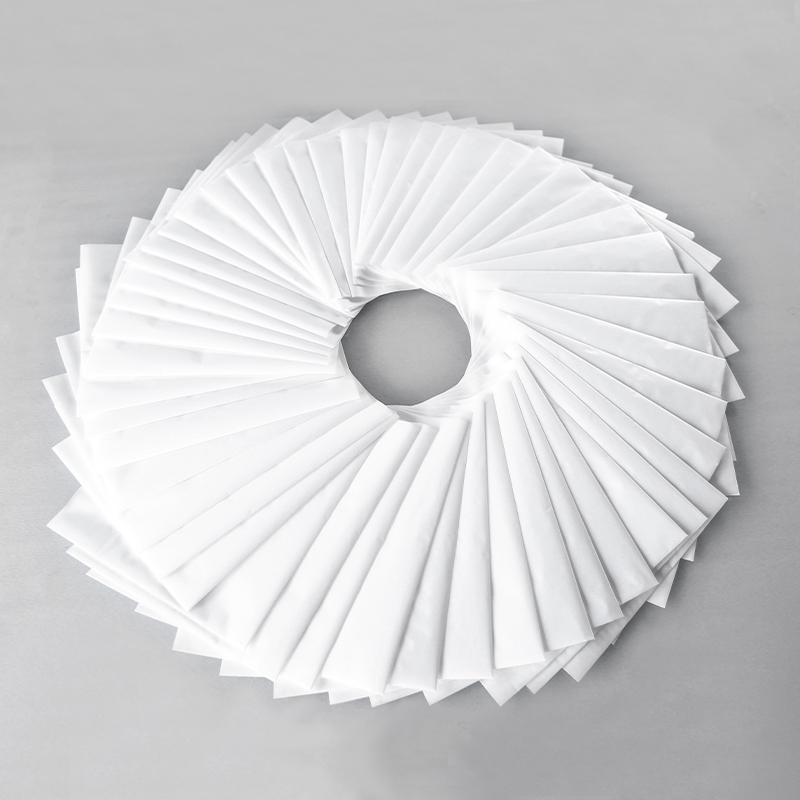
Product details: Folded baking paper sheets, an environment-friendly product, are composed of wood pulp and are double-side coated with silicone. Such a coating makes our paper smooth, greaseproof and...
See Details -
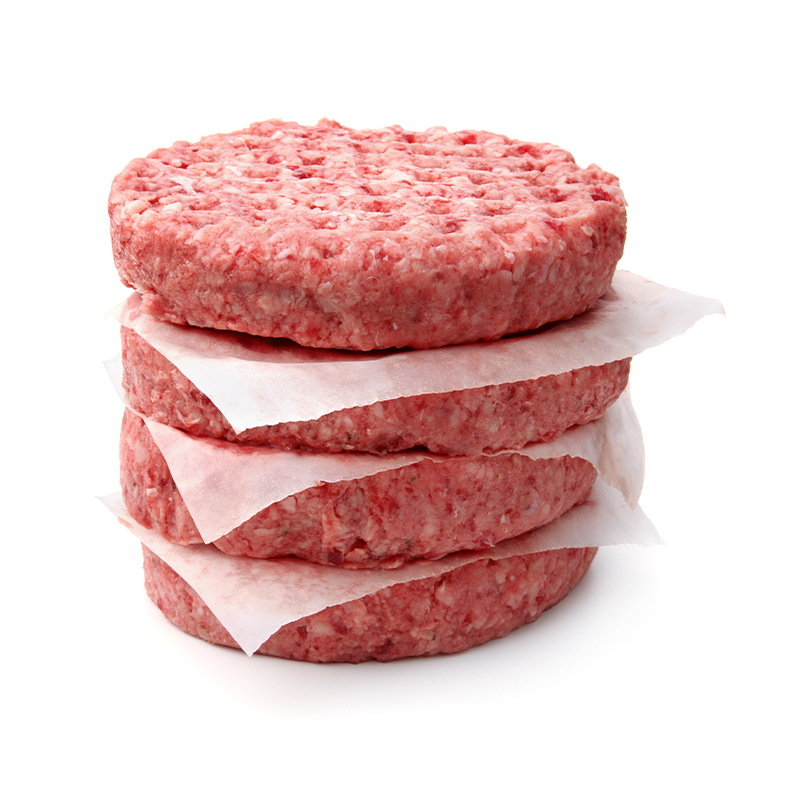
Description: Wax paper is the paper that is coated with food-grade wax in order to make it non-stick and waterproof. wax paper is very good for food storing and presentingMade of food-grade paper and ...
See Details -
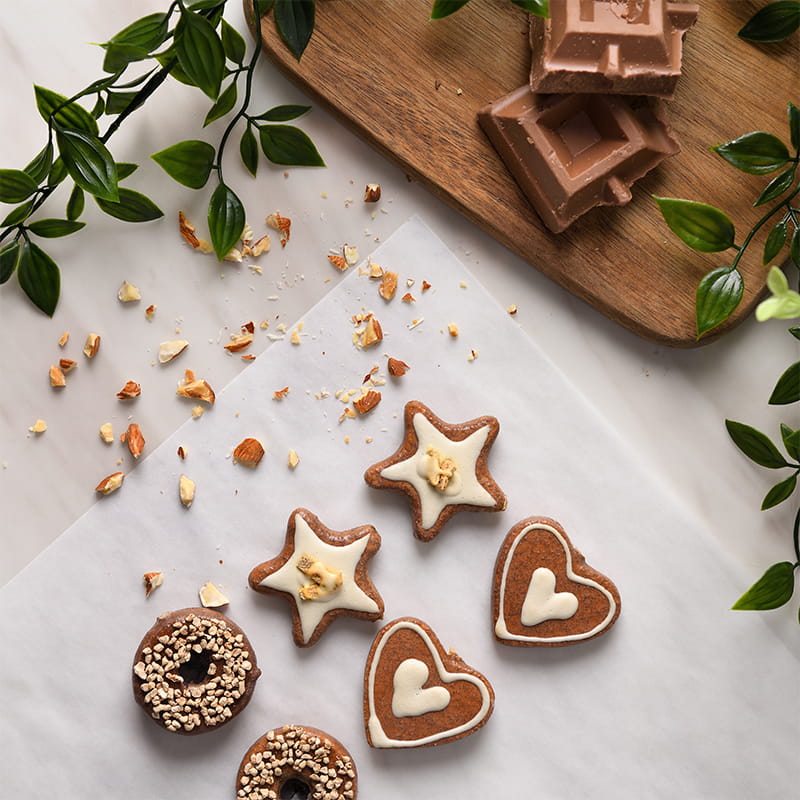
Product Features: 1. Virgin wood pulp 2. Double sides food grade silicone-treated 3. Fluorine-free 4. Non-stick 5. Oven/Microwave safe 6. Freezer safe 7. Reusable 8. BPA f...
See Details -
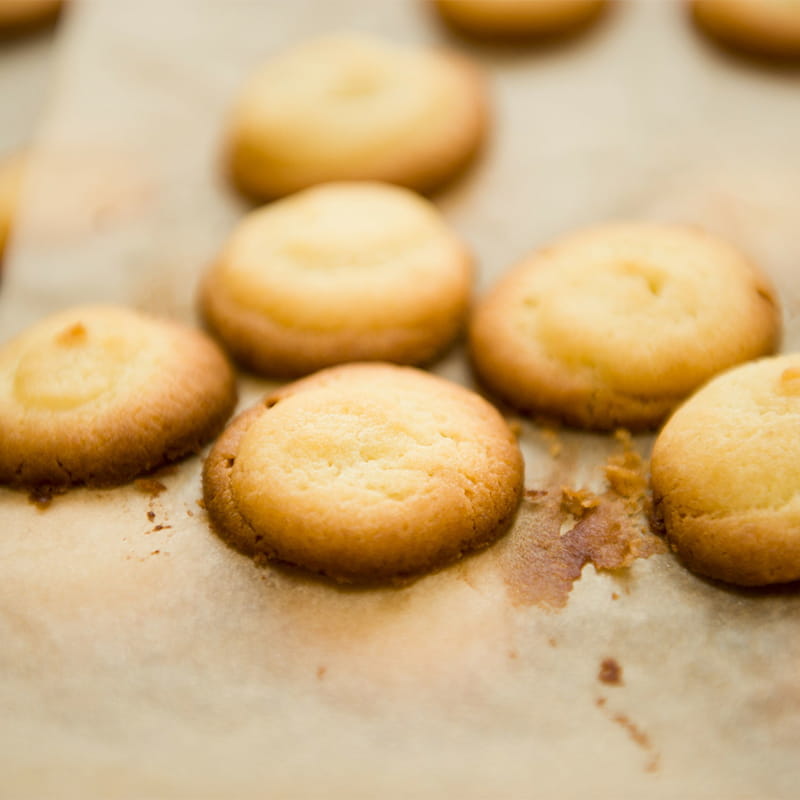
Product Features: 1. Virgin wood pulp 2. Natural unbleached brown color 3. Double sides food grade silicone-treated 4. Fluorine-free 5. Non-stick 6. Oven/Microwave safe 7. Fre...
See Details -
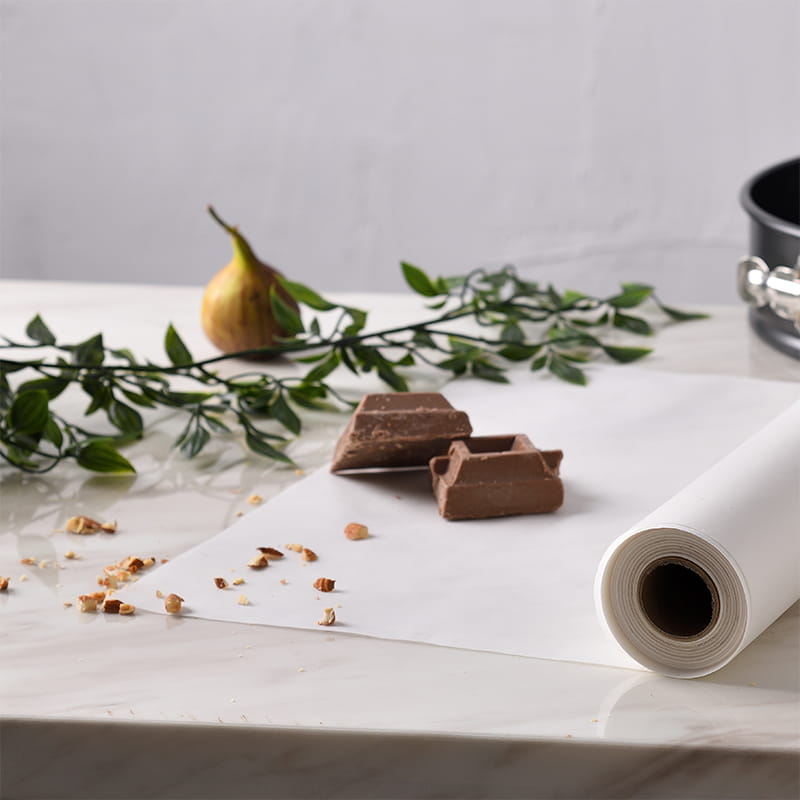
Product Features: 1. Virgin wood pulp 2. Double sides food grade silicone treated 3. Fluorine-free 4. Non-stick 5. Oven/Microwave safe 6. Freezer safe 7. Reusable 8. BPA ...
See Details -
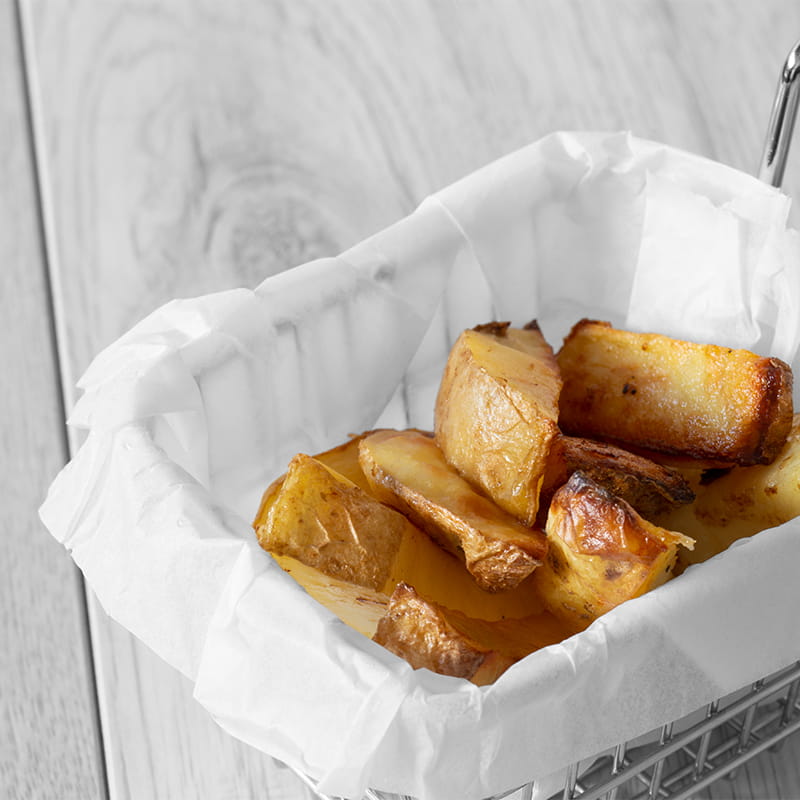
Product Features: 1. Virgin wood pulp 2. Fluorine-free 3. BPA free 4. Biodegradable Product Details: In an era where environmental consciousness and sustainability are paramount, Natu...
See Details -
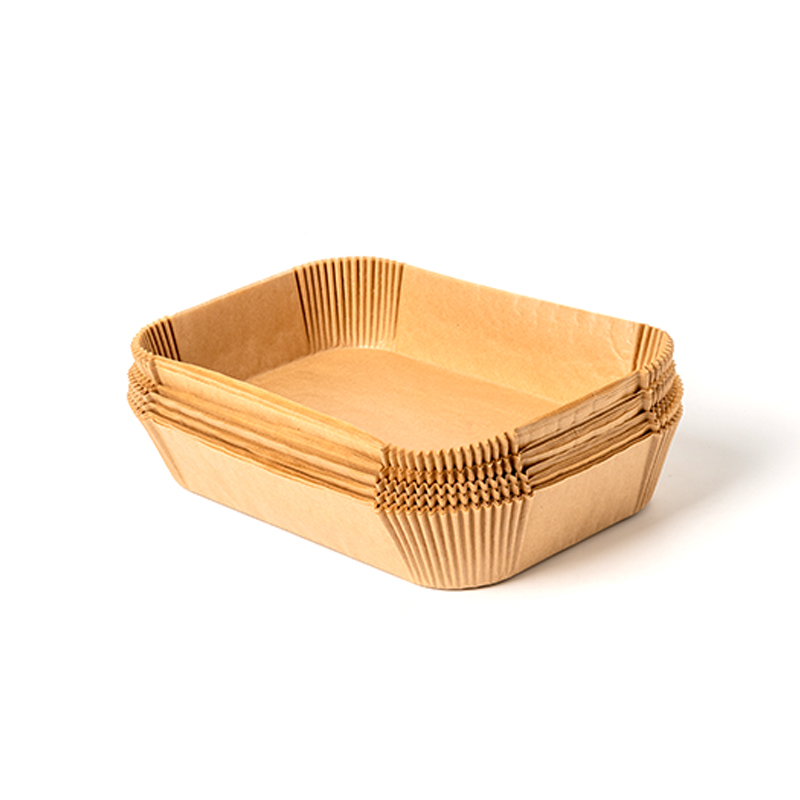
Product Features: 1. Virgin wood pulp 2. Double sides food grade silicone-treated 3. Fluorine-free 4. Non-stick 5. Air fryer basket safe 6. Reusable 7. BPA free 8. Biodeg...
See Details -
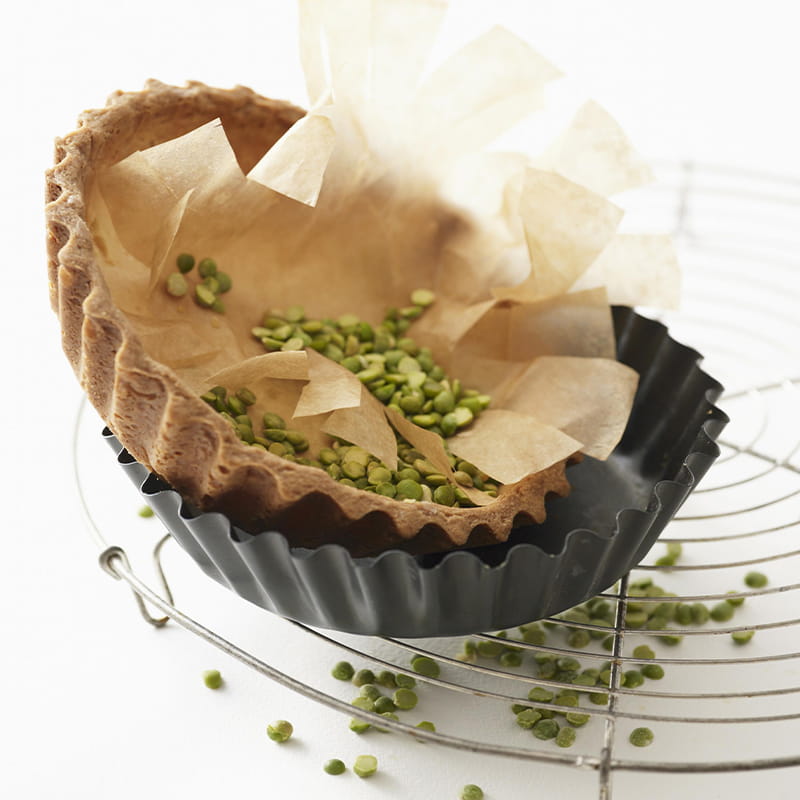
Product Features: 1. Virgin wood pulp 2. Natural unbleached brown color 3. Fluorine-free 4. BPA free 5. Biodegradable Product Details: Introducing our Unbleached Brown Food Grade ...
See Details -
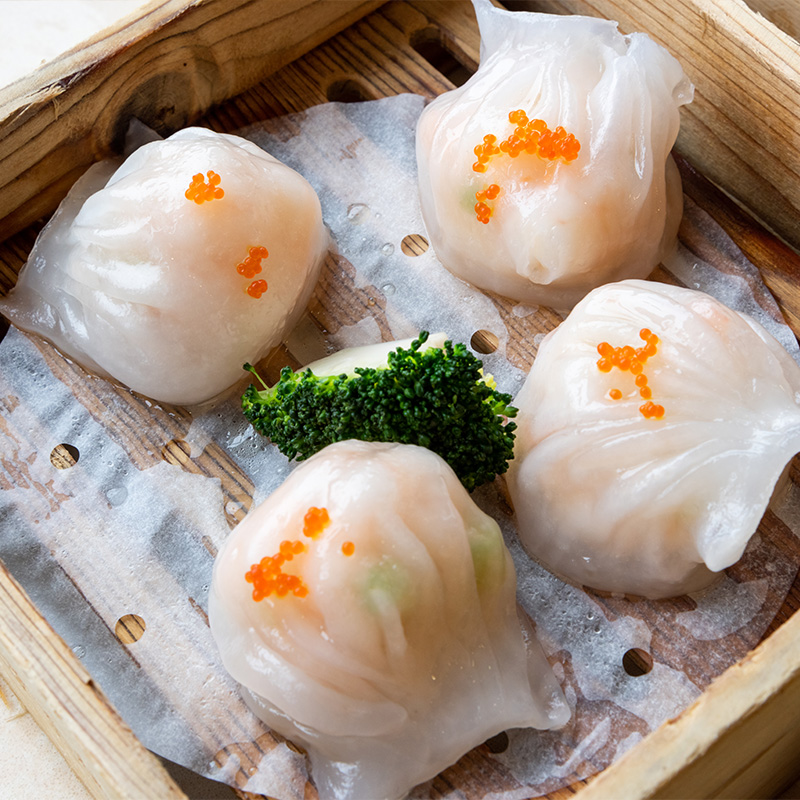
Product Features: 1. Virgin wood pulp 2. Double sides food grade silicone treated 3. Fluorine-free 4. Non-stick 5. Steamer/air fryer basket safe 6. Reusable 7. BPA free 8...
See Details -
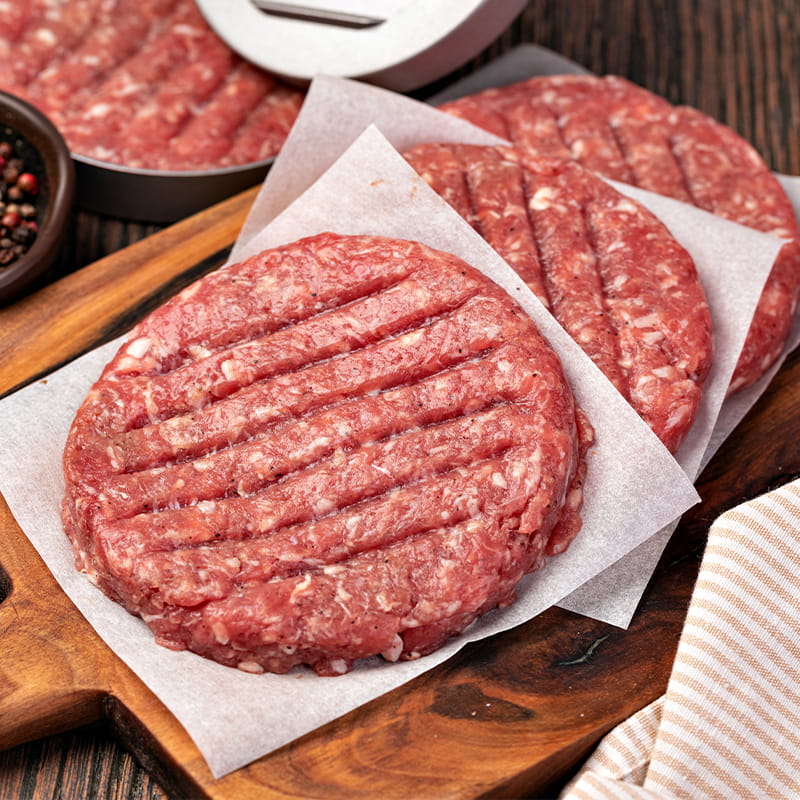
Product Features: 1. Virgin wood pulp 2. Double sides food grade silicone treated 3. Fluorine-free 4. Non-stick 5. Easy to separate 6. Reusable 7. BPA free 8. Biodegradab...
See Details -
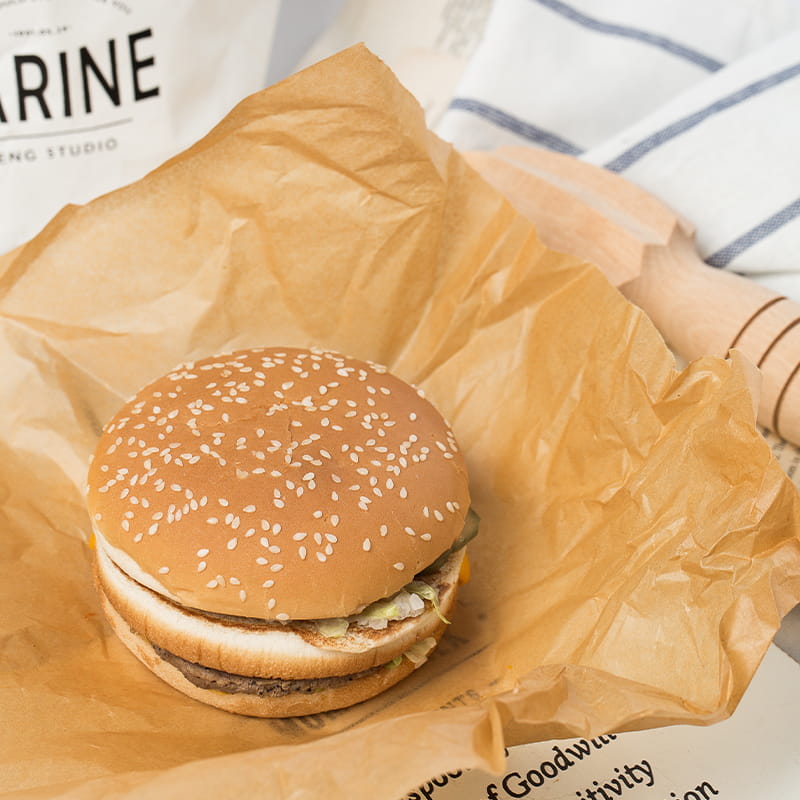
Product Features 1. Virgin wood pulp 2. Flexographic printing 3. Eco-friendly water-based ink 4. BPA free Product Details: Introducing our premium Greaseproof Sandwich Paper Sheets, a...
See Details

Professional Baking Parchment Paper Manufacturer in China with more than 15 years silicone coating experience.
Products
Contact Us
- No.10 Longyin Road, Chengnan Industrial Park,Longyou, Quzhou, China.
- +86-18968091013 / +86-571-88639705
- Avayao-1990@hotmail.com
Copyright © Zhejiang Guanghe New Materials Co., Ltd. All Rights Reserved.
Parchment Paper & Baking Paper Sheets Manufacturer
