 English
 中文简体
中文简体
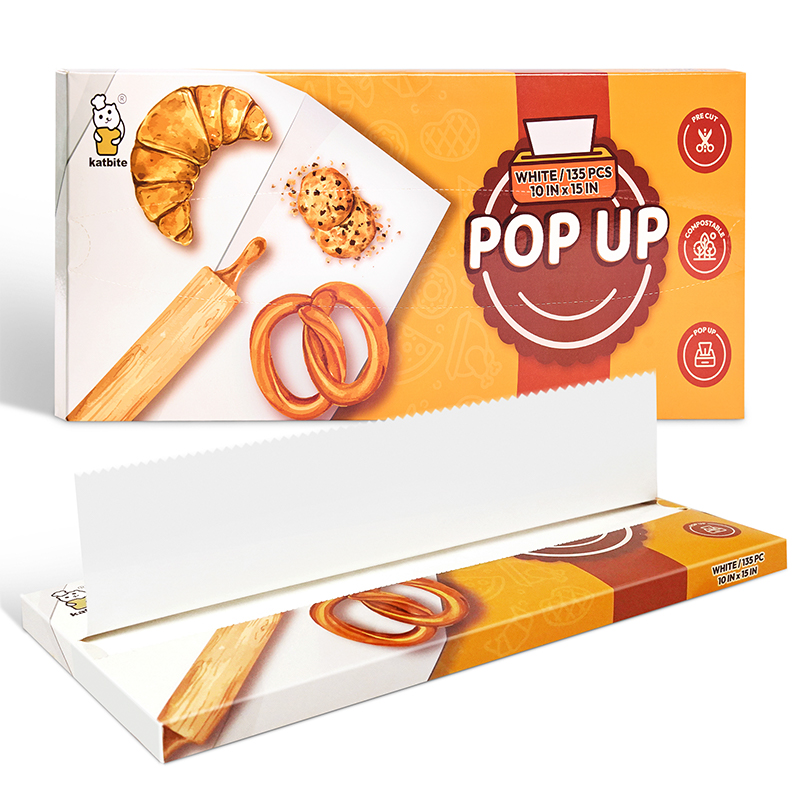
Product details: Pop-up parchment paper sheets, an environment-friendly product, are composed of wood pulp and are double-side coated with silicone. Such a coating makes our paper smooth, greasepr...
See DetailsHow Parchment Paper Continues to Shape Modern Kitchens
Over the past decade, anyone who spends time around ovens—whether in a home kitchen or a 200-seat restaurant—has noticed the same quiet change: rolls and boxes of parchment paper have moved from the back shelf to the front of the station. It is no longer just another consumable; it has become the default lining for sheet trays, the go-to wrapper for proofing baskets, and the separator of choice in walk-in freezers.
The reasons are practical rather than flashy. Modern cooking, both professional and domestic, runs on tighter schedules, higher expectations for consistency, and less tolerance for waste. A material that lets dough slide off without scraping, keeps fish skin intact, and cuts cleaning time in half naturally finds a permanent place on the prep list.
Home bakers discovered it through television shows and social media, then commercial kitchens followed once labor costs and food waste numbers made the case undeniable. Today, a central kitchen producing 8,000 croissants a day and a weekend baker making one tray of cookies both reach for the same basic tool, just in different quantities.
What the Material Actually Is and How It Behaves Under Heat
At its core, the sheet starts as ordinary paper pulp—usually from softwood—beaten into a dense mat. What turns it into something that can survive 220 °C without catching fire or falling apart is a combination of tight fiber bonding and a very light acid treatment during manufacturing. The acid process (historically sulfuric acid, now often replaced with safer alternatives) creates a hydrated gel on the fiber surface that collapses into an extremely thin, glass-like barrier when dried. That barrier is the reason oil beads up instead of soaking through and why steam can still escape instead of turning the sheet into mush.
Thickness varies from tissue-thin 35 gsm sheets used for delicate macarons to heavier 60 gsm versions preferred by pizzerias for high-hydration doughs. Heavier sheets resist curling when they absorb moisture from dough, while lighter ones lie perfectly flat on cold metal but can become brittle if the oven runs too long.
In practice, the sheet stays structurally sound through normal baking cycles because the internal moisture content stays low enough that the fibers never reach the temperature at which they would carbonize quickly. Air circulation in convection ovens actually helps: moving hot air carries away the small amount of water vapor that does migrate through the sheet, keeping surface temperature stable.
How It Changes Daily Workflow from Prep to Pack-Out
Walk into any busy bakery at 5 a.m. and you will see stacks of half-sheet trays already lined the night before. Line cooks do not measure or cut; they simply pull a pre-cut sheet from the box, drop it in, and move on. That single motion saves roughly 12–15 seconds per tray. Over a hundred trays, the time savings become meaningful.
When the food goes into the oven, the sheet prevents direct contact between product and metal. Fish does not tear when flipped, cookie bottoms do not over-brown from hot spots, and bread loaves release without leaving half the crust behind. At the end of the bake, the entire tray can be slid onto a speed rack to cool; nothing sticks, nothing needs to be pried loose.
After service, the used sheet goes straight into the trash or compost bin. The tray itself often needs no more than a quick wipe—sometimes not even that. In a restaurant doing 400 covers, eliminating one full tray washes every night can save thousands of liters of water per month and cut detergent use substantially.
Large bread plants take the principle further. Dough pieces travel on continuous parchment belts through tunnel ovens hundreds of meters long. The same belt that carries raw dough into the oven carries fully baked loaves out the other side, then gets peeled off and discarded. Changing to a different product—say from baguettes to brioche—requires only swapping the roll of paper, not retooling the entire line.
Where It Works Especially Well—and Where It Reaches Its Limits
Steamed fish in a combi oven, Yorkshire puddings that need to rise sharply, tuiles and thin florentines that must stay perfectly flat—all benefit from the sheet's ability to handle moisture on one side and dry heat on the other. High-fat items like bacon or duck skin render cleanly because rendered fat beads on the surface instead of frying the food to the tray.
On the cold side, tempered chocolate can be spread directly onto the sheet for clean transfer to the refrigerator. Multiple layers of ganache tart shells can be built in the same ring because each layer lifts off without damage. In walk-in freezers, sheets placed between burger patties or portions of cookie dough prevent them from freezing into a single block.
The limits appear mainly at very high temperatures or with highly acidic wet batters left for hours. Above 240 °C for extended periods, the sheet will darken and become brittle, though it rarely ignites in normal kitchen ovens. Very wet sourdough left to cold-proof overnight directly on the sheet can sometimes glue itself if the paper is too light; more bakers simply use a slightly heavier grade or dust with semolina as insurance.
The Less-Obvious Places It Has Migrated To
Central kitchens making ready meals now wrap individual portions of lasagna or gratins in parchment "en papillote" style before flash-freezing. The paper steams the food gently during reheat, keeps cheese from sticking to the lid film, and gives the consumer something easy to open without burning fingers.
Meal-kit companies separate raw proteins from vegetables with a folded sheet inside the box—simple, food-safe, and compostable at the customer's end. Coffee roasters use strips to line cooling trays so beans do not pick up off-flavors from metal. Even some butcher shops line display cases with it because it absorbs drips without looking soggy and can be changed in seconds.
Real-World Performance Factors Professionals Actually Care About
Curl memory from the roll is the complaint heard more often. A sheet that springs back into a tube the moment you let go is infuriating when you are trying to line a jelly-roll pan one-handed. Higher-end products now ship flat-packed or use anti-curl coatings on the spool core.
Oil bleed-through becomes an issue with very fatty items baked at moderate temperatures for long times (think low-and-slow pork belly). Some manufacturers offer "double-sided" versions with slightly different treatment levels on each face.
Edge tearing when sliding heavy items off the tray used to be common with cheaper grades; modern pulping and calendaring have largely solved that.
Sustainability Angle That Is Not Just Marketing
Most of the pulp comes from managed northern softwood forests under certification schemes that require replanting. The actual coating weight is measured in single-digit grams per square meter—so small that the sheet still meets industrial composting standards in many countries when not heavily soiled with fat.
Several plants have switched to totally unbleached sheets that look light brown instead of bright white; the color difference is purely aesthetic and has no effect on performance. Restaurants that compost backstage report the sheets break down in 10–12 weeks under proper conditions, faster than cardboard.
What Is Coming in the Next Few Years
Manufacturers are testing sheets made partly from agricultural waste fibers—wheat straw, sugarcane bagasse—mixed with traditional pulp to reduce pressure on forests. Early results show comparable heat performance with slightly better wet strength.
Thinner gauges that still resist tearing are in development for operations that want to cut material cost and waste volume. Pre-perforated rolls that tear cleanly into quarter-sheet or round sizes are already appearing in cash-and-carry stores.
Some suppliers are experimenting with light embossing patterns that further reduce surface contact and therefore sticking—similar to the dimples on certain silicone mats but fully compostable.
How Different Parts of the World Use It Differently
In France and Italy, sheets are almost always sold pre-cut to standard European tray sizes and used heavily for viennoiserie. American bakeries still prefer rolls because tray sizes vary widely and operators like to cut exactly what they need.
Japanese wholesalers offer ultra-thin 28 gsm sheets specifically for wagashi and delicate cookies where even slight paper texture would show. In Southeast Asia, where ovens are often smaller and humidity higher, heavier 70 gsm sheets with extra anti-curl treatment dominate.
Quick comparison of commonly used food contact lining materials
| Material | Reusable | Heat limit typical | Sticking prevention | Cleaning required | End-of-life | Cost per use |
|---|---|---|---|---|---|---|
| Parchment paper | No | 220–230 °C | Very good | None | Compost/recycle possible | Low |
| Silicone mat | Yes | 250 °C+ | Excellent | Wash required | Landfill after years | Medium-high |
| Aluminum foil | Sometimes | Unlimited | Moderate | None | Recycle | Very low |
| Waxed paper | No | Cannot go in oven | Poor when heated | None | Landfill | Low |
| Butcher paper (plain) | No | Low heat only | Poor | None | Compost | Low |
How Product Development Teams Actually Use Parchment Paper
When a bakery or snack manufacturer starts work on a new recipe, the batches almost always go onto parchment sheets. The metal trays underneath may have slight differences in age or seasoning, so the parchment gives every test run the same starting surface. A dough that is supposed to spread to exactly 11 cm will do that on parchment whether the tray is brand new or ten years old. Without that neutral layer, the results drift and the team wastes time chasing variables that have nothing to do with the formula.
Laminated dough trials for croissants or plant-based pastries are laid out sheet by sheet on parchment so the layers stay separate during folding and chilling. If two sheets touch directly, the butter or margarine block can migrate and the lamination is ruined. The parchment keeps everything clean and lets the developer see exactly how the new fat or flour behaves.
Texture panels need identical samples side by side. The sheets are marked with a pen—batch number, date, trial code—so when the pieces come out of the oven there is no confusion about which strip belongs to which change in the recipe. In sensory rooms the same sheets go back into the oven for controlled reheating; the food warms evenly without picking up tray flavour.
Because the paper costs almost nothing and can be thrown away after one use, developers run more trials in a day than they could ever be managed with reusable silicone mats or heavily greased trays. The faster cycle means new products move from the test bench to the production line in weeks instead of months, and the parchment is simply part of the process that makes the speed possible.
How Parchment Paper Works Its Way Through the Supply Chain
Before anything reaches the final kitchen, more food has already spent hours or days in transit. Dough logs coming out of the mixer are laid on parchment sheets so they do not fuse together in the cold room. Chocolate slabs, cheese blocks and marzipan sheets travel the same way—each layer separated by a single sheet that keeps surfaces clean and prevents sticking when the pallet is finally unwrapped.
On packaging lines the sheet does another job. Soft caramel or fresh pasta slides across conveyor belts without catching because a strip of parchment runs underneath. The line keeps moving, boxes fill at steady speed, and the operators rarely have to stop for a jam.
In mixed-load deliveries the same sheet goes inside crates between different products. One layer of parchment is enough to stop flavour transfer or cross-contact when allergen rules are tight. At the receiving dock the sheet is simply pulled away and discarded; the food is ready to use with no extra washing or trimming.
Because the paper is light, cheap and takes almost no space, logistics managers add it without thinking twice. A few grammes per pallet makes no difference to freight cost, yet it saves minutes at every handling point. In a system that runs on thin margins and tight schedules, those minutes add up. Parchment has become one of those quiet background materials that keeps the whole chain moving without drawing attention to itself.
Closing Perspective on the Continued Role of Parchment Paper
What looks like a simple sheet has quietly redefined how food moves through kitchens of every scale. It reduces the effort behind routine tasks, stabilizes results for cooks with different skill levels, and supports the growing demand for cleaner, more predictable workflows. As more households bake regularly and professional kitchens strive for efficiency without sacrificing quality, the material's adaptability keeps it central to everyday operations.
In this evolving landscape, Guanghe contributes by refining production techniques, strengthening material consistency, and offering reliable options for users across retail, food service, and manufacturing environments. Through ongoing development and careful attention to real-world cooking habits, Guanghe continues to support how parchment paper is used in ovens, freezers, prep rooms, and packaging lines worldwide. More information about current ranges and technical improvements can be found at https://www.guanghepaper.com/ .
Related Products
-
-
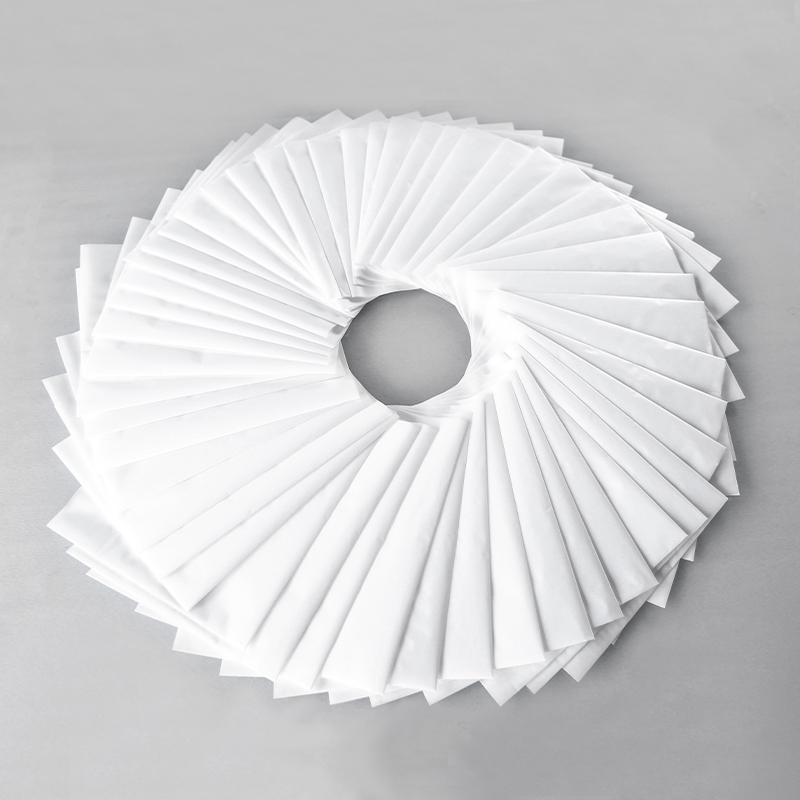
Product details: Folded baking paper sheets, an environment-friendly product, are composed of wood pulp and are double-side coated with silicone. Such a coating makes our paper smooth, greaseproof and...
See Details -
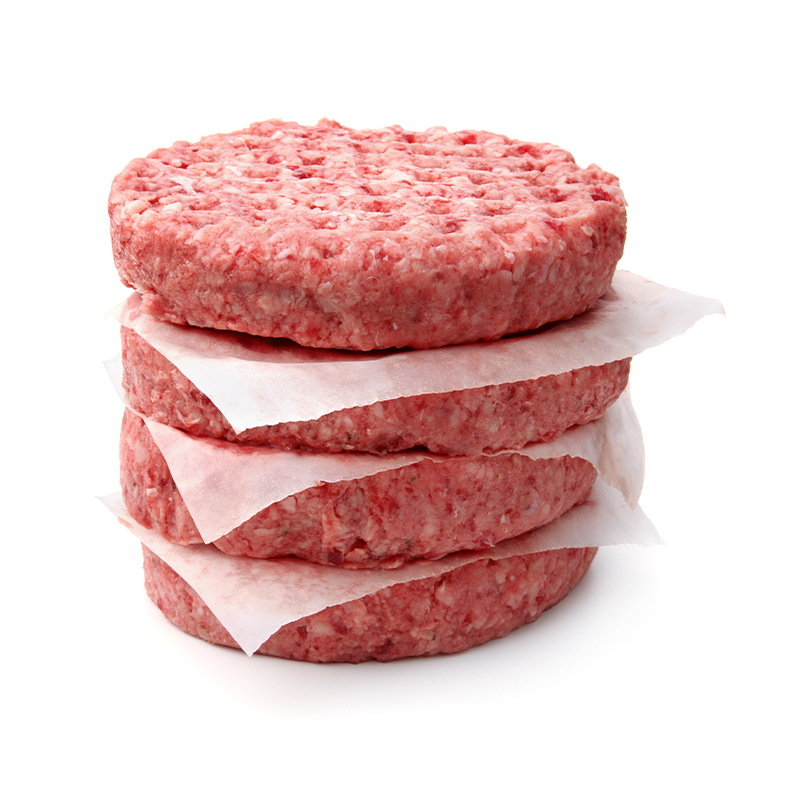
Description: Wax paper is the paper that is coated with food-grade wax in order to make it non-stick and waterproof. wax paper is very good for food storing and presentingMade of food-grade paper and ...
See Details -
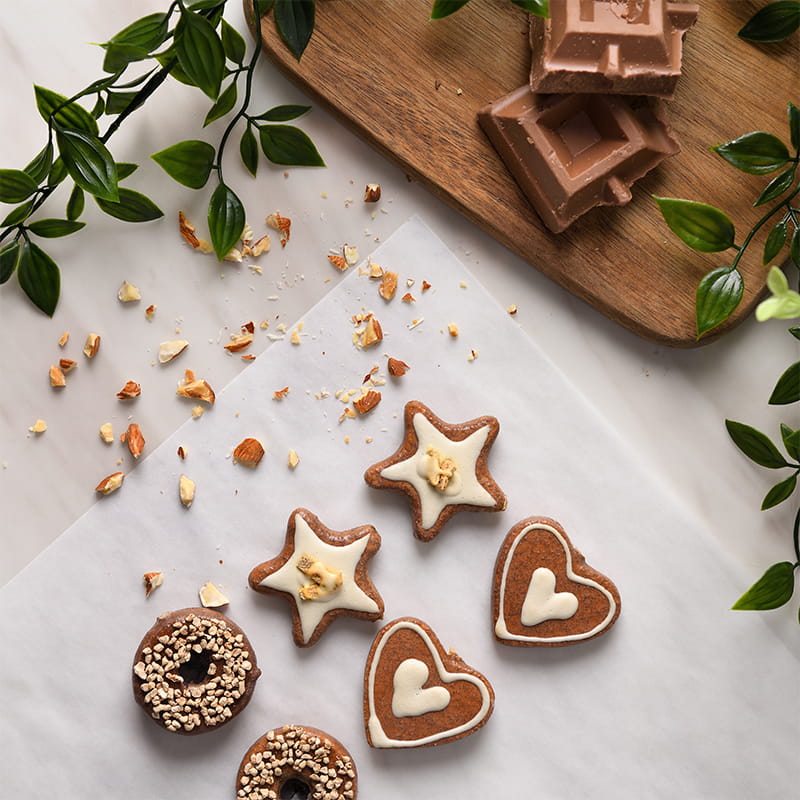
Product Features: 1. Virgin wood pulp 2. Double sides food grade silicone-treated 3. Fluorine-free 4. Non-stick 5. Oven/Microwave safe 6. Freezer safe 7. Reusable 8. BPA f...
See Details -
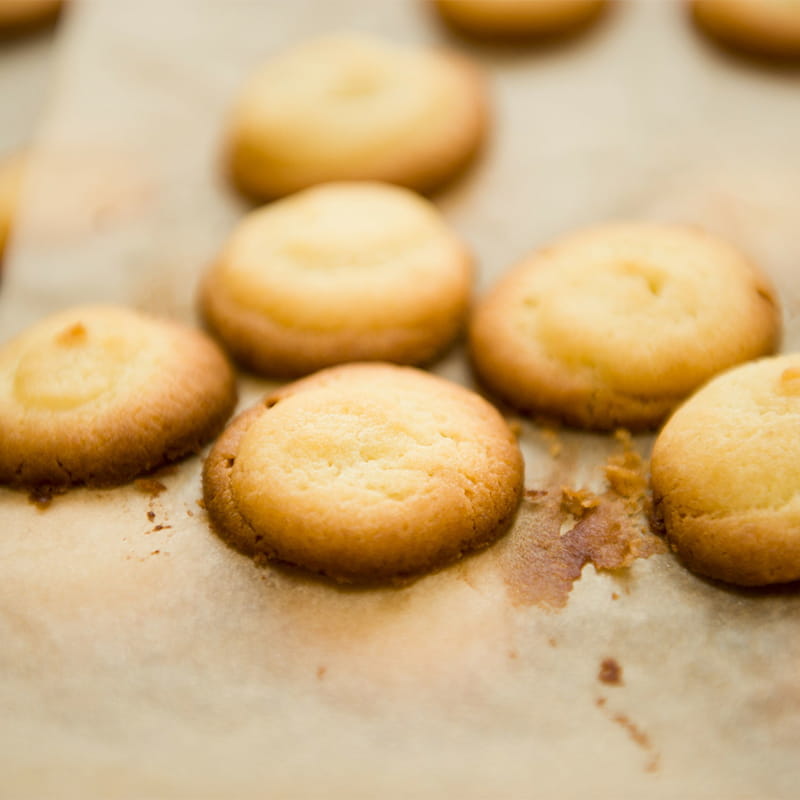
Product Features: 1. Virgin wood pulp 2. Natural unbleached brown color 3. Double sides food grade silicone-treated 4. Fluorine-free 5. Non-stick 6. Oven/Microwave safe 7. Fre...
See Details -
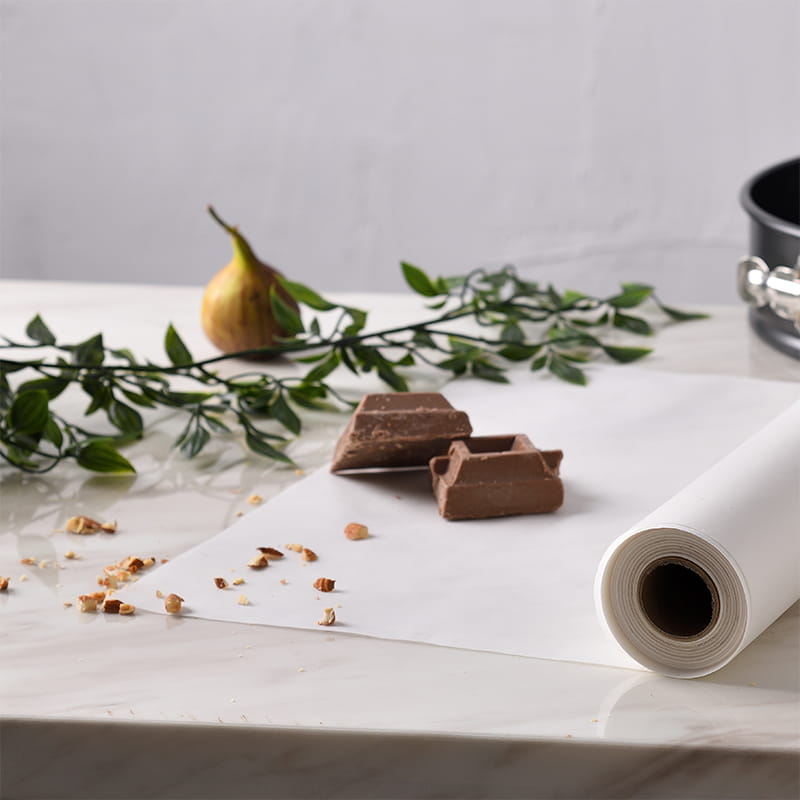
Product Features: 1. Virgin wood pulp 2. Double sides food grade silicone treated 3. Fluorine-free 4. Non-stick 5. Oven/Microwave safe 6. Freezer safe 7. Reusable 8. BPA ...
See Details -
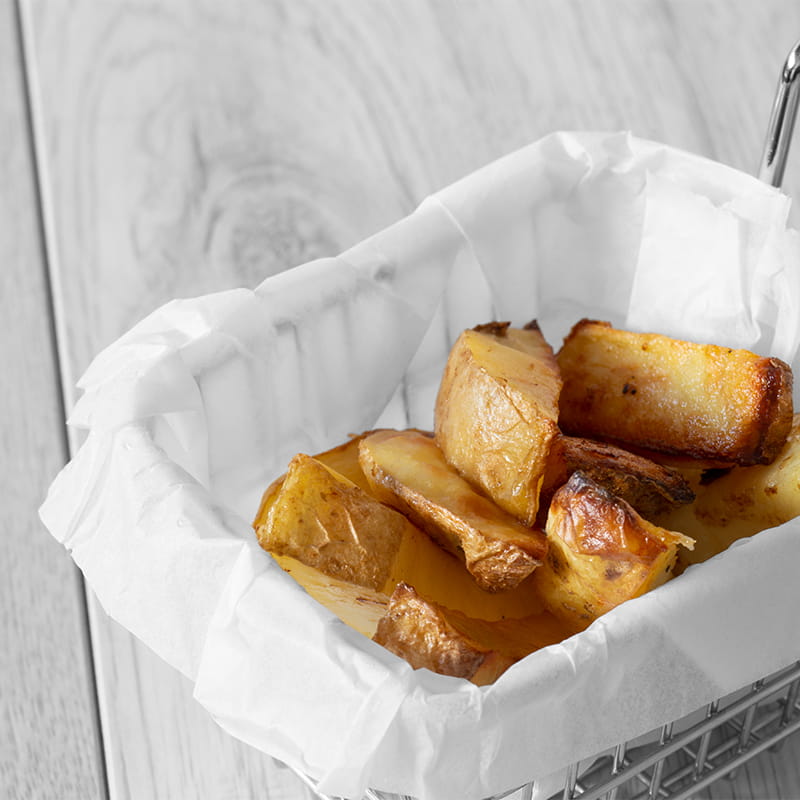
Product Features: 1. Virgin wood pulp 2. Fluorine-free 3. BPA free 4. Biodegradable Product Details: In an era where environmental consciousness and sustainability are paramount, Natu...
See Details -
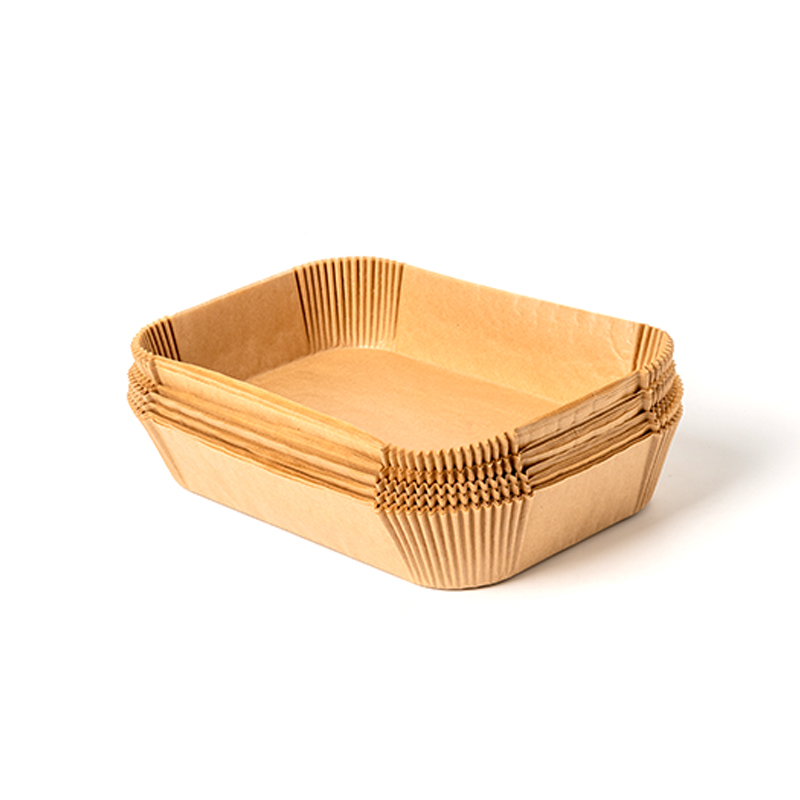
Product Features: 1. Virgin wood pulp 2. Double sides food grade silicone-treated 3. Fluorine-free 4. Non-stick 5. Air fryer basket safe 6. Reusable 7. BPA free 8. Biodeg...
See Details -
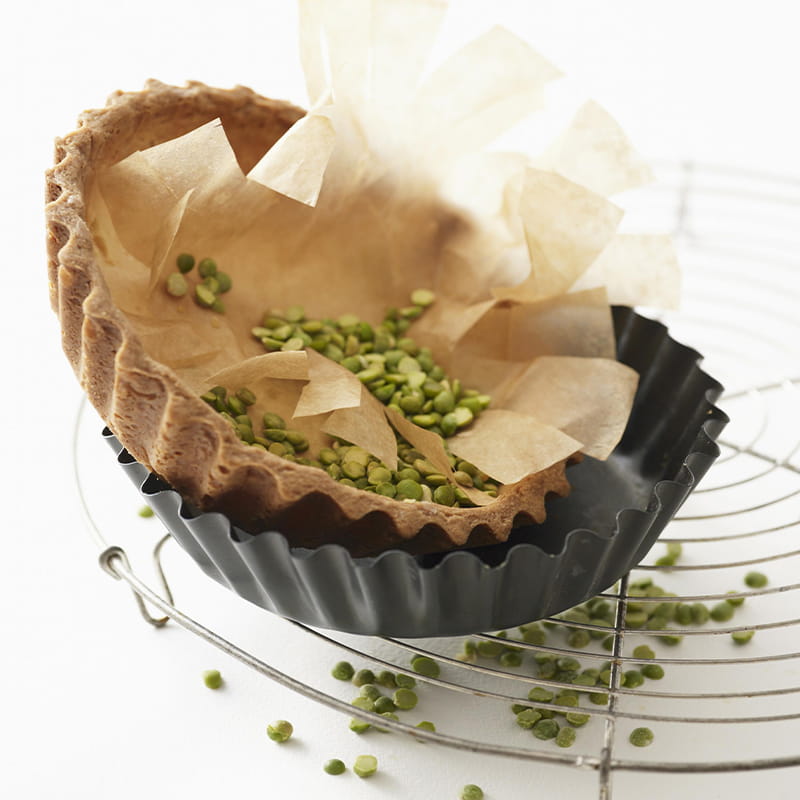
Product Features: 1. Virgin wood pulp 2. Natural unbleached brown color 3. Fluorine-free 4. BPA free 5. Biodegradable Product Details: Introducing our Unbleached Brown Food Grade ...
See Details -
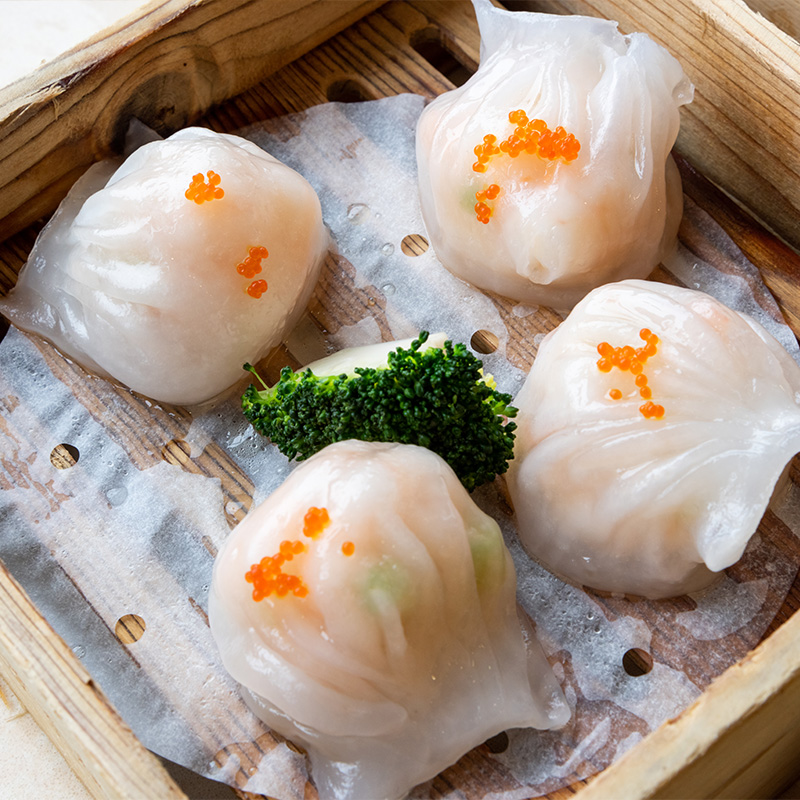
Product Features: 1. Virgin wood pulp 2. Double sides food grade silicone treated 3. Fluorine-free 4. Non-stick 5. Steamer/air fryer basket safe 6. Reusable 7. BPA free 8...
See Details -
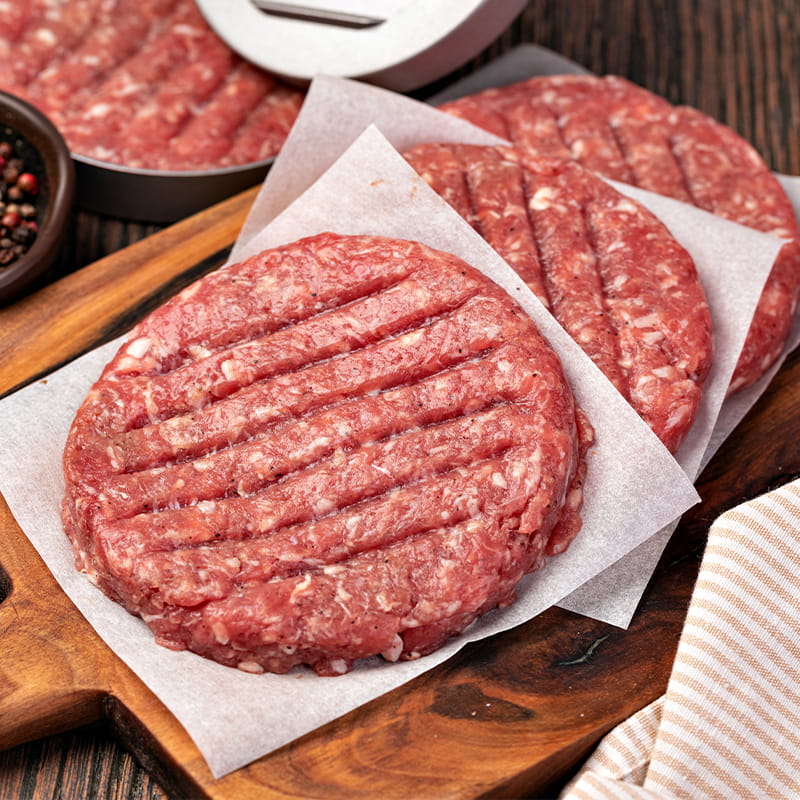
Product Features: 1. Virgin wood pulp 2. Double sides food grade silicone treated 3. Fluorine-free 4. Non-stick 5. Easy to separate 6. Reusable 7. BPA free 8. Biodegradab...
See Details -
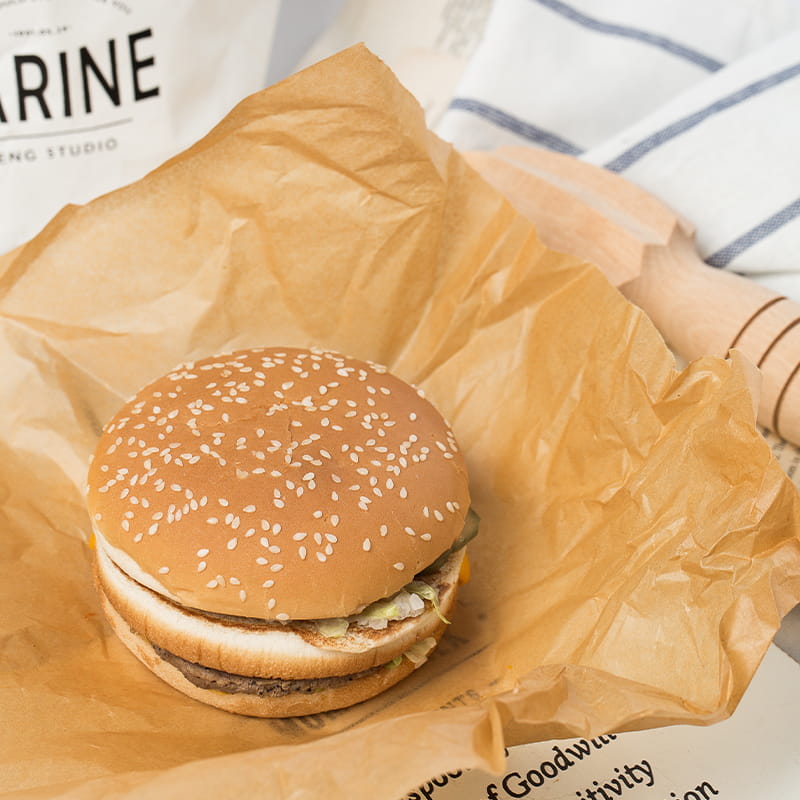
Product Features 1. Virgin wood pulp 2. Flexographic printing 3. Eco-friendly water-based ink 4. BPA free Product Details: Introducing our premium Greaseproof Sandwich Paper Sheets, a...
See Details

Professional Baking Parchment Paper Manufacturer in China with more than 15 years silicone coating experience.
Products
Contact Us
- No.10 Longyin Road, Chengnan Industrial Park,Longyou, Quzhou, China.
- +86-18968091013 / +86-571-88639705
- Avayao-1990@hotmail.com
Copyright © Zhejiang Guanghe New Materials Co., Ltd. All Rights Reserved.
Parchment Paper & Baking Paper Sheets Manufacturer
