 English
 中文简体
中文简体
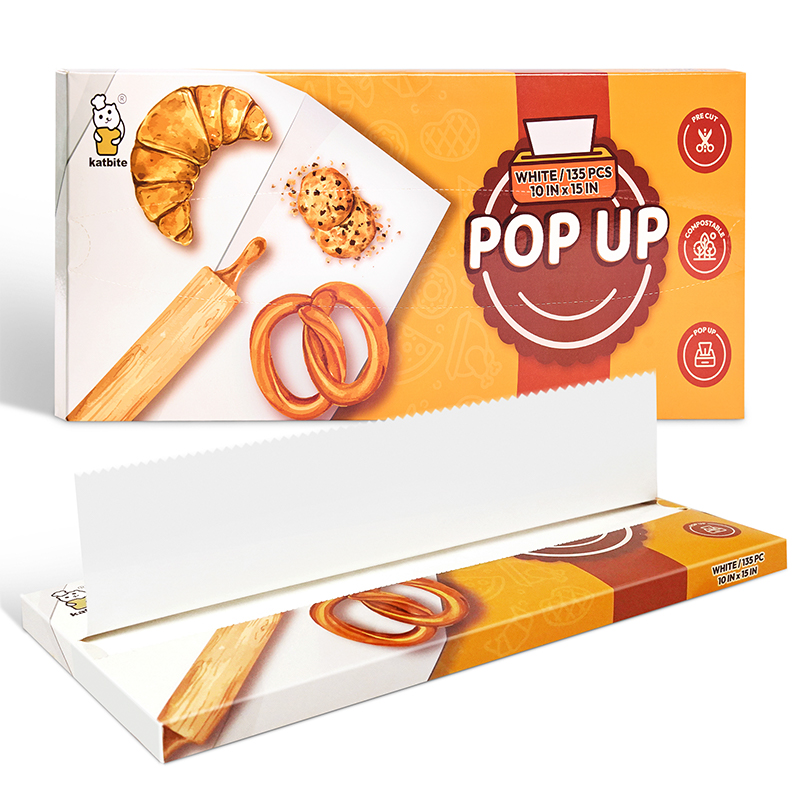
Product details: Pop-up parchment paper sheets, an environment-friendly product, are composed of wood pulp and are double-side coated with silicone. Such a coating makes our paper smooth, greasepr...
See DetailsParchment Paper Use Expands Across Kitchens as Demand Grows
The way people prepare food has changed noticeably in recent years. More households now bake regularly, and commercial kitchens handle higher volumes than before. Against this background, parchment paper has moved from a rarely mentioned item to one that appears in many recipes and production routines. Its ability to simplify preparation, reduce cleaning time, and support consistent results explains much of this shift.
Home Cooking Drives Everyday Use
Interest in baking and general cooking has grown steadily. Families that once bought bread or pastries now make them at home. Weekend projects often involve ovens and sheet pans, where a simple liner can prevent sticking and make removal easier.
New cooks find the material helpful because it lowers the chance of early mistakes. A tray lined with parchment paper gives clearer results than a greased pan alone. Social media channels and video platforms have reinforced this trend. Short demonstrations show how to cut sheets to fit pans or fold them into packets for steaming fish and vegetables. Viewers repeat the steps and soon add the item to their regular shopping list.
Commercial Kitchens Increase Reliance
Restaurants, cafes, bakeries, and meal-prep services use large quantities daily. A single morning shift in a busy bakery can go through several rolls. The material lines trays, separates dough pieces, and catches drips, which keeps workstations cleaner between batches.
Catering companies value the time saved. When hundreds of portions must be ready at once, every minute spent scrubbing pans is lost. Using disposable liners lets staff focus on assembly and presentation instead of cleaning.
Large food processors have also adopted it on packaging lines. Ready-meal trays and frozen dough portions often sit on parchment during forming and freezing stages. The non-stick surface ensures clean release when the product reaches the consumer.
How the Material Performs in Practice
The base is made from cellulose fibres that are pressed and treated to withstand heat. A thin coating is added during manufacture to create the familiar smooth surface. This coating stops more foods from clinging and resists grease penetration.
Different coating weights exist for different tasks. Thicker versions handle wet batters and meat juices better, while lighter ones work well for dry cookies or pastries. The choice depends on what is being cooked and how much moisture is involved.
Compared with wax-coated papers, parchment paper stays stable at higher oven temperatures. Wax papers soften and can transfer unwanted taste, so they remain limited to cold wrapping or light separation duties.
Between reusable silicone mats and single-use aluminium foil, parchment paper occupies a middle position. Silicone mats last longer but need washing and storage space. Foil conducts heat differently and can react with acidic foods. Parchment offers a convenient one-time option that still performs reliably in the oven.
Environmental Questions Shape Purchasing Decisions
The cellulose core can often be recycled, but the coating complicates the process in many areas. Some municipalities accept it in paper streams; others ask that it go to general waste. Food residue further affects sorting.
Compostable versions have entered the market in response to consumer requests. These break down more readily in industrial facilities and, in some cases, in well-managed home compost piles. Retail packaging now carries clearer end-of-life guidance to help users decide the correct disposal route.
Restaurants and catering firms pay particular attention to waste streams. Separating used sheets from other rubbish reduces the weight sent to landfill and can lower disposal costs where food-waste collection is charged by volume.
Manufacturing Keeps Pace with Demand
Production lines have become more automated. Rolls are formed, coated, and cut with tighter control over thickness variation. Consistent sheets mean fewer complaints from commercial buyers who need exact fit on standard trays.
Food-contact safety testing has been strengthened at every stage. Samples from each batch undergo checks before release, giving buyers confidence that the material meets regulatory requirements.
Packaging formats continue to evolve. Boxes with perforated rolls reduce tearing accidents in busy kitchens. Pre-cut sheets in resealable bags appeal to operations that prefer grab-and-go convenience.
Beyond the Oven: Additional Uses
Chefs wrap fish or vegetables in parcels for gentle steaming. The paper holds moisture inside while allowing excess steam to escape. Butchers and delis use it to separate slices of cheese or cold meat. Sandwich shops wrap finished items for takeaway, keeping bread from becoming soggy.
In refrigerated storage, sheets placed between layers of dough or pastry prevent them from freezing together. The same technique works for cookie dough portions stored for later baking.
Craft and small-scale manufacturing have discovered the material as well. It lines molds for chocolate work, supports resin pouring, and acts as a release layer in handmade soap production.
Digital Content Fuels Awareness
Video platforms remain the main way people learn new techniques. A quick search returns thousands of clips showing how to line round cake tins, make cone shapes for cream horns, or create disposable piping bags. Each view reinforces the material’s usefulness.
User reviews on shopping sites influence purchasing decisions. Comments about curling edges, grease bleed-through, or tearing strength are read carefully before adding to cart. Manufacturers monitor these notes and adjust production where patterns emerge.
Industry Challenges Remain Present
Pulp supply can vary in price and availability. When raw material costs rise, manufacturers face difficult choices between absorbing increases or passing them on.
Coating chemistry must satisfy both performance needs and tightening environmental rules. Research continues into water-based and plant-derived alternatives that maintain release properties while simplifying disposal.
Common Kitchen Liners and Their Typical Applications
| Material Type | Primary Strength | Typical Setting |
|---|---|---|
| Wax-coated sheets | Cold separation | Deli counters, light wrapping |
| Reusable silicone mats | Long-term use | Home bakers with storage space |
| Aluminium foil | Heat conduction | High-temperature roasting |
| Parchment paper | Oven-safe non-stick | Baking, roasting, steaming packets |
| Compostable plant liners | Reduced environmental impact | Eco-focused households and cafés |
Emerging Safety Discussions Around Kitchen Liners and Cooking Papers
Over the last few years, people who work with food every day—whether in restaurant kitchens, catering companies, cooking schools, or even home-economics classrooms—have started talking more openly about the materials they put in ovens and on stove tops. The conversation is no longer just about flavour or presentation; it now includes questions about how these materials hold up when they are exposed to hot oil, sticky sugar syrups, wet batters, or steam for long stretches.
Chefs and line cooks notice small things first. A sheet that starts curling badly halfway through a busy service can slow everyone down. A corner that browns too fast might leave dark flecks on pale pastry. In some cases, a liner that has been stored near the dishwasher for months comes out of the box feeling slightly damp and refuses to lie flat. These are the kinds of real-world observations that end up in staff meetings and supplier discussions.
Training programs have changed as a result. Where instructors once spent five minutes on “lining a tray,” they now take extra time to show students how to tell proper oven-safe paper from the thinner wrapping sheets that look almost identical on the shelf. They hold up examples side by side, point out the difference in texture, and explain why one can go into a hot oven while the other cannot. New kitchen staff are asked to read the packaging carefully and to check the printed symbols before using anything near direct heat.
Storage habits are getting attention too. Many kitchens used to keep boxes of sheets on open shelves above the stoves or next to the sink. Now managers move them to drier cupboards or sealed plastic bins. Some places add simple stickers reminding everyone to rotate stock and to throw away any roll that feels soft or smells musty. These small adjustments rarely make headlines, but they prevent the majority of day-to-day problems.
Inspectors and health-department officers have joined the discussion as well. During routine visits they sometimes ask to see where oven liners are kept and how staff decide which product to use for which job. A few regions have updated their food-safety booklets to include clearer pictures and short checklists about heat-resistant papers.
The overall mood in the industry is practical rather than alarmist. People simply want predictable results every time they open a new box. When the material behaves the way it is supposed to—no unexpected sticking, no odd smells, no sudden curling—cooks can concentrate on the food instead of worrying about the liner underneath it. These ongoing conversations, spread across shift handovers, supplier visits, classroom sessions, and inspection reports, are quietly building a shared understanding of how everyday cooking papers should be chosen, stored, and used in real kitchens.
The Way Parchment Paper Has Moved into Everyday Cooking
Recipes no longer stay inside one country or one family. A technique shown on a screen one evening is copied in another kitchen the next day. Many of those techniques (folding food into a closed packet, lining a tray so nothing sticks, rolling thin dough without tearing) work better with a sheet of parchment in the way. Once cooks see the result, the sheet becomes part of the method whether the dish is old or new.
In kitchens that prepare large batches for holidays or gatherings, the same pans and trays are still used, but now almost always with a parchment liner first. The food tastes the same, the metal washes quickly, and the habit is passed on without discussion.
When food is packed to give away or sell in small quantities, parchment has replaced coloured plastic or foil for many. It keeps the contents visible, absorbs slight moisture without becoming soggy, and gives a plain, careful look that needs no extra decoration.
Parchment paper is no longer thought of only as something for baking. It is now reached for whenever food must come away cleanly from a surface, stay moist inside a folded wrap, or be presented without complicated packaging. Its place in the kitchen drawer has become permanent because it solves small daily problems in a wide range of cooking styles, traditional and modern alike.
Closing Perspective on the Ongoing Development of Parchment Paper
As discussions around kitchen materials broaden, parchment paper remains a familiar tool that continues to evolve with new expectations in cooking, storage, and production environments. Its adaptability reflects the broader movement toward practical solutions that support both efficiency and environmental awareness. With ongoing research into coatings, fiber sourcing, and compost-friendly options, the material is poised to remain relevant across household routines and professional food operations.
Within this shifting landscape, manufacturers like Guanghe contribute by refining production methods and supplying materials that align with changing user habits. Through steady development and attention to daily application needs, such facilities play a role in shaping how parchment paper is used in modern kitchens and commercial settings.
Related Products
-
-
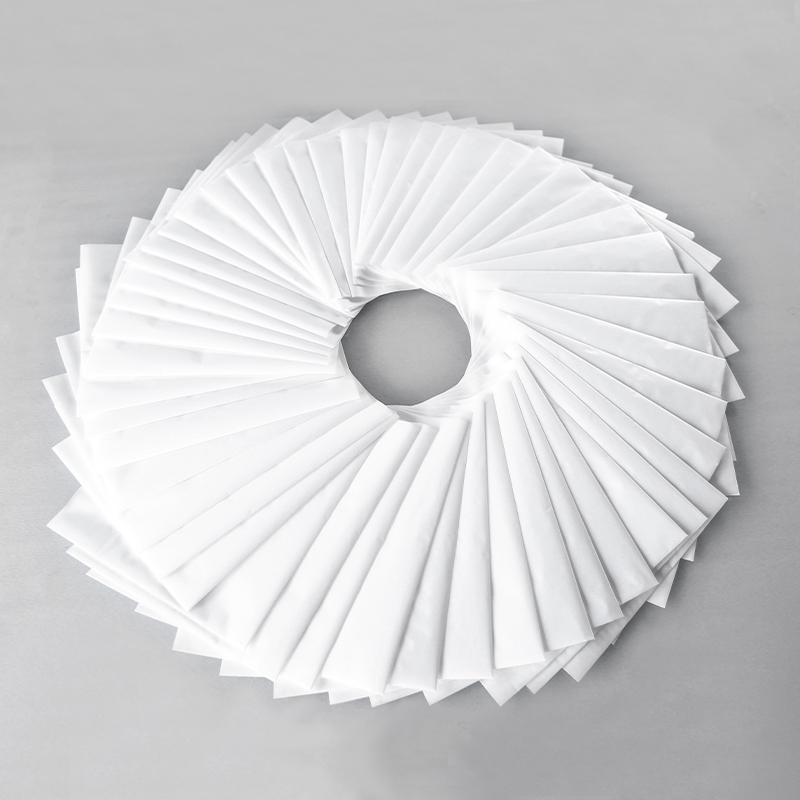
Product details: Folded baking paper sheets, an environment-friendly product, are composed of wood pulp and are double-side coated with silicone. Such a coating makes our paper smooth, greaseproof and...
See Details -
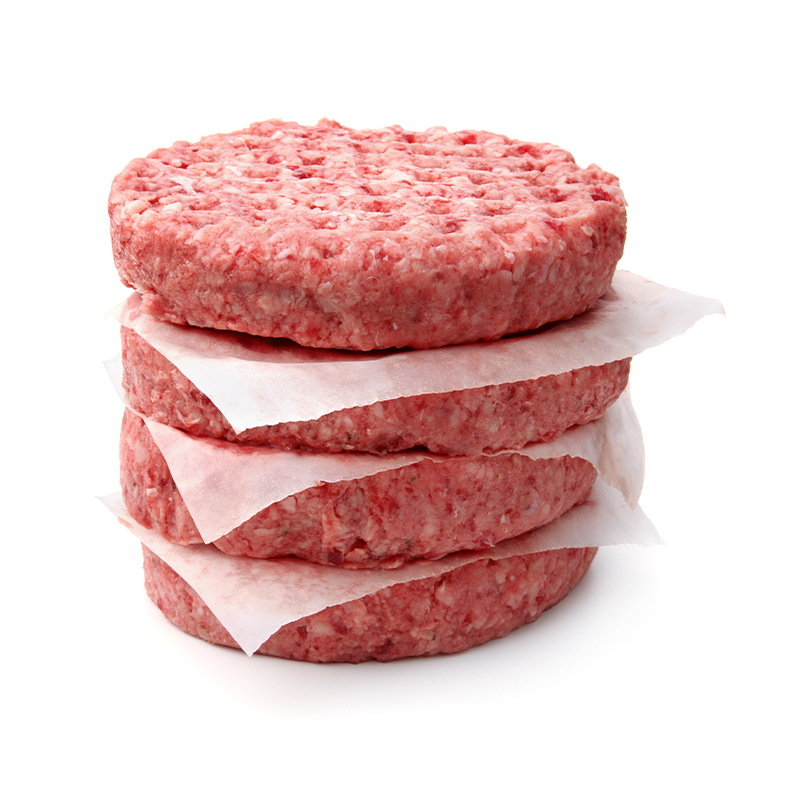
Description: Wax paper is the paper that is coated with food-grade wax in order to make it non-stick and waterproof. wax paper is very good for food storing and presentingMade of food-grade paper and ...
See Details -
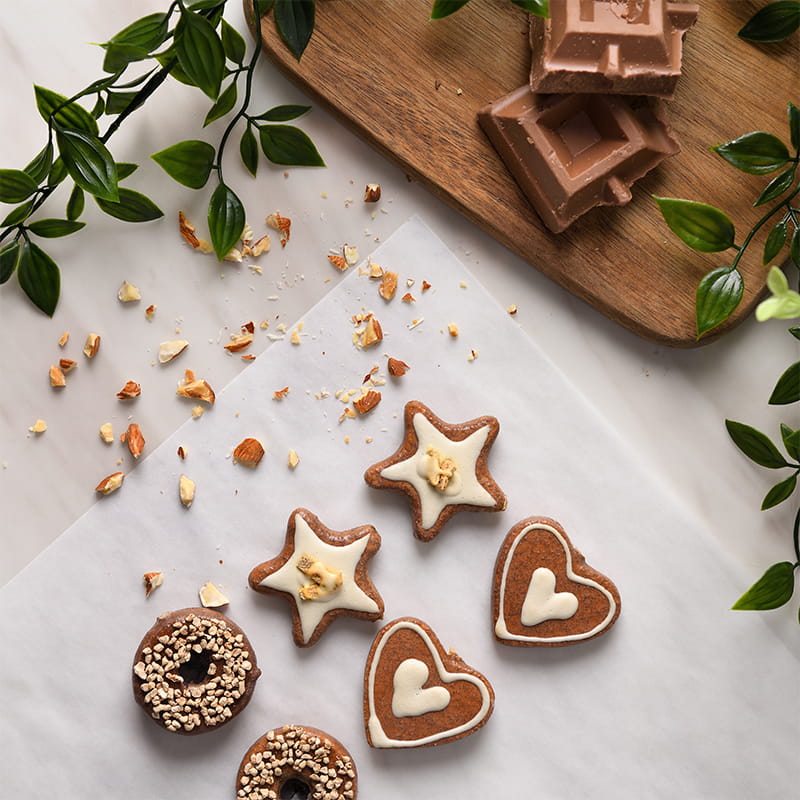
Product Features: 1. Virgin wood pulp 2. Double sides food grade silicone-treated 3. Fluorine-free 4. Non-stick 5. Oven/Microwave safe 6. Freezer safe 7. Reusable 8. BPA f...
See Details -
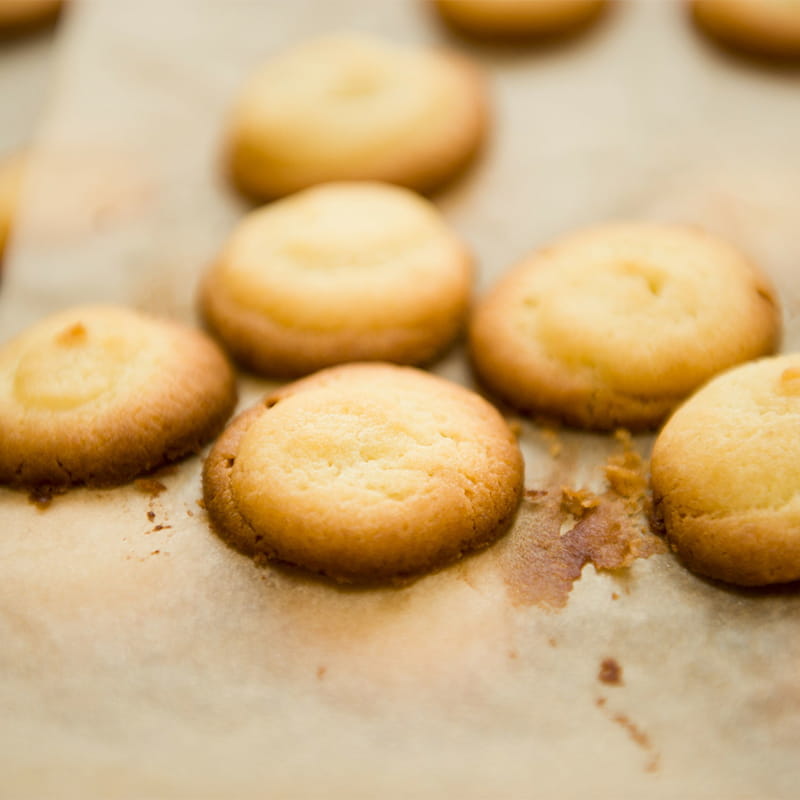
Product Features: 1. Virgin wood pulp 2. Natural unbleached brown color 3. Double sides food grade silicone-treated 4. Fluorine-free 5. Non-stick 6. Oven/Microwave safe 7. Fre...
See Details -
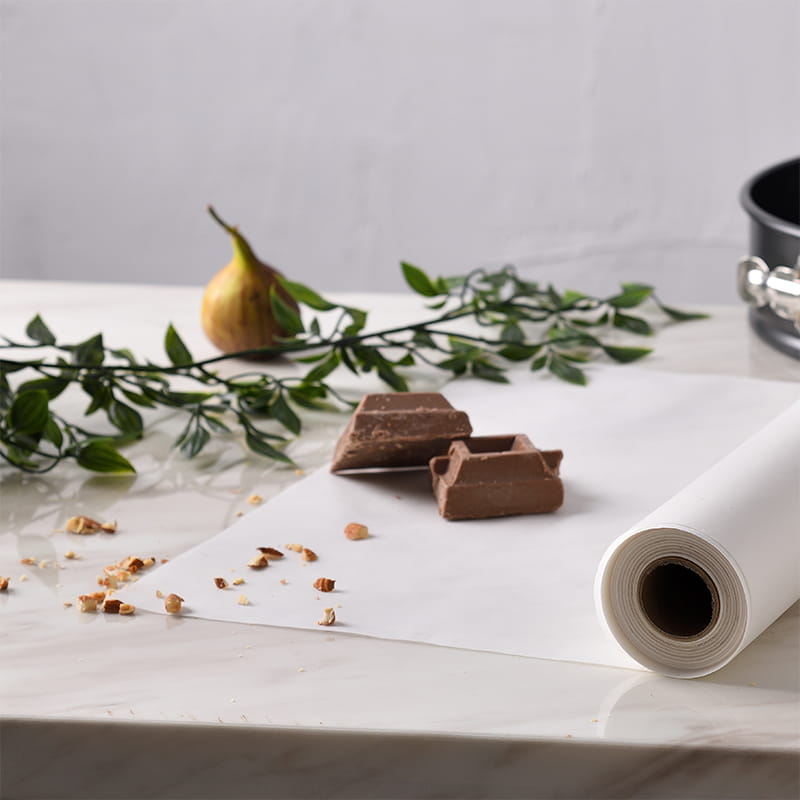
Product Features: 1. Virgin wood pulp 2. Double sides food grade silicone treated 3. Fluorine-free 4. Non-stick 5. Oven/Microwave safe 6. Freezer safe 7. Reusable 8. BPA ...
See Details -
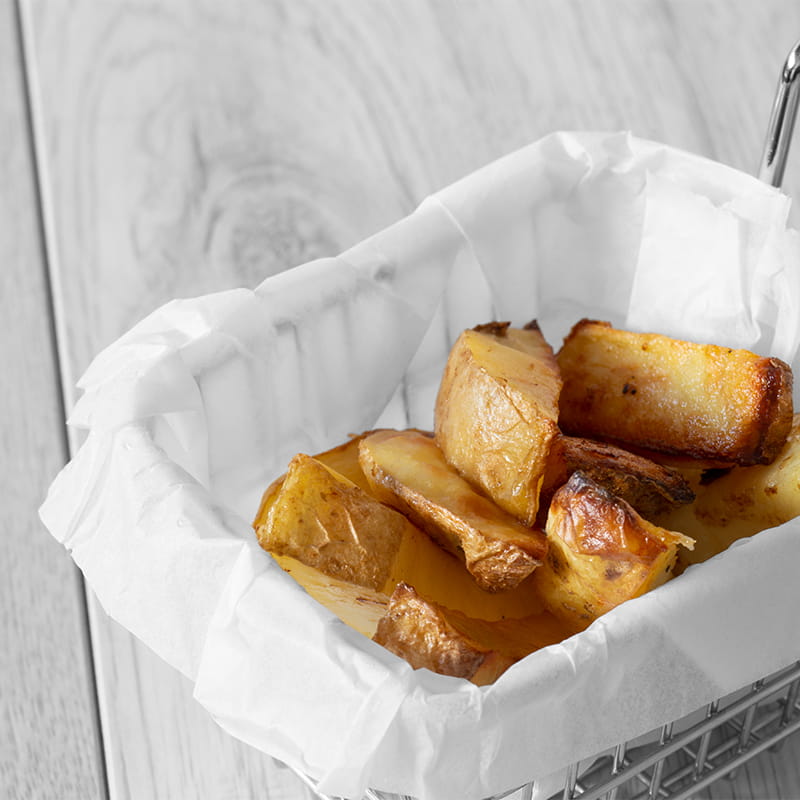
Product Features: 1. Virgin wood pulp 2. Fluorine-free 3. BPA free 4. Biodegradable Product Details: In an era where environmental consciousness and sustainability are paramount, Natu...
See Details -
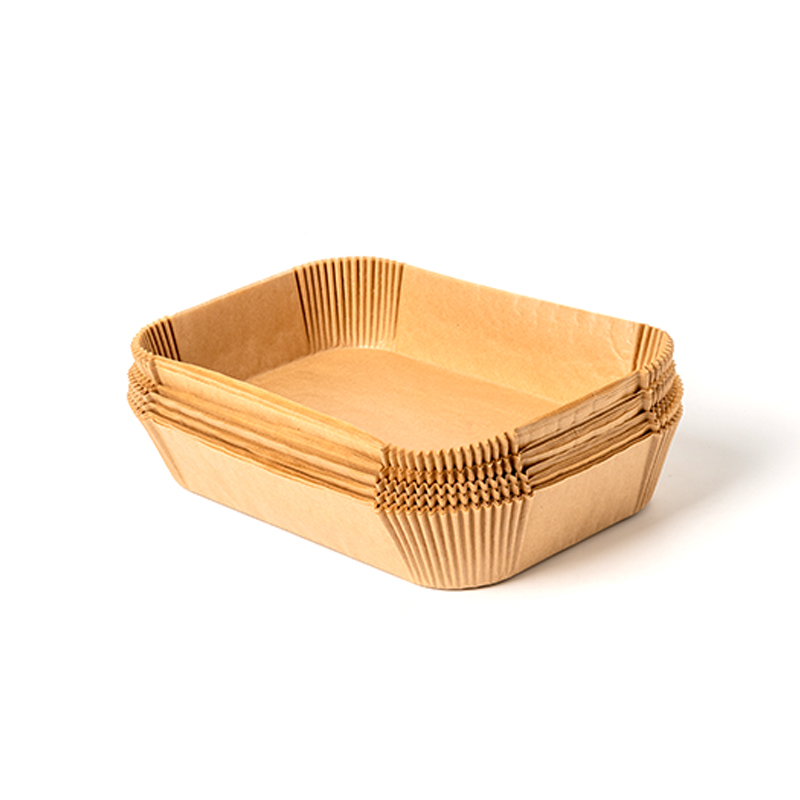
Product Features: 1. Virgin wood pulp 2. Double sides food grade silicone-treated 3. Fluorine-free 4. Non-stick 5. Air fryer basket safe 6. Reusable 7. BPA free 8. Biodeg...
See Details -
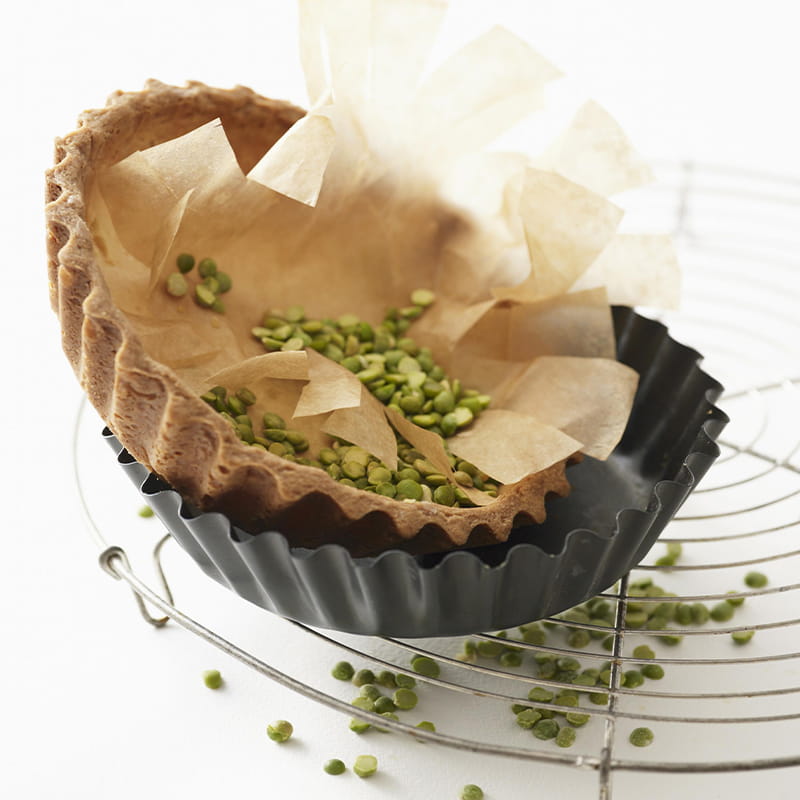
Product Features: 1. Virgin wood pulp 2. Natural unbleached brown color 3. Fluorine-free 4. BPA free 5. Biodegradable Product Details: Introducing our Unbleached Brown Food Grade ...
See Details -
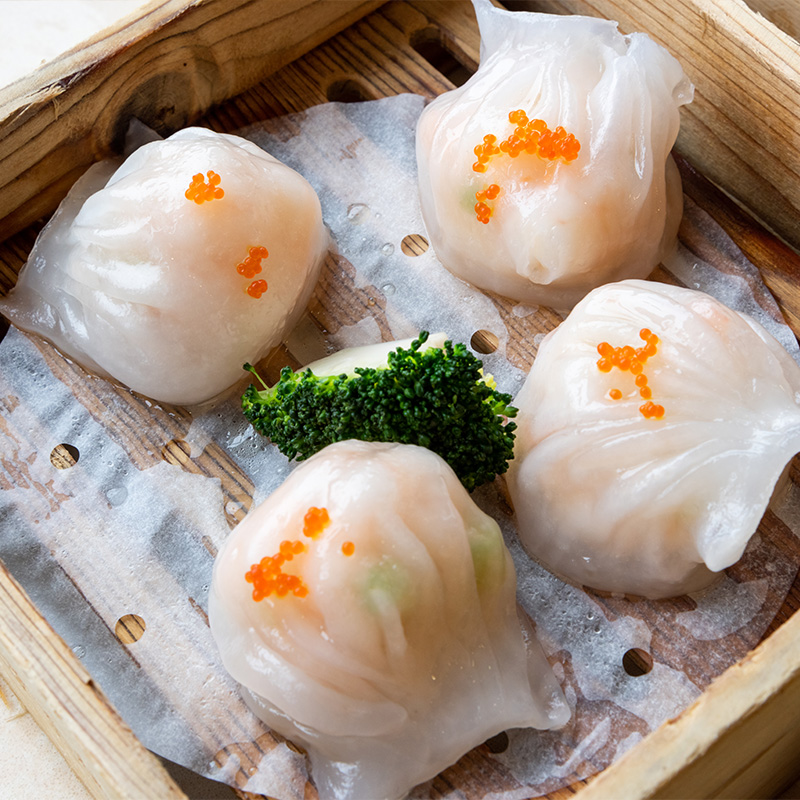
Product Features: 1. Virgin wood pulp 2. Double sides food grade silicone treated 3. Fluorine-free 4. Non-stick 5. Steamer/air fryer basket safe 6. Reusable 7. BPA free 8...
See Details -
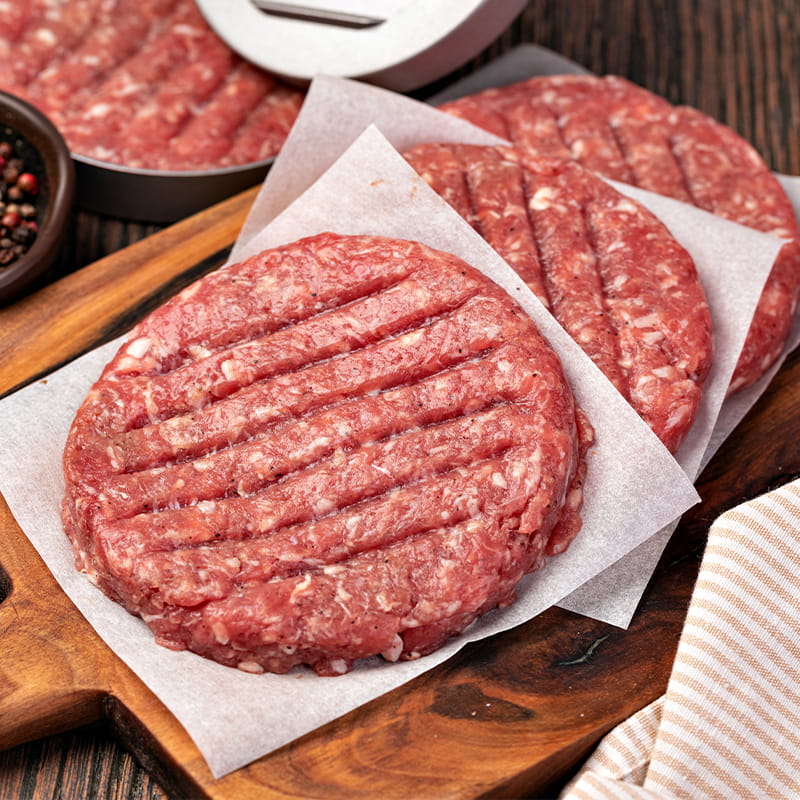
Product Features: 1. Virgin wood pulp 2. Double sides food grade silicone treated 3. Fluorine-free 4. Non-stick 5. Easy to separate 6. Reusable 7. BPA free 8. Biodegradab...
See Details -
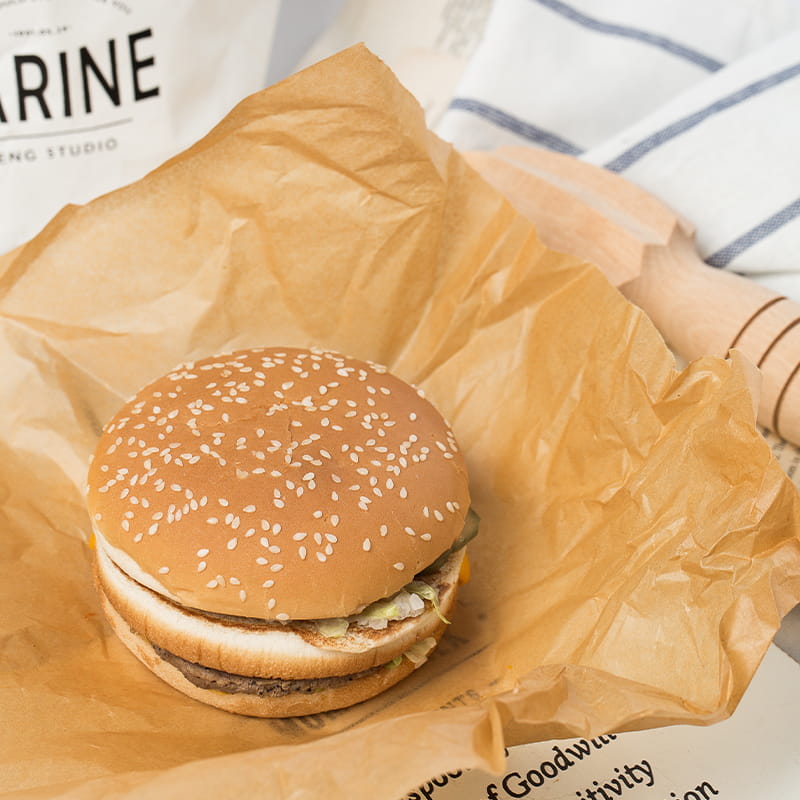
Product Features 1. Virgin wood pulp 2. Flexographic printing 3. Eco-friendly water-based ink 4. BPA free Product Details: Introducing our premium Greaseproof Sandwich Paper Sheets, a...
See Details

Professional Baking Parchment Paper Manufacturer in China with more than 15 years silicone coating experience.
Products
Contact Us
- No.10 Longyin Road, Chengnan Industrial Park,Longyou, Quzhou, China.
- +86-18968091013 / +86-571-88639705
- Avayao-1990@hotmail.com
Copyright © Zhejiang Guanghe New Materials Co., Ltd. All Rights Reserved.
Parchment Paper & Baking Paper Sheets Manufacturer
