 English
 中文简体
中文简体
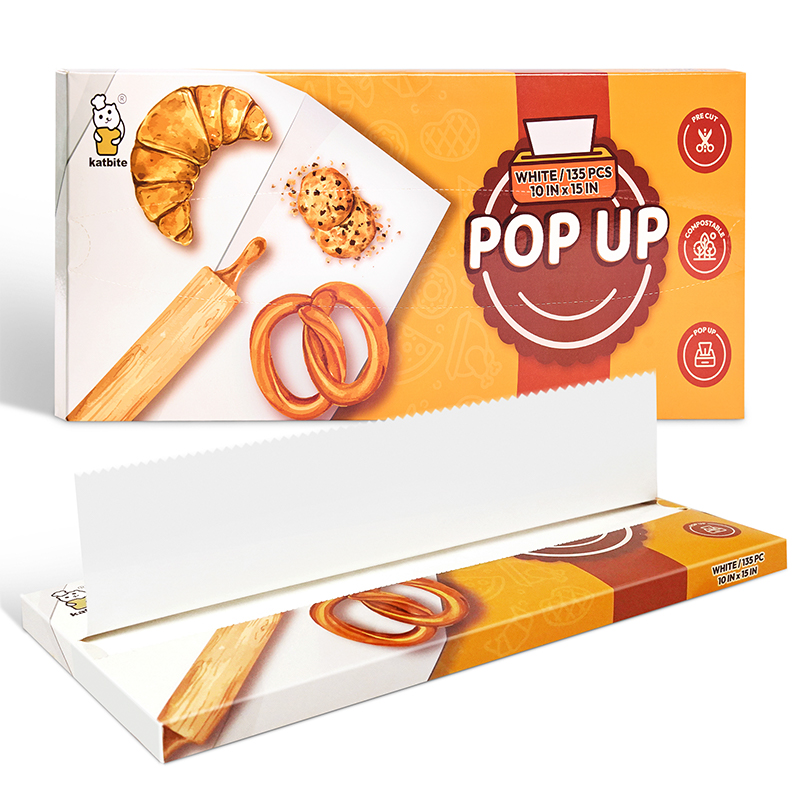
Product details: Pop-up parchment paper sheets, an environment-friendly product, are composed of wood pulp and are double-side coated with silicone. Such a coating makes our paper smooth, greasepr...
See DetailsWhy Choose Guanghe for Your Baking Paper Factory Needs
Walk into any bakery, commercial kitchen, or home cook's pantry, and you'll find rolls of indispensable non-stick paper lining sheets and pans. This ubiquitous material, essential for preventing sticking, ensuring even baking, and simplifying cleanup, undergoes a fascinating journey from forest resources to functional kitchen ally. Behind its simplicity lies sophisticated industrial engineering, stringent safety protocols, and evolving sustainability efforts.
From Forest to Fiber: Sourcing & Preparing the Base
The foundation of quality baking paper is its cellulose base. Manufacturers primarily source wood pulp, selecting between bleached and unbleached varieties based on the desired end-product characteristics. Bleached pulp yields the bright white paper common in retail, while unbleached pulp offers a natural brown hue often preferred for its perceived eco-friendly image.
- Sustainable Forestry Practices: Responsible producers prioritize pulp from forests managed under recognized certification schemes like FSC (Forest Stewardship Council) or PEFC (Programme for the Endorsement of Forest Certification). This ensures traceability and promotes biodiversity conservation.
- Pulp Processing: Raw pulp undergoes refining to break down wood fibers, creating a slurry in a process called hydropulping. Water acts as the medium, and the mixture is carefully screened to remove impurities like bark fragments or knots.
- Additives for Performance: At this stage, specific additives might be introduced to the pulp slurry. Wet-strength resins are common to ensure the paper retains integrity when exposed to moisture during baking or steam. Other functional additives can aid formation or drainage.
The Heart of Operations: Paper Machine Transformation
The prepared pulp slurry enters the complex paper machine, a marvel of continuous production:
- 1.Formation: The slurry is evenly dispersed onto a fast-moving, continuous mesh belt (Fourdrinier wire). Water begins draining through the mesh, leaving a fragile mat of intertwined cellulose fibers.
- 2.Pressing: This wet fiber mat passes through a series of rollers that apply pressure, squeezing out more water and consolidating the sheet. Careful control is needed to achieve the target thickness and density without damaging the nascent paper.
- 3.Drying & Creping: The sheet then enters the drying section, typically involving large steam-heated cylinders (like the iconic Yankee dryer). Here, significant moisture is evaporated. The Yankee dryer often incorporates a creping blade – a doctor blade that gently scrapes the partially dried sheet. This controlled micro-folding imparts a slightly textured, crinkled feel, enhancing flexibility and roll formation later. Alternatively, some machines produce uncreped, smoother paper.
The Non-Stick Magic: Silicone Coating Application
The uncoated base paper, while possessing some natural resistance, requires a treatment to achieve reliable non-stick performance. This is where silicone coating comes in:
Coating Methodology: The base paper web travels through a coating station. Here, liquid silicone emulsion is applied. Common techniques include:
- Gap Coating: A precise gap between a roller and the paper controls the amount of silicone deposited.
- Mayer Rod Coating: A wire-wound rod meters the coating as it's applied.
Curing: The freshly coated paper immediately enters a drying/curing tunnel. Hot air, often combined with infrared heating, evaporates the water carrier in the emulsion and triggers the cross-linking reaction of the silicone. This creates the durable, heat-resistant, non-stick surface. Air flotation dryers are common, suspending the paper on air cushions to prevent contact while wet, ensuring a perfectly uniform coating.
Quality Focus: Precise control of coating weight and curing temperature/time is critical. Insufficient coating leads to sticking; over-curing can make the paper brittle.
Finishing Touches: Converting & Packaging
The large, coated jumbo reels emerging from the paper machine need transformation into consumer or industrial formats:
- 1.Slitting: Jumbo reels are mounted on unwind stands and fed through high-precision slitting machines. Rotating circular blades cut the wide web into narrower rolls according to customer specifications (e.g., standard 12", 15", or 24" widths for retail, or custom widths for industrial liners).
- 2.Sheeting: For pre-cut sheet products, the slit rolls or sometimes the jumbo reel itself feeds into a cut-off machine. This machine precisely cuts the continuous paper into standard sheet sizes (e.g., half-sheet, full-sheet).
- 3.Interleaving (For Sheets): To prevent sheets from sticking together – especially important for silicone-coated products – an interleaving process is often used. A thin, uncoated tissue paper is automatically inserted between each coated sheet during stacking.
- 4.Core Insertion & Winding (For Rolls): Slit paper is wound onto sturdy cardboard cores. Tension control ensures rolls are firm but not too hard, allowing for smooth unwinding.
- 5.Final Packaging: Rolls or stacks of sheets are packaged. Retail rolls often go into cardboard boxes with branded sleeves. Industrial rolls might be stretch-wrapped on pallets. Sheets are typically boxed in quantities of 100, 500, or 1000.
| Common Baking Paper Types & Uses | Key Characteristics | Primary Applications |
|---|---|---|
| Standard Parchment Paper | Non-stick, oven-safe | Baking cookies, roasting vegetables, lining cake pans |
| Bleached Parchment | Bright white surface | Pastry shops (clean look), sugar work, delicate pastries |
| Natural Unbleached Parchment | Brown, chlorine-free | Health-focused brands, artisanal bakeries, eco-packaging |
| Silicone-Coated Kraft Board | Rigid, greaseproof | Chocolate molds, candy making trays, separation sheets |
| High-Performance Release Liners | Enhanced heat resistance, strength | Industrial baking conveyors, freeze-drying racks, composite layup |
Ensuring Safety & Performance: Rigorous Quality Control
Producing material for direct food contact demands exceptional diligence:
Food Contact Compliance: Materials must comply with stringent regulations (e.g., FDA in the US, EC 1935/2004 in Europe). This involves rigorous migration testing to ensure no harmful substances transfer to food under intended use conditions (baking, freezing).
Performance Testing: Labs continuously test samples:
- Heat Resistance: Samples exposed to typical oven temperatures to ensure no scorching, discoloration, or loss of integrity.
- Non-Stick Efficacy: Standardized tests measure release performance against sticky substances like caramel or dough.
- Grease Resistance: Evaluates the paper's barrier properties against oils and fats.
- Physical Properties: Basis weight (thickness), tensile strength, tear resistance are monitored for consistency.
- Certifications: Leading facilities maintain certifications like ISO 22000 (Food Safety Management) and BRCGS (Brand Reputation through Compliance Global Standard) for packaging materials, demonstrating systemic commitment to safety.
Embracing Sustainability: Green Initiatives
The industry actively addresses environmental concerns:
Resource Management: Modern plants implement closed-loop water systems, significantly reducing freshwater intake and minimizing effluent. Biomass boilers often utilize wood waste from pulp processing for energy generation.
Material Innovation: Research focuses on:
- Increasing recycled fiber content (challenging due to purity requirements).
- Developing bio-based silicone alternatives derived from plant sources.
- Exploring compostable barrier coatings to replace traditional silicone, enhancing end-of-life options.
Reducing Footprint: Efforts include sourcing renewable energy (solar, wind), optimizing logistics to minimize transport emissions, and lightweighting products to reduce material use per roll/sheet.
End-of-Life Focus: While silicone coating complicates conventional paper recycling, manufacturers work on compatible chemistries and invest in consumer education. The inherent compostability of the cellulose base remains a key advantage under suitable conditions.
Navigating Industry Challenges
Production faces several hurdles:
- Raw Material Volatility: Prices for quality pulp and silicone can fluctuate significantly due to global supply chain dynamics and geopolitical factors. Diversifying suppliers and exploring alternative materials are key strategies.
- Balancing Performance & Eco-Goals: Achieving high heat resistance and outstanding non-stick performance while using recycled content or novel bio-coatings remains technically demanding. Performance cannot be compromised for food safety.
- Consumer Expectations: There's tension between consumer demand for eco-friendly products and resistance to higher price points often associated with sustainable materials and processes.
- Technical Refinement: Maintaining coating uniformity at high production speeds is a constant engineering challenge. Minimizing defects like pinholes or uneven coverage is crucial.
Operational Excellence & Safety Culture
Running a production facility requires meticulous attention to safety and efficiency:
- Production Line Safety: Heavy machinery, rollers, and cutting blades pose risks. Strict Lockout-Tagout (LOTO) procedures are mandatory during maintenance. Dust control systems manage airborne particles, and ventilation controls emissions from drying/curing ovens.
- Workforce Development: Skilled operators are vital. Training covers machine operation, quality inspection, troubleshooting, and safety protocols. Cross-training enhances flexibility across different production stages.
- Efficiency & Waste Reduction: Lean manufacturing principles are applied to minimize downtime, reduce trim waste during slitting and sheeting, and optimize energy consumption throughout the process.
Frequently Asked Questions (FAQ)
Q: Is all baking paper compostable?
A: The cellulose base is compostable. However, the silicone coating hinders breakdown in typical home compost. Industrial composting facilities might process it. Look for papers labeled compostable using specific approved coatings.
Q: Why does baking paper sometimes darken or brown in the oven?
A: Minor discoloration can occur at high temperatures or prolonged exposure. Quality papers are designed to resist charring or releasing fumes within normal baking ranges. Excessive darkening might indicate lower-grade paper.
Q: What makes baking paper greaseproof?
A: The cellulose fibers are densely packed during manufacturing, naturally creating a barrier. The silicone coating significantly enhances this resistance, preventing fats and oils from soaking through.
Q: Can I reuse baking paper?
A: It depends on the condition. Lightly used paper for baking cookies might be reused once if undamaged and not heavily soiled. Avoid reuse after cooking greasy foods or if the paper is scorched or torn. Industrial settings typically use single-use sheets for hygiene.
Q: How is paper made non-stick?
A: The application of a food-grade silicone coating creates a smooth, heat-stable, low-friction surface that prevents food adhesion.
Non-Culinary Uses of Specialized Release Papers
While baking remains the core application, advanced silicone-coated papers have found surprising utility across diverse industries, leveraging their unique properties of heat resistance, non-adhesion, and barrier protection. This versatility demonstrates the material's engineered adaptability.
Arts, Crafts & Creative Industries:
- Heat Transfer Substrates: Used in sublimation printing, the paper’s smooth silicone layer allows dyes to release cleanly onto fabrics or ceramics under heat presses, enabling intricate designs without residue.
- Resin Art & Epoxy Work: Provides a perfectly flat, non-stick surface for casting resin art pieces or tabletops. Its stability prevents warping during curing.
- Bookbinding & Paper Crafts: Acid-free varieties serve as protective interleaving for delicate manuscripts or archival storage, preventing ink transfer or sticking.
Industrial Manufacturing & Prototyping:
- Composite Material Layup: Aerospace and automotive sectors utilize high-temp variants as release layers when molding carbon fiber or fiberglass parts. The paper withstands autoclave pressures and prevents resin bonding to molds.
- 3D Printing Support: Some additive manufacturing processes employ it as a build plate liner for filaments like TPU or PETG, ensuring easy part removal and reducing bed abrasion.
- Adhesive Tape Backing: Serves as a temporary carrier for pressure-sensitive adhesives during precision application in electronics assembly.
Specialized Packaging Solutions:
- Medical Device Sterilization Wrap: Non-shedding, high-barrier grades maintain sterility of surgical instruments while allowing steam penetration in autoclaves.
- Grease-Resistant Food Wrapping: Uncoated edges allow heat-sealing into pouches for oily foods like fried snacks or artisanal cheeses, replacing traditional plastic laminates.
- Cannabis Product Packaging: Used for interleaving between infused edibles or as liners in concentrate containers due to chemical inertness.
Agriculture & Horticulture Niche Uses:
- Seedling Protection: Biodegradable unbleached sheets act as weed barriers or frost protection cloths in small-scale organic farming, decomposing harmlessly.
- Beehive Frame Liners: Natural parchment helps maintain hive humidity and prevents honeycomb adhesion during extraction.
Driving this diversification is the material’s core trifecta: thermal stability, reliable release, and customizable permeability. Facilities now offer tailored solutions – adjusting coating density for chemical resistance or incorporating tinted layers for UV protection in outdoor applications. This expansion beyond ovens highlights how traditional manufacturing continually reinvents its relevance.
Innovation on a Roll
The journey from pulp to parchment is a testament to industrial ingenuity focused on delivering a deceptively simple product. Modern production balances tradition with innovation, constantly refining processes for efficiency, safety, and environmental responsibility. As consumer demands evolve towards greater sustainability and performance, the industry responds with research into bio-based coatings, enhanced recyclability, and compostable solutions. This continuous improvement ensures that the humble roll of baking paper remains an essential, reliable partner for bakers and chefs worldwide, safeguarding food quality and simplifying the culinary process one sheet at a time.
Related Products
-
-
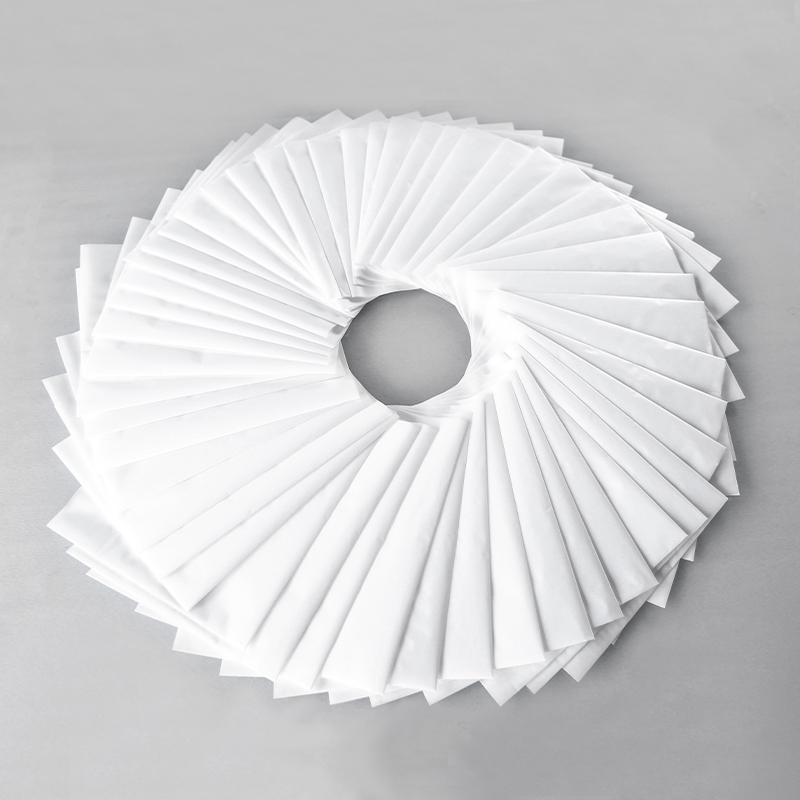
Product details: Folded baking paper sheets, an environment-friendly product, are composed of wood pulp and are double-side coated with silicone. Such a coating makes our paper smooth, greaseproof and...
See Details -
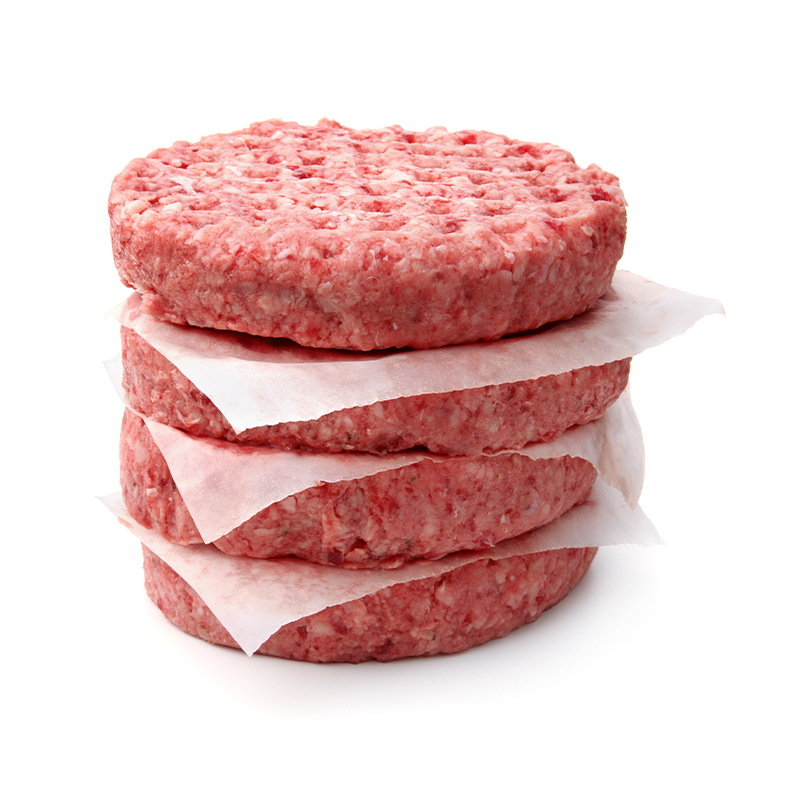
Description: Wax paper is the paper that is coated with food-grade wax in order to make it non-stick and waterproof. wax paper is very good for food storing and presentingMade of food-grade paper and ...
See Details -
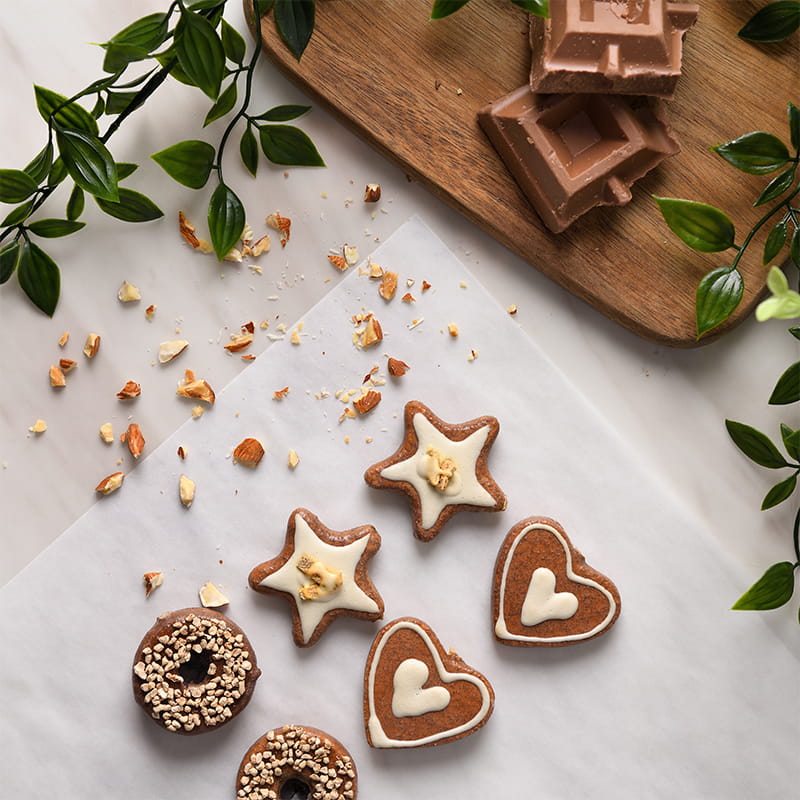
Product Features: 1. Virgin wood pulp 2. Double sides food grade silicone-treated 3. Fluorine-free 4. Non-stick 5. Oven/Microwave safe 6. Freezer safe 7. Reusable 8. BPA f...
See Details -
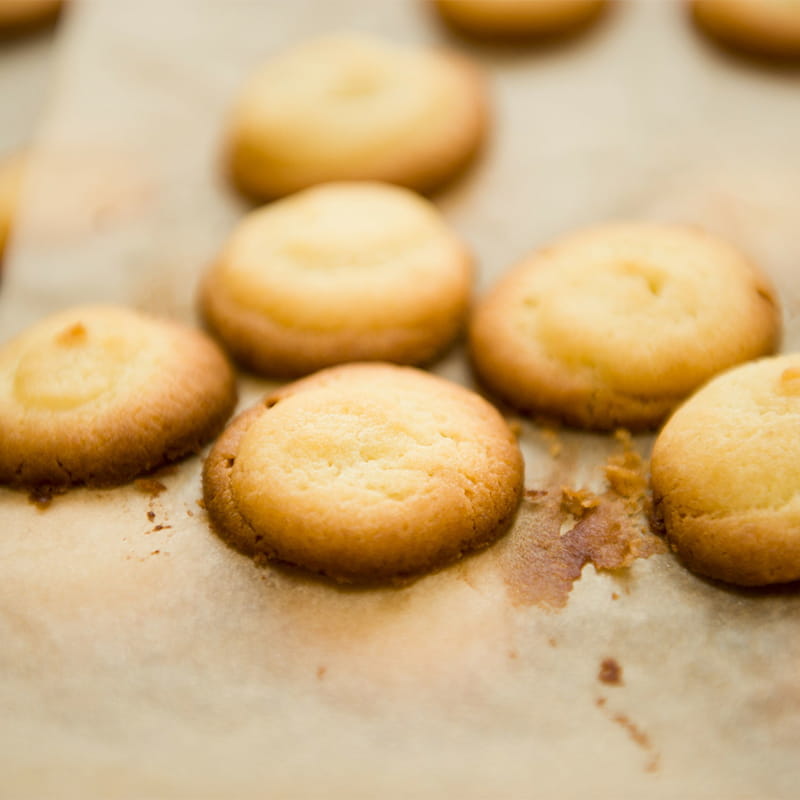
Product Features: 1. Virgin wood pulp 2. Natural unbleached brown color 3. Double sides food grade silicone-treated 4. Fluorine-free 5. Non-stick 6. Oven/Microwave safe 7. Fre...
See Details -
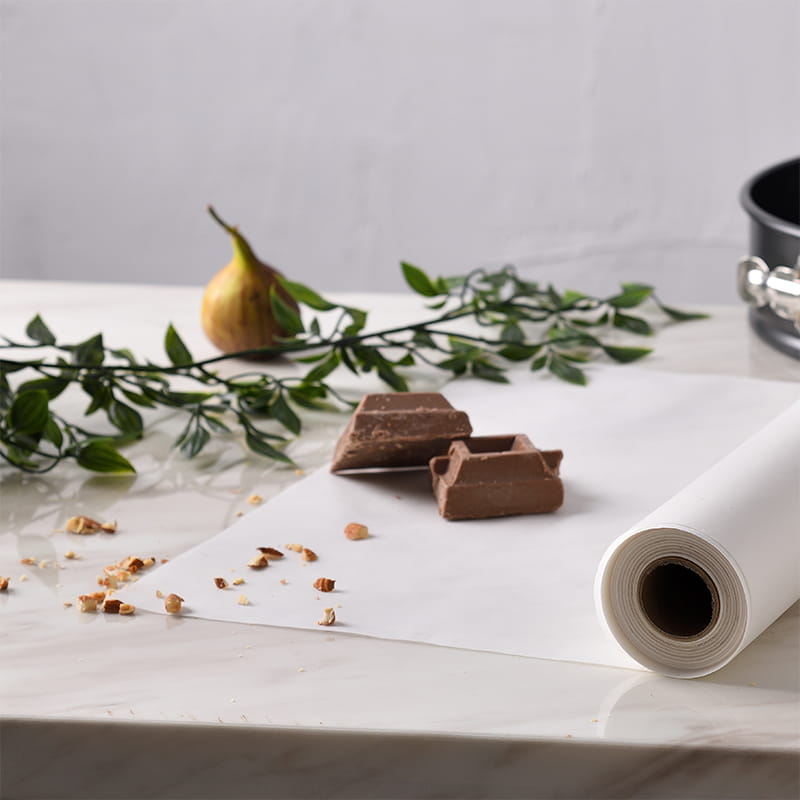
Product Features: 1. Virgin wood pulp 2. Double sides food grade silicone treated 3. Fluorine-free 4. Non-stick 5. Oven/Microwave safe 6. Freezer safe 7. Reusable 8. BPA ...
See Details -
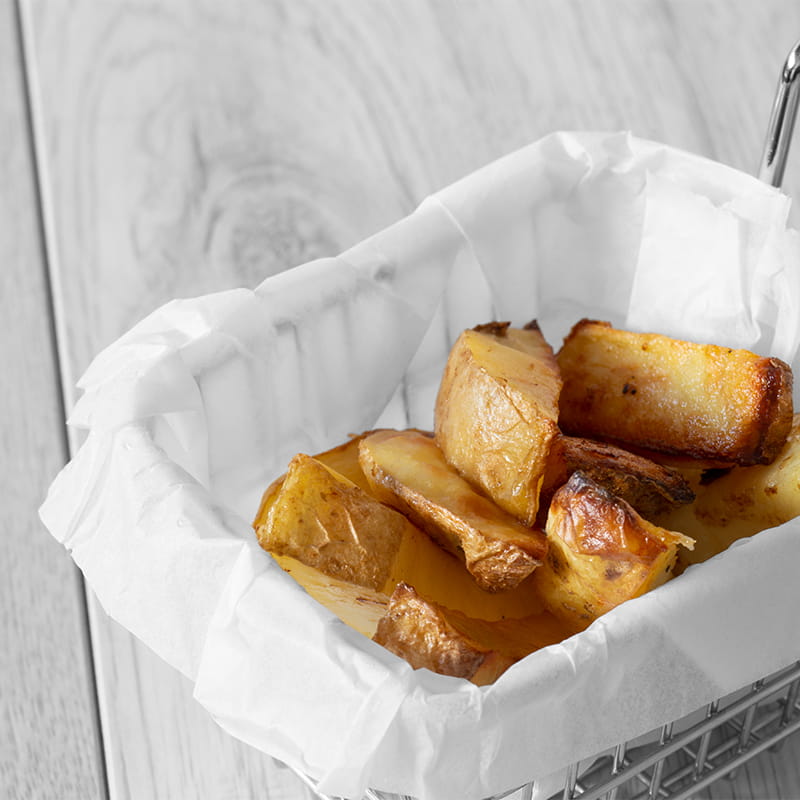
Product Features: 1. Virgin wood pulp 2. Fluorine-free 3. BPA free 4. Biodegradable Product Details: In an era where environmental consciousness and sustainability are paramount, Natu...
See Details -
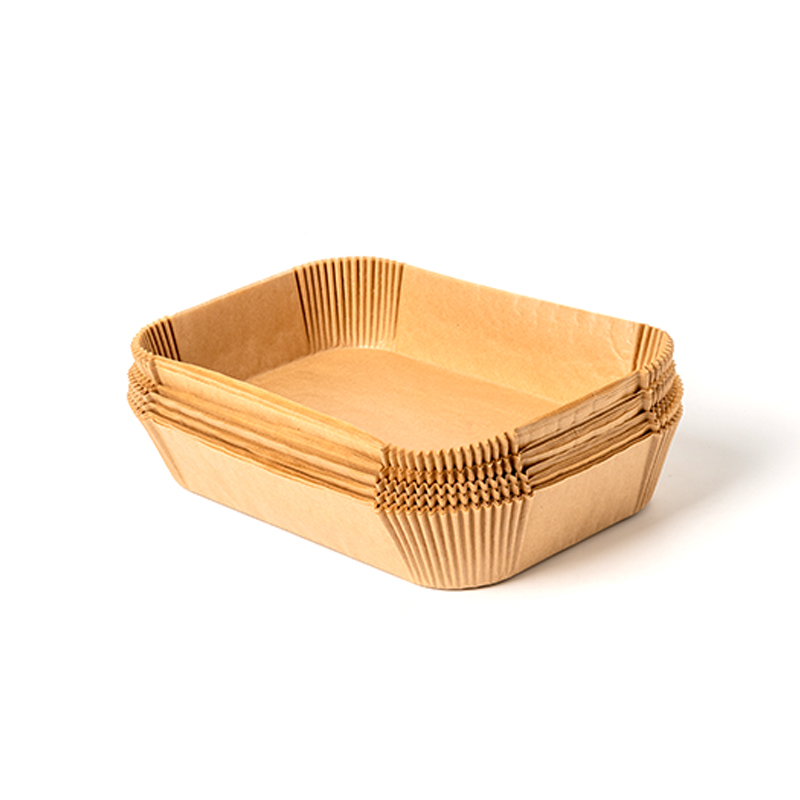
Product Features: 1. Virgin wood pulp 2. Double sides food grade silicone-treated 3. Fluorine-free 4. Non-stick 5. Air fryer basket safe 6. Reusable 7. BPA free 8. Biodeg...
See Details -
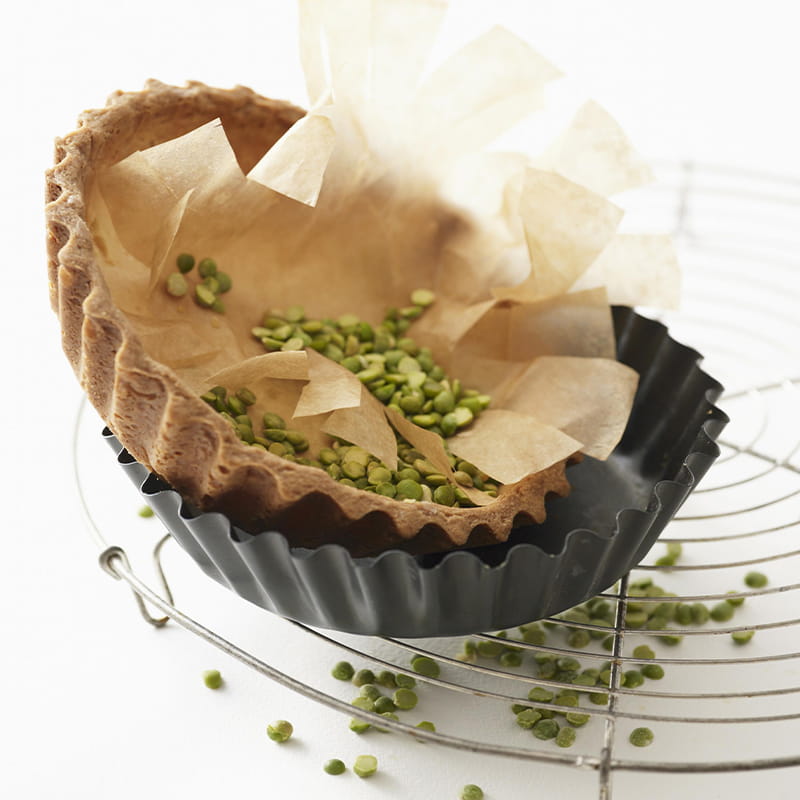
Product Features: 1. Virgin wood pulp 2. Natural unbleached brown color 3. Fluorine-free 4. BPA free 5. Biodegradable Product Details: Introducing our Unbleached Brown Food Grade ...
See Details -
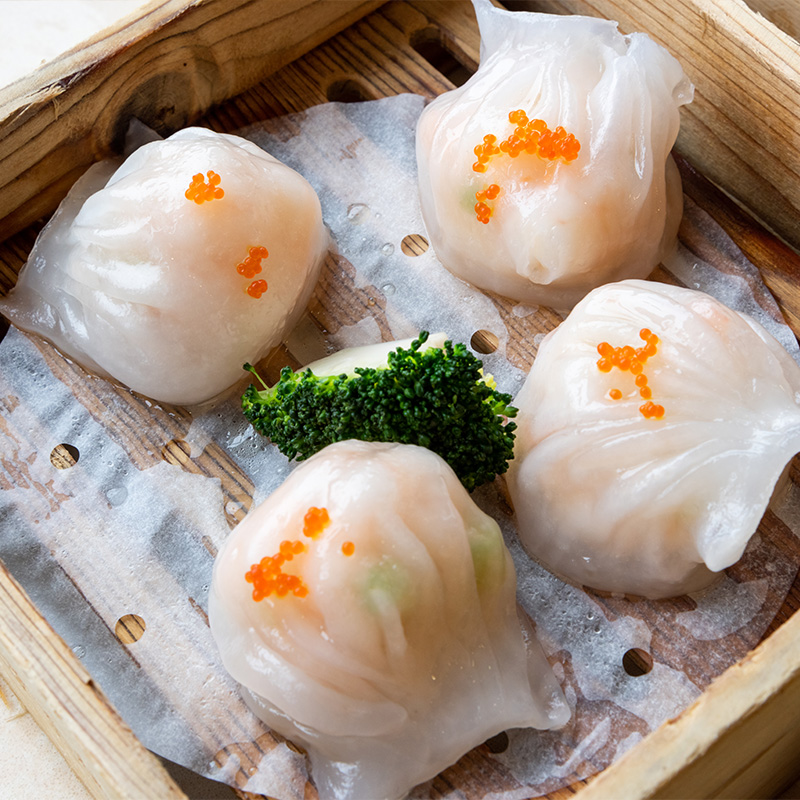
Product Features: 1. Virgin wood pulp 2. Double sides food grade silicone treated 3. Fluorine-free 4. Non-stick 5. Steamer/air fryer basket safe 6. Reusable 7. BPA free 8...
See Details -
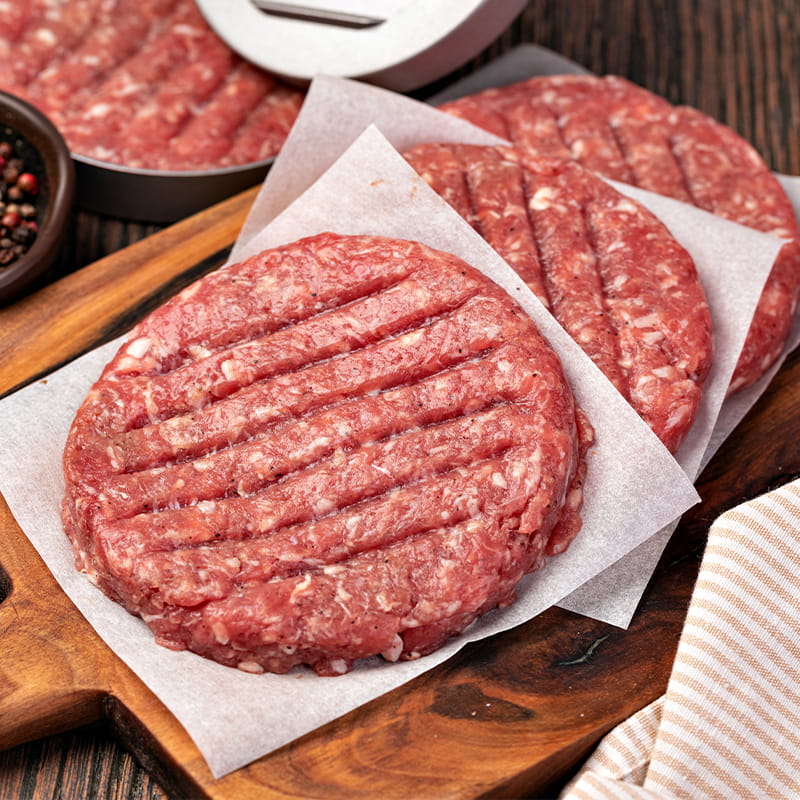
Product Features: 1. Virgin wood pulp 2. Double sides food grade silicone treated 3. Fluorine-free 4. Non-stick 5. Easy to separate 6. Reusable 7. BPA free 8. Biodegradab...
See Details -
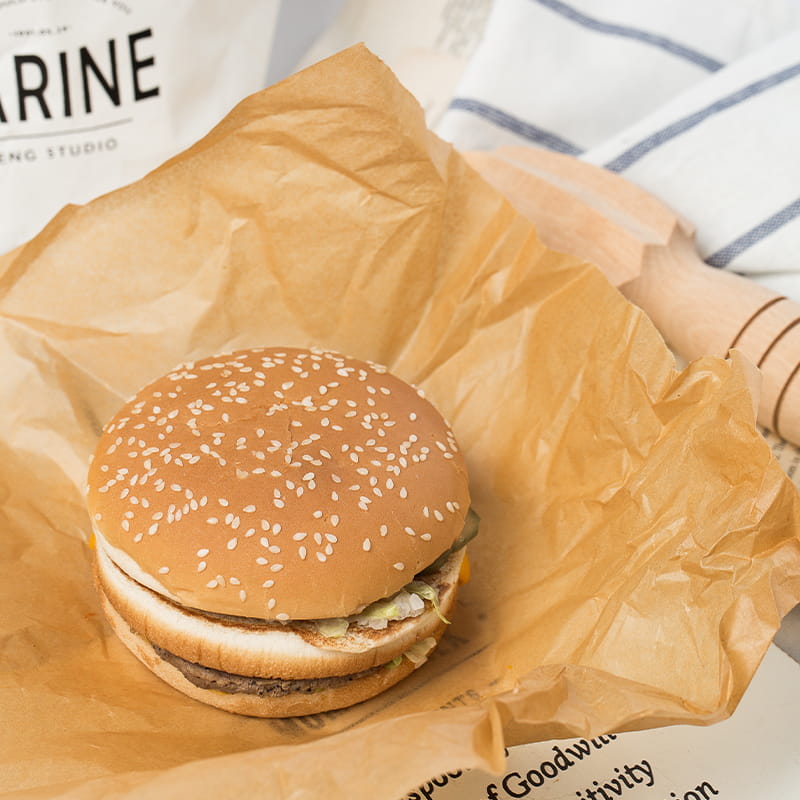
Product Features 1. Virgin wood pulp 2. Flexographic printing 3. Eco-friendly water-based ink 4. BPA free Product Details: Introducing our premium Greaseproof Sandwich Paper Sheets, a...
See Details

Professional Baking Parchment Paper Manufacturer in China with more than 15 years silicone coating experience.
Products
Contact Us
- No.10 Longyin Road, Chengnan Industrial Park,Longyou, Quzhou, China.
- +86-18968091013 / +86-571-88639705
- Avayao-1990@hotmail.com
Copyright © Zhejiang Guanghe New Materials Co., Ltd. All Rights Reserved.
Parchment Paper & Baking Paper Sheets Manufacturer
