 English
 中文简体
中文简体
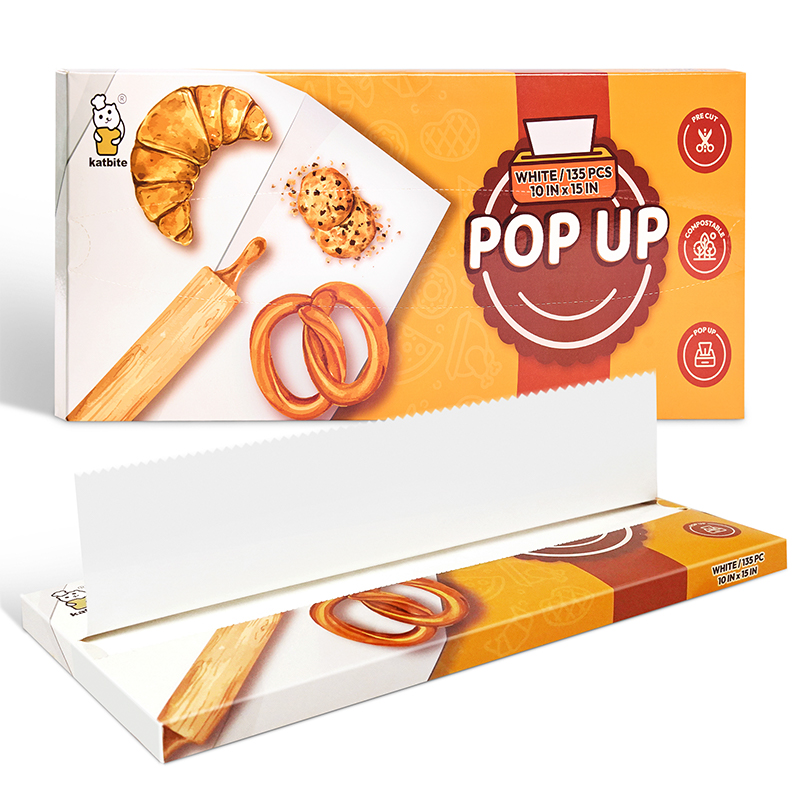
Pre Cut Baking Paper Sheets are made from wood pulp and coated on both sides with a food-safe silicone layer. This coating gives the paper a smooth, greaseproof, and moisture-resistant surface that su...
See DetailsHow Does a Baking Paper Factory Aid Kitchen Workflows
Across domestic kitchens, commercial food spaces, packaging operations, and artisanal baking studios, coated kitchen liners have become a practical and frequently used material. They help maintain cleaner environments, support consistent food release, and simplify the handling of doughs, batters, meats, confectionery mixtures, and shaped items. As cooking and baking habits evolve, the demand for stable, food-safe paper solutions grows across various sectors.
In this changing landscape, a Baking Paper Factory plays a structural role by designing, refining, and manufacturing papers that balance temperature tolerance, surface smoothness, and reliable separation between food and metal surfaces. These papers provide convenience that supports home cooks, food shop operators, product developers, and packaging personnel who rely on predictable performance and consistent quality.
The global interest in sustainable cooking materials further accelerates the expansion of this product category. New approaches in fiber treatment, coating application, and sheet finishing introduce more options for kitchens and production settings that require dependable liners with stable functional traits.
Understanding the Purpose of Parchment-Style Kitchen Paper
A parchment paper plant develops liners with a specific function: to create a barrier that reduces sticking and helps maintain food shape during heating or freezing. This simple purpose results in a series of benefits that influence workflow efficiency and safety in both household and professional settings.
These sheets support cleaner equipment, reduce the amount of oil needed for baking surfaces, and help maintain uniformity when preparing pastries or delicate items. They also allow cooks to transfer food without tearing or deformation. As recipes diversify and cooking methods expand, the role of these papers becomes increasingly important in everyday food preparation.
Beyond baking pans, the material is now widely used for air cookers, steam baskets, dehydrators, grilling accessories, chill-storage layers, and cold-food separators. The adaptability of the paper demonstrates why its production requires careful planning, attention to consistency, and a flexible manufacturing approach.
Material Characteristics of Food-Grade Preparation Paper
A non-stick sheet producer must balance several design considerations to create dependable food-preparation papers. These considerations influence handling, texture, coating durability, edge stability, and how the paper responds to variations in temperature.
Key characteristics include:
- Uniform fiber distribution for consistent texture
- A smooth surface that reduces sticking
- Coating integrity that maintains strength during heating
- Tolerance to bending without cracking
- Compatibility with direct food contact
- Ability to remain stable during both heating and cooling
These qualities help the material serve diverse functions—from lining trays to wrapping pastries, spacing ingredients, bundling dough portions, or creating folding pockets for steaming.
The focus is not merely on heat resistance but on the overall stability of the sheet across several environments. This includes dry heat, moist heat, refrigeration, and direct contact with wet or oily ingredients.
Manufacturing Overview: How a Coated Kitchen Paper Workshop Operates
Inside a heat-resistant paper manufacturer’s facility, a multi-stage process transforms raw fibers into coated, trimmed, and packaged cooking sheets. Each stage influences durability, surface consistency, and user experience. The phases generally include:
- 1. Fiber preparation and refinement – ensuring smooth, uniform pulp
- 2. Sheet forming and press drying – shaping the base layer
- 3. Coating application – creating the non-stick barrier
- 4. Long-roll curing – stabilizing texture and flexibility
- 5. Cutting and conversion – producing rolls, sheets, or custom sizes
- 6. Surface inspection – ensuring clean, even finish
- 7. Packaging for distribution – preparing products for kitchens and industry
Though each plant may use different equipment layouts or material blends, the structural logic remains centered on stable quality and predictable performance. Because this product directly touches food, each stage requires careful handling and consistent monitoring.
Industrial and Commercial Applications of Parchment-Style Paper
The applications extend beyond baking pans. Commercial settings rely on these materials for a wider range of tasks such as:
- Lining trays for pastries, breads, and confectionery items
- Preparing dehydrated snacks
- Creating protective layers between stacked ingredients
- Forming wraps for steaming or roasting
- Handling sticky or delicate doughs
- Supporting food packaging assembly lines
In addition, food-related industries appreciate the stability of these papers when used in refrigerated, frozen, or heated applications. The material’s adaptability helps streamline production and reduce waste across manufacturing, hospitality, retail, and logistics systems.
Functional Uses Across Food-Handling Environments
| Application Area | Key Purpose | Typical Benefit |
|---|---|---|
| Baking & Pastry | Surface separation | Maintains shape & easy release |
| Food Packaging | Wrapping & layering | Cleaner handling |
| Commercial Kitchens | Tray lining | Reduced cleanup effort |
| Cold Storage | Ingredient spacing | Prevents sticking during freezing |
| Steam & Roast Cooking | Folding pockets | Supports moisture control |
Quality Control Processes in a Parchment Paper Plant
Inside a parchment paper plant, quality control represents one of the central foundations of production. Because the material is used directly with food, every sheet must meet strict expectations for cleanliness, texture consistency, and surface reliability. Quality teams examine the paper at multiple stages, beginning with the fiber slurry and ending with packaged rolls or sheets.
During the early stages, the pulp mixture is evaluated for uniformity, color consistency, and unwanted residues. A smooth fiber profile helps ensure that the final paper carries the even structure required for cooking tasks. The drying and pressing stage receives equal scrutiny, as uneven pressure or moisture distribution can cause to curling, rough patches, or weak points.
The coating application also undergoes continuous inspection. This layer must bind smoothly to the paper surface without forming clumps or thin spots. Even minor variations can influence how well dough releases, how grease is absorbed, or how the paper maintains its structure under heating.
Once the sheets enter the curing phase, stability tests are conducted to confirm flexibility and resistance to cracking. The cutting stage receives visual and mechanical checks to ensure edges remain neat and consistent. Before packaging, staff perform a final inspection that includes tactile evaluation, surface smoothness checks, and cleanliness verification.
Packaging and Conversion Options for Food-Preparation Paper
A non-stick sheet producer often offers multiple packaging formats to address different usage environments. Kitchens may prefer pre-cut sheets for convenience, while commercial facilities may use long rolls for adjustable cutting. Some operations require specialty cuts designed for air cookers, steam baskets, loaf molds, or round pans.
Conversion options may include:
- Flat sheets
- Perforated sheets
- Large food-processing rolls
- Specialty shapes with rounded edges
- Foldable papers for wrapping or steaming
- Reinforced edges for industrial equipment
Each form serves a functional purpose. Pre-cut sheets speed up pastry production, while rolls allow customizable lengths for trays and conveyor lines. Specialty shapes help create uniform pockets for steaming fish, meat, or vegetables.
Packaging methods must also protect the paper from moisture, dust, and direct sunlight. Many producers use sealed wrapping, boxes, or dispenser-style packaging to improve convenience and prevent damage during transport and storage.
Environmental Considerations in Modern Production
Growing interest in environmental responsibility influences how a heat-resistant paper manufacturer operates. Fiber sourcing, coating choices, waste reduction, and recycling processes all play important roles in shaping the sustainability profile of the plant.
Producers may explore several strategies:
Improved Fiber Utilization
Using refined fiber blends helps reduce waste during the pulping stage. Cleaner fiber distribution requires fewer corrections during sheet formation and drying.
Coating Alternatives
Some plants experiment with coating blends designed to support reduced environmental impact. These coatings still need to maintain stability during heating while contributing to sustainability efforts.
Efficient Water Management
Water used in fiber preparation and paper pressing often undergoes filtration and reuse cycles. This helps reduce the overall environmental footprint while maintaining consistent operational quality.
Recycling and Waste Reduction
Scrap pieces from trimming and cutting are often reprocessed into pulp for secondary uses, minimizing discarded material.
Environmental considerations are increasingly important to both consumers and commercial buyers, who expect materials to align with long-term ecological goals.
Health and Safety Considerations in Food-Contact Materials
Because the product directly touches food, safety protocols form a core part of operations. Every production stage must prevent contamination, ensure consistent material integrity, and maintain surface cleanliness.
Health-oriented considerations include:
- Maintaining clean machinery through scheduled sanitation
- Using food-appropriate coatings
- Preventing airborne contaminants during drying and coating
- Maintaining proper storage conditions for finished products
- Regular staff training in safe material handling
Strict adherence to hygiene and process stability helps ensure that each sheet remains clean and suitable for direct culinary use.
The Role of Parchment-Style Paper in Modern Cooking Trends
Modern cooking habits increasingly incorporate diverse methods that require dependable liners. As more home cooks and professionals explore steaming, air frying, dehydrating, and low-oil baking, the demand for reliable non-stick materials expands.
The material also plays an important role in:
- Gluten-free baking, where stickiness is common
- Frozen food preparation lines
- Craft bread baking
- Delicate dessert assembly
- High-moisture roasting and wrapping
- Presentation techniques for restaurants and catering
These trends demonstrate that the paper is no longer a simple tray liner; it is a versatile tool supporting a wide range of culinary creativity and operational consistency.
Innovations in Parchment Paper Design
A food-grade lining supplier continuously studies how to improve the functional characteristics of their product to meet new cooking techniques. Innovation areas include:
Modified Surface Texture
Some producers explore ways to enhance release properties by adjusting surface texture or coating distribution.
Greater Flexibility
New refining methods can create paper that folds smoothly without cracking, allowing more complex wrapping techniques.
Improved Moisture Handling
Enhanced fiber structure may help the paper hold up better in steaming or roasting environments.
Heat Distribution Efficiency
Although the paper is thin, small adjustments in fiber alignment can influence how evenly heat transfers across the surface.
These innovations help the material meet modern cooking expectations while maintaining stability across various temperatures.
Supply Chain and Distribution Networks
A production workshop for coated kitchen paper relies on a network of suppliers, logistics partners, and distributors. Fiber sourcing, coating supply, packaging materials, and transportation all contribute to how efficiently the product reaches consumers and professional kitchens.
Distribution channels may include:
- Retail outlets
- Online household supply stores
- Food-service distributors
- Packaging material suppliers
- Commercial kitchen equipment providers
- Industrial food-processing networks
Each channel has different expectations regarding packaging, sheet size, carton weight, and labeling. The ability to adapt to these expectations supports broader market access.
Consumer Guidance for Choosing Non-Stick Cooking Paper
When selecting heat-resistant kitchen liners, users often face a variety of options. The choice depends on intended use, cooking method, convenience, and storage. Home cooks typically prioritize pre-cut sheets for quick baking, while commercial kitchens may prefer long rolls to allow customized lengths for trays, conveyors, or packaging lines.
Key considerations include:
- Heat stability – ensuring the sheet remains intact during roasting, steaming, or baking
- Surface smoothness – aiding in clean release of dough or baked items
- Sheet flexibility – allowing folds, wraps, or custom shapes without tearing
- Packaging form – rolls, sheets, perforated, or pre-cut options for ease of handling
- Environmental profile – use of responsibly sourced paper and recyclable packaging
By evaluating these factors, both household and commercial users can select materials that streamline their workflow and reduce waste, while maintaining product safety.
Common Misconceptions About Coated Kitchen Paper
Despite widespread use, several misunderstandings persist regarding non-stick preparation sheets:
- All non-stick sheets are equivalent – Some papers perform differently depending on coating method and thickness.
- Wax paper is the same as baking paper – Wax paper is not heat-stable and can smoke or melt in high temperatures.
- Durability is unlimited – Even high-quality sheets have functional limits and may tear or warp if misused.
- Freezing and roasting are identical applications – Moisture and heat affect sheets differently; each situation requires appropriate selection.
Clarifying these points helps kitchens avoid wasted material, damaged products, and potential safety hazards during cooking and baking processes.
Industrial and Commercial Advantages
For large-scale kitchens, bakeries, and food processing plants, using coated kitchen paper provides tangible operational benefits:
- Improved workflow – Lining trays reduces cleaning time and allows for faster turnaround.
- Reduced contamination risk – Paper acts as a hygienic barrier between food and metal surfaces.
- Consistent cooking performance – Even heat distribution aids uniform baking, steaming, and roasting.
- Material versatility – Sheets can serve multiple functions, from wrapping delicate items to layering ingredients in large-scale production.
These advantages make non-stick liners an essential tool in commercial food environments, helping maintain both productivity and quality standards.
Environmental and Sustainability Aspects
Long-term environmental considerations are increasingly important for non-stick sheet producers. Factories are adopting measures to reduce ecological impact while maintaining product performance:
- Responsible fiber sourcing – Using recycled or sustainably managed paper fibers
- Minimized waste – Optimizing cutting patterns and reprocessing scraps into usable material
- Energy-efficient processing – Reducing overall factory consumption during drying and coating stages
- Recyclable packaging – Ensuring sheets are protected for transport without excessive plastic use
Sustainability is a factor that affects purchasing decisions for both consumers and commercial clients, aligning with growing global expectations for eco-conscious operations.
Market Trends and Future Outlook
The demand for coated kitchen paper continues to evolve:
- Home Baking Popularity – Social trends, online tutorials, and hobbyist cooking drive consistent use.
- Culinary Innovation – New baking, steaming, and roasting techniques require adaptable sheets.
- Commercial Expansion – Cafés, bakeries, and catering services increasingly rely on dependable non-stick materials.
- Technological Improvements – Modern plants may integrate digital monitoring, automated cutting, and precision coating methods.
These trends demonstrate that the non-stick sheet industry is adapting to changing culinary practices while focusing on safety, convenience, and operational efficiency.
Maintenance and Handling Recommendations
Even durable kitchen liners benefit from careful handling:
- Store in dry, cool conditions – Protects against moisture and warping.
- Avoid excessive folding or bending – Maintains sheet integrity and prevents tearing.
- Follow intended use guidelines – Each type of liner has applications suited to its coating and thickness.
- Monitor supply rotation – Use older stock to maintain freshness.
Adhering to these practices ensures the sheets perform as expected, extending usability and reducing waste.
Practical Tips for Commercial Operations
- Plan roll usage by tray size – Reduces trimming waste.
- Use pre-cut sheets for high-volume batches – Speeds up operations.
- Train staff in correct handling – Prevents accidental contamination or tearing.
- Incorporate into standard cleaning protocols – Ensures hygiene without compromising efficiency.
Practical management improves workflow, reduces downtime, and guarantees that food-contact materials remain reliable for both staff and customers.
Future Innovation Directions
- Producers of food-grade liners are exploring developments that enhance usability and sustainability:
- Smarter production monitoring – Sensors track coating thickness and sheet quality in real-time.
- Compact modular designs – Simplified factory layouts for faster, safer operations.
- Enhanced recycling techniques – Facilitates reprocessing of scrap into new sheets.
- Multi-function sheets – Combined roles such as baking, steaming, and freezing in one product.
- Greater adaptability – Products that suit home kitchens and large-scale production alike.
Such innovations position factories to meet evolving culinary and environmental expectations without compromising quality or consistency.
The Value of Modern Heat-Resistant Paper Production
In summary, non-stick sheet producers play an essential role in modern cooking, baking, and food processing. By balancing durability, surface quality, and heat tolerance, these facilities support efficient workflows, food safety, and operational convenience.
For businesses and large-scale kitchens seeking reliable solutions, Guanghe provides a broad range of heat-resistant paper products designed to meet the demands of diverse culinary and industrial applications. Their facilities focus on stable production, consistent quality, and environmentally conscious practices, helping both commercial and home kitchens maintain predictable, efficient, and safe operations.
Related Products
-
-
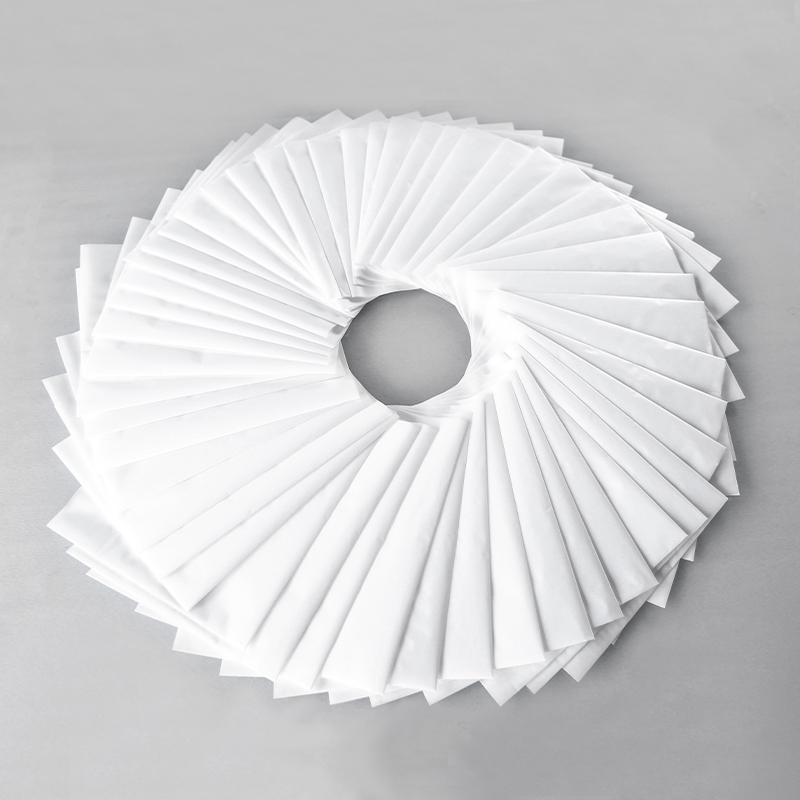
Folded Baking Paper Sheets, also known as Non Stick Baking Paper Sheets, are made from wood pulp and coated on both sides with a food-safe silicone layer. This coating gives the paper a smooth, grease...
See Details -
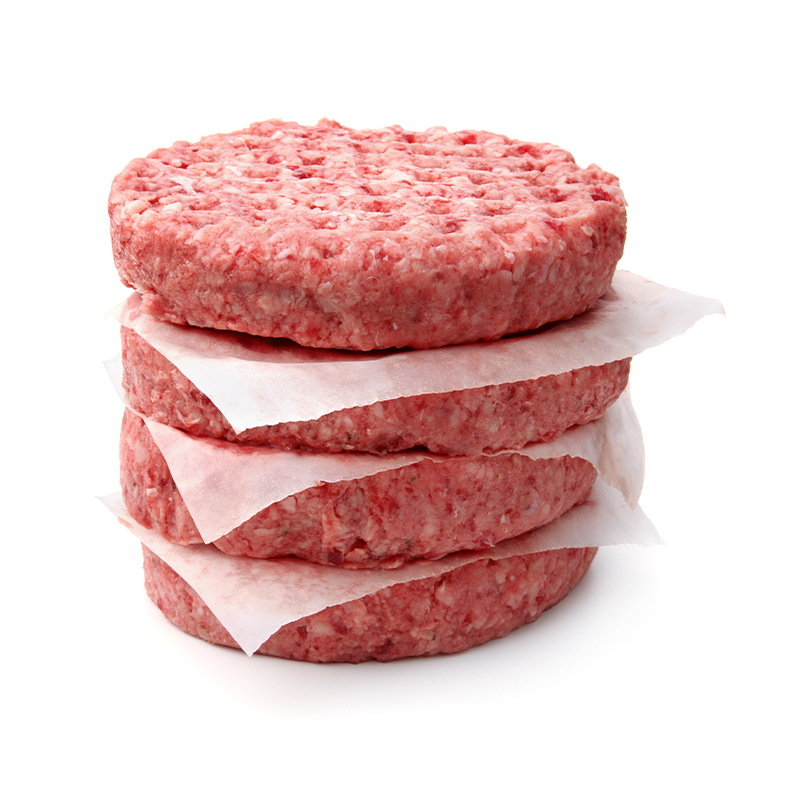
Description: Wax paper is the paper that is coated with food-grade wax in order to make it non-stick and waterproof. wax paper is very good for food storing and presentingMade of food-grade paper and ...
See Details -
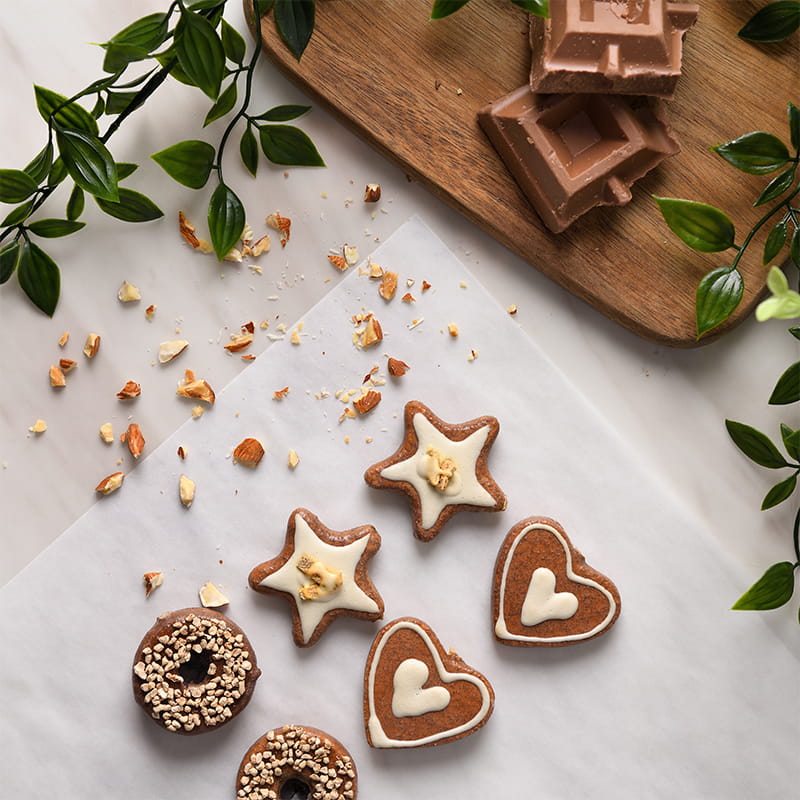
Product Features: 1. Virgin wood pulp 2. Double sides food grade silicone-treated 3. Fluorine-free 4. Non-stick 5. Oven/Microwave safe 6. Freezer safe 7. Reusable 8. BPA f...
See Details -
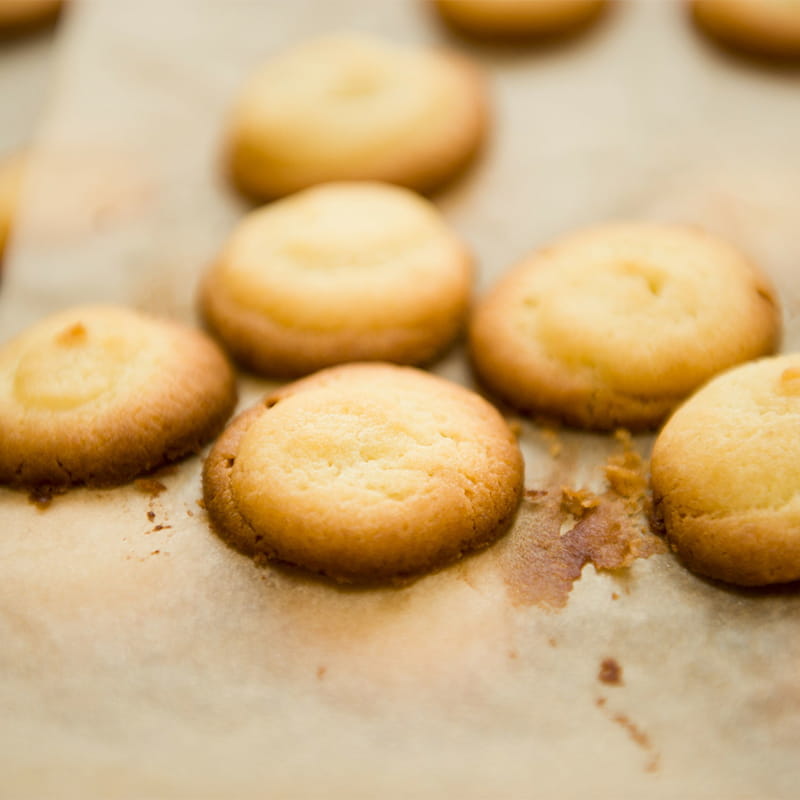
Product Features: 1. Virgin wood pulp 2. Natural unbleached brown color 3. Double sides food grade silicone-treated 4. Fluorine-free 5. Non-stick 6. Oven/Microwave safe 7. Fre...
See Details -
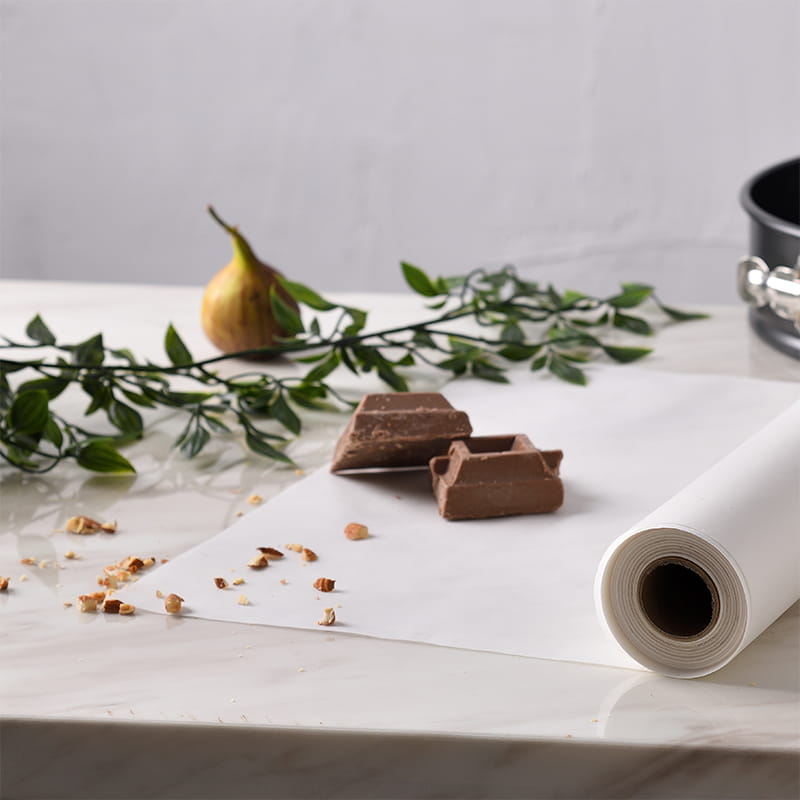
Product Features: 1. Virgin wood pulp 2. Double sides food grade silicone treated 3. Fluorine-free 4. Non-stick 5. Oven/Microwave safe 6. Freezer safe 7. Reusable 8. BPA ...
See Details -
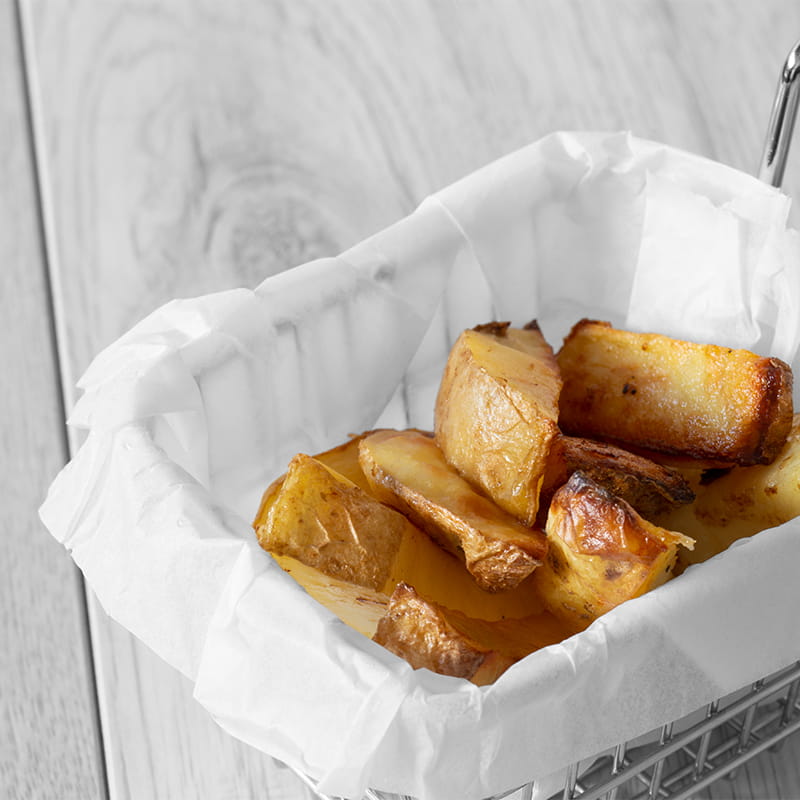
Product Features: 1. Virgin wood pulp 2. Fluorine-free 3. BPA free 4. Biodegradable Product Details: In an era where environmental consciousness and sustainability are paramount, Natu...
See Details -
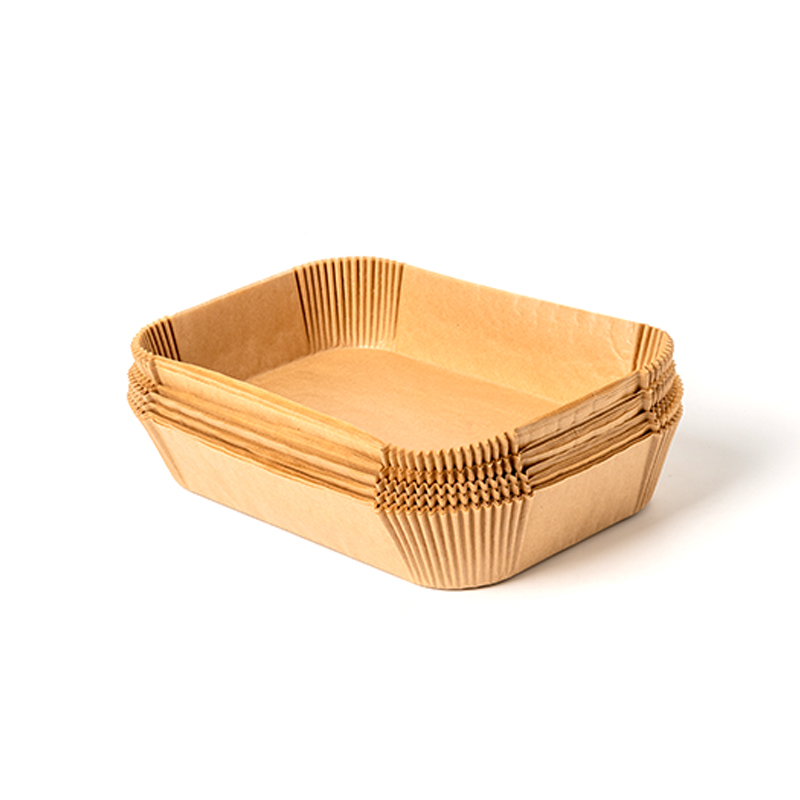
Product Features: 1. Virgin wood pulp 2. Double sides food grade silicone-treated 3. Fluorine-free 4. Non-stick 5. Air fryer basket safe 6. Reusable 7. BPA free 8. Biodeg...
See Details -
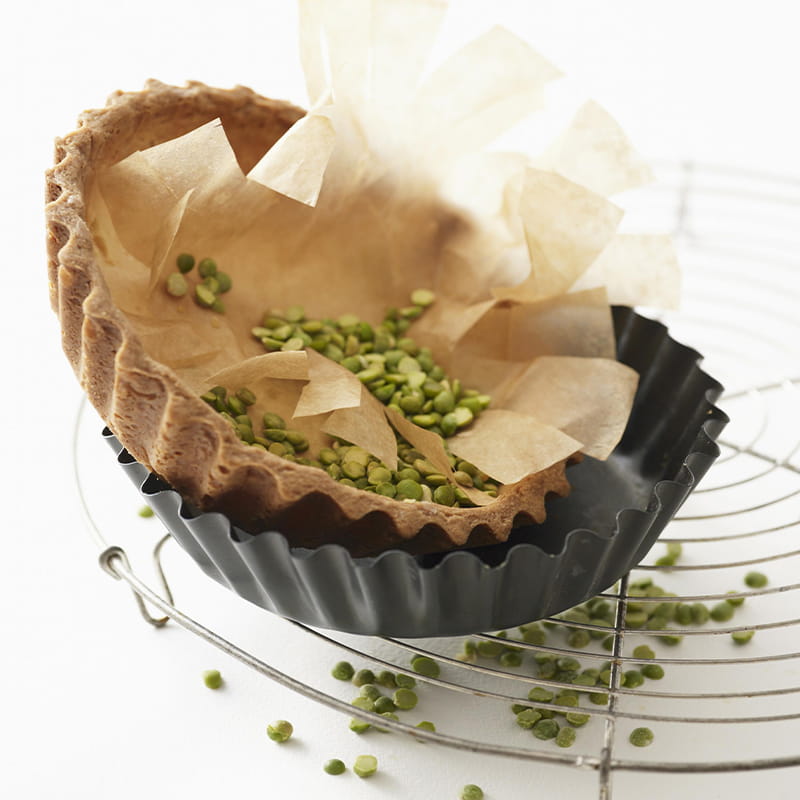
Product Features: 1. Virgin wood pulp 2. Natural unbleached brown color 3. Fluorine-free 4. BPA free 5. Biodegradable Product Details: Introducing our Unbleached Brown Food Grade ...
See Details -
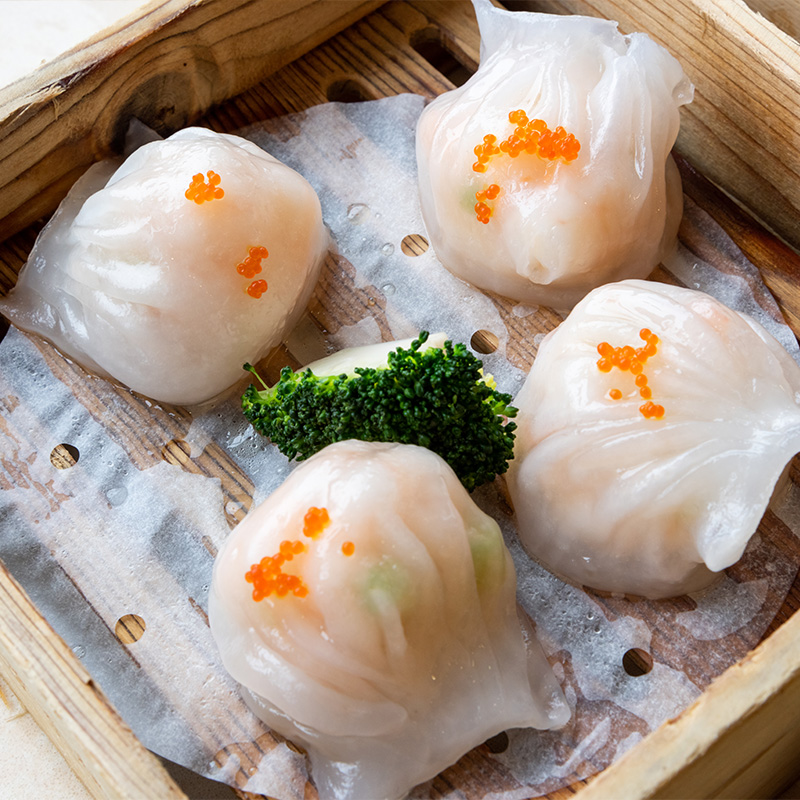
Product Features: 1. Virgin wood pulp 2. Double sides food grade silicone treated 3. Fluorine-free 4. Non-stick 5. Steamer/air fryer basket safe 6. Reusable 7. BPA free 8...
See Details -
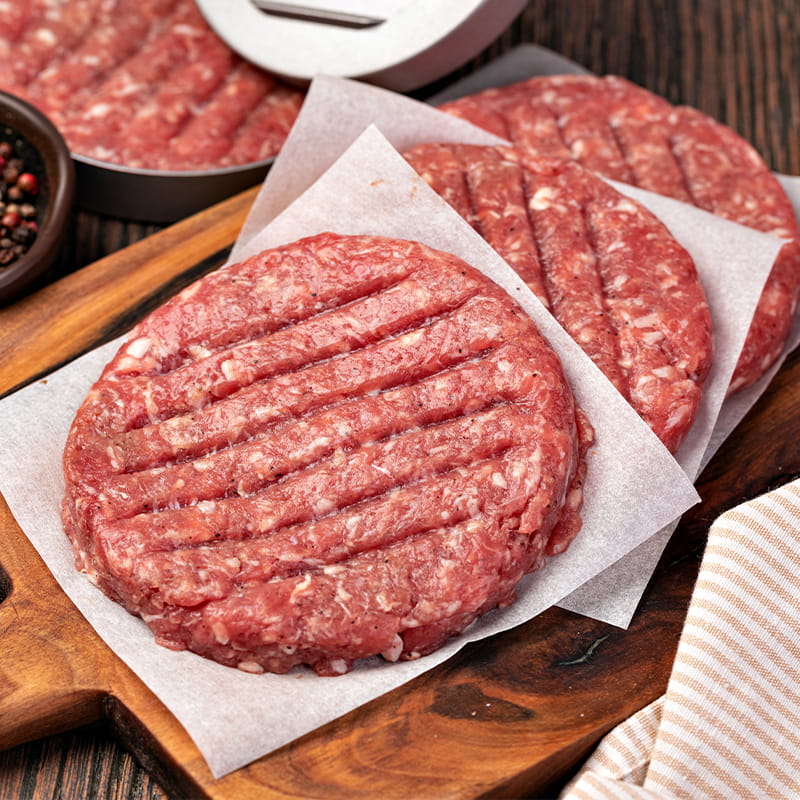
Product Features: 1. Virgin wood pulp 2. Double sides food grade silicone treated 3. Fluorine-free 4. Non-stick 5. Easy to separate 6. Reusable 7. BPA free 8. Biodegradab...
See Details -
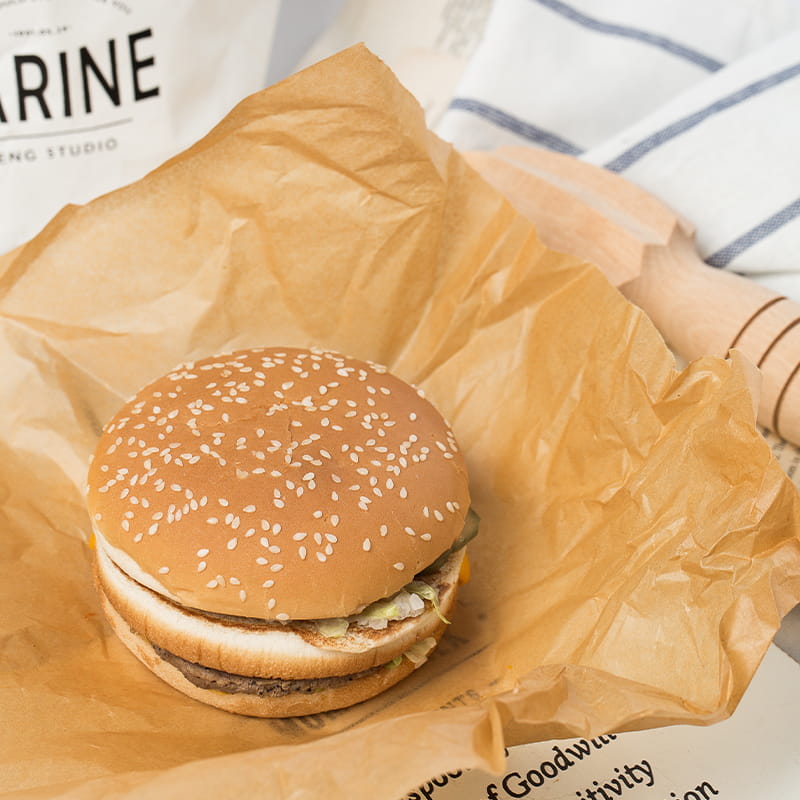
Product Features 1. Virgin wood pulp 2. Flexographic printing 3. Eco-friendly water-based ink 4. BPA free Product Details: Introducing our premium Greaseproof Sandwich Paper Sheets, a...
See Details

Professional Baking Parchment Paper Manufacturer in China with more than 15 years silicone coating experience.
Products
Contact Us
- No.10 Longyin Road, Chengnan Industrial Park,Longyou, Quzhou, China.
- +86-18968091013 / +86-571-88639705
- Avayao-1990@hotmail.com
Copyright © Zhejiang Guanghe New Materials Co., Ltd. All Rights Reserved.
Parchment Paper & Baking Paper Sheets Manufacturer
