 English
 中文简体
中文简体
Pre Cut Baking Paper Sheets are made from wood pulp and coated on both sides with a food-safe silicone layer. This coating gives the paper a smooth, greaseproof, and moisture-resistant surface that su...
See DetailsWhy Should You Consider Using Baking Paper in Your Kitchen
Baking paper has become an increasingly valued tool in modern kitchens, offering both practical convenience and subtle improvements to the cooking process. From everyday home baking to professional kitchen operations, this versatile accessory helps bakers prepare foods efficiently while maintaining quality. Beyond preventing sticking, contributes to cleaner cooking environments, simplifies cleanup, and can even support more sustainable practices. While it may appear as a simple sheet, understanding its properties, applications, and proper use can enhance both outcomes and kitchen habits.
Parchment Paper bridges the gap between convenience and thoughtful cooking. Many home bakers appreciate the way it ensures even baking and prevents food from adhering to trays, while professional kitchens rely on it to maintain consistency across batches. Its use also helps minimize oil or grease, contributing to healthier meal preparation. As kitchens continue to balance efficiency with careful attention to quality, baking paper remains a subtle but essential tool.
How Does Baking Paper Affect Baking Consistency?
Parchment Paper does more than just keep food from sticking. Its role in regulating heat transfer and managing moisture can influence the texture and appearance of baked goods. For example, cookies baked on well-lined trays often maintain their shape and even browning more consistently than those baked directly on metal surfaces. Pastries and bread also benefit, as the paper allows steam to escape gradually, producing a tender interior without excessive crust hardening.
Moisture retention is another subtle effect. Parchment Paper can prevent the bottoms of baked goods from over-drying or burning, particularly when baking delicate items or high-sugar recipes. This property makes it a reliable companion for both amateur and professional bakers, supporting predictable results across different recipes and oven types.
Additionally, Greaseproof Paper can simplify the process of portioning and shaping dough. When working with sticky or soft batters, placing them on a lined tray allows for smoother handling and easier cleanup afterward. This can be particularly valuable in high-volume kitchens or during intensive baking sessions, reducing stress and potential mistakes.
What Types of Parchment Paper Are Commonly Available?
Silicone-Coated Baking Paper
Silicone-coated sheets are widely used for their non-stick properties. They are particularly effective in situations where sticky doughs or high-sugar recipes might otherwise adhere to trays. These papers allow foods to release easily and can often be reused several times if handled carefully.
Silicone coatings also contribute to even cooking, helping distribute heat more uniformly across the surface of the tray. While coated papers are convenient, users should follow temperature guidelines to prevent degradation and maintain the effectiveness of the coating.
Uncoated Plant-Based or Compostable Papers
Some baking papers are uncoated and made from natural or plant-based fibers. These products appeal to those seeking environmentally conscious alternatives. They are generally biodegradable and can be composted under appropriate conditions, making them suitable for zero-waste kitchens.
Uncoated papers require careful handling during baking to avoid sticking, particularly with very sticky or sugary ingredients. Despite this, they provide reassurance regarding chemical exposure and can be safely used for a wide range of baked items, from bread to cookies to pastries.
Reusable Mats
Reusable mats, often made from silicone or other durable materials, offer a long-term solution. These mats can be washed and used repeatedly, reducing reliance on disposable sheets. They are particularly helpful for households that bake frequently or for commercial kitchens that prepare large batches of baked goods.
Reusable mats often have consistent thickness and heat resistance, which allows for predictable baking outcomes. They are versatile, easily trimmed to fit various tray sizes, and can withstand repeated use without compromising performance.
How Does Baking Paper Compare to Other Lining Options?
| Material | Advantages | Considerations | Typical Use |
|---|---|---|---|
| Baking Paper | Non-stick, easy cleanup, supports even cooking | Some require disposal after use | Cookies, bread, pastries |
| Wax Paper | Non-stick for cold preparations | Cannot be used in the oven | Rolling dough, lining trays for cold desserts |
| Aluminum Foil | Can resist heat, shape flexible | Food may stick, additional oil often needed | Roasting vegetables, baking items with sauce |
| Direct Greasing | No extra material needed | More cleanup, higher risk of sticking | Quick baking, simple trays |
Understanding differences helps bakers choose the right material for each task, balancing convenience, cleanup, and baking quality.
What Health and Safety Considerations Should You Know?
While Greaseproof Paper is generally safe, certain factors require attention. Coated papers are stable under normal baking temperatures, but improper use at very high heat can affect their performance. Plant-based or uncoated papers are less prone to chemical release but still require care to prevent burning.
Proper handling includes avoiding prolonged exposure to flame or direct contact with heating elements. Moisture or accidental folding can also compromise the sheet, potentially affecting both hygiene and performance. By understanding these limitations, bakers can maximize safety and effectiveness.
Additionally, storage conditions can influence the safety and usability of Cooking Paper. Keeping sheets dry and away from sunlight prevents premature degradation. Reusable mats should be cleaned after each use to prevent bacterial growth, while disposable sheets should be stored in a clean, dry place to avoid contamination before use.
What Are Common Myths About Baking Paper?
- All Greaseproof Paper Perform the Same Way
- Different papers have varying heat resistance, coatings, and non-stick properties. Choosing the right type for the intended recipe is essential.
- Coated Papers Release Harmful Chemicals
- High-quality, food-safe coatings are stable at normal baking temperatures. Following guidelines ensures safe use.
- Reusable Mats Are Too Difficult to Maintain
- Modern mats are designed for easy washing and storage. Their long-term use can reduce overall waste.
- Natural Papers Can’t Handle Heat
- Uncoated or plant-based papers withstand standard oven temperatures when used correctly. Misuse is usually the cause of failure, not the material itself.
How Can You Choose the Right Baking Paper for Your Needs?
When selecting baking paper, consider these factors:
| Question | Why It Matters | Typical Consideration |
|---|---|---|
| How often do you bake? | Frequency influences durability | Frequent bakers may prefer reusable mats |
| Are you baking sticky foods? | Preventing adherence is crucial | Silicone-coated papers are helpful |
| Do you prioritize environmental impact? | Reducing waste | Compostable or reusable options |
| What types of trays do you use? | Fit and heat distribution | Trim mats or select sheet size accordingly |
| Is cleanup a priority? | Convenience | Non-stick surfaces simplify washing |
How Does Baking Paper Support Eco-Friendly Kitchens?
Baking paper can play a role in reducing environmental impact. Compostable or plant-based sheets decrease reliance on single-use materials, while reusable mats minimize repeated purchases. Integrating Greaseproof Paper with other sustainable kitchen practices—like careful portioning, energy-efficient ovens, and mindful ingredient sourcing—enhances overall eco-conscious routines.
Zero-waste kitchens may combine multiple strategies: trimming reusable mats to fit trays, composting used sheets, and choosing minimal packaging options. These habits encourage responsible consumption without compromising cooking quality.
Moreover, Cooking Paper can reduce the need for additional oils or sprays, indirectly lowering the environmental footprint of cooking. By preventing food from sticking, fewer resources are required for cleaning, and less energy is spent scrubbing trays.
How Does Non-Stick Paper Benefit Professional Kitchens?
In commercial kitchens, Cooking Paper improves workflow efficiency, reduces cleanup time, and helps maintain consistent product quality. Staff training ensures proper placement, handling, and disposal. Large batch operations benefit from predictable results and lower risk of food sticking or burning.
Event caterers and bakery operations also gain from simplified logistics. Pre-lined trays reduce setup time, minimize errors, and support a clean and organized workspace. Cooking Paper helps maintain hygiene standards by reducing direct contact between food and trays.
In addition,Greaseproof Paper can enhance presentation quality for food service. Foods baked on clean, non-stick surfaces maintain their intended appearance, reducing the need for corrective finishing. This is particularly valuable for high-end catering or bakery displays.
Another practical aspect of Greaseproof Paper that often goes unnoticed is its role in minimizing energy consumption during baking. By providing a protective barrier between food and the tray, it allows heat to distribute more evenly, reducing the risk of hotspots and overcooked areas. This can cause to slightly shorter baking times or more consistent results without having to increase oven temperature. For environmentally conscious kitchens, this subtle energy saving contributes to overall sustainability, especially in operations where large volumes of baked goods are prepared daily. Additionally, Cooking Paper simplifies the cleaning process, reducing the need for harsh detergents or prolonged scrubbing, which indirectly lowers water and chemical usage. Beyond standard baking, some innovative chefs and home cooks have started using Cooking Paper to create portion-controlled layers, separate sticky or delicate ingredients, or even craft temporary molds for desserts and confections. These creative uses expand its functionality beyond a simple non-stick sheet, demonstrating that baking paper can be both a practical and inventive tool in modern culinary practices.
What Innovative Applications Exist Beyond Standard Baking?
Baking paper is not limited to cookies and bread. Its versatility allows for:
- Roasting vegetables or fish without sticking.
- Lining molds for gelatin or chocolate creations.
- Separating layers of baked goods during storage.
- Crafting homemade pastry cones or edible packaging for creative presentations.
Some chefs have adopted parchment techniques for steaming foods in en papillote packets, allowing flavors to meld while reducing oil use. DIY enthusiasts use baking paper for decorating, rolling fondant, or creating temporary stencils for icing. These alternative uses extend its value beyond conventional baking, offering flexibility in both home and professional settings.
How Should Non-Stick Paper Be Stored and Disposed of Correctly?
Proper storage preserves effectiveness: keep sheets dry, flat, and away from sunlight. Reusable mats should be washed and stored flat or rolled to maintain shape.
Disposal depends on material:
- Compostable sheets should go to industrial or home compost where appropriate.
- Reusable mats should be maintained and repaired if needed.
- Incorrect disposal reduces environmental benefits and contributes to waste accumulation.
Education and awareness of proper disposal support kitchen sustainability. Some kitchens implement clear labeling or separate bins for compostable and non-compostable materials, ensuring that items are processed correctly and contributing to broader environmental practices.
What Are the Emerging Trends in Baking Paper?
Innovation continues in coatings, materials, and usability. New plant-based composites offer better durability while remaining compostable. Reusable mats are becoming more flexible, compatible with multiple tray sizes, and integrated into energy-efficient cooking practices.
Smart kitchens increasingly consider material compatibility with oven sensors, ensuring consistent heat transfer and baking outcomes. Some manufacturers are experimenting with water-resistant, grease-resistant, or multifunctional sheets that can transition from baking to serving, reducing the need for extra utensils or packaging.
Sustainability-focused innovations include entirely biodegradable coatings that require minimal industrial processing and natural fibers that break down safely in composting facilities. As awareness of environmental impact grows, kitchens are seeking solutions that balance efficiency, safety, and waste reduction.
Why Baking Paper Matters in Modern Kitchens
Non-Stick Paper contributes to safer, cleaner, and more consistent baking. Whether disposable, plant-based, or reusable, it improves texture, appearance, and workflow efficiency. Thoughtful selection and proper handling maximize both food quality and environmental benefits.
For bakers and businesses seeking reliable and environmentally responsible solutions, Guanghe provides a range of sustainable baking papers designed to support practical use while reducing environmental impact. Learn more at https://www.guanghepaper.com/ . By choosing the right paper and adopting careful baking habits, both home cooks and professionals can enhance results and foster more sustainable kitchen practices.
Related Products
-
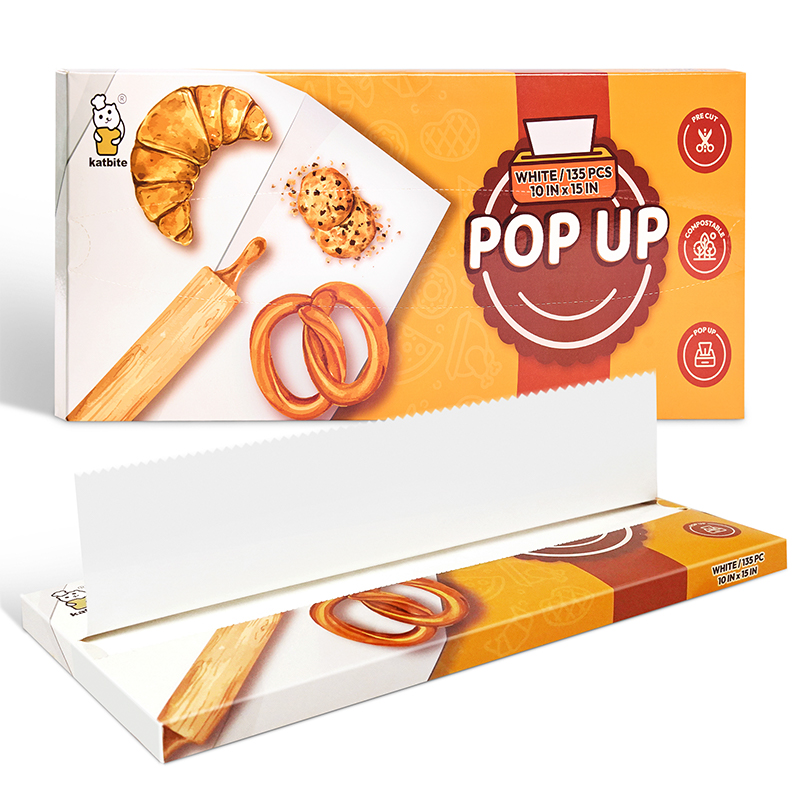
-
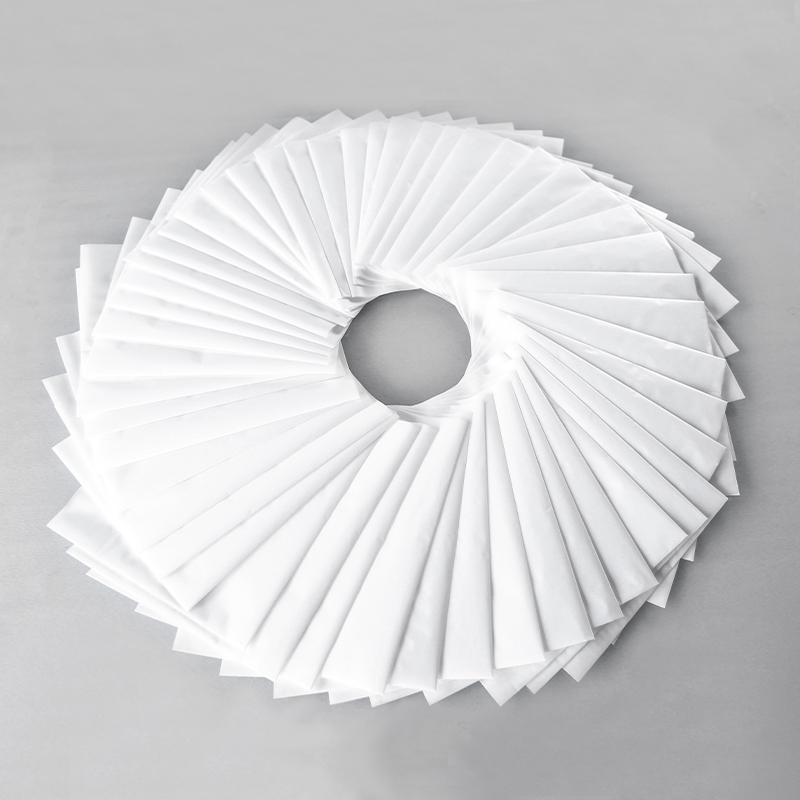
Folded Baking Paper Sheets, also known as Non Stick Baking Paper Sheets, are made from wood pulp and coated on both sides with a food-safe silicone layer. This coating gives the paper a smooth, grease...
See Details -
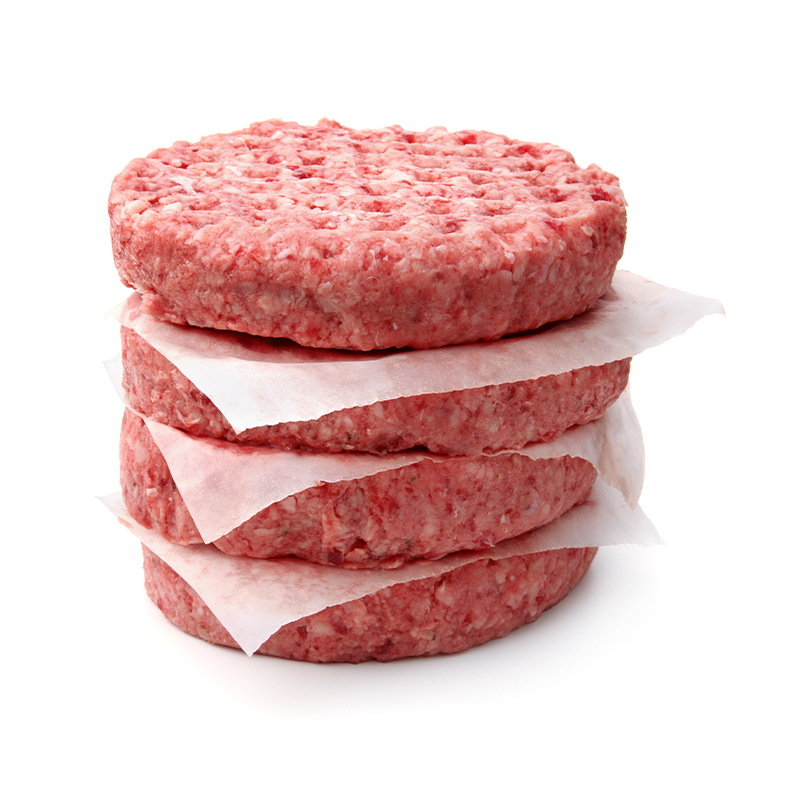
Description: Wax paper is the paper that is coated with food-grade wax in order to make it non-stick and waterproof. wax paper is very good for food storing and presentingMade of food-grade paper and ...
See Details -
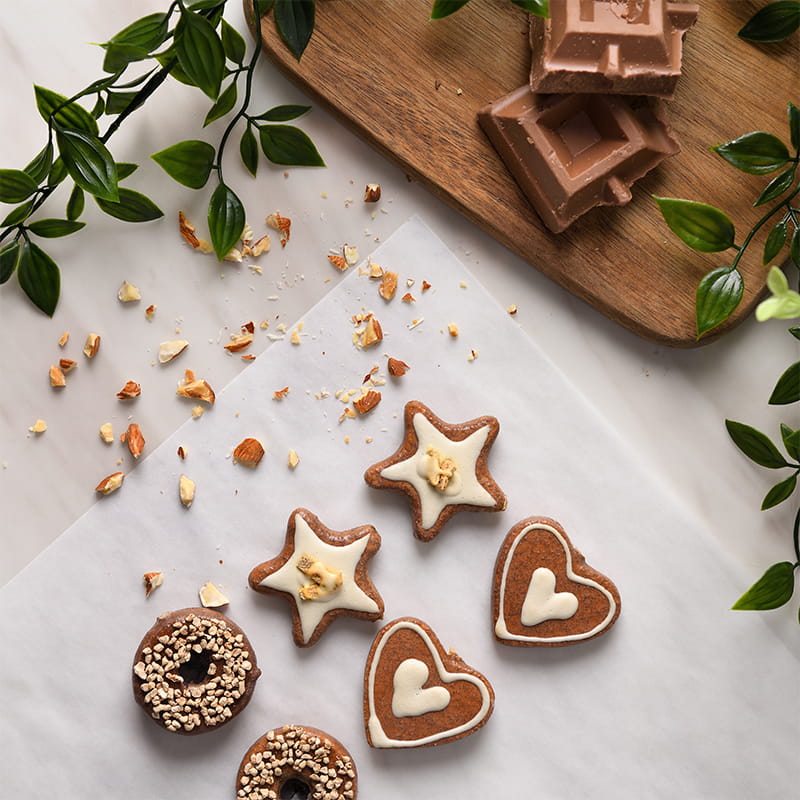
Product Features: 1. Virgin wood pulp 2. Double sides food grade silicone-treated 3. Fluorine-free 4. Non-stick 5. Oven/Microwave safe 6. Freezer safe 7. Reusable 8. BPA f...
See Details -
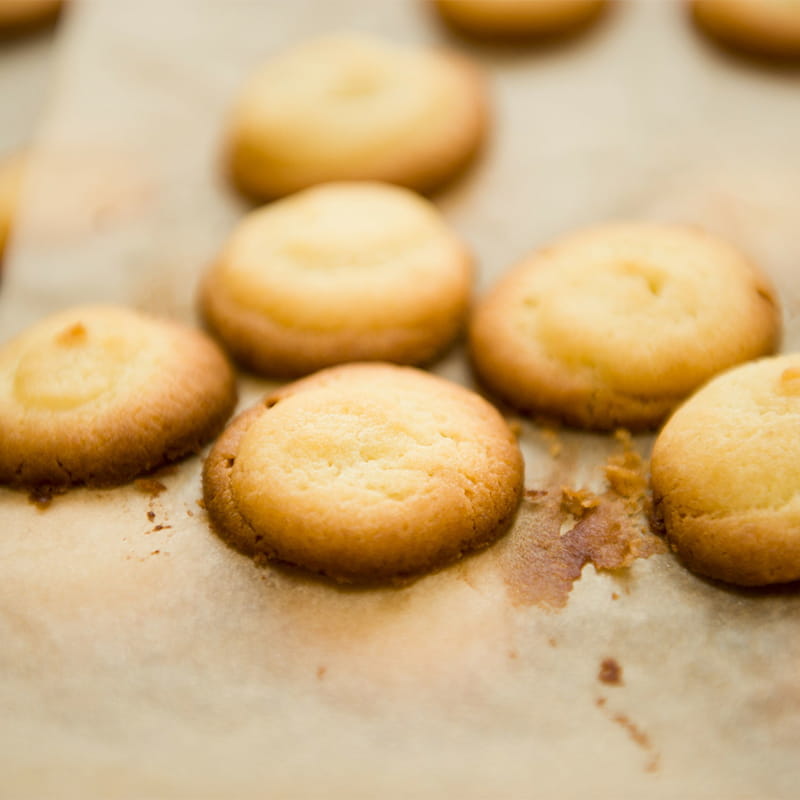
Product Features: 1. Virgin wood pulp 2. Natural unbleached brown color 3. Double sides food grade silicone-treated 4. Fluorine-free 5. Non-stick 6. Oven/Microwave safe 7. Fre...
See Details -
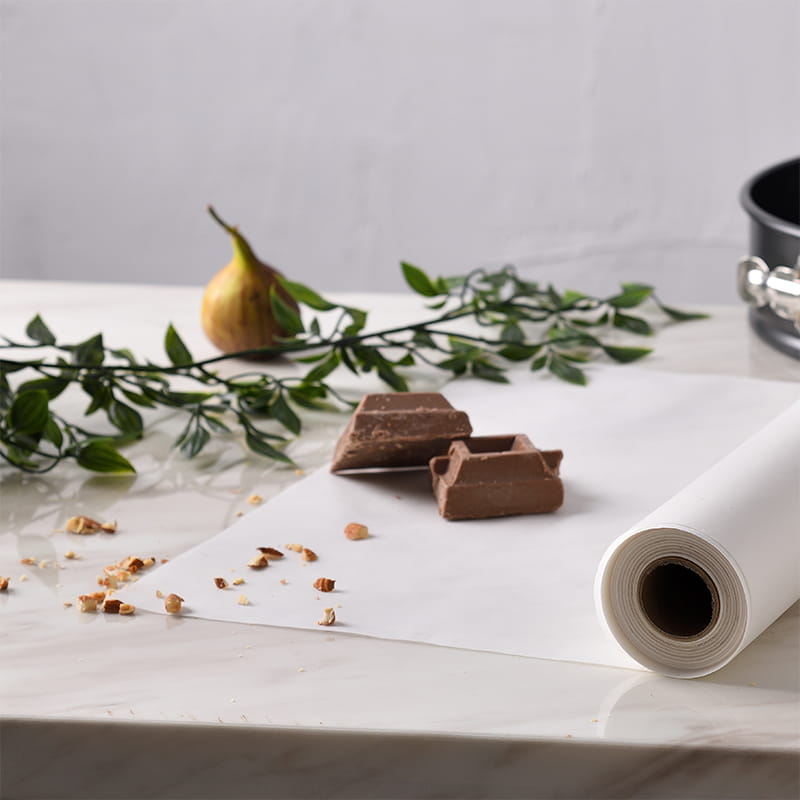
Product Features: 1. Virgin wood pulp 2. Double sides food grade silicone treated 3. Fluorine-free 4. Non-stick 5. Oven/Microwave safe 6. Freezer safe 7. Reusable 8. BPA ...
See Details -
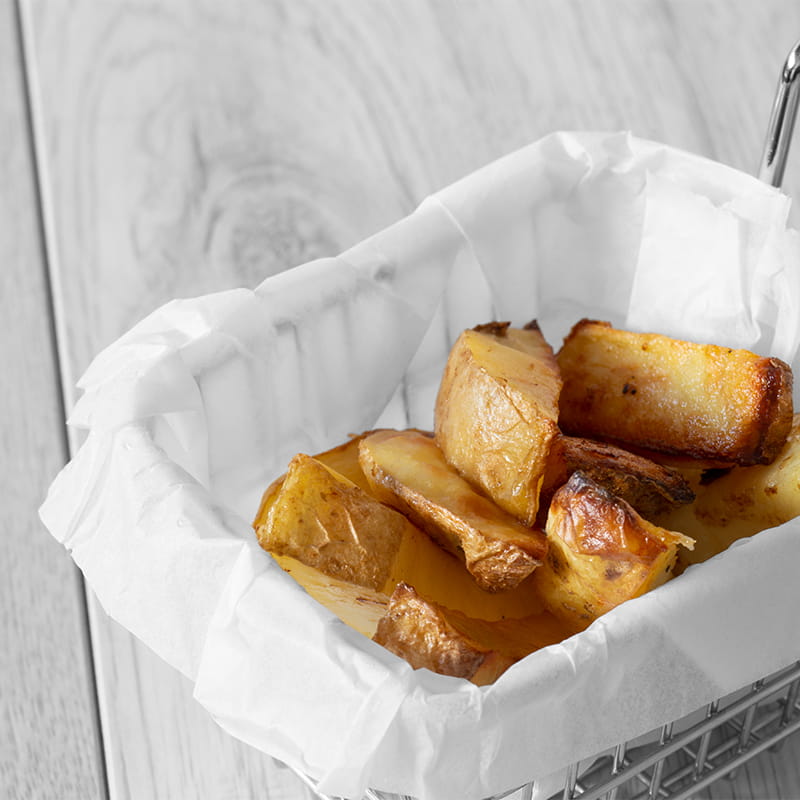
Product Features: 1. Virgin wood pulp 2. Fluorine-free 3. BPA free 4. Biodegradable Product Details: In an era where environmental consciousness and sustainability are paramount, Natu...
See Details -
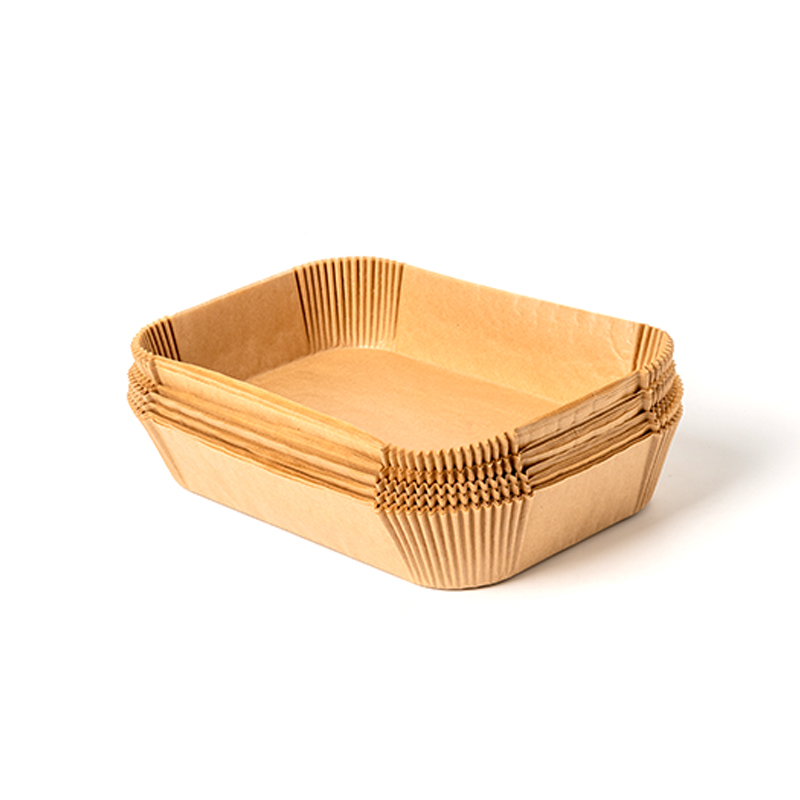
Product Features: 1. Virgin wood pulp 2. Double sides food grade silicone-treated 3. Fluorine-free 4. Non-stick 5. Air fryer basket safe 6. Reusable 7. BPA free 8. Biodeg...
See Details -
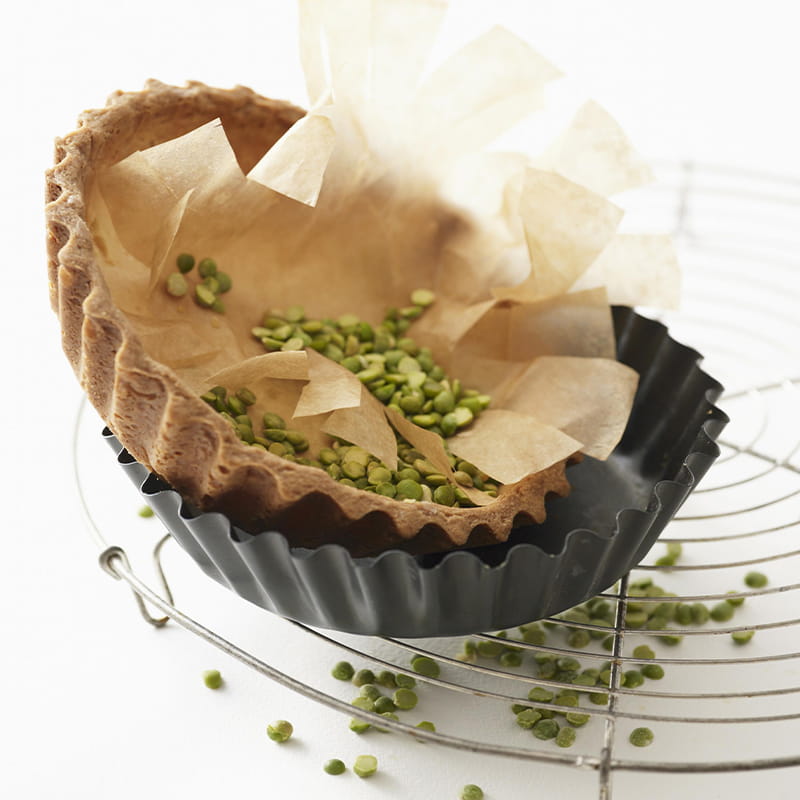
Product Features: 1. Virgin wood pulp 2. Natural unbleached brown color 3. Fluorine-free 4. BPA free 5. Biodegradable Product Details: Introducing our Unbleached Brown Food Grade ...
See Details -
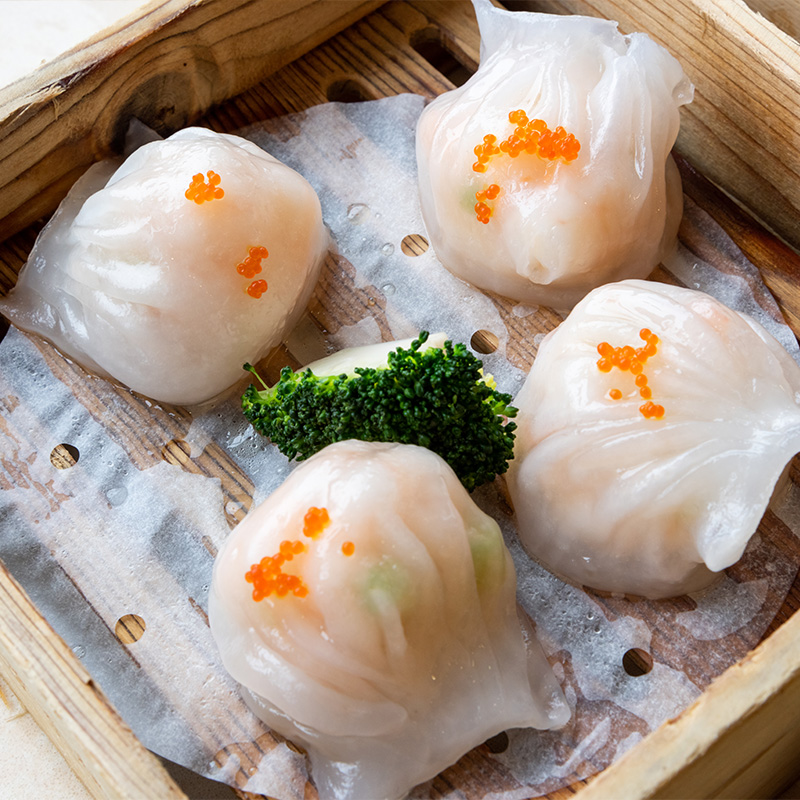
Product Features: 1. Virgin wood pulp 2. Double sides food grade silicone treated 3. Fluorine-free 4. Non-stick 5. Steamer/air fryer basket safe 6. Reusable 7. BPA free 8...
See Details -
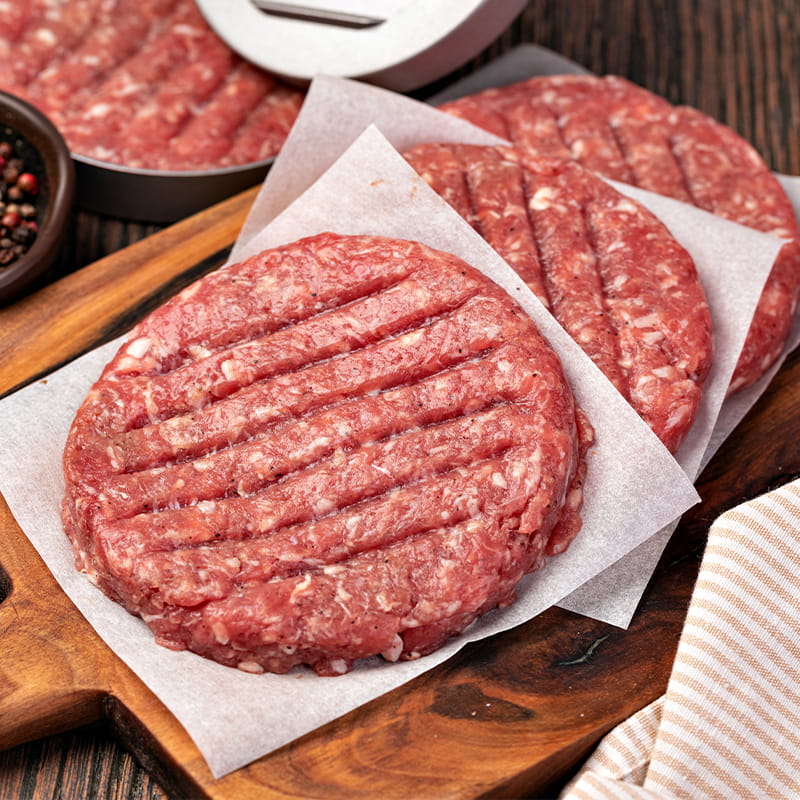
Product Features: 1. Virgin wood pulp 2. Double sides food grade silicone treated 3. Fluorine-free 4. Non-stick 5. Easy to separate 6. Reusable 7. BPA free 8. Biodegradab...
See Details -
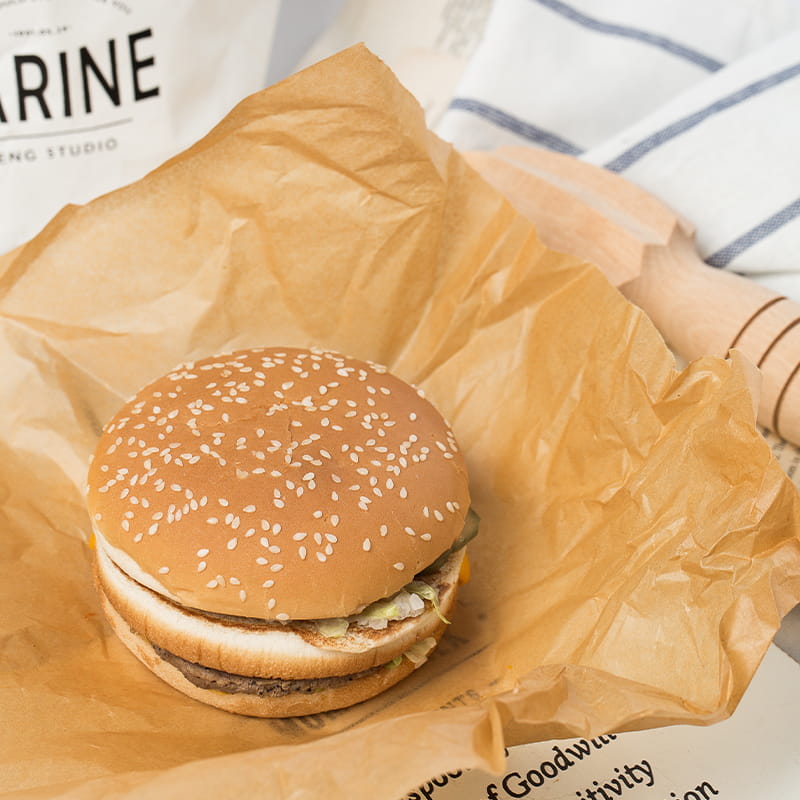
Product Features 1. Virgin wood pulp 2. Flexographic printing 3. Eco-friendly water-based ink 4. BPA free Product Details: Introducing our premium Greaseproof Sandwich Paper Sheets, a...
See Details

Professional Baking Parchment Paper Manufacturer in China with more than 15 years silicone coating experience.
Products
Contact Us
- No.10 Longyin Road, Chengnan Industrial Park,Longyou, Quzhou, China.
- +86-18968091013 / +86-571-88639705
- Avayao-1990@hotmail.com
Copyright © Zhejiang Guanghe New Materials Co., Ltd. All Rights Reserved.
Parchment Paper & Baking Paper Sheets Manufacturer
