 English
 中文简体
中文简体
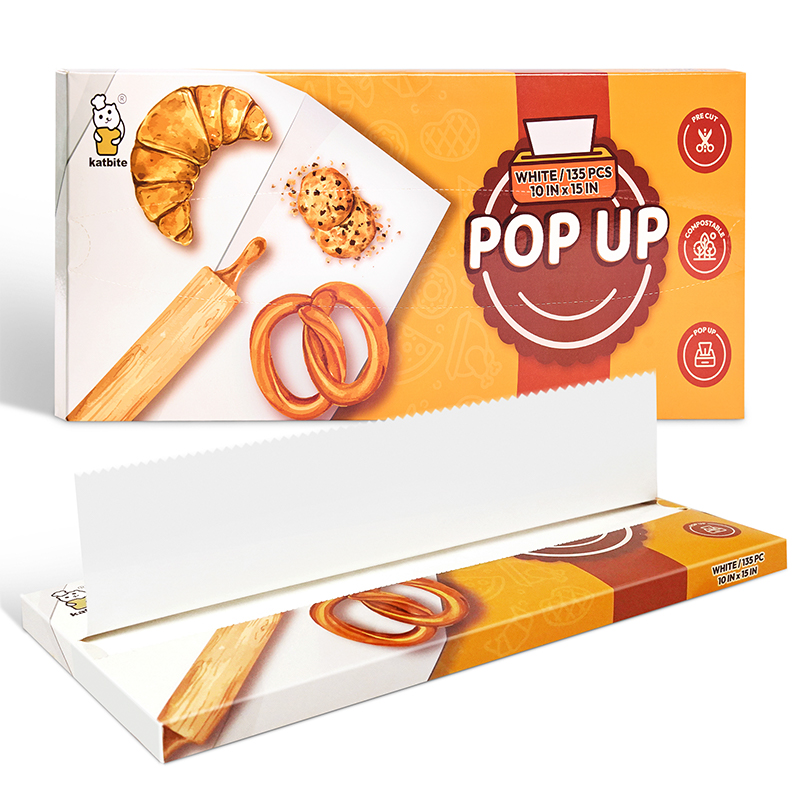
Pre Cut Baking Paper Sheets are made from wood pulp and coated on both sides with a food-safe silicone layer. This coating gives the paper a smooth, greaseproof, and moisture-resistant surface that su...
See DetailsHow to Reuse Baking Paper Safely?
Baking paper, including options from a reliable Baking Paper Supplier, continues to serve as a dependable element in kitchens where oven cooking forms part of regular meal preparation. After completing its primary role, a significant number of sheets maintain enough functional qualities to support additional tasks when handled with appropriate care. This article examines realistic approaches to reusing baking paper, along with essential precautions that help preserve its performance and uphold safe food contact practices.
The Underlying Basis for Reuse
The surface treatment applied during production establishes a barrier that restricts deep absorption of fats, sugars, and moisture throughout the heating process. When baked or roasted items separate cleanly after the session, the sheet usually exhibits only light surface impressions—scattered crumbs, a thin oil film, or faint even browning—rather than heavy saturation or encrusted buildup. This limited engagement leaves the cellulose fiber structure largely intact, retaining sufficient strength and pliability for further low- to moderate-intensity roles.
Paper used for straightforward preparations with minimal added fat—such as plain shortbread rounds, simple seeded crackers, or lightly seasoned roasted vegetables—often retains a surface that continues to discourage attachment in comparable settings. The coating's low surface energy keeps residues primarily on the exterior, making visual inspection straightforward. In contrast, sessions involving substantial caramelizing sugars, melted chocolate, or generous butter layers tend to deposit more tenacious material, requiring stricter evaluation before any continued oven use.
The foundation for reuse lies in the paper's original engineering: a deliberate equilibrium between absorbency control and resistance to repeated thermal stress. When the initial cycle leaves the sheet in favorable condition, the same characteristics can support additional service under suitably aligned circumstances.
Post-Use Assessment Process
Permit the paper to cool completely to room temperature before beginning any evaluation. Lingering warmth can render residues tackier and hinder accurate judgment. Spread the sheet flat on a clean work surface and inspect it carefully under adequate lighting. Look for overall uniformity, absence of dark scorched patches, and no tears, thinning, or delamination particularly along edges or fold lines where mechanical stress concentrates during handling.
Sections showing only loose particles, a removable oil sheen, or pale even discoloration frequently indicate suitability for another light oven application. Zones displaying hardened drips, sticky caramel areas, or deeply embedded fragments signal caution and typically belong in non-heating functions or should be retired from direct food contact. Perform a gentle fold test in multiple directions to verify continued flexibility without cracking or layer separation. Sheets that remained flat and received even heat during their use generally preserve better structural condition for reuse.
Organize sheets according to the nature of their previous contents. Those from vegetable roasting, plain doughs, or herb-seasoned items commonly qualify for similar low-residue oven tasks. Paper that contacted sugary glazes, nut-dense batters, or high-fat mixtures calls for more restrained application and often transitions more naturally to wrapping, separating, or protective covering roles. This preliminary grouping reduces the risk of unintended flavor transfer and supports predictable behavior across extended use.
| Previous Contents | Typical Residue Level | Recommended Reuse Category | Main Reason / Benefit |
|---|---|---|---|
| Vegetable roasting, plain doughs, herb-seasoned items | Low residue | Similar low-residue oven tasks | Clean release, minimal flavor risk |
| Sugary glazes, nut-dense batters, high-fat mixtures | Higher / sticky residue | Wrapping, separating, protective covering | Prevents flavor transfer, safer for non-oven roles |
Gentle Cleaning Methods
With the sheet fully cooled, start by dislodging loose debris through gentle shaking over a sink or waste container. A soft dry brush or folded absorbent towel can remove surface crumbs and light oil traces without introducing moisture. Many lightly used sheets require no additional cleaning and can proceed directly to storage or immediate reuse.
When a faint residual film remains, a dry cloth passed lightly over the surface often removes the majority of it. If a brief rinse under cool running water seems necessary to address minor stubborn spots, limit exposure time and blot promptly with a clean towel. Extended water contact risks softening the fibers and reducing the coating's barrier effectiveness in future heating cycles. Place the rinsed sheet flat on a drying rack or clean towel in a well-ventilated spot, allowing thorough air drying before any folding or rolling.
Use clean scissors to excise any visibly compromised, heavily marked, or creased portions. The remaining sound sections can then line smaller trays, support secondary baking tasks, or serve non-oven purposes. Selective trimming maximizes usable surface area while eliminating regions that could affect food safety or detachment performance.
Storage Approaches for Ongoing Availability
Store prepared sheets in a consistently cool, dry environment protected from humidity, heat sources, and direct sunlight. Flat stacking between rigid cardboard sheets or placement in a shallow drawer maintains smoothness and readiness. When space necessitates rolling, keep the roll relaxed and fasten it with a soft fabric strip rather than adhesive materials that might leave residue.
Attach a brief label to each stack or roll noting the previous food category and approximate date of initial use. This basic record facilitates matching sheets to compatible future tasks and prevents accidental mixing of differing residue profiles. For longer storage intervals, enclose stacks in breathable paper envelopes or cloth bags that allow air circulation and discourage moisture retention.
Sustained dry conditions preserve the coating's responsiveness and maintain fiber suppleness. Organized storage converts reuse from an occasional practice into an integrated part of kitchen organization.
Suitable Oven Applications for Reused Sheets
Reused baking paper functions effectively in low-moisture oven roles. Lining a tray for a follow-up batch of plain biscuits, simple crackers, or lightly seasoned vegetable pieces often proceeds smoothly when the surface stayed relatively clear after the cycle. The residual barrier properties continue to promote uniform color development and clean separation.
In parchment-packet preparations, a previously used sheet can enclose moderate-moisture combinations—sliced vegetables with fresh herbs, fish portions with citrus slices, or lean poultry cuts—provided earlier residue remains light and flavor-neutral. The coating retains adequate containment capability for gentle steaming or enclosed cooking.
When placing delicate items such as meringues or thin crisp cookies on a reused sheet, choose one with minimal prior contact and monitor closely during the few minutes to confirm release behavior. The existing surface can still facilitate gradual drying and smooth lifting when carefully paired with the preparation.
Non-Heating Kitchen Functions
Reused sheets offer wide utility beyond the oven. Insert pieces between layers of rolled dough, stacked pancakes, or pre-baked goods during refrigeration or freezing to prevent sticking. Narrow strips folded into channels can guide drizzles of glaze or sauce during finishing without direct food contact.
In meal-packing routines, clean sections wrap sandwiches, portion cut fruit, or separate components within containers, preserving freshness and cleanliness without unnecessary bulk. The paper's adaptability allows it to conform to various shapes while providing a sanitary barrier.
During dough preparation, sheets protect work surfaces from flour scatter and simplify cleanup after shaping or kneading. Leftover pieces cover rising bowls, line proofing baskets, or serve as gentle supports under delicate items during chilling.
For serving and presentation, small cut squares act as individual bases for appetizers, small desserts, or plated elements, lifting away cleanly after the meal. These routine applications weave reuse into daily patterns that extend considerably beyond baking and roasting.
Aligning Previous Contact with New Purposes
Sheets that once held bold, aromatic ingredients like garlic marinades, heavy spice blends, or strong cheeses can carry faint echoes of those flavors. Keep them for savory dishes with similar profiles or for plain, unflavored bases so they don’t unintentionally change the taste of more delicate recipes. Paper that touched acidic fruit compotes, lemon glazes, or other tart mixtures might show small alterations on the surface that affect how well new batters or doughs release in sweet bakes.
Thicker, stubborn residues left by caramel, toffee, melted chocolate, or very buttery mixtures often stay even after wiping and can interfere with the coating’s ability to perform in the oven again. Guide those sheets toward jobs like wrapping dough for chilling, separating layers of cookies in a container, or covering bowls during rising rather than placing them under food that will be heated. Pairing a sheet's past experience with the needs of the current task keeps both the cooking results and the flavors true to plan.
When planning another round of roasting or baking, reach for sheets that previously lined trays for vegetables, simple fish or chicken portions, or basic doughs without rich additions. This careful matching lowers the chance that leftover oil will spread unevenly or cause patchy browning in the next session.
Food Safety First
Food safety shapes every choice about reusing a sheet. Before putting it back into service, look closely for any sign of mold, strange smells, or odd color changes. A sheet that still looks clear and smells neutral is a good sign it remains safe for food contact.
Keep reused paper within the same general temperature range it experienced before—or lower. The surface treatment holds up well through normal home-oven heat, but repeated time at very high temperatures can slowly weaken its protective layer. Letting the sheet cool completely between each use gives it time to settle and behave consistently.
| Food Safety Aspect | Key Check / Guideline | Purpose / Benefit |
|---|---|---|
| Visual & sensory inspection | Look for mold, strange smells, odd color changes | Ensures no contamination; clear + neutral = safe |
| Temperature limit | Reuse at same or lower temperature than before | Prevents gradual weakening of protective coating |
| Cooling requirement | Allow complete cooling between each use | Lets material recover and maintain consistent performance |
Always touch reused sheets with freshly washed hands and set them down on clean counters to avoid bringing in unwanted particles. In homes where certain foods trigger allergies or where specific diets are followed, setting aside particular sheets for certain ingredient groups adds a helpful layer of separation.
Cut away any torn edges, deep creases, or clearly worn spots before placing food on the sheet again. The remaining undamaged parts can still work well for tasks that don't involve direct contact, such as shielding the counter during messy mixing or lining a drawer.
Prolonging Service Through Strategic Rotation
After several uses, clear patterns start to show. Sheets that began with dry, low-fat bakes tend to handle a handful of gentle sessions when they receive proper cleaning and storage each time. Surface wear builds slowly, but the release quality often stays good enough for thoughtfully chosen follow-up jobs.
Switching between heated and non-heated tasks helps spread out the wear. One sheet might start by lining a tray for a batch of cookies, then move to dividing layers of rolled pastry in the refrigerator, and later become a simple sling inside a bread pan for easy lifting. Moving through different roles in this way keeps the material in play longer without overtaxing any single area.
Jot down a quick note on the storage label each time the sheet goes through the oven. When lifting food starts to feel noticeably harder or tiny bits seem stuck more firmly than before, shift that sheet over to wrapping duties or protective covering instead of food-contact work.
Creative Routine Applications
Reused baking paper slips easily into ordinary kitchen jobs. Slip pieces between layers of cookies, muffins, or pancakes headed to the freezer so they don’t freeze together. Folded scraps can line small dishes for marinating meat or vegetables overnight without the food touching the container directly.
While putting together pastries or pies, lay a sheet under the work area to catch drips and stray flour, then use it to help slide delicate cut-outs onto a tray. Freshly cut sections can drape over sliced apples, pears, or avocados in the refrigerator to keep them from turning brown too quickly.
When packing lunches or snacks, wrap sandwiches, burritos, or fruit portions in clean pieces to keep everything separate and tidy until eating time. Small squares placed under individual servings on a platter give a neat base that peels away cleanly after the meal.
These everyday uses bring the paper into regular rotation, stretching its usefulness well past the oven.
Developing Consistent Reuse Practices
People who reuse baking paper regularly build small, reliable systems. Set aside a particular spot in a drawer or a labeled box just for sheets that have passed inspection after use. Keep them grouped loosely by the kind of food they last touched so picking the right one next time takes only a moment.
Make the quick check part of the cooling-down routine. While the baked goods rest and firm up, look over the paper, brush off crumbs, and decide where it goes next—all while the tray is still on the counter. Folding this step into the natural end of baking helps avoid throwing away sheets that still have life left.
Talk about what works in the household or shared kitchen. Notice which recipes leave the paper almost spotless and which ones leave more behind. Sharing those observations helps everyone pick up the same useful habits and keeps the process running smoothly.
Seasonal Considerations
In warmer weather, when meals lean toward fresh vegetables, salads, and lighter roasting, reused sheets get plenty of use for tray-lining and simple packets. With less butter, sugar, and heavy fats involved, the paper tends to stay in good shape through several rounds.
When colder months arrive and the kitchen turns to denser loaves, rich cookies, and long-cooked dishes, be more selective. Pull from the stack of sheets that saw lighter duty earlier in the year so they can handle the richer mixtures without trouble.
Around holidays and gatherings, the collection of clean remnants turns useful for wrapping cookies or breads as gifts, lining boxes for transport, or setting under plated treats on the table. The paper's plain, food-safe nature makes it right for both practical support and a tidy appearance.
Handling Typical Challenges
After sitting in storage, some sheets develop a slight curl. Lay the sheet flat and place a heavy cutting board or book on top for a short while to flatten it again without harming the surface. Drying the paper evenly on a flat surface after any rinsing helps prevent curling in the place.
Every so often a hint of earlier flavor shows up in a new recipe. When trying a sheet in a different kind of dish, bake a small test piece with plain ingredients first. That quick check confirms whether the paper will work without affecting taste.
When release starts feeling less smooth after a few uses, it usually means very fine residue has built up over time. Move the sheet to covering bowls, wrapping leftovers, or other no-heat jobs as soon as the change becomes clear, keeping the kitchen moving without frustration.
Integrating Reuse into Kitchen Workflow
Once reuse settles into regular habits, the whole kitchen routine feels smoother. Less time spent scrubbing trays means more attention for measuring ingredients, adjusting seasonings, and arranging plates. Having sheets ready for the next task keeps multi-step or batch cooking from feeling rushed.
In kitchens where people learn together or cook as a group, showing how to check and store sheets encourages others to try it. Seeing the paper last through several uses helps build shared practices that cut down on unnecessary waste.
Over weeks, months, and longer, these small routines create a natural flow. Sheets move steadily from main baking duty to supporting roles and finally to general kitchen tasks, fitting easily around changing schedules and needs.
Maintaining Performance Across Cycles
Paying close attention during each cycle keeps the paper working well. Storing it flat in dry conditions preserves the coating’s grip and the fibers’ flexibility. Rotating the stack so older sheets take on lighter jobs helps everything perform evenly.
When using both new and reused sheets on one tray, place the cleaner reused ones under simpler items and save fresh paper for anything that might stick more easily. Thoughtful placement helps everything cook and release evenly.
The more a cook watches how sheets behave over time, the better the decisions become. That growing familiarity turns reuse into something instinctive rather than extra work.
Supporting Resource-Conscious Practices
Giving baking paper a longer life fits naturally with ways of cooking that value both good results and careful use of supplies. Every extra round means fewer new sheets while still providing solid release, containment, and protection. The paper's build allows this added service when treated with care.
In everyday home kitchens and smaller setups, steady habits of checking, cleaning, and storing add up to noticeably easier days. Counters stay clearer, pans last longer in good shape, and the focus stays on the pleasure of cooking instead of constant restocking.
Closing Perspective on Thoughtful Extension
Reusing baking paper grows out of its carefully designed surface and gentle way of interacting with food in the oven. With attentive inspection, light cleaning, and proper storage, the sheets keep offering steady help in many kitchen jobs. The ideas here focus on straightforward steps that honor the paper's boundaries while protecting food quality and ease of use.
Putting these steps into practice creates a comfortable rhythm where each sheet plays several parts before stepping away from food work. Whether lining trays for roasted vegetables, dividing pastry in the fridge, wrapping items for carrying, or guarding surfaces during prep, the paper quietly adjusts to whatever comes next. That extended role supports calm, enjoyable cooking sessions, leaving room to concentrate on taste, texture, and presentation.
The balance between the coating and the fiber core makes this flexibility possible when given mindful attention. A clean lift early on sets the stage for later uses, and careful storage keeps the sheet ready for different tasks. Over time these patterns become part of personal kitchen ways, suiting individual tastes, family size, and the changing ingredients of the seasons.
Building quick checks into the cooling stage, sorting sheets by what they touched before, and moving them through different jobs helps kitchens develop habits that improve both daily flow and overall satisfaction. The payoff shows in neater spaces, better-kept tools, and a gentle sense of balance with resources that pairs well with the creative side of preparing meals.
Reused baking paper takes an active part in everyday kitchen life, giving reliable support cycle after cycle when guided by careful watching and handling. Its ongoing place highlights how well-designed, flexible materials reward thoughtful care, helping create pleasant and dependable results through many cooking sessions.
Zhejiang Guanghe New Materials Co., Ltd.
In kitchens where thoughtful reuse extends the life of everyday tools, Guanghe baking paper from Zhejiang Guanghe New Materials Co., Ltd. fits naturally into the cycle. This setup supports an annual output exceeding 20,000 tons, delivering food-grade parchment in forms such as rolls, sheets, air fryer liners, steaming papers, and greaseproof varieties, the products emphasize consistent non-stick performance, heat resistance, and options that include eco-friendly variants for sustainable preferences.
As sheets move through careful evaluation, gentle cleaning, strategic rotation, and varied applications—from tray lining and packet steaming to dough separation and lunch wrapping—Guanghe baking paper supports the quiet rhythm of mindful kitchen practices, aligning reliable release and minimal cleanup with the evolving demands of home cooking and broader food preparation needs.
Related Products
-
-
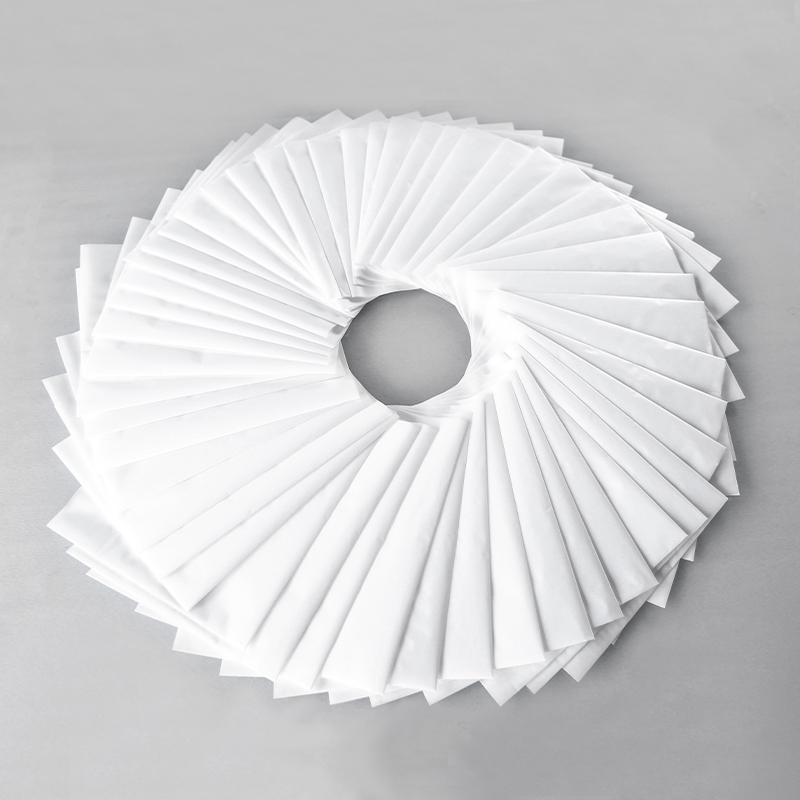
Folded Baking Paper Sheets, also known as Non Stick Baking Paper Sheets, are made from wood pulp and coated on both sides with a food-safe silicone layer. This coating gives the paper a smooth, grease...
See Details -
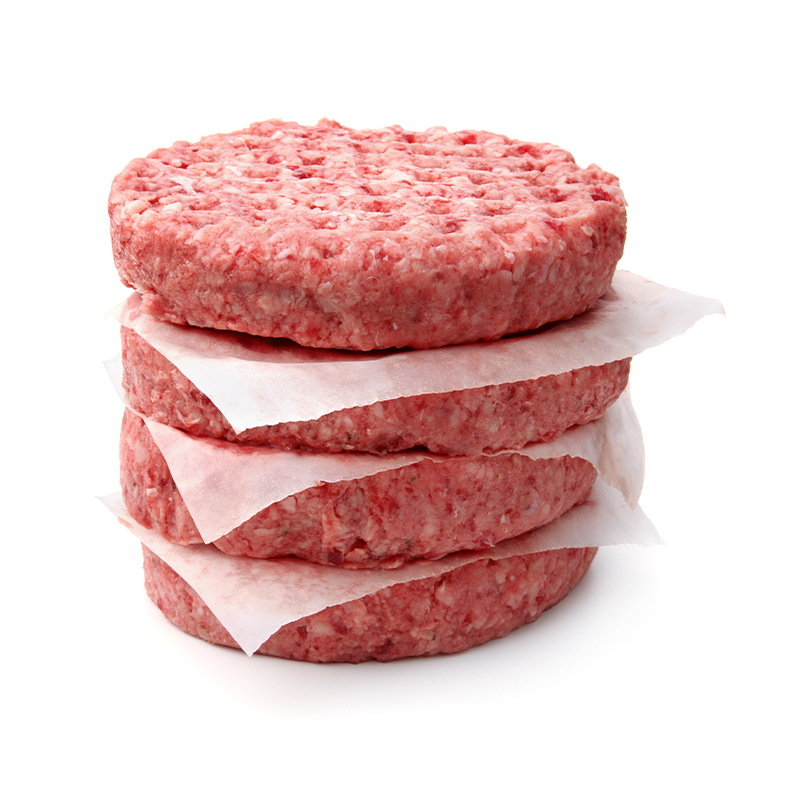
Description: Wax paper is the paper that is coated with food-grade wax in order to make it non-stick and waterproof. wax paper is very good for food storing and presentingMade of food-grade paper and ...
See Details -
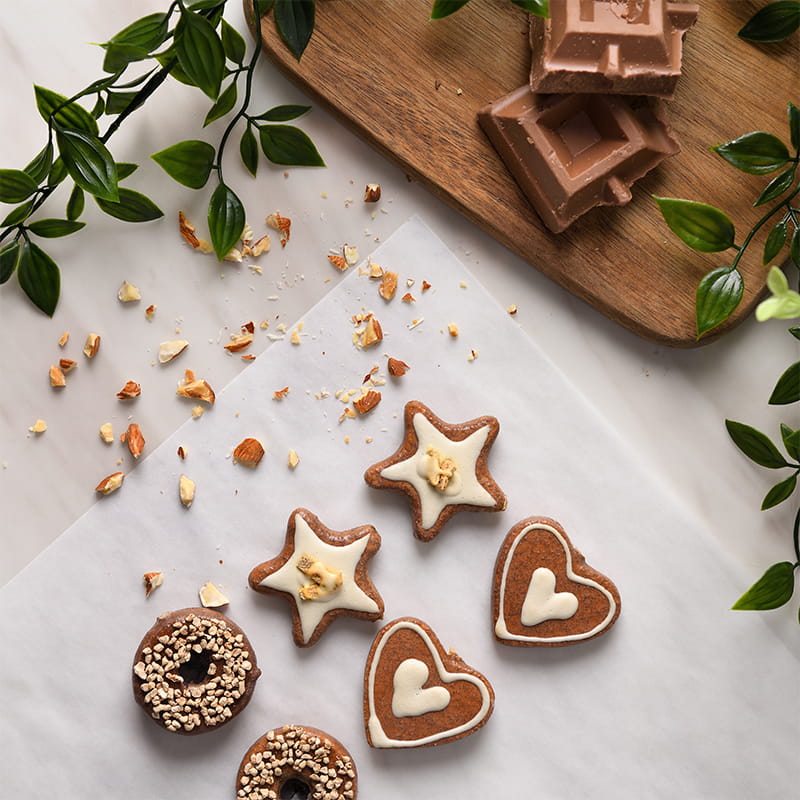
Product Features: 1. Virgin wood pulp 2. Double sides food grade silicone-treated 3. Fluorine-free 4. Non-stick 5. Oven/Microwave safe 6. Freezer safe 7. Reusable 8. BPA f...
See Details -
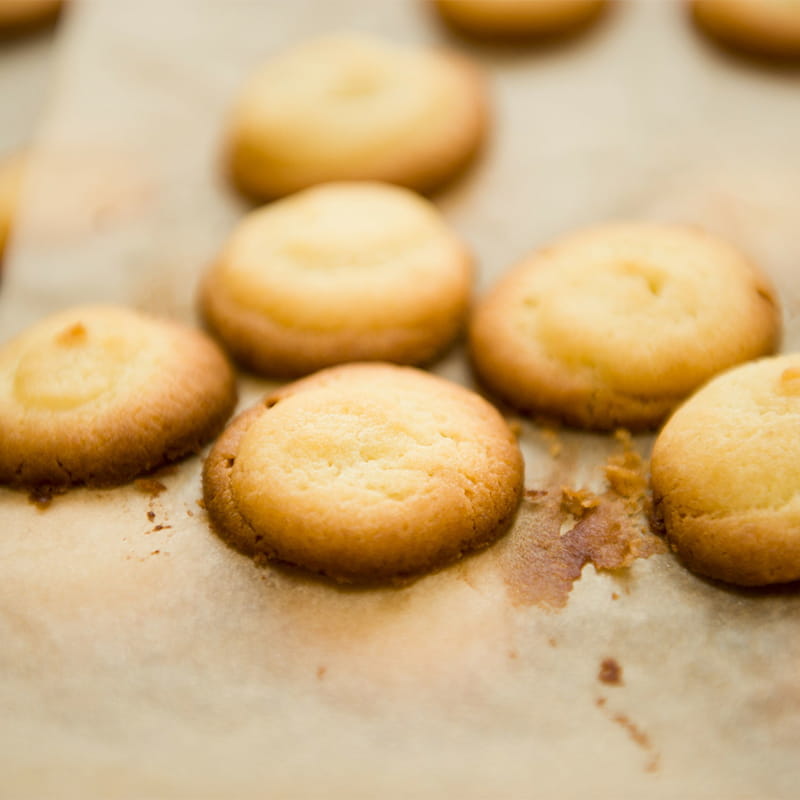
Product Features: 1. Virgin wood pulp 2. Natural unbleached brown color 3. Double sides food grade silicone-treated 4. Fluorine-free 5. Non-stick 6. Oven/Microwave safe 7. Fre...
See Details -
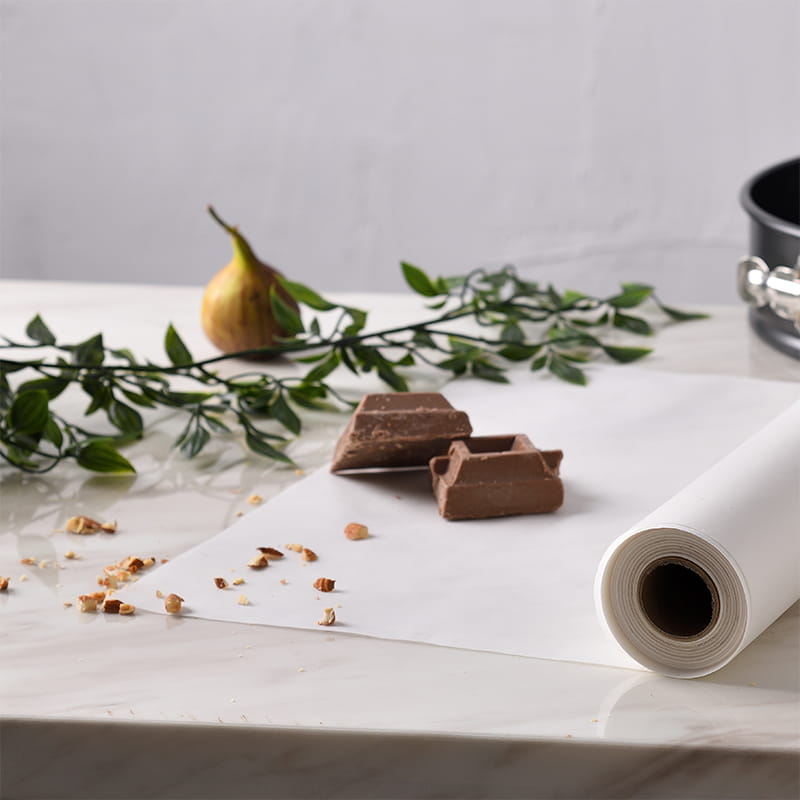
Product Features: 1. Virgin wood pulp 2. Double sides food grade silicone treated 3. Fluorine-free 4. Non-stick 5. Oven/Microwave safe 6. Freezer safe 7. Reusable 8. BPA ...
See Details -
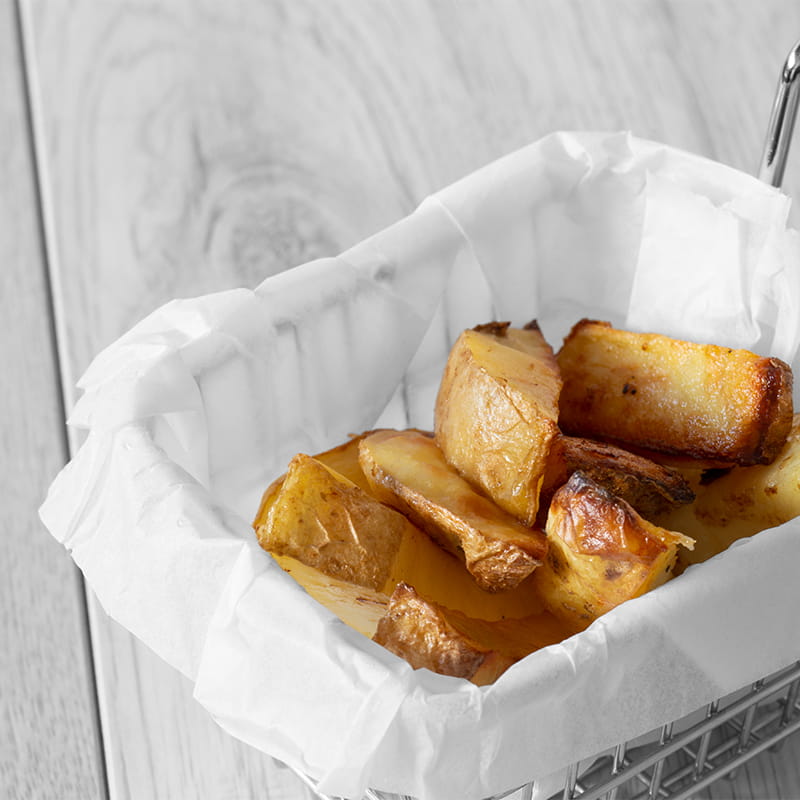
Product Features: 1. Virgin wood pulp 2. Fluorine-free 3. BPA free 4. Biodegradable Product Details: In an era where environmental consciousness and sustainability are paramount, Natu...
See Details -
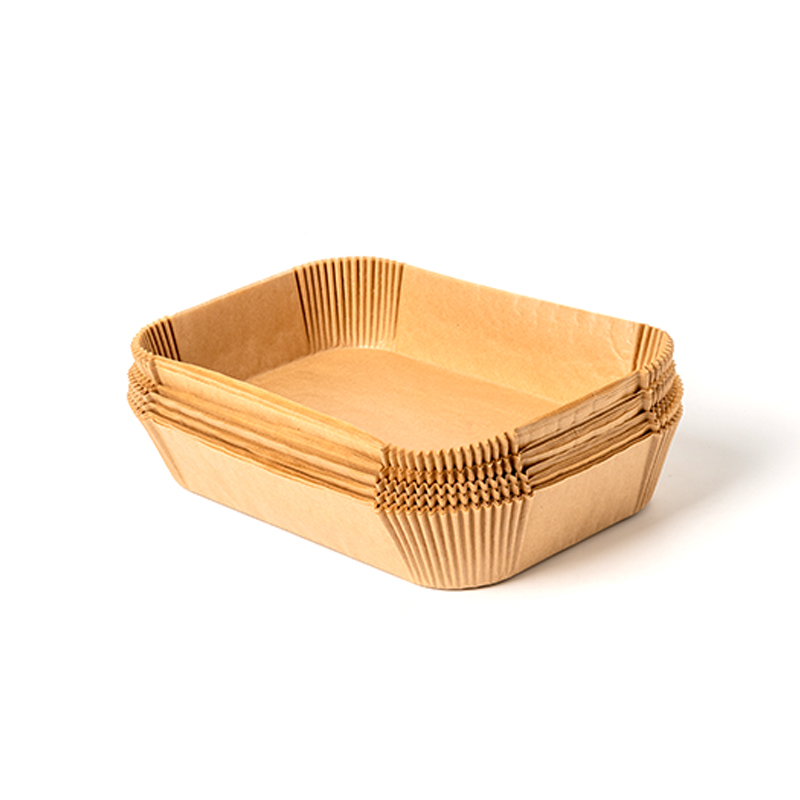
Product Features: 1. Virgin wood pulp 2. Double sides food grade silicone-treated 3. Fluorine-free 4. Non-stick 5. Air fryer basket safe 6. Reusable 7. BPA free 8. Biodeg...
See Details -
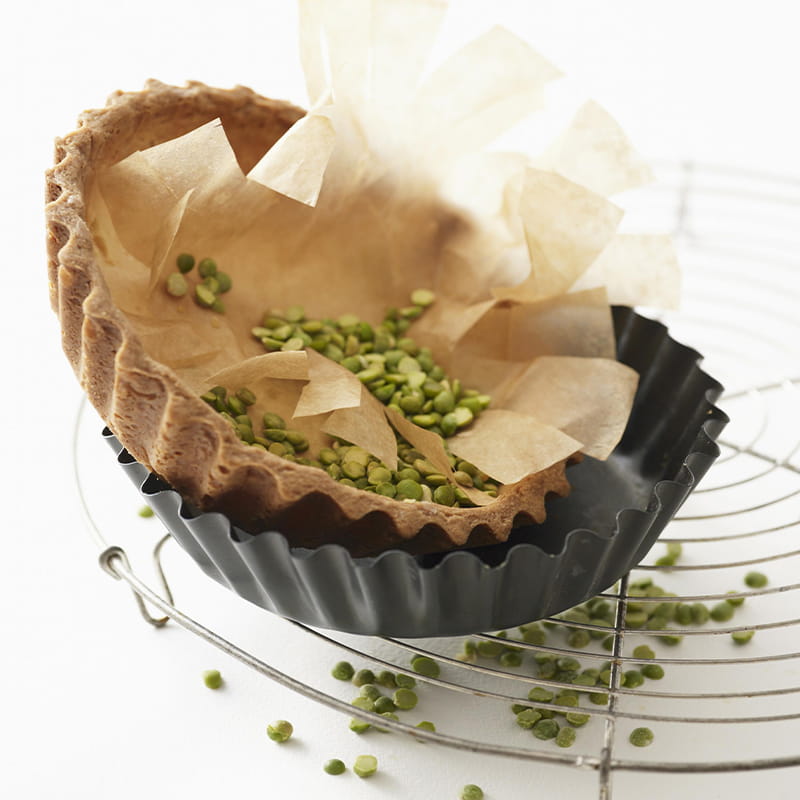
Product Features: 1. Virgin wood pulp 2. Natural unbleached brown color 3. Fluorine-free 4. BPA free 5. Biodegradable Product Details: Introducing our Unbleached Brown Food Grade ...
See Details -
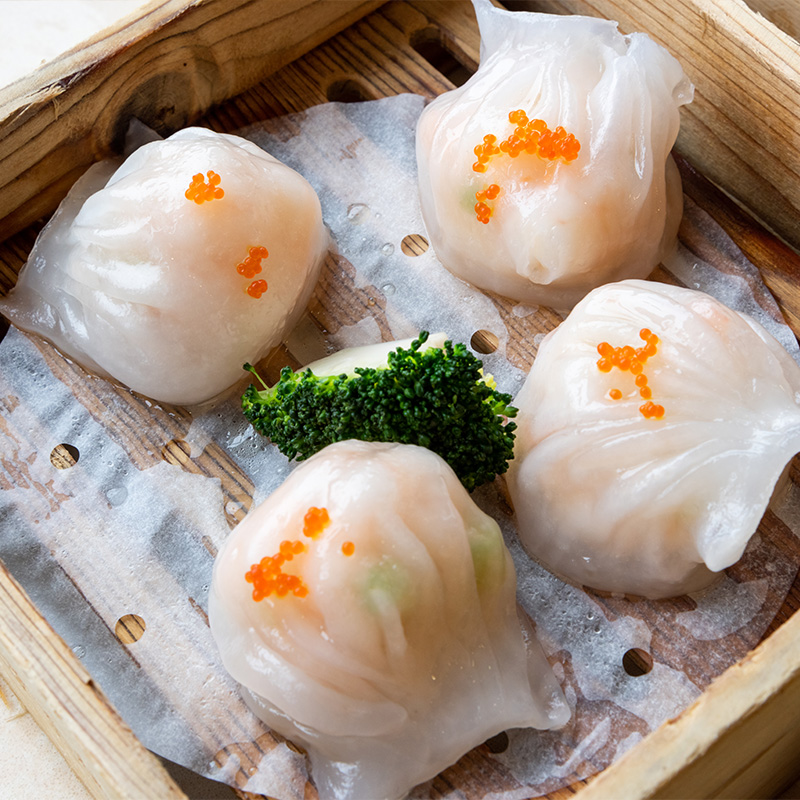
Product Features: 1. Virgin wood pulp 2. Double sides food grade silicone treated 3. Fluorine-free 4. Non-stick 5. Steamer/air fryer basket safe 6. Reusable 7. BPA free 8...
See Details -
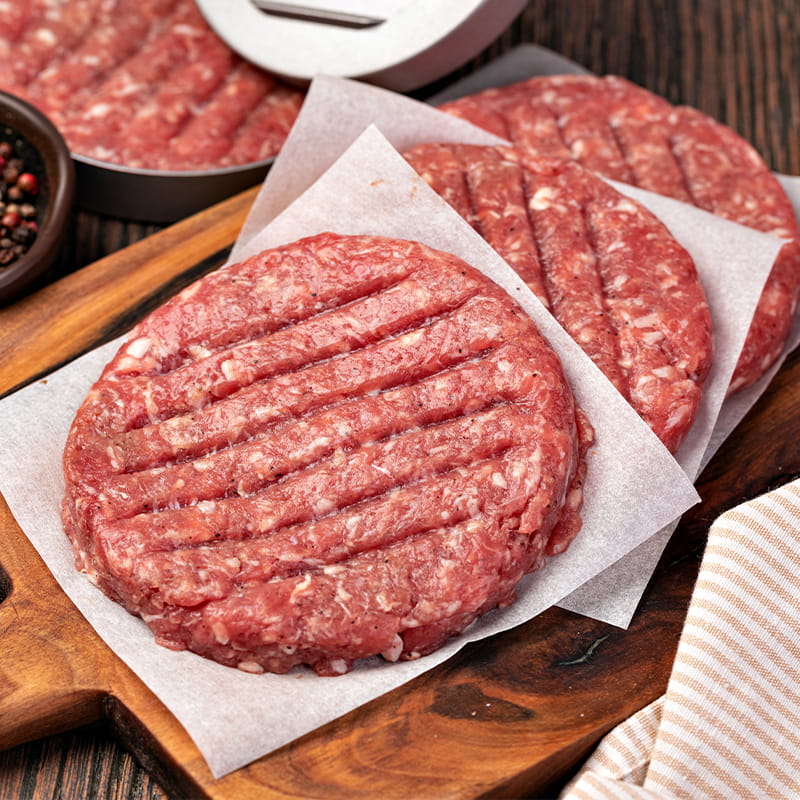
Product Features: 1. Virgin wood pulp 2. Double sides food grade silicone treated 3. Fluorine-free 4. Non-stick 5. Easy to separate 6. Reusable 7. BPA free 8. Biodegradab...
See Details -
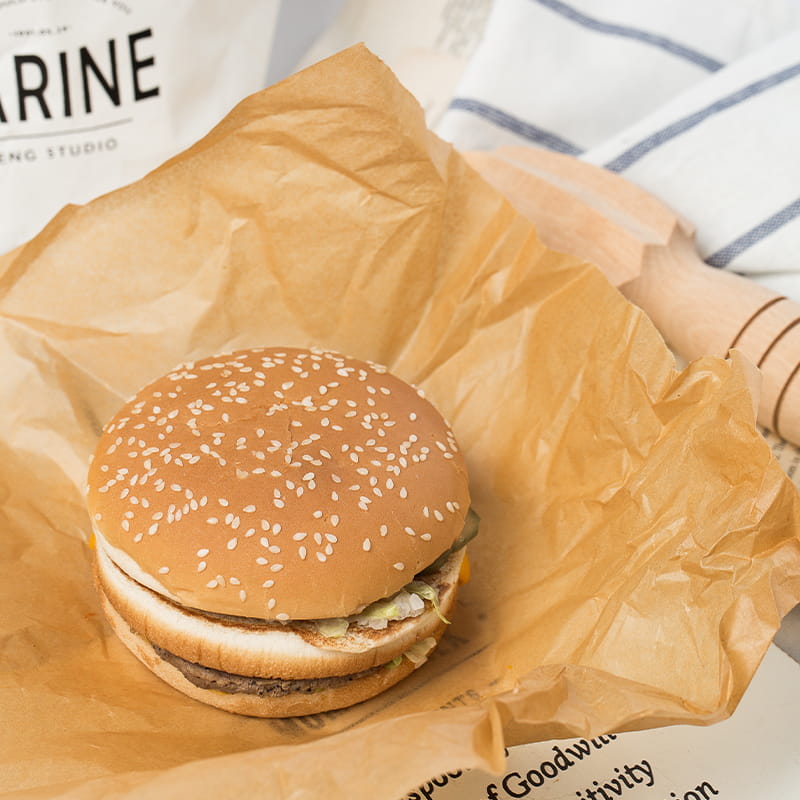
Product Features 1. Virgin wood pulp 2. Flexographic printing 3. Eco-friendly water-based ink 4. BPA free Product Details: Introducing our premium Greaseproof Sandwich Paper Sheets, a...
See Details

Professional Baking Parchment Paper Manufacturer in China with more than 15 years silicone coating experience.
Products
Contact Us
- No.10 Longyin Road, Chengnan Industrial Park,Longyou, Quzhou, China.
- +86-18968091013 / +86-571-88639705
- Avayao-1990@hotmail.com
Copyright © Zhejiang Guanghe New Materials Co., Ltd. All Rights Reserved.
Parchment Paper & Baking Paper Sheets Manufacturer
