 English
 中文简体
中文简体
Pre Cut Baking Paper Sheets are made from wood pulp and coated on both sides with a food-safe silicone layer. This coating gives the paper a smooth, greaseproof, and moisture-resistant surface that su...
See DetailsHow Does Baking Paper Resist Oil and Moisture?
Baking paper plays a quiet but essential role in kitchens everywhere, from small home setups to busy commercial operations. Cooks rely on it to keep pans clean, help food release without struggle, and handle the fats, oils, and water that emerge during heating. What sets this material apart from regular paper lies in its deliberate design to confront oil and moisture without losing strength or purpose.
How Ordinary Paper Interacts with Liquids
Regular paper consists of cellulose fibers arranged in a relatively open formation. Spaces between those fibers allow liquids to move inward through tiny channels. Water, with its polar nature, bonds readily to the hydroxyl groups along the fibers, causing them to swell and the sheet to soften or tear. Oils and fats, being non-polar, move more slowly but still seep through those same openings over time, especially when warmed and made thinner. The result is a weakened sheet, stained surfaces, and food that clings stubbornly.
Structural Modifications in Baking Paper
Baking paper begins with the same cellulose base but undergoes changes that close those pathways and alter surface interactions. The process starts with the pulp. Fibers receive prolonged mechanical treatment—beating and refining in water—that frays their surfaces into fine fibrils. When these form into a sheet and dry, the fibrils interlock more thoroughly than in standard paper. This creates a compact arrangement where pore sizes shrink considerably. Fewer and narrower openings mean less room for liquids to travel deep into the structure.
The Role of Dense Fiber Networks
This dense fiber network provides a primary defense against oil. Fats encounter a physical obstacle; their molecules struggle to find routes through the tight lattice. Even when heated and flowing more freely, oils tend to remain closer to the surface rather than saturating the sheet. The same compactness helps with moisture. Water molecules face restricted space, so absorption slows, and fiber swelling stays limited. The sheet retains much of its original strength even in the presence of steam or wet batters.
Surface Treatments for Enhanced Protection
Many types of baking paper add a further layer of protection through surface application. A thin, uniform coating spreads across both sides. This layer, often based on a heat-stable compound, lowers the surface energy of the paper. Substances with low surface energy cause oils to form beads instead of spreading out and wetting the fibers. The beading effect reduces contact area, discouraging penetration. The coating also fills microscopic surface irregularities, sealing potential weak spots where liquids might otherwise collect.
Moisture Repellence and Combined Resistance
For moisture, the same low-energy surface repels water droplets, keeping them from spreading or soaking in quickly. Water tends to sit on top longer, giving less opportunity to interact with the underlying cellulose. This combination—dense base plus repellent surface—handles situations where both oil and water appear together, such as roasting cuts of meat that render fat while releasing juices, or baking items with buttery doughs that give off steam.
Key Factors Influencing Resistance Performance
The effectiveness of these properties emerges from several interconnected elements. Fiber length and type influence how well the refining step compacts the sheet. Longer fibers generally form stronger networks when densely packed. The degree of refinement matters greatly; more intensive processing produces finer fibrillation and tighter interlocking. Sheet formation follows, with controlled pressing that enhances uniformity and density without making the material overly rigid.
Contributions of Thickness and Surface Smoothness
Thickness contributes as well. A somewhat heavier sheet offers additional depth to block penetration, though it must stay pliable for practical use like folding into packets or lining curved molds. Smoothing processes during manufacturing reduce surface roughness, further minimizing places where liquids could pool or enter.
Application and Stability of Surface Coatings
The surface treatment requires careful application. Even coverage ensures no thin patches where resistance might fail. The compound bonds reliably to the cellulose, resisting flaking or separation during bending, heat exposure, or contact with food. Heat stability keeps the layer intact across ordinary oven conditions, where temperatures rise but rarely reach that would degrade the treatment.
Impact of Temperature on Liquid Behavior
Temperature influences how liquids behave on the sheet. As heat increases, oils thin out and move more readily, testing the barrier more rigorously. Moisture turns to vapor under similar conditions, creating pressure that pushes against the paper. A well-made sheet counters these effects through its combined physical and surface defenses, maintaining performance without allowing breakthrough or excessive sogginess.
Influence of Food Composition
The composition of the food itself affects outcomes. Thicker fats challenge the barrier less than very fluid oils. Mixtures containing sugars, acids, or salts introduce additional variables—caramelization might form a secondary crust that aids containment, while mild acidity could interact subtly with the fibers over long periods. In typical cooking durations, however, the design holds firm.
Effects of Handling and Storage
Handling introduces its own factors. Sharp creases stress the fibers and coating locally, potentially creating micro-paths if severe. Tears obviously compromise the barrier. Pre-use exposure to humid air allows slight moisture uptake, which can subtly soften the structure before cooking begins. Keeping sheets stored flat and dry preserves their starting condition.
Practical Benefits in Everyday Cooking
In everyday use, these resistances deliver clear advantages. Lining baking trays for cookies, scones, or roasted vegetables keeps melted fats and released juices contained, sparing the pan from scrubbing.
Cakes and muffins lift cleanly from molds without residue clinging behind. When wrapping foods for steaming or gentle poaching, the paper contains liquids without turning limp or leaking.
| Application | Benefit |
|---|---|
| Lining baking trays | Contains fats and juices, keeps pans clean |
| Cakes and muffins | Easy release without residue |
| Wrapping for steaming/poaching | Holds liquids without sogginess or leakage |
Additional Applications Beyond Tray Lining
Beyond simple lining, the material supports other techniques. Separating layers of dough or stacked pastries prevents unwanted adhesion during chilling or freezing. Portioning ingredients for storage keeps surfaces clean and avoids cross-contamination. In parcel-style cooking, where food steams in its own juices inside a folded package, the sheet's dual resistance ensures nothing escapes to the oven floor while allowing vapor to escape gradually for proper texture development.
Comparison with Alternative Materials
Compared to similar materials, baking paper strikes a particular balance. Some papers rely solely on fiber compaction for oil resistance. These handle fats reasonably well for wrapping or low-heat tasks but offer less reliable release and may soften more readily under steam. Other options use wax layers for short-term moisture blocking, but heat causes the wax to soften or transfer, limiting oven suitability. Metal foils conduct heat aggressively and rarely provide inherent non-stick behavior without added fats.
Versatility Across Cooking Scenarios
The design of baking paper—dense structure paired with stable surface modification—fits a broad spectrum of heated, fatty, and humid applications. It releases delicate items smoothly, contains spills effectively, and endures typical baking environments without breaking down or imparting unwanted flavors.
Sustainability and Environmental Aspects
Sustainability enters the picture as production methods evolve. The cellulose base comes from renewable plant sources. Many versions break down naturally under composting conditions after use. Efforts in manufacturing focus on efficient fiber use, reduced processing intensity, and treatments compatible with natural degradation pathways. The goal remains high performance with lower environmental impact.
Insights from Practical Experience
Practical experience reveals subtle differences across tasks. Moderate-fat recipes show containment without issue. Richer preparations test the limits further, underscoring the value of uniform density and coating. High-moisture items like fruit tarts or creamy desserts evaluate water management—sheets that avoid sogginess keep the cooking surface protected and the final product crisp where intended.
Guidelines for Optimal Use
Correct usage extends reliability. Keeping the paper away from open flames preserves the treatment. Allowing circulation in the oven avoids hot spots that stress small areas excessively. Cooling before disposal lets the user see how well the barriers performed under real conditions.
Informed Tool Selection
Familiarity with these traits helps in choosing tools wisely. Situations combining heat, fat, and moisture point toward this material over untreated sheets or less adapted substitutes. Small observations during cooking—contained drippings, effortless release, maintained textures—confirm its utility time after time.
Global Culinary Applications
Culinary practices across regions draw on similar benefits. Flaky pastries need clean separation from trays. Steamed dishes wrapped tightly rely on secure moisture handling. Roasted vegetables or proteins gain crisp edges when excess liquid stays managed rather than pooling.
Ongoing Improvements and Future Directions
Continued refinement in materials science targets even better barriers. Focus areas include treatments that repel liquids strongly while remaining safe and degradable, fiber arrangements that pack more efficiently, and production steps that cut waste without sacrificing quality.
| Focus Area | Key Objective |
|---|---|
| Liquid-Repellent Treatments | Strong barrier while safe and degradable |
| Fiber Arrangement | Denser, more efficient packing for durability |
| Production Process | Reduce waste without lowering quality |
The Core Value of Oil and Moisture Resistance
Oil and moisture resistance define baking paper's core usefulness. A tightly formed fiber base restricts physical passage, while surface characteristics repel liquids chemically. Together they create a sheet that withstands kitchen realities—heat, fats, water vapor—while keeping things tidy, food attractive, and cleanup straightforward. As techniques advance, this everyday item continues to support cooks in achieving consistent, satisfying results.
Guanghe Baking Paper
With Guanghe baking paper, kitchens gain a reliable companion that handles the challenges of cooking with finesse. Its carefully structured fibers and thoughtfully applied surface treatments work together to meet the demands of heat, oil, and moisture, allowing chefs to focus on creativity rather than containment.
Whether lining trays, wrapping parcels, or separating delicate layers, Guanghe baking paper supports precision in cooking while maintaining a consistent, dependable performance that integrates seamlessly into everyday culinary practices.
Related Products
-
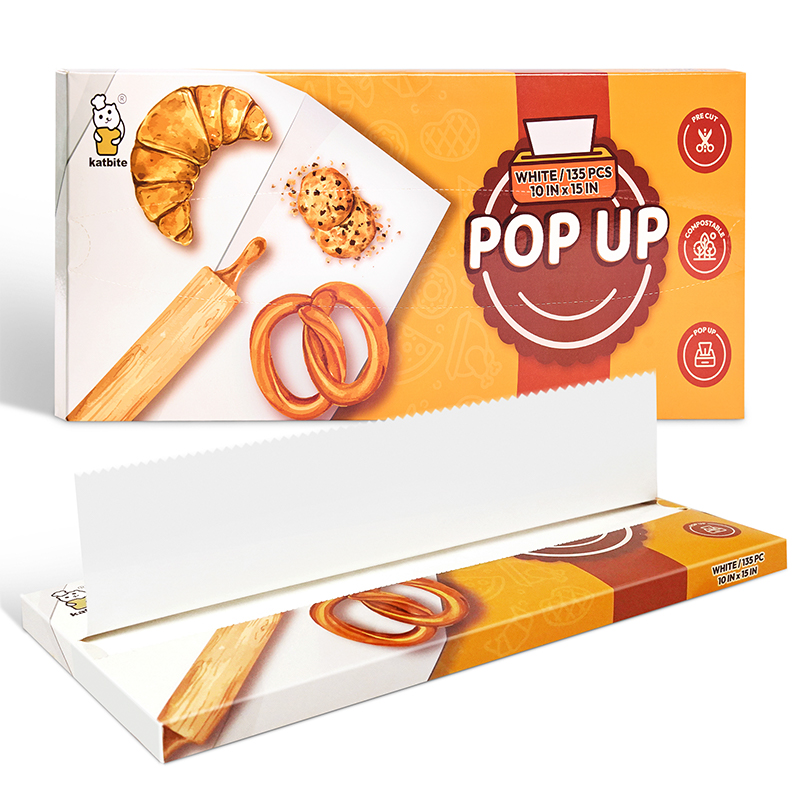
-
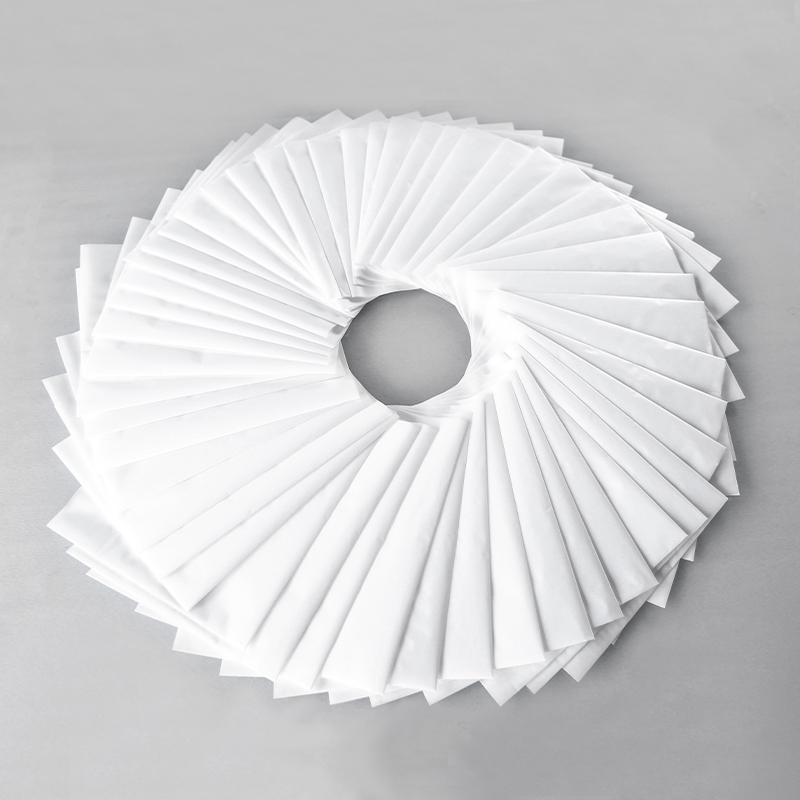
Folded Baking Paper Sheets, also known as Non Stick Baking Paper Sheets, are made from wood pulp and coated on both sides with a food-safe silicone layer. This coating gives the paper a smooth, grease...
See Details -
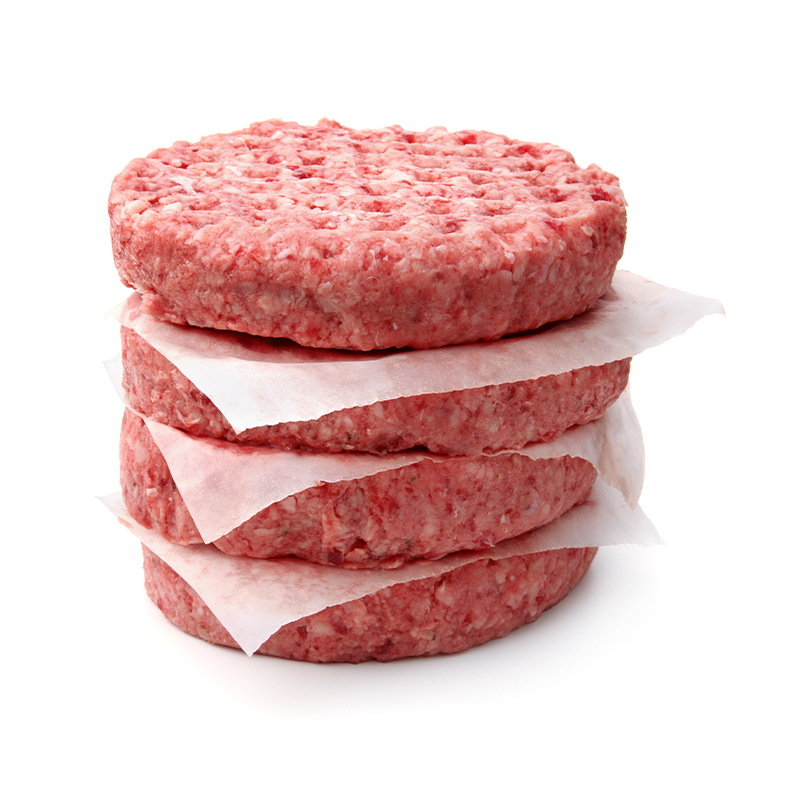
Description: Wax paper is the paper that is coated with food-grade wax in order to make it non-stick and waterproof. wax paper is very good for food storing and presentingMade of food-grade paper and ...
See Details -
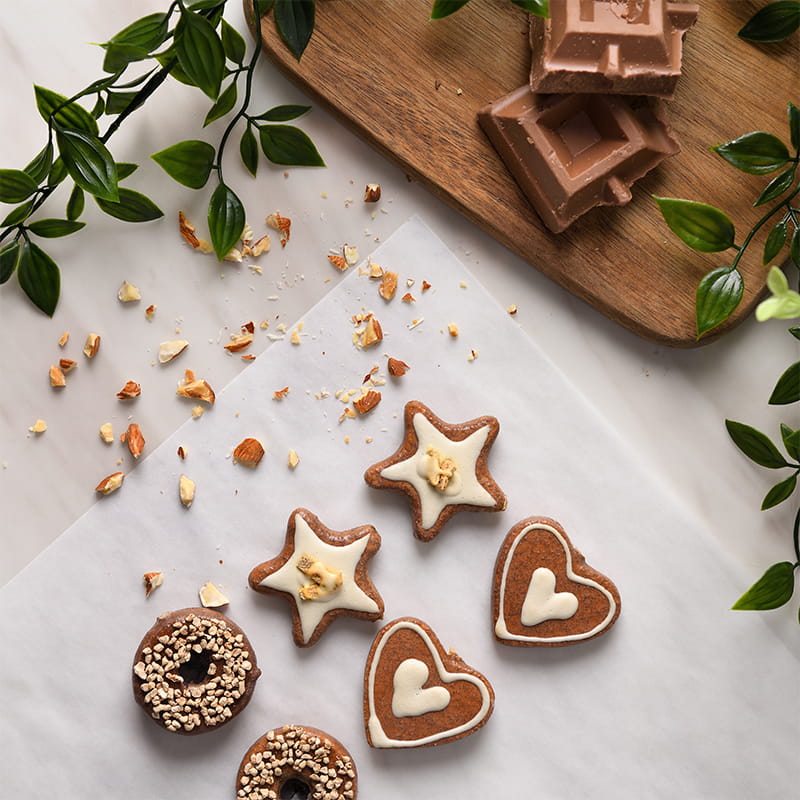
Product Features: 1. Virgin wood pulp 2. Double sides food grade silicone-treated 3. Fluorine-free 4. Non-stick 5. Oven/Microwave safe 6. Freezer safe 7. Reusable 8. BPA f...
See Details -
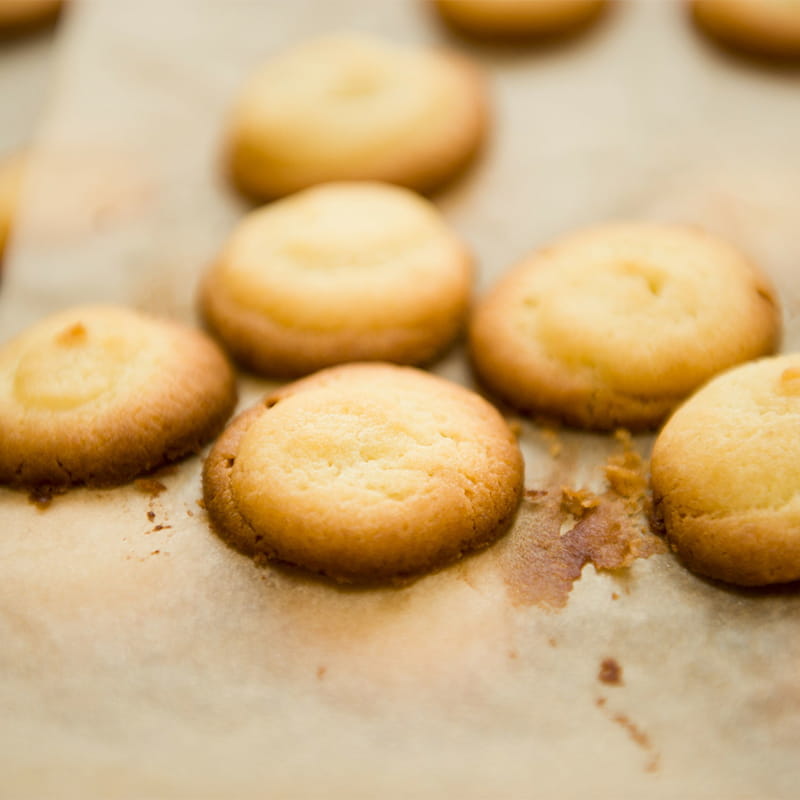
Product Features: 1. Virgin wood pulp 2. Natural unbleached brown color 3. Double sides food grade silicone-treated 4. Fluorine-free 5. Non-stick 6. Oven/Microwave safe 7. Fre...
See Details -
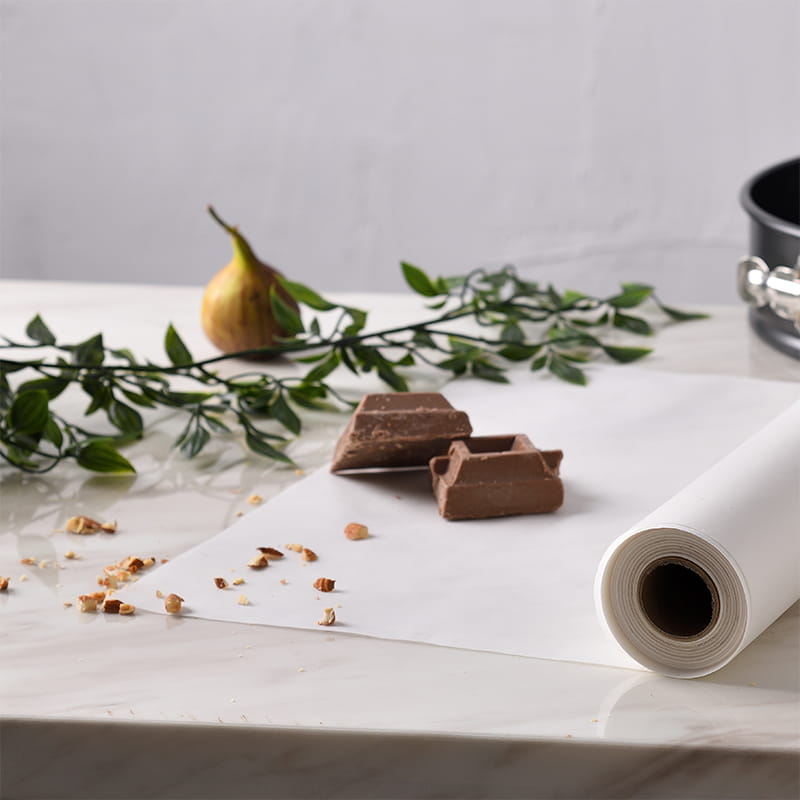
Product Features: 1. Virgin wood pulp 2. Double sides food grade silicone treated 3. Fluorine-free 4. Non-stick 5. Oven/Microwave safe 6. Freezer safe 7. Reusable 8. BPA ...
See Details -
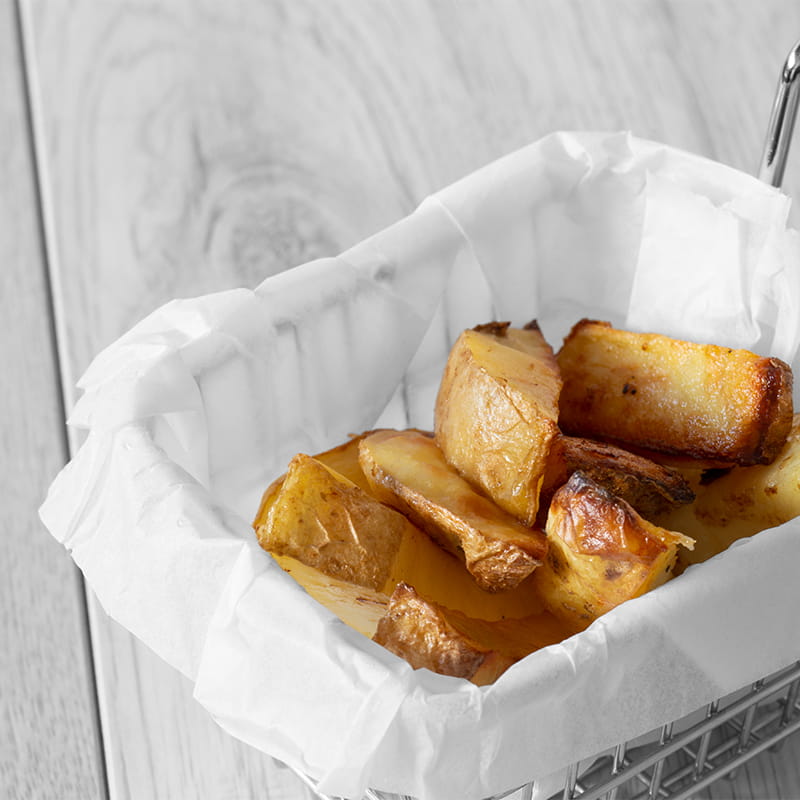
Product Features: 1. Virgin wood pulp 2. Fluorine-free 3. BPA free 4. Biodegradable Product Details: In an era where environmental consciousness and sustainability are paramount, Natu...
See Details -
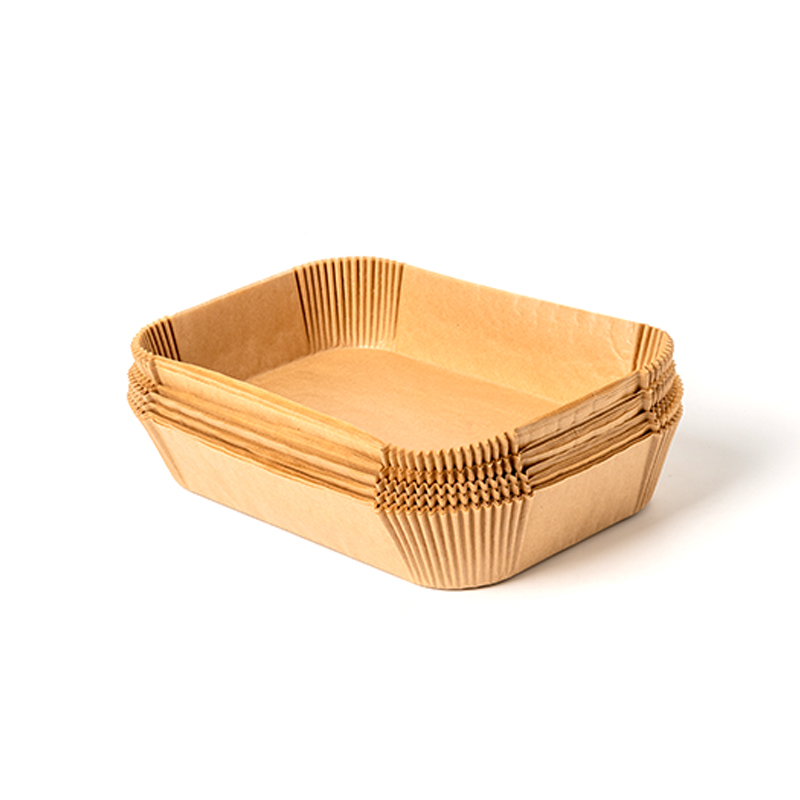
Product Features: 1. Virgin wood pulp 2. Double sides food grade silicone-treated 3. Fluorine-free 4. Non-stick 5. Air fryer basket safe 6. Reusable 7. BPA free 8. Biodeg...
See Details -
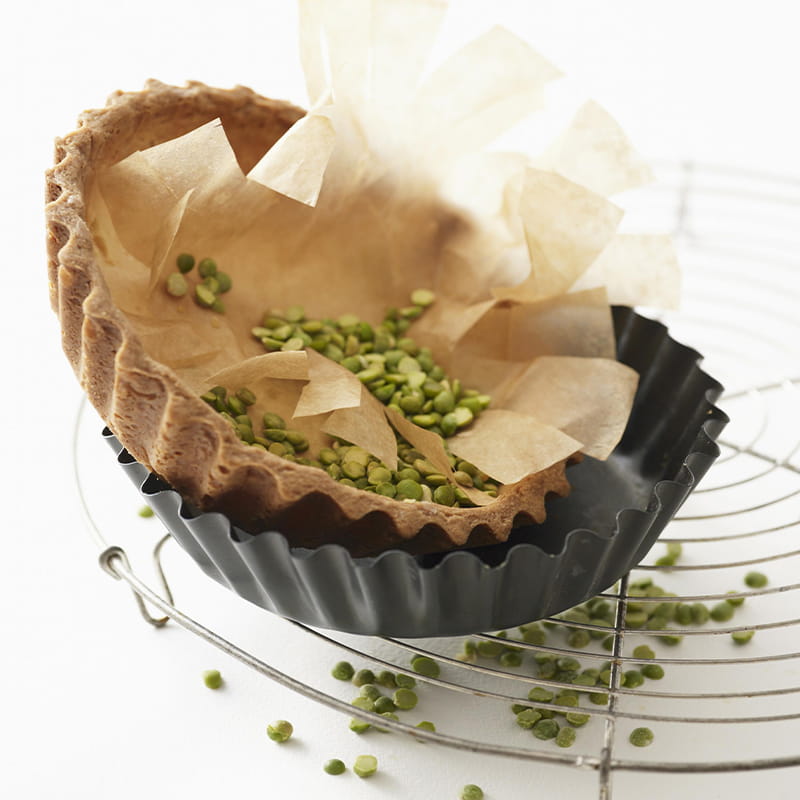
Product Features: 1. Virgin wood pulp 2. Natural unbleached brown color 3. Fluorine-free 4. BPA free 5. Biodegradable Product Details: Introducing our Unbleached Brown Food Grade ...
See Details -
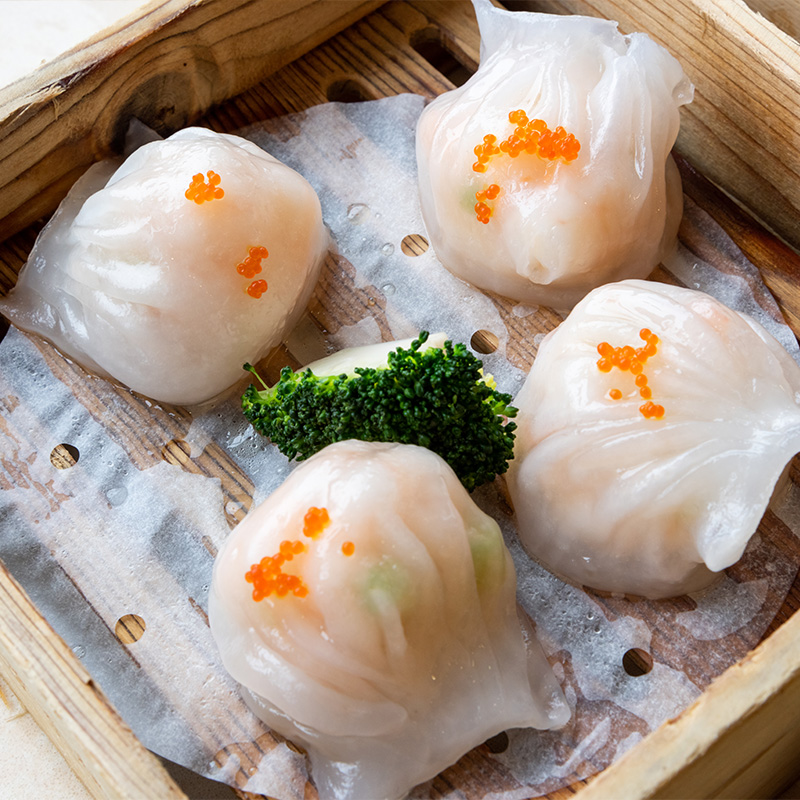
Product Features: 1. Virgin wood pulp 2. Double sides food grade silicone treated 3. Fluorine-free 4. Non-stick 5. Steamer/air fryer basket safe 6. Reusable 7. BPA free 8...
See Details -
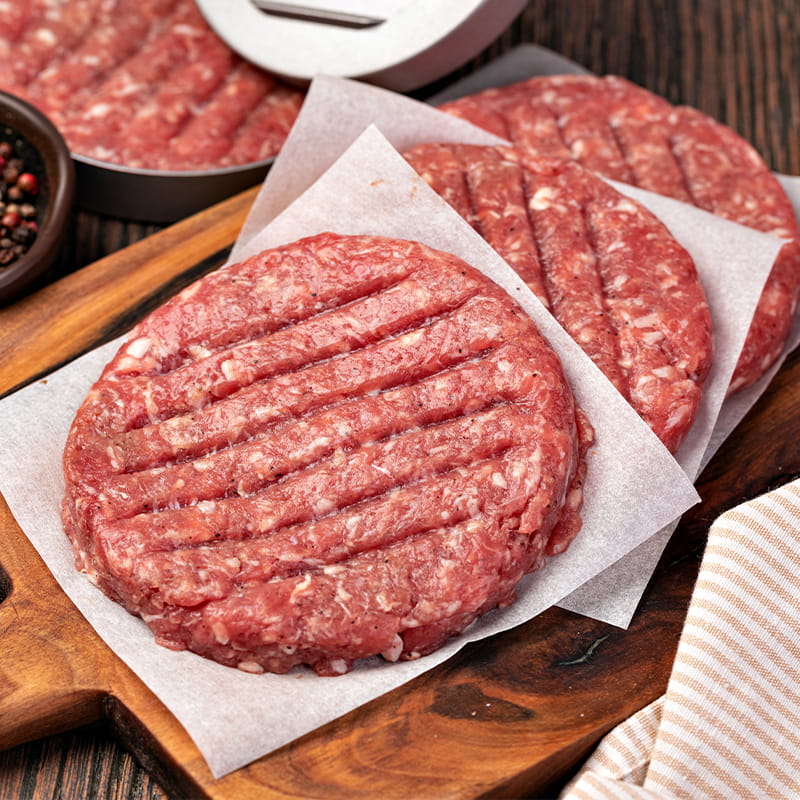
Product Features: 1. Virgin wood pulp 2. Double sides food grade silicone treated 3. Fluorine-free 4. Non-stick 5. Easy to separate 6. Reusable 7. BPA free 8. Biodegradab...
See Details -
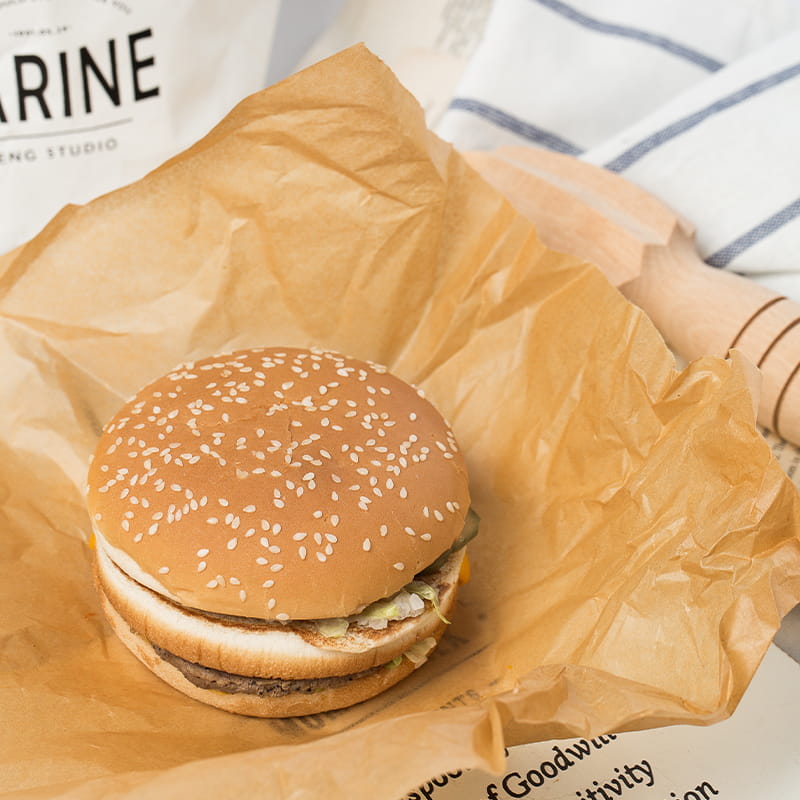
Product Features 1. Virgin wood pulp 2. Flexographic printing 3. Eco-friendly water-based ink 4. BPA free Product Details: Introducing our premium Greaseproof Sandwich Paper Sheets, a...
See Details

Professional Baking Parchment Paper Manufacturer in China with more than 15 years silicone coating experience.
Products
Contact Us
- No.10 Longyin Road, Chengnan Industrial Park,Longyou, Quzhou, China.
- +86-18968091013 / +86-571-88639705
- Avayao-1990@hotmail.com
Copyright © Zhejiang Guanghe New Materials Co., Ltd. All Rights Reserved.
Parchment Paper & Baking Paper Sheets Manufacturer
