 English
 中文简体
中文简体
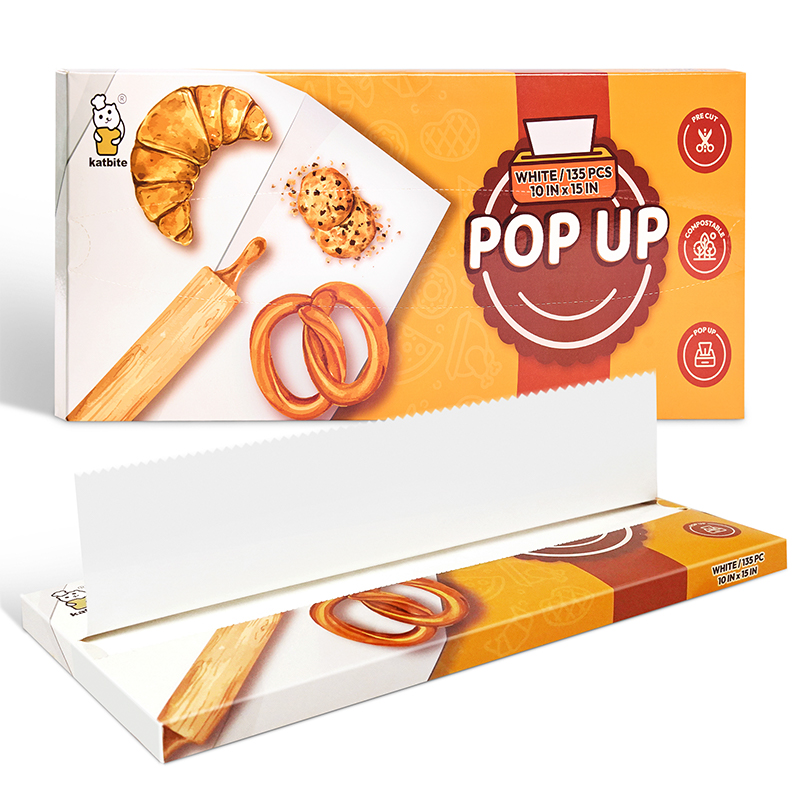
Product details: Pop-up parchment paper sheets, an environment-friendly product, are composed of wood pulp and are double-side coated with silicone. Such a coating makes our paper smooth, greasepr...
See DetailsHow to Store Baking Paper Rolls Correctly?
Baking paper rolls look indestructible. They survive oven heat, resist grease, and tear cleanly under a blunt cutter. Yet a single night spent leaning against a damp wall can leave a roll ovalised, its outer laps rippled and its silicone veil quietly compromised. The damage is rarely dramatic enough to justify throwing the roll away, so it is mounted on the dispenser, runs crooked, and causes mis-feeds that slow the entire line. By the time someone blames the printer, several metres have been wasted and the schedule has slipped.
What is baking paper
A baking paper roll begins as a reel of base cellulose. The sheet is passed through an acid bath, rinsed, dried, and then coated with a thin layer of silicone or a comparable release agent. The coated web is wound under tension onto a cardboard core, creating a dense cylinder that may weigh several kilograms. The silicone layer is flexible, yet it is only micrometres thick.
| Process Stage | Description | Key Purpose |
|---|---|---|
| Base material | Cellulose paper sheet | Provides the structural base |
| Acid treatment | Paper passes through acid bath, then rinsed and dried | Strengthens and stabilizes fibers |
| Surface coating | Thin silicone or release layer applied | Creates non-stick surface |
| Winding | Paper wound under tension onto cardboard core | Forms a compact roll for storage and use |
| Coating property | Silicone layer extremely thin and flexible | Maintains release performance without adding thickness |
A sharp bump can crack it, exposing the fibres beneath and creating a channel where grease can later penetrate. The winding tension is calibrated to keep the roll tight enough to resist telescoping, yet loose enough to allow air to circulate between laps. If that balance is disturbed, the roll tightens on one side and loosens on the other, to an uneven unwind that printers and folder-gluers interpret as a mis-feed.
Enemies in the Store
Moisture is the adversary. Paper is hygroscopic even after coating; it will reach equilibrium with the surrounding air. High relative humidity causes the sheet to expand, increasing the diameter of the roll and relaxing the wind. Low humidity is less damaging, yet it can make the paper brittle, especially if the roll is moved straight from a cold, dry store into a hot, humid kitchen. Temperature swings amplify the problem. Warm air holds more moisture, so a chilly roll brought into a steamy production area will collect condensation on the outer laps, creating grey tide marks that later refuse release.
Light—particularly ultraviolet—oxidises the silicone layer, turning it faintly yellow and reducing slip. Dust and flour particles settle on horizontal surfaces; when they lodge between laps they create bumps that telegraph through delicate pastry. Physical pressure is equally harmful. Leaning a roll against a wall ovalises the core, making future rotation uneven. Stacking rolls on their sides crushes the bottom laps and creates a permanent flat spot that causes the web to flutter as it unwinds. Odours from spices, coffee, or cleaning chemicals penetrate paper fibres and can mask the neutral smell that bakers rely on as a sign of purity.
Receiving and Initial Inspection
A delivery should be examined before it leaves the loading bay. Look for cartons that have been pierced by fork-lift tines, cores that have been snapped, or rolls that show edge flare. Reject anything questionable; once the roll is inside the store it becomes harder to prove transit damage. If inspection must wait, park the pallet in a quarantine zone away from climate-controlled space.
Rolls should stand upright on their ends, never on their sides. If the supplier has shipped rolls lying flat, rotate each one ninety degrees every day until it can be placed on a rack. Keep the wrapping film intact until the roll is ready to be used; the film is not perfect, yet it slows moisture ingress and prevents scuffs during handling.
Choosing a Storage Location
Ideally, baking paper lives in a cool, dry room reserved for dry goods, separated from the hot production floor by at least a doorway. The space should be well ventilated but not subject to drafts that carry flour dust. Walls should be insulated to prevent radiant heat that builds up behind ovens or beside dishwashers. If a dedicated room is impossible, designate a zone on a mezzanine or at the far end of a corridor, away from steam pipes and direct sunlight.
Floors must be smooth and clean; grit tracked in on boots acts like sandpaper when a roll is dragged across it. Overhead pipes should not drip; even a slow leak can raise humidity directly beneath it enough to soften carton board and encourage mildew. Lighting should be indirect and, where possible, switched off when the room is unoccupied. Every hour of unnecessary exposure to fluorescent fixtures is an hour of slow oxidation.
Racking Systems
A simple A-frame rack keeps rolls vertical and separated. The frame should be built from food-grade tubular steel or aluminium, with horizontal bars set at a gentle angle so that the roll's own weight seats it securely. Bars are covered with high-density polyethylene sleeves to eliminate metal-to-paper contact. Each cradle holds one roll; never stack rolls on top of one another. Label the frame with the diameter range it accepts—over-sized rolls will not seat properly and may tumble when the rack is bumped.
For high-volume operations, a carousel rack rotates like a Ferris wheel, bringing each roll to waist height and eliminating the need to climb a step stool. The carousel's chain drive is enclosed to keep flour dust out of bearings. A locking pin prevents rotation while a roll is being removed. Whether static or rotating, racks are positioned at least a hand-width away from walls to allow air circulation and to make floor cleaning possible.
If floor space is scarce, wall-mounted brackets can support the core of a single roll above head height. The bracket must be deep enough to accept the full width of the core; a half-seated core will sag and ovalise. A leather strap or Velcro tab across the front stops the roll from walking out during vibration from nearby machinery.
Block Stacking on Pallets
When racks are not feasible—during peak season overflow, for example—rolls can be block-stacked on a pallet, but only under strict rules. The pallet must be in good repair, with no protruding nails or splinters. A square plywood deck is laid on the pallet to distribute weight evenly. Rolls are placed on their ends in a honeycomb pattern, cores aligned vertically. The stack is never more than two rolls high; beyond that, the bottom roll begins to deform. A carton board cap is placed on top, followed by stretch-wrap pulled snug but not so tight that it dimples the paper. The pallet is labelled with date of receipt and rotated on a first-in, first-out basis.
Climate Control in Practice
Aim for stable conditions: temperature within a few degrees of the ambient kitchen, relative humidity held in a moderate band. A simple digital thermo-hygrometer placed at eye level provides a quick check. If the store sits above a basement, a small dehumidifier on a timer can run overnight, drawing moisture away before the morning shift arrives. During very dry winter months, a bowl of water on a high shelf adds enough humidity to prevent static crackle when the web is unwound.
Never store rolls directly under an air-conditioning vent. Cold downdrafts create a micro-climate of low humidity directly beneath the vent while the rest of the room remains humid; the gradient causes the outer laps to shrink and curl. Similarly, do not park a pallet against an exterior wall that heats up in the afternoon sun; the temperature differential drives moisture into the outer laps of the roll.
Handling Rolls on the Production Floor
When a roll is needed, a staff member wheels a portable cradle to the storage rack. The cradle is little more than a U-shaped frame on casters, lined with food-grade plastic. The roll is lifted by inserting a smooth rod through the core—never by hooking fingers into the ends, which crushes the outer laps. Once in the cradle, the roll is rolled, not carried, to the workstation. This prevents the shock drop that occurs when a heavy roll is hefted onto a bench.
| Step | Key Action | Purpose |
|---|---|---|
| Move roll | Use a portable cradle with wheels | Reduce lifting strain and improve safety |
| Lift roll | Insert a rod through the core instead of gripping ends | Prevent damage to outer layers |
| Transport | Roll the cradle to the workstation | Avoid carrying heavy rolls |
| Placement | Roll onto the bench rather than dropping | Prevent shock damage to the roll |
At the bench, the roll is mounted on a dispenser with a brake. The brake is a simple cam that pinches the core; it prevents over-spin when the operator pulls a sheet. Loose, spinning rolls shed laps onto the floor, picking up flour dust and foot prints. The dispenser's cutting edge is a serrated plastic blade—sharp enough to part the paper, dull enough not to score the silicone. Metal blades are avoided; even a tiny nick on the blade can transfer to the next sheet and create a weak line that later splits in the oven.
Re-wrapping Partial Rolls
At shift end, any roll that has been opened must be re-wrapped. The original sleeve is slid back over the exposed laps and secured with two short pieces of tape—never one long continuous strip that will tear the paper when removed. If the sleeve is lost, a square of clean carton board is wrapped around the roll and taped lightly. The aim is to stop airborne moisture and flour from settling on the surface, not to create an airtight seal. A loosely wrapped roll can still breathe, preventing the condensation that can occur if residual heat is trapped inside a tight wrap.
Pest Control and House-Keeping
Paper is not food, yet it can harbour the same insects that infest flour. A single mouse nesting inside a core will shred a roll beyond use. Traps are placed along walls, not in the middle of aisles where they become trip hazards. All food waste is removed at the end of each shift; even a few crumbs of pastry under a pallet can sustain a colony of ants that later migrates into the paper. Weekly vacuuming of the storage floor prevents the build-up of flour that can attract pests and become abrasive grit under foot.
Sustainability Considerations
Longer-lasting paper means fewer orders, fewer pallets, and fewer truck miles. Proper storage is therefore an environmental act. When a roll does reach the end of its useful life, the silicone layer does not prevent recycling in specialised mills; keeping the roll clean and free of food residue increases the likelihood that it will be accepted. Some suppliers offer take-back schemes for cores and outer wraps—storing these items flat and dry until collection day keeps them in the recycling loop rather than the waste stream.
Troubleshooting Quick Reference
- Outer laps of a roll feel damp: Move the roll to a dry area, stand it on end, and allow air to circulate for several hours. Do not apply heat, which can set moisture into the fibres.
- Roll unwinds unevenly, tight on one side: Humidity has entered the wind. Re-wrap with a clean sleeve and store in a drier location for twenty-four hours.
- Core has ovalised: Place the roll on a dispenser and unwind a few metres to relieve tension, then store the remainder vertically on a proper cradle.
- Edge of the paper shows black scuff marks: Check the dispenser's side plates for burrs; file smooth and wipe clean.
- Static causes sheets to cling together: Increase humidity slightly or wipe the stack with a food-safe anti-static cloth.
Zhejiang Guanghe New Materials Co., Ltd.
From the careful handling in the receiving bay to the disciplined rotation on the production floor, the journey of every baking paper roll is a testament to the unseen partnership between maker and user.
For a product like that from Zhejiang Guanghe New Materials Co., Ltd.—a professional factory where quality is honed through modern equipment and stringent regulations to ensure consistent, high-performing parchment paper—this journey does not end at the factory gate. The material's inherent reliability, born from a commitment to food safety and advanced manufacturing, is entrusted to the final user. Thus, the thoughtful storage in a cool, dry cradle becomes more than mere procedure; it is the final, critical step in honoring that investment.
By protecting the roll from its adversaries—moisture, pressure, and light—we preserve the precise non-stick performance and structural integrity the maker engineered, ensuring that every sheet unfurls with the same perfection intended from the start. In this way, the silent promise of a quality product is fulfilled not just in its creation, but in its conscientious keeping.
Related Products
-
-
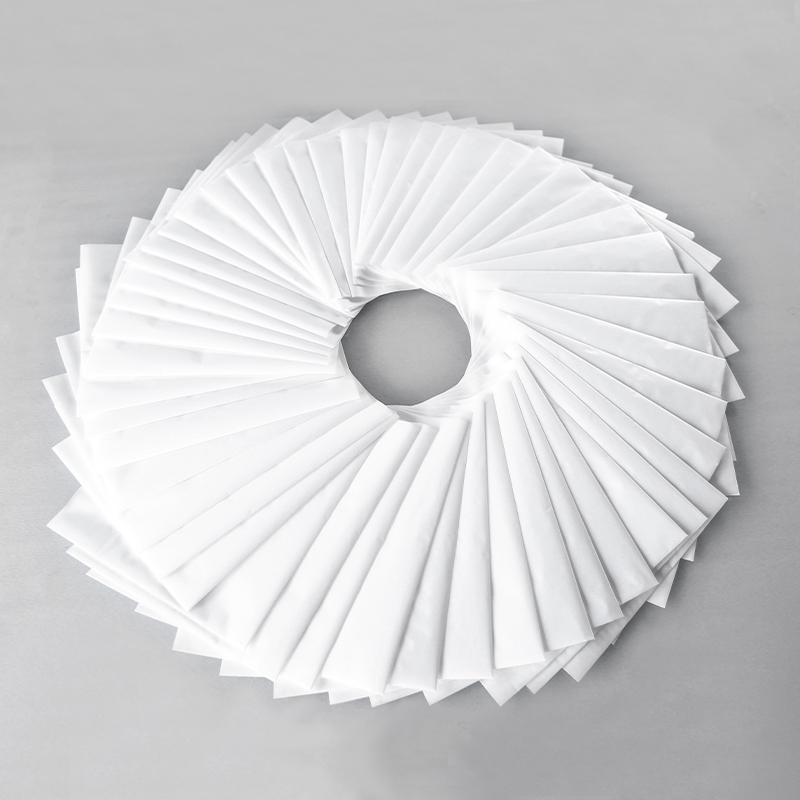
Product details: Folded baking paper sheets, an environment-friendly product, are composed of wood pulp and are double-side coated with silicone. Such a coating makes our paper smooth, greaseproof and...
See Details -
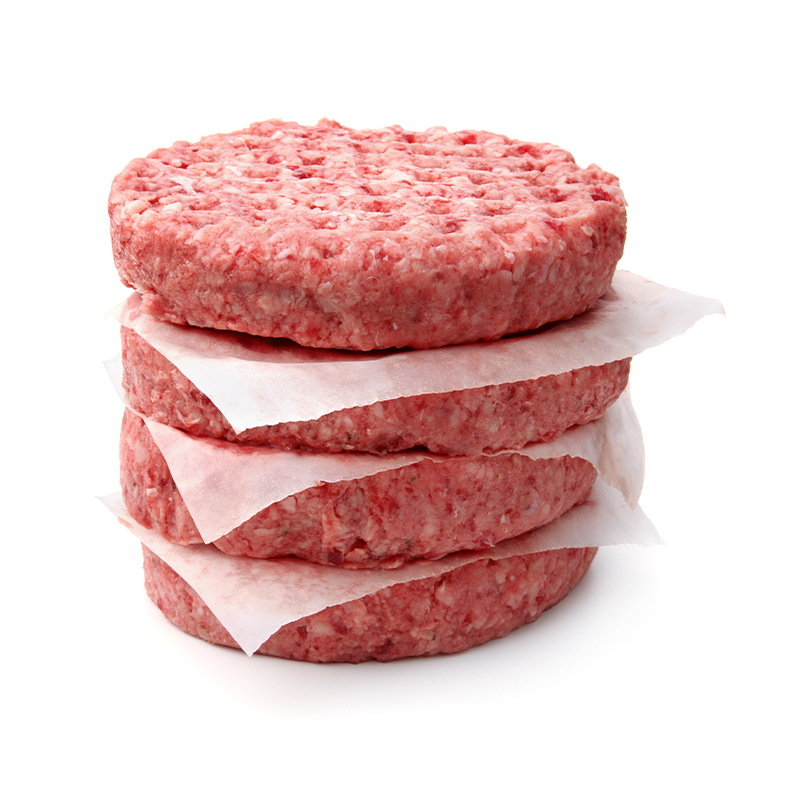
Description: Wax paper is the paper that is coated with food-grade wax in order to make it non-stick and waterproof. wax paper is very good for food storing and presentingMade of food-grade paper and ...
See Details -
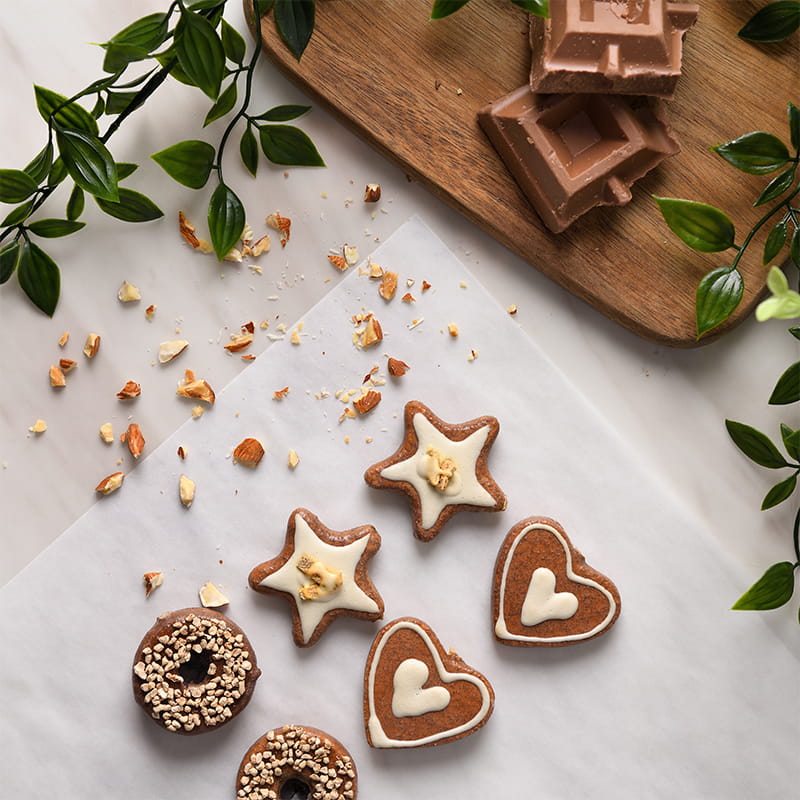
Product Features: 1. Virgin wood pulp 2. Double sides food grade silicone-treated 3. Fluorine-free 4. Non-stick 5. Oven/Microwave safe 6. Freezer safe 7. Reusable 8. BPA f...
See Details -
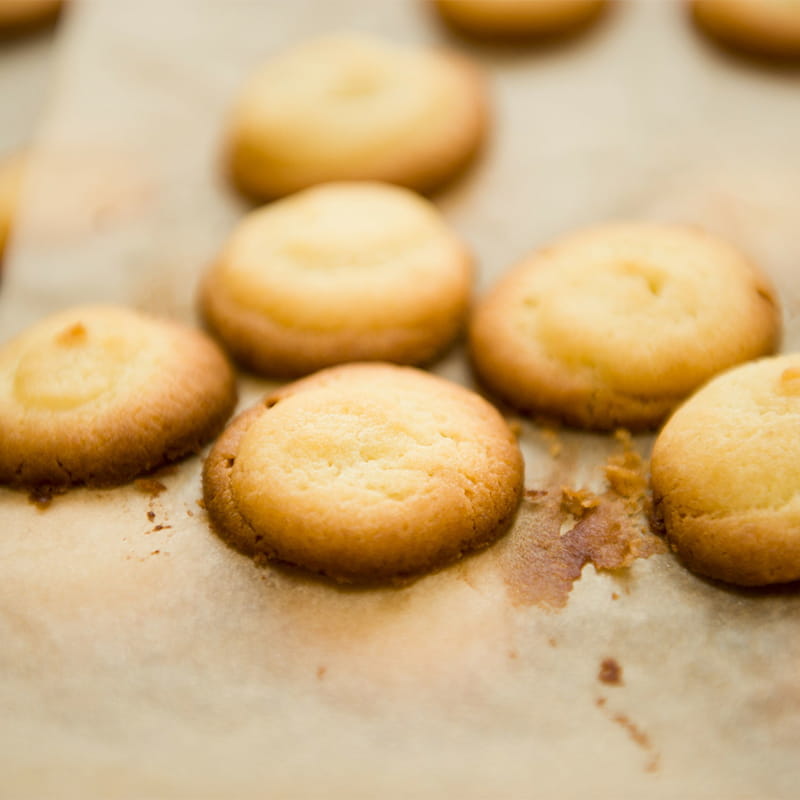
Product Features: 1. Virgin wood pulp 2. Natural unbleached brown color 3. Double sides food grade silicone-treated 4. Fluorine-free 5. Non-stick 6. Oven/Microwave safe 7. Fre...
See Details -
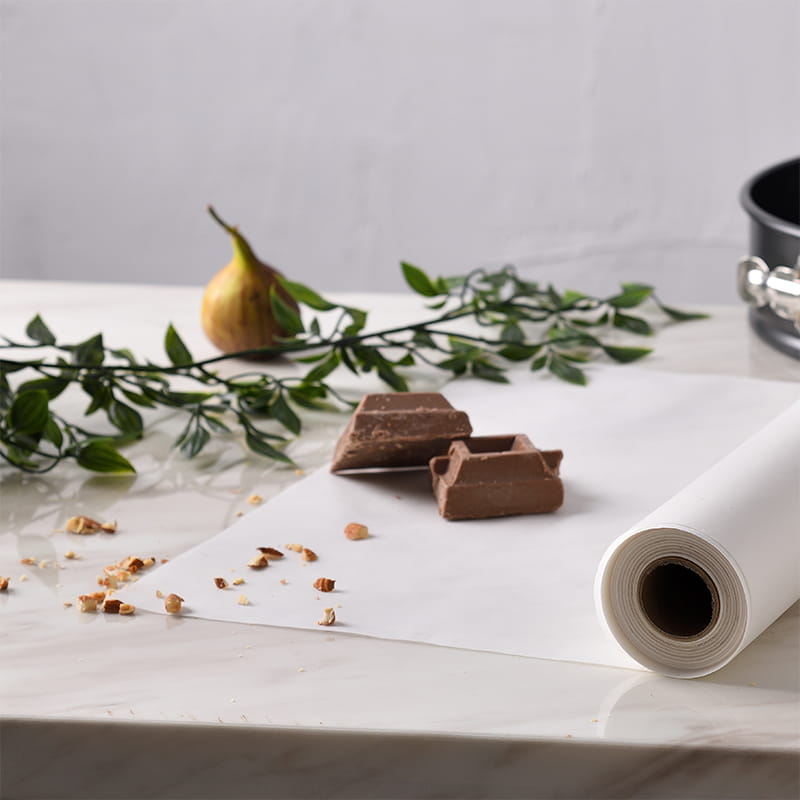
Product Features: 1. Virgin wood pulp 2. Double sides food grade silicone treated 3. Fluorine-free 4. Non-stick 5. Oven/Microwave safe 6. Freezer safe 7. Reusable 8. BPA ...
See Details -
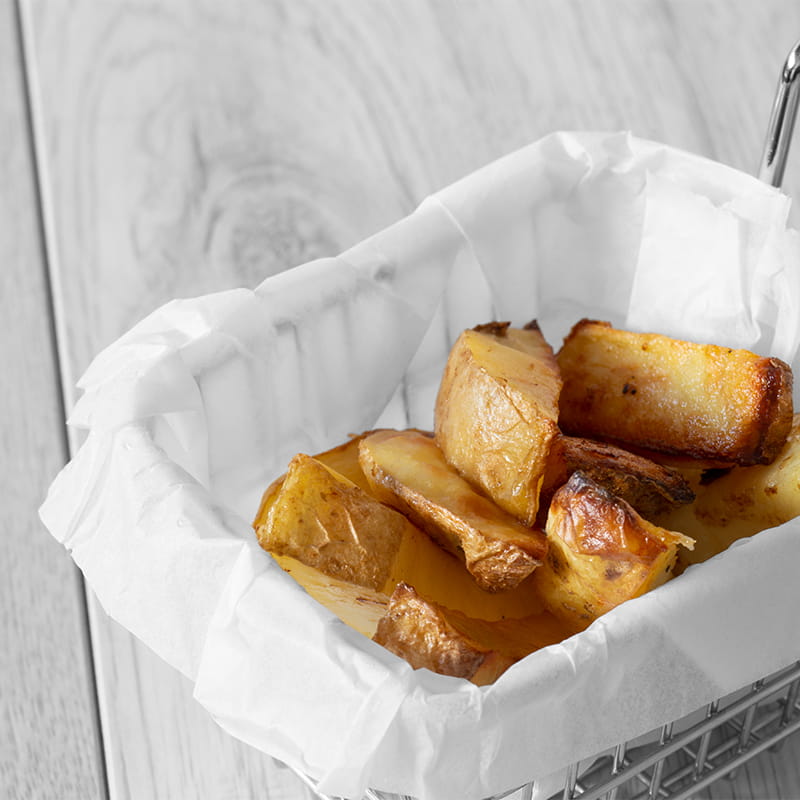
Product Features: 1. Virgin wood pulp 2. Fluorine-free 3. BPA free 4. Biodegradable Product Details: In an era where environmental consciousness and sustainability are paramount, Natu...
See Details -
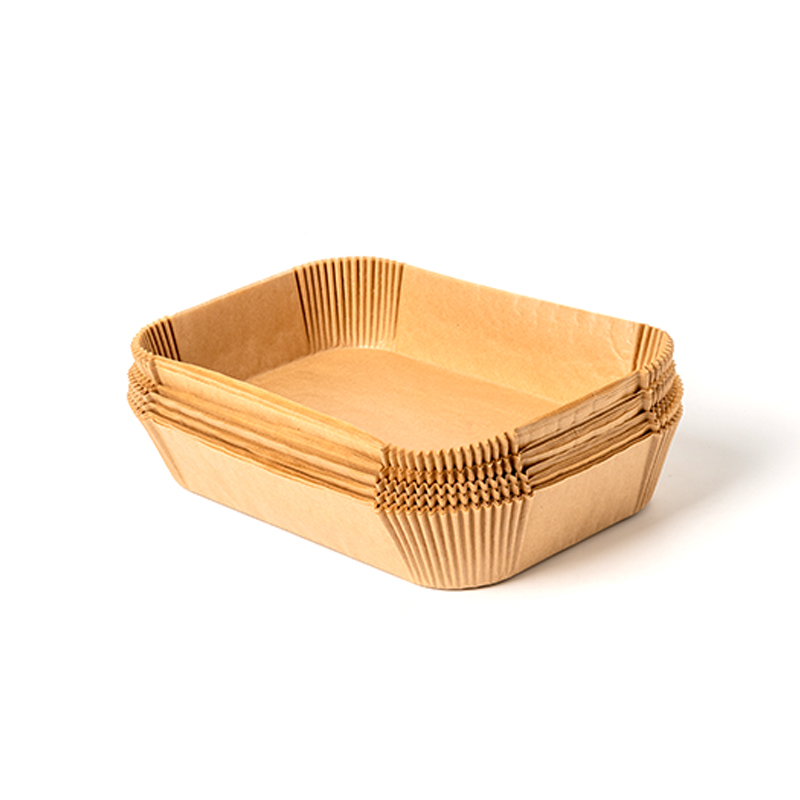
Product Features: 1. Virgin wood pulp 2. Double sides food grade silicone-treated 3. Fluorine-free 4. Non-stick 5. Air fryer basket safe 6. Reusable 7. BPA free 8. Biodeg...
See Details -
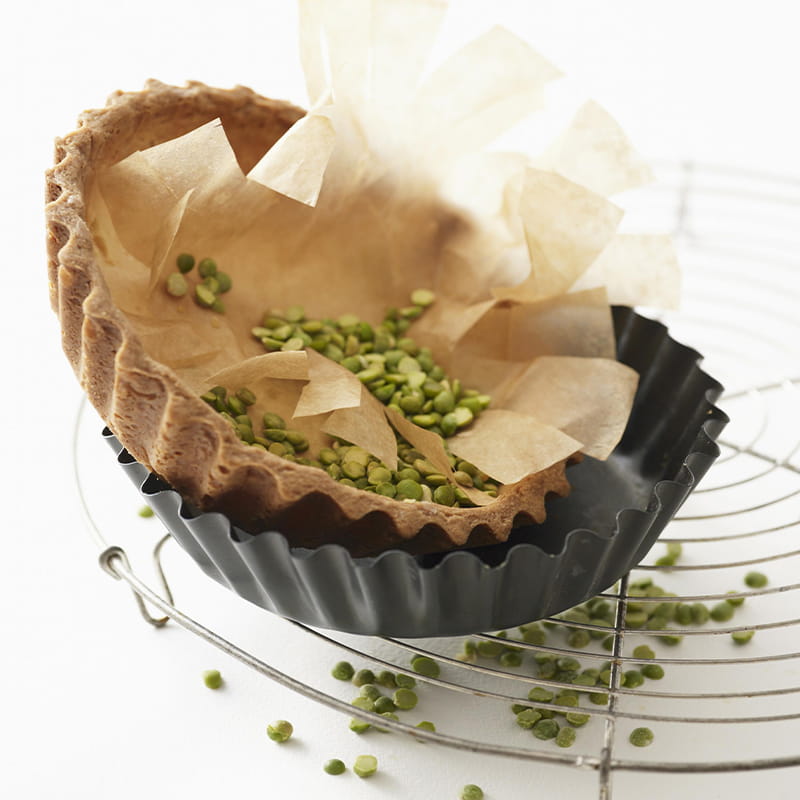
Product Features: 1. Virgin wood pulp 2. Natural unbleached brown color 3. Fluorine-free 4. BPA free 5. Biodegradable Product Details: Introducing our Unbleached Brown Food Grade ...
See Details -
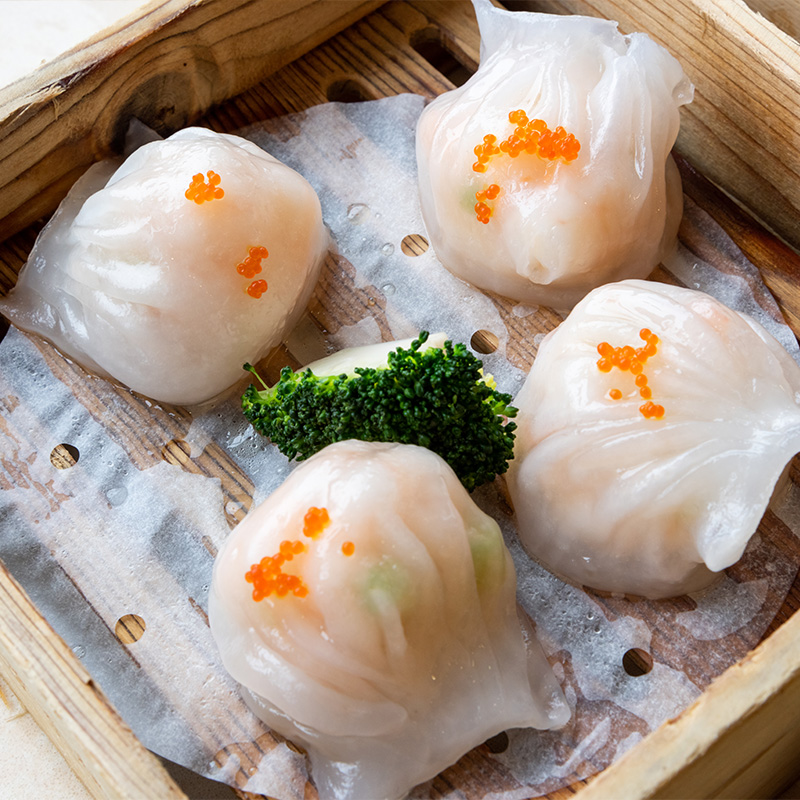
Product Features: 1. Virgin wood pulp 2. Double sides food grade silicone treated 3. Fluorine-free 4. Non-stick 5. Steamer/air fryer basket safe 6. Reusable 7. BPA free 8...
See Details -
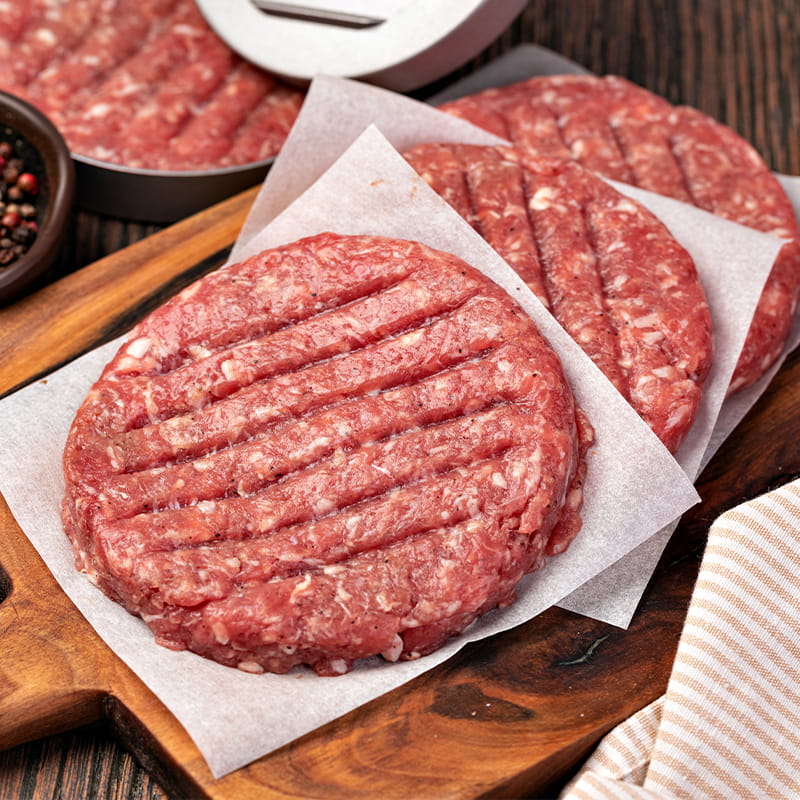
Product Features: 1. Virgin wood pulp 2. Double sides food grade silicone treated 3. Fluorine-free 4. Non-stick 5. Easy to separate 6. Reusable 7. BPA free 8. Biodegradab...
See Details -
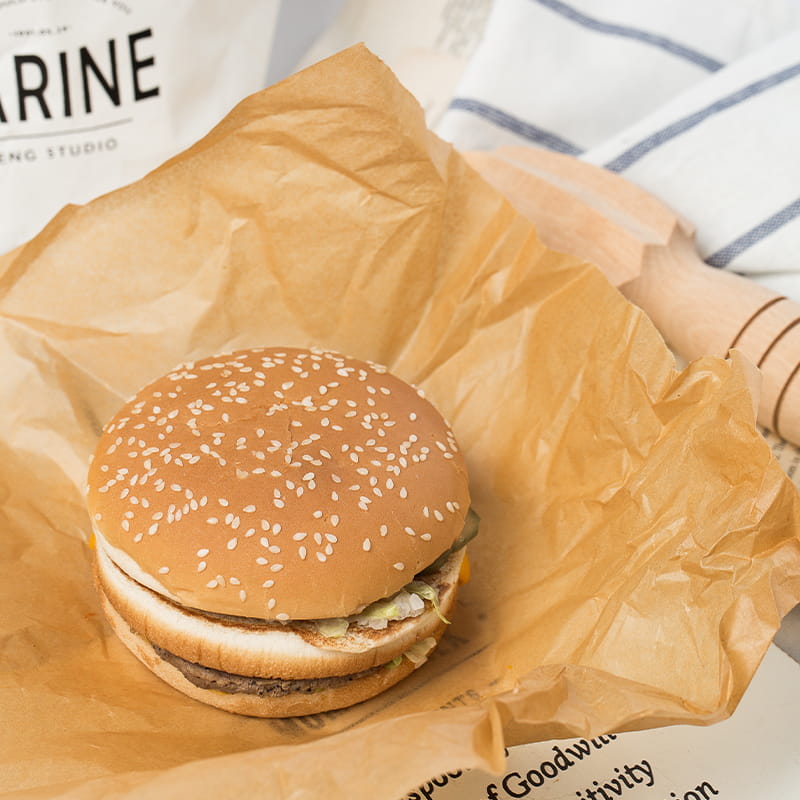
Product Features 1. Virgin wood pulp 2. Flexographic printing 3. Eco-friendly water-based ink 4. BPA free Product Details: Introducing our premium Greaseproof Sandwich Paper Sheets, a...
See Details

Professional Baking Parchment Paper Manufacturer in China with more than 15 years silicone coating experience.
Products
Contact Us
- No.10 Longyin Road, Chengnan Industrial Park,Longyou, Quzhou, China.
- +86-18968091013 / +86-571-88639705
- Avayao-1990@hotmail.com
Copyright © Zhejiang Guanghe New Materials Co., Ltd. All Rights Reserved.
Parchment Paper & Baking Paper Sheets Manufacturer
