 English
 中文简体
中文简体
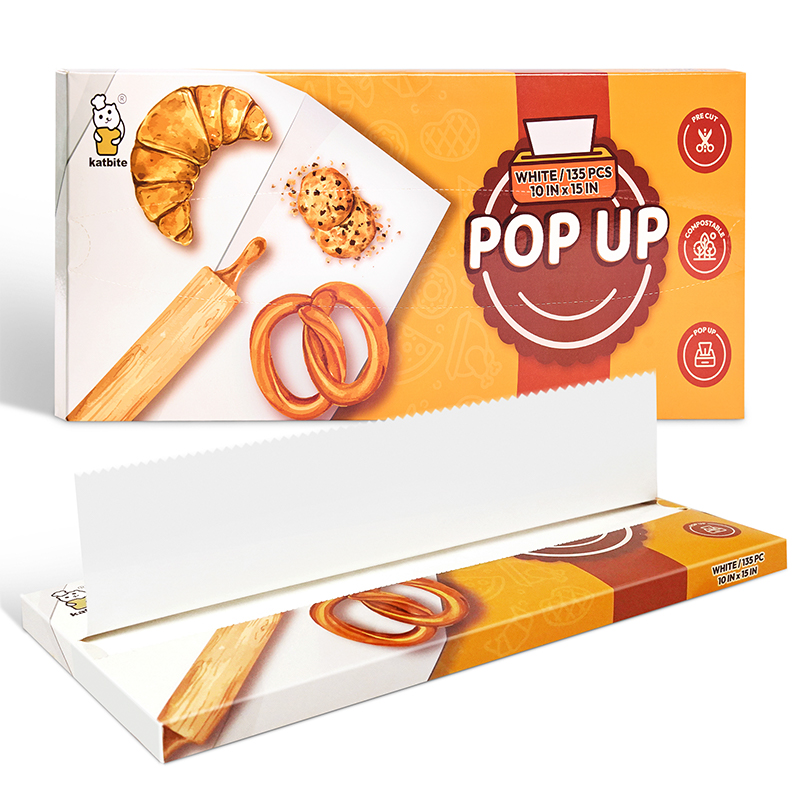
Product details: Pop-up parchment paper sheets, an environment-friendly product, are composed of wood pulp and are double-side coated with silicone. Such a coating makes our paper smooth, greasepr...
See DetailsSilicone vs Uncoated Baking Paper: Which Is Better?
Baking Paper continues to serve as a fundamental tool in home and professional kitchens. It provides a clean barrier between food and baking surfaces, reduces cleanup effort, and supports consistent results across a wide range of recipes. Among the available options, two categories stand out clearly: silicone-coated baking paper and uncoated baking paper. Each type carries unique characteristics that shape its performance, convenience, environmental footprint, and suitability for different baking situations.
Silicone-coated baking paper begins with a base sheet of cellulose fibers treated with a thin, food-safe silicone layer applied to one side or both. This surface treatment creates a smooth, faintly glossy finish that actively repels grease, moisture, and food particles. Uncoated baking paper, frequently labeled as greaseproof or natural parchment-style paper, achieves its functional properties through mechanical compression and fiber refinement during manufacturing rather than any added coating. The outcome is a matte, more traditional paper texture that offers a level of grease resistance while remaining closer in feel and behavior to plain paper.
Both varieties handle routine baking tasks such as lining sheet trays, supporting rolled dough during chilling, forming cones for piping batters, or wrapping items for gentle cooking methods. The distinctions between them become evident when examining heat endurance, release behavior, influence on final texture, potential for reuse, cost patterns, and disposal pathways.
Heat Endurance and Behavior Under Oven Conditions
Silicone-coated baking paper demonstrates reliable performance across a broad temperature range in typical home ovens. The silicone layer acts as a shield, protecting the underlying paper fibers from direct heat exposure and helping prevent rapid scorching, brittleness, or odor release during longer baking cycles. This stability proves helpful for applications involving sustained heat, such as slow-roasting vegetables, baking multi-layer pastries, or toasting items that require steady exposure.
Uncoated baking paper manages moderate oven temperatures effectively in many everyday recipes. It delivers consistent results for shorter baking times or lower heat settings, although extended periods at elevated temperatures can to gradual edge browning or minor loss of flexibility. For the majority of standard home baking projects—cookies, muffins, sheet-pan dinners—the paper holds up without significant issues.
Durability during physical handling also differs noticeably. Silicone-coated sheets resist tearing when lifting trays with sticky or heavy loads and maintain flatness even after repeated folding or light creasing. Uncoated sheets show greater susceptibility to ripping under tension, particularly once they have taken on moisture or grease from the food during the baking process.
Release Characteristics and Food Interaction
The silicone surface treatment produces strong non-stick qualities. Cookies, meringues, macarons, fruit bars, and sticky batters separate cleanly from the paper with little to no residue left behind. This clean release reduces the need for additional greasing or flour dusting in many recipes and simplifies the transfer of delicate items to cooling racks.
| Feature | Description | Benefits |
|---|---|---|
| Surface treatment | Silicone coating | Provides strong non-stick qualities |
| Suitable items | Cookies, meringues, macarons, fruit bars, sticky batters | Clean separation with minimal or no residue |
| Release performance | Items separate easily and cleanly | Reduces sticking and breakage during transfer |
| Impact on preparation | Little to no additional greasing or flour dusting required | Simplifies recipe steps |
| Handling delicate items | Easy transfer to cooling racks | Improves workflow and preserves item shape |
Uncoated baking paper offers a moderate degree of release thanks to its tightly packed fiber structure. It performs adequately with drier doughs or lower-fat mixtures, but batters rich in butter, sugar, or moisture tend to cling more noticeably. In these instances, a light coating of oil or a dusting of flour can improve separation without compromising the final product.
Interestingly, the slightly tackier surface of uncoated paper provides an advantage in recipes where controlled spreading matters. Doughs intended to hold thickness or defined edges—such as certain drop cookies or shortbread—benefit from the gentle friction that limits excessive flow during baking. Silicone-coated paper, by allowing smoother movement, suits items where even spreading contributes to uniform crispness or thinner profiles.
Influence on Browning, Texture Development, and Cooling
The contact surface between paper and food plays a meaningful role in how baked goods evolve during heating and cooling phases.
Silicone-coated paper creates a largely non-absorbent foundation. Minimal uptake of moisture or fat from the item above allows heat to reach the base evenly while permitting dough to spread freely. This dynamic can produce thinner, crisper edges, consistent bottom browning, or a more uniform finish in some recipes. During cooling, the limited evaporation from the underside sometimes results in slightly softer bottoms, which aligns well with certain desired textures but may reduce crispness in others.
Uncoated paper interacts more actively with released moisture and fats. The fibers absorb small quantities, helping moderate spread and encouraging internal lift. This interaction frequently supports lighter crumb structures, improved rise, and balanced browning from direct pan contact. As items cool, gradual moisture release aids in preserving crunch in products like biscuits, crackers, or certain cookies where texture contrast proves important.
These differences emerge clearly during comparative baking sessions. Identical dough portions placed on each type of paper often reveal variations in height, edge definition, bottom color, and overall mouthfeel, guiding bakers toward preferences based on specific recipe goals.
Practical Convenience and Post-Baking Cleanup
Silicone-coated baking paper simplifies preparation and cleanup routines. The reliable release means minimal scraping or soaking afterward. Many users reuse the same sheet across several low-residue baking sessions—cookies, scones, granola clusters, roasted vegetables—before considering it spent. Pre-cut sheets and rolls fit standard pan dimensions easily, reducing trimming time and waste.
Uncoated baking paper may demand slightly more attention when sticky residues remain attached. Cleanup occasionally involves gentle scraping or brief soaking, although the paper still protects the baking surface from direct contact and burned-on buildup. Its natural fiber composition makes it suitable for composting in systems designed for organic waste, providing a disposal route that aligns with household sustainability efforts when food remnants are minimal.
Both options significantly reduce the scrubbing required for baking sheets compared to placing food directly on metal. The choice between them frequently comes down to whether immediate convenience or long-term waste management carries greater importance.
Reusability Potential and Cost Considerations Over Time
Silicone-coated baking paper supports repeated use in real-world kitchens. Clean sheets from low-mess bakes—particularly dry cookies, roasted items, or parchment-wrapped proteins—can return to the oven multiple times when stored flat and undamaged. This reusability extends the value of each sheet, offsetting the higher initial cost for regular bakers.
Uncoated baking paper generally functions as a single-use product. While occasional reuse occurs with very dry applications, absorbed grease and gradual weakening reduce practicality for repeated cycles. Its lower purchase price per roll or pack makes it economical for occasional baking, small households, or one-off projects.
The perception of value shifts with usage frequency. Frequent bakers often find coated versions more economical over months of regular use, while occasional users appreciate the straightforward affordability of uncoated sheets.
Environmental Footprint and Disposal Pathways
Silicone-coated baking paper generates disposable waste unless reused consistently. The synthetic coating prevents easy breakdown in standard composting systems and limits recycling options in many municipal programs, directing spent sheets toward general waste collection.
Uncoated baking paper aligns more naturally with decomposition processes. Its cellulose-based structure breaks down effectively in home or municipal composting setups, particularly when lightly soiled. Households equipped to handle organic waste find this characteristic supports reduced landfill contributions and a more circular approach to kitchen materials.
Both types originate from renewable plant fibers, yet the end-of-life handling remains a primary differentiator when evaluating environmental impact.
Adaptability to Various Kitchen Tasks
Outside of simply covering baking sheets, both kinds of paper lend themselves to a range of practical and inventive kitchen jobs.
Silicone-coated baking paper shines whenever a truly dependable release surface is needed. It works smoothly for rolling out adhesive doughs, shaping cones to pipe icings or batters, encasing foods during low-temperature steaming or oven poaching, and lining elaborate cake tins, terrines, or charlotte molds. Because the coating withstands heat well, it also handles roasting trays, quick broiling jobs, or any method where steam or juices are part of the process.
| Application Category | Specific Uses | Key Advantages of Silicone-Coated Baking Paper |
|---|---|---|
| Rolling & shaping | Rolling out sticky/adhesive doughs | Prevents dough from sticking to surface and rolling pin |
| Decorating & piping | Shaping cones for piping icings or batters | Easy forming and clean release of piped material |
| Wrapping & gentle cooking | Encasing foods for low-temperature steaming or oven poaching | Contains moisture and juices without sticking |
| Lining detailed molds | Lining elaborate cake tins, terrines, charlotte molds | Ensures clean release from intricate shapes |
| High-heat & moist methods | Roasting trays, quick broiling, techniques involving steam or juices | Withstands heat well and manages moisture without degradation |
Uncoated baking paper manages wrapping tasks, provides a base for chilling dough, supports proofing stages, and suits gentler oven work without difficulty. Its moderate ability to soak up surplus fat or moisture makes it useful when you want to contain drips in open setups. Both papers slice neatly to match irregular pan sizes or small test batches, giving cooks plenty of room to experiment with everyday recipes or new ideas.
Matching Paper to Recipe Types
Certain baked items seem to pair more naturally with one style of paper over the other.
Cookies that rely on limited spread and a nice lift usually turn out better on uncoated paper. The paper’s gentle grip keeps the dough from flattening too much while still allowing uniform browning and a pleasing texture throughout.
Recipes heavy with sugar, butter, or fragile components—think meringues, sticky toffee bars, or multi-layered slice cookies—come away cleanly from silicone-coated paper, lowering the chance of tearing or leaving pieces behind when lifting them off.
Laminated doughs such as croissants and puff pastry behave well on either surface. The coated version stops buttery layers from gluing themselves during rolling and the final bake; the uncoated version gives helpful grip while the dough rests and rises.
Sheet cakes, hearth-style breads, one-pan meals, and roasted vegetables line trays satisfactorily with both. Coated paper is preferable for detailed or gooey molds, whereas uncoated paper complements rustic loaves and dishes where a bit of surface hold helps the finished shape hold together.
Storage Practices and Handling Recommendations
Store rolls and sheets of both papers in a cool, dry cupboard or drawer so they stay flat and free from dampness that causes curling or unwanted sticking. Keeping rolls horizontal or fastening them with a simple clip or rubber band prevents them from unraveling.
Sheets coated with silicone stack neatly and rarely cling to each other. Uncoated sheets sometimes stick together in damp climates, so placing a sheet of plain paper between them can keep them separate during longer storage.
When using the paper, avoid sharp creases. Deep folds create ridges that prevent the sheet from lying completely flat against the pan, which can to uneven heat exposure and patchy baking results.
Framework for Choosing Between the Two
When deciding which paper to reach for, bakers usually consider a handful of everyday factors:
- How often and how much baking is done in a typical week or month
- How important it is to have effortless release every single time
- Whether the recipe calls for controlled spread, strong lift, or particular browning
- How the cost adds up when buying in small or large quantities over time
- Whether composting kitchen waste is part of the household routine
- How much weight is placed on reducing non-compostable trash
Many people keep modest amounts of each kind in the pantry. That way they can pick whichever one fits the recipe, the amount of cleanup they want to do, or their feelings about household waste at that moment.
Insights Gained Through Direct Comparison
Running the same dough or batter on both papers at the same time quickly shows small but noticeable differences. Spread patterns change slightly, centers rise differently, the underside browns at a different pace, and the final texture varies in subtle ways. Doing these quick side-by-side tests helps anyone figure out what works reliably in their own oven with their usual pans and mixing habits.
Both casual home cooks and experienced pastry makers keep adjusting their choices as they try fresh recipes or tweak familiar ones. Each comparison adds another piece of practical knowledge about which paper behaves under specific conditions.
Principal Differences
Silicone-coated baking paper brings reliable non-stick performance, good tolerance for heat, the possibility of several uses per sheet, and easy handling of sticky or fragile items. It delivers clean separation and steady results in a broad assortment of recipes.
Uncoated baking paper supplies moderate absorbency, helps manage how dough spreads, breaks down naturally in compost, and supports classic baking textures. It encourages even rise, balanced browning, and satisfying crispness while fitting easily into routines that prioritize compostable materials.
No single type wins in every kitchen or every recipe. Picking the right one according to what the dish needs, how much cleanup is acceptable, personal views on waste, and overall cost creates smoother baking sessions and fewer small frustrations.
Zhejiang Guanghe New Materials Co., Ltd.
As Zhejiang Guanghe New Materials Co., Ltd. continues to refine its silicone coating formulations and expand production capabilities, the company stands at the intersection of practical kitchen performance and evolving sustainability expectations. By maintaining a clear focus on consistent release behavior, heat stability, and responsible material sourcing, Guanghe contributes meaningfully to the steady improvement of everyday baking tools.
Home cooks and professional bakers alike benefit from choices that balance immediate usability with longer-term environmental considerations, and Guanghe’s ongoing commitment to quality and innovation helps ensure that both silicone-coated and uncoated baking paper remain dependable, adaptable options well into the future.
Related Products
-
-
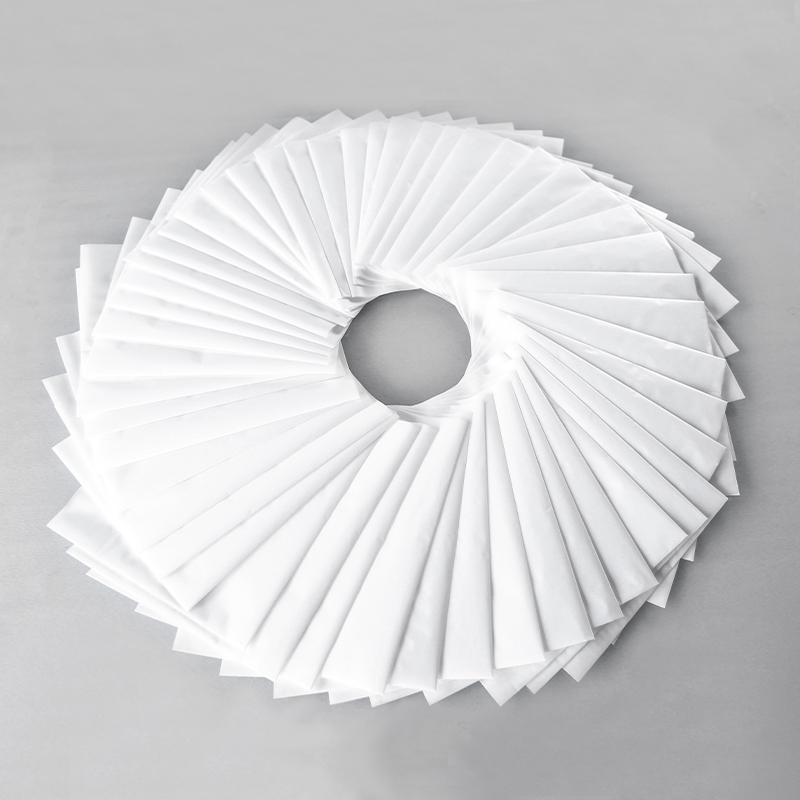
Product details: Folded baking paper sheets, an environment-friendly product, are composed of wood pulp and are double-side coated with silicone. Such a coating makes our paper smooth, greaseproof and...
See Details -
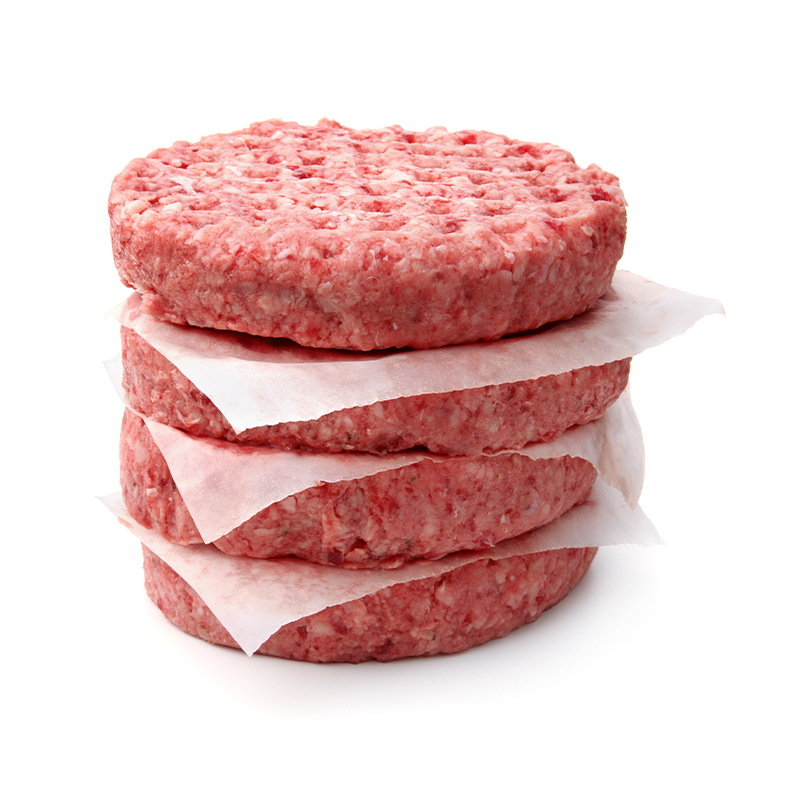
Description: Wax paper is the paper that is coated with food-grade wax in order to make it non-stick and waterproof. wax paper is very good for food storing and presentingMade of food-grade paper and ...
See Details -
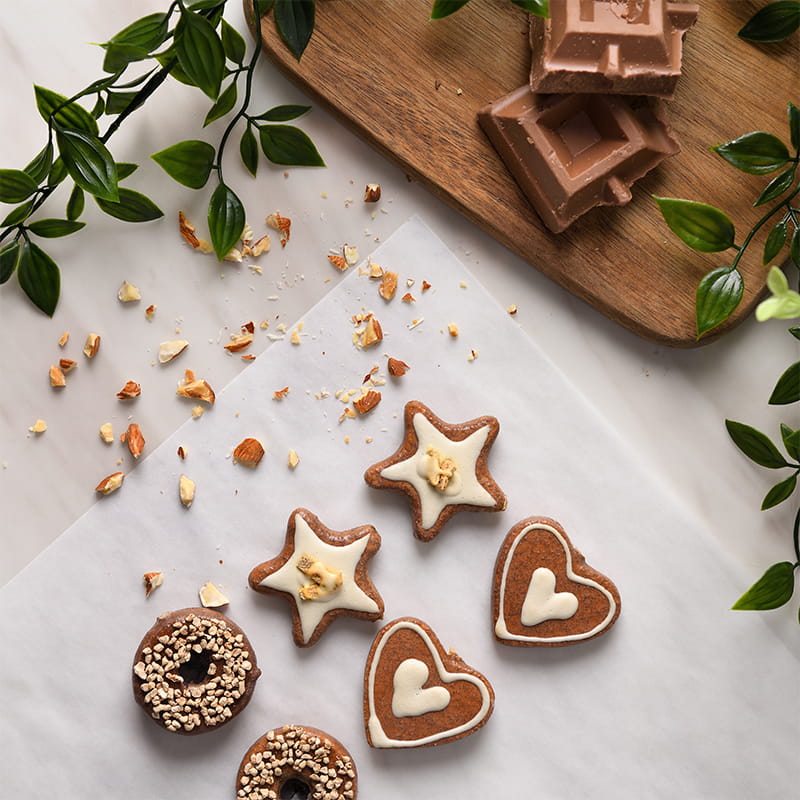
Product Features: 1. Virgin wood pulp 2. Double sides food grade silicone-treated 3. Fluorine-free 4. Non-stick 5. Oven/Microwave safe 6. Freezer safe 7. Reusable 8. BPA f...
See Details -
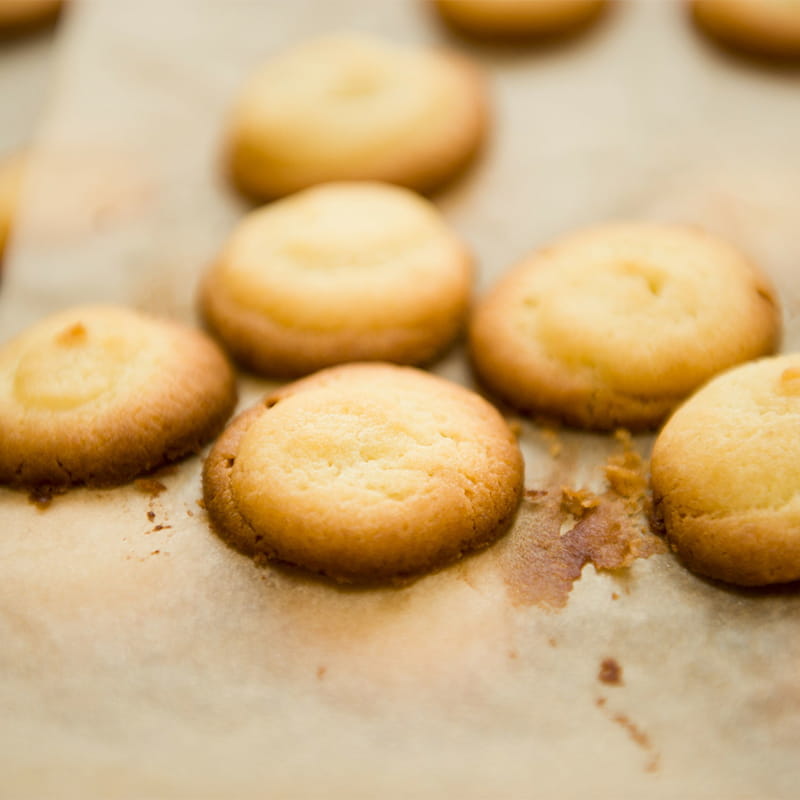
Product Features: 1. Virgin wood pulp 2. Natural unbleached brown color 3. Double sides food grade silicone-treated 4. Fluorine-free 5. Non-stick 6. Oven/Microwave safe 7. Fre...
See Details -
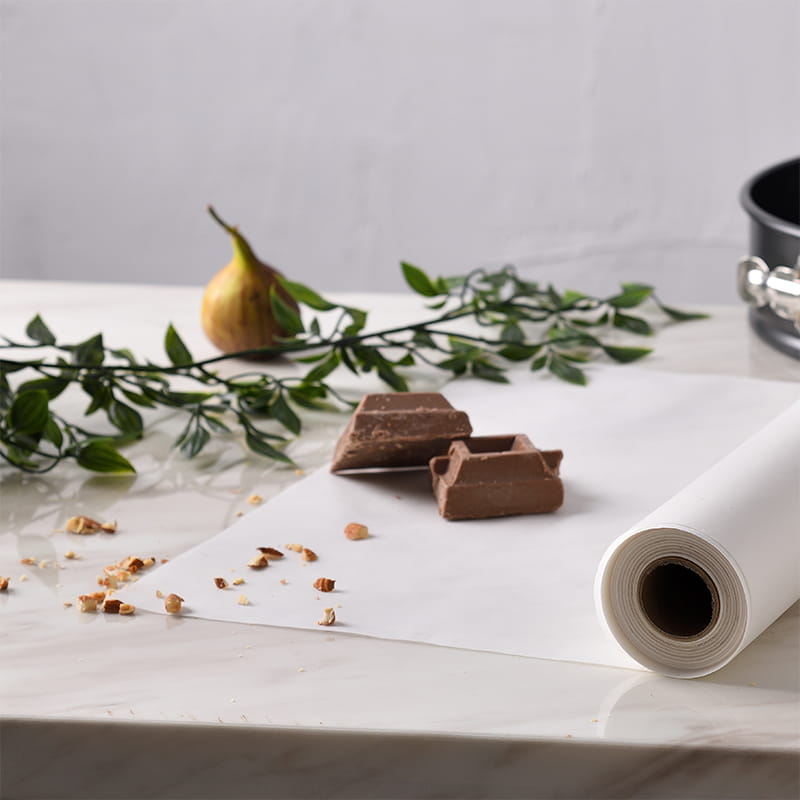
Product Features: 1. Virgin wood pulp 2. Double sides food grade silicone treated 3. Fluorine-free 4. Non-stick 5. Oven/Microwave safe 6. Freezer safe 7. Reusable 8. BPA ...
See Details -
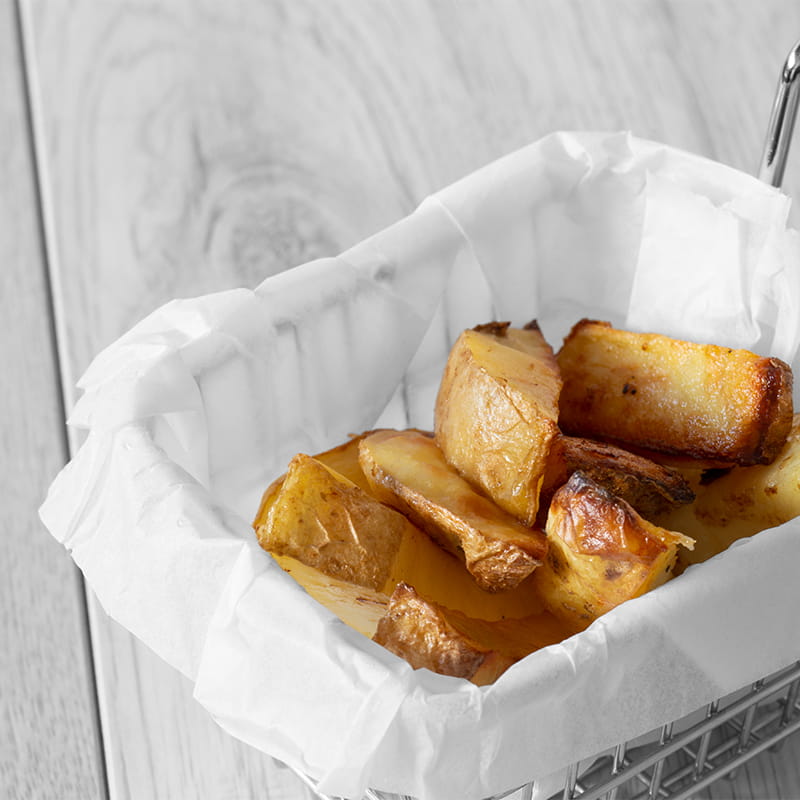
Product Features: 1. Virgin wood pulp 2. Fluorine-free 3. BPA free 4. Biodegradable Product Details: In an era where environmental consciousness and sustainability are paramount, Natu...
See Details -
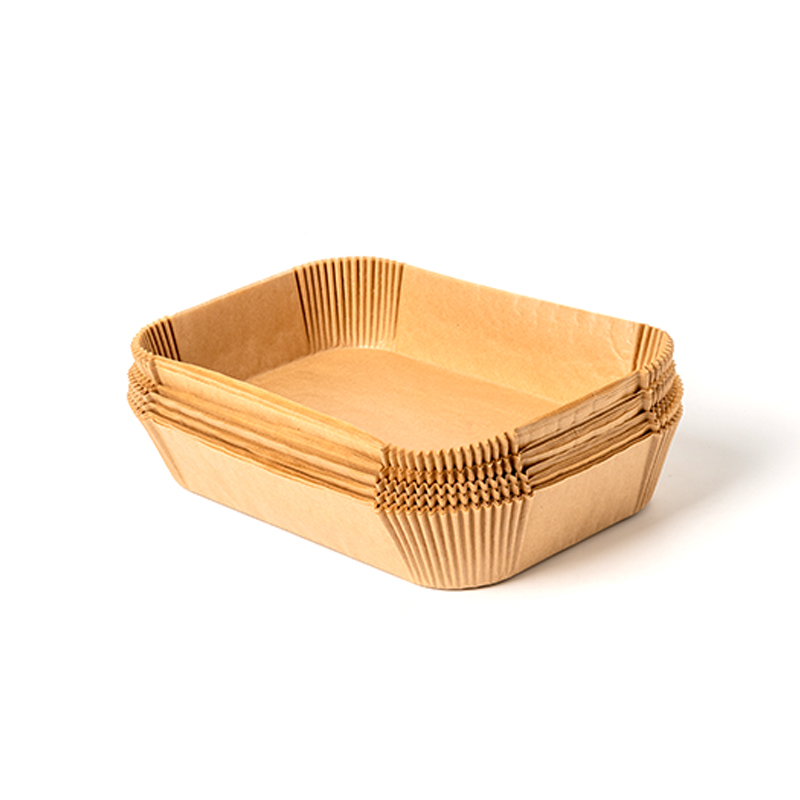
Product Features: 1. Virgin wood pulp 2. Double sides food grade silicone-treated 3. Fluorine-free 4. Non-stick 5. Air fryer basket safe 6. Reusable 7. BPA free 8. Biodeg...
See Details -
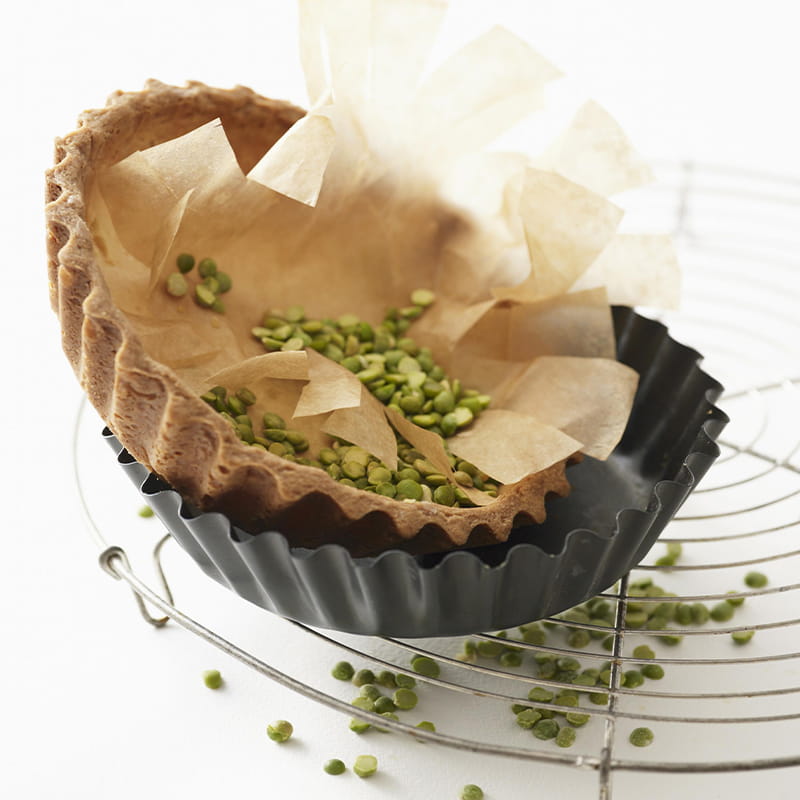
Product Features: 1. Virgin wood pulp 2. Natural unbleached brown color 3. Fluorine-free 4. BPA free 5. Biodegradable Product Details: Introducing our Unbleached Brown Food Grade ...
See Details -
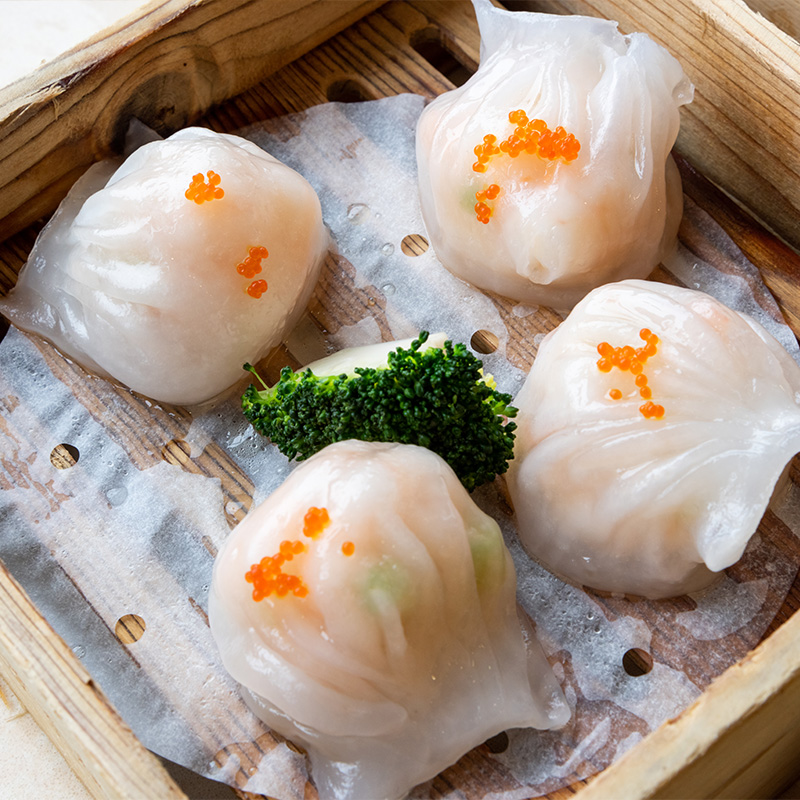
Product Features: 1. Virgin wood pulp 2. Double sides food grade silicone treated 3. Fluorine-free 4. Non-stick 5. Steamer/air fryer basket safe 6. Reusable 7. BPA free 8...
See Details -
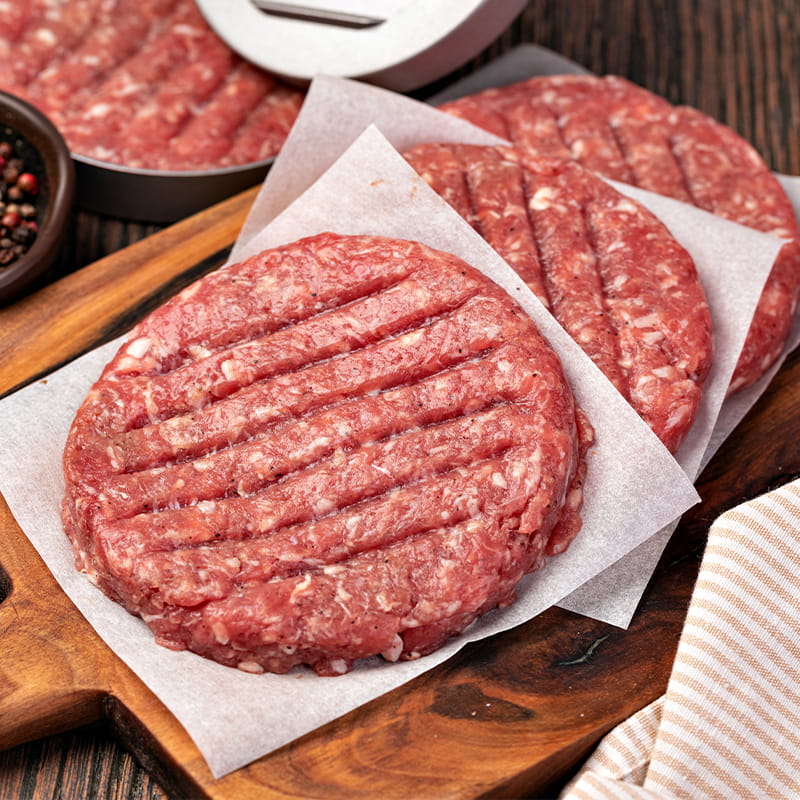
Product Features: 1. Virgin wood pulp 2. Double sides food grade silicone treated 3. Fluorine-free 4. Non-stick 5. Easy to separate 6. Reusable 7. BPA free 8. Biodegradab...
See Details -
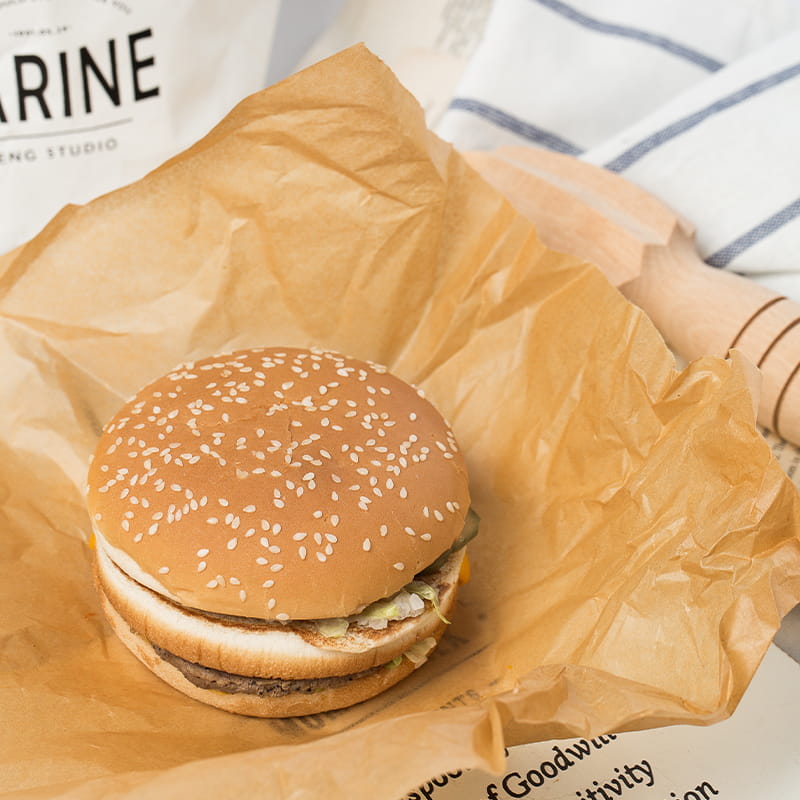
Product Features 1. Virgin wood pulp 2. Flexographic printing 3. Eco-friendly water-based ink 4. BPA free Product Details: Introducing our premium Greaseproof Sandwich Paper Sheets, a...
See Details

Professional Baking Parchment Paper Manufacturer in China with more than 15 years silicone coating experience.
Products
Contact Us
- No.10 Longyin Road, Chengnan Industrial Park,Longyou, Quzhou, China.
- +86-18968091013 / +86-571-88639705
- Avayao-1990@hotmail.com
Copyright © Zhejiang Guanghe New Materials Co., Ltd. All Rights Reserved.
Parchment Paper & Baking Paper Sheets Manufacturer
