 English
 中文简体
中文简体
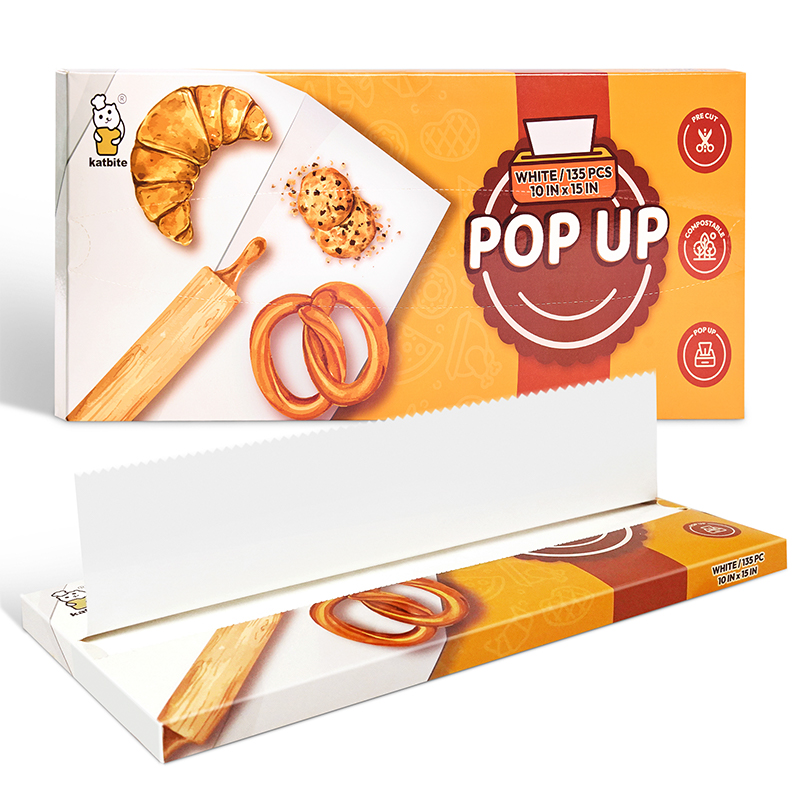
Product details: Pop-up parchment paper sheets, an environment-friendly product, are composed of wood pulp and are double-side coated with silicone. Such a coating makes our paper smooth, greasepr...
See DetailsHow Does Parchment Paper Improve Even Heat?
Parchment Paper, commonly known in some places as baking paper, functions as a practical layer in many oven-based preparations. One of its notable contributions involves helping heat reach baked items in a more balanced manner across their surfaces. This article examines the ways parchment paper supports even heat application, considering basic principles of how heat moves in an oven environment, the physical characteristics of the paper itself, and the differences observed in finished baked goods.
Heat Movement Patterns in Ovens
Ovens generate heat through several pathways that work together. Air currents carry warmth around the interior space in a process involving moving gases. Infrared waves emanate from heating elements and warm surfaces they strike. Direct contact with hot metal transfers energy through touching.
These pathways do not always deliver energy uniformly to every part of a baking tray or pan. Heating elements may sit at the top, bottom, or both, creating zones where intensity varies. Airflow patterns shift depending on rack position, load inside the oven, and door seals. Metal bakeware conducts energy quickly where contact occurs, which can produce localized warmer areas if the pan has slight thickness differences or warping.
Without any barrier, items placed straight onto metal often experience faster energy gain at the base. This leads to quicker setting or browning on the bottom compared to the top or sides. Edges near the pan's perimeter may receive extra exposure from reflected or concentrated waves, while central portions lag slightly. Such variations appear in uneven coloration, inconsistent texture from edge to center, or differences in rise and structure.
Placing a sheet of parchment paper between the food and the metal changes this dynamic. The paper acts as an intermediate layer that influences how energy crosses from the pan to the item.
Creating a Moderating Interface
Metal transfers energy efficiently through direct contact. When batter or dough rests against it, heat flows rapidly into the portions. This can cause the base to reach higher temperatures sooner than upper areas, especially in recipes sensitive to timing.
Parchment paper consists of tightly packed fibers treated to handle oven conditions. These fibers conduct energy far less readily than metal. The layer therefore slows the pace at which heat moves directly upward from the pan surface. Energy still reaches the food, but the transfer happens more gradually and spreads sideways along the paper before penetrating fully.
This buffering reduces sharp temperature peaks at points of firmest contact. Instead of intense localized heating, warmth distributes across a broader area beneath the item. Bakers notice that bottoms develop color more evenly, without the stark darkening sometimes seen at edges or corners when baking directly on metal.
Tiny air spaces or surface irregularities between the paper and pan can hold small amounts of trapped air. Since air resists energy flow, these pockets add a minor insulating quality that further smooths abrupt changes. The effect remains gentle, yet it contributes to leveling out small-scale differences in delivery.
Interaction with Radiant Energy
Oven interiors send out infrared waves that objects absorb and convert into heat. Bare metal surfaces take in these waves readily, turning them into conducted warmth that passes into whatever touches the metal.
The treated surface of parchment paper handles incoming waves differently. The coating applied during production promotes some scattering or partial reflection rather than complete absorption. This means less concentrated energy builds up directly under the food item.
As a result, radiant input spreads more broadly across the sheet. Areas closer to hotter oven sections receive less overwhelming direct exposure, while cooler zones still gain adequate warmth. Finished items show reduced contrast between sections that faced different oven areas, to smoother overall coloration.
This property proves useful in conventional ovens where radiant contribution plays a larger role compared to fan-assisted models with strong air movement.
Supporting Airflow and Steam Release
Hot air circulates freely around items in the oven, carrying warmth to the upper and side surfaces so they develop color and structure at a pace similar to the base. The thin, flexible nature of parchment paper lets it settle smoothly against the pan without blocking or redirecting this overhead movement in any significant way.
| Aspect | Role of Hot Air Circulation | How Parchment Paper Supports It | Result |
|---|---|---|---|
| Heat Delivery | Carries warmth to top and side surfaces | Thin & flexible layer settles smoothly on pan | Top/sides develop color & structure at similar pace to base |
| Airflow Impact | Allows free overhead movement around items | Does not block or redirect significant air movement | Even exposure to circulating hot air |
Compared to denser liners or covered arrangements, parchment permits vapor from the baking item to move away naturally. When moisture stays confined beneath or around the food, it can delay setting in isolated areas or to irregular rising patterns. Allowing that vapor to disperse evenly encourages uniform drying and surface texture development from one side to the other.
For preparations that depend on good rise—think airy sponge cakes or fragile whipped mixtures—the paper's treated surface lets the item expand without being held back too firmly in places. This freedom helps shapes form symmetrically instead of distorting where adhesion might pull one section downward more than another, which could otherwise highlight slight temperature differences across the oven space.
Observed Effects Across Recipe Types
Different kinds of baked goods demonstrate how parchment paper contributes to consistent results in noticeable ways.
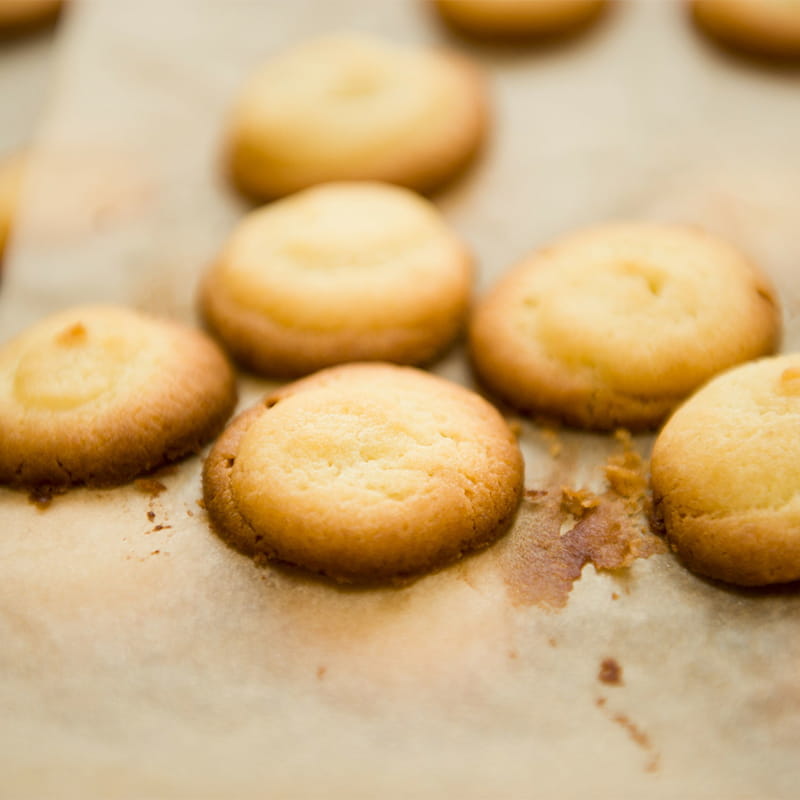
When drop-style cookies or cut dough pieces go straight onto a metal surface, the bottoms frequently darken more intensely, especially around the outer parts where direct contact meets reflected warmth from the pan edges. Adding parchment beneath produces bottoms with steadier golden hues across the whole batch. Doneness levels align more closely from piece to piece, often eliminating the need for mid-bake tray rotation or selective early removal.
Flat cakes and bar-style treats see advantages from gentler base warming. Without a liner, the outer batter can firm up sooner than the middle, occasionally creating raised centers or surface splits while waiting for the interior to finish. The paper introduces a steadier flow of heat to the underside, encouraging level tops and crumb that stays even throughout the entire piece.
Items coated in sugary mixtures or glazes that caramelize quickly on uncovered metal sometimes develop dark patches in spots receiving extra energy. Parchment moderates that intensity, allowing gradual browning with less risk of burning while still achieving appealing surface color.
Doughs that include yeast, such as rolls or flatbreads arranged on trays, respond well to regulated bottom temperatures. The bases retain softness instead of turning excessively hard, and the overall form maintains balance as vapor exits at a consistent rate.
Relation to Other Lining Choices
Thicker, washable liners deliver reliable non-stick performance and longevity for repeated use. Because of their added thickness and distinct way of interacting with heat, they can reduce bottom warming more substantially in some cases, fitting certain preparations nicely but potentially requiring longer exposure or yielding slightly paler undersides relative to parchment.
Going without any liner maximizes direct energy transfer from the pan, which suits recipes where pronounced base browning enhances flavor or snap. Still, small flaws in the pan—such as uneven thickness or minor bends—show up more readily in the finished product. Parchment lessens the influence of those imperfections, delivering steadier performance no matter which tray or sheet is chosen.
Foil coverings bounce back a great deal of radiant energy but tend to hold vapor close and restrict surrounding air movement, pushing results toward a softer, more steamed quality instead of crisp edges. Parchment keeps pathways open for both air and moisture while providing its own tempering influence.
Variables That Shape the Outcome
The way the pan is made affects how clearly the paper's moderating action stands out. Surfaces that draw in radiant energy more readily can heighten contrasts in heating, and parchment works to offset that tendency. Pans with reflective finishes or built-in layers tend to even out warmth on their own, so the added benefit appears more modest but continues to help.
Differences in oven construction play a part in circulation patterns. Units equipped with fans distribute air actively, naturally minimizing variations and making the paper's contribution supportive rather than primary. Older or simpler designs depend more on position-based differences, where the insulating quality offers greater value.
The nature of the recipe itself influences the outcome. Shallower items react promptly to changes at the surface, revealing clearer gains in uniformity. Deeper batters or doughs experience advantages during longer baking windows, as the barrier keeps the base from firming prematurely.
Careful positioning inside the oven—keeping trays centered and leaving room between items—strengthens the positive effects. Paper that extends too far toward intense heat sources might show some darkening at the margins, although the central baking zone generally stays protected.
Advantages for Overall Baking Results
Even arrival of heat promotes reliable development of texture, appropriate moisture retention, and solid structure. Baked items hold their desired tenderness or bite without patches that cook too far ahead. Cakes portion out smoothly with interiors that look and feel consistent edge to edge. Layered pastries achieve balanced lift without tilting to one side.
| Benefit Area | How Even Heat Helps | Result in Baked Goods |
|---|---|---|
| Texture Development | Promotes reliable and even texture formation | Desired tenderness or bite without overcooked patches |
| Moisture Retention | Supports appropriate and uniform moisture levels | Balanced internal moisture across the item |
| Structure & Shape | Enables solid, consistent structure | Cakes slice smoothly with uniform interior |
| Rise & Appearance | Allows balanced expansion and lift | Layered pastries rise evenly without tilting |
Home ovens frequently carry small quirks, from cycling temperature shifts to imperfect door closure or slightly tilted shelves. Parchment acts as an uncomplicated countermeasure that softens the effects of those inconsistencies. It tightens the range of differences from one batch to the next and from one oven spot to another, building steadier expectations.
When baking in volume or repeating favorite recipes, that level of dependability supports consistent quality and cuts down on pieces that fall short.
Incorporating the Practice Routinely
Making parchment paper a regular part of baking involves minimal extra effort yet brings clear enhancements in evenness. It pairs naturally with core practices such as precise ingredient weighing, thorough oven warming, and strategic shelf choices, tackling a common challenge: outcomes that vary despite attentive preparation.
By softening direct contact, adjusting radiant exposure, and keeping air movement unobstructed, the paper creates surroundings where warmth reaches the food more uniformly. The resulting goods display harmony in look, mouthfeel, and completion level.
Regular bakers often grow to value parchment paper beyond its role in easy release or quick cleanup, recognizing its quiet help in establishing balanced oven conditions. Including it routinely moves results away from unpredictability toward greater consistency, enriching routine baking sessions and opening space for more inventive efforts in the kitchen.
Why Choose Guanghe
The true appeal of choosing Guanghe emerges not merely from lists of features, but from the quiet confidence it brings to every baking session.
Guanghe integrates seamlessly into the rhythm of home kitchens and professional workspaces alike, delivering that subtle yet dependable support—balanced heat performance, reliable release, and thoughtful material choices—that lets creativity flourish without frustration. In a world of endless variables, from oven quirks to recipe experiments, Guanghe stands as a steady partner that helps turn ordinary moments of baking into consistently rewarding ones, inviting bakers everywhere to focus on flavor, texture, and joy rather than on overcoming avoidable obstacles.
Related Products
-
-
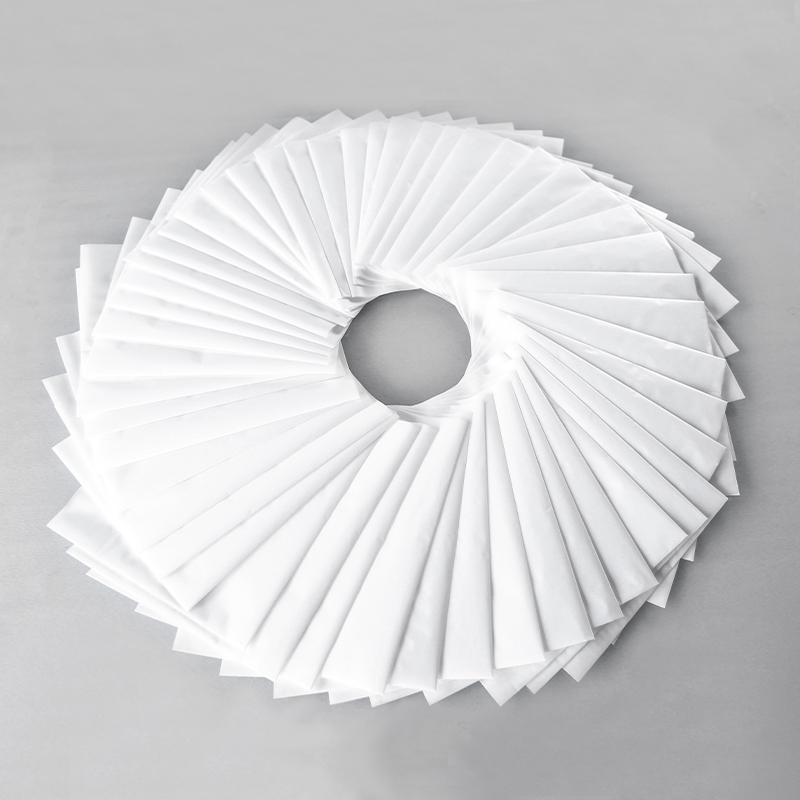
Product details: Folded baking paper sheets, an environment-friendly product, are composed of wood pulp and are double-side coated with silicone. Such a coating makes our paper smooth, greaseproof and...
See Details -
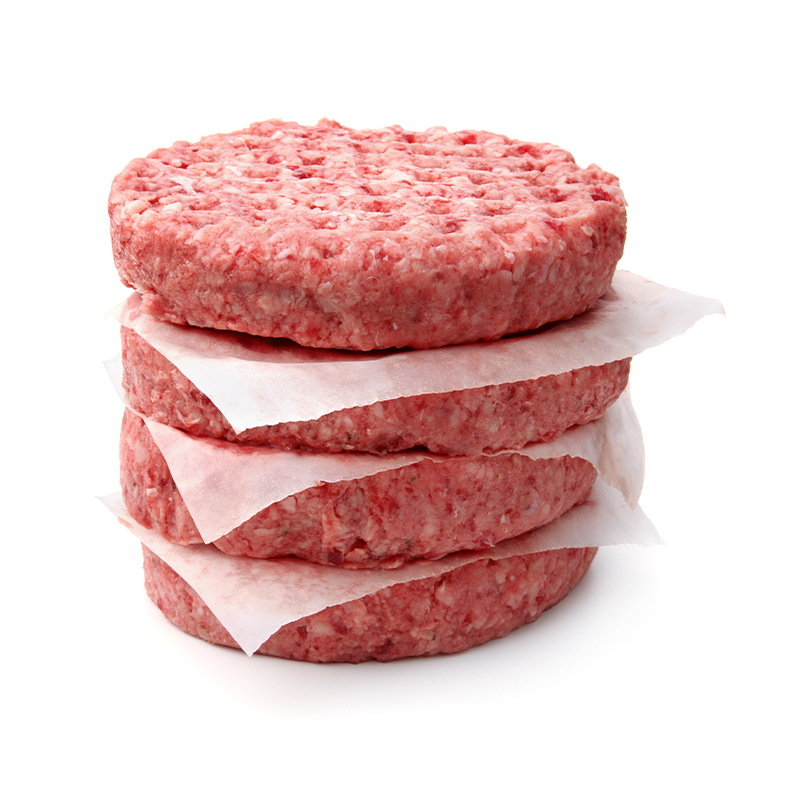
Description: Wax paper is the paper that is coated with food-grade wax in order to make it non-stick and waterproof. wax paper is very good for food storing and presentingMade of food-grade paper and ...
See Details -
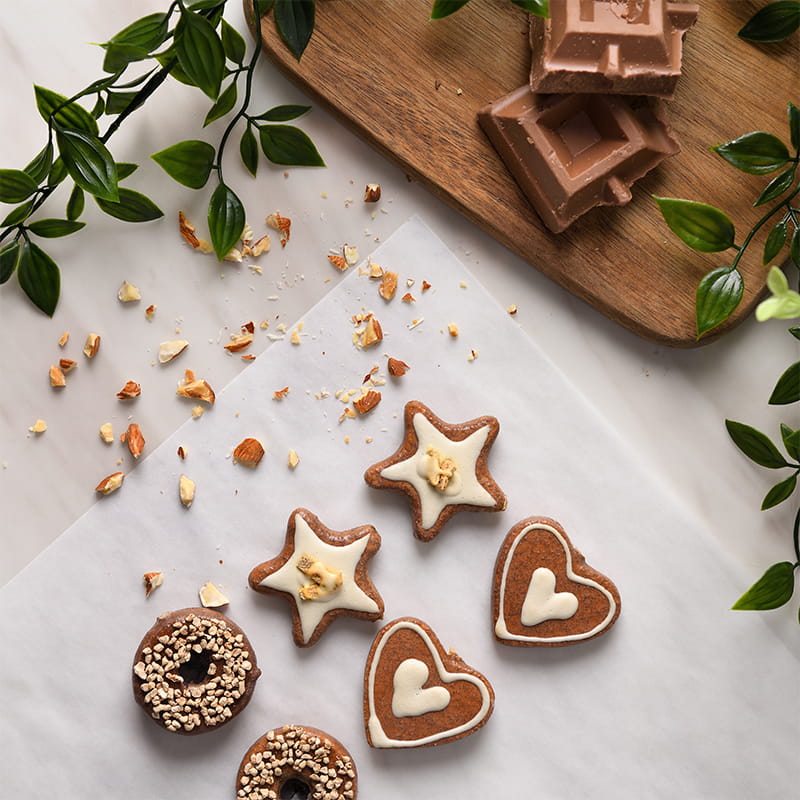
Product Features: 1. Virgin wood pulp 2. Double sides food grade silicone-treated 3. Fluorine-free 4. Non-stick 5. Oven/Microwave safe 6. Freezer safe 7. Reusable 8. BPA f...
See Details -
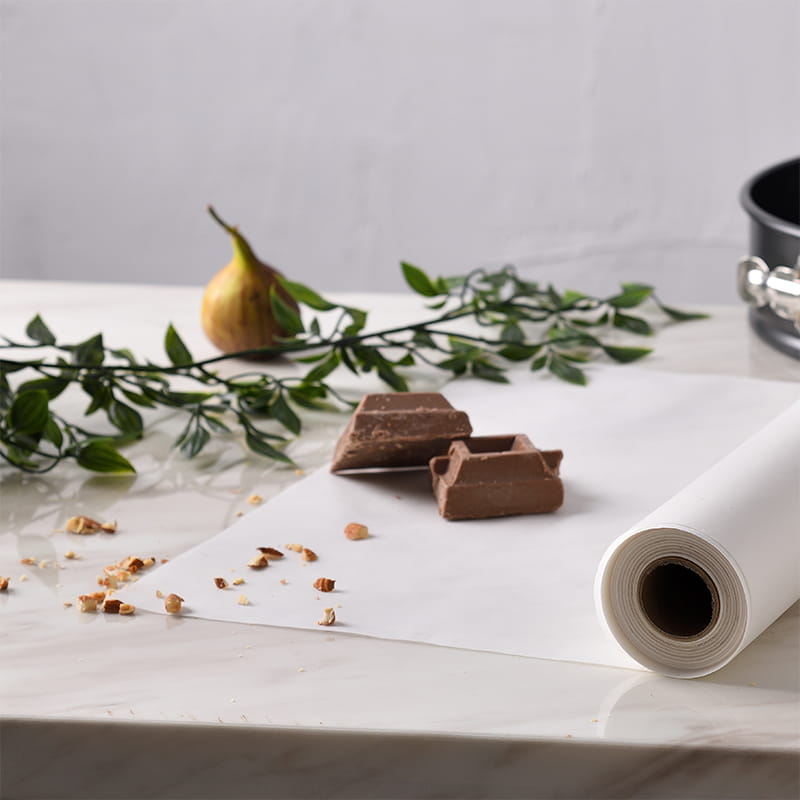
Product Features: 1. Virgin wood pulp 2. Natural unbleached brown color 3. Double sides food grade silicone-treated 4. Fluorine-free 5. Non-stick 6. Oven/Microwave safe 7. Fre...
See Details -
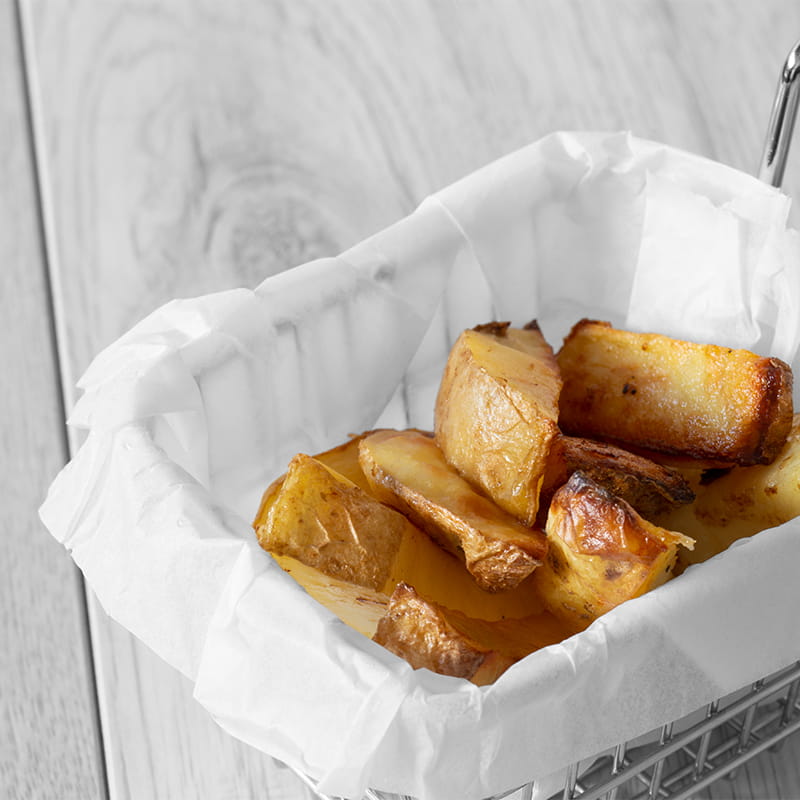
Product Features: 1. Virgin wood pulp 2. Double sides food grade silicone treated 3. Fluorine-free 4. Non-stick 5. Oven/Microwave safe 6. Freezer safe 7. Reusable 8. BPA ...
See Details -
Product Features: 1. Virgin wood pulp 2. Fluorine-free 3. BPA free 4. Biodegradable Product Details: In an era where environmental consciousness and sustainability are paramount, Natu...
See Details -
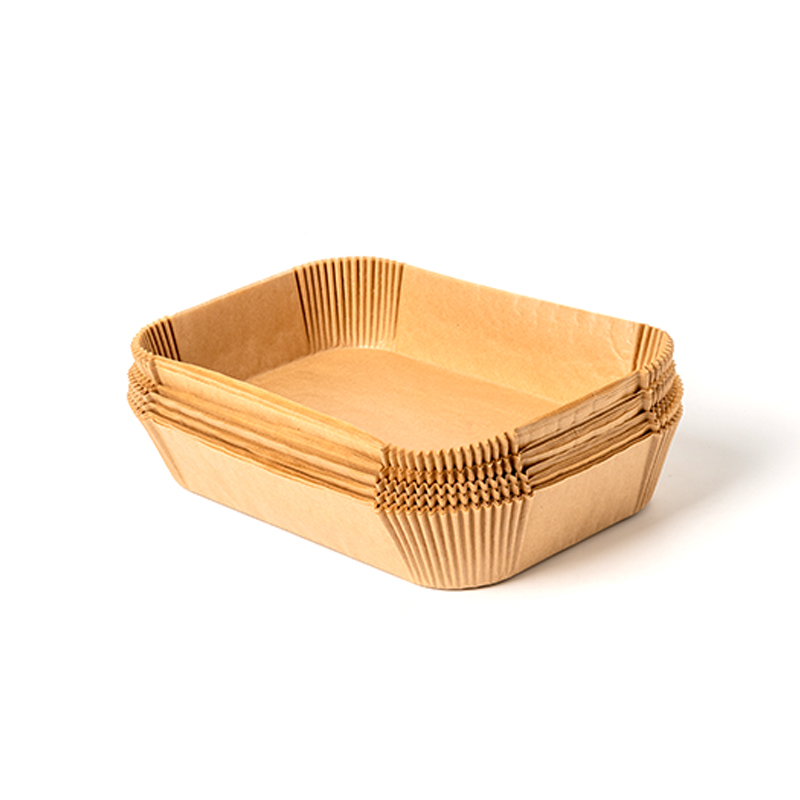
Product Features: 1. Virgin wood pulp 2. Double sides food grade silicone-treated 3. Fluorine-free 4. Non-stick 5. Air fryer basket safe 6. Reusable 7. BPA free 8. Biodeg...
See Details -
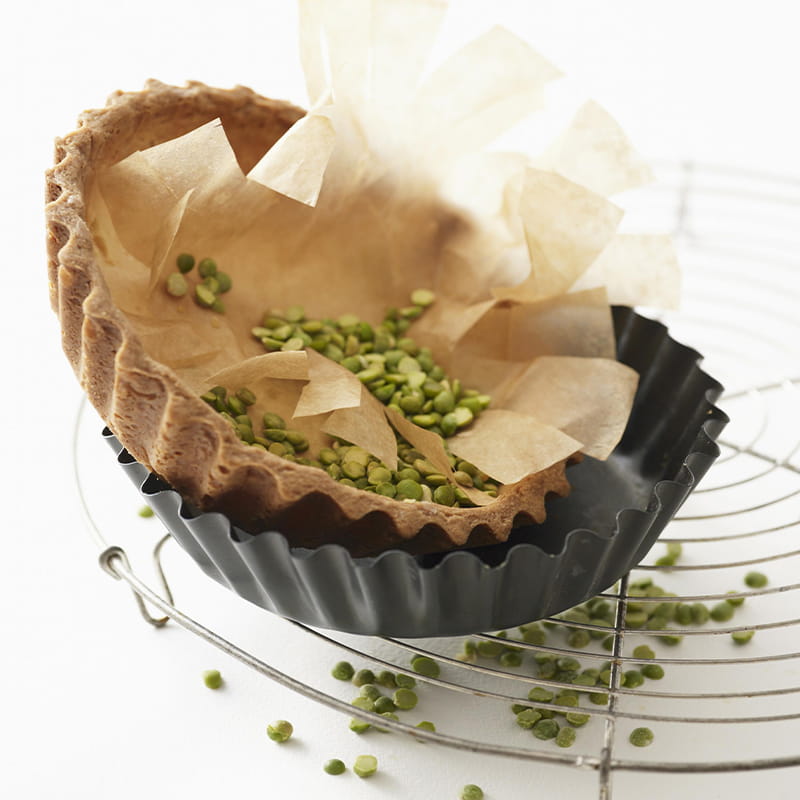
Product Features: 1. Virgin wood pulp 2. Natural unbleached brown color 3. Fluorine-free 4. BPA free 5. Biodegradable Product Details: Introducing our Unbleached Brown Food Grade ...
See Details -
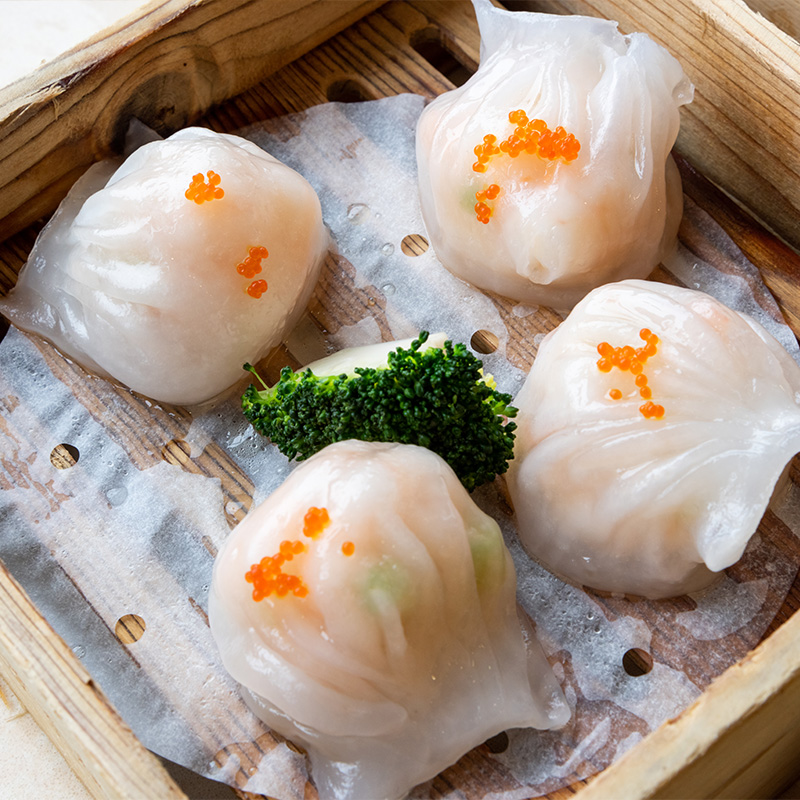
Product Features: 1. Virgin wood pulp 2. Double sides food grade silicone treated 3. Fluorine-free 4. Non-stick 5. Steamer/air fryer basket safe 6. Reusable 7. BPA free 8...
See Details -
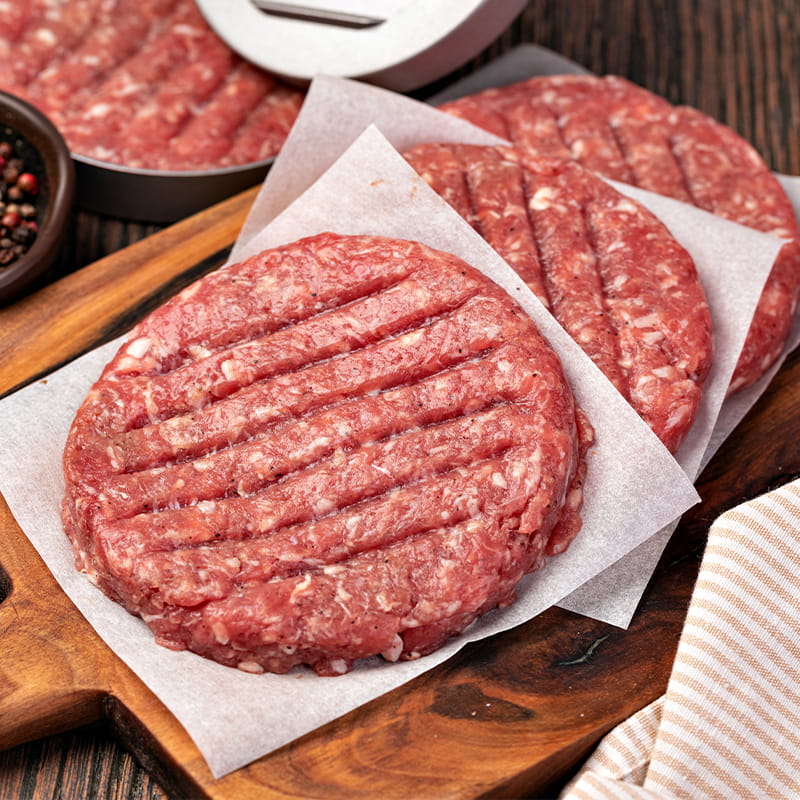
Product Features: 1. Virgin wood pulp 2. Double sides food grade silicone treated 3. Fluorine-free 4. Non-stick 5. Easy to separate 6. Reusable 7. BPA free 8. Biodegradab...
See Details -
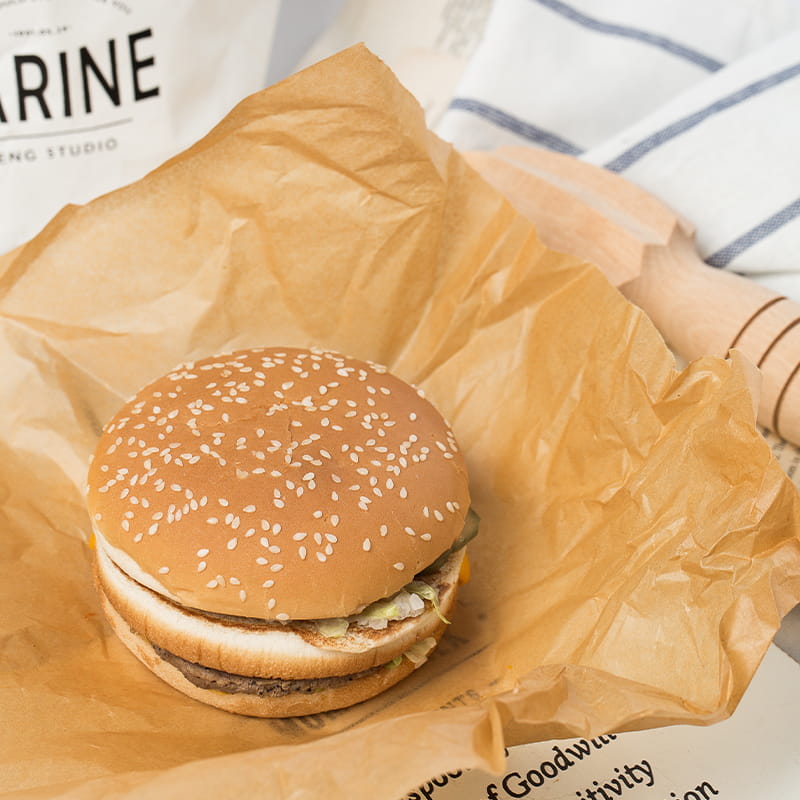
Product Features 1. Virgin wood pulp 2. Flexographic printing 3. Eco-friendly water-based ink 4. BPA free Product Details: Introducing our premium Greaseproof Sandwich Paper Sheets, a...
See Details

Professional Baking Parchment Paper Manufacturer in China with more than 15 years silicone coating experience.
Products
Contact Us
- No.10 Longyin Road, Chengnan Industrial Park,Longyou, Quzhou, China.
- +86-18968091013 / +86-571-88639705
- Avayao-1990@hotmail.com
Copyright © Zhejiang Guanghe New Materials Co., Ltd. All Rights Reserved.
Parchment Paper & Baking Paper Sheets Manufacturer
