 English
 中文简体
中文简体
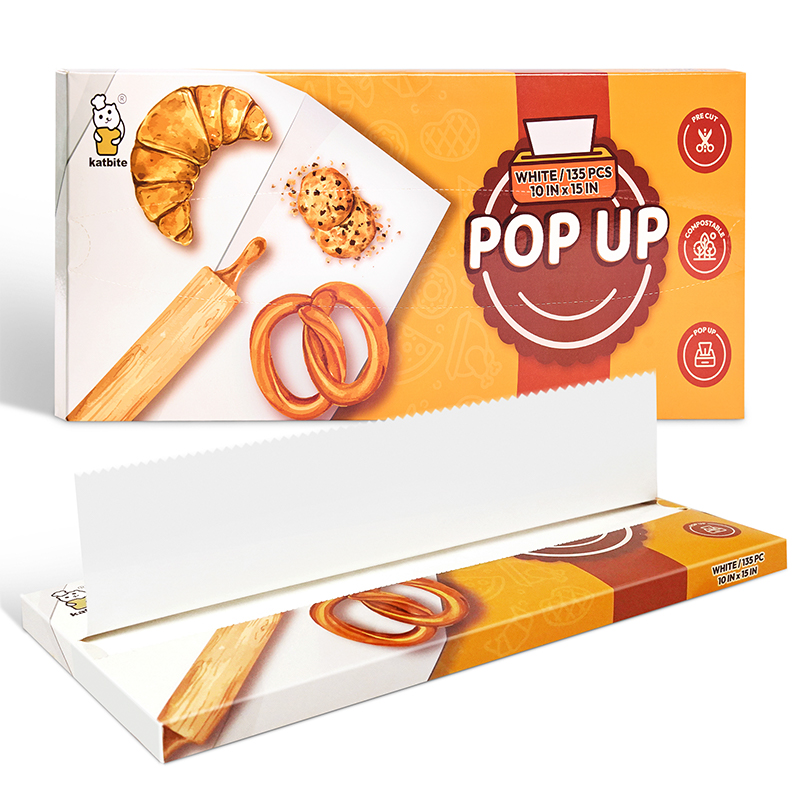
Product details: Pop-up parchment paper sheets, an environment-friendly product, are composed of wood pulp and are double-side coated with silicone. Such a coating makes our paper smooth, greasepr...
See DetailsHow Does Parchment Paper Simplify Oven Cooking?
Oven cooking provides a dependable approach to preparing meals. One might bake batches of cookies, roast vegetables intended for several days, or arrange a full dinner across a single tray. The interaction between food and the heated surfaces inside the oven influences the final results in noticeable ways. Parchment Paper establishes a clean barrier that keeps food from sticking directly to the pan. When the paper receives thoughtful placement, food items tend to separate smoothly after cooking, delicate textures receive protection, cleanup periods shorten, and outcomes gain a degree of consistency across different recipes.
Why Parchment Paper Matters in Oven Cooking
Heat in the oven sets off several changes in food. Sugars begin to caramelize, proteins form seared surfaces, and fats render out from meats or added oils. Without something to interrupt contact, these reactions can cause food to bond with the pan, which leads to difficulty when trying to remove the finished items and extends the time needed for cleaning. Parchment paper breaks that direct connection. Its treated surface creates conditions where cooked food slides away cleanly once the process ends. Shapes hold their intended form, appearance stays appealing, and the pan surface retains little residue that would otherwise require scrubbing.
The paper also collects drips, small crumbs, and juices released during cooking. By capturing these elements, it stops them from burning onto the metal and producing smoke or off-flavors that might affect the dish. A limited amount of breathability in the material allows some moisture to move away from the food. This movement supports browning instead of allowing the item to sit in its own steam, which can be useful in preparations that call for both even cooking and straightforward release afterward.
Cooks who look for convenience while maintaining quality often turn to parchment paper because it occupies space between bare metal pans that demand greasing and scrubbing and surfaces with built-in coatings. The disposable character of the paper means each session starts with a fresh layer. This reduces the chance that flavors or particles from one meal influence the next, helping keep tastes distinct and clean.
Preparing to Use Parchment Paper
Preparation lays groundwork for good performance. Sheets or rolls can match the dimensions of common baking trays and pans. Pre-cut sheets offer speed when working with rectangular trays that appear frequently, while rolls allow adjustment for round pans, loaf shapes, or other forms that arise in specific recipes.
Before covering a tray, unroll or unfold the paper and confirm that it rests flat against the surface. Cut or tear a piece that extends slightly past the tray edges, then fold or trim the borders so they remain inside the rim of the pan. Paper that extends beyond the rim can come into contact with heat sources and develop browning or charring. For round cake pans or molded containers, trace and cut circles to fit the base or strips to line the sides, shaping them to follow the curves where necessary.
Gentle pressure applied into the corners and along the edges encourages the paper to settle into the pan's contours. A light mist of water on the side facing the tray can create temporary adhesion, keeping the lining in position when ingredients are placed or when the tray travels to the oven. Once the lining sits securely, the surface becomes ready for batters, chopped items, or proteins.
Using Parchment Paper for Baking
Baking shows the paper's strengths in clear ways. Cookies, scones, and biscuits arranged on a lined tray spread without bonding to the metal below. The bottoms gain even coloring as heat moves around them. When baking time concludes, the items lift from the paper with minimal resistance, keeping their edges intact and leaving no fragments behind on the tray.
Sheet cakes, brownies, and bar-style desserts release in clean sections when the base of the pan receives lining and, in certain cases, the sides as well. This detachment simplifies cutting into portions and lowers the likelihood of pieces breaking or tearing during removal. Layer cakes develop smooth sides and bases that support stacking without uneven surfaces interfering.
Preparations that have delicate structures, including meringues, macarons, or thin wafers, gain reliable separation from the non-stick surface. These items come away without cracks appearing or textures collapsing under their own weight. Piped batters and doughs rest on the paper and hold their formed shapes and spacing while they set during the baking period.
Yeast breads and loaves with artisan character transfer onto a heated surface or tray without difficulty and withdraw smoothly once baking finishes. The paper shields the bottom from excessive direct contact while permitting steam to vent in ways that contribute to rise and an open interior.
Roasting with Parchment Paper
Roasting gains ease when parchment paper lines the tray. Vegetables cut into pieces and combined with oil and seasonings develop surface coloring without fragments sticking to the metal. The paper gathers excess oils and juices, so the tray beneath needs only light attention afterward rather than extended scrubbing.
Proteins such as chicken pieces, fish fillets, or pork cuts form crisp outer layers on the lined surface while the paper contains fats that render during the process. Whole fish or larger roasts can rest on the paper with surrounding herbs and aromatics. This setup creates enclosed areas where flavors infuse the food gradually, and the tray itself collects little residue.
Packet cooking, in which ingredients enclose within folded paper along with a small amount of liquid or oil, aligns well with parchment paper. Steam forms inside the packet, helping retain moisture and concentrate tastes from added herbs or spices. When the packet opens at the table, aromas emerge, and the tray requires little additional cleaning.
Creative and Everyday Uses
Parchment paper extends into tasks that support baking and roasting. It functions as a work surface during the rolling of pastry or cookie dough, reducing adhesion to counters and allowing the rolled sheet to move toward the pan without tearing. When forming burger patties, meatballs, or similar hand-shaped items, a sheet underneath protects the counter and permits stacking in the refrigerator without pieces bonding together.
Meal preparation sessions use the paper to divide portions before freezing. Marinated meats, seasoned vegetables, or pre-measured sides rest on separate sheets. The non-stick quality allows removal of single servings later without defrosting an entire collection at once.
Presentation receives a refined detail when parchment lines serving baskets for bread, platters for appetizers, or trays holding snacks. The neutral background draws attention to food colors and textures while shielding the dishware from oils, sauces, or crumbs that would otherwise call for immediate attention.
Food Safety and Best Practices
Food safety practices remain central throughout the use of parchment paper. Hands and work surfaces receive washing before food contact occurs. Storage takes place in a cool, dry location to limit exposure to contaminants. Sheets that accumulate visible soil or display discoloration from prior use receive replacement to prevent any transfer of residue to new batches.
Parchment paper contributes to cleaner processes and greater convenience, yet it does not substitute for reaching correct internal temperatures or following careful handling steps. Foods require proper cooking levels, and leftovers move into refrigeration without delay. The material supports hygiene efforts rather than replacing them.
Placement inside the oven benefits from attention to heat sources. Edges of the paper stay inside the pan rim to avoid contact with heating elements or flames. The paper does not serve as a freestanding vessel or suit prolonged conditions that differ from ordinary baking ranges.
Storage and Handling Tips
Parchment paper stores without complication in its original packaging or inside a flat drawer where it avoids heavy creasing. Dry conditions and separation from strong kitchen odors help the material retain its performance characteristics. Rolls adapt to pans of varying dimensions, while pre-cut sheets accelerate preparation for trays used on a regular basis.
| Storage Method | Benefit |
|---|---|
| Original packaging or flat drawer | Prevents heavy creasing |
| Dry conditions, away from strong odors | Maintains performance characteristics |
| Rolls vs. pre-cut sheets | Rolls adapt to different pan sizes; pre-cut sheets speed up regular tray preparation |
Tearing or cutting sheets from a roll works with straight edges that allow the paper to lie flat without curling. A sparing mist of water on the underside can encourage the paper to settle against the tray during setup, reducing movement once ingredients cover the surface.
Common Mistakes to Avoid
A few recurring oversights can diminish results with parchment paper. Edges allowed to extend beyond the pan rim face increased chances of browning or charring from direct heat. Sheets carrying heavy residue from earlier sessions may convey flavors or particles when placed under fresh food. Conditions that involve heat levels or proximity to elements outside suitable ranges can cause the paper to scorch or become brittle.
Recipes that include higher sugar content sometimes perform better with a fresh sheet introduced between batches to maintain consistent release. A brief inspection of the paper before each use helps identify small concerns before they influence the outcome or the cleanup stage.
Integrating Parchment Paper into Daily Cooking
Cooks who keep parchment paper accessible report changes in how oven meals come together. Lining a tray becomes an early step that occurs alongside chopping vegetables or seasoning proteins, turning sheet-pan assembly into a process with reduced friction. Baking successive batches of cookies or muffins proceeds with lighter cleanup expectations afterward.
Weekly preparation gains support when parchment paper divides items headed for the freezer or lines trays for vegetable roasts that supply meals across several days. The separating layers limit unintended flavor mingling and simplify reheating or portioning when the time arrives.
Expanding on Preparation Techniques
Further attention to preparation unlocks added convenience. Creating a sling inside deeper pans involves crossing two paper strips so their ends extend as handles after cooking. This arrangement permits the entire contents to lift in one motion once cooled, avoiding the need to turn pans upside down or use tools to loosen items.
Pressing the paper into contours and applying minimal moisture on the reverse side improves contact with the pan. These measures keep the lining stable even when batters rise or vegetables release liquids during the cooking period.
Deeper Benefits in Baking Applications
Baking demonstrates how parchment paper influences heat interaction with food. The barrier moderates coloring on the underside of cookies and bars, contributing to balanced tones across the surface. Brownies and sheet cakes separate in cohesive blocks, preserving moist interiors or crisp edges as the recipe intends.
Delicate piped items retain their shapes because the surface resists adhesion through baking and cooling phases. Yeast doughs receive support during transfer and baking, with steam escaping in patterns that encourage rise and desirable crumb structure.
Advantages in Roasting and Packet Cooking
Roasting on parchment paper allows vegetables to develop surface qualities while containing mess. Mixed combinations reach even tenderness without stubborn fragments remaining on the tray. Proteins achieve exterior texture as rendered fats collect on the lining instead of spreading across metal.
Packet cooking encloses ingredients in folded paper, where steam circulates to carry flavors from herbs, citrus, or spices into the food. The approach suits items that respond well to gentle, moist heat and presents the meal with limited tray involvement once finished.
Additional Creative Applications
The paper appears in supporting roles around the kitchen. It protects counters when handling sticky candies or chocolate mixtures, allowing them to cool and release cleanly for cutting or shaping. In freezing, layers of parchment keep individual portions separate, so exact amounts can come out without thawing surplus.
Presentation benefits when parchment lines baskets or platters, catching drips while framing the food in a clean way. The material can also act as a divider on a single tray when components require different cooking durations.
Enhancing Food Safety Measures
Safety gains strength from steady habits. Washing precedes food contact, and storage avoids humidity or aromas that could affect the paper. Replacement of soiled sheets prevents residue buildup that might influence later preparations.
Parchment paper reduces direct food-to-pan contact, yet proper temperature monitoring and refrigeration of leftovers continue as essential responsibilities.
Refining Storage and Daily Habits
Accessible storage promotes frequent use. A dedicated drawer space or cabinet section keeps rolls and cut sheets ready without delay. Preparing several sheets during quieter periods to fit standard pans saves steps when cooking activity increases.
| Tip | Benefit |
|---|---|
| Use dedicated drawer or cabinet space | Keeps rolls and cut sheets ready without delay |
| Prepare several sheets in advance | Saves time during busy cooking sessions |
Straight edges during tearing and light moisture for tray contact contribute to smooth performance each time the paper enters use.
Avoiding Setbacks for Consistent Results
Trimming edges carefully limits exposure risks. Fresh paper supports release in sugar-containing recipes across batches. Watching the oven during initial cooking minutes permits adjustments if the paper shifts or shows unexpected changes.
These steps preserve workflow and safeguard food quality along with kitchen surfaces.
Building Long-Term Integration
Repeated application turns tray lining into an automatic part of meal planning. Sheet-pan dinners assemble rapidly, batch baking sheds much of its cleanup demand, and freezer stocks remain organized through paper separators. Time previously spent on scrubbing shifts toward flavor development and meal enjoyment.
Zhejiang Guanghe New Materials Co., Ltd.
As home cooks and avid bakers increasingly discover the myriad—often subtle—efficiencies that parchment paper brings to their daily oven cooking routines, many are turning to products manufactured by Zhejiang Guanghe New Materials Co., Ltd. (the maker of "Guanghe Baking Paper").
Upholding consistently high standards, the company provides food-grade, silicone-coated parchment paper. Whether used to line baking sheets for delicate pastries, to wrap ingredients into flavorful cooking packets, or to portion foods for freezer storage, Guanghe Baking Paper integrates seamlessly into the culinary process without ever stealing the spotlight; it ensures your focus remains squarely on seasoning, texture, and the sheer joy of sharing delicious food with family and friends.
Serving as a quiet companion in the kitchen, Guanghe Baking Paper silently facilitates a smooth transition from meal preparation to plating, fostering a relaxed and effortless cooking rhythm. In doing so, it transforms oven cooking from a tedious chore into a natural extension of everyday culinary creativity.
Related Products
-
-
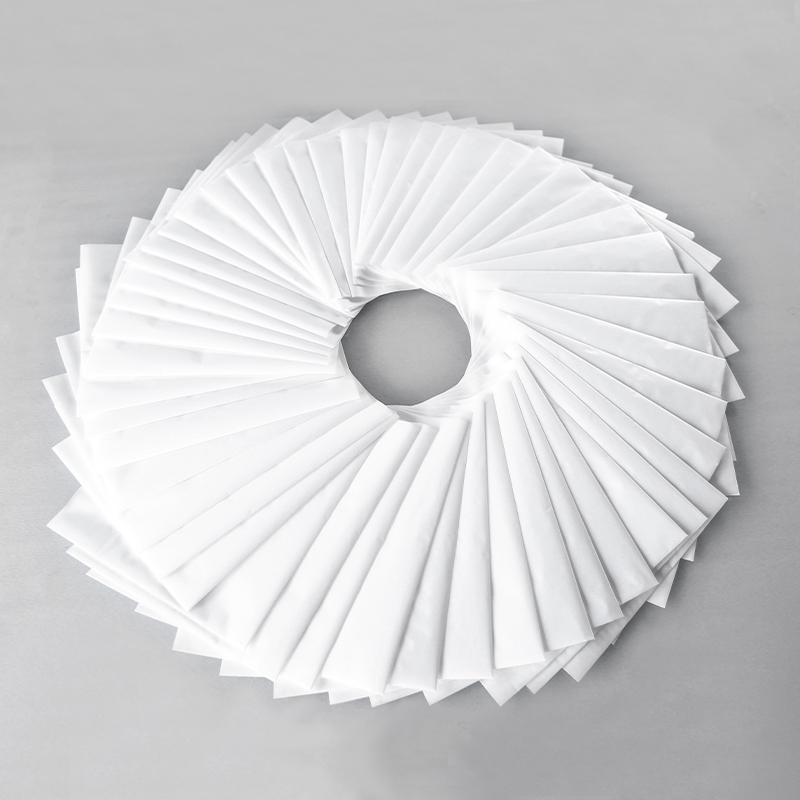
Product details: Folded baking paper sheets, an environment-friendly product, are composed of wood pulp and are double-side coated with silicone. Such a coating makes our paper smooth, greaseproof and...
See Details -
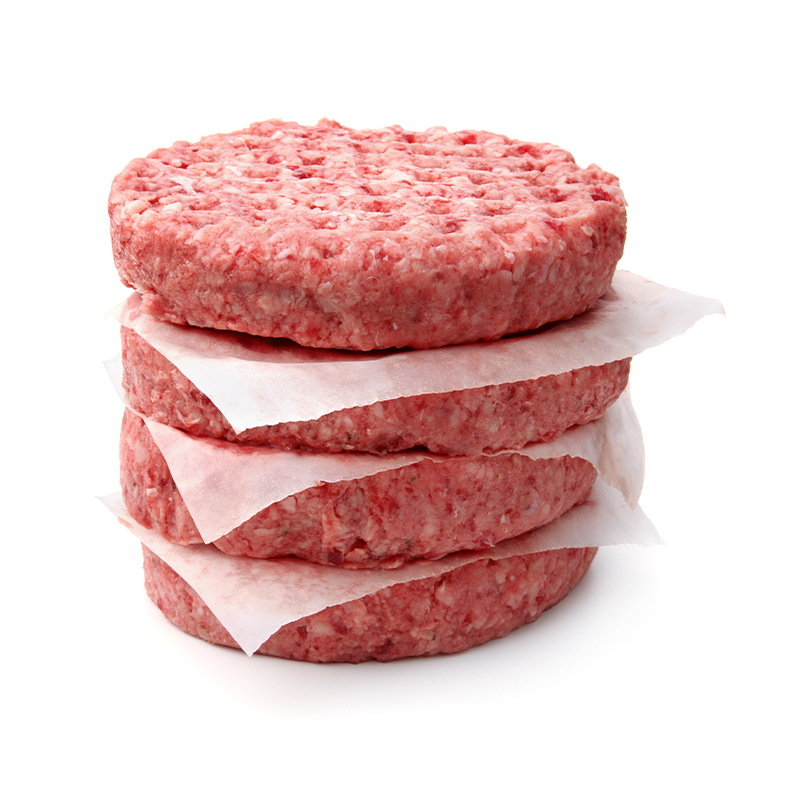
Description: Wax paper is the paper that is coated with food-grade wax in order to make it non-stick and waterproof. wax paper is very good for food storing and presentingMade of food-grade paper and ...
See Details -
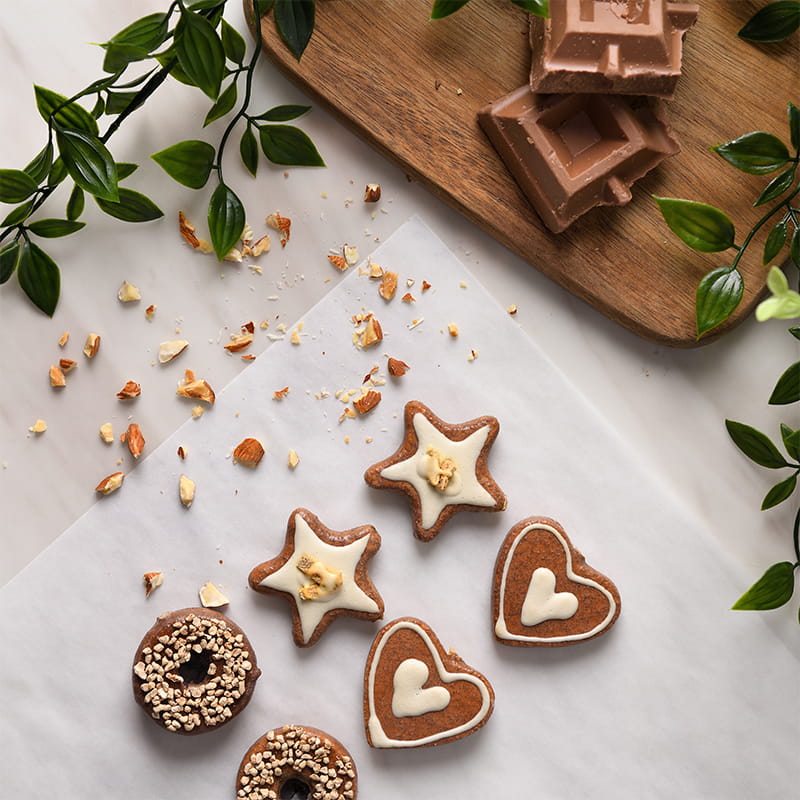
Product Features: 1. Virgin wood pulp 2. Double sides food grade silicone-treated 3. Fluorine-free 4. Non-stick 5. Oven/Microwave safe 6. Freezer safe 7. Reusable 8. BPA f...
See Details -
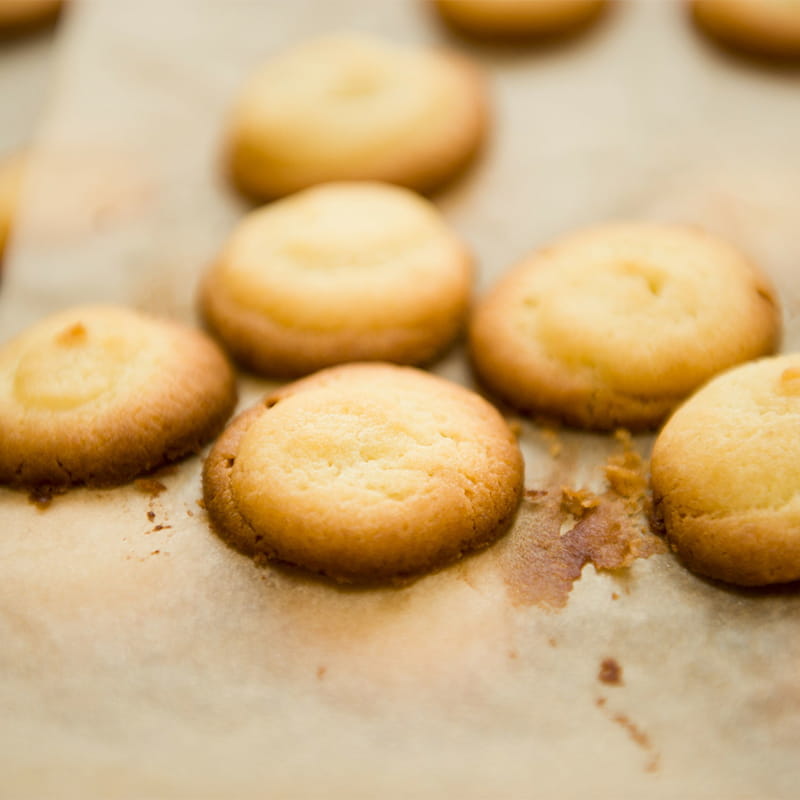
Product Features: 1. Virgin wood pulp 2. Natural unbleached brown color 3. Double sides food grade silicone-treated 4. Fluorine-free 5. Non-stick 6. Oven/Microwave safe 7. Fre...
See Details -
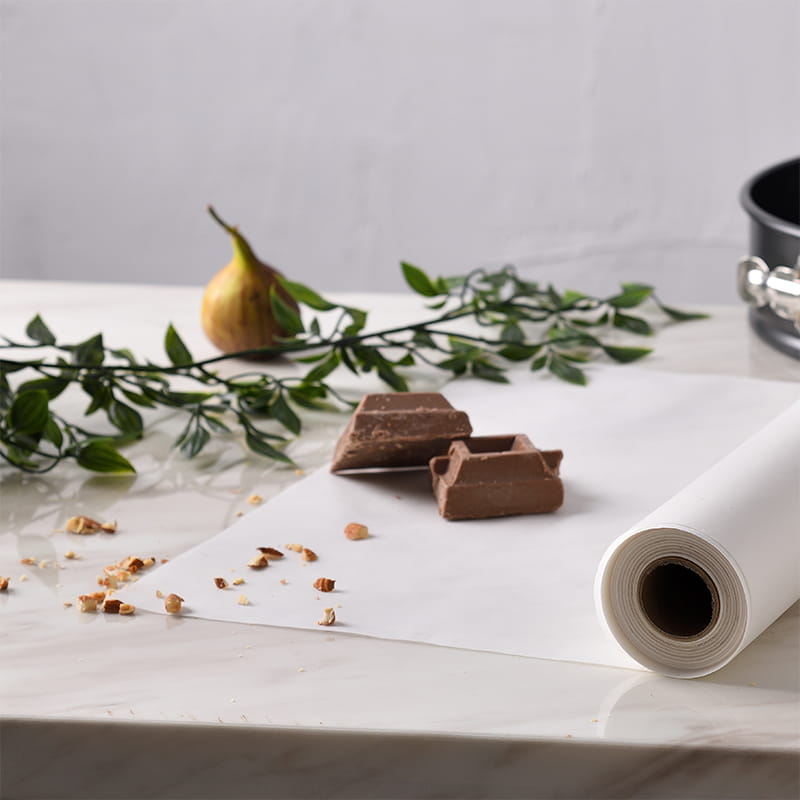
Product Features: 1. Virgin wood pulp 2. Double sides food grade silicone treated 3. Fluorine-free 4. Non-stick 5. Oven/Microwave safe 6. Freezer safe 7. Reusable 8. BPA ...
See Details -
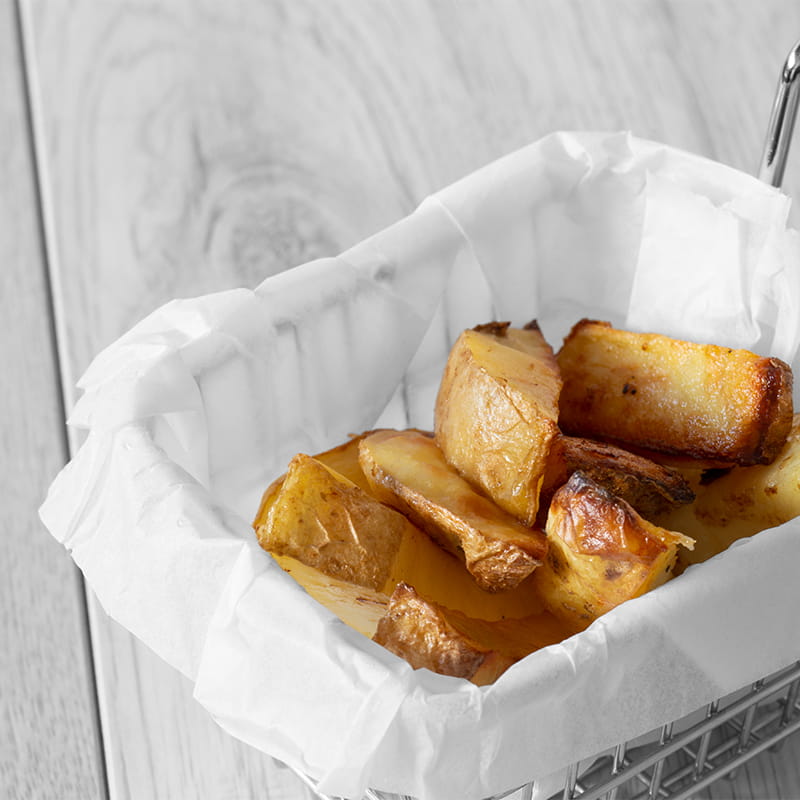
Product Features: 1. Virgin wood pulp 2. Fluorine-free 3. BPA free 4. Biodegradable Product Details: In an era where environmental consciousness and sustainability are paramount, Natu...
See Details -
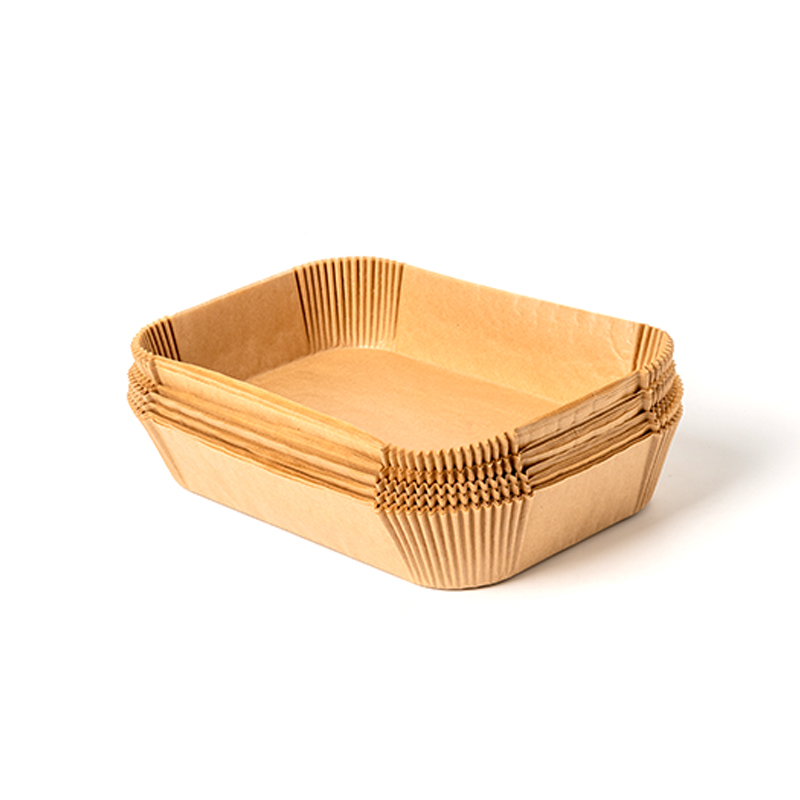
Product Features: 1. Virgin wood pulp 2. Double sides food grade silicone-treated 3. Fluorine-free 4. Non-stick 5. Air fryer basket safe 6. Reusable 7. BPA free 8. Biodeg...
See Details -
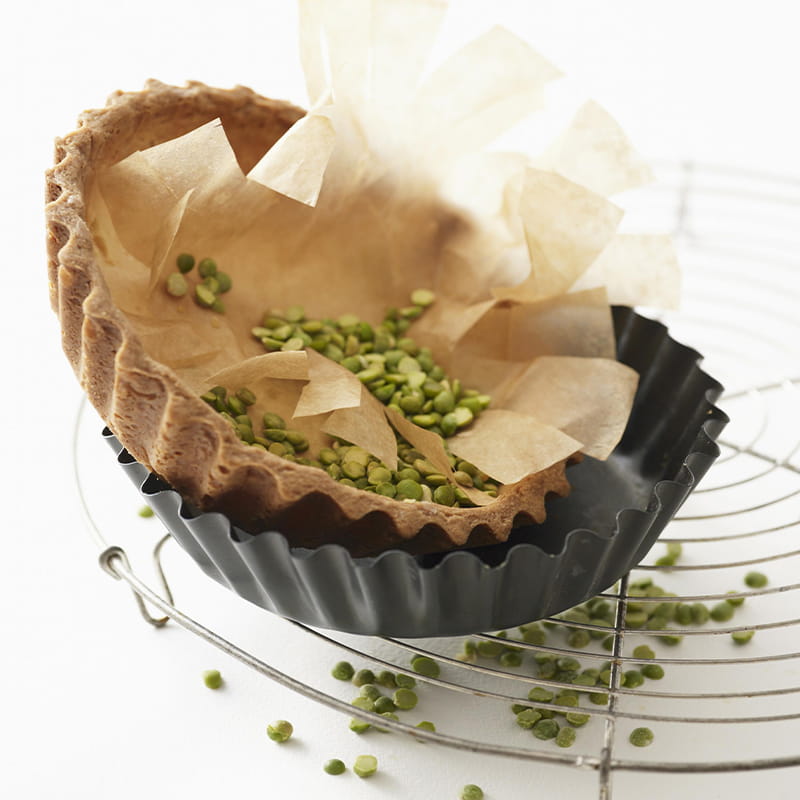
Product Features: 1. Virgin wood pulp 2. Natural unbleached brown color 3. Fluorine-free 4. BPA free 5. Biodegradable Product Details: Introducing our Unbleached Brown Food Grade ...
See Details -
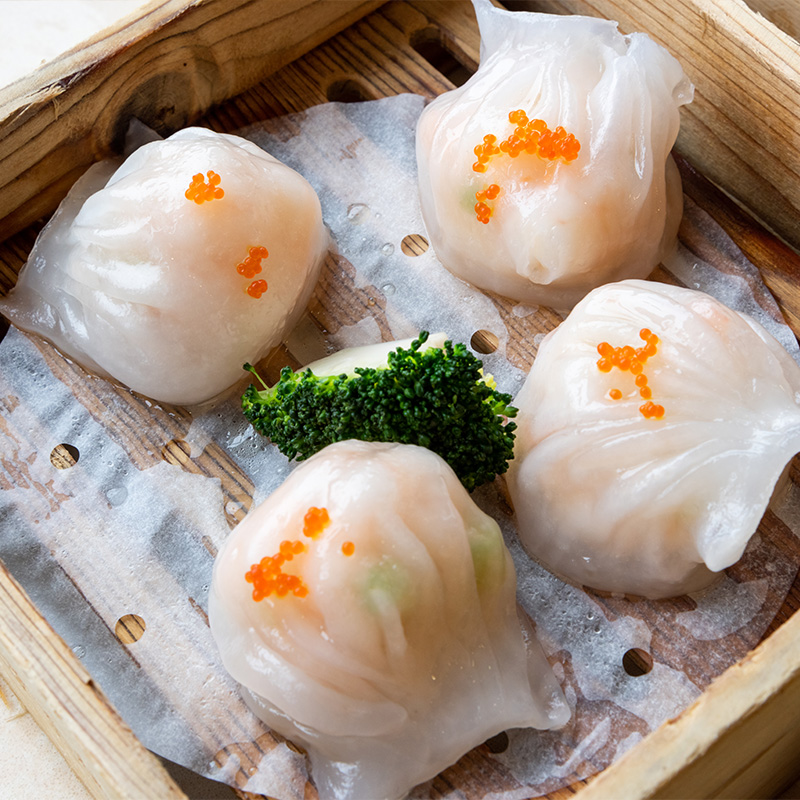
Product Features: 1. Virgin wood pulp 2. Double sides food grade silicone treated 3. Fluorine-free 4. Non-stick 5. Steamer/air fryer basket safe 6. Reusable 7. BPA free 8...
See Details -
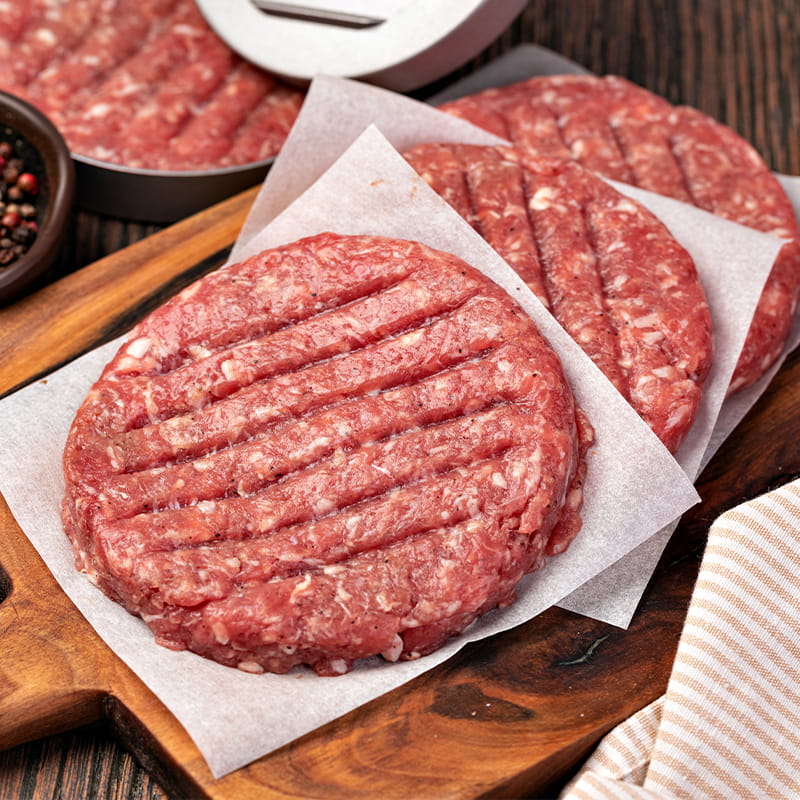
Product Features: 1. Virgin wood pulp 2. Double sides food grade silicone treated 3. Fluorine-free 4. Non-stick 5. Easy to separate 6. Reusable 7. BPA free 8. Biodegradab...
See Details -
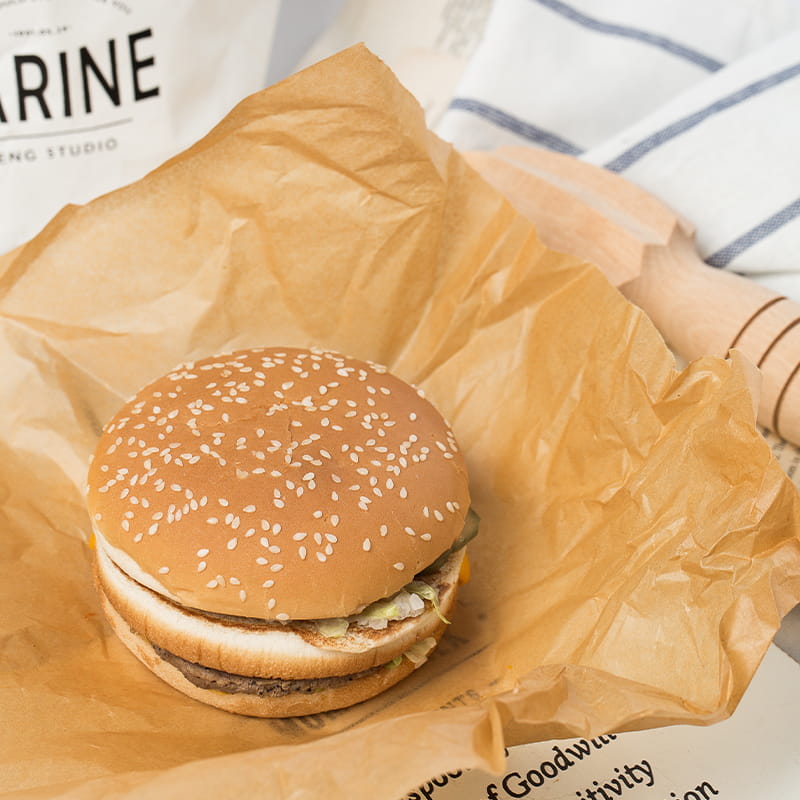
Product Features 1. Virgin wood pulp 2. Flexographic printing 3. Eco-friendly water-based ink 4. BPA free Product Details: Introducing our premium Greaseproof Sandwich Paper Sheets, a...
See Details

Professional Baking Parchment Paper Manufacturer in China with more than 15 years silicone coating experience.
Products
Contact Us
- No.10 Longyin Road, Chengnan Industrial Park,Longyou, Quzhou, China.
- +86-18968091013 / +86-571-88639705
- Avayao-1990@hotmail.com
Copyright © Zhejiang Guanghe New Materials Co., Ltd. All Rights Reserved.
Parchment Paper & Baking Paper Sheets Manufacturer
