 English
 中文简体
中文简体
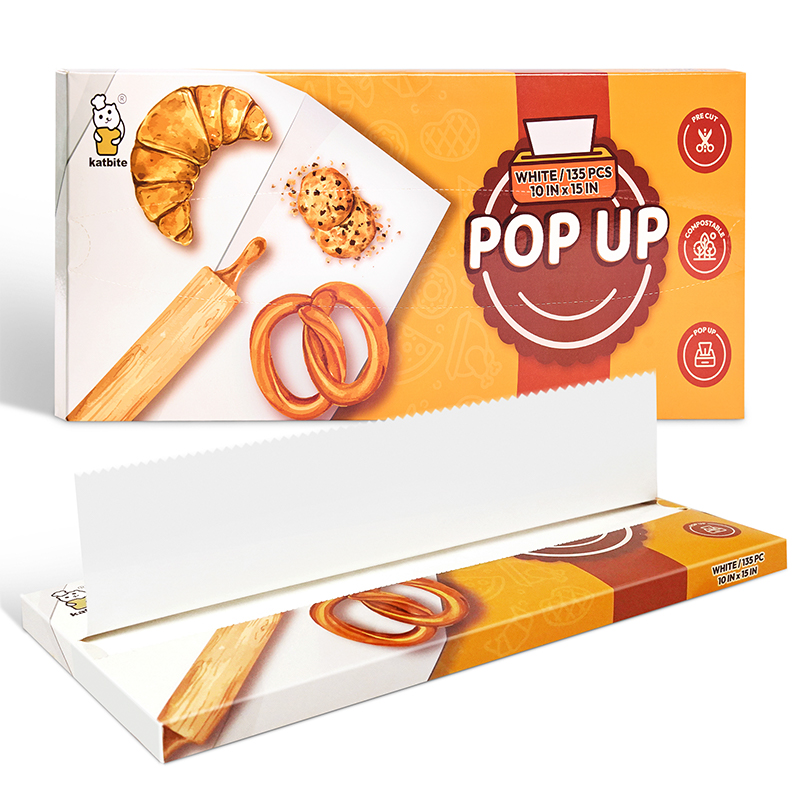
Product details: Pop-up parchment paper sheets, an environment-friendly product, are composed of wood pulp and are double-side coated with silicone. Such a coating makes our paper smooth, greasepr...
See DetailsCan Parchment Paper Be Reused Multiple Times?
Parchment Paper works as a helpful layer in the oven, creating separation between food and the pan so that baked or roasted items lift away more easily and trays stay cleaner afterward. Cooks sometimes wonder whether one sheet can go back into the oven for another round and what conditions make that choice reasonable. This piece looks at the practical side of reusing parchment paper. It covers how the material behaves over time, what to check before using it again, which kinds of recipes fit reused sheets, safety steps to keep in mind, storage ideas, and ways to make reuse part of regular kitchen flow without losing quality or adding extra work.
How Parchment Paper Holds Up Over Repeated Oven Time
The surface treatment on parchment paper resists sticking from batters, fats, and sugars when heat surrounds the food. That same treatment changes slowly with each trip through the oven. Heat can bring on light browning or let small amounts of oil or juice settle into the fibers. A sheet that comes out of its session looking mostly unchanged often handles a second round without trouble. Signs such as deeper color, a greasy touch, or edges that feel stiff give hints that the paper may not separate food as cleanly or keep the tray as spotless in the next use.
The food from the session matters. Simple cookies or breads with little added fat usually leave the sheet in good shape for another go. Sticky glazes, chocolate, or meats that release plenty of juices tend to leave more behind, so those sheets may reach their limit sooner. The point is keeping a working barrier that stops food from bonding to the pan while avoiding carryover tastes between different meals.
| Food Type | Effect on Baking Sheet | Reuse Recommendation |
|---|---|---|
| Simple cookies or breads | Minimal residue | Can often reuse for another batch |
| Sticky glazes or chocolate | Leaves more residue | May need cleaning sooner |
| Juicy meats | Releases juices, leaving residue | Limit reuse; clean sheet before next use |
| General Tip | Maintain a barrier to prevent sticking | Avoid flavor transfer between different foods |
What Affects How Long a Sheet Lasts
Several things shape whether parchment paper can return to the oven. A fresh sheet starts with full strength in its coating and base. After one session, that strength shifts a bit depending on how long the heat lasted and what touched the surface. Light residue can wipe off and leave the paper ready for more, but sugars or fats that bake on tightly resist cleaning and may darken further next time.
Moisture in the recipe also plays a part. Drier items generally preserve the sheet better than juicy roasts or fruit desserts that soak through. Watching the paper as it cools after each use builds a sense of its condition. Sheets that stay fairly clean, hold together without tears, and bend without cracking often suit another session. When the surface looks heavily marked or feels slick, swapping in a new sheet helps keep results steady.
Checking a Used Sheet Before the Next Round
Cool the paper completely after taking it from the oven so any warmth does not hide smells or spots. Spread it out on a clean counter with clear light and look over both sides. Search for dark patches, ripped spots, or places where food has set in place.
Wipe gently with a dry cloth to clear loose bits. If oil or particles smear across the cloth, the sheet has taken in enough to suggest saving it for simpler tasks or replacing it. Give the paper a quick sniff; any strong scent from earlier food points to possible flavor transfer later. Fold one corner lightly to test bend. Paper that snaps or stays rigid has changed enough that release or even cooking may suffer next time.
Sheets that pass these steps can fold loosely and store apart from fresh rolls. Keeping them separate avoids mixing used and new paper by accident.
Recipes That Work Well with Reused Paper
Everyday baking such as plain cookies, scones, or biscuits often succeeds on a sheet that has seen one prior session when residue stays light. The mild marks from one neutral batch rarely show in a second round of the same type.
Roasting vegetables with a modest amount of oil and seasoning can continue on reused paper when the focus sits on ease rather than deep browning. The sheet still catches drips and keeps the tray from needing heavy scrubbing.
Breads made with yeast and basic ingredients sometimes handle a reused sheet nicely because they lift away cleanly and leave little behind. Simple packet cooking with restrained fat and mild herbs may also fit if the contents carried gentle flavors.
Dishes loaded with sugar glazes, chocolate, or fatty cuts generally call for fresh paper. Leftover bits from those tend to burn or stick harder in another round, bringing unwanted tastes or extra cleanup.
Keeping Food Safety in View
Safety stays important whenever parchment paper returns to service. Sheets that touched raw meats, fish, or poultry pick up proteins and liquids that need careful thought even after cooking. Those sheets carry more chance of affecting later food, especially items that do not cook long afterward.
Recipes with bold spices or strong marinades can leave traces in the paper that quietly influence milder baked goods in a following session. Hand washing before touching used paper and storing it in clean, dry spots away from raw food areas remain standard steps.
Any sheet showing damp damage, odd spots, or odd smells from storage deserves replacement. Parchment paper helps create tidier cooking and easier release, yet it works together with reaching proper cooking levels and moving leftovers into refrigeration right away.
Storing Paper Between Sessions
Let sheets cool all the way before folding or rolling to stop moisture from collecting inside and causing curls or weakness. A separate drawer section or container holds used paper neatly and away from fresh supplies.
Dry air and freedom from heavy kitchen smells help the remaining coating stay useful. Keep the paper clear of spice jars, cleaning items, or damp corners that could change how it performs next time.
A simple note on the storage container with the date or last recipe type can jog memory when several sheets gather. A small pile of checked, lightly used sheets stays handy for quick jobs like lining trays for vegetables or plain breads.
Finding Extra Uses Once Oven Life Slows
Once parchment paper has finished its main job in the oven, it still has plenty of life left for other kitchen tasks. Slightly used or gently creased sheets work nicely for lining bowls when you're preparing crusts or as a quick surface while rolling out dough. They protect your counters and help you avoid reaching for new materials every time.
| Parchment Paper Status | Recommended Use | Benefit |
|---|---|---|
| Slightly used / gently creased | Lining bowls for crusts or dough prep | Protects counters and reduces waste |
| General Tip | Reuse creatively for non-oven tasks | Extends the life of parchment paper |
You can cut small pieces from these sheets to separate portions headed for the freezer or to line tins for individual servings. The remaining non-stick quality still does a good job in these gentler situations where heat is lower.
When a sheet no longer feels right for direct oven use, it can protect your work surfaces while you shape sticky mixtures or coat ingredients, before it finally heads to the bin.
Thinking About Kitchen Resources
Reusing parchment paper when it still looks and feels suitable helps stretch your supplies and reduces waste. Each extra round lets the sheet contribute a little more, which fits well with keeping everyday cooking simpler and more enjoyable.
On the other hand, using a sheet for too long can to sticking or extra cleaning later on. A relaxed habit based on simple checks, rather than strict rules, makes it easier to balance convenience with reliable results.
Many cooks gradually develop their own rhythm. They save fresh paper for recipes that need a clean start and turn to lightly used sheets for day-to-day jobs. This approach helps keep quality steady while making each roll last longer.
Handling Everyday Hurdles
One common question is knowing when residue has worked too far into the paper for safe continued use. A quick wipe, followed by a feel and sniff test, usually gives a clear answer without any complicated steps.
Batch cooking creates natural decision points. Keeping both fresh sheets and already-checked used ones within reach makes it easy to switch if things change halfway through.
Tears or creases that appear during the use can sometimes grow and cause uneven results or leaks onto the pan. Trimming away damaged spots or setting those sheets aside helps prevent small issues from affecting the final outcome.
Fitting Reuse into Weekly Cooking
Weekly meal prep offers easy moments to check over used parchment paper. After roasting vegetables for the days ahead, looking at the sheet while the tray cools lets you decide quickly what to do with it next.
During longer baking sessions, alternating between fresh and lightly used sheets helps you notice how food releases and how the bottoms color. Over time, you develop a natural sense that guides your choices without needing firm rules.
Freezer organization also benefits. Scraps of used paper keep portions neatly separated without using a new sheet for every layer.
Building Sharper Checking Skills
Regular checking gets easier and more accurate with practice. Many cooks learn to glance at a cooled sheet and quickly sense whether it still works for vegetables or breads, or whether a fresh sheet would be better for more delicate recipes.
Small details, like how air moves in the oven or how moist a recipe is, start to register over time. Paying attention across many sessions builds a practical feel that helps with everyday decisions.
When any uncertainty remains, especially for special meals or when guests are coming, choosing a fresh sheet brings peace of mind and lets you focus on seasoning and presentation instead.
Making Oven Work Flow Smoother
Thoughtful reuse of parchment paper makes the whole cooking process feel smoother. Trays need less scrubbing afterward, food releases more easily in suitable recipes, and the kitchen stays tidier with fewer sheets going straight into the trash.
The habit also encourages you to notice how different recipes interact with the paper surface. These small observations often to gradual improvements in meal planning and supply management.
Setting Up Habits That Last
Over weeks and months, cooks who reuse parchment paper thoughtfully usually find they throw away less and buy new rolls less often. The time and materials saved can go toward other kitchen needs or simply make daily routines feel lighter.
Combining reuse with sensible storage and timely replacement creates a comfortable cycle. Fresh paper stays ready for recipes that need it, while checked and suitable used sheets handle ordinary daily tasks with ease.
Why Choose Guanghe Baking Paper
As you build these simple habits around reusing parchment paper, many home cooks find themselves reaching for Guanghe baking paper from Zhejiang Guanghe New Materials Co., Ltd. Its consistent food-grade quality and reliable silicone coating make it especially well-suited for both fresh starts and thoughtful second uses. Whether you are lining a tray for everyday vegetables, separating freezer portions, or protecting counters during dough rolling, Guanghe baking paper quietly supports the rhythm you have created in your kitchen. It becomes one of those dependable tools that lets you focus less on cleanup and more on the flavors, textures, and pleasure of sharing meals with family and friends.
Related Products
-
-
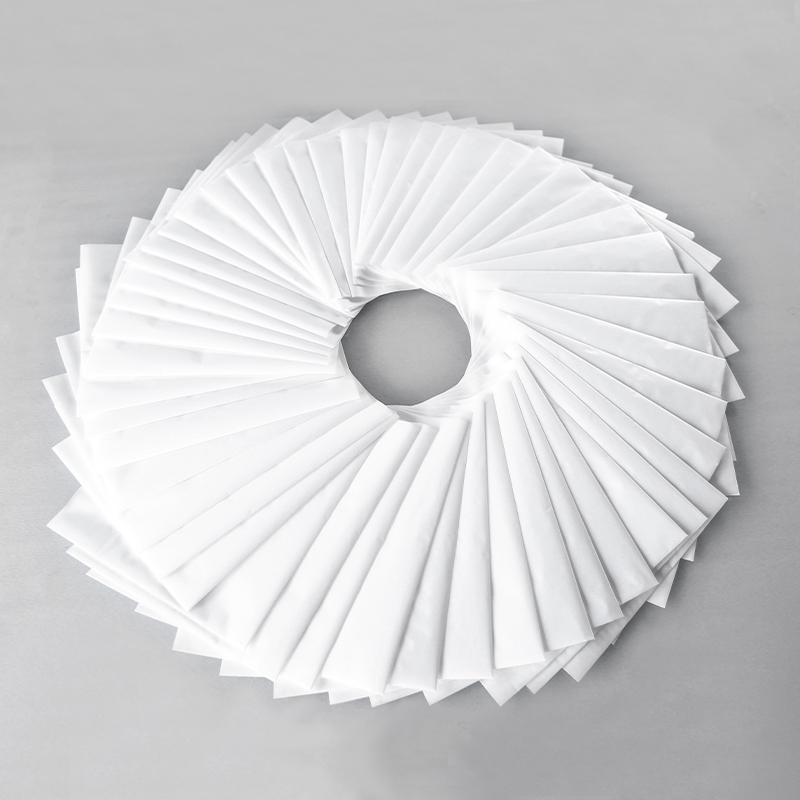
Product details: Folded baking paper sheets, an environment-friendly product, are composed of wood pulp and are double-side coated with silicone. Such a coating makes our paper smooth, greaseproof and...
See Details -
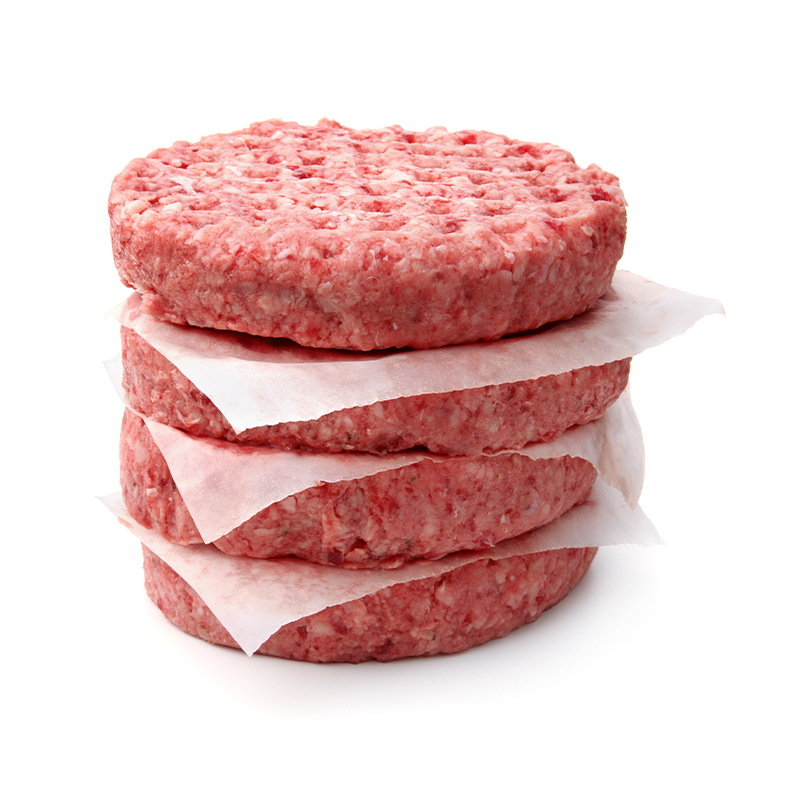
Description: Wax paper is the paper that is coated with food-grade wax in order to make it non-stick and waterproof. wax paper is very good for food storing and presentingMade of food-grade paper and ...
See Details -
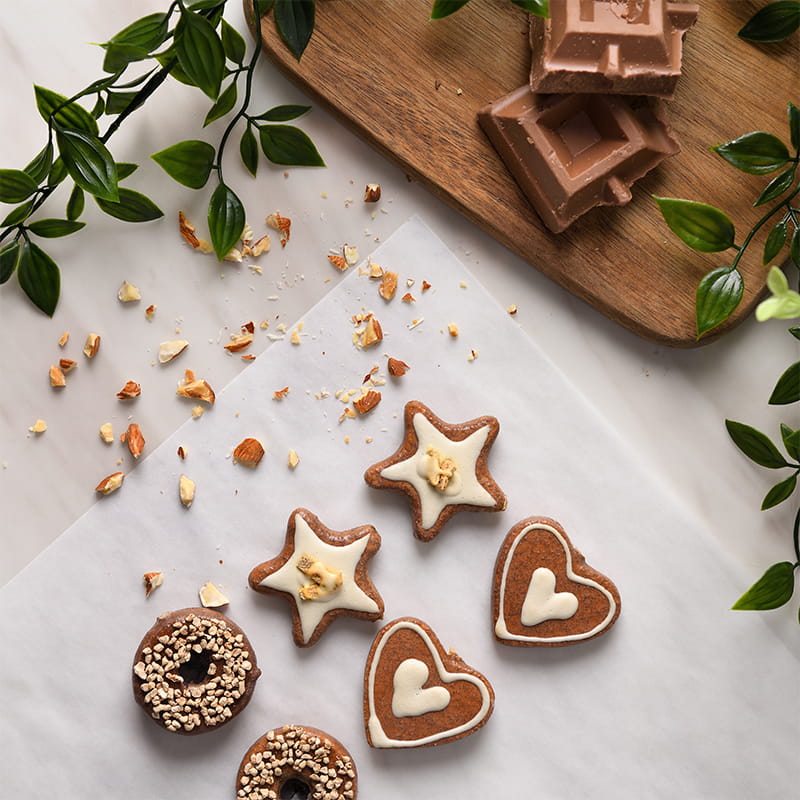
Product Features: 1. Virgin wood pulp 2. Double sides food grade silicone-treated 3. Fluorine-free 4. Non-stick 5. Oven/Microwave safe 6. Freezer safe 7. Reusable 8. BPA f...
See Details -
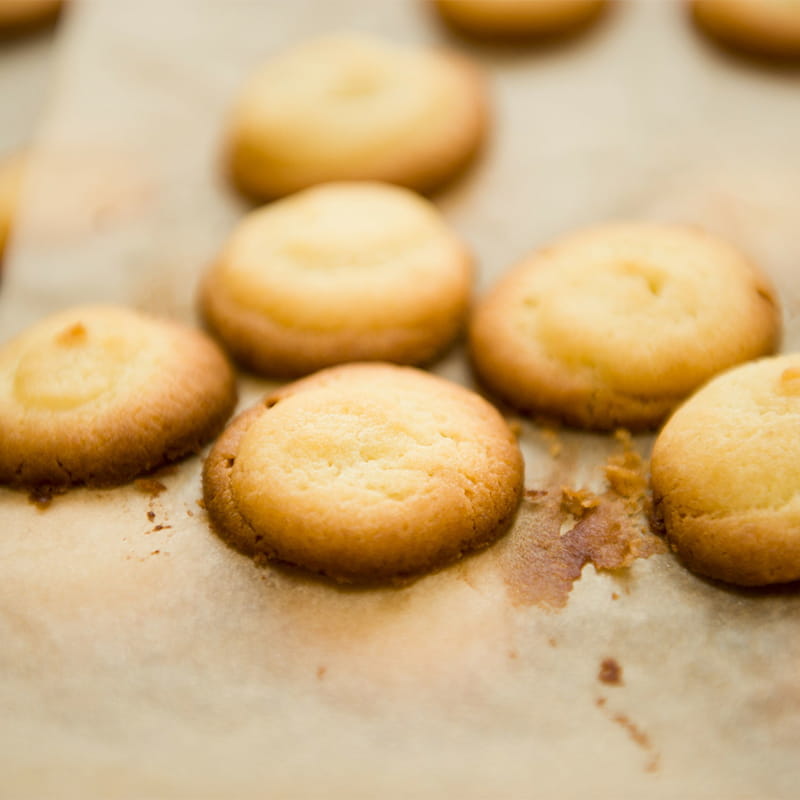
Product Features: 1. Virgin wood pulp 2. Natural unbleached brown color 3. Double sides food grade silicone-treated 4. Fluorine-free 5. Non-stick 6. Oven/Microwave safe 7. Fre...
See Details -
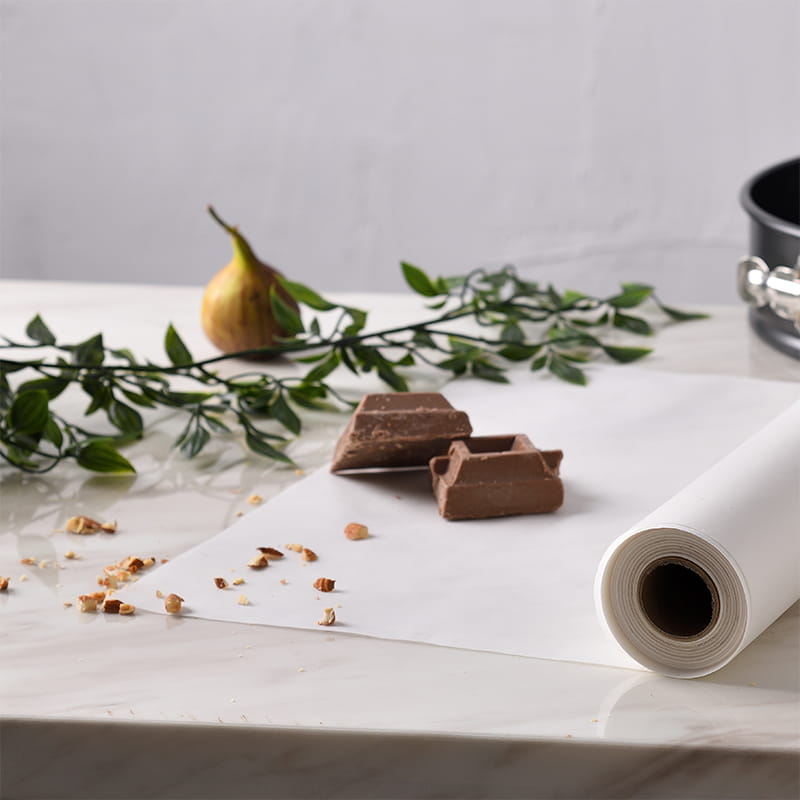
Product Features: 1. Virgin wood pulp 2. Double sides food grade silicone treated 3. Fluorine-free 4. Non-stick 5. Oven/Microwave safe 6. Freezer safe 7. Reusable 8. BPA ...
See Details -
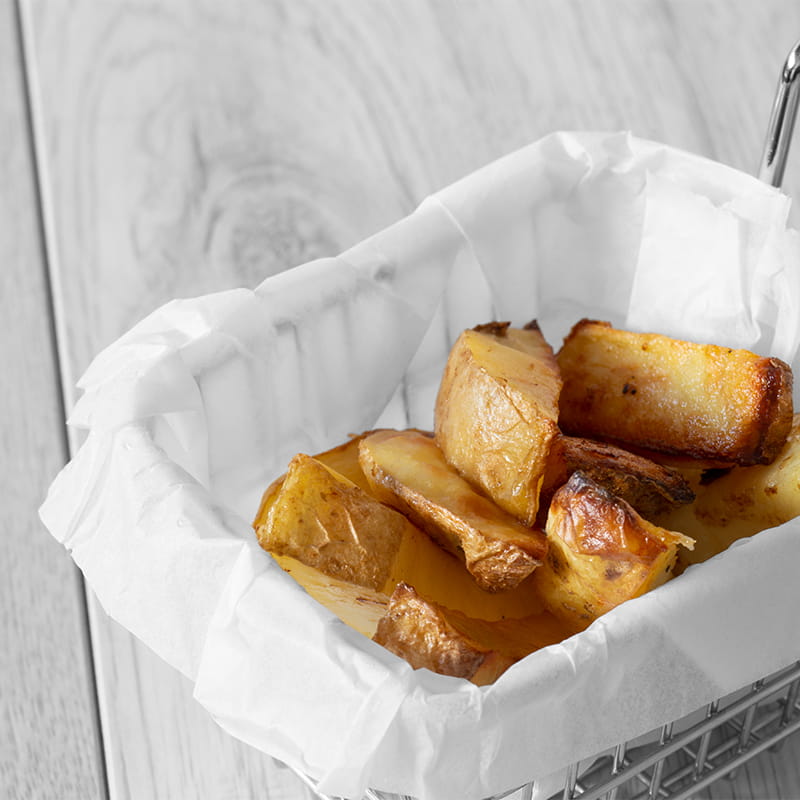
Product Features: 1. Virgin wood pulp 2. Fluorine-free 3. BPA free 4. Biodegradable Product Details: In an era where environmental consciousness and sustainability are paramount, Natu...
See Details -
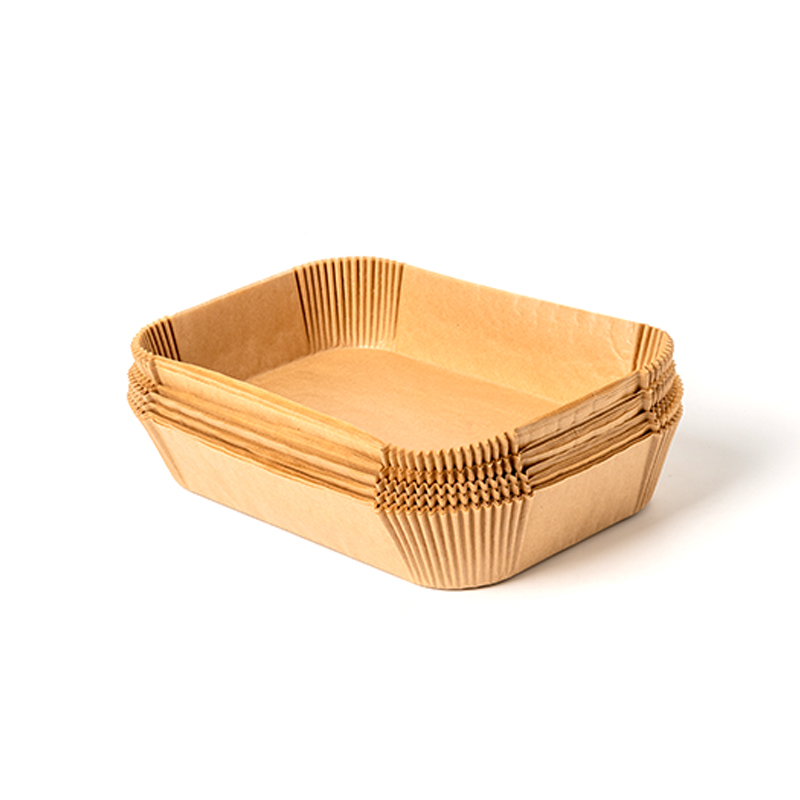
Product Features: 1. Virgin wood pulp 2. Double sides food grade silicone-treated 3. Fluorine-free 4. Non-stick 5. Air fryer basket safe 6. Reusable 7. BPA free 8. Biodeg...
See Details -
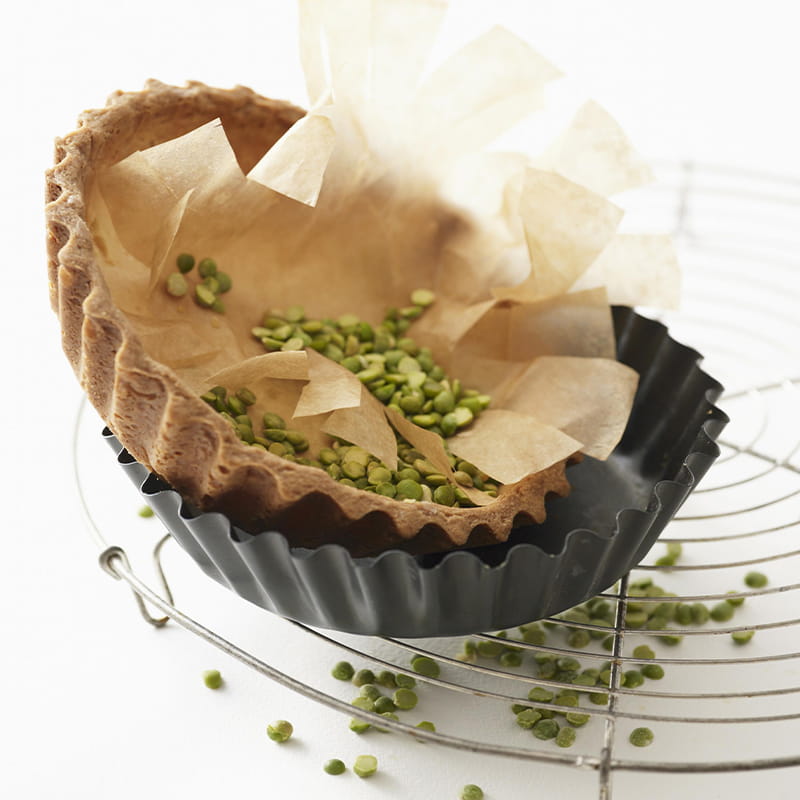
Product Features: 1. Virgin wood pulp 2. Natural unbleached brown color 3. Fluorine-free 4. BPA free 5. Biodegradable Product Details: Introducing our Unbleached Brown Food Grade ...
See Details -
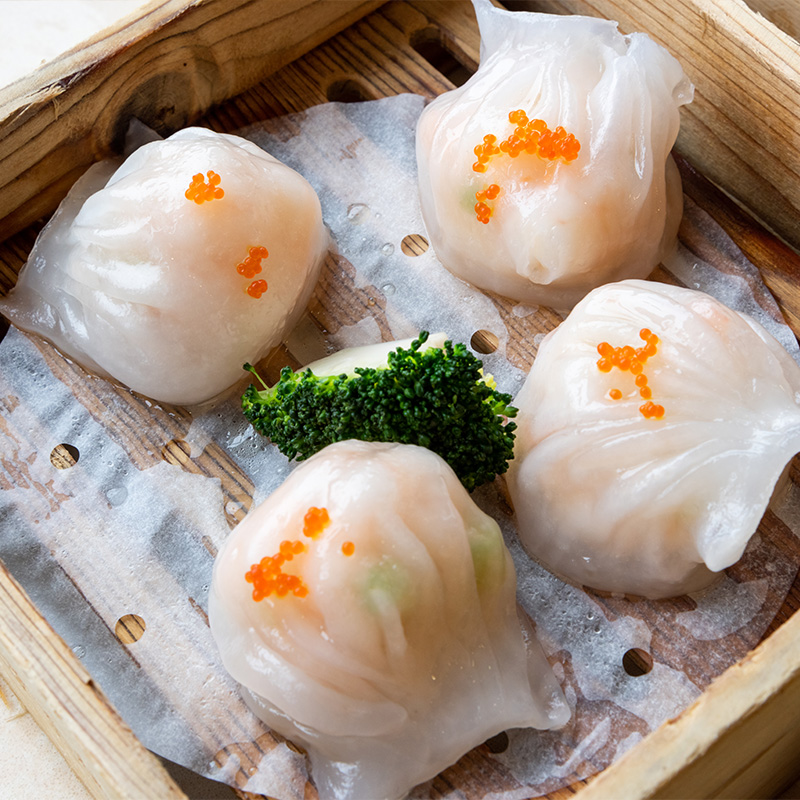
Product Features: 1. Virgin wood pulp 2. Double sides food grade silicone treated 3. Fluorine-free 4. Non-stick 5. Steamer/air fryer basket safe 6. Reusable 7. BPA free 8...
See Details -
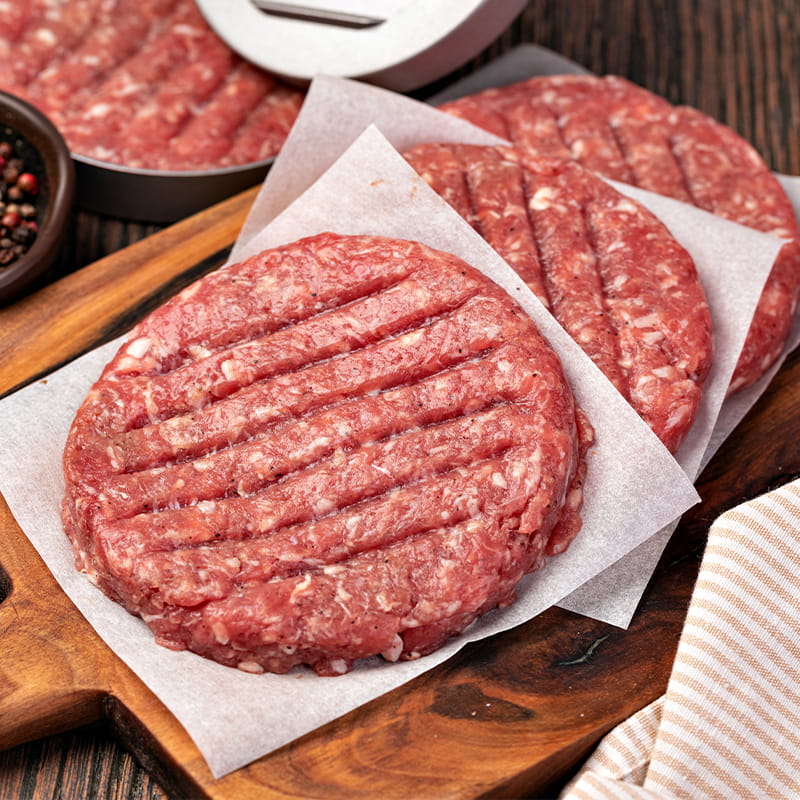
Product Features: 1. Virgin wood pulp 2. Double sides food grade silicone treated 3. Fluorine-free 4. Non-stick 5. Easy to separate 6. Reusable 7. BPA free 8. Biodegradab...
See Details -
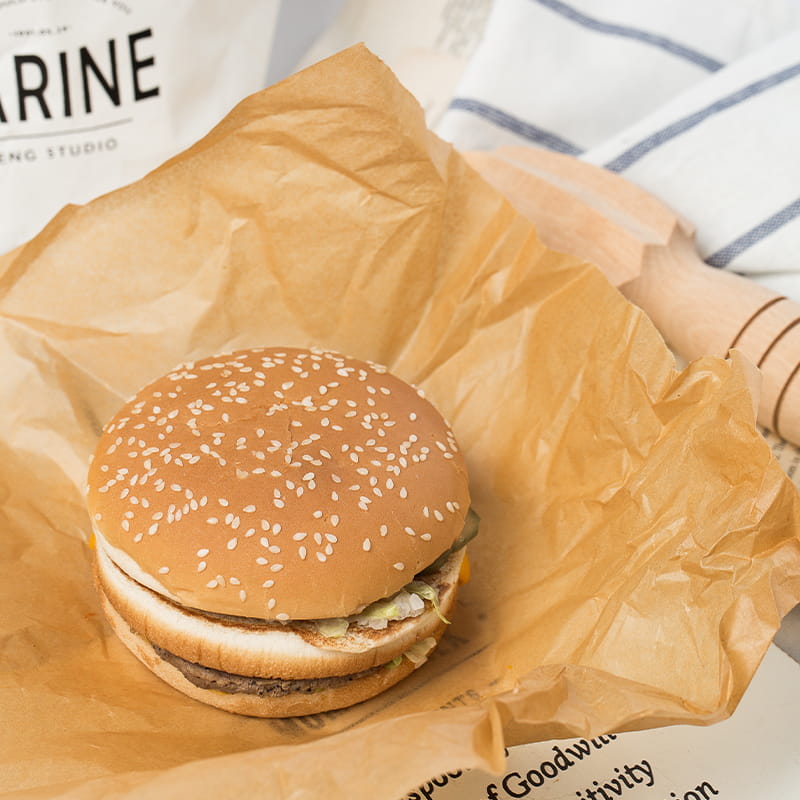
Product Features 1. Virgin wood pulp 2. Flexographic printing 3. Eco-friendly water-based ink 4. BPA free Product Details: Introducing our premium Greaseproof Sandwich Paper Sheets, a...
See Details

Professional Baking Parchment Paper Manufacturer in China with more than 15 years silicone coating experience.
Products
Contact Us
- No.10 Longyin Road, Chengnan Industrial Park,Longyou, Quzhou, China.
- +86-18968091013 / +86-571-88639705
- Avayao-1990@hotmail.com
Copyright © Zhejiang Guanghe New Materials Co., Ltd. All Rights Reserved.
Parchment Paper & Baking Paper Sheets Manufacturer
