 English
 中文简体
中文简体
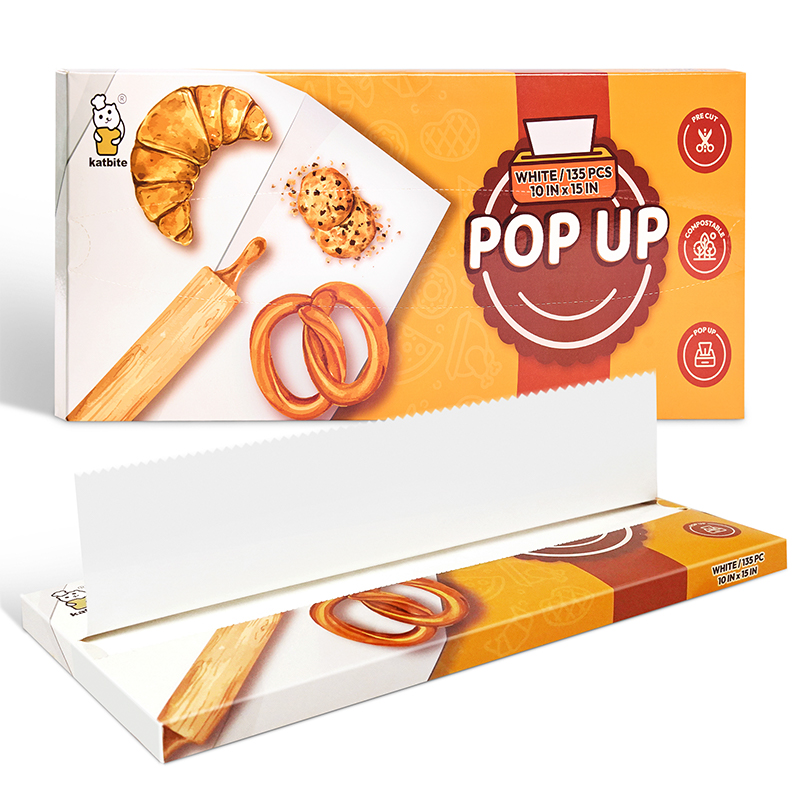
Product details: Pop-up parchment paper sheets, an environment-friendly product, are composed of wood pulp and are double-side coated with silicone. Such a coating makes our paper smooth, greasepr...
See DetailsHow Can Parchment Paper Avoid Overheating in Oven?
Parchment paper has found a place in kitchens as a practical option for lining pans during baking and roasting. It creates a surface that often allows food to release with less effort and reduces the time spent scrubbing pans afterward. Many cooks turn to it for cookies, roasted vegetables, or sheet-pan meals because it forms a barrier that limits direct contact between food and hot metal while containing some oils and juices. When sourcing high-quality sheets, a reliable Baking Paper Supplier can ensure consistent performance and heat resistance for a variety of cooking tasks.
The paper usually receives a silicone-based treatment during manufacturing. This coating contributes to its ability to resist sticking under typical oven conditions and provides a degree of flexibility. It also helps manage moisture and grease to a noticeable extent, which can simplify preparation and cleanup for a range of dishes.
Yet the material comes with limits tied to heat exposure and placement. When conditions move beyond those limits, the paper may show browning along the edges, release smoke, or develop brittle spots. These changes happen as the fibers and coating respond to concentrated or prolonged heat. Paying attention to how the paper behaves, and choosing products from a trustworthy Baking Paper Supplier, supports safer routines and helps keep the focus on cooking rather than managing unexpected issues.
Understanding How Parchment Paper Responds to Heat
The silicone layer allows parchment paper to handle temperatures common in baking and moderate roasting. In standard oven use, the material tends to remain stable when temperatures align with recipes. Heat circulates around the paper and food, and the coating helps create a smoother interaction between them.
Contact with heating elements, broiler units, or open flames changes the picture. Such direct exposure concentrates energy in one area, raising the chance of discoloration or smoke. Overcrowded pans or blocked airflow can create uneven heating, where certain sections of the paper experience more stress than others. Excess fat or oil pooling on the surface may also contribute to smoke, especially if the liquids heat rapidly.
Sheets used more than once introduce additional factors. A single session at moderate heat often leaves the paper functional for another similar task. Repeated cycles, particularly with any prior browning, can reduce the coating's effectiveness. The paper may absorb grease differently or become more fragile, affecting performance in later uses.
Common Situations Linked to Smoke or Discoloration
Several everyday practices can push parchment paper closer to its boundaries. Edges that extend past the pan rim may drift toward oven walls or elements as cooking progresses. Once contact occurs, those sections can char because they lack the pan's support underneath.
Cooking at temperatures that sit at the higher end of common ranges for extended periods increases the likelihood of visible changes. Ovens that run slightly hotter than their settings indicate can produce similar results without the cook realizing the difference immediately.
| Condition | Effect on Parchment Paper | Notes |
|---|---|---|
| High cooking temperatures for long periods | Browning, smoke, or brittle spots | Prolonged heat exposure accelerates changes |
| Oven running hotter than set temperature | Similar browning or smoke without immediate detection | Users may not notice the difference immediately |
Placing too many items on one sheet restricts air movement. Food arranged edge to edge may trap steam or heat pockets, to localized effects on the paper. High-fat ingredients that render liquid during cooking add another element. While the coating resists absorption to some degree, accumulated grease can heat and produce odors or light smoke.
Preheating the oven with the paper already inside exposes the empty sheet to the full initial surge of heat. This can start the browning process before food arrives. In ovens with strong fan circulation, the effect may appear more quickly.
Practices That Support Safer Use
Reviewing any guidance on the packaging offers a reference point for temperature suitability. Different rolls may carry slight variations, so aligning the choice with the planned recipe helps set expectations. Keeping the paper separated from flames or broiler elements reduces direct risks. In preparations that involve intense top heat, other materials may serve the purpose with fewer concerns.
Fitting the sheet inside the pan boundaries helps contain it throughout cooking. Trimming to match the pan size avoids loose sections that could shift or lift. A light touch of water on the underside before pressing it into place can encourage it to stay flat without adding significant moisture to the food.
Arranging items with space between them promotes circulation. This approach supports more even cooking and lowers the chance of heat concentrating under the paper. With foods that release notable amounts of fat, using measured amounts and blotting where practical can limit pooling. For preparations with heavy marinades, allowing some drainage beforehand may help.
Adding the parchment after the oven reaches the target temperature shortens the empty sheet's exposure to rising heat. Keeping an eye on the kitchen during the process allows early notice of any developing odors or wisps of smoke. Running ventilation helps manage minor occurrences while the cooking continues.
Here are some placement considerations:
- Trim the sheet so edges stay well within the pan rim.
- Position the pan on a middle rack when possible to maintain distance from top or bottom elements.
- Avoid folding or crumpling the paper in ways that create deep creases, which can catch heat unevenly.
- Check for proper airflow around food items on the sheet.
| Placement Tip | Purpose / Benefit |
|---|---|
| Trim sheet to fit within pan rim | Prevent edges from contacting oven elements |
| Use middle oven rack | Maintain safe distance from top and bottom heat |
| Avoid deep folds or creases | Prevent uneven heating and potential overheating |
| Ensure airflow around food | Promote even cooking and reduce hotspots |
Approaches for Different Cooking Methods
Baking tasks such as cookies, cakes, or pastries often proceed smoothly at moderate settings. Rotating pans during longer sessions can distribute exposure more evenly and reduce darker areas on any one sheet. Items that release moisture, like fruit desserts, benefit from the paper's ability to contain juices while permitting some steam to escape.
Roasting vegetables or proteins on lined sheet pans can ease cleanup, particularly with ingredients that caramelize or leave residues. Folding the edges of the paper upward slightly may help contain smaller pieces or drippings without blocking heat flow significantly. Using a middle rack position keeps the setup away from areas of concentrated heat.
Wrapped cooking methods, where ingredients seal inside packets with seasonings or light liquids, work well at gentler temperatures. Secure folds help retain moisture and flavors during the process. Keeping these packets positioned to avoid direct high heat supports steady results.
Grilling or direct stovetop applications generally call for caution with this material. It does not suit open flames or grill grates in cases. Materials designed for those higher-intensity settings may align better with such needs.
Noticing Early Signs of Heat Effects
You can often catch problems before they get out of hand just by paying attention to small details as you cook. If the edges of the parchment paper start turning a pale tan or golden color, that usually means that spot is getting more heat than it should. Sometimes you’ll notice a light toasted smell drifting from the oven even before any smoke shows up. That’s your cue to check the pan placement or turn the temperature down a notch.
When a little smoke does appear, pull the pan out right away and take a quick look. Overhanging edges touching the oven wall, pools of oil collecting on the paper, or too many items crowded together are common culprits. After the sheet cools, run your fingers over it. If parts feel stiff, brittle, or unusually dry, the paper has been pushed close to its limit. Swap it out for a fresh sheet if you still have more cooking to do.
Storage and Handling Habits
Store your parchment paper rolls or loose sheets in a cool, dry spot away from sunny windows or steamy areas. Dampness in the air can make the paper curl more than usual or behave unevenly once it goes into the oven. Keeping the roll tightly sealed in its original wrapper or a storage bag helps protect it from picking up kitchen grease or odors floating around.
Always handle the sheets with clean, dry hands. Oils or moisture from your fingers can create uneven spots that heat differently. When you think about reusing a sheet, give it a close look first. Check for brown spots, small tears, or heavy grease marks. A sheet that only has light residue from a simple bake can often handle another round with similar foods, but anything heavily stained or discolored is better replaced.
Responding to Common Challenges
Sometimes food still sticks even when you use parchment paper. This happens more often with very wet batters, recipes loaded with sugar, or when items sit too close together on the sheet. Brushing on just a thin layer of neutral oil can give extra insurance for tricky recipes without defeating the purpose of the paper. Make sure the smoother, coated side is facing up so you get the full benefit of the non-stick surface.
If smoke starts coming from the oven during cooking, several things could be at play. Edges hanging over the pan and brushing against heating elements, fat dripping off the food, or an oven that runs a bit hot are frequent causes. Fixing the pan position, trimming the paper properly, and cutting back on added oils usually clears up cases. If the problem keeps happening, it may be worth checking your oven temperature with a separate thermometer to see if it matches the dial.
The moment you see any charring on the paper, take the pan out immediately. Finish the rest of the cooking without the liner or switch to another material so the food stays safe. Every time this happens, it teaches you something useful for next time—maybe moving the pan to a different rack or shortening the cooking window slightly.
Other Materials for Various Situations
Silicone baking mats offer a solid reusable option for many everyday tasks. They give a reliable non-stick surface and hold up well after multiple washes. Heat spreads fairly evenly across them, although cookies or delicate pastries may spread or brown a little differently than they do on parchment.
Aluminum foil steps in nicely when you need something that can manage stronger heat, like broiling or making sealed packets. It bounces heat around and forms good barriers, but you may want to add a light swipe of oil for easier release with certain foods. Foil also conducts heat in its own way, which can to quicker browning on the bottom side of whatever you’re cooking.
Many cooks eventually get comfortable using well-seasoned pans with almost no added fat or liner at all. Pans made with good release properties can cut down how often you reach for any kind of lining during regular meals. Each choice—parchment, mats, foil, or bare pans—has its own feel when it comes to cleanup, how it handles heat, and the way food interacts with the surface. Picking the right one usually comes down to the recipe and what you have on hand.
Fitting Parchment into Daily Kitchen Flow
Taking a minute to measure your pans and cut the parchment to fit saves frustration later and cuts down on wasted paper. Lining several trays at once makes batch cooking flow more smoothly because every sheet starts under the same conditions. During longer roasts, opening the oven door halfway through to glance at the edges gives you a chance to adjust timing if things are coloring faster than expected.
In homes where more than one person cooks, simple habits like always trimming the edges and steering clear of the broiler help everyone avoid surprises. After you use parchment a few times, these little steps start to feel automatic. Your attention naturally shifts back to the food itself—how it tastes, how it looks, and how much everyone enjoys the meal.
Parchment paper can make kitchen work feel a bit lighter when you respect how it behaves and where its limits sit. Keeping the sheet fully inside the pan, staying within usual oven temperatures, leaving room for air to move around the food, and staying alert for the hints of trouble lets many people use it comfortably for all kinds of dishes. The result is pans that wipe clean more easily, less time spent scrubbing, and more consistent cooking from one day to the next.
The paper slips naturally into baking days and roasting routines once you tune in to placement and heat levels. Cooks who pay attention to how their own oven treats parchment after several uses often figure out small tweaks that work for their setup and favorite recipes. Whether you’re lining one tray for a simple weeknight vegetable roast or laying out several sheets for a weekend baking project, paying attention to fit, spacing, and timing helps the paper do its job quietly in the background.
Among all the tools in a kitchen, parchment paper is simply one helpful choice that makes releasing food and cleaning up a little easier. Pairing it with good airflow from the vent, keeping an eye on things as you cook, and switching methods now and then keeps the real focus where it belongs—on the meal you’re creating. With steady, thoughtful use, it quietly supports a wide range of dishes while helping you avoid sudden interruptions from smoke or sticking.
Zhejiang Guanghe New Materials Co., Ltd.
Zhejiang Guanghe New Materials Co., Ltd. is committed to producing reliable baking paper products. Their rigorous control over the food-grade silicone oil coating process—combined with their thoughtful consideration of practical dimensions—powerfully supports a culinary ethos that places a premium on attention to detail.
It is precisely this ethos that elevates the otherwise mundane processes of baking and roasting into a smoother, more enjoyable experience—whether one is cutting a fresh sheet of paper for a tray of roasted vegetables on a weeknight, or lining multiple baking pans during a leisurely weekend. Ultimately, it is this robust synergy—forged between refined culinary technique and high-quality materials—that transforms baking paper in the user's eyes: no longer merely another kitchen item requiring extra fuss, it becomes, instead, an indispensable assistant—a natural extension of the cook's own hands.
Related Products
-
-
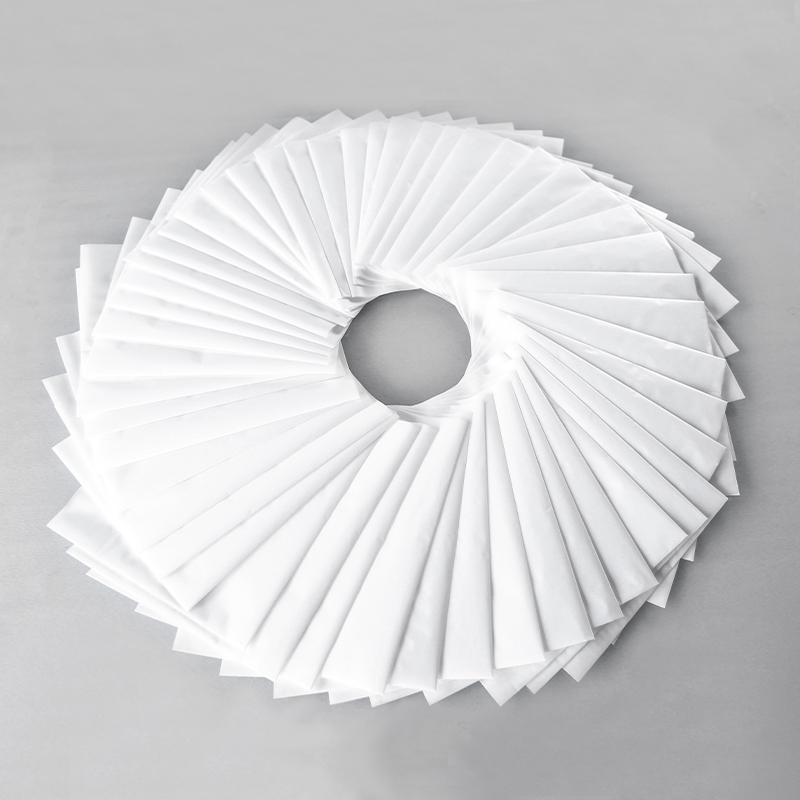
Product details: Folded baking paper sheets, an environment-friendly product, are composed of wood pulp and are double-side coated with silicone. Such a coating makes our paper smooth, greaseproof and...
See Details -
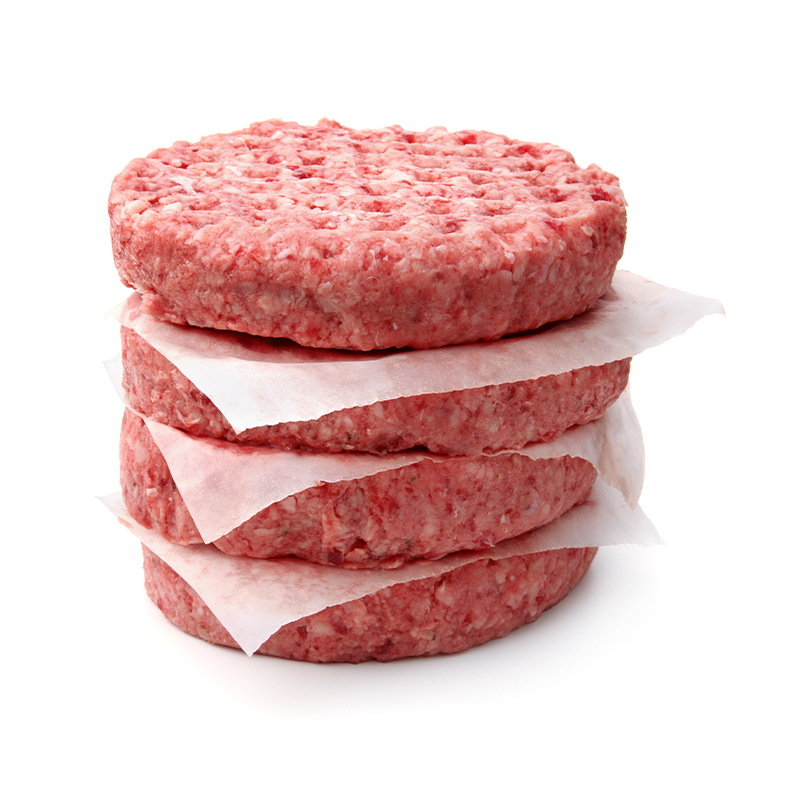
Description: Wax paper is the paper that is coated with food-grade wax in order to make it non-stick and waterproof. wax paper is very good for food storing and presentingMade of food-grade paper and ...
See Details -
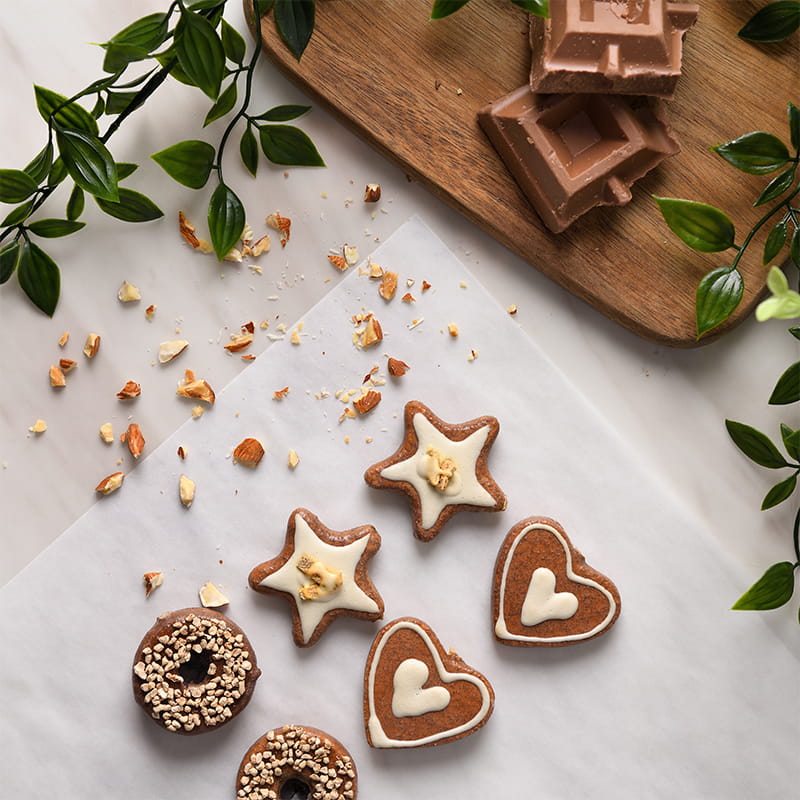
Product Features: 1. Virgin wood pulp 2. Double sides food grade silicone-treated 3. Fluorine-free 4. Non-stick 5. Oven/Microwave safe 6. Freezer safe 7. Reusable 8. BPA f...
See Details -
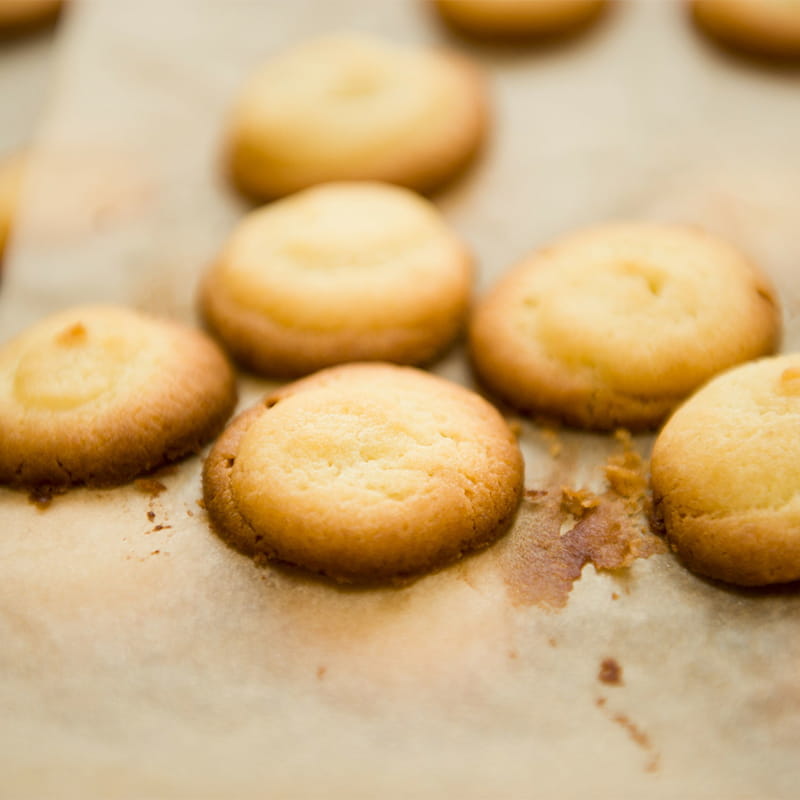
Product Features: 1. Virgin wood pulp 2. Natural unbleached brown color 3. Double sides food grade silicone-treated 4. Fluorine-free 5. Non-stick 6. Oven/Microwave safe 7. Fre...
See Details -
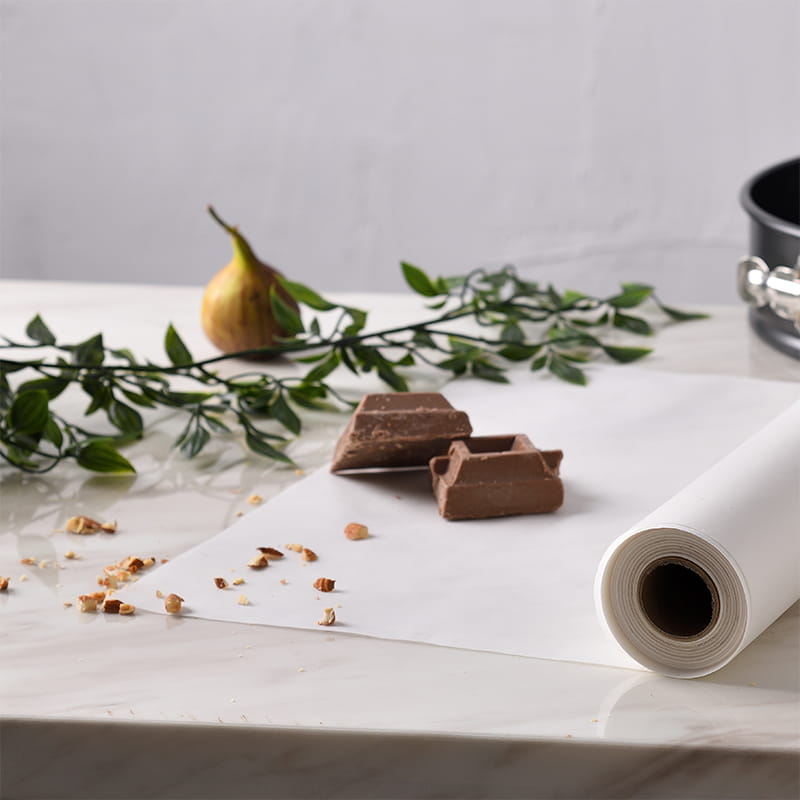
Product Features: 1. Virgin wood pulp 2. Double sides food grade silicone treated 3. Fluorine-free 4. Non-stick 5. Oven/Microwave safe 6. Freezer safe 7. Reusable 8. BPA ...
See Details -
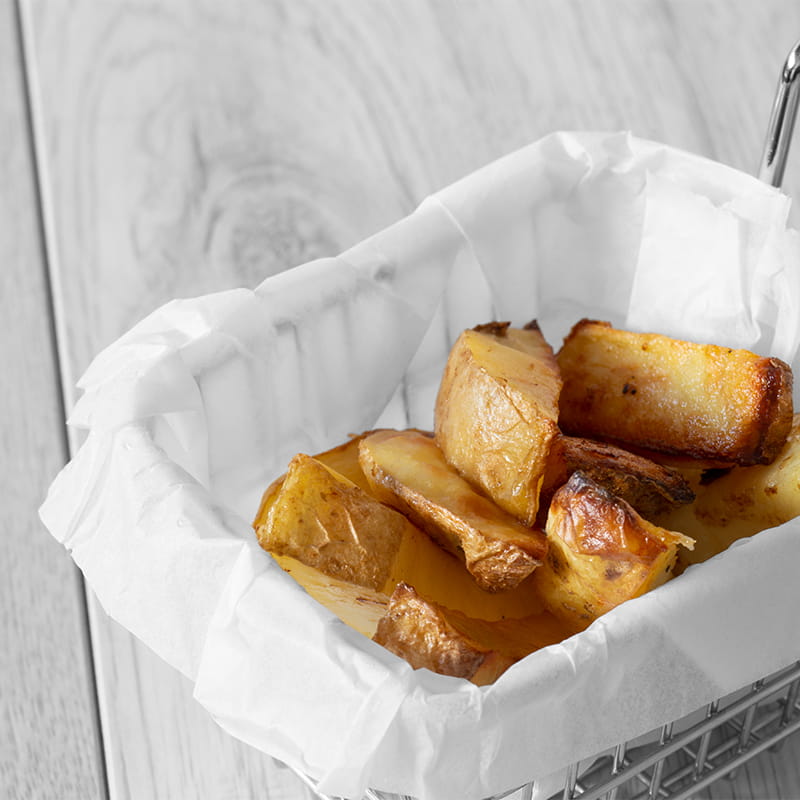
Product Features: 1. Virgin wood pulp 2. Fluorine-free 3. BPA free 4. Biodegradable Product Details: In an era where environmental consciousness and sustainability are paramount, Natu...
See Details -
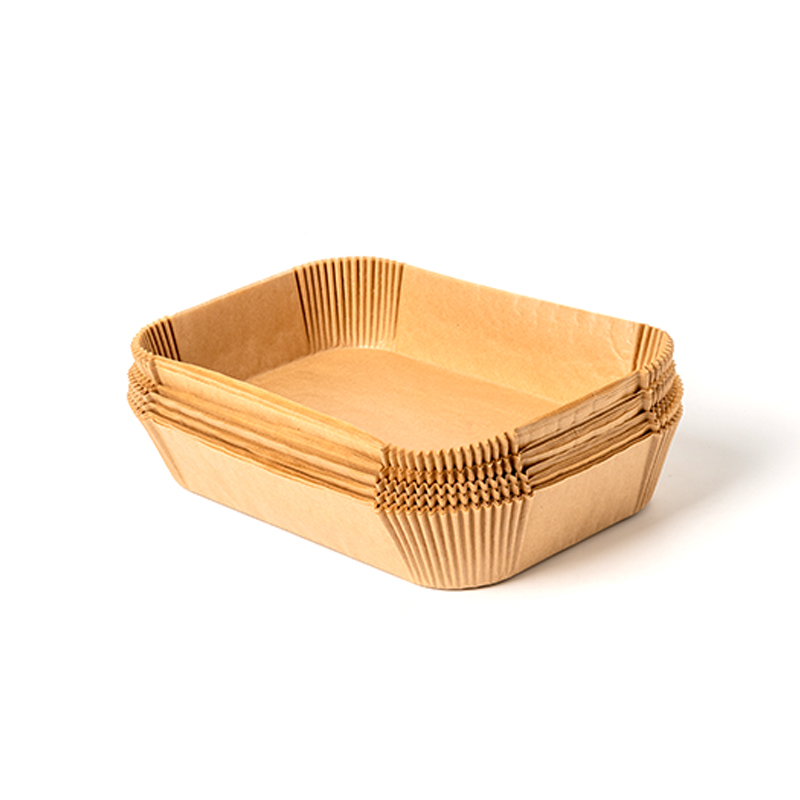
Product Features: 1. Virgin wood pulp 2. Double sides food grade silicone-treated 3. Fluorine-free 4. Non-stick 5. Air fryer basket safe 6. Reusable 7. BPA free 8. Biodeg...
See Details -
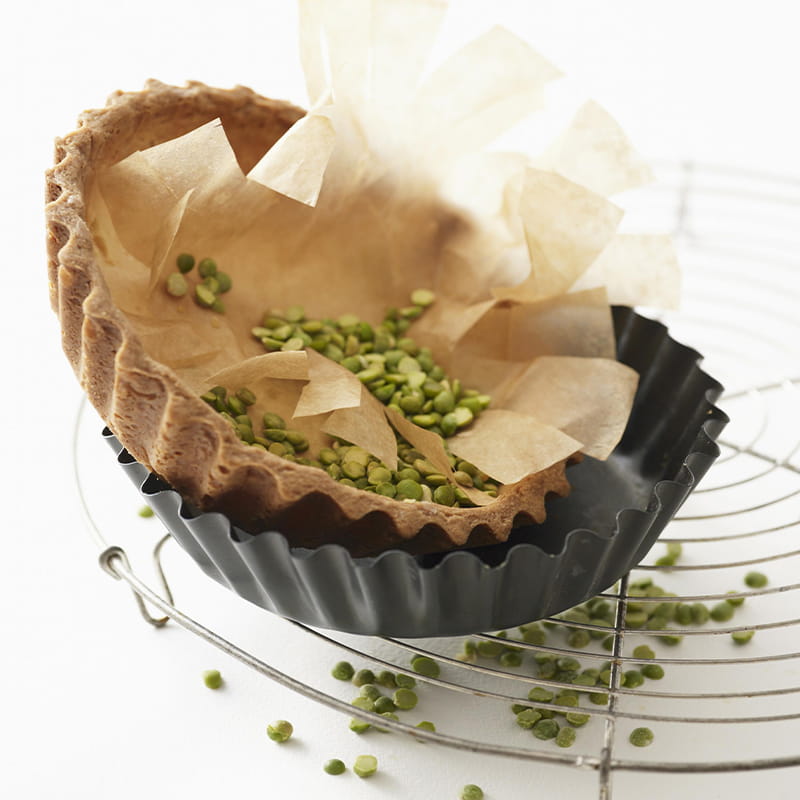
Product Features: 1. Virgin wood pulp 2. Natural unbleached brown color 3. Fluorine-free 4. BPA free 5. Biodegradable Product Details: Introducing our Unbleached Brown Food Grade ...
See Details -
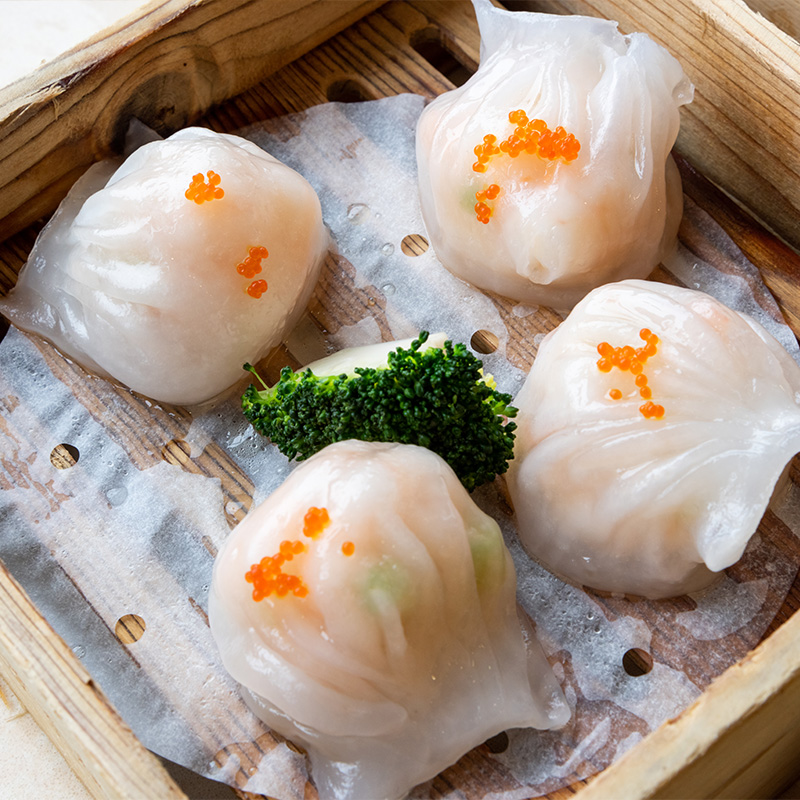
Product Features: 1. Virgin wood pulp 2. Double sides food grade silicone treated 3. Fluorine-free 4. Non-stick 5. Steamer/air fryer basket safe 6. Reusable 7. BPA free 8...
See Details -
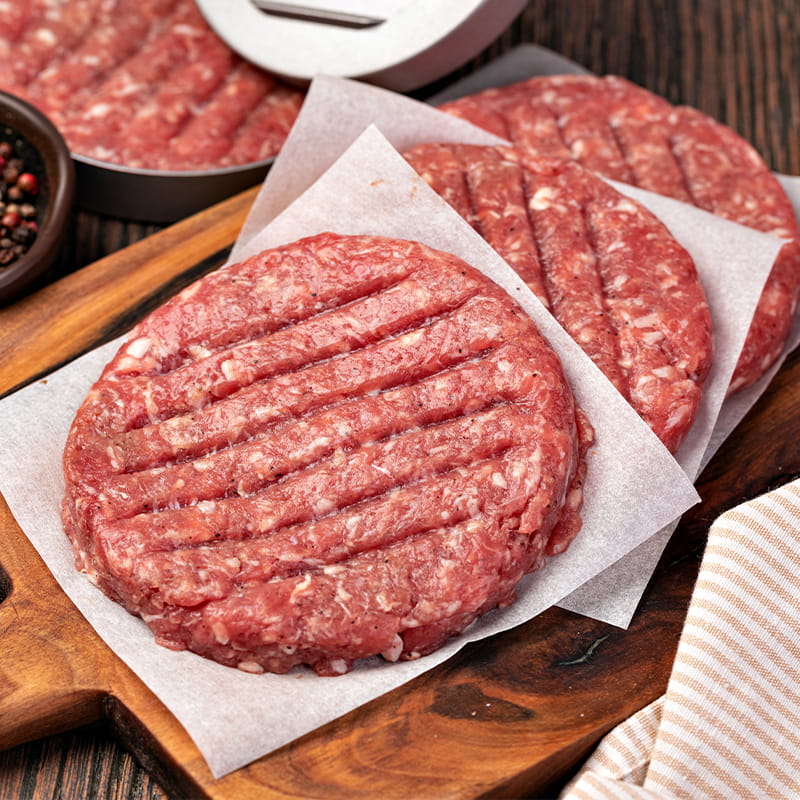
Product Features: 1. Virgin wood pulp 2. Double sides food grade silicone treated 3. Fluorine-free 4. Non-stick 5. Easy to separate 6. Reusable 7. BPA free 8. Biodegradab...
See Details -
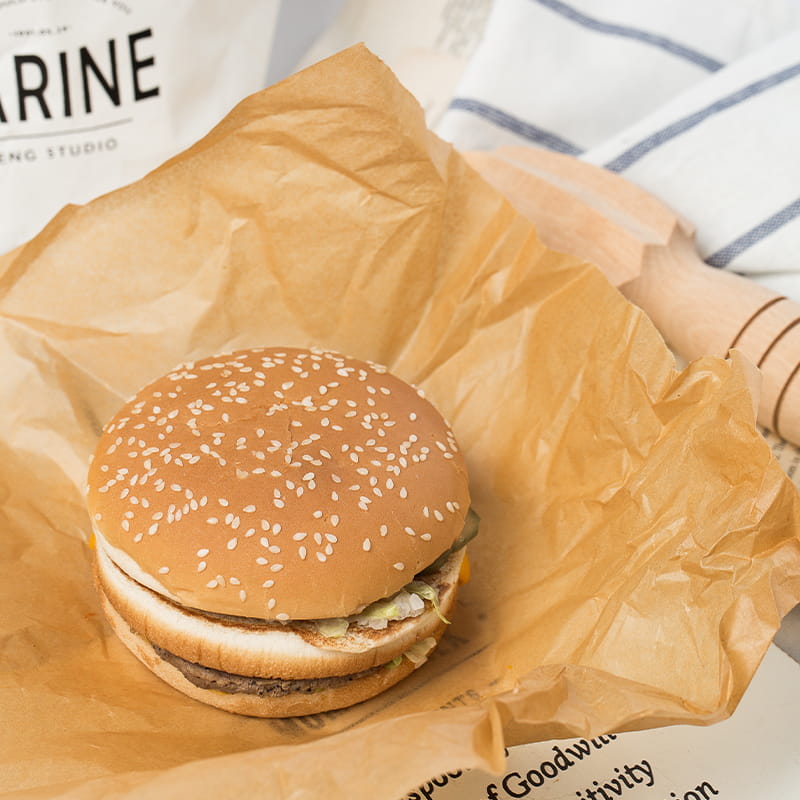
Product Features 1. Virgin wood pulp 2. Flexographic printing 3. Eco-friendly water-based ink 4. BPA free Product Details: Introducing our premium Greaseproof Sandwich Paper Sheets, a...
See Details

Professional Baking Parchment Paper Manufacturer in China with more than 15 years silicone coating experience.
Products
Contact Us
- No.10 Longyin Road, Chengnan Industrial Park,Longyou, Quzhou, China.
- +86-18968091013 / +86-571-88639705
- Avayao-1990@hotmail.com
Copyright © Zhejiang Guanghe New Materials Co., Ltd. All Rights Reserved.
Parchment Paper & Baking Paper Sheets Manufacturer
