 English
 中文简体
中文简体
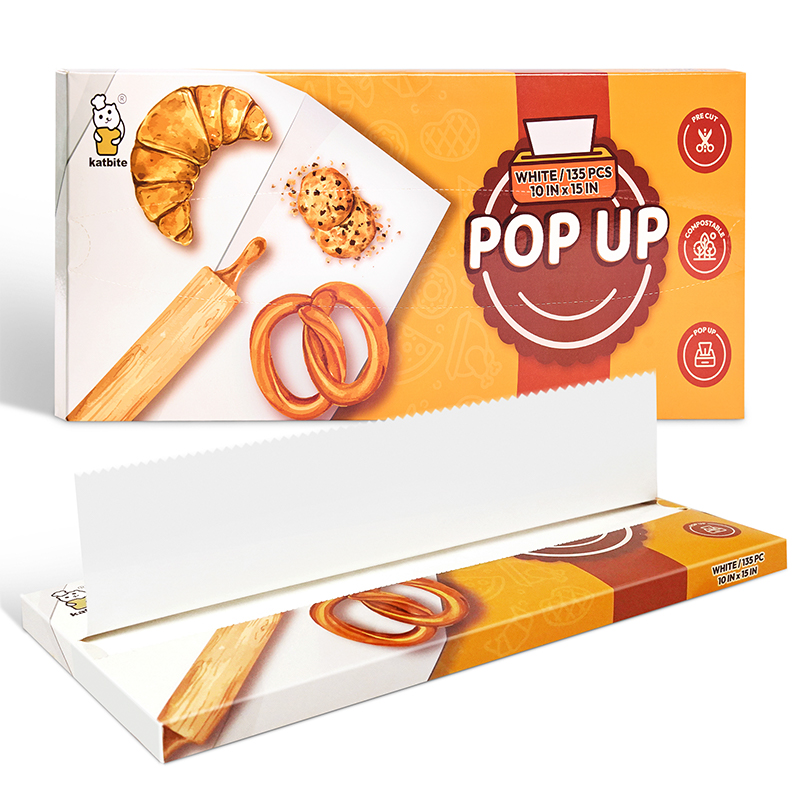
Product details: Pop-up parchment paper sheets, an environment-friendly product, are composed of wood pulp and are double-side coated with silicone. Such a coating makes our paper smooth, greasepr...
See DetailsParchment Paper vs Wax Paper: Which for Oven?
Cooking papers have worked their way into many kitchens as handy helpers for both casual home meals and more involved preparations. They create surfaces that often make food release more easily, cut down on extra fats during prep, and lighten the load when it comes time to wash pans. Parchment paper and wax paper appear similar at glance, yet they behave quite differently depending on the task and the heat involved. Getting familiar with each one helps avoid mix-ups that can to sticking, uneven results, smoke, or other kitchen hiccups.
Many cooks reach for these papers without thinking twice, but small differences in how they handle temperature and moisture can change the outcome of a recipe. When choosing quality parchment paper, working with a reliable Parchment Paper Manufacturer makes a noticeable difference in consistent performance and everyday reliability. Parchment paper tends to step in during oven work, while wax paper shines in cooler moments of food handling and storage. Taking a moment to match the paper to the job supports steadier cooking and keeps the focus on the meal rather than troubleshooting.
What Sets Parchment Paper Apart
Parchment paper starts as a base of cellulose fibers that receive a treatment during production, often involving a coating that contributes to its behavior in heat. This gives it a surface that frequently allows baked goods or roasted items to slide off with less resistance. Cooks notice it helps contain some of the oils and juices from vegetables or proteins, which can mean fewer stubborn spots left behind on baking sheets after a session in the oven.
The material shows a certain flexibility that lets it fold or shape around ingredients when making packets for gentle steaming or flavor trapping. In day-to-day use, many people line sheet pans with it for cookies so the bottoms do not darken too quickly or for roasting vegetables so the pan wipes clean afterward. It tends to stay in place better once pressed down, though a light grease on the pan underneath can help it lie flat without curling at the edges.
When heat enters the picture, parchment paper generally holds up through moderate oven temperatures common in baking cakes, roasting chicken pieces, or crisping up potatoes. The coating plays a role in keeping things from bonding too tightly to the paper itself. Still, like any kitchen tool, it has moments where attention matters—edges that hang over a pan rim might catch more direct heat and begin to color or release a light scent if the oven runs warmer than expected.
How Wax Paper Fits into Kitchen Routines
Wax paper comes together with a thin layer of wax applied to the paper base, creating a barrier that resists moisture and keeps surfaces from grabbing onto sticky mixtures. Home cooks often turn to it when rolling out pie dough or cookie dough because the wax helps the dough move without picking up extra flour or tearing. It also works for wrapping sandwiches, separating layers of cookies headed to the freezer, or covering a countertop while shaping candies or assembling cold appetizers.
| Feature / Use | Benefit |
|---|---|
| Wax coating on paper | Resists moisture and prevents sticking |
| Rolling dough (pie or cookie) | Moves easily without extra flour or tearing |
| Wrapping food | Keeps sandwiches and other items protected |
| Separating layers of baked goods | Prevents sticking during freezing or storage |
| Covering surfaces for prep | Protects countertops during candy or cold appetizer assembly |
The wax coating gives a smooth feel that many find useful for tasks at room temperature or in the refrigerator. Cheese, butter, or leftover portions of baked goods can sit against it without drying out as quickly in some cases. During prep, a sheet laid under mixing bowls or cutting boards can catch drips and simplify cleanup before the main cooking even starts.
Unlike its counterpart, wax paper reacts noticeably when temperatures rise. The wax softens or melts under moderate heat, which can leave residues on food or create smoke if the paper ends up in an oven by mistake. Cooks who have mixed the two papers recall moments when a sheet meant for cold storage found its way onto a hot tray, to quick adjustments mid-recipe.
Heat Behavior and Everyday Safety Considerations
Heat changes everything when choosing between these papers. Parchment paper usually manages the temperatures seen in standard baking and roasting without immediate breakdown, allowing air to circulate around food while the sheet stays mostly intact. Many kitchens keep rolls on hand specifically for oven tasks because the material tends to support even cooking when trimmed to fit inside the pan.
Direct contact with flames, broiler elements, or oven walls shifts the dynamic. Sections that touch concentrated heat may show browning or give off a toasted aroma sooner than expected. Overcrowding a pan or letting fats pool heavily can add to uneven effects, sometimes producing light smoke if airflow gets blocked. Preheating with the paper already inside exposes it to the initial rush of hot air, which some cooks avoid by sliding the lined tray in after the oven reaches temperature.
Wax paper, on the other hand, stays in the realm of cooler work. Its wax layer does not hold up when oven heat rises, often softening or releasing odors as it breaks down. Accidental use in the oven has led to melted spots or smoke in many households, prompting a quick switch to another option mid-process. Even in microwaves, short bursts may work for some types, but longer exposure or direct contact with hot foods can cause the wax to migrate.
Placing either paper requires thought. For parchment, keeping edges well inside the pan rim reduces the chance of them drifting toward hot surfaces. Wax paper finds its place on counters or in storage containers where no oven heat reaches it. Good ventilation during any cooking helps clear minor scents before they build, and staying nearby when trying a new setup allows early notice of changes.
Practical Uses That Fit Real Kitchen Days
Parchment paper often appears during baking sessions for cookies or pastries, where it helps portions hold shape and release cleanly once cooled. Roasting a mix of vegetables or proteins on a lined sheet pan can mean less scrubbing afterward, especially when natural sugars caramelize or juices render out. Some cooks fold sheets into loose packets around fish, herbs, and vegetables, letting steam build gently inside while flavors mingle during moderate oven time.
Lining cake pans with parchment makes lifting delicate layers easier after cooling, reducing the risk of breaking edges. For candy work or chocolate tempering, a sheet provides a surface that cools items without sticking too firmly. In sheet-pan meals, it contains messes from marinades or oils, so the pan itself stays closer to its original condition.
Wax paper steps forward in colder or room-temperature moments. Rolling dough between two sheets prevents sticking and allows thinner, more even results without constant flouring. Separating hamburger patties or cookie dough portions before freezing keeps them from bonding together in the bag. Wrapping sandwiches or cheese for lunchboxes or picnics works smoothly because the paper resists moisture transfer in both directions to some degree.
During assembly of layered desserts or appetizers, wax paper can line trays so items lift off without tearing. It also serves as a quick funnel when sifting dry ingredients into a bowl or as a temporary cover to keep cut fruits from browning while other prep continues.
Moments When One Paper Suits the Task Better
Choosing between parchment paper and wax paper usually comes down to whether heat will be part of the process. Oven work generally calls for parchment paper because it holds its shape and keeps its non-stick quality through baking and roasting. Cold tasks like dough rolling, food wrapping, or storage tend to favor wax paper thanks to its softer feel and lower cost at room temperature.
| Paper Type | Recommended Use | Reason / Benefit |
|---|---|---|
| Parchment Paper | Oven baking and roasting | Maintains shape and non-stick properties under heat |
| Wax Paper | Cold tasks, dough rolling, wrapping, storage | Soft texture and cost-effective at room temperature |
There is some crossover in jobs that stay away from heat. Both papers can separate layers in the freezer or protect the counter during messy mixing sessions. Still, swapping them when heat is involved rarely works smoothly. Wax paper placed in the oven can melt and leave greasy marks or call for quick ventilation, while parchment used only for cold wrapping feels a bit stiff compared with the softer wax option.
Cooks who keep both rolls handy usually develop simple habits that prevent mix-ups. One roll of parchment lives near the baking sheets, while the wax paper stays closer to the countertop or refrigerator drawer.
Here are a few habits that help:
- Label the storage spot clearly so everyone in the house grabs the right roll without stopping to check.
- Keep a small note or sticker on the end of each roll as a quick reminder.
- Store them in separate drawers or containers to avoid grabbing the wrong one in a hurry.
Handling Challenges That Come Up
Even when you pick the right paper, little problems can still pop up during cooking or prep. Parchment paper sometimes curls at the edges if it isn't pressed down firmly or if the pan underneath doesn't have a light touch of fat to help it grip. Very wet batters or recipes heavy in sugar may leave faint residue behind, but brushing a thin layer of neutral oil on the paper can often improve release for delicate items. Opening the oven door partway through longer bakes gives you a chance to see if edges are coloring faster than the food, so you can rotate the pans or shift the rack position.
Wax paper tears more easily when you pull it tight over sticky dough. Working in smaller sections or layering two sheets often solves that issue. In the refrigerator or freezer, it can pick up odors if not sealed well, so wrapping items snugly or tucking them into containers adds extra protection.
Reusing either paper depends on how it looks afterward. Lightly used parchment from a simple bake can sometimes line another similar tray, but wax paper with heavy creases or visible residue is usually better sent to recycling.
Smoke or odd smells during oven cooking often point more to placement than to the paper itself. Overhanging edges near heating elements, crowded food blocking airflow, or an oven running a little hotter than expected can all play a part. Pulling the pan out to trim or reposition the paper usually fixes things quickly, and remembering what happened helps you adjust your method next time.
Storage and Daily Habits That Make a Difference
Both parchment and wax paper rolls hold up longer when stored in a cool, dry place away from direct sunlight or steamy kitchen air. Damp conditions can make parchment curl noticeably or cause wax paper to feel stickier over time. Keeping the rolls sealed in their original packaging or inside a drawer organizer helps protect them from picking up grease or strong cooking smells.
Handling the sheets with dry hands prevents transferring oils that might create uneven spots later on. Measuring and cutting the paper to fit your pans or trays ahead of time cuts down on waste and stops loose pieces from shifting while cooking. In busy households, leaving a pair of scissors right next to the storage area encourages trimming instead of forcing oversized sheets into place.
For bigger cooking sessions or weekend prep, lining several trays at once with parchment paper gives every recipe a consistent start. Cutting wax paper sheets in advance works nicely for portioning dough or separating items headed to the freezer in one steady flow.
Building Comfort with Both Papers Over Time
Many people begin by using just one type of paper and slowly bring in the second as different needs come up. Parchment paper often turns into the regular choice for oven days because it makes cleanup easier after roasting or baking. Wax paper settles into its role during prep and storage, saving time when working with dough or handling leftovers gently.
Paying attention to how each paper behaves in your own kitchen builds useful know-how. You might notice that edges color a bit sooner in your particular oven, or that certain doughs tear wax paper more easily. Small tweaks such as using a middle rack, leaving space between items, or checking midway through cooking often to smoother results without making the whole process feel like constant work.
After using both papers many times, the difference between them starts to feel automatic. Parchment supports heat and structure inside the oven, while wax paper makes cold handling and separation easier. Keeping both rolls within easy reach, trimmed to size, and stored with a bit of thought turns them into dependable parts of your kitchen routine rather than occasional sources of confusion. With steady observation and simple habits, they help meals come together with less fuss and more enjoyment from the step to the last bite.
Why Choose Guanghe
As chefs immerse themselves in the tranquil rhythm of their daily routines—whether lining a baking sheet for roasted vegetables or carefully bundling fish and herbs—many instinctively reach for that reliable yet unobtrusive parchment paper. It is precisely at this juncture that the thoughtful philosophy upheld by Zhejiang Guanghe New Materials Co., Ltd. quietly plays a pivotal role.
Their meticulous dedication to the uniformity of silicone coatings and the practical utility of paper dimensions serves as a robust support for those subtle yet critical daily habits in baking and grilling—from trimming the edges of the paper for a simple "one-pan" weeknight meal to prepping multiple baking sheets in advance for a relaxing weekend baking session.
It is this unwavering consistency in quality—combined with the chef's focused artistry in the kitchen—that transforms parchment paper from a mere item requiring extra attention into what feels like a natural extension of the chef's own hands.
Related Products
-
-
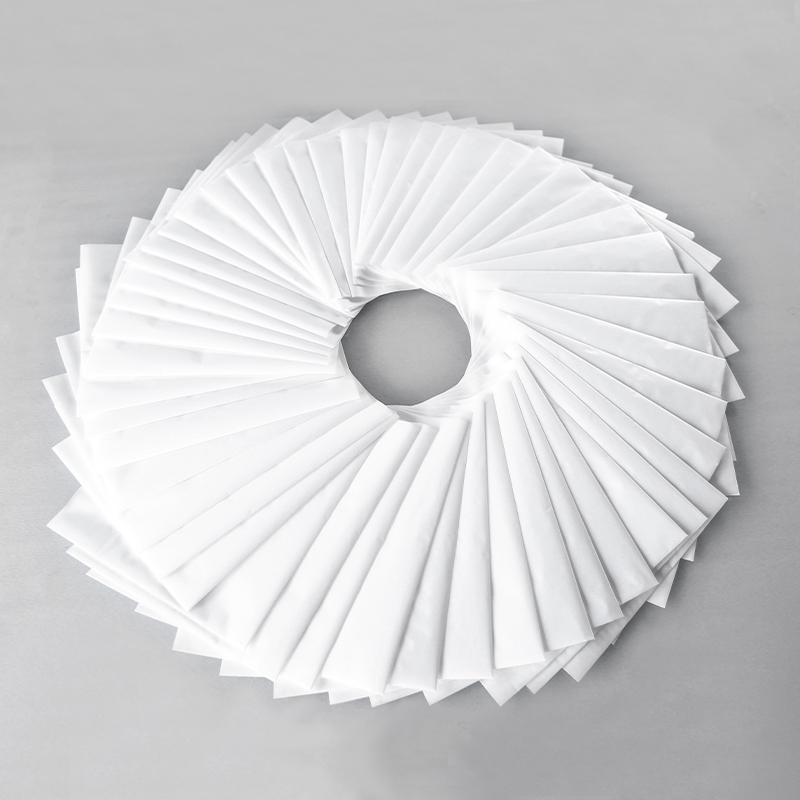
Product details: Folded baking paper sheets, an environment-friendly product, are composed of wood pulp and are double-side coated with silicone. Such a coating makes our paper smooth, greaseproof and...
See Details -
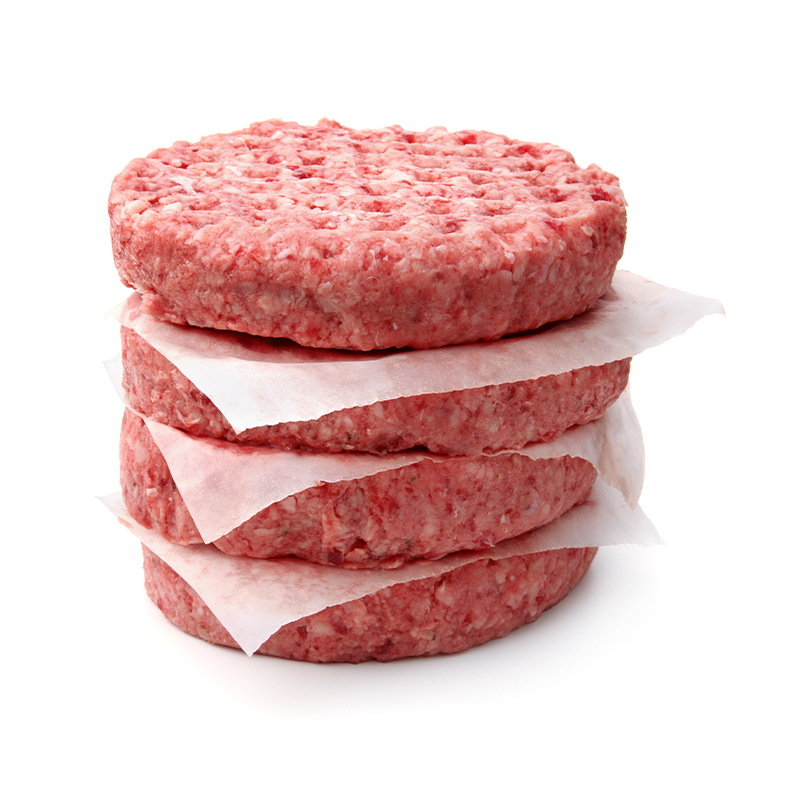
Description: Wax paper is the paper that is coated with food-grade wax in order to make it non-stick and waterproof. wax paper is very good for food storing and presentingMade of food-grade paper and ...
See Details -
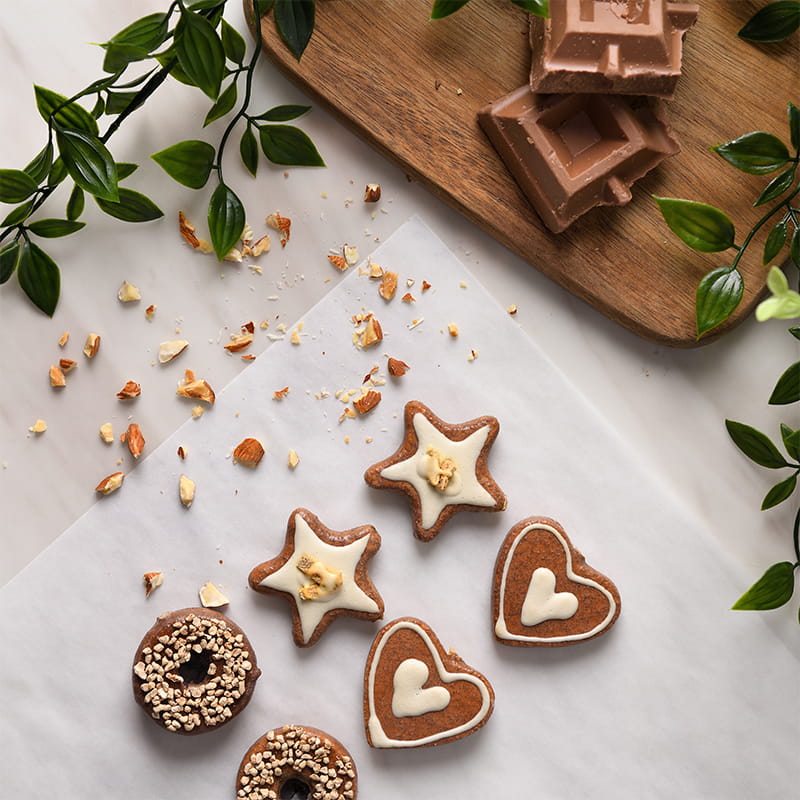
Product Features: 1. Virgin wood pulp 2. Double sides food grade silicone-treated 3. Fluorine-free 4. Non-stick 5. Oven/Microwave safe 6. Freezer safe 7. Reusable 8. BPA f...
See Details -
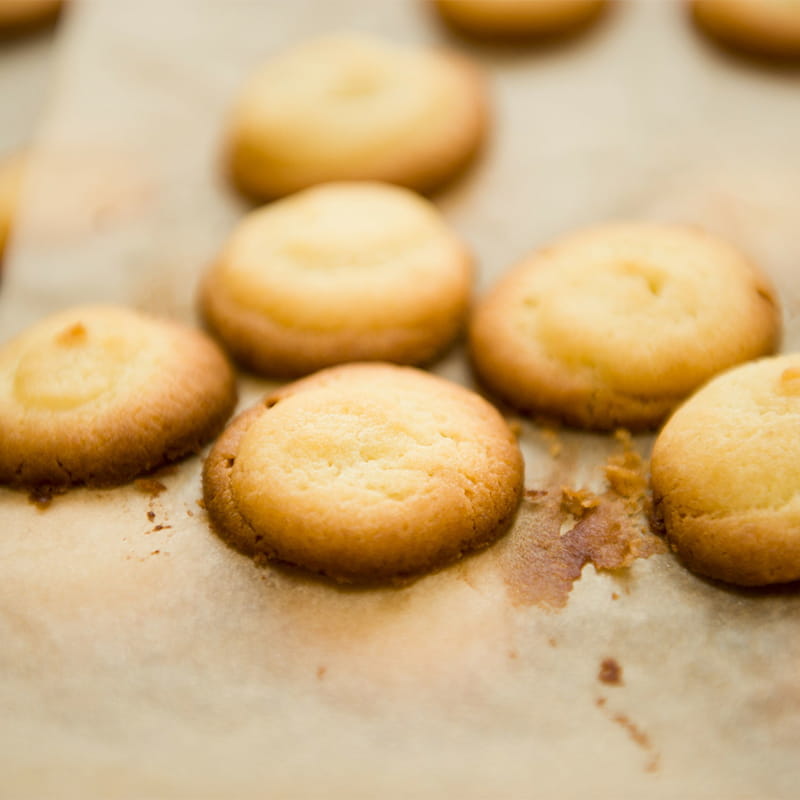
Product Features: 1. Virgin wood pulp 2. Natural unbleached brown color 3. Double sides food grade silicone-treated 4. Fluorine-free 5. Non-stick 6. Oven/Microwave safe 7. Fre...
See Details -
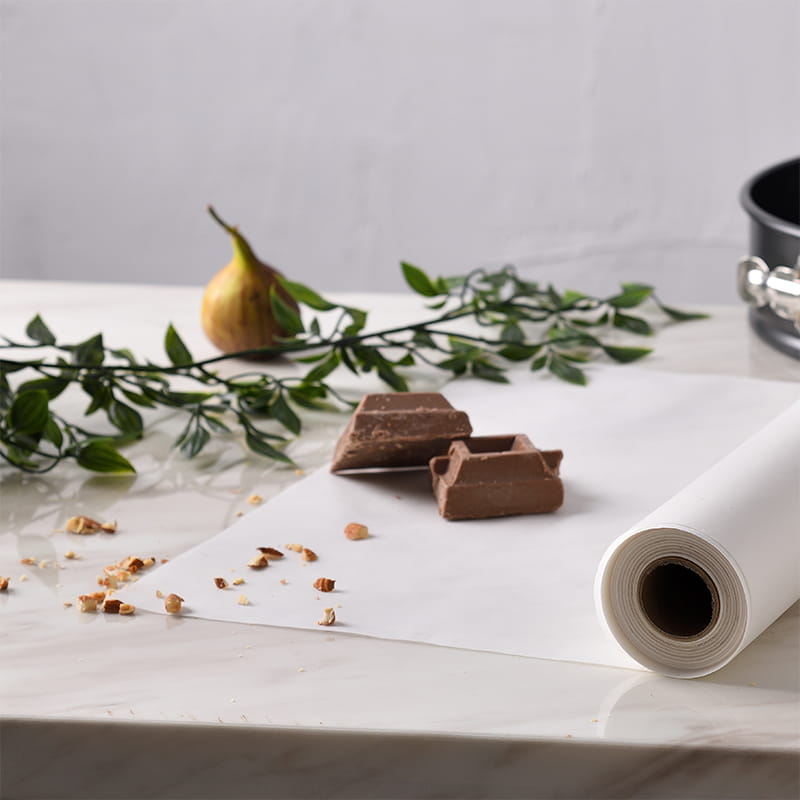
Product Features: 1. Virgin wood pulp 2. Double sides food grade silicone treated 3. Fluorine-free 4. Non-stick 5. Oven/Microwave safe 6. Freezer safe 7. Reusable 8. BPA ...
See Details -
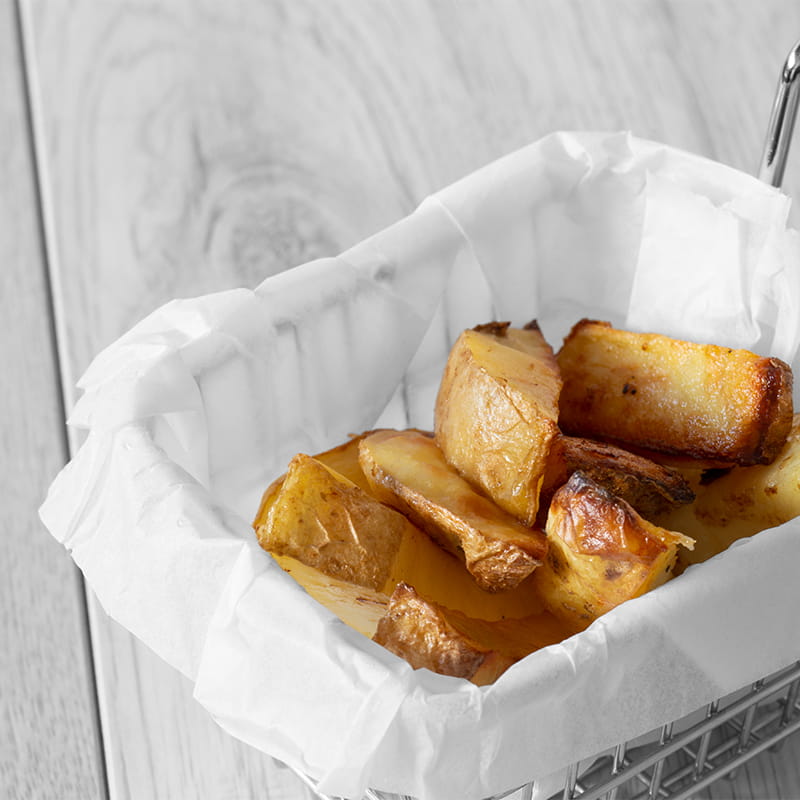
Product Features: 1. Virgin wood pulp 2. Fluorine-free 3. BPA free 4. Biodegradable Product Details: In an era where environmental consciousness and sustainability are paramount, Natu...
See Details -
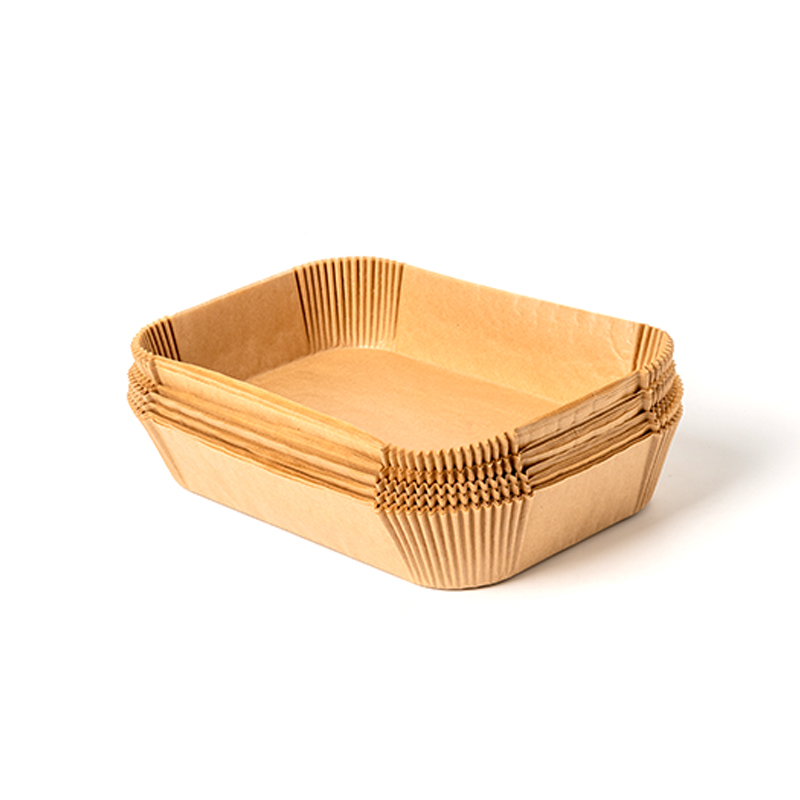
Product Features: 1. Virgin wood pulp 2. Double sides food grade silicone-treated 3. Fluorine-free 4. Non-stick 5. Air fryer basket safe 6. Reusable 7. BPA free 8. Biodeg...
See Details -
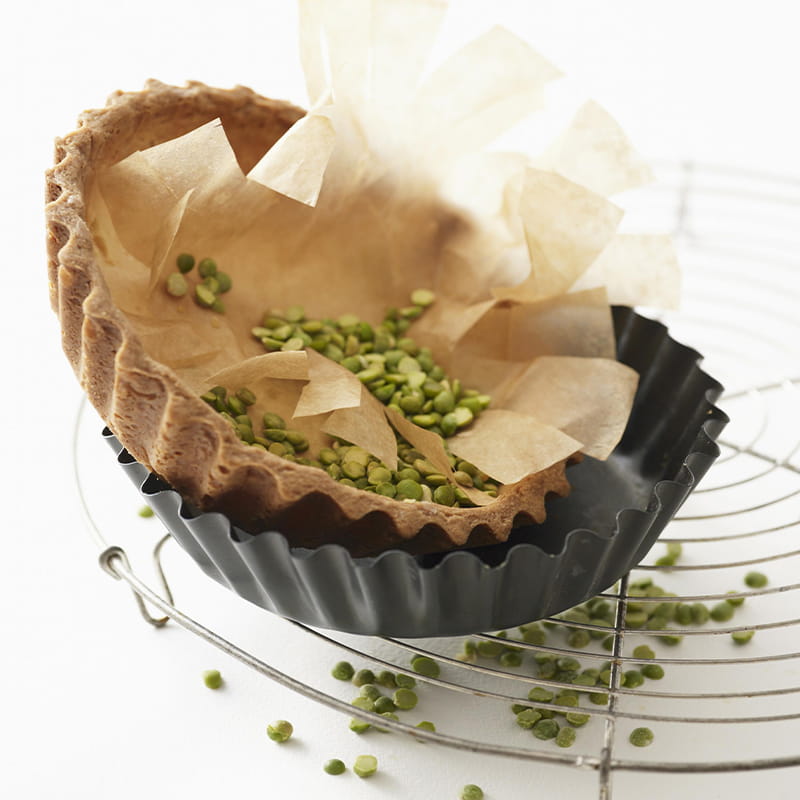
Product Features: 1. Virgin wood pulp 2. Natural unbleached brown color 3. Fluorine-free 4. BPA free 5. Biodegradable Product Details: Introducing our Unbleached Brown Food Grade ...
See Details -
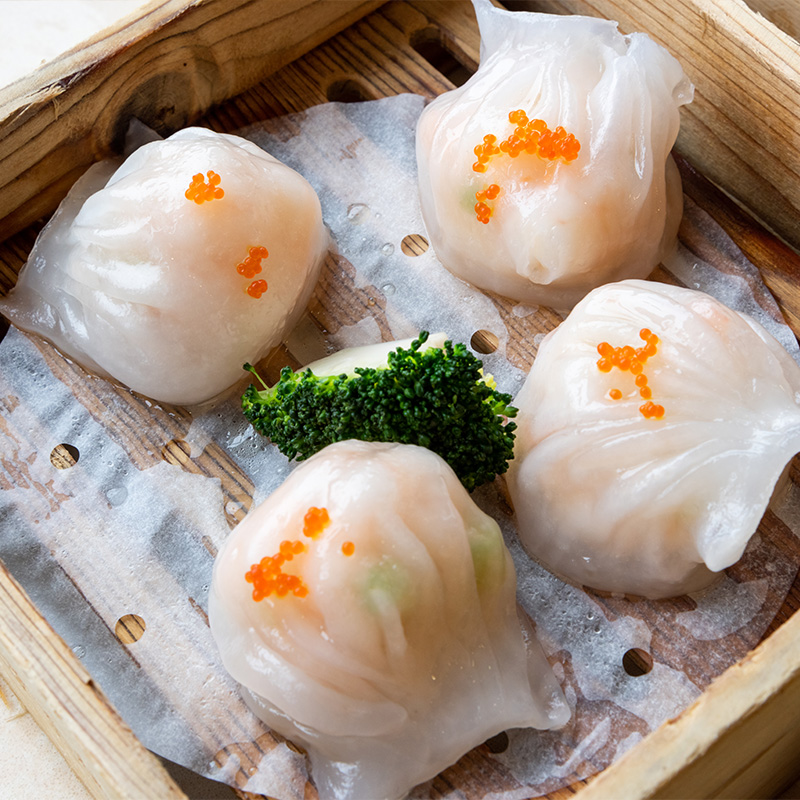
Product Features: 1. Virgin wood pulp 2. Double sides food grade silicone treated 3. Fluorine-free 4. Non-stick 5. Steamer/air fryer basket safe 6. Reusable 7. BPA free 8...
See Details -
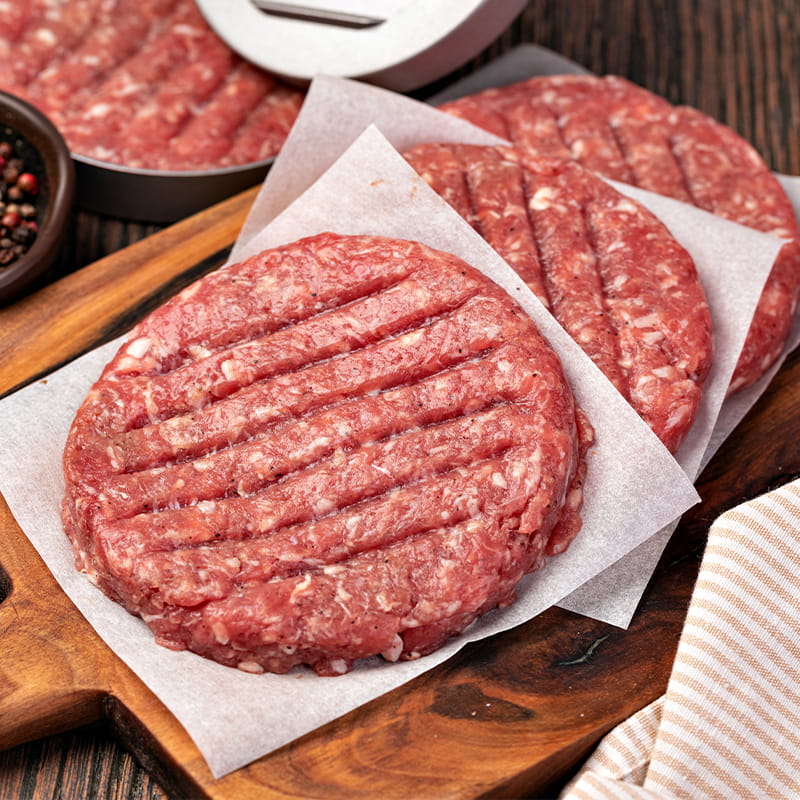
Product Features: 1. Virgin wood pulp 2. Double sides food grade silicone treated 3. Fluorine-free 4. Non-stick 5. Easy to separate 6. Reusable 7. BPA free 8. Biodegradab...
See Details -
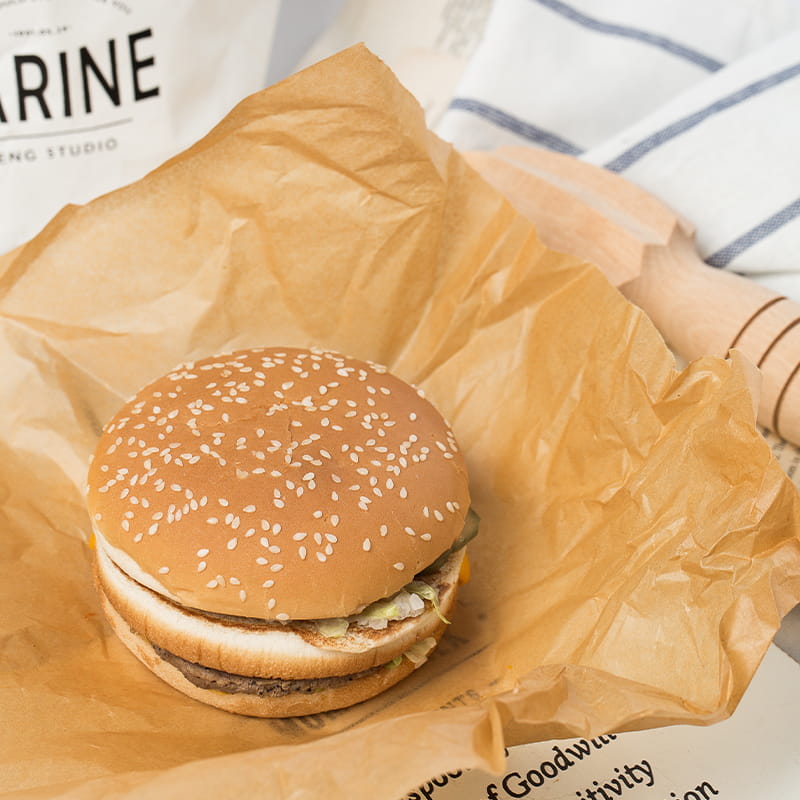
Product Features 1. Virgin wood pulp 2. Flexographic printing 3. Eco-friendly water-based ink 4. BPA free Product Details: Introducing our premium Greaseproof Sandwich Paper Sheets, a...
See Details

Professional Baking Parchment Paper Manufacturer in China with more than 15 years silicone coating experience.
Products
Contact Us
- No.10 Longyin Road, Chengnan Industrial Park,Longyou, Quzhou, China.
- +86-18968091013 / +86-571-88639705
- Avayao-1990@hotmail.com
Copyright © Zhejiang Guanghe New Materials Co., Ltd. All Rights Reserved.
Parchment Paper & Baking Paper Sheets Manufacturer
