 English
 中文简体
中文简体
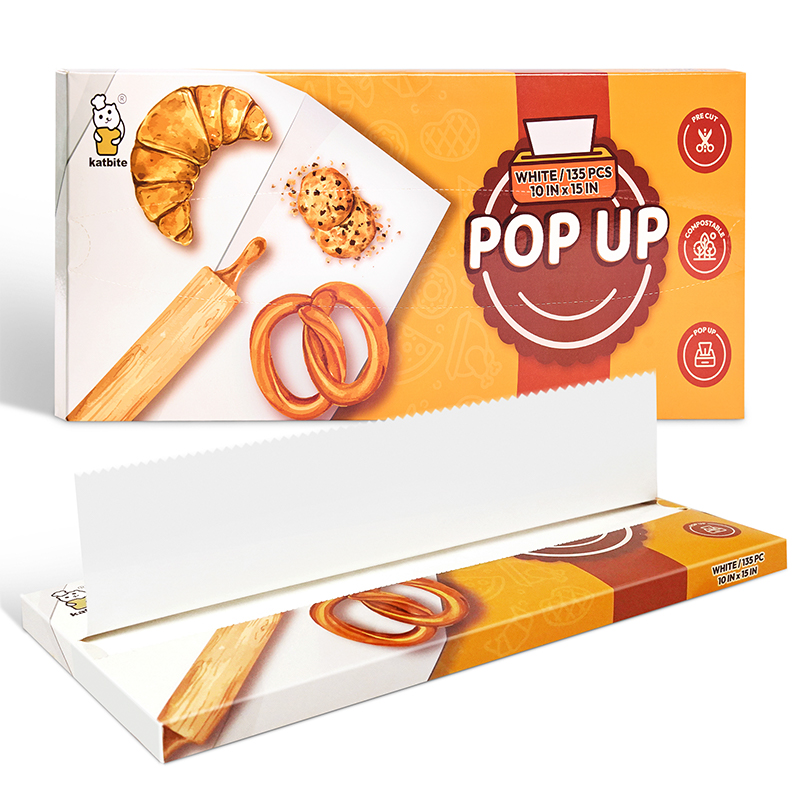
Product details: Pop-up parchment paper sheets, an environment-friendly product, are composed of wood pulp and are double-side coated with silicone. Such a coating makes our paper smooth, greasepr...
See DetailsWhy Choose Baking Paper for Daily Bread and Pastry Work?
Baking turns flour, water, and a few other ingredients into loaves with crisp crusts or pastries with flaky layers. Baking Paper Factory products step in as a simple sheet that sits between the dough or batter and the pan. It cuts down on sticking, helps heat reach the food in a steadier way, and makes lifting the finished bake out of the vessel much easier. Cleanup takes less time because residue stays on the paper instead of baking onto metal.
Bread dough can range from slack and wet to firm and enriched. Pastry often brings buttery folds or juicy fillings that turn messy on hot surfaces. The paper creates separation while still letting steam and heat do their work. Bottoms gain color without scorching in spots, and edges stay intact when it comes time to slice or serve. Over many baking sessions, the sheet becomes part of routines that feel less like a battle and more like steady progress.
How Baking Paper Eases Challenges in Bread and Pastry
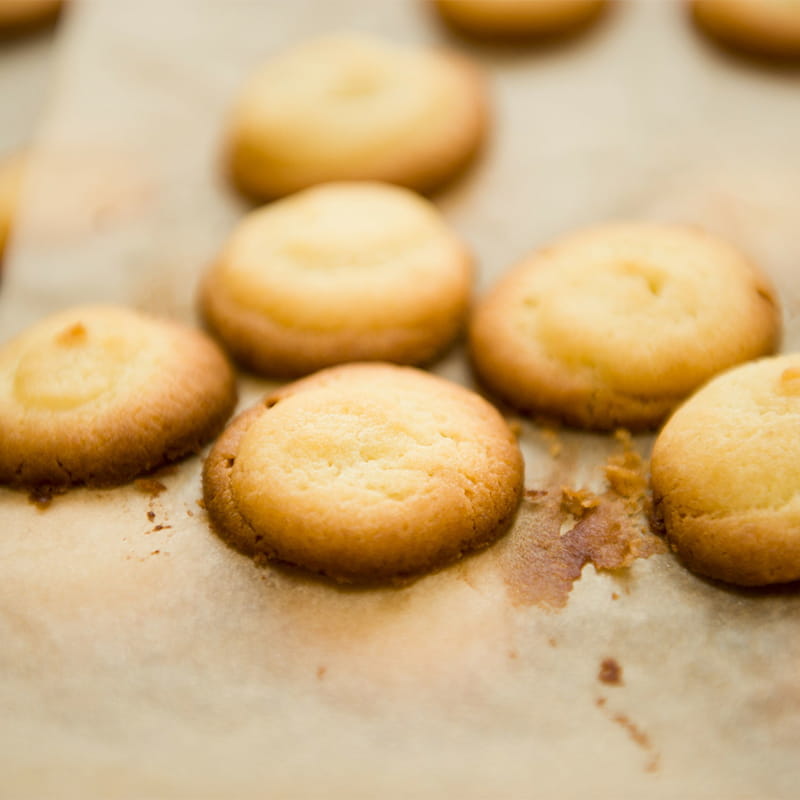
Dough sometimes grabs hold of a pan during the intense early heat, especially when steam builds quickly. Baking paper forms a barrier that lets the loaf or pastry expand without locking in place. The base develops crust or crispness at a gentler pace, which reduces chances of dark patches or burned undersides.
In bread work, the paper often turns into a carrier. Shaped dough rests on a cut piece during the final rise. The edges then serve as grips to lower everything into a hot pot or onto a stone. Steam works around the sheet, opening the crumb inside while the exterior sets. For loaves baked in tins, the liner covers the bottom and climbs partway up the sides. Once cool, the bread lifts with less tugging.
Pastry benefits in similar ways. Laminated dough rolls on or between sheets to keep counters clean and limit extra flour that might toughen layers. Filled tarts or pies sit on a base liner that catches drips from fruit or cream. Individual pastries slide off trays without breaking delicate edges. Cakes meant for stacking release with flat bottoms ready for spreading fillings.
The paper also helps with evenness. Ovens vary in how heat moves, and the sheet softens some of those differences. Textures inside the bake hold more consistency from one batch to the next. Sticky sugars in sweet breads or glazes on pastries stay where they belong instead of welding to the vessel.
Shaping Baking Paper to Fit Pans
Lining starts with matching the paper to the pan shape. A loose fit leaves gaps where batter can sneak under and stick. Too much overlap creates thick folds that press marks into the base. Simple folds and cuts bring the sheet close to the surfaces it needs to cover.
For rectangular loaf pans, flip the empty pan upside down on a sheet cut a bit larger than the base. Fold the sides down around the pan like wrapping a package, creasing at the corners. Turn the pan right side up and drop the shaped liner inside. Extra length along the long sides hangs over the rim. These extensions act as handles later. A thin spread of fat along the top edge can keep the paper from sliding when the dough goes in.
Square pans follow much the same pattern. Some bakers add narrow strips cut to line the sides when the mixture rises high. Cutting small slits from the edge of the main sheet to the pan corner creates flaps that press flat against the walls. Pressing the paper down helps it settle, though light wrinkles often fade once baking begins.
Round cake tins call for a different fold. Start with a square sheet and fold it in half several times until it narrows to a point. Hold the point at the center of the tin and mark the radius with a gentle curve cut. Unfold the piece to reveal a circle that drops neatly onto the base. Cut separate strips for the curved sides, overlapping them slightly with the circle and tucking them in. A small dab of batter at the seams holds everything steady during filling.
Crumpling the paper into a loose ball and then smoothing it out softens the sheet. It molds against curves and corners with fewer bounces back. Fine creases may show on the bottom of the bake, yet they stay light and rarely change the eating quality.
In bread baked inside covered vessels, a generous sheet lines the proofing bowl or basket with plenty of overhang. The dough transfers onto this prepared surface, then lowers into the hot container using the edges like a sling. The paper handles the rush of heat while protecting the contact area.
Role of Baking Paper During Bread Baking
Bread dough goes through shaping and proofing before the oven. The paper supports these later steps by giving the loaf a stable, non-stick base.
Free-form loaves often proof on a sized piece of paper. When proofing finishes, the edges lift the dough and guide it into a preheated pot. The sheet stays in place as steam fills the space and the crust forms. The bottom gains color without direct scorching, and the loaf slides out cleanly after cooling.
| Step | Role of Paper | Effect on Bread |
|---|---|---|
| Proofing | Provides a stable, non-stick base | Supports dough shape, prevents sticking |
| Baking in pot | Guides dough into pot, stays in place during steam | Even bottom color, prevents scorching |
| Cooling / Removing | Keeps loaf from sticking | Loaf slides out cleanly |
Tins for sandwich loaves or enriched breads use a liner that extends up the sides. The dough bakes with support, then cools before the overhanging flaps allow a steady lift. Short sides without paper usually release after a light run along the edge with a thin tool. Wet doughs particularly gain from the paper because it manages early moisture without letting the base turn dense or soggy.
Seeds scattered on top or decorative scores stay in place. The paper does not interfere with how the surface opens or how toppings sit.
Ways Baking Paper Helps with Pastry Work
Pastry work brings together rolling out thin sheets of dough, cutting precise shapes, and layering in fillings that can easily turn messy. Baking paper steps in as a practical surface for these steps, giving dough a place to rest without clinging to counters or tools. It also makes moving cut pieces onto trays smoother, so the shapes hold their form instead of stretching or tearing along the way.
Laminated doughs, the kind used for flaky croissants or fruit turnovers, roll out nicely when placed on or between sheets of the paper. This setup keeps extra flour from working into the layers and helps the butter stay where it belongs for that light, crisp texture. Once cut, the pieces slide onto lined trays with far less chance of losing their edges or puffing unevenly later. Tarts filled with juicy fruit or creamy centers get a liner across the base that holds in the moisture during blind baking, so nothing seeps underneath and scorches on the tin.
Smaller items like piped éclairs or little fruit pockets lift cleanly off the tray once baked, leaving almost nothing behind. Cakes that serve as the base for fancier pastry desserts line with simple rounds cut to fit. After cooling, the layers come away from the tin without drama, and peeling off the paper reveals a flat, even surface ready for spreading creams, jams, or other fillings. Even decorative bits, such as curled chocolate shavings or delicate sugar pieces, set up on the paper and release without breaking or sticking when it is time to place them on the finished pastry.
Handling Situations That Come Up
The paper sometimes shifts or lifts at the edges when thick batter or soft dough goes into the pan. A quick dab of the mixture at each corner usually holds it steady while everything settles. Light wrinkles can press faint lines into the bottom of the bake, but these stay subtle and rarely affect how the pastry tastes or looks once sliced.
Heat from the oven changes how the sheet behaves from one bake to the next. Watching the color on the underside during the cycle offers clues about when to turn pans or move them to a different rack. Soft or especially sticky mixtures often handle better after a brief time to firm up. At that point the paper makes transferring into the pan gentler, so surfaces stay smooth without tearing.
Once the bake cools enough to lift away, the used sheet simply goes in the bin and the pan wipes clean with little effort. Pans end up needing far less scrubbing than when dough or filling touches metal directly. A sheet that stays relatively clean after one round can sometimes go back in for a similar bake, especially if it has not browned heavily.
Cutting a few pieces to size before mixing begins keeps the rhythm going without constant pauses to measure and trim. Keeping the cut sheets stacked flat avoids the endless fight with curling rolls.
Fitting Baking Paper into Baking Routines
Baking paper ties different stages together in the kitchen. It gives a clean spot for measuring out ingredients or portioning dough, and it catches stray drips from glazes or fillings before they reach the counter. When baked items move to cooling racks, leaving them on their paper allows air to circulate underneath without the bottoms softening against a solid surface.
In kitchens that handle several batches or send baked goods out to others, the paper reduces the risk of ragged edges or pieces that break during removal. The final presentation gains from straighter lines and more complete portions that hold together on the plate.
| Purpose | Role of Paper | Result on Baked Goods |
|---|---|---|
| Multiple batches / catering | Prevents sticking and tearing during removal | Cleaner edges, intact portions |
| Presentation | Guides dough and keeps shape | Straighter lines, better plate presentation |
Small adjustments come naturally with repeated use. Narrow strips cut from the paper help keep spacing even between cookies or rolls on a tray. Longer pieces can form loose collars inside deeper pans when extra rise needs gentle guidance. The material shifts easily to suit the quirks of different ovens or the particular needs of a recipe.
When bakers pay attention to keeping dough at a comfortable temperature and mix with a lighter hand, the prepared liners add to steadier results. Batters and doughs placed onto the lined surfaces move through the oven with fewer unexpected changes.
Learning from Repeated Bakes
Every baking session leaves small clues about what works in a particular setup. The color and texture on the base look different when the liner sits underneath compared with baking directly on the pan. How easily things release can shift depending on how wet the dough feels or how rich the pastry mixture turns out. Some pans call for taller coverage along the sides, while others do better with adjusted folds or overlaps that match the expected rise.
Tiny changes in how much the paper overlaps or how high the side flaps reach often to smoother handling overall. A loaf or pastry that used to need patient coaxing now slides free in one steady motion. Smaller items transfer whole instead of shedding crumbs or fragments along the edges.
These observations slowly build a clearer picture of each oven and pan combination. One setup might need more complete coverage across the base to avoid uneven spots. Another performs nicely with a bit of breathing room for air movement when aiming for extra crispness. The paper adapts to these variations without demanding exact precision every single time.
Talking with fellow bakers brings fresh perspectives into the mix. A technique that suits heavier fruit-filled breads adjusts slightly when working with lighter, airier doughs. Ways of lining round tins translate with minor tweaks to oval dishes or other less common shapes.
Baking Paper in Bread and Pastry Work
Baking paper quietly supports both bread and pastry by cutting down on sticking, helping color develop more evenly across the base, and making removal straightforward. It takes care of many everyday practical details, so the focus can stay on developing flavors, shaping dough with care, and enjoying the moment a warm bake comes out of the oven.
Whether the day calls for simple everyday loaves, a tray of morning pastries, or something more elaborate with multiple layers, the paper slips into the process without creating extra complications. Cutting, folding, and setting it in place turn into familiar motions after a few tries. Crusts take on appealing character, interiors hold the texture they should, and surfaces finish smooth enough for easy serving or decorating.
In the end, the sheet forms just one element within a wider set of habits built around noticing what happens in the oven and making small tweaks along the way. Baking sessions settle into a calmer pace. That leaves more room for the quiet pleasure of pulling something fresh and inviting from the oven and setting it on the table.
Guanghe Baking Paper
Amidst the well-ordered rhythm of a bustling kitchen, Guanghe baking paper seamlessly integrates into the daily workflow, quietly resolving those minor annoyances that once interrupted the joy of kneading and shaping dough, or hindered the simple pleasure of patiently waiting for pastries to rise. Its presence transforms routine chores into a fluid, effortless process, allowing bakers to devote more energy to refining textures and flavors—and to savoring that pure sense of satisfaction when retrieving golden loaves and delicate pastries from the oven.
As time passes, this baking paper evolves from a mere novelty tool into a steadfast and reliable partner. Whether the day's task involves crafting everyday staple breads or experimenting with more unique, creative confections, it consistently ensures the stable quality of the baked goods while infusing the entire preparation process with a sense of calm and ease. Ultimately, it is precisely through the reliability of every single sheet that the kitchen environment becomes more forgiving and welcoming—and the very experience of baking becomes all the more enjoyable.
Related Products
-
-
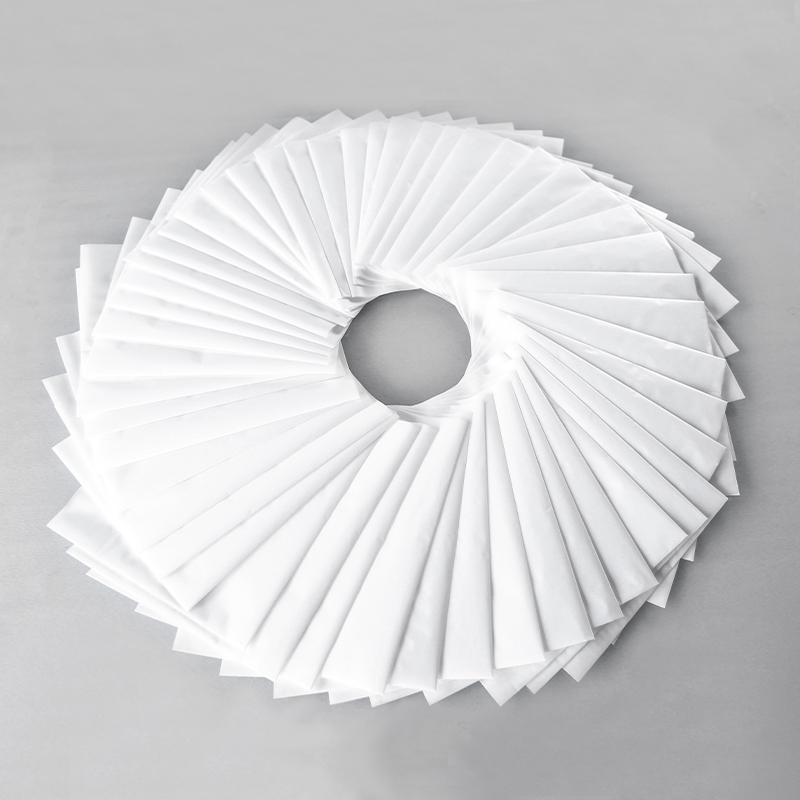
Product details: Folded baking paper sheets, an environment-friendly product, are composed of wood pulp and are double-side coated with silicone. Such a coating makes our paper smooth, greaseproof and...
See Details -
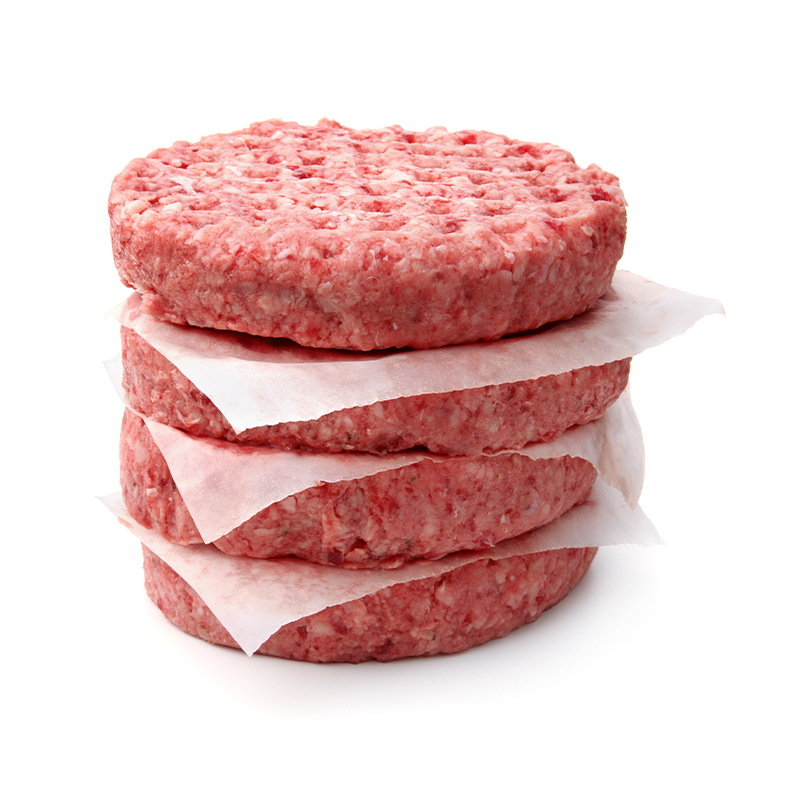
Description: Wax paper is the paper that is coated with food-grade wax in order to make it non-stick and waterproof. wax paper is very good for food storing and presentingMade of food-grade paper and ...
See Details -
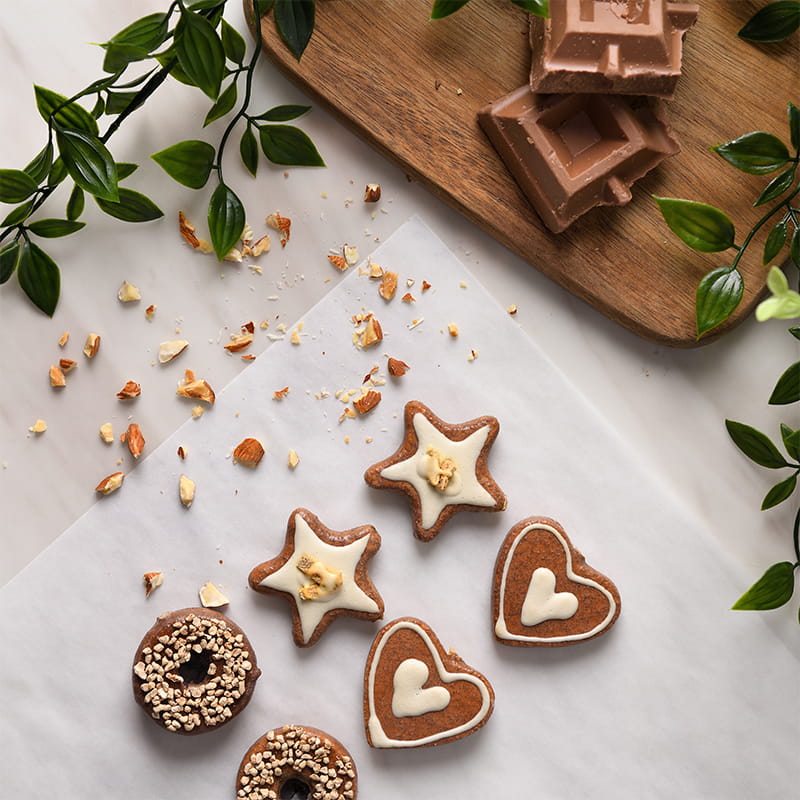
Product Features: 1. Virgin wood pulp 2. Double sides food grade silicone-treated 3. Fluorine-free 4. Non-stick 5. Oven/Microwave safe 6. Freezer safe 7. Reusable 8. BPA f...
See Details -
Product Features: 1. Virgin wood pulp 2. Natural unbleached brown color 3. Double sides food grade silicone-treated 4. Fluorine-free 5. Non-stick 6. Oven/Microwave safe 7. Fre...
See Details -
Product Features: 1. Virgin wood pulp 2. Double sides food grade silicone treated 3. Fluorine-free 4. Non-stick 5. Oven/Microwave safe 6. Freezer safe 7. Reusable 8. BPA ...
See Details -
Product Features: 1. Virgin wood pulp 2. Fluorine-free 3. BPA free 4. Biodegradable Product Details: In an era where environmental consciousness and sustainability are paramount, Natu...
See Details -
Product Features: 1. Virgin wood pulp 2. Double sides food grade silicone-treated 3. Fluorine-free 4. Non-stick 5. Air fryer basket safe 6. Reusable 7. BPA free 8. Biodeg...
See Details -
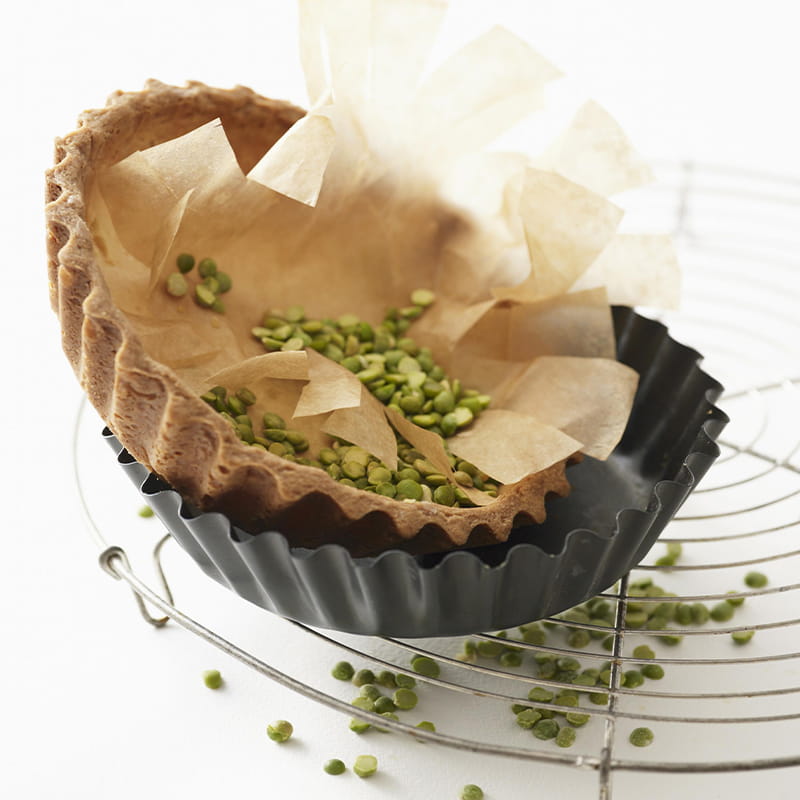
Product Features: 1. Virgin wood pulp 2. Natural unbleached brown color 3. Fluorine-free 4. BPA free 5. Biodegradable Product Details: Introducing our Unbleached Brown Food Grade ...
See Details -
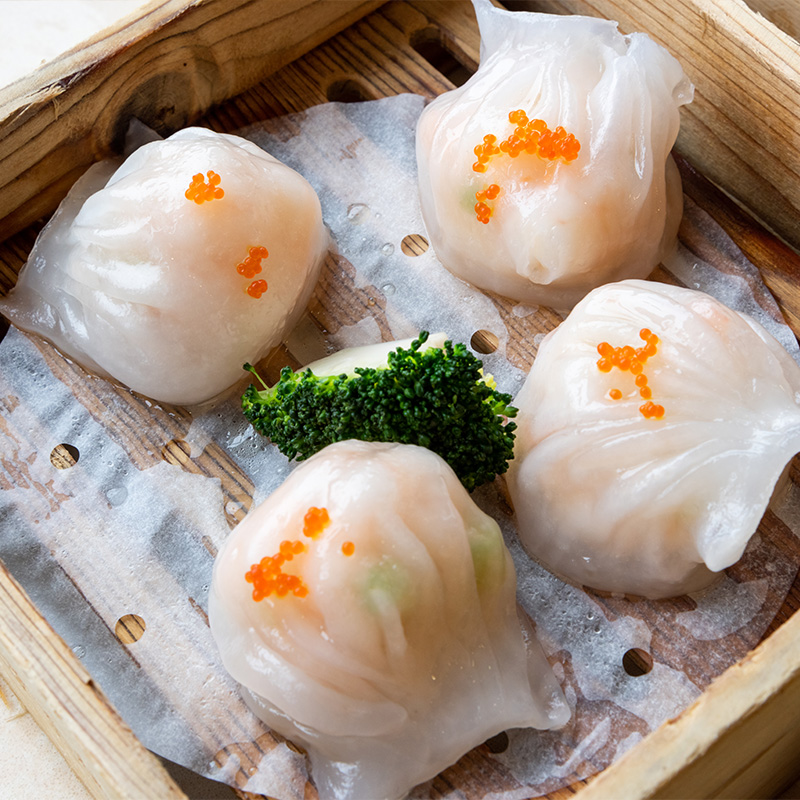
Product Features: 1. Virgin wood pulp 2. Double sides food grade silicone treated 3. Fluorine-free 4. Non-stick 5. Steamer/air fryer basket safe 6. Reusable 7. BPA free 8...
See Details -
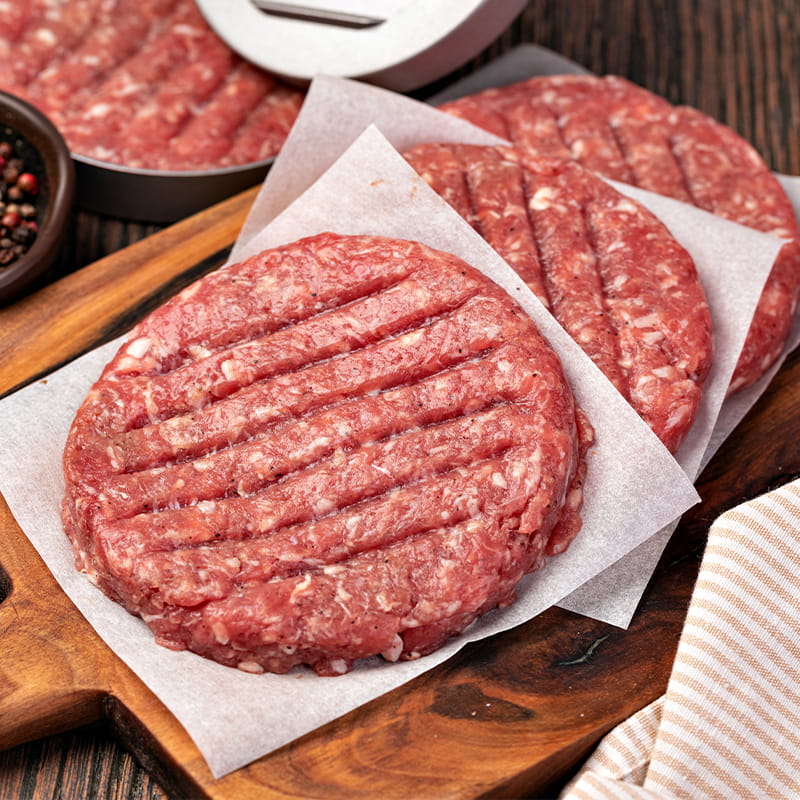
Product Features: 1. Virgin wood pulp 2. Double sides food grade silicone treated 3. Fluorine-free 4. Non-stick 5. Easy to separate 6. Reusable 7. BPA free 8. Biodegradab...
See Details -
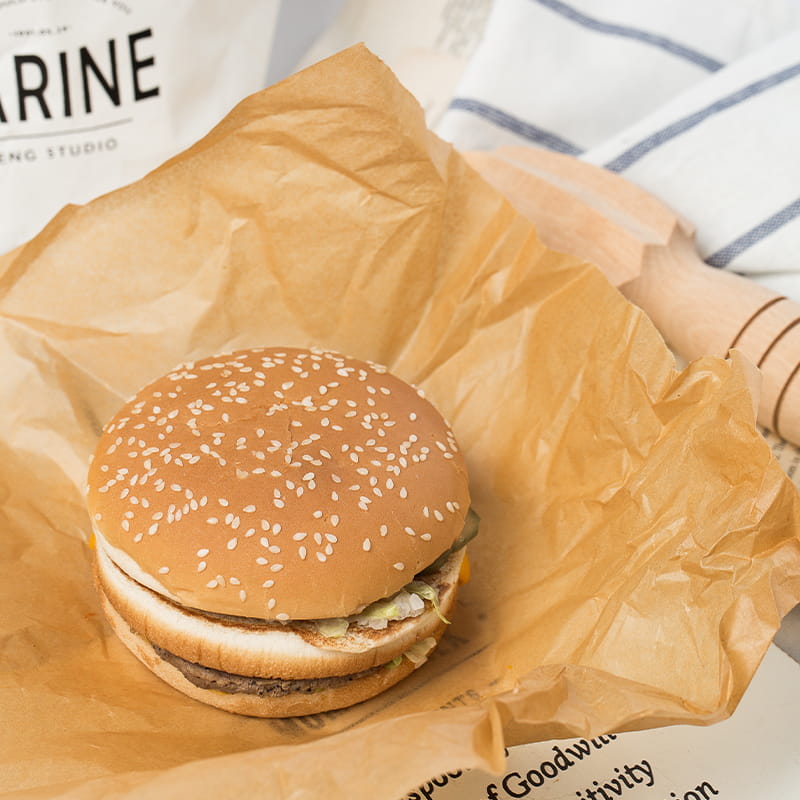
Product Features 1. Virgin wood pulp 2. Flexographic printing 3. Eco-friendly water-based ink 4. BPA free Product Details: Introducing our premium Greaseproof Sandwich Paper Sheets, a...
See Details

Professional Baking Parchment Paper Manufacturer in China with more than 15 years silicone coating experience.
Products
Contact Us
- No.10 Longyin Road, Chengnan Industrial Park,Longyou, Quzhou, China.
- +86-18968091013 / +86-571-88639705
- Avayao-1990@hotmail.com
Copyright © Zhejiang Guanghe New Materials Co., Ltd. All Rights Reserved.
Parchment Paper & Baking Paper Sheets Manufacturer
