 English
 中文简体
中文简体
Pre Cut Baking Paper Sheets are made from wood pulp and coated on both sides with a food-safe silicone layer. This coating gives the paper a smooth, greaseproof, and moisture-resistant surface that su...
See DetailsWhat Should You Know When Choosing Baking Paper?
Baking turns simple ingredients into warm loaves or flaky pastries, yet small frustrations can creep in when things stick to the pan or the base darkens unevenly while the top stays pale. Baking paper sits quietly between the dough and the surface, easing release, catching drips, and making cleanup less of a chore. Still, one sheet does not behave like another in every oven or with every recipe. Picking the right kind comes down to the kind of baking that happens in the kitchen, the pans in use, and how much time someone wants to spend trimming or scrubbing afterward.
Sheets arrive in rolls or already cut to common sizes. Rolls give room to trim exactly what fits a loaf tin one day or a round cake pan the next. Pre-cut pieces speed things up when the same tray comes out week after week. Some feel thin and fold easily around curves, while others have more body and hold their shape when lifting heavier dough. The surface coating changes how readily cookies or bars slide away once cooled. A light coating might need a quick brush of fat for very sticky mixtures, whereas a stronger one often releases with almost no help.
Color makes a subtle difference too. White sheets reflect heat in one way, while natural or unbleached versions carry a warmer tone and sometimes handle sugary doughs with less caramelizing against the paper. None of these choices change the flavor, yet they can shift the look of the base or how easily the sheet conforms to the pan.
What Baking Paper Actually Does in the Kitchen
The paper creates a thin separation that softens direct heat on the bottom of baked goods. In pans that run hot on the base, this buffer can prevent dark patches on cookies or the underside of a loaf. For fruit-filled tarts or glazes that might drip, the sheet keeps the tray cleaner so washing does not turn into a long soak.
In bread baking, the paper often becomes a carrier. Shaped dough rests on a cut piece during its final rise, then lowers into a hot pot using the edges as grips. The sheet handles the early steam without letting the bottom fuse to the vessel. For loaves in tins, a liner with extra length along two sides turns into handles for lifting the cooled bread in one piece, ready for slicing without crumbs everywhere.
Pastry work gains from the same separation. Rolling laminated dough on the paper limits extra flour that can toughen thin layers. Cut shapes move to the tray with less chance of stretching out of shape. Even small decorations, like chocolate pieces or sugar bits, set up on the sheet and come away cleanly when firm.
The paper behaves differently depending on the bake. Crisp cookies might do better with a sheet that allows a little air underneath, while a moist quick bread benefits from coverage that holds some steam early on. Noticing these small shifts over time turns the paper from something grabbed at the store into a tool that actually matches the way the kitchen runs.
Forms of Baking Paper and When They Fit
Rolls suit kitchens that switch between different pan sizes or need odd shapes for special recipes. Cutting from the roll allows overhang for lifting or extra side coverage in deeper tins. Pre-cut sheets save steps when the same half-sheet tray comes out regularly. They lie flat right away without fighting curls from the roll.
Thinner sheets fold neatly into tight corners and wrap around curved surfaces without pushing back. They work nicely for delicate items that need gentle handling, such as thin cookies or meringues. Sturdier sheets keep their folds when heavy batter presses against the sides or when lifting a full loaf from a hot vessel. They resist tearing even if a corner catches during pouring.
The coating on the surface decides how much help the bake needs to release. Some surfaces let food slide off after cooling with little effort. Others perform better with a light touch of butter or oil, especially when working with high-sugar doughs that can grab hold as they caramelize. Certain sheets hold up for a second use if the bake leaves them fairly clean, while others serve for one round before disposal.
Choosing Paper for Bread Baking
Bread dough varies from slack and wet to firm and rich with butter or eggs. The paper choice shifts with that variation. For free-form loaves baked inside a covered pot, a sheet with enough extra length supports the move from proofing basket to hot vessel. The edges act like a sling, lowering the dough without knocking out the air built during shaping. The paper then manages the steam phase and keeps the base from scorching against the metal.
| Bread Type / Condition | Paper Use | Benefit |
|---|---|---|
| Wet or slack dough | Extra-length sheet used as a sling | Moves dough easily from proofing to pot |
| Free-form loaf baking | Paper stays under dough in hot vessel | Supports steam phase and prevents sticking |
| Pot baking | Paper buffers contact with metal | Reduces risk of base scorching |
Loaf pans gain from a liner that covers the bottom and climbs partway up the longer sides. This creates grips for lifting once cool. A sheet that stays in place without tearing makes the process smoother, particularly with enriched doughs that can feel tacky. Quick breads often release with less coaxing when the paper reaches up the sides, reducing the need to run a knife around the edges.
Seeded or scored breads benefit from a surface that does not disturb toppings. The paper lies flat enough that seeds stay put and decorative cuts open as the dough rises in the oven. Wetter doughs show less risk of a heavy or damp bottom when the sheet handles early moisture without trapping it completely.
Supporting Pastry and Cake Baking
Pastry steps involve rolling thin dough, cutting shapes, and adding fillings that can leak during baking. The paper provides a clean area for rolling laminated dough without working in too much flour that toughens the layers. Cut pieces transfer to lined trays with less distortion, keeping the intended shape for croissants or fruit turnovers.
Tarts or pies with juicy centers line the base so fillings stay contained and do not burn onto the tin. The sheet holds weights in place during blind baking and allows the shell to color without seepage underneath. Small pastries such as cream puffs or éclairs lift off the tray without leaving fragile bits behind.
Layer cakes meant for filling and stacking line with rounds cut to fit the tin. After cooling, the layers come free and the paper peels away to leave a flat surface ready for creams or jams. This even base helps stacking stay level and keeps loose crumbs from mixing into frostings.
Decorative touches pair well with the paper too. Piped chocolate or sugar designs set up and release without cracking when placed on the finished pastry.
Thinking About Oven Behavior and Recipe Needs
Every oven has its own personality. Some run hotter near the bottom or toward the back wall, creating spots that brown faster than the rest. Baking paper helps smooth out those quirks when it sits evenly across the pan. In ovens that tend to darken the base quickly, a sheet with a little more substance can slow things down just enough to give a more balanced color without dragging out the whole baking time.
Different recipes pull for different qualities in the paper. Sugary cookies or bars that spread and turn golden benefit from a surface that lets them release cleanly once cooled, without letting them run too far during the bake. Delicate sponge cakes need something that peels away gently so the soft crumb stays intact instead of tearing. Fruit breads or vegetable loaves do better with coverage that handles the steam from moist ingredients without leaving the bottom heavy or damp.
Heat levels play their part too. Recipes that start with a strong initial blast or stay in the oven longer at a steady temperature tend to work well with sheets that hold up through the full cycle. Keeping an eye on the color developing on the underside during baking offers useful hints for what to reach for next time around.
Size, Cutting, and Everyday Handling
Pans come in all shapes and sizes — small loaf tins, large flat trays, deep round forms. Paper that lines up reasonably well with those dimensions cuts down on extra trimming and leftover scraps. Rolls make it easy to create pieces with extra length for lifting or for wrapping up the sides of deeper pans. Pre-cut sheets save time when the same pans come out week after week, sliding straight into place without much fuss.
The way the paper gets folded and cut makes a real difference in how well it sits. If the piece ends up too small, batter or dough can slip underneath and stick in the gaps. If it's cut too big, the extra material bunches up and leaves visible lines pressed into the base. A simple trick is to turn the empty pan upside down on the sheet and crease the edges around it. For round tins, folding the paper into layers and trimming a gentle curve gives a circle that drops neatly inside.
Storage plays a quiet role in daily baking too. Rolls that tear in a straight line without fraying save a lot of annoyance. Flat-packed sheets stay ready to grab without the constant battle of unrolling and fighting curls. Having a small stack of pieces already cut for the pans used often keeps the mixing and pouring from turning into a interrupted scramble.
Baking Paper Compared with Other Surfaces
Silicone baking mats give another reusable choice in many kitchens. They wash up easily and go back into the drawer for the next round, and their thickness can soften heat in certain situations. That same thickness sometimes makes cookies spread a touch more than expected or leaves the bottoms a little softer than desired. Mats work nicely for running the same recipe over and over, but they don't offer the same easy custom cutting or flexible sling-style lifting that paper provides when moving shaped dough.
Baking straight on a greased pan can give faster browning or a crisper edge on certain breads and pastries. Without any layer in between, though, the risk of sticking goes up and cleanup usually takes longer, especially when sugar or delicate mixtures are involved.
Papers meant for wrapping food rather than baking behave differently once heat hits them. They may not release as cleanly, can lack stability in the oven, and sometimes carry over flavors that don't belong in the bake. Keeping actual baking paper separate from ordinary wrapping sheets helps avoid those unwelcome surprises.
Learning Through Actual Bakes
Every time something comes out of the oven, the paper leaves little clues about how it handled the job. Did the base color turn out fairly even, or did darker patches show up in certain areas? Did the bake slide away smoothly, or did it need careful coaxing along the edges? Did the sheet stay put during filling, or did it shift around when the mixture went in?
| Observation Point | What to Check | Indication |
|---|---|---|
| Base color | Even color or dark patches | Heat distribution and paper buffering |
| Release from paper | Slides off easily or sticks | Non-stick performance |
| Stability in pan | Sheet stays flat or shifts | Handling during filling and baking |
Paying attention to these details over repeated sessions gradually shapes better choices. Kitchens that handle wetter doughs often end up reaching for sheets that give solid coverage along the sides. Those focused on lighter pastries tend to favor options that peel away without any tug. Ovens that heat unevenly may pair more comfortably with paper that offers a bit more buffering on the bottom.
A practical way to compare is lining half the tray with one type of paper and the other half with another. Side-by-side differences in browning or release become clear right away. Tweaking the overhang length or the height of the side folds in a loaf pan reveals exactly how much support the dough actually needs. These small, quiet experiments turn picking paper from random guessing into something guided by real results from the oven.
Getting Started with Practical Habits
It helps to begin with a roll that leaves room to try things out. Cut pieces a little bigger than the usual pans so there is extra for lifting when needed. Keep a pair of scissors or a straight cutter close by for quick adjustments. A thin swipe of fat along the rim of the pan can anchor the paper if it shows a tendency to lift while filling.
Mixtures that feel especially sticky often move more smoothly if they get a short time to firm up once the paper is already in place. Turning pans halfway through baking can even out the color when the oven runs unevenly. After everything cools, lifting with the edges of the paper helps protect surfaces that might otherwise crack or break.
Cleanup usually stays simple. The used sheet goes straight into the bin, and the pan wipes clean with much less scrubbing than when food touches the metal directly. Sheets that come out fairly clean after one bake sometimes get another go with a similar recipe, cutting down on waste without pushing reuse when it no longer feels worth it.
Zhejiang Guanghe New Materials Co., Ltd.
In the steady rhythm of the kitchen, Guanghe Baking Paper gradually becomes one of those quiet tools that simply makes sense. It eases the small sticking points and uneven browning that once interrupted the flow, letting the focus stay on mixing, shaping, and the satisfying pull of a warm loaf or delicate pastry from the oven.
Over time, the sheets fit into daily routines without drawing attention to themselves, supporting cleaner releases and calmer sessions whether the day calls for everyday bread or something a little more special. Guanghe Baking Paper ends up feeling less like an extra step and more like a reliable companion that keeps the baking itself enjoyable, one steady batch at a time.
Related Products
-
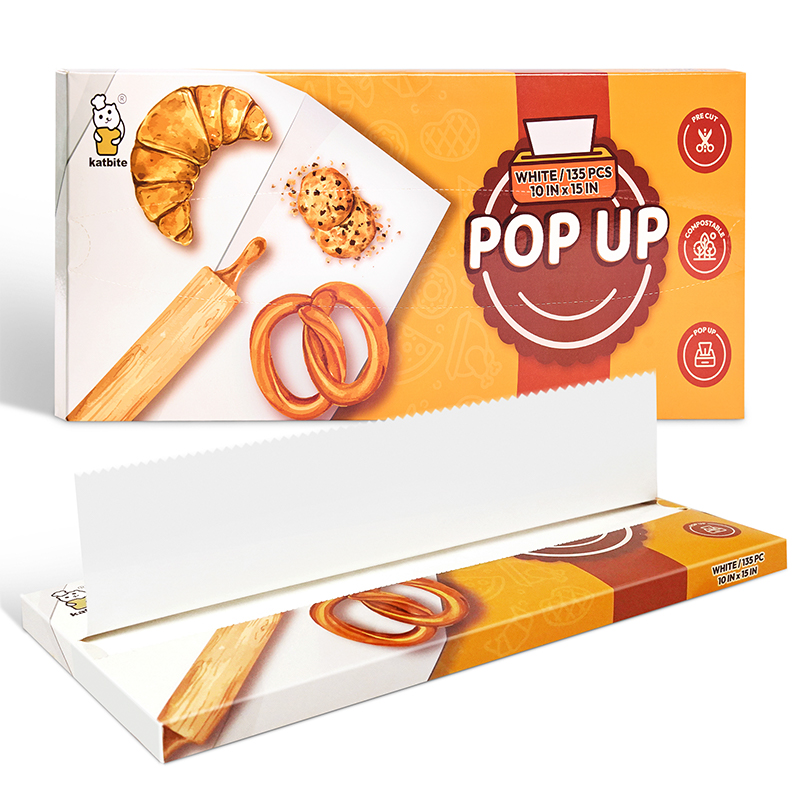
-
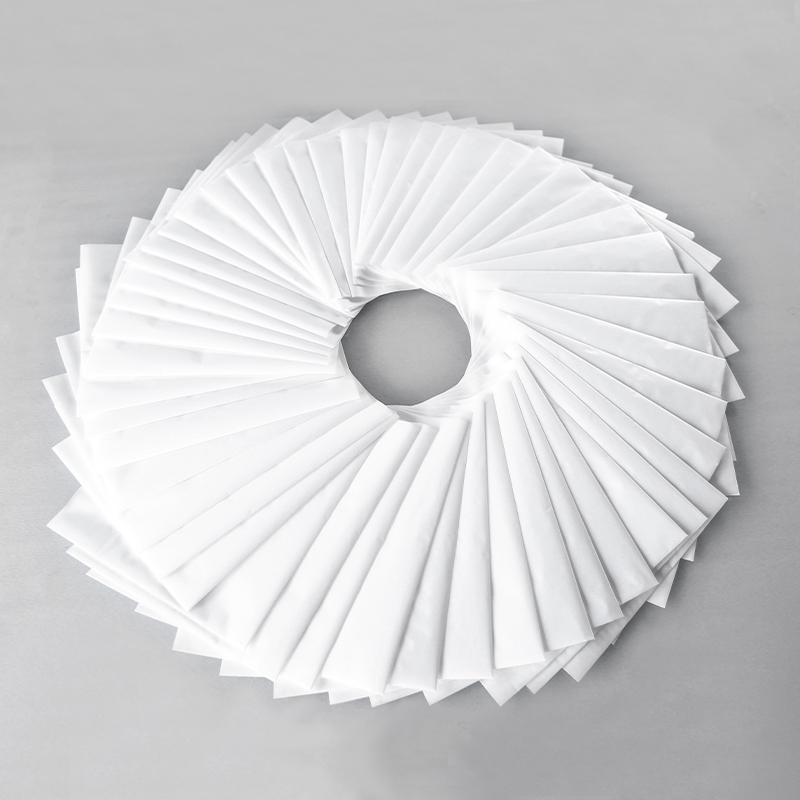
Folded Baking Paper Sheets, also known as Non Stick Baking Paper Sheets, are made from wood pulp and coated on both sides with a food-safe silicone layer. This coating gives the paper a smooth, grease...
See Details -
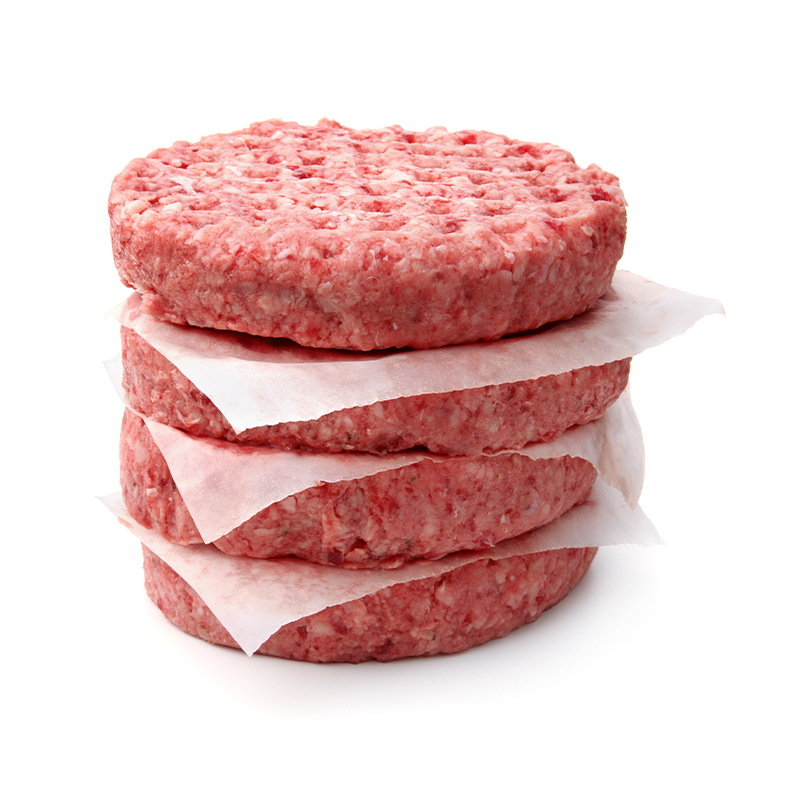
Description: Wax paper is the paper that is coated with food-grade wax in order to make it non-stick and waterproof. wax paper is very good for food storing and presentingMade of food-grade paper and ...
See Details -
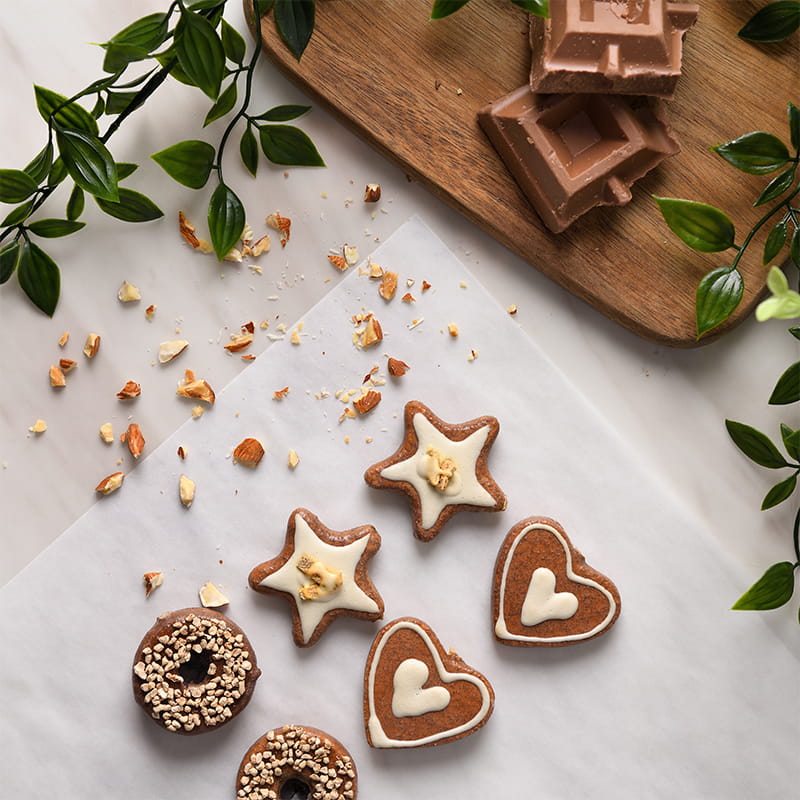
Product Features: 1. Virgin wood pulp 2. Double sides food grade silicone-treated 3. Fluorine-free 4. Non-stick 5. Oven/Microwave safe 6. Freezer safe 7. Reusable 8. BPA f...
See Details -
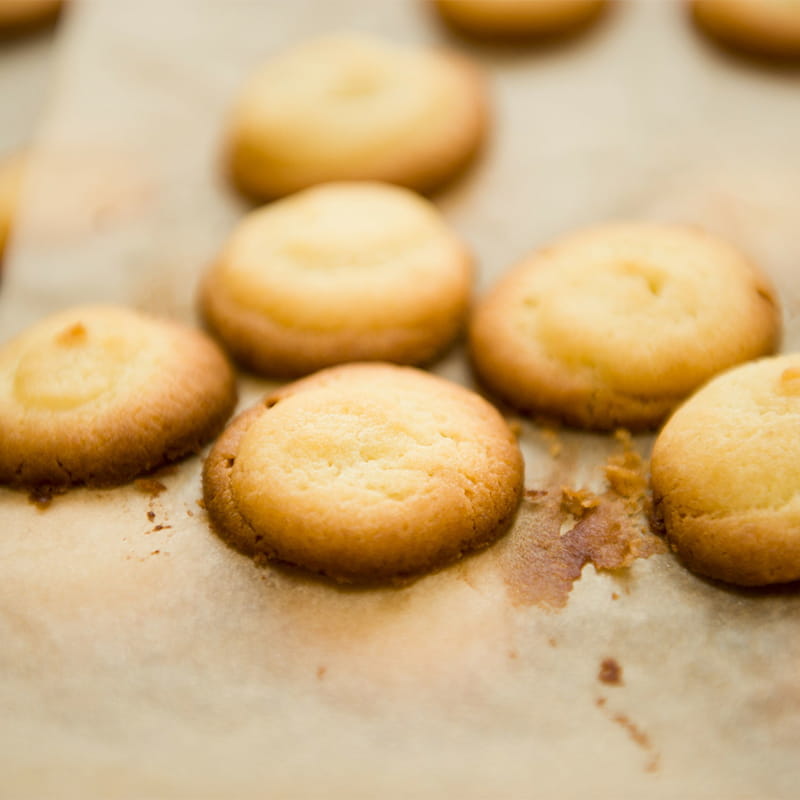
Product Features: 1. Virgin wood pulp 2. Natural unbleached brown color 3. Double sides food grade silicone-treated 4. Fluorine-free 5. Non-stick 6. Oven/Microwave safe 7. Fre...
See Details -
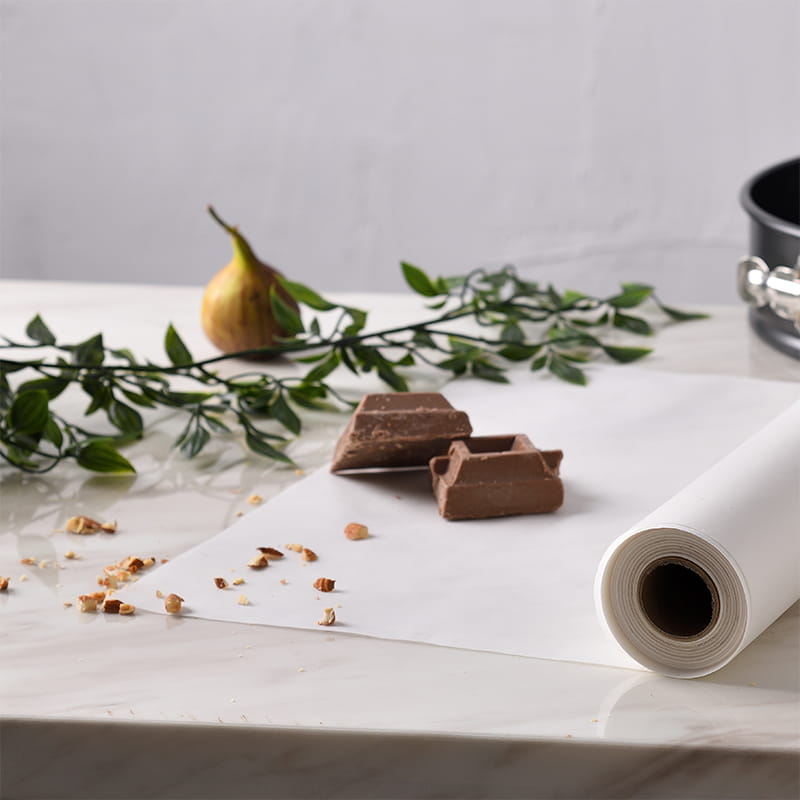
Product Features: 1. Virgin wood pulp 2. Double sides food grade silicone treated 3. Fluorine-free 4. Non-stick 5. Oven/Microwave safe 6. Freezer safe 7. Reusable 8. BPA ...
See Details -
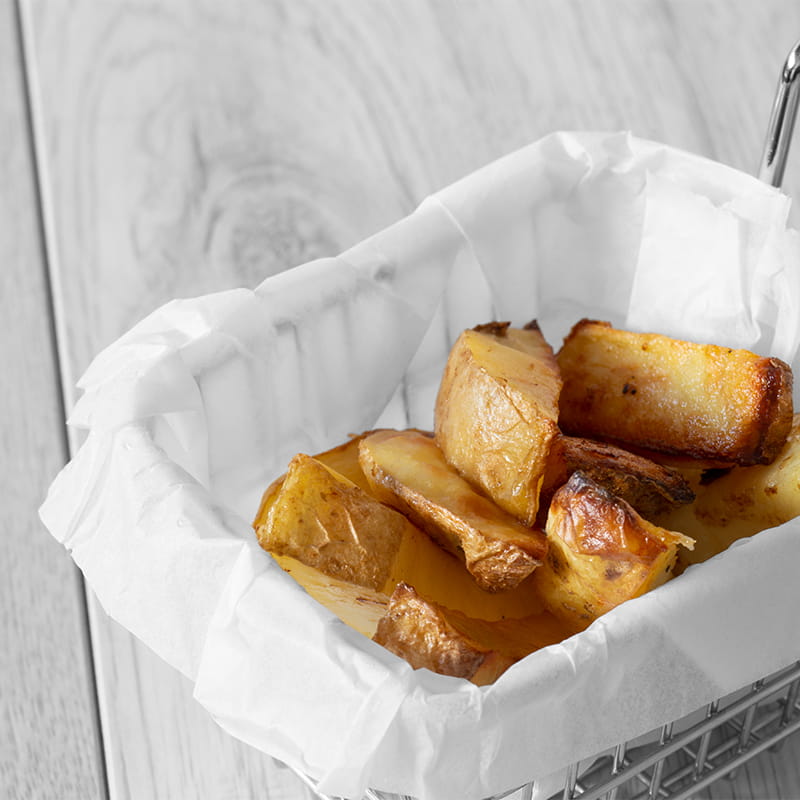
Product Features: 1. Virgin wood pulp 2. Fluorine-free 3. BPA free 4. Biodegradable Product Details: In an era where environmental consciousness and sustainability are paramount, Natu...
See Details -
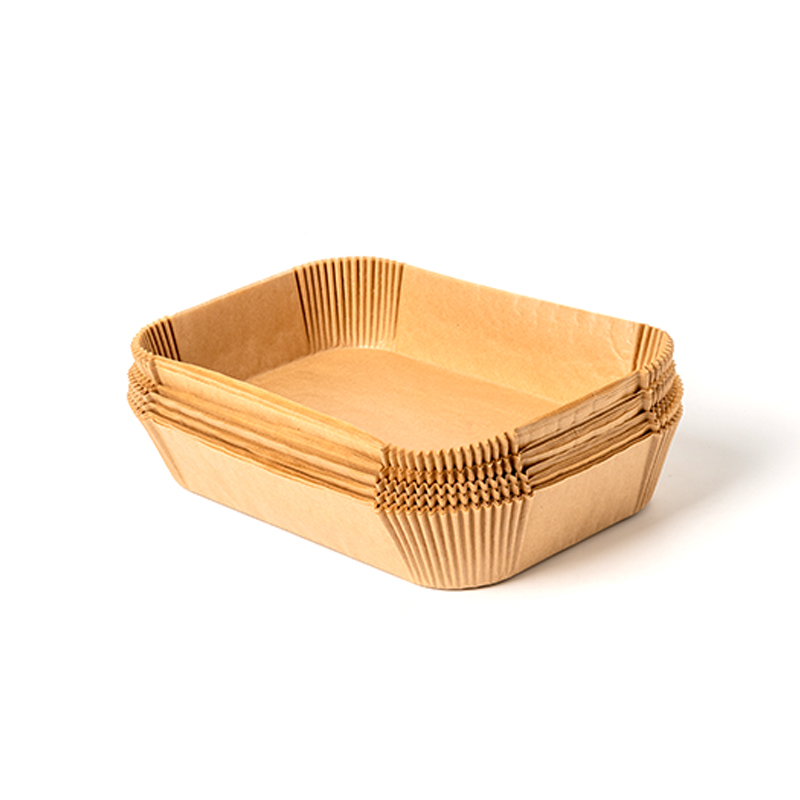
Product Features: 1. Virgin wood pulp 2. Double sides food grade silicone-treated 3. Fluorine-free 4. Non-stick 5. Air fryer basket safe 6. Reusable 7. BPA free 8. Biodeg...
See Details -
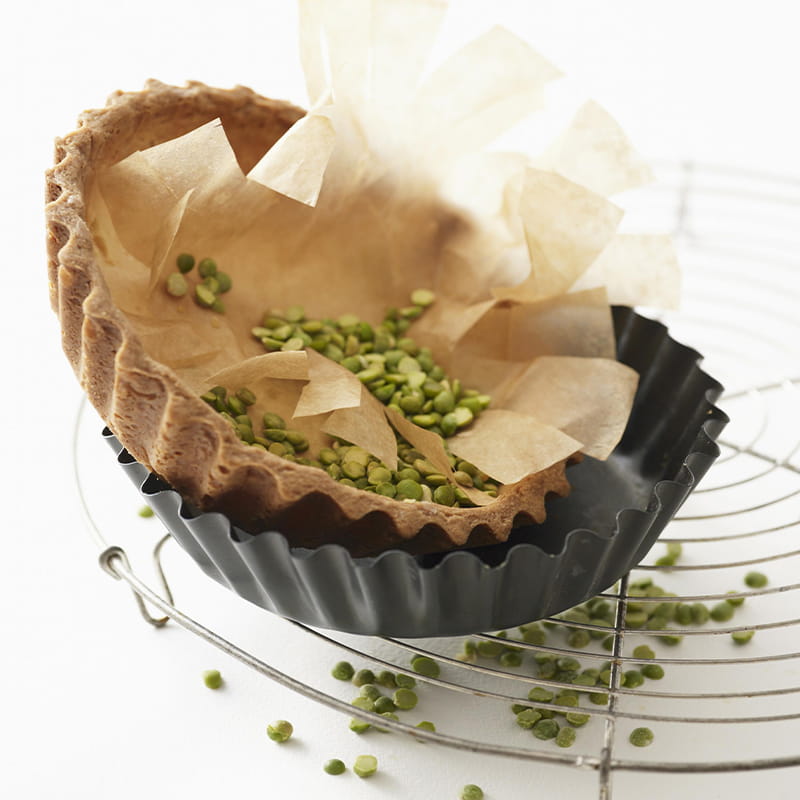
Product Features: 1. Virgin wood pulp 2. Natural unbleached brown color 3. Fluorine-free 4. BPA free 5. Biodegradable Product Details: Introducing our Unbleached Brown Food Grade ...
See Details -
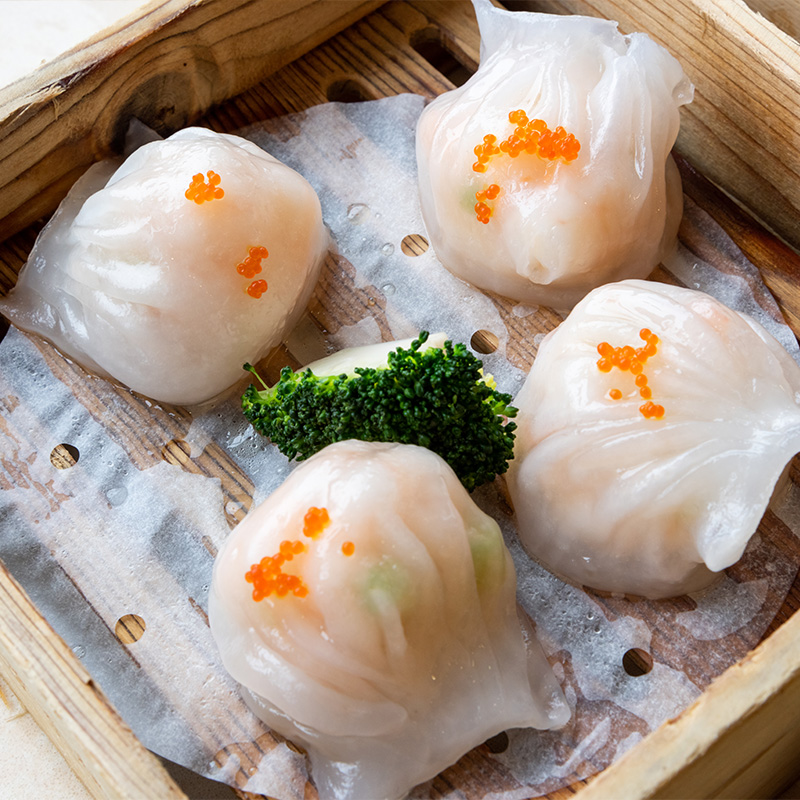
Product Features: 1. Virgin wood pulp 2. Double sides food grade silicone treated 3. Fluorine-free 4. Non-stick 5. Steamer/air fryer basket safe 6. Reusable 7. BPA free 8...
See Details -
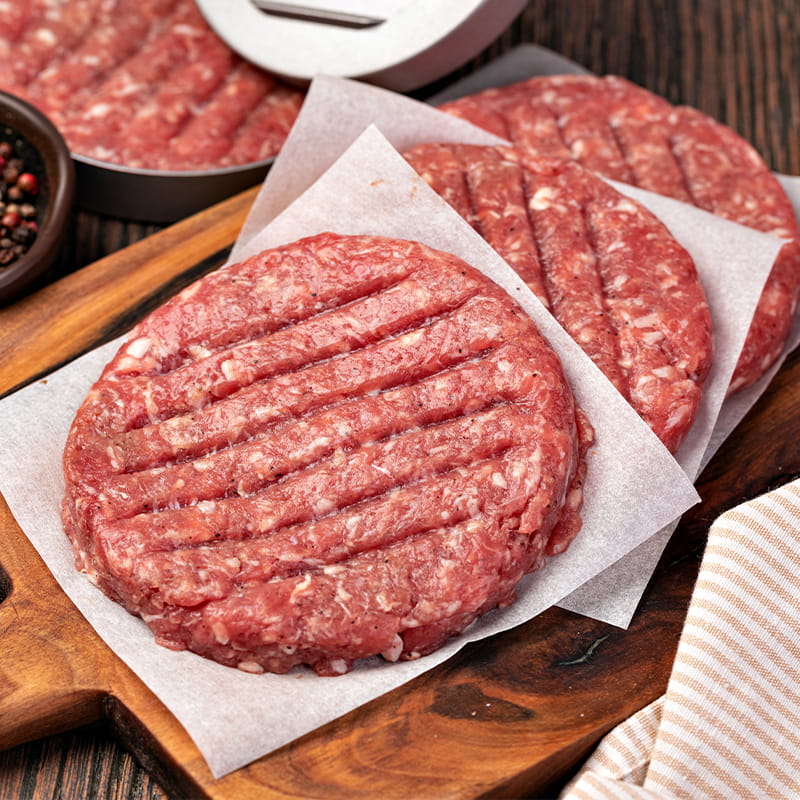
Product Features: 1. Virgin wood pulp 2. Double sides food grade silicone treated 3. Fluorine-free 4. Non-stick 5. Easy to separate 6. Reusable 7. BPA free 8. Biodegradab...
See Details -
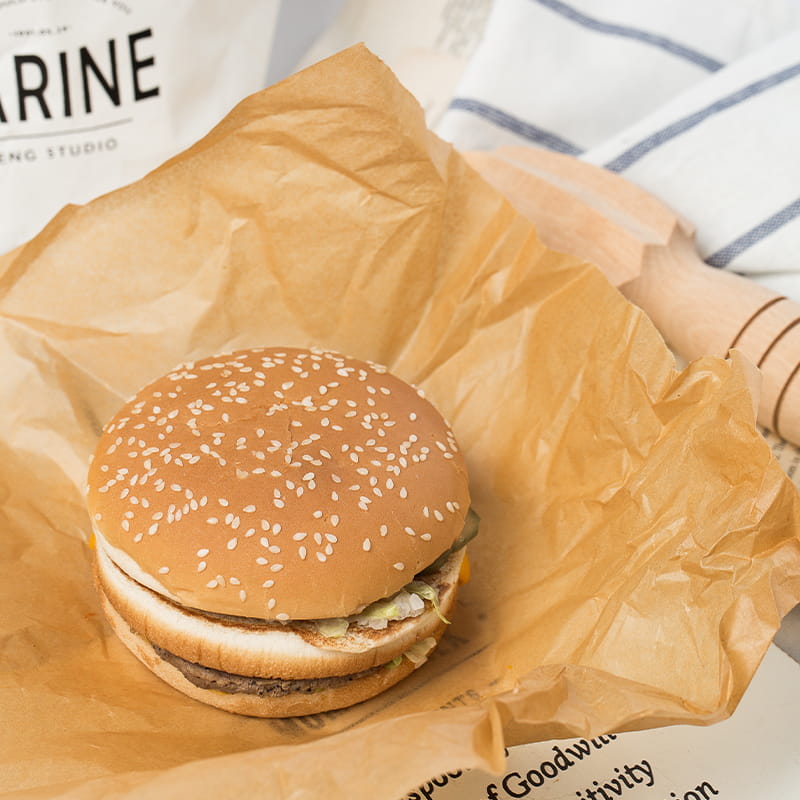
Product Features 1. Virgin wood pulp 2. Flexographic printing 3. Eco-friendly water-based ink 4. BPA free Product Details: Introducing our premium Greaseproof Sandwich Paper Sheets, a...
See Details

Professional Baking Parchment Paper Manufacturer in China with more than 15 years silicone coating experience.
Products
Contact Us
- No.10 Longyin Road, Chengnan Industrial Park,Longyou, Quzhou, China.
- +86-18968091013 / +86-571-88639705
- Avayao-1990@hotmail.com
Copyright © Zhejiang Guanghe New Materials Co., Ltd. All Rights Reserved.
Parchment Paper & Baking Paper Sheets Manufacturer
