 English
 中文简体
中文简体
Pre Cut Baking Paper Sheets are made from wood pulp and coated on both sides with a food-safe silicone layer. This coating gives the paper a smooth, greaseproof, and moisture-resistant surface that su...
See DetailsBaking Paper: How Does It Improve Baking Results?
In many kitchens, there are tools that rarely get noticed on their own but quietly shape the outcome of everyday cooking. Baking paper is one of those items. It usually sits in a drawer or a cupboard, waiting for the moment a tray is lined, a dough is shaped, or a sticky mixture needs a little help staying under control.
It doesn't ask for attention. It doesn't change the flavor of food or add anything visible to the finished plate. Yet, in practice, it influences how food behaves under heat, how easily it comes off a tray, and how much effort is needed when everything is done.
People often reach for it without thinking too much about what makes it work. But once you start paying attention, it becomes clear that baking paper carries a set of characteristics that are carefully balanced. It needs to withstand heat, resist sticking, manage moisture, and stay stable while still being flexible enough to handle. That combination is what gives it a place in so many cooking routines.
Heat behavior that stays steady when things get hot
One of the things anyone notices during baking is how unpredictable heat can be inside an oven. Different spots feel slightly different, trays conduct heat in their own way, and food reacts depending on its thickness and moisture.
Baking paper acts like a quiet stabilizer in all of this. It doesn't try to compete with heat; instead, it holds its shape and stays in place while the cooking happens around it. Even when temperatures rise and baked goods begin to change structure, the paper remains steady enough to support what's on top of it.
What matters here isn't just that it tolerates heat, but that it behaves consistently under it. It doesn't suddenly curl up in a way that disrupts the food, nor does it break down quickly during a standard baking cycle. That stability helps create a more predictable cooking environment.
In practical terms, this means a tray of cookies doesn't have to fight against uneven sticking or scorching at the base. A sheet of pastry can cook without bonding too strongly to the metal underneath. The paper simply stays between the heat source and the food, doing its job without drawing attention to itself.
The smooth release that makes baking feel easier
Anyone who has tried to remove baked goods directly from a tray knows how frustrating sticking can be. Even when a pan is greased, certain mixtures tend to cling in ways that make removal messy or incomplete.
Baking paper changes that experience. It creates a surface that allows food to lift away with far less resistance. The difference is especially noticeable with soft batters, sugary mixtures, or anything that tends to caramelize and grip onto metal surfaces.
Instead of scraping or worrying about breaking delicate edges, the food can often be lifted in one piece. That alone changes how baking feels. There's less hesitation when preparing sticky recipes, and more confidence when trying something new.
This release behavior also has a subtle effect on presentation. When baked goods come off cleanly, they tend to keep their shape better. Edges stay intact, textures remain consistent, and there's less risk of tearing or uneven surfaces.
It's not just about convenience. It's about preserving the intended form of what was baked.
| Aspect | Effect | Outcome |
|---|---|---|
| Clean release | Food lifts off easily | Maintains original shape |
| Surface integrity | Edges and structure stay intact | Better visual presentation |
| Texture protection | Less tearing or damage | Consistent final form |
Managing oils without letting them take over
Many recipes involve fats in some form—whether butter in pastry doughs, oil in roasting vegetables, or natural fats released from proteins during cooking. When these fats spread too freely, they can change how food cooks on the surface.
Baking paper helps keep that under control. Instead of allowing oils to soak into a tray or pool unevenly around food, it provides a layer that limits how far those liquids travel.
This doesn't mean it blocks everything completely. Rather, it moderates the movement of grease so that it doesn't interfere with the structure of the food or create uneven cooking zones.
For example, when roasting vegetables, excessive oil can sometimes to soft or uneven textures. With a layer of baking paper in place, the oil stays more contained around the ingredients instead of spreading unpredictably across the tray.
It also makes cleanup noticeably easier. Instead of dealing with baked-on grease stuck to metal surfaces, much of it stays on the paper and can be removed in one motion after cooking.
Moisture control that quietly affects texture
Moisture is one of the influential elements in cooking, especially in baking. Too much trapped moisture can soften textures that are meant to be crisp. Too little can leave food dry or uneven.
Baking paper sits somewhere in between these extremes. It doesn't trap moisture completely, nor does it allow everything to escape instantly. Instead, it creates a balanced environment where steam can move but not overwhelm the food.
This balance is especially noticeable in baked goods that rely on texture contrast. Pastries, for instance, often need a crisp base with a soft interior. If moisture collects too heavily underneath, that structure can be lost. Baking paper helps reduce that risk by limiting direct contact with wet surfaces.
It also plays a role in preventing sogginess when food is left on a tray after cooking. Instead of sitting in residual steam or condensation, items placed on baking paper tend to cool in a slightly more controlled way.
The result isn't dramatic, but it's noticeable in the final bite.
A surface that stays neutral with food
One of the reasons baking paper is trusted in kitchens is its neutrality. It doesn't bring its own smell, flavor, or texture into the food. That may sound obvious, but in cooking, not all materials behave that way.
Some surfaces absorb flavors over time. Others react with ingredients or retain odors from previous use. Baking paper avoids those complications by staying chemically and physically stable during normal cooking conditions.
This neutrality is important in recipes where subtle flavors matter. A lightly sweet pastry, a delicate sponge, or a simple roasted vegetable dish can all be affected by unwanted background notes. Baking paper avoids introducing anything extra.
It also means it can be used across different types of recipes without needing special preparation. One moment it might support a savory dish, and the next it might be used for something sweet. The transition doesn't require any adjustment.
That kind of flexibility makes it easy to rely on, especially in kitchens where a variety of dishes are prepared in a short time.
Flexibility that fits into different cooking styles
Not every kitchen uses baking tools in the same way. Some people prefer structured, repeatable recipes. Others experiment more freely, adjusting shapes, sizes, and methods as they go.
Baking paper fits into both approaches because it is easy to handle and reshape. It can be cut, folded, or pressed into different containers without losing its basic function.
This flexibility becomes especially useful when dealing with irregular baking trays or custom shapes. Instead of needing specialized equipment, the paper adapts to what is available.
It also helps when working with delicate mixtures that need support before baking. Soft doughs or fragile preparations can be moved more safely when resting on a sheet of baking paper, reducing the chance of distortion during transfer.
In a way, it acts like a temporary workspace that moves with the food.
Supporting consistency across batches
One challenge in baking is repeating results. Even when a recipe is followed carefully, small differences in surface conditions can change how food turns out. A slightly warmer tray, a sticky spot, or uneven greasing can all influence the final product.
Baking paper helps reduce those variations by creating a consistent surface every time it is used. Whether it's the tray or the third, the base conditions remain largely the same.
This consistency matters more than it might seem at first. It allows cooks to focus on timing, ingredient balance, and technique rather than worrying about whether the tray itself will affect the outcome.
Over time, this can build confidence in cooking. When results become more predictable, experimenting with new recipes feels less risky.
A helper in both preparation and cleanup
Cooking doesn't end when food comes out of the oven. Cleanup is part of the process too, and depending on what was cooked, it can take as much effort as the preparation itself.
Baking paper reduces that workload in a simple way. Instead of food sticking directly to trays, much of the residue stays on the paper. Once cooking is done, it can often be lifted away, leaving the surface underneath far easier to manage.
| Function | Benefit | Result |
|---|---|---|
| Prevents sticking | Keeps food off trays | Easier removal |
| Reduces residue | Holds grease and food bits | Less cleaning effort |
| Simple cleanup | Paper lifts away easily | Faster kitchen maintenance |
This doesn't eliminate cleaning entirely, but it changes its intensity. Instead of scrubbing baked-on residue, the focus shifts to a lighter wash.
In busy kitchens, this difference adds up. Less time spent cleaning means more time available for cooking or other tasks. Even in home kitchens, it makes the overall experience feel smoother.
Everyday practicality that doesn't require learning
Some kitchen tools come with instructions or require practice to use properly. Baking paper doesn't fall into that category. It works in a straightforward way: place it, use it, remove it.
There's no complex setup or adjustment needed. It doesn't require special handling beyond basic cutting or fitting. That simplicity is part of why it appears so frequently in everyday cooking.
It also means it can be used by people with different levels of cooking experience. Someone baking for the time can use it just as easily as someone who cooks regularly.
This ease of use helps it blend into routines without becoming a separate task to think about.
Where baking paper fits in modern cooking habits
Cooking habits have shifted over time toward efficiency and flexibility. People often look for ways to reduce steps without compromising results. Baking paper fits into that pattern naturally.
It supports faster preparation, simpler cleanup, and more reliable outcomes without requiring major changes in how food is cooked.
It also allows for a wider range of cooking approaches. Whether food is being baked, roasted, assembled, or prepared in advance, baking paper can be adapted to fit the process.
In that sense, it acts less like a specialty tool and more like a quiet foundation that supports different cooking styles.
Zhejiang Guanghe New Materials Co., Ltd.
In everyday kitchen practice, Guanghe Baking Paper fits naturally into the flow of preparation and cooking, becoming part of the process rather than something that draws attention to itself. It supports moments where dough needs stability, where heat must be managed gently, or where cleanup would otherwise interrupt the rhythm of cooking. Instead of changing how recipes are imagined, it quietly adapts to them, allowing ingredients and techniques to take the lead.
Related Products
-
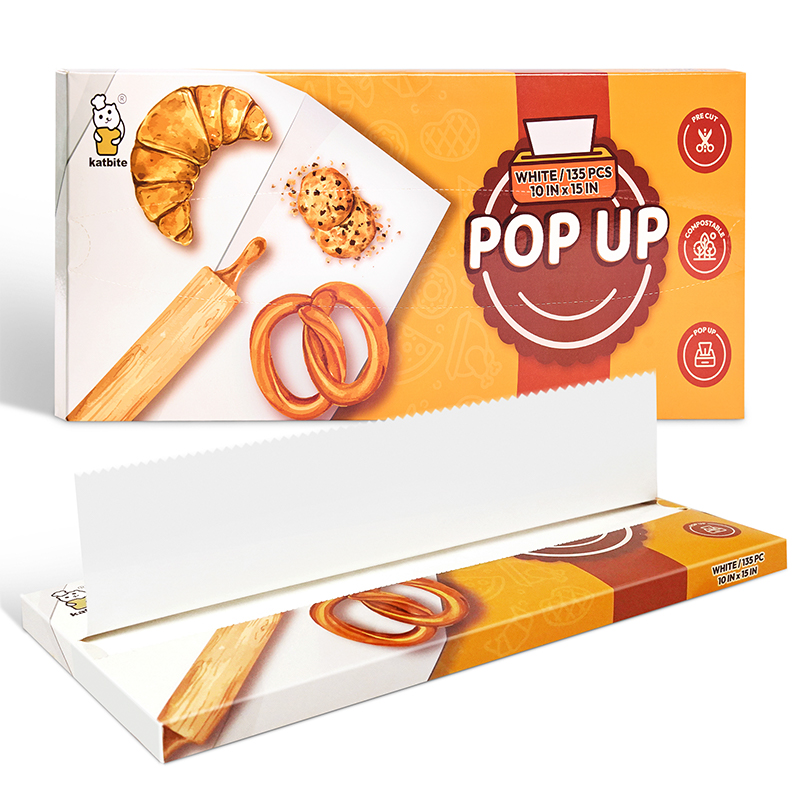
-
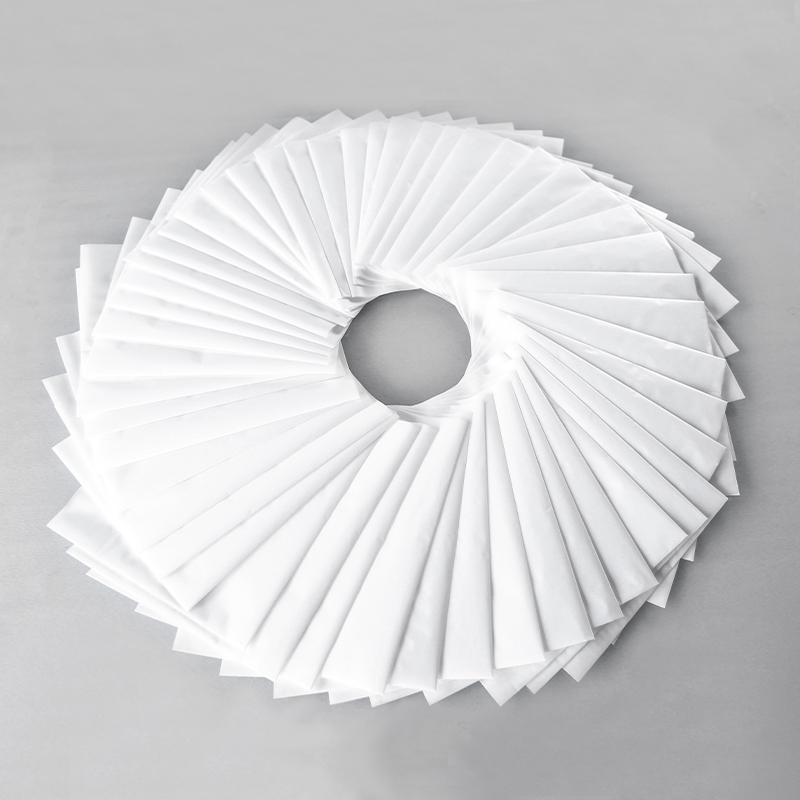
Folded Baking Paper Sheets, also known as Non Stick Baking Paper Sheets, are made from wood pulp and coated on both sides with a food-safe silicone layer. This coating gives the paper a smooth, grease...
See Details -
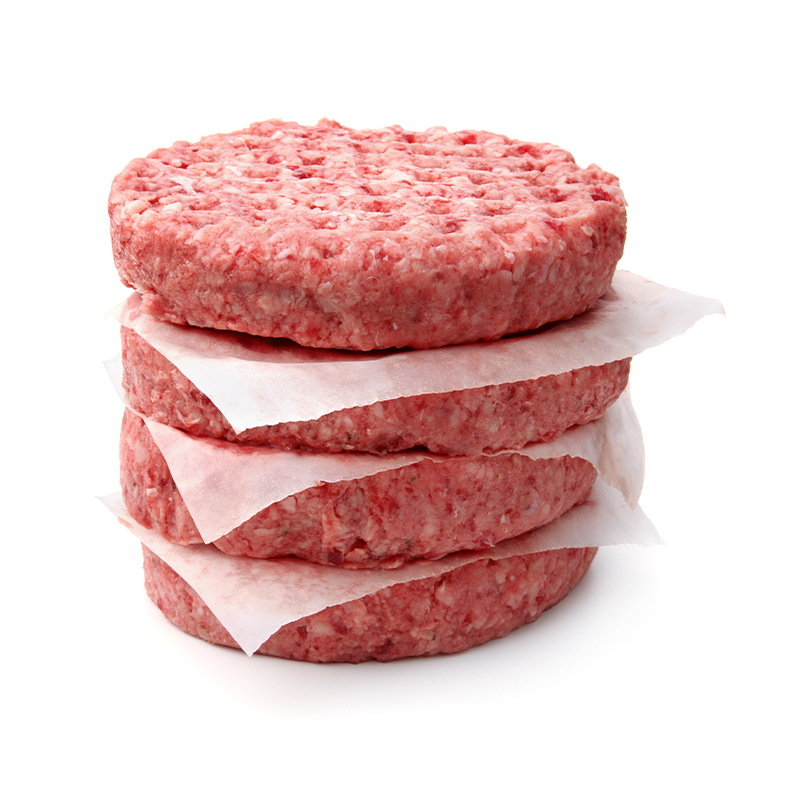
Description: Wax paper is the paper that is coated with food-grade wax in order to make it non-stick and waterproof. wax paper is very good for food storing and presentingMade of food-grade paper and ...
See Details -
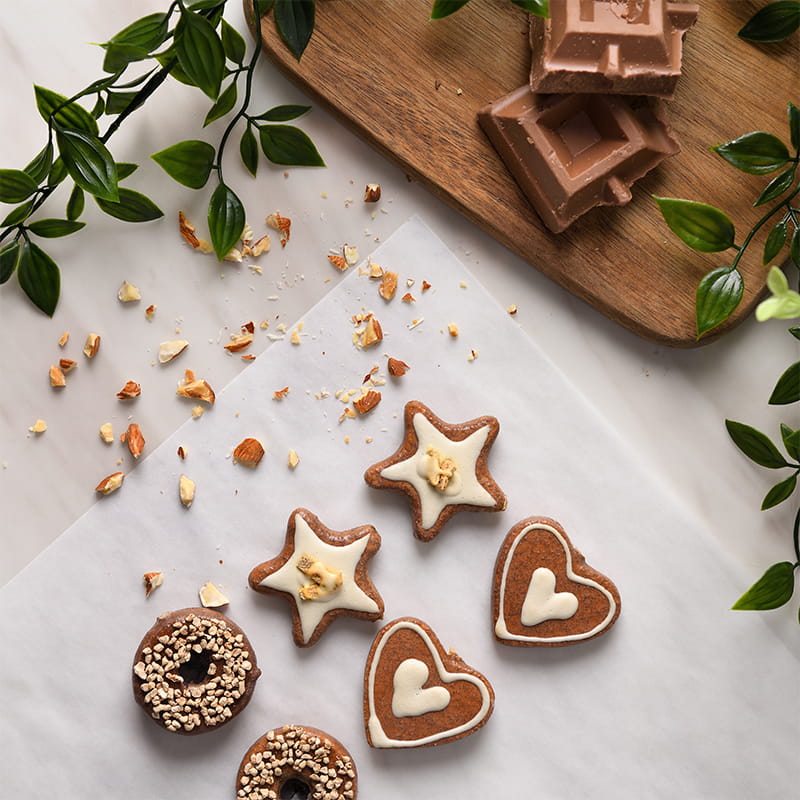
Product Features: 1. Virgin wood pulp 2. Double sides food grade silicone-treated 3. Fluorine-free 4. Non-stick 5. Oven/Microwave safe 6. Freezer safe 7. Reusable 8. BPA f...
See Details -
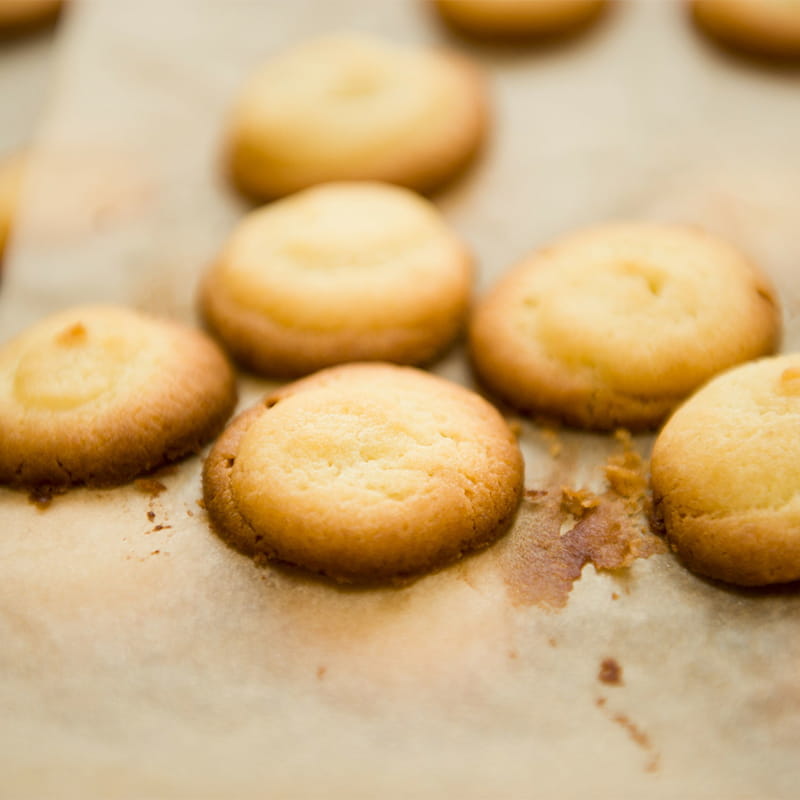
Product Features: 1. Virgin wood pulp 2. Natural unbleached brown color 3. Double sides food grade silicone-treated 4. Fluorine-free 5. Non-stick 6. Oven/Microwave safe 7. Fre...
See Details -
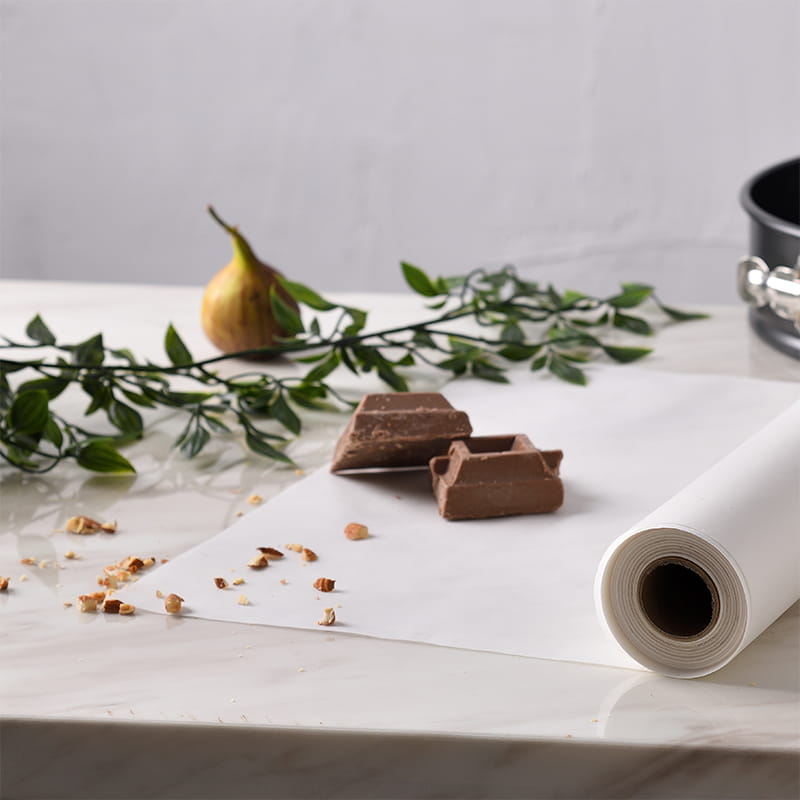
Product Features: 1. Virgin wood pulp 2. Double sides food grade silicone treated 3. Fluorine-free 4. Non-stick 5. Oven/Microwave safe 6. Freezer safe 7. Reusable 8. BPA ...
See Details -
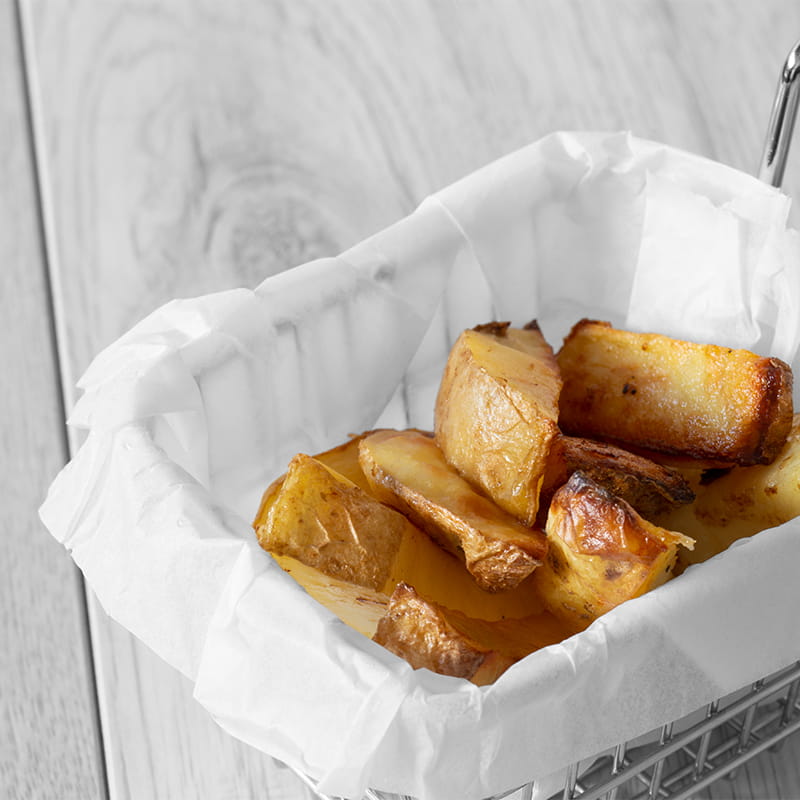
Product Features: 1. Virgin wood pulp 2. Fluorine-free 3. BPA free 4. Biodegradable Product Details: In an era where environmental consciousness and sustainability are paramount, Natu...
See Details -
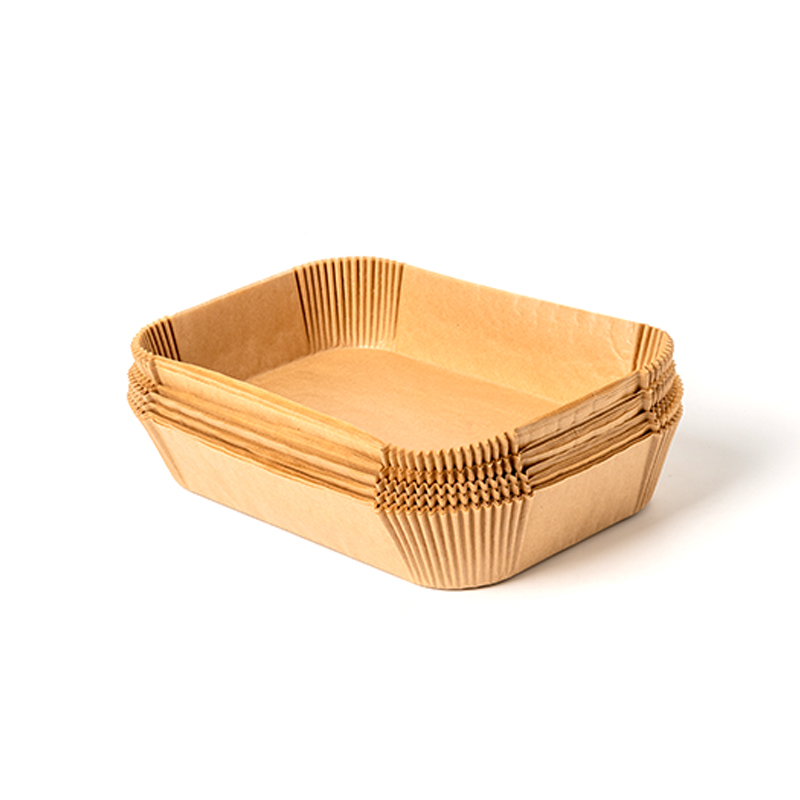
Product Features: 1. Virgin wood pulp 2. Double sides food grade silicone-treated 3. Fluorine-free 4. Non-stick 5. Air fryer basket safe 6. Reusable 7. BPA free 8. Biodeg...
See Details -
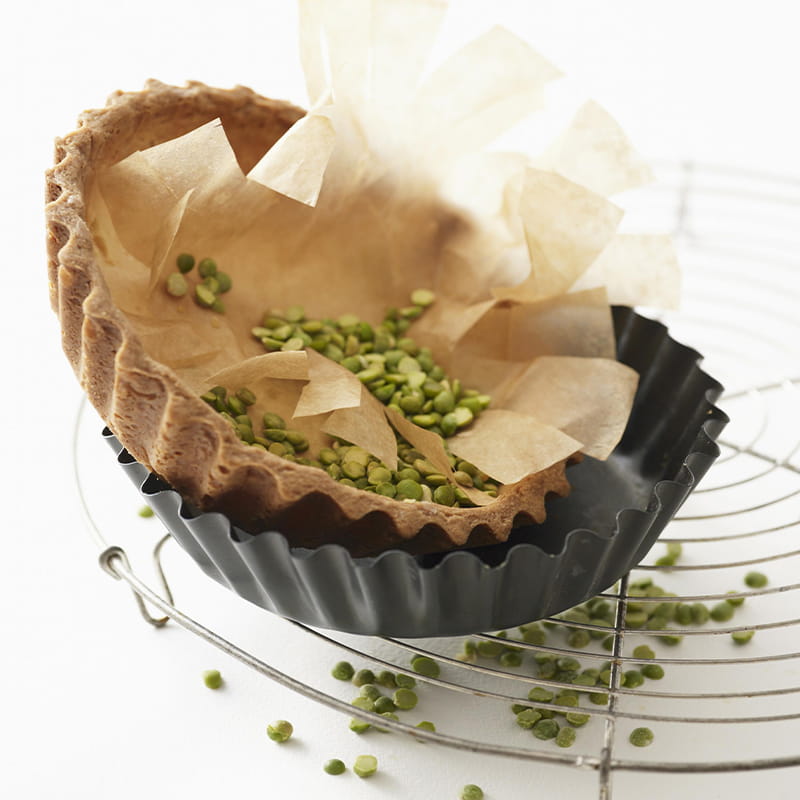
Product Features: 1. Virgin wood pulp 2. Natural unbleached brown color 3. Fluorine-free 4. BPA free 5. Biodegradable Product Details: Introducing our Unbleached Brown Food Grade ...
See Details -
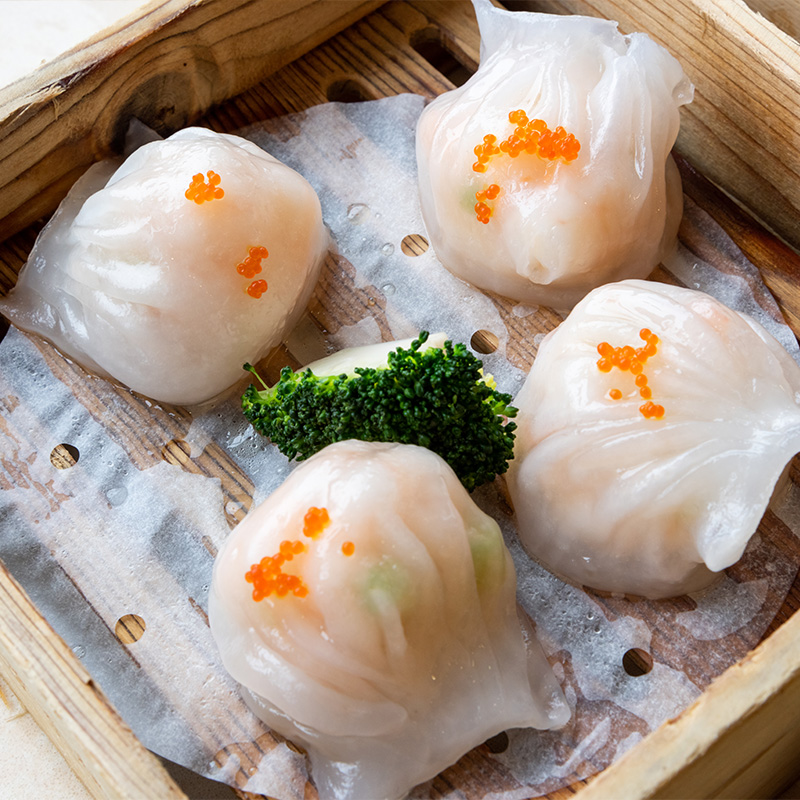
Product Features: 1. Virgin wood pulp 2. Double sides food grade silicone treated 3. Fluorine-free 4. Non-stick 5. Steamer/air fryer basket safe 6. Reusable 7. BPA free 8...
See Details -
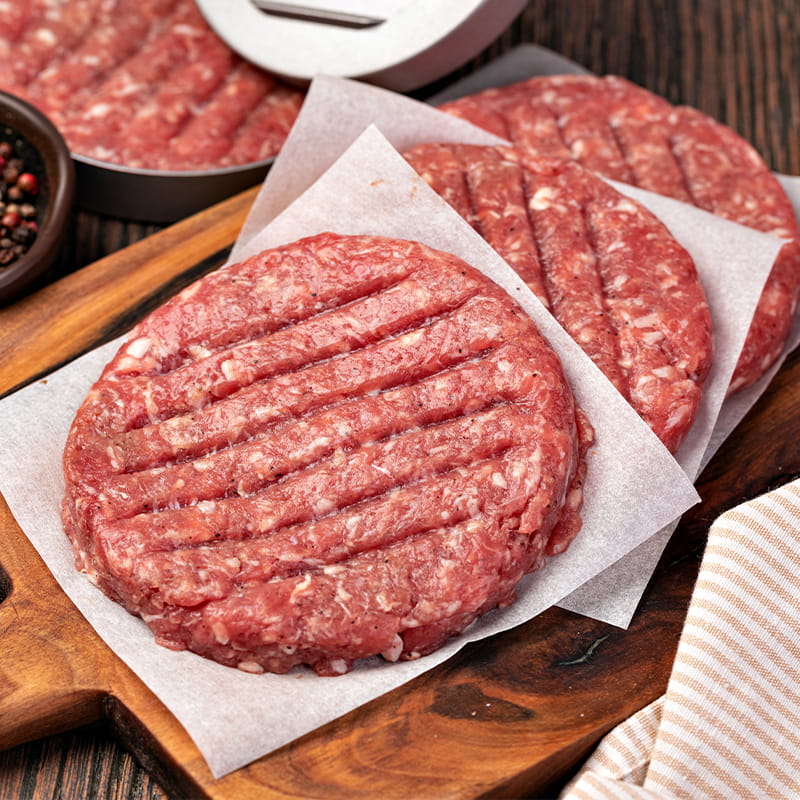
Product Features: 1. Virgin wood pulp 2. Double sides food grade silicone treated 3. Fluorine-free 4. Non-stick 5. Easy to separate 6. Reusable 7. BPA free 8. Biodegradab...
See Details -
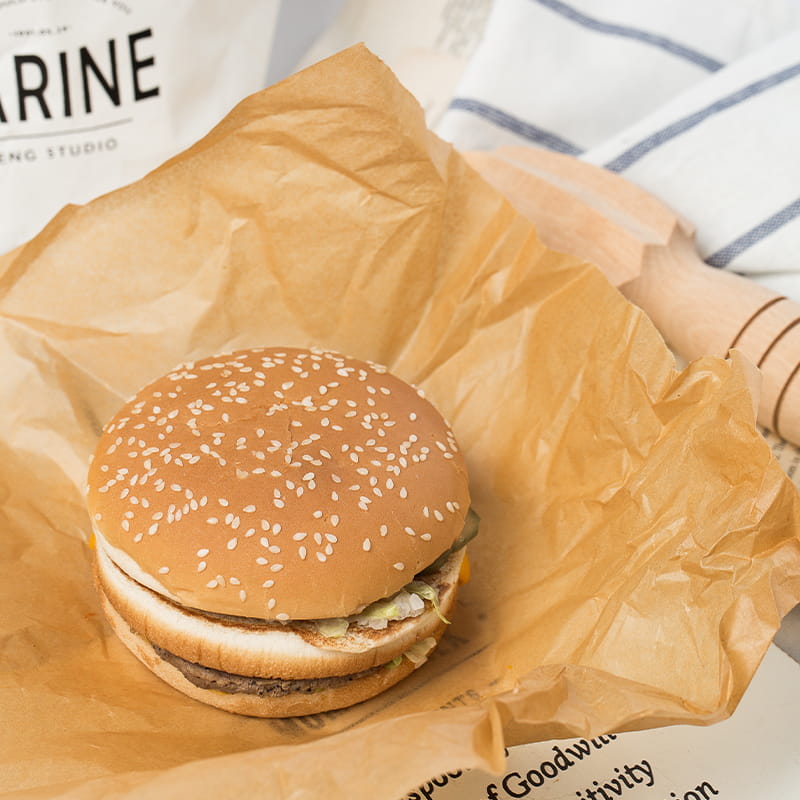
Product Features 1. Virgin wood pulp 2. Flexographic printing 3. Eco-friendly water-based ink 4. BPA free Product Details: Introducing our premium Greaseproof Sandwich Paper Sheets, a...
See Details

Professional Baking Parchment Paper Manufacturer in China with more than 15 years silicone coating experience.
Products
Contact Us
- No.10 Longyin Road, Chengnan Industrial Park,Longyou, Quzhou, China.
- +86-18968091013 / +86-571-88639705
- Avayao-1990@hotmail.com
Copyright © Zhejiang Guanghe New Materials Co., Ltd. All Rights Reserved.
Parchment Paper & Baking Paper Sheets Manufacturer
