 English
 中文简体
中文简体
Pre Cut Baking Paper Sheets are made from wood pulp and coated on both sides with a food-safe silicone layer. This coating gives the paper a smooth, greaseproof, and moisture-resistant surface that su...
See DetailsBaking Paper: How Does Oil Resistance Work?
Baking paper sits quietly in kitchens until you need it, but it does a surprising amount of heavy lifting when fats get involved. Whether you're sliding cookies onto a tray, roasting vegetables, or lining a pan for fish, its ability to deal with oil makes a real difference in how the food turns out and how much mess you face afterward. It's not magic—it's the way the paper is put together that keeps oils from soaking through or spreading everywhere while still letting heat do its job.
Oil resistance isn't about blocking every drop of fat. It's more about managing it so things don't get greasy or stuck in ways that ruin texture or cleanup. The paper slows down how oils move, keeps them closer to the food, and stops them from turning your baking tray into a sticky disaster. Understanding a bit about why it works helps explain why a simple sheet from a Baking Paper Supplier can make such a practical difference in everyday cooking.
How the Surface Keeps Oils in Check
Start with the outside of the paper. The surface isn't rough or porous like regular paper towels or plain wrapping paper. It's smoothed out during manufacturing so there aren't as many tiny gaps for liquid fats to slip into. When you heat something oily—say, bacon or a tray of chicken thighs—the fat melts and starts to flow. On an untreated surface it would spread thin and fast, or soak right in. Baking paper slows that down.
| Aspect | Key Feature | Effect in Cooking |
|---|---|---|
| Surface texture | Smooth, less porous structure | Limits oil penetration |
| Fat behavior under heat | Fat melts and flows | Can spread or soak in on normal paper |
| Baking paper function | Slows oil movement | Keeps surface cleaner and more controlled |
| Cooking result | Reduced absorption | Easier food release and cleanup |
Instead of the oil disappearing into the fibers, it tends to sit more on top or bead up slightly. This keeps the paper from getting saturated too quickly and makes it easier for the finished food to lift away cleanly. You notice it with foods that release fat gradually. The paper holds things together without letting everything turn into a slick mess across the pan.
What Happens Inside the Fibers
Baking paper starts as plant-based fibers, usually from wood or similar sources. During production, those fibers go through steps that pack them tighter together. Think of it like pressing and treating the material so the little spaces between fibers shrink. This cuts down on the natural "wicking" effect where liquids travel along tiny channels.
Regular paper lets oil creep along the fibers and create dark stains that weaken the sheet. Treated baking paper restricts that movement. The fibers stay more compact even when hot oil touches them, so the paper keeps its strength instead of turning limp or tearing midway through cooking. The result feels consistent—you don't get random spots where oil soaks through more than others.
Some versions also get a thin layer added on top that further changes how the surface behaves with fats. This layer doesn't sit like a plastic film; it blends into the paper and lowers how much the oil "wants" to stick or spread. Oils form smaller contact areas, almost like they pull back a little, which helps with release and keeps the tray underneath cleaner.
Finding the Right Balance—Not Too Much, Not Too Little
The trick is that baking paper doesn't try to repel oil completely. If it did, moisture and fats couldn't interact with the food the way recipes often need. Too much absorption, on the other hand, would pull flavors and browning agents away and leave the paper soggy.
It sits somewhere in the middle. A small amount of oil can touch the surface without deep penetration. This keeps the cooking environment stable—fats help with browning and crispness where you want them, but they don't flood the paper or the pan. You end up with better texture in things like roasted potatoes or baked chicken because the heat circulates more evenly around the food instead of fighting through a greasy layer.
Heat Changes Everything—And the Paper Adapts
Turn the oven up and oils get thinner and move faster. What stayed put at lower temperatures starts to run. Baking paper is built to handle that shift without falling apart or losing its control over the fat. The tight fiber structure and surface treatment keep working even as things get hotter, so the barrier doesn't suddenly fail.
At the same time, the paper stays flexible enough to conform to the shape of whatever you're cooking—cookies spreading, vegetables shrinking, or dough rising. It doesn't fight the food; it works alongside the changes in moisture and fat release. This matters in mixed dishes where water and oil come out together. The paper moderates both so neither pools in one spot and causes uneven spots—soggy here, overly crisp there.
Surface Energy in Simple Terms
There's a concept called surface energy that explains a lot of this behavior. Basically, different materials attract or repel liquids depending on their "stickiness" at a molecular level. Baking paper is adjusted so its surface doesn't pull oils toward it as strongly as plain paper or metal does. Fats don't spread out as eagerly. They stay more contained near the food itself.
You see this clearly with high-fat items like sausages or buttery pastries. Instead of a big oily ring spreading across the tray, the fat stays closer to the edges of the food. Cleanup becomes quicker, and the presentation looks neater when you serve.
Baking Versus Roasting—Slightly Different Demands
In gentler baking—think cakes, muffins, or cookies—fats release slowly as the mixture heats. The paper helps contain that gradual release so the bottoms don't burn or stick while the tops set properly. It supports even rising and browning without adding extra grease to the pan.
Roasting brings a faster, more aggressive release of juices and fat from meats or vegetables. Things sizzle and move around more. Here the paper shines by handling the sudden flow without letting it flood everywhere. It prevents excessive spreading that could smoke or burn on the tray edges, while still letting enough fat stay in contact for good flavor and color.
The same sheet often works for both styles without you needing to switch techniques or add extra oil sprays. That versatility is part of why it feels like a kitchen staple once you start using it regularly.
Moisture and Oil Working Together
Cooking rarely involves pure oil. Most foods release some water too, and the two interact. Moisture can sometimes carry oils around or create little separations on the surface. Baking paper helps steady that dance. It doesn't block everything but keeps concentrations from building up in one area.
The outcome is more even cooking—crisp edges without dried-out centers, or tender insides without greasy bottoms. This balance shows up especially in recipes where fat and moisture both matter for the final mouthfeel.
Keeping Its Strength Through the Process
One underrated part is how the paper holds together even after sitting in hot fat for a while. Some materials break down or get brittle when oils soak in. Baking paper resists that weakening. The compact structure and treatments mean it stays intact through a full baking cycle or even multiple uses in some cases (though people use fresh sheets for results).
You can lift the whole thing—food and paper—off the tray without it tearing or leaving bits behind. That makes transferring delicate items like fish fillets or fragile cookies much less stressful.
Effects on How Food Actually Tastes and Feels
Controlled oil movement influences more than just mess. When fats don't spread wildly or get fully absorbed, heat reaches the food surface more consistently. This supports even browning—the golden edges on cookies or the nice sear on roasted vegetables—without random pale or burnt patches.
| Factor | Function | Cooking Result |
|---|---|---|
| Oil control | Limits fat spread | Cleaner baking surface |
| Heat distribution | More even heat contact | Consistent cooking |
| Browning effect | Stable fat interaction | Golden, uniform color |
| Texture outcome | Prevents uneven absorption | Balanced crispness |
It also helps preserve crispness where you want it. Bottoms don't turn limp from sitting in pooled oil, and delicate textures stay intact because the paper releases the food cleanly. Many bakers notice their goods look and taste more like what they intended rather than fighting the pan.
Making Daily Cooking Smoother
On a practical level, this oil management saves time and effort. Pans need less scrubbing because residue doesn't bake on as hard. You can line multiple trays for batch baking and know each one will behave similarly. In busy kitchens—home or professional—this adds up to less downtime and more consistent results across batches.
It also encourages trying recipes that might otherwise feel messy. Roast a whole tray of bacon without the splatter cleanup nightmare. Bake sticky granola bars that slide right off. Line pans for casseroles that would otherwise require serious elbow grease afterward.
Guanghe Baking Paper
In the kitchen—a space where every minute detail bears upon the final result—"Guanghe" baking paper, from Zhejiang Guanghe New Materials Co., Ltd., is quietly demonstrating how thoughtful material selection can elevate everyday cooking into a more reliable and enjoyable experience.
Whether you are sliding a tray of vegetables into the oven to roast, or crafting delicate pastries during a busy afternoon, it offers consistent and unwavering support. As home baking enthusiasts and professional chefs alike continue to explore new recipes and techniques, this steadfast reliability is becoming a vital element in making the daily cooking process smoother and more rewarding—with every single sheet of baking paper playing its part.
Related Products
-
-
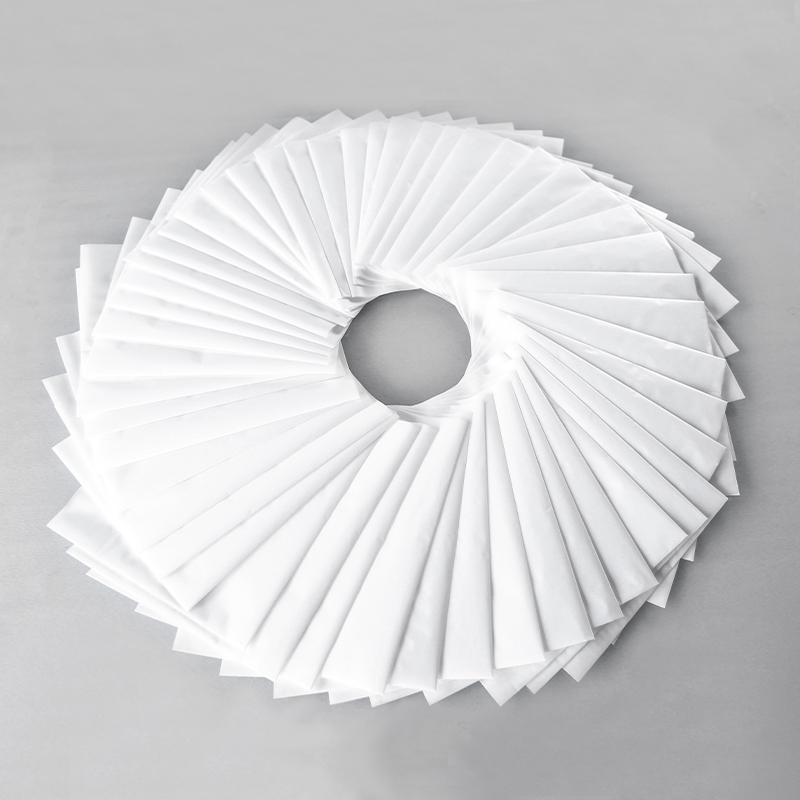
Folded Baking Paper Sheets, also known as Non Stick Baking Paper Sheets, are made from wood pulp and coated on both sides with a food-safe silicone layer. This coating gives the paper a smooth, grease...
See Details -
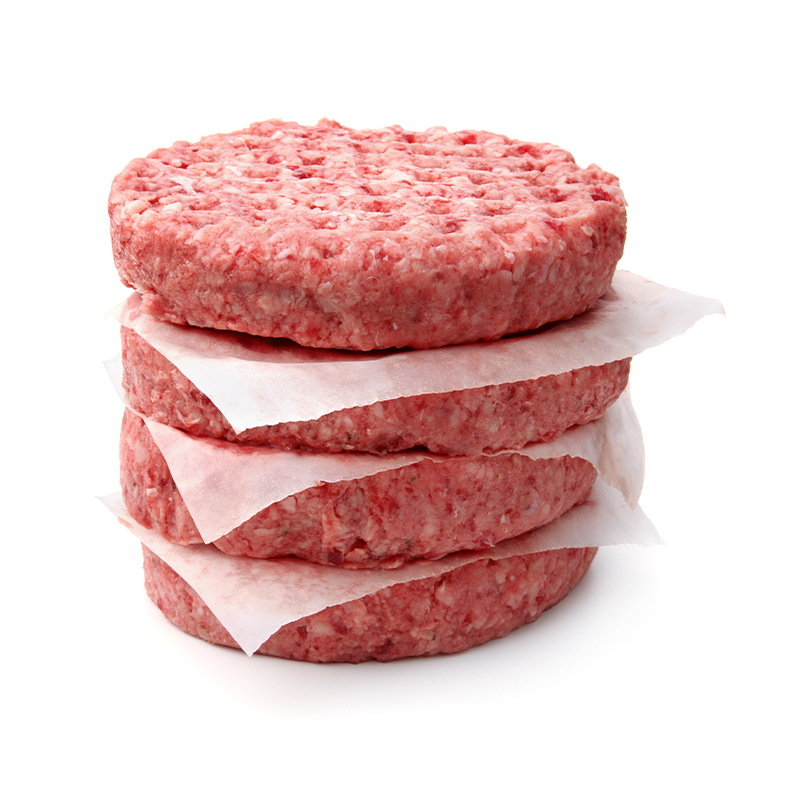
Description: Wax paper is the paper that is coated with food-grade wax in order to make it non-stick and waterproof. wax paper is very good for food storing and presentingMade of food-grade paper and ...
See Details -
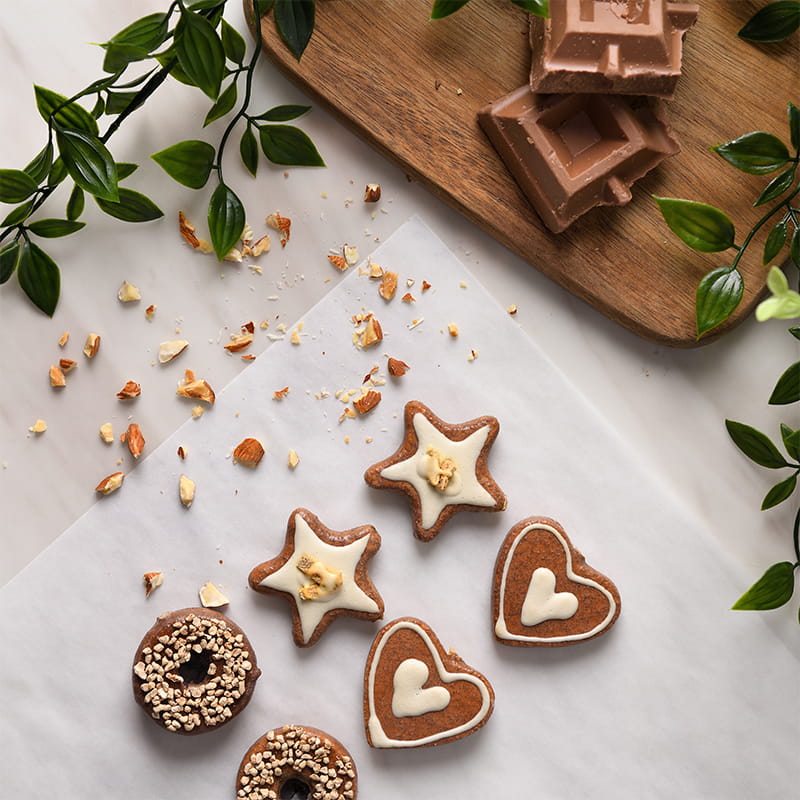
Product Features: 1. Virgin wood pulp 2. Double sides food grade silicone-treated 3. Fluorine-free 4. Non-stick 5. Oven/Microwave safe 6. Freezer safe 7. Reusable 8. BPA f...
See Details -
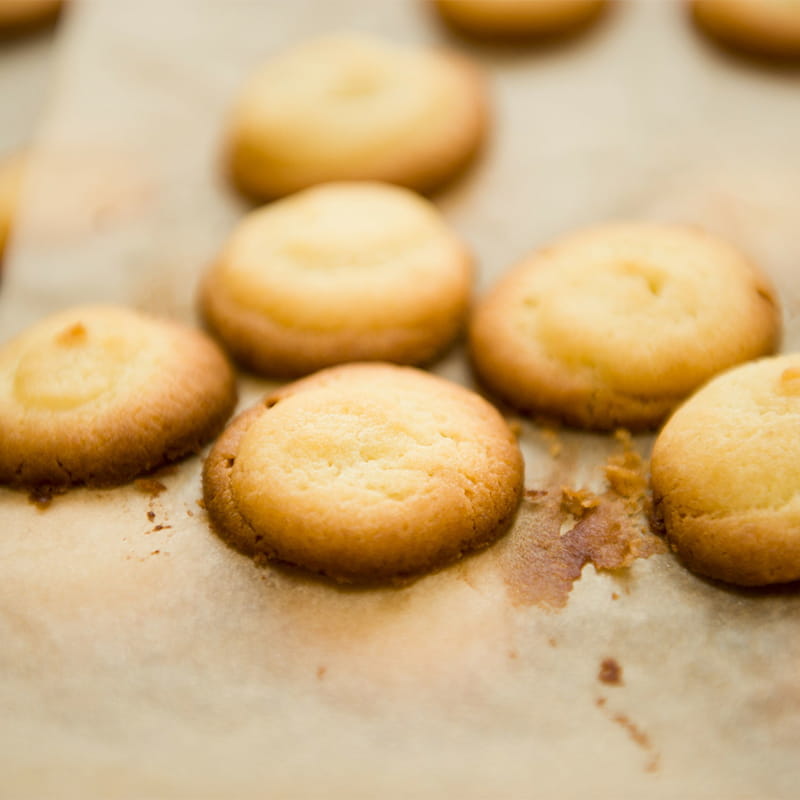
Product Features: 1. Virgin wood pulp 2. Natural unbleached brown color 3. Double sides food grade silicone-treated 4. Fluorine-free 5. Non-stick 6. Oven/Microwave safe 7. Fre...
See Details -
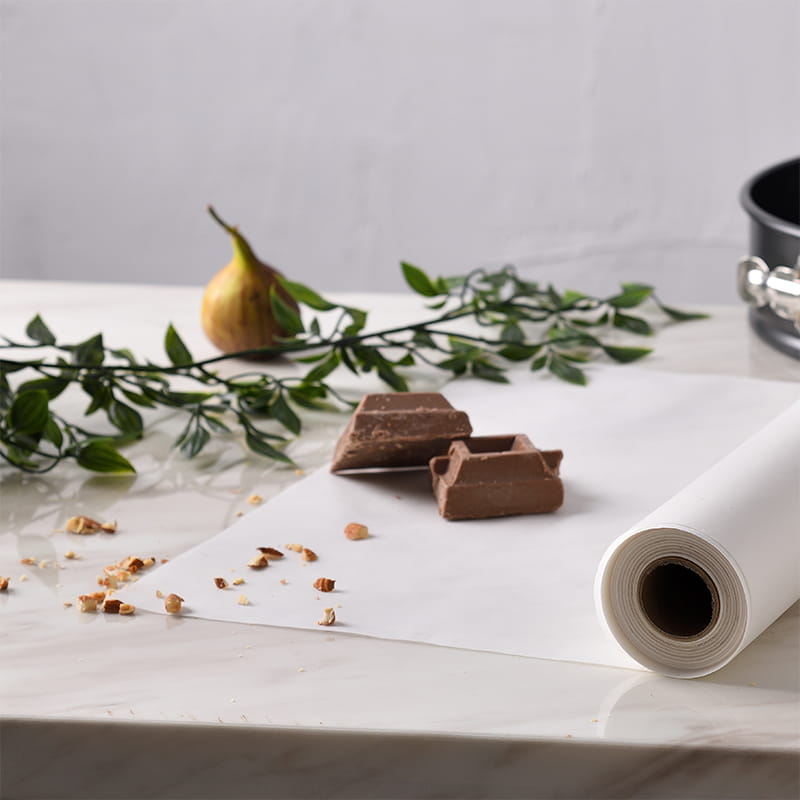
Product Features: 1. Virgin wood pulp 2. Double sides food grade silicone treated 3. Fluorine-free 4. Non-stick 5. Oven/Microwave safe 6. Freezer safe 7. Reusable 8. BPA ...
See Details -
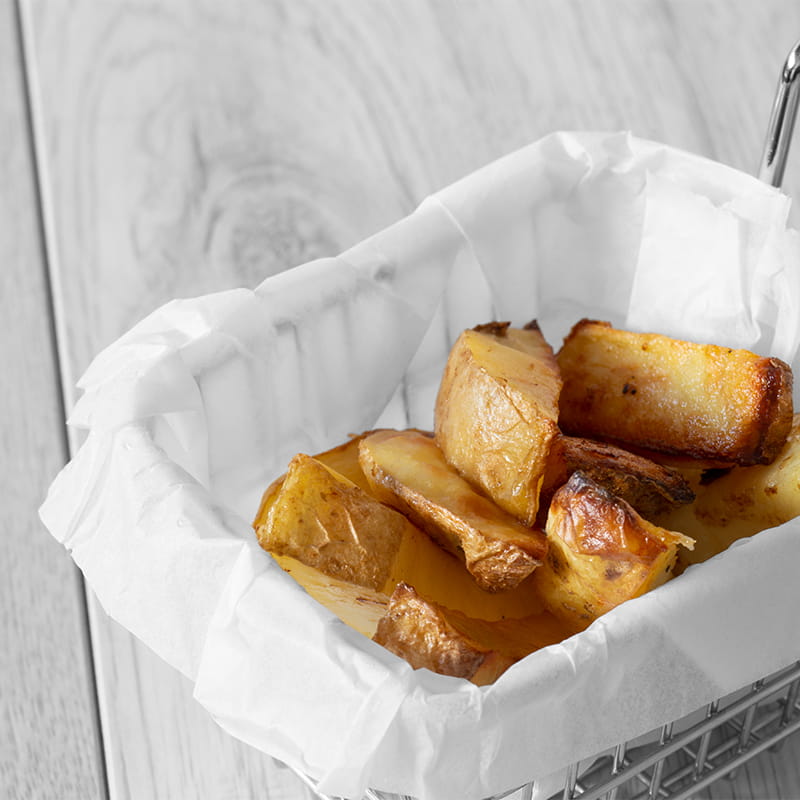
Product Features: 1. Virgin wood pulp 2. Fluorine-free 3. BPA free 4. Biodegradable Product Details: In an era where environmental consciousness and sustainability are paramount, Natu...
See Details -
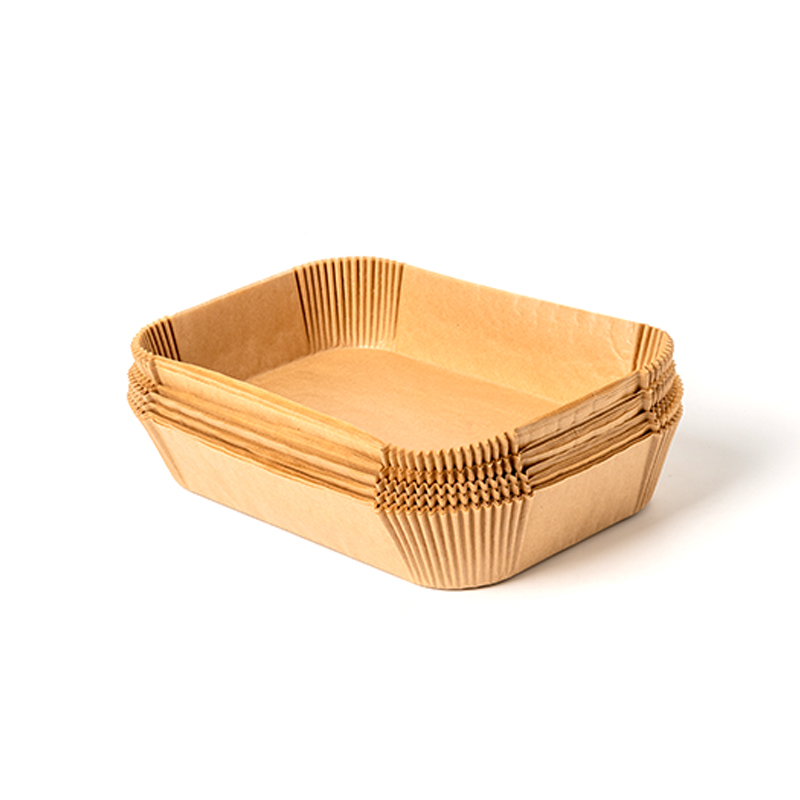
Product Features: 1. Virgin wood pulp 2. Double sides food grade silicone-treated 3. Fluorine-free 4. Non-stick 5. Air fryer basket safe 6. Reusable 7. BPA free 8. Biodeg...
See Details -
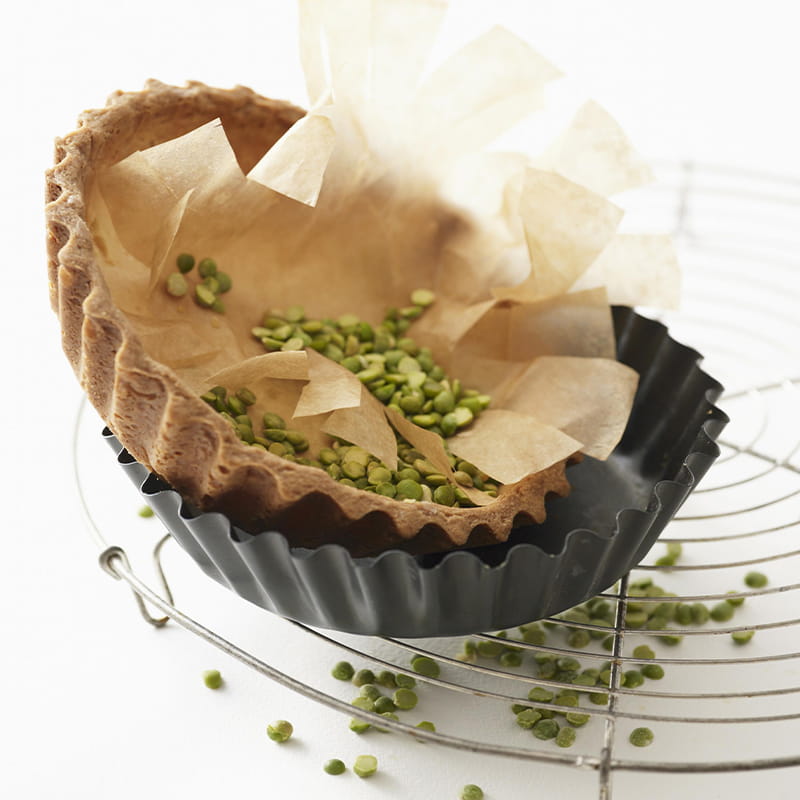
Product Features: 1. Virgin wood pulp 2. Natural unbleached brown color 3. Fluorine-free 4. BPA free 5. Biodegradable Product Details: Introducing our Unbleached Brown Food Grade ...
See Details -
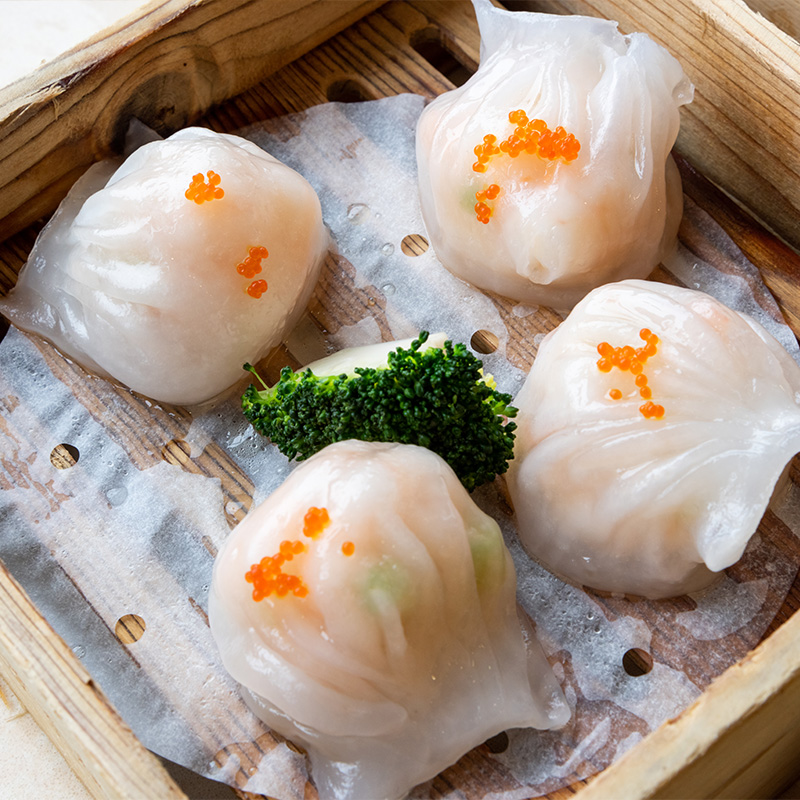
Product Features: 1. Virgin wood pulp 2. Double sides food grade silicone treated 3. Fluorine-free 4. Non-stick 5. Steamer/air fryer basket safe 6. Reusable 7. BPA free 8...
See Details -
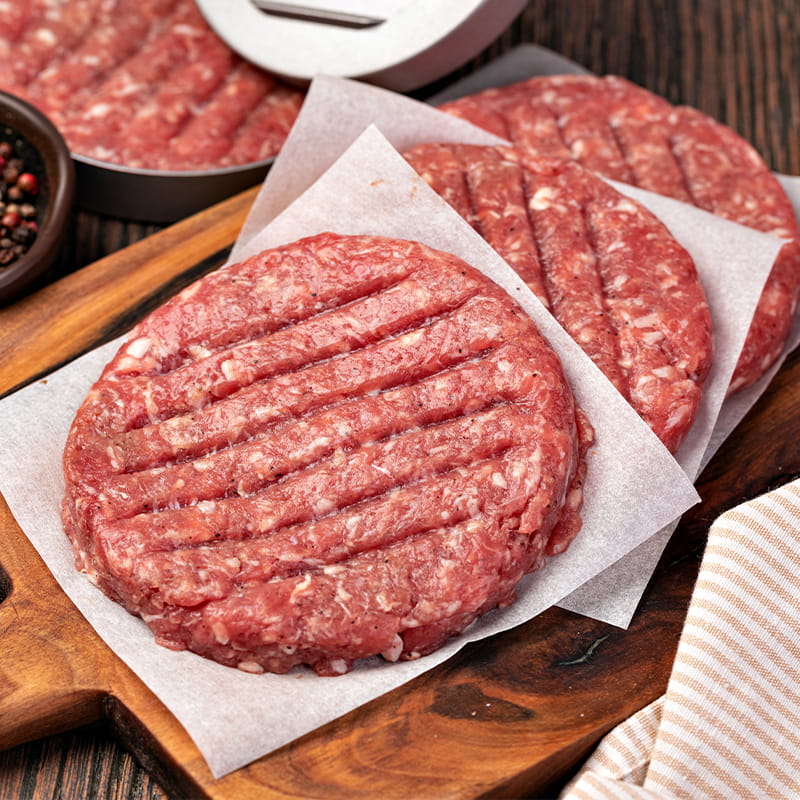
Product Features: 1. Virgin wood pulp 2. Double sides food grade silicone treated 3. Fluorine-free 4. Non-stick 5. Easy to separate 6. Reusable 7. BPA free 8. Biodegradab...
See Details -
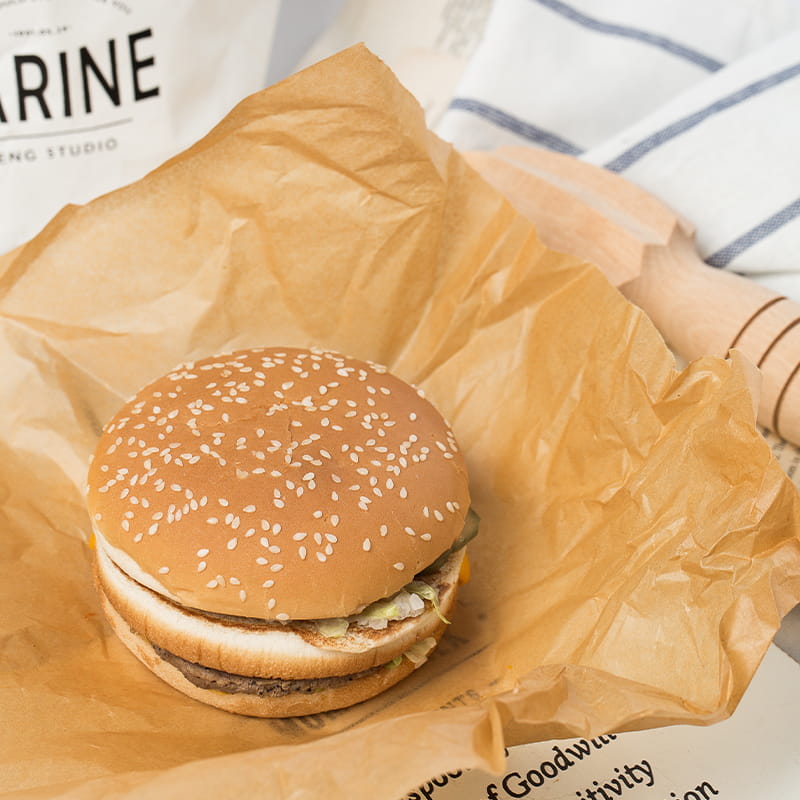
Product Features 1. Virgin wood pulp 2. Flexographic printing 3. Eco-friendly water-based ink 4. BPA free Product Details: Introducing our premium Greaseproof Sandwich Paper Sheets, a...
See Details

Professional Baking Parchment Paper Manufacturer in China with more than 15 years silicone coating experience.
Products
Contact Us
- No.10 Longyin Road, Chengnan Industrial Park,Longyou, Quzhou, China.
- +86-18968091013 / +86-571-88639705
- Avayao-1990@hotmail.com
Copyright © Zhejiang Guanghe New Materials Co., Ltd. All Rights Reserved.
Parchment Paper & Baking Paper Sheets Manufacturer
