 English
 中文简体
中文简体
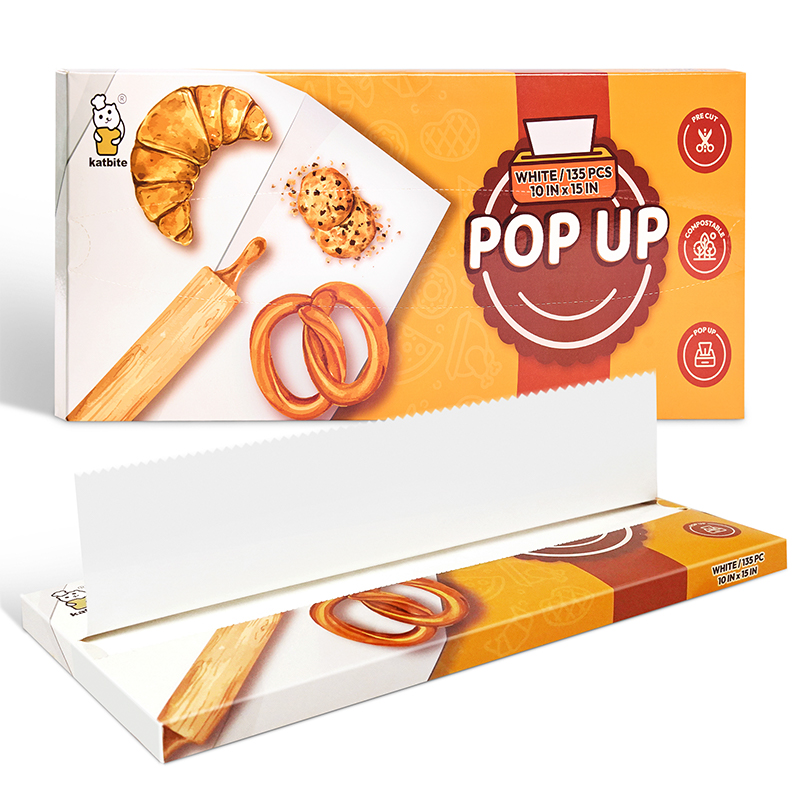
Product details: Pop-up parchment paper sheets, an environment-friendly product, are composed of wood pulp and are double-side coated with silicone. Such a coating makes our paper smooth, greasepr...
See DetailsHow Parchment Paper Prevents Food from Sticking Well
Pulling a tray of cookies out of the oven only to find half of them welded to the surface is one of those kitchen frustrations that feels minor until it ruins something you spent time on. The same goes for roasted vegetables that tear apart when you try to lift them, or pastries that lose their shape because the base stuck and the top kept moving. The answer experienced bakers often reach for is parchment paper — and understanding why it works reliably, at a material level rather than just as kitchen folklore, makes it easier to use it well and choose a quality version. Whether you are sourcing through a Parchment Paper Factory or picking up a roll at a local shop, the underlying mechanism is what determines whether it actually does the job.
What Parchment Paper Is and How It Differs from Similar Products
Parchment paper is a cellulose-based sheet that has been treated with a silicone coating to create a surface that food does not bond to under heat. It is not the same as wax paper, which uses a different coating that melts under oven temperatures and is not safe for baking. The confusion between the two is common and worth clearing up early, because using wax paper where parchment paper is called for produces exactly the kind of sticky, messy result you were trying to avoid.
The silicone treatment does the real work. It creates a thin, heat-stable layer on the paper surface that physically keeps food from the pan beneath. That separation is the core mechanism — and it works without oil, butter, or any additional coating in a wide range of baking situations.
Why Does Food Not Stick to Parchment Paper?
The answer comes down to surface energy. Materials with high surface energy attract other substances — food proteins, sugars, and fats bond readily to metal baking surfaces because metal has a naturally high surface energy. The silicone coating on treated baking paper has very low surface energy, which means food molecules have almost nothing to grip onto.
This is not just a matter of smoothness. A surface can be smooth and still cause sticking if it has high surface energy — which is why polished metal pans still need greasing. The silicone layer changes the chemistry of the surface interaction, not just the texture.
What this means in practice:
- Caramelized sugars, which are aggressively adhesive substances in baking, release cleanly from a silicone-coated surface because the bond cannot form properly.
- Proteins in meat, fish, and eggs do not denature directly against the paper surface the way they do against metal, so they lift away without tearing.
- Fats do not leave behind the baked-on residue they create on bare trays, because the coating prevents them from penetrating the surface.
How Heat Affects Performance in the Oven
One of the practical concerns people have about using any kind of paper in an oven is whether it is safe. Treated baking paper handles oven temperatures within a normal baking range without degrading, releasing substances, or catching fire. The silicone coating remains stable through this temperature range, which is why it continues to function as a non-stick barrier throughout the cooking process.
What changes at high temperatures:
- The paper itself darkens slightly over extended exposure, which is normal and does not affect performance.
- At temperatures beyond the safe range — typically around direct broiler exposure or very high roasting settings — the paper can brown too aggressively and becomes brittle. This is a sign it has been pushed past its intended use conditions.
- Moisture in food creates steam during cooking, and the paper allows that steam to escape rather than trapping it, which affects texture differently than cooking directly on a wet surface would.
The key point is that the non-stick function depends on the integrity of the silicone coating, and that integrity holds across normal baking conditions.
A Comparison of Common Non-Stick Cooking Surfaces
| Surface | Non-Stick Performance | Heat Stability | Cleanup | Reusability |
|---|---|---|---|---|
| Treated baking paper | Reliable across baking range | Stable within rated range | Minimal — discard after use | Limited reuse on low-fat applications |
| Aluminum foil | Poor on its own, needs greasing | Very high | Can stick significantly | Reusable but sticking increases over cycles |
| Greased bare pan | Inconsistent | High | Requires scrubbing | Unlimited but labor-intensive |
| Silicone baking mat | Reliable | High | Requires washing | Durable over many uses |
Each surface serves a purpose, but treated baking paper offers a balance of convenience and dependable performance. Silicone mats last longer, yet they require washing and storage. Foil conducts heat differently and still needs greasing for many uses. A greased pan works but adds time and unevenness. The treated paper sheet removes the friction from the equation with little setup.
Real Cooking Situations Where This Material Makes a Clear Difference
Understanding the mechanism helps explain why it works better in some situations than others. These are the scenarios where the non-stick function delivers the clearest results:
- Cookies with high sugar content: Caramelized edges and bottoms that would weld to a bare pan release cleanly because the silicone surface prevents that sugar bond from forming.
- Roasted vegetables: Cut vegetables release moisture as they cook, and without a barrier that moisture can steam-bond them to a metal surface. The paper intercepts that contact.
- Fish and delicate proteins: These tear easily when stuck. The paper surface allows them to release intact, preserving presentation and texture.
- Pastries with sticky fillings: Any filling that overflows onto the surface of a bare pan becomes a cleaning challenge. On treated paper, overflow releases or can be discarded with the sheet.
- Chocolate and candy work: Temperature-sensitive work where precise release timing matters benefits from a surface that does not require any separation force.
Why Not All Baking Paper Performs the Same Way
The non-stick function depends almost entirely on the consistency and quality of the silicone coating. This is where variation between products becomes practical rather than theoretical.
Factors that affect performance:
- Coating uniformity: If the silicone layer is thinner in some areas than others, those spots behave more like uncoated paper — and sticking happens precisely where you expected it not to.
- Paper base density: The cellulose substrate affects how the coating adheres and how the sheet responds to moisture during baking. A lower-density base can allow moisture to penetrate more readily, softening the paper and reducing its structural integrity mid-bake.
- Heat resistance range: Not all treated papers are manufactured to the same temperature threshold. A sheet rated for lower temperatures will degrade faster in a hot oven and may begin to transfer that degradation to food surfaces.
- Grease resistance: Some papers handle fat-heavy applications better than others because the coating has been formulated with that in mind. A paper that performs well for dry cookies may not hold up as well under a fatty fish fillet.
This is why sourcing from a manufacturer that maintains consistent production standards matters, particularly for food service or commercial baking applications where batch variation causes real operational problems.
Does Parchment Paper Always Eliminate the Need for Oil?
Not always, and the nuance is worth understanding.
In many baking applications — cookies, pastries, roasted vegetables at moderate temperatures — the silicone coating provides a non-stick barrier that makes additional oil or butter unnecessary. Food releases cleanly, and the pan stays clean beneath the paper.
However, there are situations where a light application of oil still helps:
- Very high-fat proteins: Foods that release significant fat during cooking can create a layer between the food and the paper that actually assists release — but in some cases, particularly with skin-on proteins, a light oiling helps prevent the skin from adhering.
- Dense, sticky doughs: Some very wet or sugar-heavy doughs benefit from a light oiling even on treated surfaces, particularly if they are left to rest on the paper before baking.
- Reused sheets: If a sheet has already been through one baking cycle, the coating may be partially compromised in areas. A light oil application restores some of the non-stick function for a second use.
A sensible approach is to start without oil and add it only if the recipe or food type suggests it is needed. The paper handles many situations on its own.
How to Use It Correctly for Consistent Results
Getting reliable non-stick performance comes down to a few handling habits that are easy to build into a routine.
- Size the sheet to fit the pan: An overhanging sheet curls up in the oven and can catch on heating elements or shift food position. Cut to fit, or fold edges cleanly.
- Flatten before loading food: A sheet that is bowed or crinkled creates uneven contact with the pan, which affects heat distribution and food positioning.
- Avoid placing the sheet under a broiler or directly above an exposed flame: The paper is not designed for direct radiant heat exposure. Use it in the oven with the heat source at a reasonable distance.
- Do not reuse heavily soiled sheets: A sheet that has absorbed significant fat or has darkened and become brittle should be discarded. Reusing a compromised sheet introduces both hygiene and performance risks.
- Line molds and ramekins as well as flat trays: The non-stick function works in any direction — lining the sides and base of a baking mold gives the same release benefit as a flat tray liner.
If you want a kitchen tool that quietly handles a frustrating variable in baking — whether food releases cleanly or ruins itself on the pan — treated baking paper is a simple answer. The mechanism is simple and reliable, and it works across a wide range of food types and cooking conditions without requiring technique adjustments or additional products. For food service operations and commercial kitchens where consistency across large volumes matters, the quality of the paper itself determines whether that reliability holds. Zhejiang Guanghe New Materials Co., Ltd. manufactures baking paper with consistent silicone coating and material specifications suited for both household and commercial use. If you are evaluating paper quality for production-scale application or want to discuss specifications that fit your baking environment, reaching out with your requirements is a straightforward way to find a product that performs the way you need it to.
Related Products
-
-
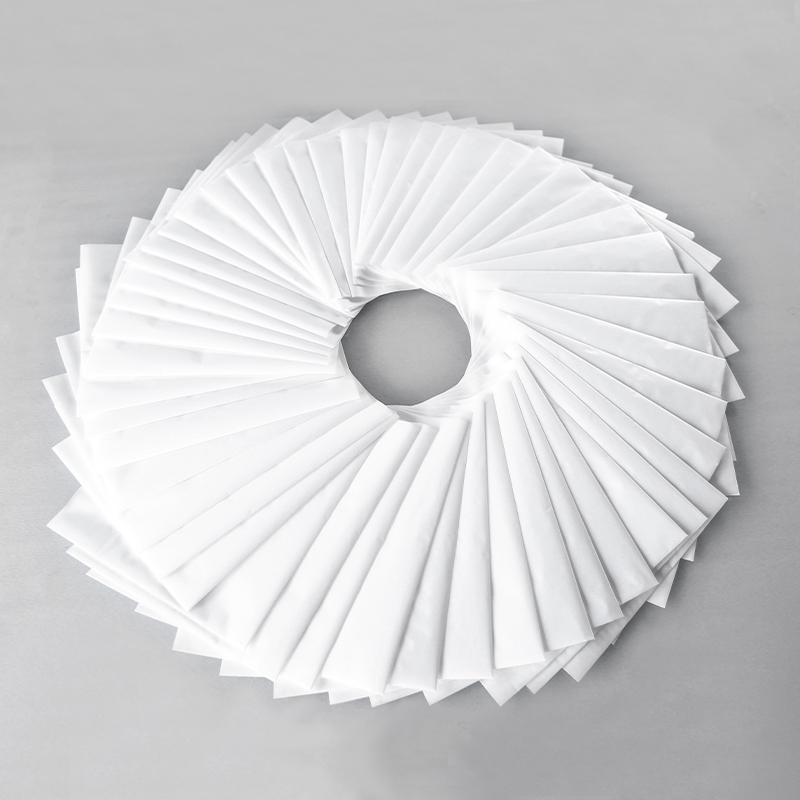
Product details: Folded baking paper sheets, an environment-friendly product, are composed of wood pulp and are double-side coated with silicone. Such a coating makes our paper smooth, greaseproof and...
See Details -
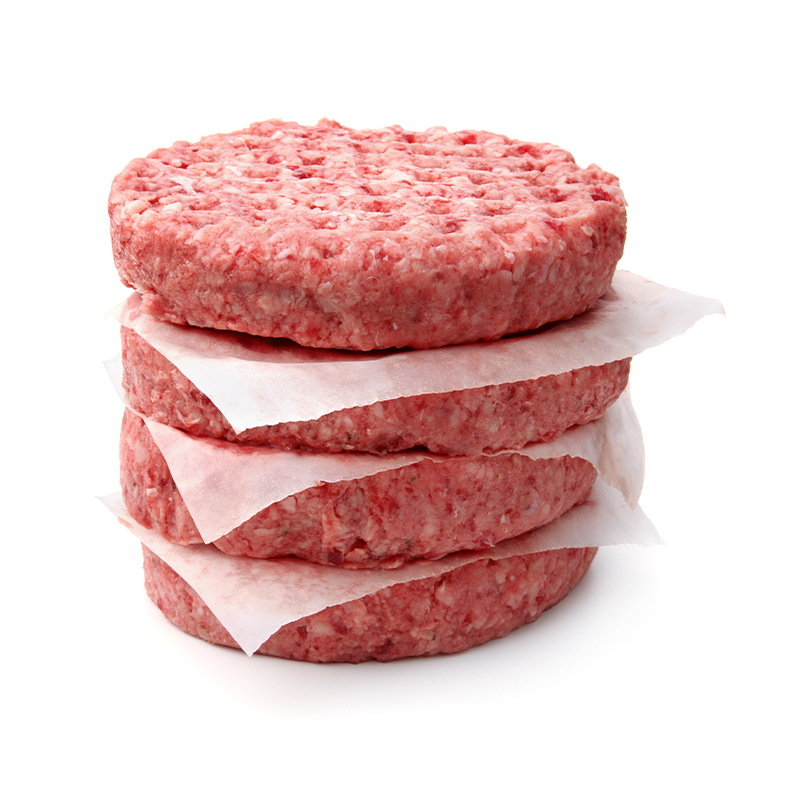
Description: Wax paper is the paper that is coated with food-grade wax in order to make it non-stick and waterproof. wax paper is very good for food storing and presentingMade of food-grade paper and ...
See Details -
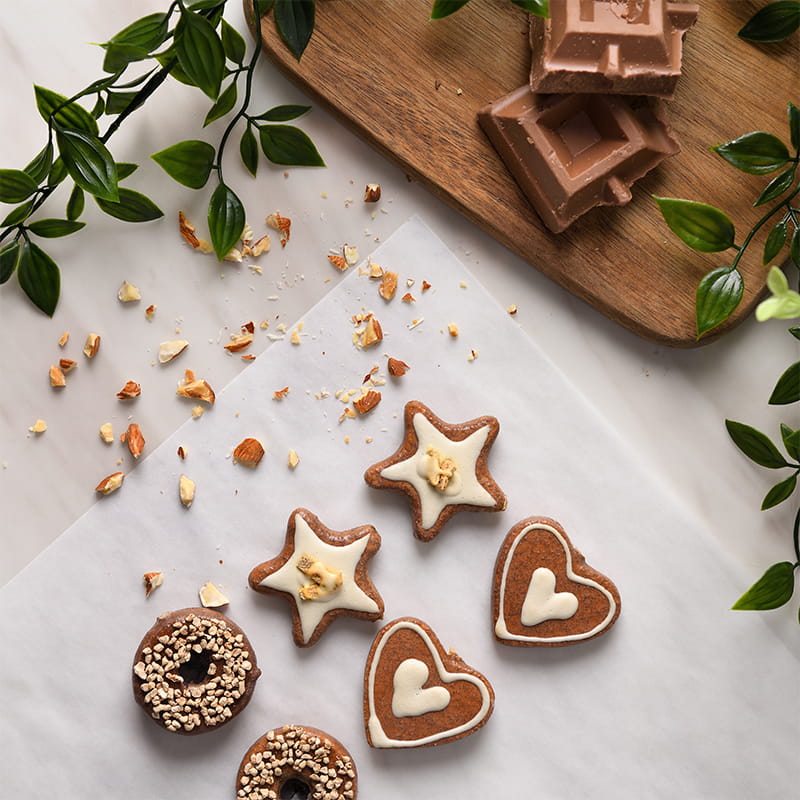
Product Features: 1. Virgin wood pulp 2. Double sides food grade silicone-treated 3. Fluorine-free 4. Non-stick 5. Oven/Microwave safe 6. Freezer safe 7. Reusable 8. BPA f...
See Details -
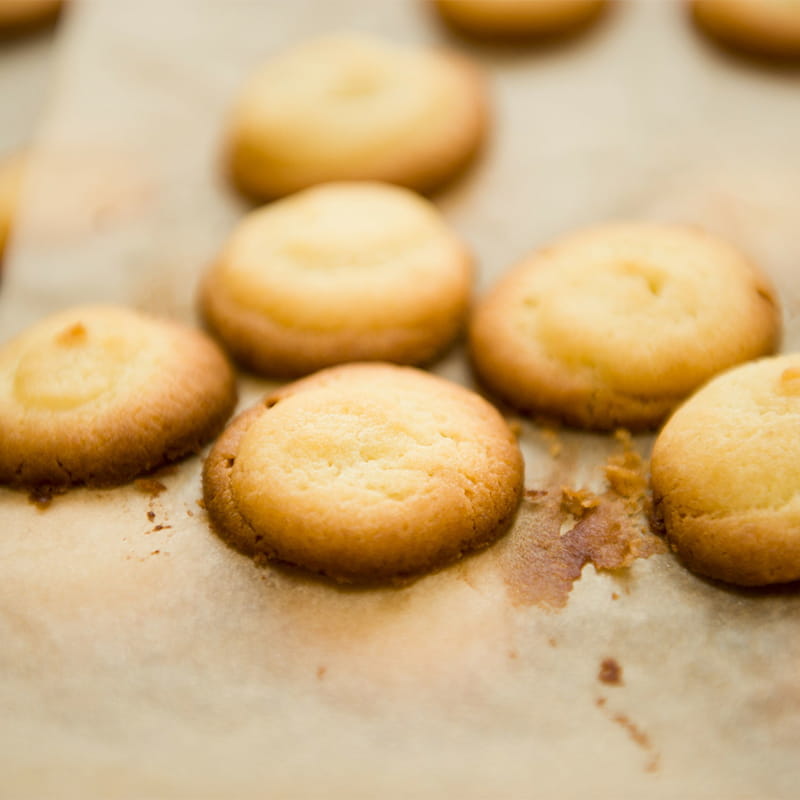
Product Features: 1. Virgin wood pulp 2. Natural unbleached brown color 3. Double sides food grade silicone-treated 4. Fluorine-free 5. Non-stick 6. Oven/Microwave safe 7. Fre...
See Details -
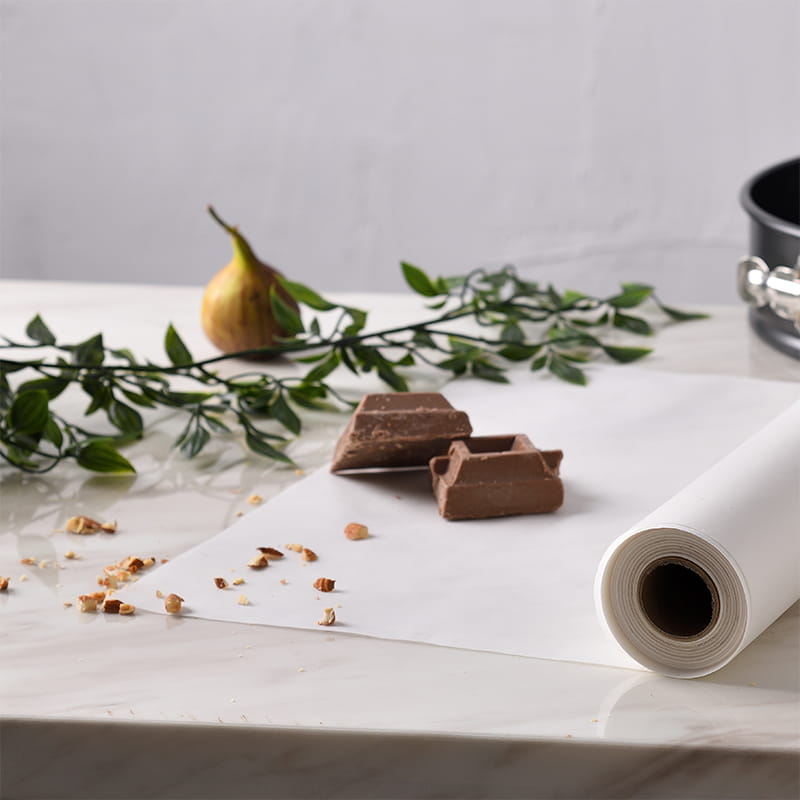
Product Features: 1. Virgin wood pulp 2. Double sides food grade silicone treated 3. Fluorine-free 4. Non-stick 5. Oven/Microwave safe 6. Freezer safe 7. Reusable 8. BPA ...
See Details -
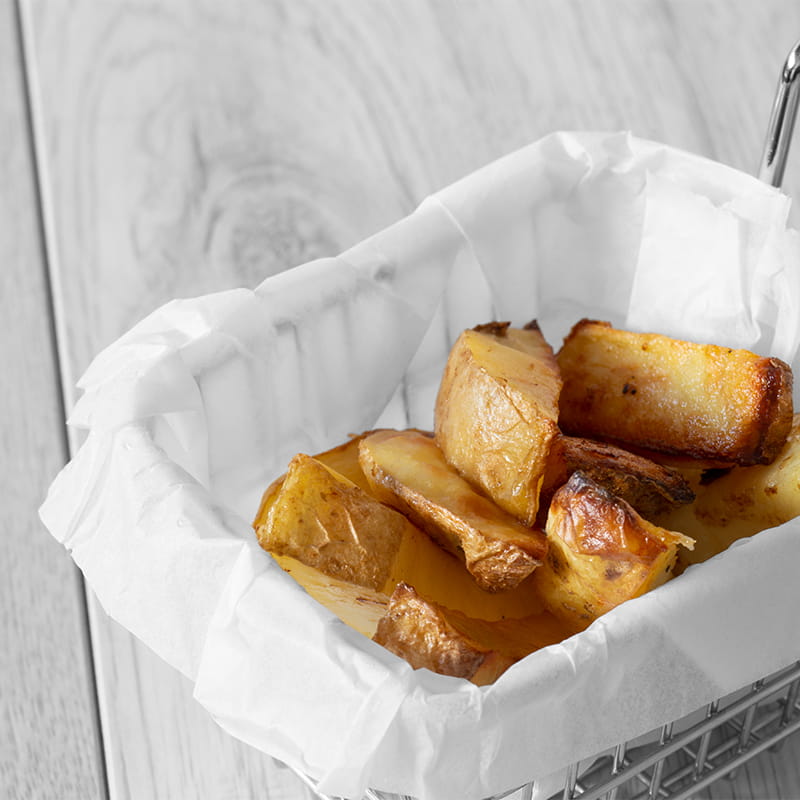
Product Features: 1. Virgin wood pulp 2. Fluorine-free 3. BPA free 4. Biodegradable Product Details: In an era where environmental consciousness and sustainability are paramount, Natu...
See Details -
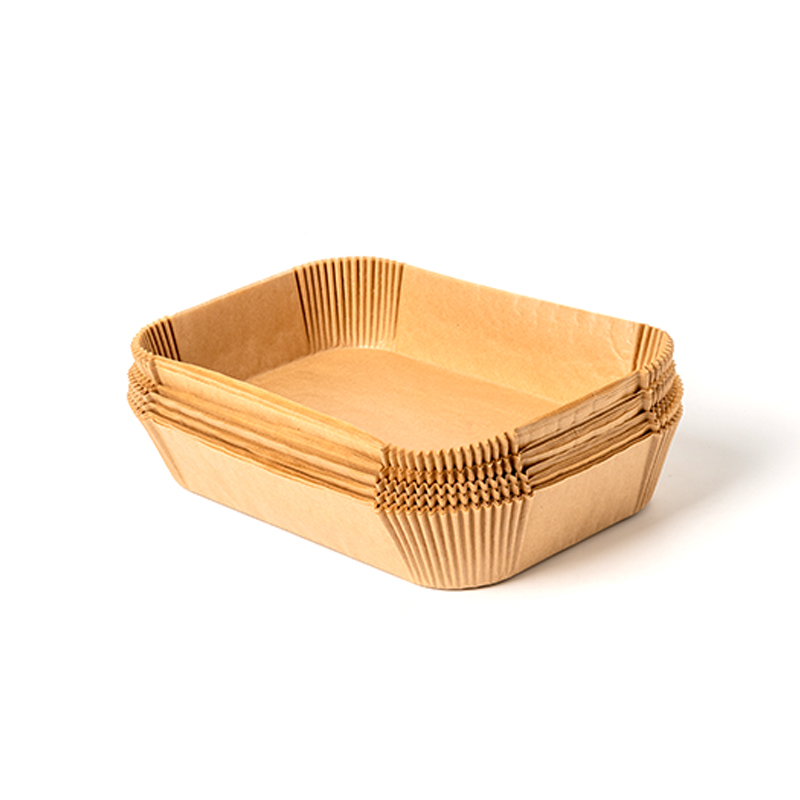
Product Features: 1. Virgin wood pulp 2. Double sides food grade silicone-treated 3. Fluorine-free 4. Non-stick 5. Air fryer basket safe 6. Reusable 7. BPA free 8. Biodeg...
See Details -
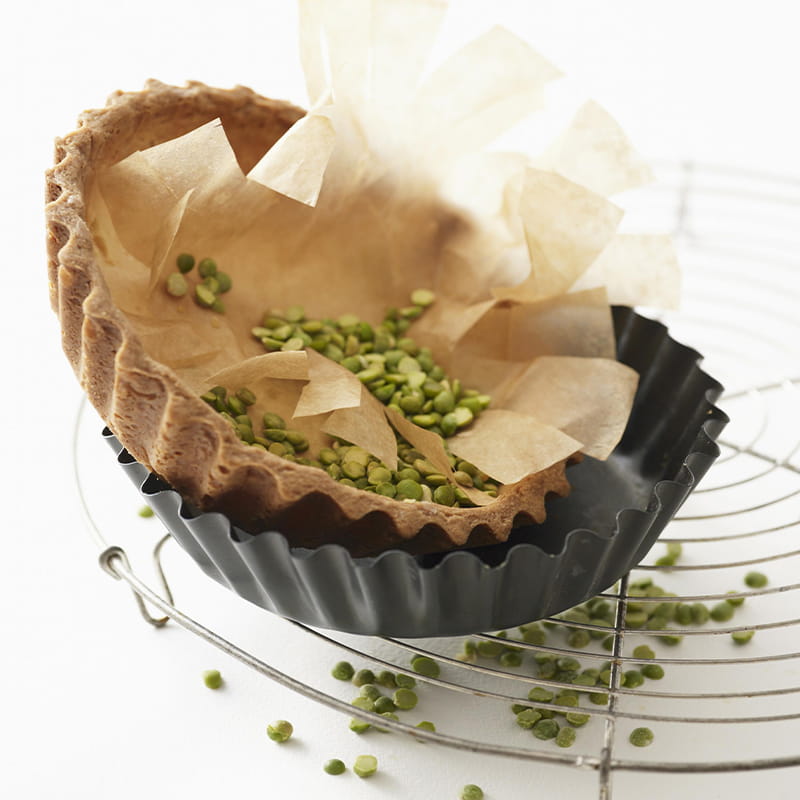
Product Features: 1. Virgin wood pulp 2. Natural unbleached brown color 3. Fluorine-free 4. BPA free 5. Biodegradable Product Details: Introducing our Unbleached Brown Food Grade ...
See Details -
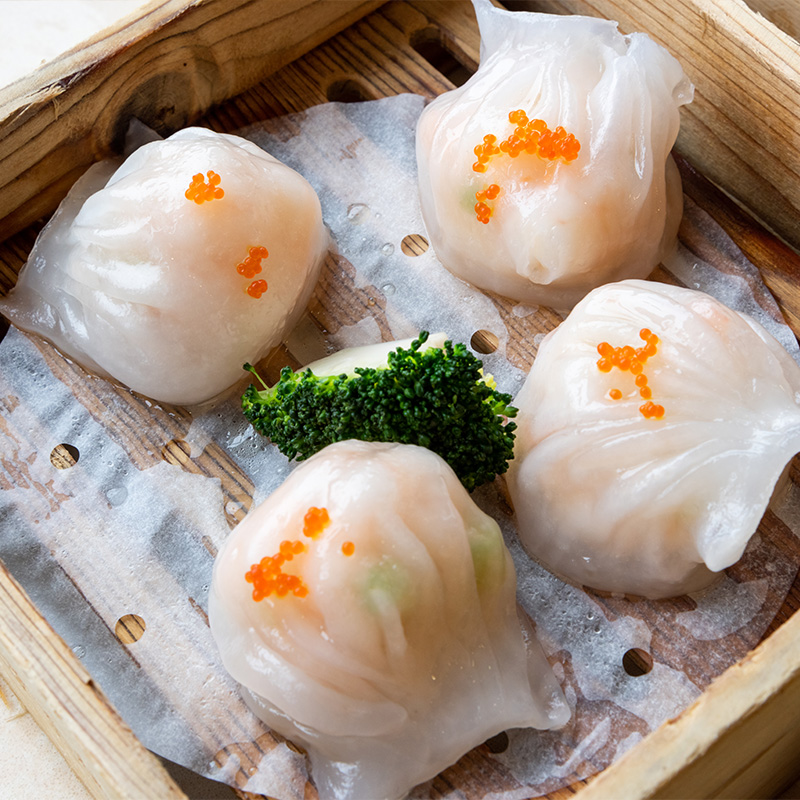
Product Features: 1. Virgin wood pulp 2. Double sides food grade silicone treated 3. Fluorine-free 4. Non-stick 5. Steamer/air fryer basket safe 6. Reusable 7. BPA free 8...
See Details -
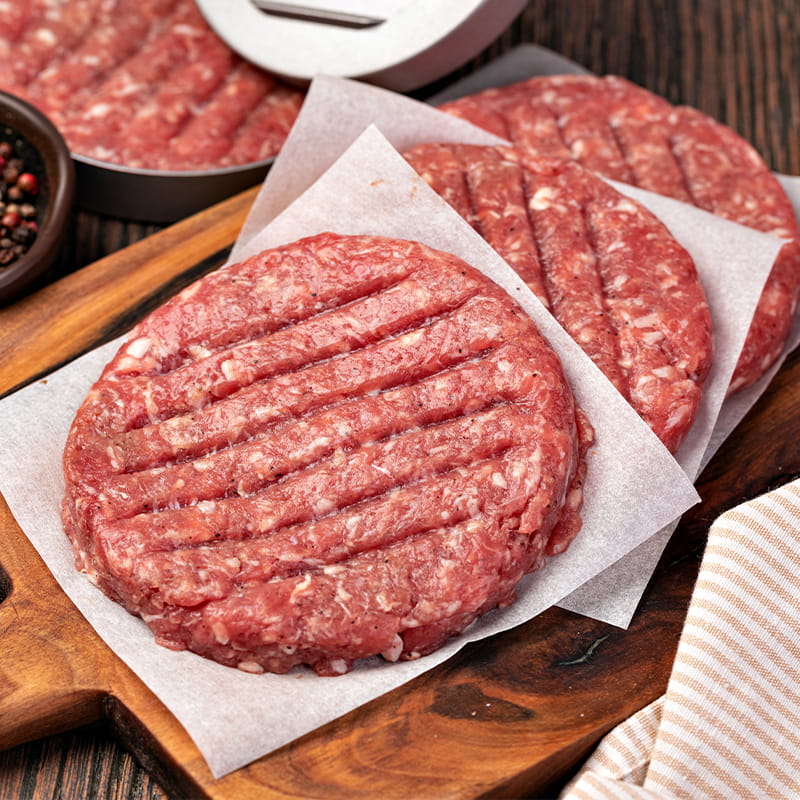
Product Features: 1. Virgin wood pulp 2. Double sides food grade silicone treated 3. Fluorine-free 4. Non-stick 5. Easy to separate 6. Reusable 7. BPA free 8. Biodegradab...
See Details -
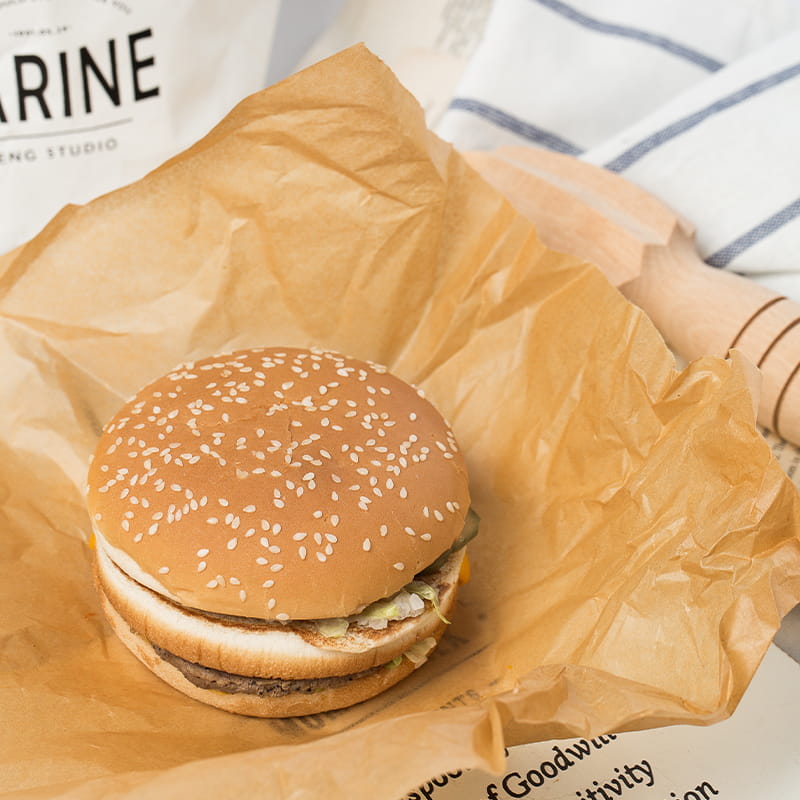
Product Features 1. Virgin wood pulp 2. Flexographic printing 3. Eco-friendly water-based ink 4. BPA free Product Details: Introducing our premium Greaseproof Sandwich Paper Sheets, a...
See Details

Professional Baking Parchment Paper Manufacturer in China with more than 15 years silicone coating experience.
Products
Contact Us
- No.10 Longyin Road, Chengnan Industrial Park,Longyou, Quzhou, China.
- +86-18968091013 / +86-571-88639705
- Avayao-1990@hotmail.com
Copyright © Zhejiang Guanghe New Materials Co., Ltd. All Rights Reserved.
Parchment Paper & Baking Paper Sheets Manufacturer
