 English
 中文简体
中文简体
Pre Cut Baking Paper Sheets are made from wood pulp and coated on both sides with a food-safe silicone layer. This coating gives the paper a smooth, greaseproof, and moisture-resistant surface that su...
See DetailsWhy Parchment Paper Helps Make Baking Cleanup Easier
Scrubbing baked-on residue off a pan after a long production run is the kind of task that nobody budgets time for — and yet it happens constantly in kitchens that skip the one simple material that prevents it. The cheese that fuses to the sheet tray, the caramel that bonds to the baking dish, the oil that seeps into the pan surface and turns brown with heat — these are not inevitable. They are the predictable result of putting food directly onto an unprotected baking surface. Whether you are running a commercial kitchen, managing a food production line, or evaluating supply options as a Parchment Paper Factory buyer, understanding what this material actually does at a functional level makes the value proposition clear and concrete.
What Parchment Paper Actually Is
Before getting into the cleanup benefits, it helps to understand what the material is made of and why those properties translate into non-stick, grease-resistant performance.
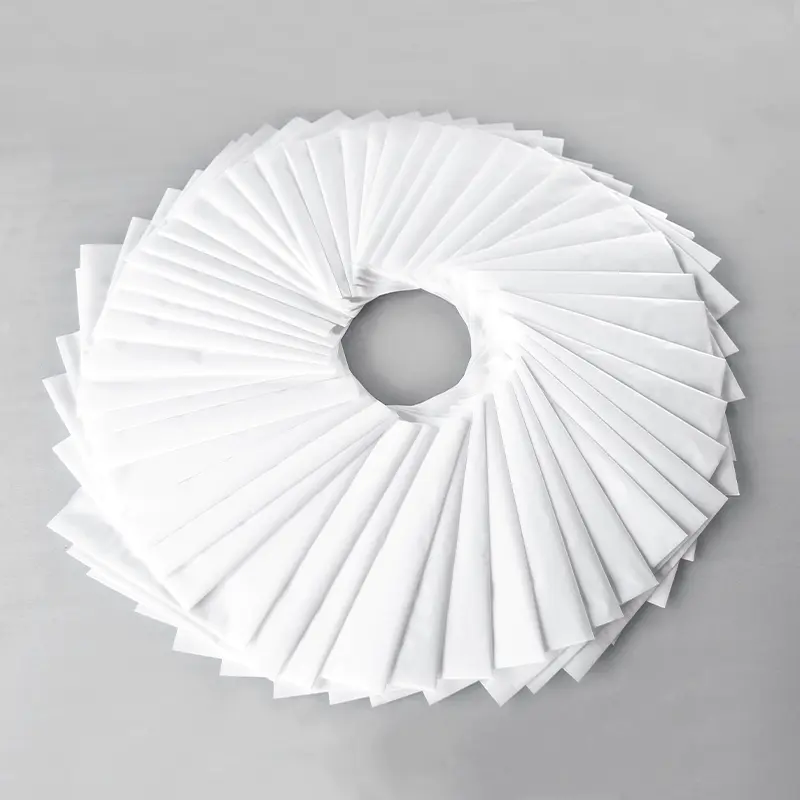
Parchment paper is a cellulose-based paper that has been treated — typically through a silicone coating process — to achieve heat resistance, moisture resistance, and a non-stick surface. The silicone treatment creates a thin but effective barrier layer that food cannot adhere to under normal baking conditions.
Key physical characteristics:
Non-stick surface: The silicone layer prevents direct contact between food proteins, sugars, and fats and the paper surface itself
- Heat stability: Treated parchment paper holds its structural integrity and non-stick properties across the temperature ranges typical of oven baking
- Grease resistance: The coating blocks fat penetration, so oil from food does not soak through to the pan below
- Moisture tolerance: It handles the steam and surface moisture generated during baking without disintegrating or releasing residue into food
This combination of properties — rather than any single attribute — is what makes it so effective at preventing the stuck-food problem that creates cleanup burdens.
How Does the Non-Stick Property Reduce Cleanup?
The mechanism is worth thinking through, because it explains why cleanup reduction is so reliable rather than just occasional.
When food bakes directly on metal or ceramic surfaces, heat causes proteins to denature and starches to gelatinize in direct contact with the pan. Sugars caramelize and form strong adhesive bonds to the surface. Fats render out and penetrate microscopic surface irregularities in the pan material. By the time the food comes out of the oven, the residue on the pan is not just a surface deposit — it is partially embedded in the surface chemistry.
Parchment paper interrupts all three of these bonding processes:
- Food proteins never contact the pan — they contact the silicone-treated paper surface, which cannot bond with them in the same way
- Caramelized sugars release cleanly from the paper surface rather than fusing to metal
- Rendered fats sit on top of the grease-resistant paper rather than penetrating the pan
The practical result: after baking, the paper lifts away carrying residue with it. The pan beneath is either completely clean or requires only a brief wipe — not the extended soaking and scrubbing that direct baking creates.
Parchment Paper vs. Aluminum Foil: Which Cleans Up Better?
The comparison comes up frequently, because both materials are used to line baking surfaces. They work differently, and the cleanup outcomes reflect that difference.
Aluminum foil is a metallic barrier that blocks direct contact between food and pan. It handles high heat well and is useful for covering food during roasting. But it is not non-stick in the same way treated parchment paper is. Food that bakes on foil — particularly anything with sugar, cheese, or protein — often bonds to the foil surface. Cleanup means removing the foil along with the food that has adhered to it, and the pan below may still require washing if fat has seeped under the foil edges.
Silicone baking mats are the other common comparison. Reusable mats with silicone surfaces offer genuine non-stick properties, comparable to parchment paper, but require washing after each use. For high-volume baking operations cycling through many trays in a session, washing and drying mats between uses creates its own time demand.
The specific advantage of parchment paper over reusable alternatives is disposal: after use, the sheet is discarded. There is no washing step, no drying step, and no risk of residual food odor or contamination building up over time.
A Practical Comparison of Baking Liner Options
| Liner Type | Non-Stick Performance | Cleanup Method | Reusable | Suitable for High-Volume Use |
|---|---|---|---|---|
| Parchment paper | Strong — silicone-treated surface | Discard after use | No | Well-suited — no inter-batch washing |
| Aluminum foil | Moderate — food can bond to surface | Remove and discard; pan may need washing | No | Moderate — limited by sticking issues |
| Silicone baking mat | Strong — silicone surface | Wash and dry after each use | Yes | Requires washing time between uses |
| Unlined metal pan | None — direct contact with surface | Scrub, soak, scrub again | N/A | Labor-intensive at volume |
| Greased pan (no liner) | Partial — grease helps but not fully | Wash required; grease residue builds | N/A | Inconsistent across products |
Reading across the rows clarifies why parchment paper finds consistent use in both home and commercial baking: it delivers reliable non-stick performance with the simplest possible cleanup pathway.
Why Commercial Kitchens Rely on Parchment Paper More Than Home Bakers Do
The scale difference between home baking and professional food production makes the cleanup advantage proportionally larger in commercial settings.
A home baker might use a single tray for a batch of cookies. Cleanup after one tray is manageable regardless of whether parchment paper was used. A commercial bakery running dozens of trays through ovens across a production shift is a different calculation entirely. Every tray that needs soaking and scrubbing takes time away from production. Staff hours spent cleaning are hours not spent on the next production cycle.
In commercial food settings, the operational advantages stack quickly:
- Faster tray turnover: After removing baked product, a lined tray can be reloaded immediately without waiting for washing and drying cycles. This directly affects production throughput in high-volume operations.
- Consistent release: Uniform parchment paper from a reliable source releases product consistently across every tray, every batch. Greased pans and foil introduce variation that affects how evenly product releases and whether any sticks.
- Sanitation simplicity: Discarding used liner after each batch removes the residue pathway entirely rather than attempting to clean it off. In food production environments with hygiene requirements, this is a meaningful advantage over reusable surfaces that need validated cleaning procedures.
- Reduced pan wear: Repeated soaking and abrasive scrubbing degrades pan surfaces over time. Lined baking reduces the frequency and intensity of cleaning required, extending pan service life.
For food businesses evaluating operational costs, the labor time saved on cleanup — across thousands of tray cycles per year — often exceeds the material cost of the paper itself by a substantial margin.
How Does Parchment Paper Manufacturing Quality Affect Performance?
Not all parchment paper performs identically. The properties that make it effective — non-stick behavior, heat stability, grease resistance — depend on manufacturing decisions that vary between suppliers and product grades.
The silicone coating process is central. The weight of silicone applied, the uniformity of the coating across the sheet, and the adhesion of the coating to the base paper all affect how reliably the non-stick surface performs under heat and load. A sheet with uneven coating will have areas where food can bond to the paper surface — particularly in high-sugar or high-fat products where bonding forces are strongest.
Base paper quality also matters. Heavier-weight base paper holds its shape under moisture and heat, which keeps the sheet flat against the pan surface. A sheet that curls or develops gaps at the edges allows food to contact the pan in those areas, defeating the purpose of using a liner at all.
What separates reliable commercial parchment paper from inconsistent options:
- Coating weight consistency across the full sheet and across production batches
- Base paper grammage that supports flat behavior in oven conditions without wrinkling
- Heat rating that genuinely covers the temperatures used in the intended application
- Release consistency across different food types, including high-sugar and high-protein products that are prone to bonding.
- Sheet dimensional accuracy for cut sheets sized to fit specific pans or production formats
For buyers sourcing from a Parchment Paper Factory at commercial volumes, these manufacturing quality factors translate directly into product consistency, complaint rates, and ultimately customer satisfaction. A supplier who can document and maintain these quality parameters across large production runs is a fundamentally different source than one who delivers variable results batch to batch.
Does Parchment Paper Work Across Different Baking Applications?
The material is versatile, but the way it performs depends somewhat on the application type. Understanding where it works well — and where adjustments are needed — is useful for both home and commercial users.
Flat Baked Goods — Cookies, Crackers, Flatbreads
In this category, the non-stick and cleanup benefits are straightforward. The product lies flat on the paper, releases cleanly after baking, and the sheet lifts away with no residue left on the tray.
Cakes and Loaf Breads in Pans
Parchment paper used to line cake tins and loaf pans prevents the baked product from bonding to the pan sides. Releasing a cake or loaf from a lined pan is significantly more reliable than from a greased unlined pan, particularly for delicate textures that break easily if they stick.
Roasted Vegetables and Proteins
Lining a sheet pan for roasting vegetables or fish creates a non-stick surface that prevents the caramelized exterior of roasted food from fusing to the pan. The paper can handle the higher temperatures used in roasting without degrading, provided it is a heat-rated commercial grade rather than a lighter household product.
Pastry and Dough Work
Parchment paper is used as a non-stick surface for rolling and shaping pastry dough, and as a transfer medium for moving shaped dough onto baking surfaces. In this application, its dry, non-stick surface prevents dough from adhering without adding flour or grease that might alter the final texture.
Confectionery and Candy Work
Sugar-based products — brittles, toffees, caramel — bond aggressively to bare pan surfaces when hot and solidify into surfaces that are extremely difficult to remove without soaking. Parchment paper handles these releases cleanly because the silicone surface does not bond to sugar even at high temperatures.
Selecting the Right Grade for the Application
Not every parchment paper product is appropriate for every use. Grade selection based on intended application is part of getting consistent performance.
Factors to consider when selecting a product grade:
- Temperature rating: Products used at higher oven temperatures need paper rated for those conditions. Using under-rated paper at high heat can cause discoloration, brittleness, or partial breakdown of the coating that affects non-stick behavior.
- Sheet format vs. roll format: Cut sheets are convenient for standardized pan sizes in production environments. Roll format offers flexibility for varying sizes and is often preferred by food operations with diverse pan formats.
- Coated on one side versus both sides: For many baking applications, single-side coating is sufficient — the coated side faces the food. Double-sided coating is useful when the sheet needs to function on both faces, for example in some pastry or confectionery applications.
- Bleached vs. unbleached: Bleached paper has a white appearance; unbleached has a natural brown appearance. Performance is functionally similar — the choice is primarily aesthetic or based on customer preference.
- Grammage: Heavier base paper holds flat more reliably in high-moisture or high-heat baking, which matters for applications where sheet behavior affects product quality.
For commercial buyers sourcing across multiple kitchen formats or food product categories, understanding these grade distinctions prevents the situation of purchasing a single product that performs well in some applications and inconsistently in others.
Evaluating Parchment Paper Suppliers for Commercial Supply
For food businesses, restaurant groups, bakery chains, and food production facilities sourcing at meaningful volume, supplier reliability and product consistency matter more than unit price in isolation.
What a thoughtful supplier evaluation considers:
- Production consistency documentation: Can the supplier provide quality control records confirming coating weight, grammage, and heat resistance across production batches? Consistent documentation indicates manufacturing processes that are controlled rather than variable.
- Custom sizing and format capability: Production facilities often need non-standard sheet sizes or specific roll widths. A supplier with flexible production formats reduces the waste from trimming standard sizes to fit non-standard pans.
- Volume and turnaround time reliability: For operations with predictable consumption, consistent replenishment on reliable timelines reduces inventory management burden and avoids production disruption from supply gaps.
- Food safety compliance: Parchment paper comes into direct contact with food during production. Supplier documentation of food contact material compliance — confirming that materials and coatings meet applicable safety standards — is a non-negotiable part of responsible sourcing.
- Sample evaluation process: Reputable suppliers make it straightforward to evaluate product samples against specific application requirements before committing to volume orders. This evaluation step is worth insisting on before finalizing a supply relationship.
Choosing a Supply Partner That Understands Baking Applications
The cleanup benefits of using parchment paper are real and consistent — but they depend on the paper performing reliably across every batch, not just occasionally. Thin coating, inconsistent grammage, or a heat rating that does not match the application undermines the entire value proposition and creates the sticking and residue problems that the material is supposed to eliminate. Zhejiang Guanghe New Materials Co., Ltd. manufactures parchment paper and related food-contact materials for commercial baking and food production applications. For bakeries, food manufacturers, restaurant supply companies, and distribution businesses evaluating sourcing options, the practical starting point is a conversation about the specific application requirements — oven temperatures, pan formats, product types, and volume needs — that the paper needs to serve. Reaching out to discuss sample evaluation or volume supply arrangements is a straightforward step toward replacing inconsistent performance and unnecessary cleanup labor with a material that reliably does what it is supposed to do across every production cycle.
Related Products
-
-
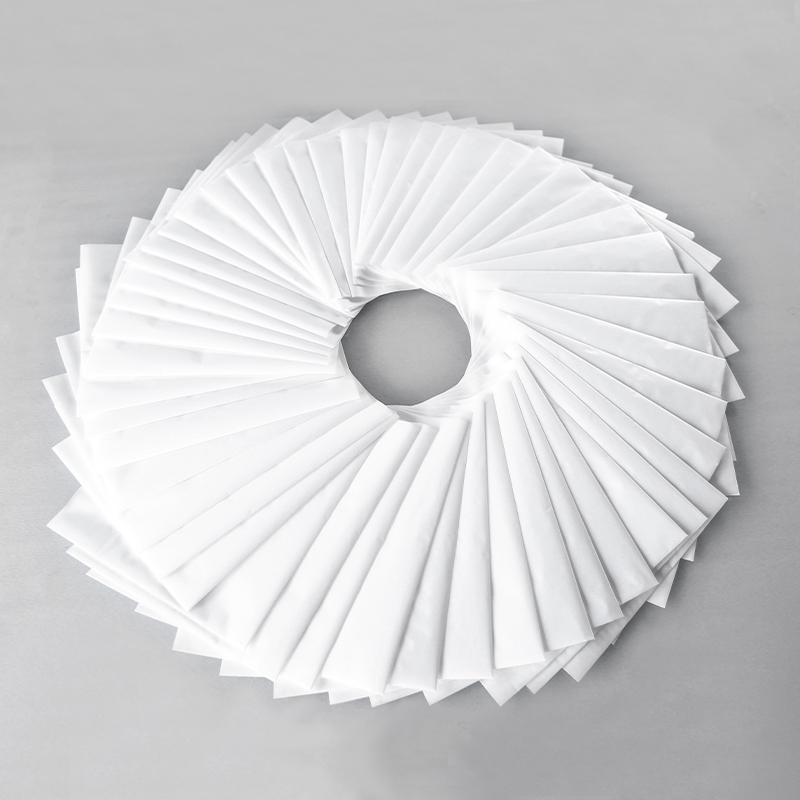
Folded Baking Paper Sheets, also known as Non Stick Baking Paper Sheets, are made from wood pulp and coated on both sides with a food-safe silicone layer. This coating gives the paper a smooth, grease...
See Details -
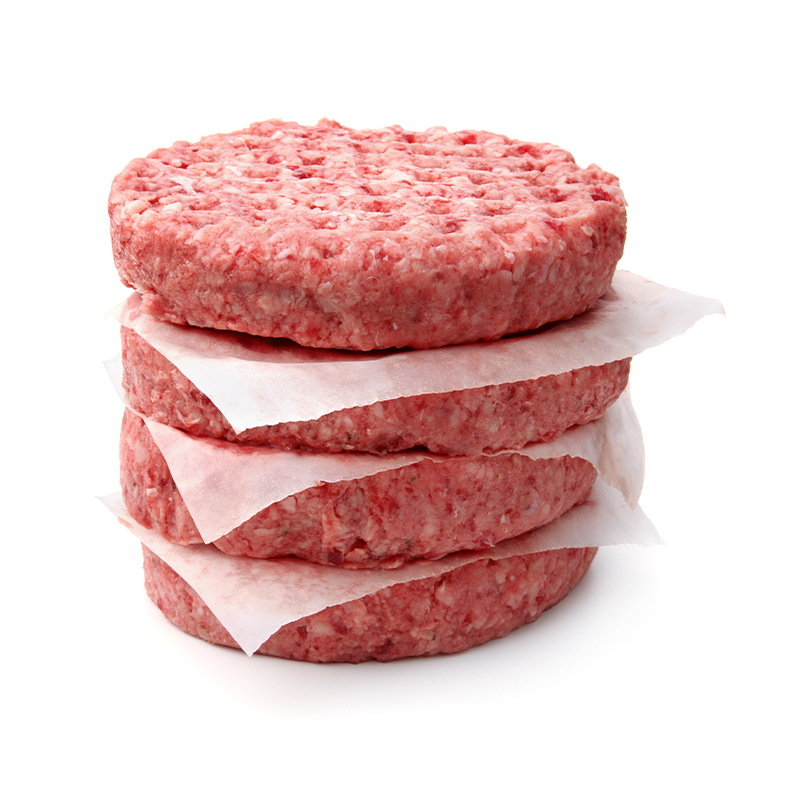
Description: Wax paper is the paper that is coated with food-grade wax in order to make it non-stick and waterproof. wax paper is very good for food storing and presentingMade of food-grade paper and ...
See Details -
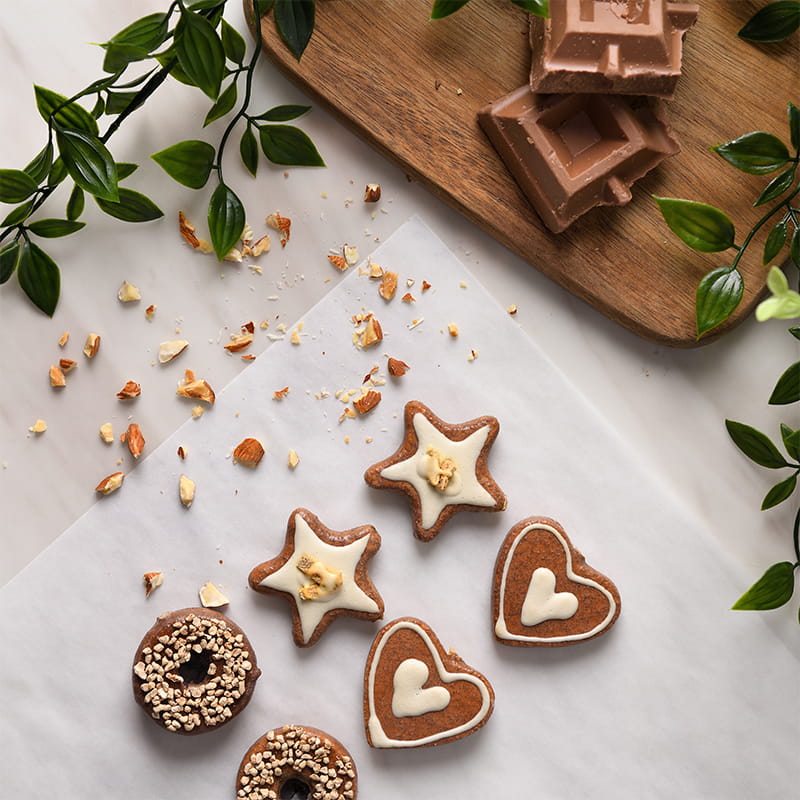
Product Features: 1. Virgin wood pulp 2. Double sides food grade silicone-treated 3. Fluorine-free 4. Non-stick 5. Oven/Microwave safe 6. Freezer safe 7. Reusable 8. BPA f...
See Details -
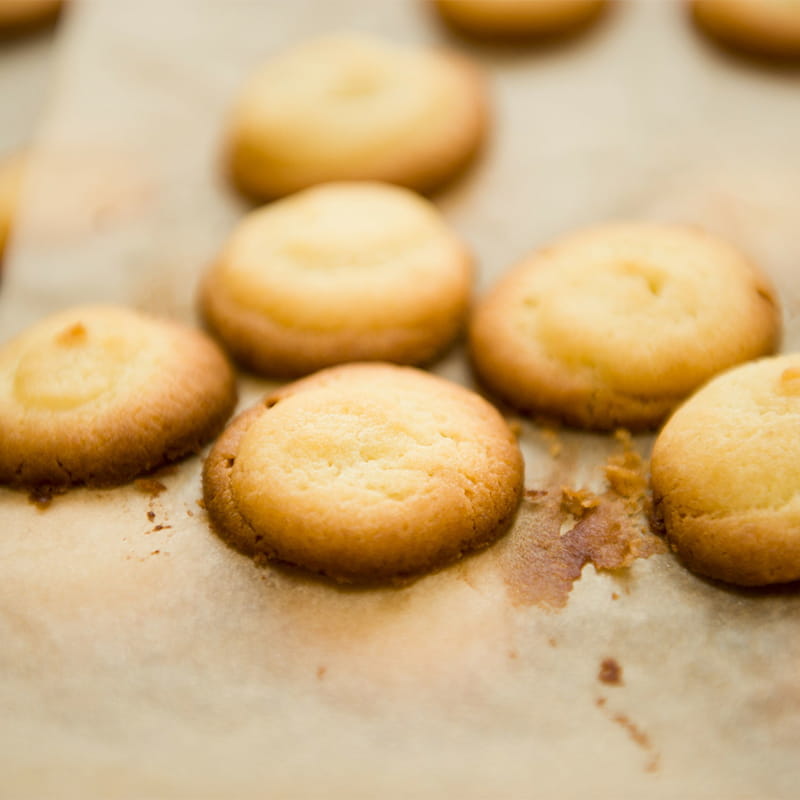
Product Features: 1. Virgin wood pulp 2. Natural unbleached brown color 3. Double sides food grade silicone-treated 4. Fluorine-free 5. Non-stick 6. Oven/Microwave safe 7. Fre...
See Details -
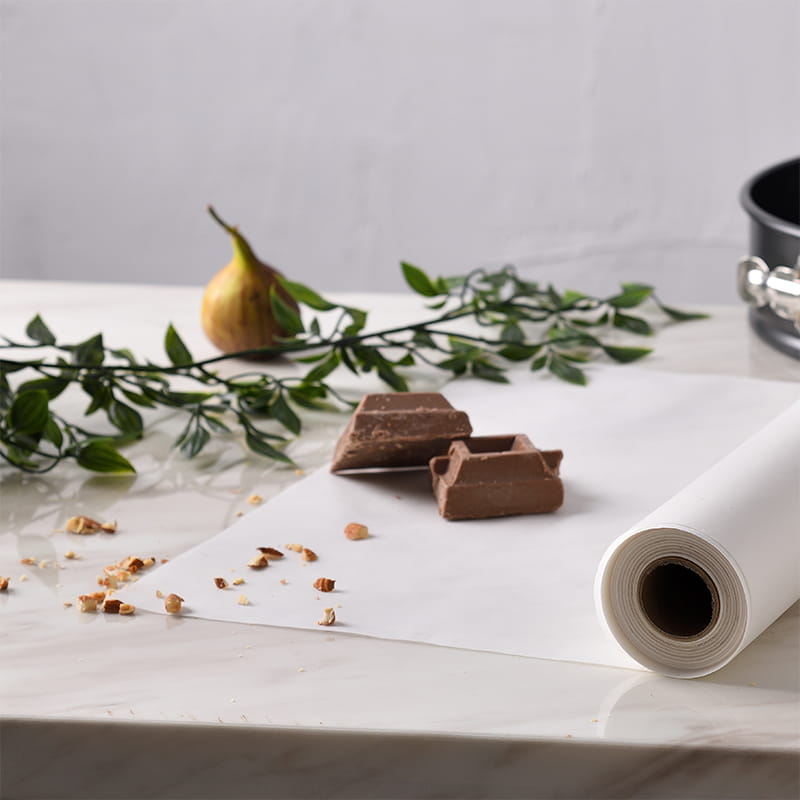
Product Features: 1. Virgin wood pulp 2. Double sides food grade silicone treated 3. Fluorine-free 4. Non-stick 5. Oven/Microwave safe 6. Freezer safe 7. Reusable 8. BPA ...
See Details -
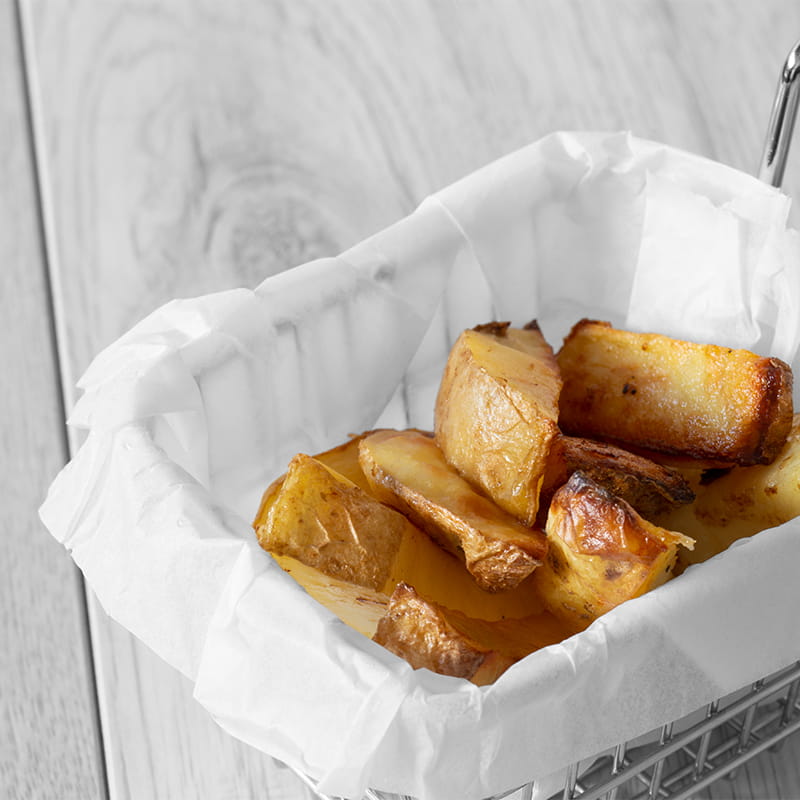
Product Features: 1. Virgin wood pulp 2. Fluorine-free 3. BPA free 4. Biodegradable Product Details: In an era where environmental consciousness and sustainability are paramount, Natu...
See Details -
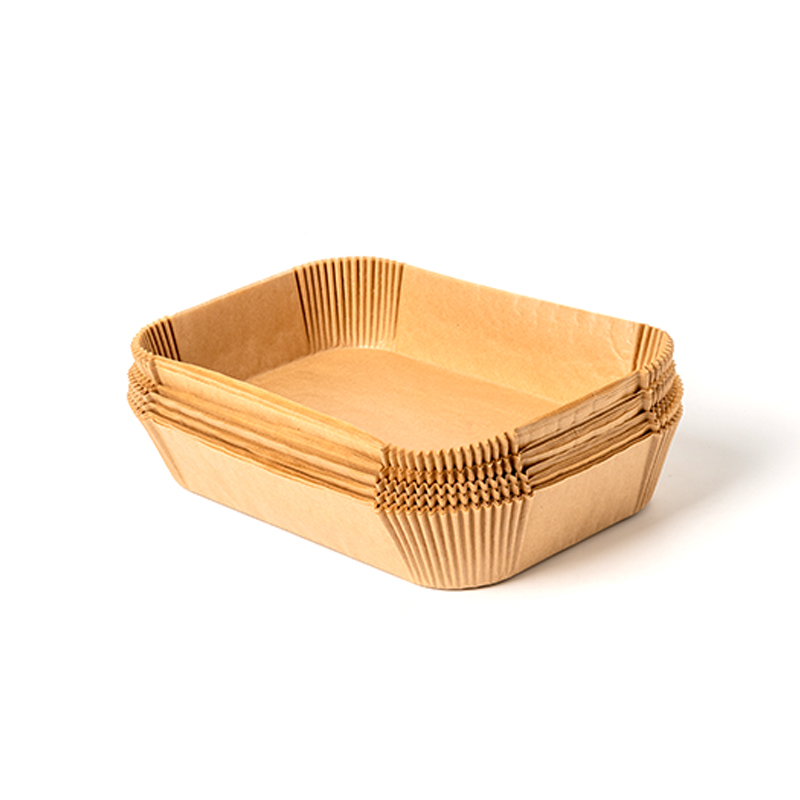
Product Features: 1. Virgin wood pulp 2. Double sides food grade silicone-treated 3. Fluorine-free 4. Non-stick 5. Air fryer basket safe 6. Reusable 7. BPA free 8. Biodeg...
See Details -
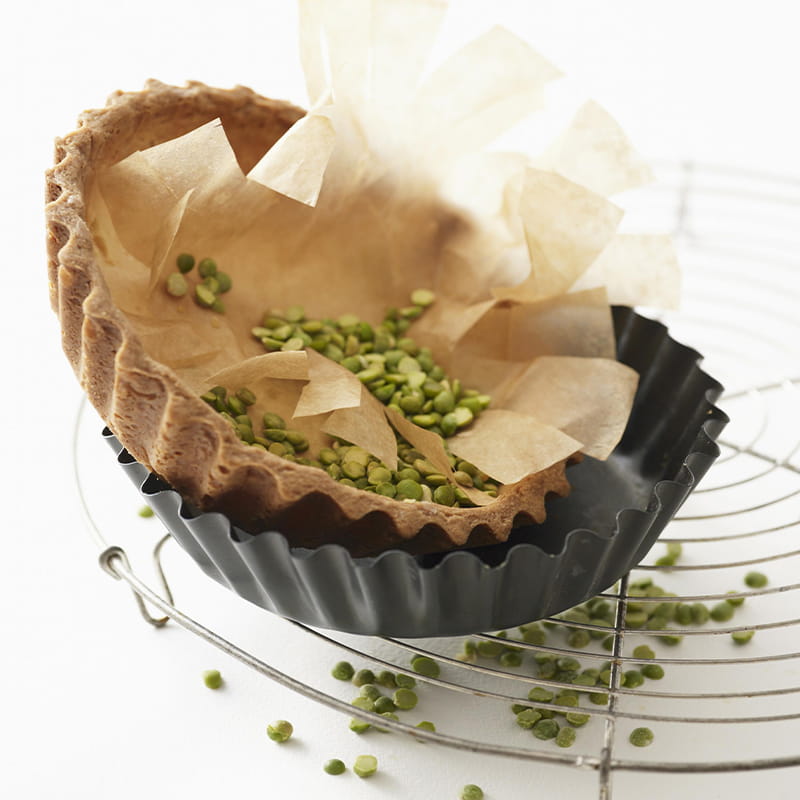
Product Features: 1. Virgin wood pulp 2. Natural unbleached brown color 3. Fluorine-free 4. BPA free 5. Biodegradable Product Details: Introducing our Unbleached Brown Food Grade ...
See Details -
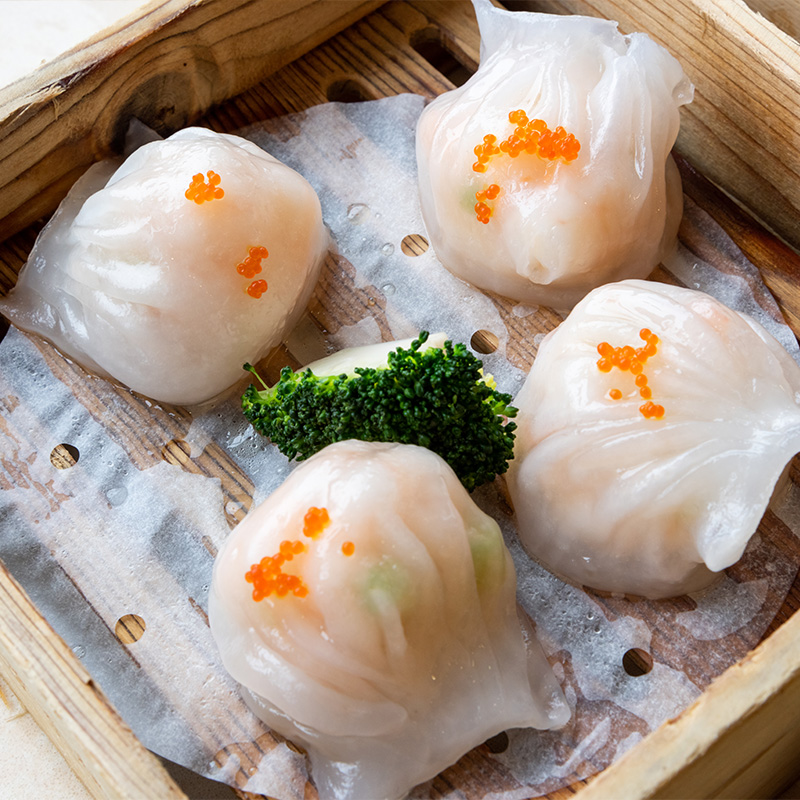
Product Features: 1. Virgin wood pulp 2. Double sides food grade silicone treated 3. Fluorine-free 4. Non-stick 5. Steamer/air fryer basket safe 6. Reusable 7. BPA free 8...
See Details -
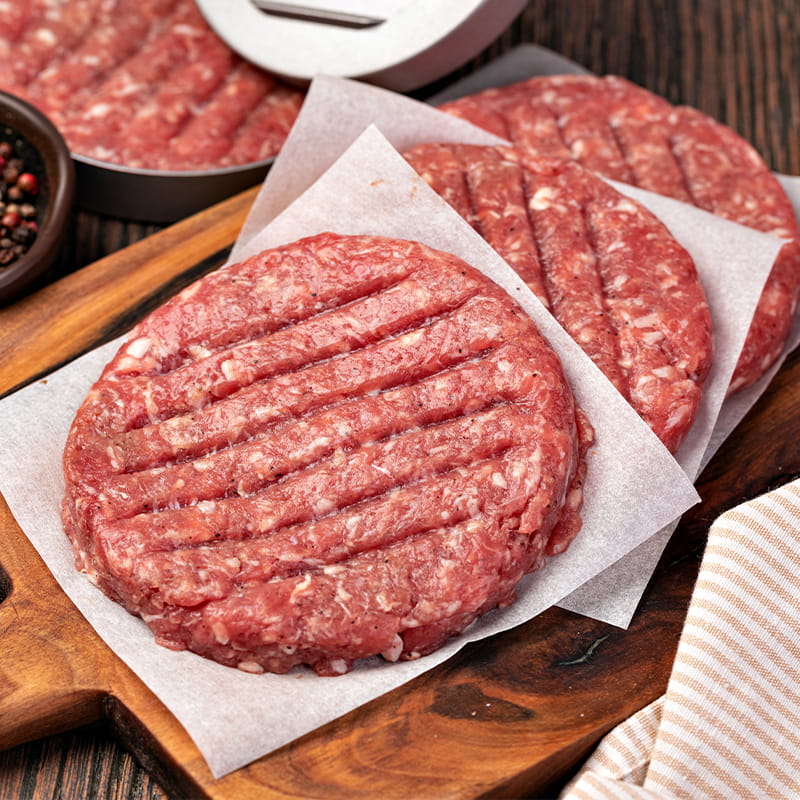
Product Features: 1. Virgin wood pulp 2. Double sides food grade silicone treated 3. Fluorine-free 4. Non-stick 5. Easy to separate 6. Reusable 7. BPA free 8. Biodegradab...
See Details -
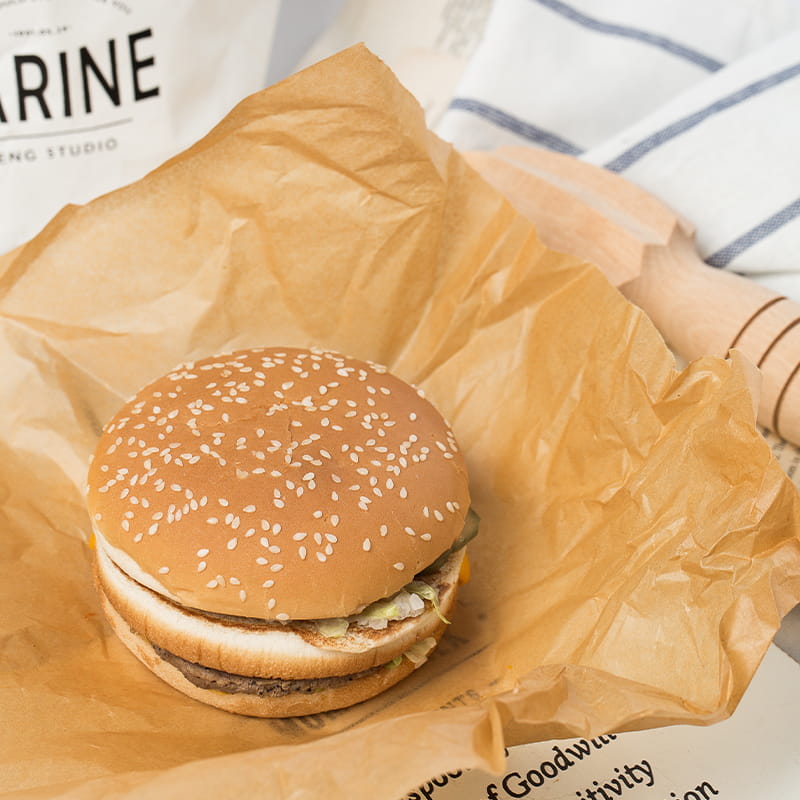
Product Features 1. Virgin wood pulp 2. Flexographic printing 3. Eco-friendly water-based ink 4. BPA free Product Details: Introducing our premium Greaseproof Sandwich Paper Sheets, a...
See Details

Professional Baking Parchment Paper Manufacturer in China with more than 15 years silicone coating experience.
Products
Contact Us
- No.10 Longyin Road, Chengnan Industrial Park,Longyou, Quzhou, China.
- +86-18968091013 / +86-571-88639705
- Avayao-1990@hotmail.com
Copyright © Zhejiang Guanghe New Materials Co., Ltd. All Rights Reserved.
Parchment Paper & Baking Paper Sheets Manufacturer
