 English
 中文简体
中文简体
Pre Cut Baking Paper Sheets are made from wood pulp and coated on both sides with a food-safe silicone layer. This coating gives the paper a smooth, greaseproof, and moisture-resistant surface that su...
See DetailsSilicone Baking Mats vs Parchment Paper: Which Is Better?
The question of which baking surface to use seems minor until you pull a batch of cookies off a pan and half of them have stuck, scorched on the bottom, or come out with a texture that was not what you intended. Baking surfaces affect heat transfer, moisture behavior, browning, and release — and the difference between a silicone mat and Parchment Paper is not simply a matter of preference. Parchment Paper has been a kitchen standard across home and professional baking for a long time, and silicone mats have positioned themselves as a reusable alternative with their own set of performance characteristics. Whether one or the other is right for a given application depends on what the baking task actually requires — and on understanding where the performance of each material diverges in ways that affect real baking outcomes.
What Each Material Is and How It Works
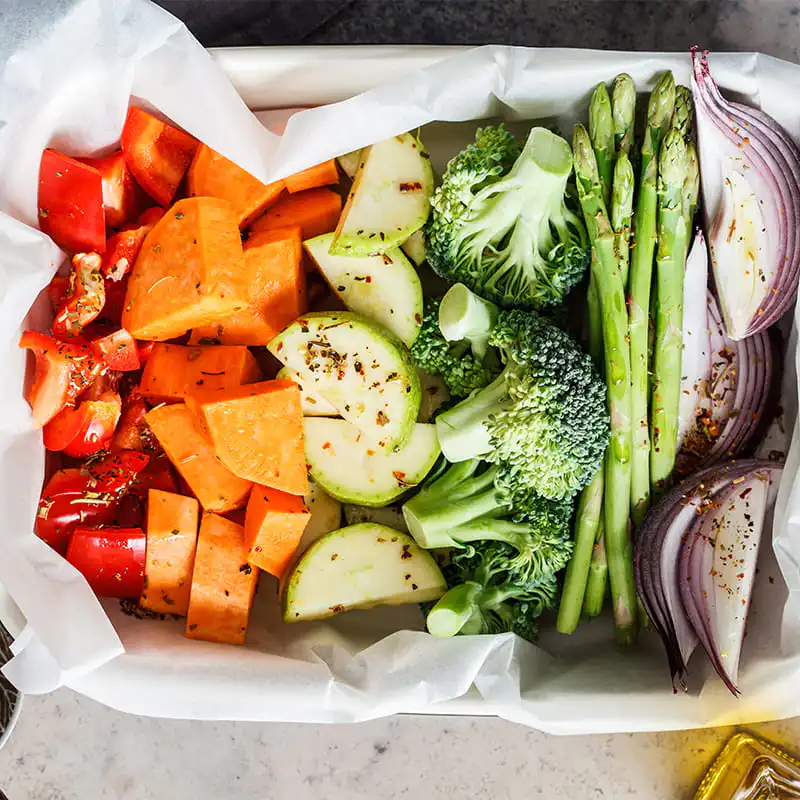
Parchment Paper Is a Treated Cellulose Product With a Silicone Coating
Parchment Paper is cellulose paper that has been treated to create a heat-resistant, moisture-resistant surface. The non-stick property comes from a silicone coating applied to the surface of the paper, which prevents dough, batter, and other foods from bonding directly to the paper surface. It is a disposable product — used once (or sometimes twice for lower-intensity tasks) and discarded.
It is sold in rolls, flat sheets, and pre-cut forms sized for standard baking pans. The flat sheet format is particularly useful for lining cake tins and loaf pans cleanly, without the curling edges that can occur with roll-cut paper.
Silicone Baking Mats Are Reusable Fiberglass-Reinforced Silicone Sheets
A silicone baking mat is a food-grade silicone sheet reinforced with a fiberglass mesh layer. The silicone provides the non-stick and heat-resistant properties; the fiberglass mesh adds structural stability and prevents stretching or distortion under heat. The mat is placed flat on the baking pan and removed after baking, washed, and reused across many baking sessions.
The mat's heat distribution is affected by the thickness and the thermal conductivity of the silicone and fiberglass layers. These materials conduct heat somewhat differently from bare metal, which has measurable effects on how food bakes — particularly on browning characteristics at the bottom of baked goods.
Non-Stick Performance: How Do They Compare?
Both Release Food Effectively, but in Different Ways
Both materials prevent food from sticking to the pan surface, but the mechanism and practical experience differ.
Parchment Paper's silicone coating provides a clean, dry release surface. When food is removed, it typically lifts away cleanly, with no residue on either the food or the paper. The paper does not interact with the food chemically during baking — it simply prevents contact between the food and the metal pan beneath.
Silicone mats also release food cleanly, but the surface behaves slightly differently. Delicate items — thin cookies, fragile pastry wafers, intricate chocolate work — sometimes release more easily from Parchment Paper because the paper can be peeled away from the food rather than requiring the food to be lifted off the mat surface. Silicone mats, being rigid and heavier, stay on the pan while the food is removed, which requires more careful handling with fragile items.
For stickier preparations — caramel, nougat, pulled sugar work, or candy-making tasks — Parchment Paper is often the preferred surface because the paper can be folded or cut to fit the preparation and peeled away from all sides, which silicone mats cannot accommodate in the same way.
Heat Transfer and Browning: Where the Difference Becomes Visible
Silicone Mats Insulate, Parchment Paper Does Not
This is the performance difference that has the greatest practical impact on baking outcomes. Silicone and fiberglass are less thermally conductive than bare metal. A silicone mat placed between the food and the baking pan creates an insulating layer that slows the transfer of heat to the bottom surface of whatever is being baked.
The result:
- Foods baked on silicone mats tend to have lighter, paler bottoms than the same foods baked on Parchment Paper at the same temperature and time
- Crispy-bottomed items — thin cookies, shortbread, biscuits — often produce a crisper result on Parchment Paper because the bottom surface receives more direct heat
- Soft, chewy cookies may actually benefit from the slight insulation of a silicone mat, which moderates the bottom heat and keeps the cookie softer through the bake
- Breads and focaccia that require a firm, well-browned crust on the bottom typically perform better on Parchment Paper placed directly on a hot baking surface
Understanding this distinction prevents the common disappointment of switching from Parchment Paper to a silicone mat and finding that baked goods no longer brown the same way. The recipe and the outcome are the same — but the heat delivery to the food's contact surface is different.
Temperature Limits and Safety
Both Materials Have Heat Boundaries That Should Not Be Ignored
Parchment Paper:Parchment Paper is heat-resistant up to a moderate oven temperature range. Beyond that range, the paper can begin to dry out, darken, and at high temperatures, char or smoke. It should not be used in broiling conditions, under a direct grill element, or in ovens set substantially above typical baking temperatures. Pre-heating an empty pan with Parchment Paper on it — common in some pizza and bread techniques — can push the paper past its safe temperature if the oven is set high.
Pre-cut parchment that extends beyond the edges of the pan can also catch heat more aggressively at the overhanging edges, which is why flat-cut paper sized to the pan is preferable in high-temperature applications.
Silicone baking mats:Food-grade silicone is heat-resistant across a wider temperature range than Parchment Paper and is stable at higher oven temperatures. It does not char or produce combustion byproducts at normal baking temperatures. However, it should not be used under a broiler or in contact with an open flame. Placing a silicone mat directly on the bottom of an oven rather than on a pan can cause it to overheat against the heating element.
Silicone does not transmit the same visual cues as Parchment Paper when it is approaching its limits. Parchment Paper darkens noticeably before it becomes a safety issue; silicone continues to look normal while approaching its degradation temperature.
Moisture and Baking Environment
How Does Each Surface Handle Steam and Humidity During Baking?
Parchment Paper allows some moisture vapor to pass through and around it. The paper itself is not fully impermeable, and because the food is not completely sealed against the surface, steam can escape from the contact surface during baking. This contributes to drier, crispier surfaces on foods that generate steam during cooking — roasted vegetables, for example, or pastry items where crispness is a desired outcome.
Silicone mats, being non-porous and more closely conforming to the pan surface beneath them, create a slightly more sealed environment at the food-surface interface. For some foods, this can contribute to softer bottoms and slightly more retained moisture at the contact surface.
For foods that benefit from a dry, crisp environment — anything that should have a crackling crust or a dry bottom — Parchment Paper often performs better. For foods where softness and even moisture retention are desirable, the silicone mat environment can be an advantage.
Reusability and Long-Term Cost
Is the Higher Initial Cost of a Silicone Mat Justified Over Time?
The cost equation between Parchment Paper and silicone mats plays out differently depending on how frequently baking happens and how the mats are maintained.
Silicone mats:
- Higher upfront investment but reusable across many sessions
- Require washing after each use — they can absorb oils over time if not cleaned thoroughly, which gradually affects non-stick performance
- Well-maintained mats can remain functional for a considerable number of baking sessions before performance noticeably degrades
- The break-even point against Parchment Paper occurs at a volume of baking sessions that varies with how much Parchment Paper would otherwise be used per session
Parchment Paper:
- Low cost per use but generates waste
- Convenience of disposal — no washing or storage concerns
- Can sometimes be reused for a second low-intensity baking session if not soiled or damaged
- Sheet rolls or pre-cut sheets can be stored compactly without any post-use care
For high-volume baking operations or households that bake regularly, silicone mats offer a cost reduction over time. For occasional bakers, or for tasks that genuinely require single-use behavior (candy work, heavily soiled preparations), Parchment Paper is the straightforward practical choice.
Environmental Considerations
Which Option Creates Less Waste?
This is genuinely context-dependent. Silicone mats eliminate the ongoing waste stream of disposable paper, which has an environmental value for regular bakers. However, silicone itself is not readily biodegradable and is more difficult to recycle than paper at end-of-life. The environmental calculus depends on how long the mat lasts and how Parchment Paper is produced — unbleached Parchment Paper has a lower chemical processing impact than bleached versions.
For bakers who prioritize reducing ongoing single-use waste, a durable silicone mat used consistently over many sessions represents a clear reduction in material throughput. For those focused on end-of-life material impact, the picture is less straightforward.
Side-by-Side Comparison Across Key Dimensions
A practical comparison of how the two surfaces perform across the dimensions relevant to baking decisions:
| Dimension | Parchment Paper | Silicone Baking Mat |
|---|---|---|
| Non-stick performance | Strong, clean release | Strong, suits a wide range of applications |
| Bottom browning | More direct, better crisping | Lighter, more insulated |
| Heat tolerance | Moderate range | Wider range |
| Broiler/high-heat safe | No | No |
| Moisture handling | More permeable | Less permeable |
| Reusability | Single use (sometimes twice) | Many uses with proper care |
| Post-use cleaning | Discard | Wash and dry |
| Cost per session | Low upfront, ongoing spend | Higher upfront, reduces over time |
| Fragile item handling | Peel-away advantage | Lift-off required |
| Environmental impact | Ongoing waste | Lower ongoing waste, harder to recycle |
Matching the Material to the Baking Task
When Does Each Surface Outperform the Other in Specific Applications?
Choose Parchment Paper when:
- Crispy, well-browned bottoms are the target outcome (shortbread, thin cookies, biscotti, puff pastry)
- Working with sticky preparations that need to be peeled away from all sides (candy, caramel, pulled sugar)
- Lining cake tins, loaf pans, or other shaped vessels where a silicone mat cannot conform to the shape
- Baking at high temperatures close to the silicone mat's comfort zone
- Working with foods that produce heavy moisture and benefit from a more permeable surface
- Convenience and quick cleanup outweigh reusability concerns
Choose a silicone baking mat when:
- Soft, chewy cookies with pale bottoms are the desired result
- Macarons or other delicate items that benefit from even, moderate bottom heat
- Regular baking where the long-term reusability economics are favorable
- Rolling out pastry or working with dough directly on the surface (some silicone mats double as work surfaces)
- Reducing single-use waste is a priority for the kitchen
When either works equally well:
- General-purpose roasting where bottom texture is not the defining quality criterion
- Sheet pan vegetables where browning on the food's upper surface matters more than the bottom
- Cookie baking where soft-bottom and even texture are both acceptable outcomes
Sourcing Parchment Paper for Commercial and Wholesale Baking Use
Understanding the performance differences between these two surfaces changes purchasing decisions for anyone running a commercial kitchen, bakery, food production facility, or retail baking supply business. Parchment Paper is not a generic commodity — the coating weight, paper density, sheet dimensions, and temperature rating vary across products and affect real baking outcomes. For buyers sourcing Parchment Paper in volume — for wholesale supply programs, private label development, or institutional kitchen procurement — Zhejiang Guanghe New Materials Co., Ltd. manufactures Parchment Paper products across a range of specifications including roll widths, sheet sizes, and coating formulations suited to both professional and consumer baking applications. Reaching out to discuss product specifications, order volumes, or custom configuration requirements is the productive next step for buyers building a reliable supply program for baking paper products.
Related Products
-
-
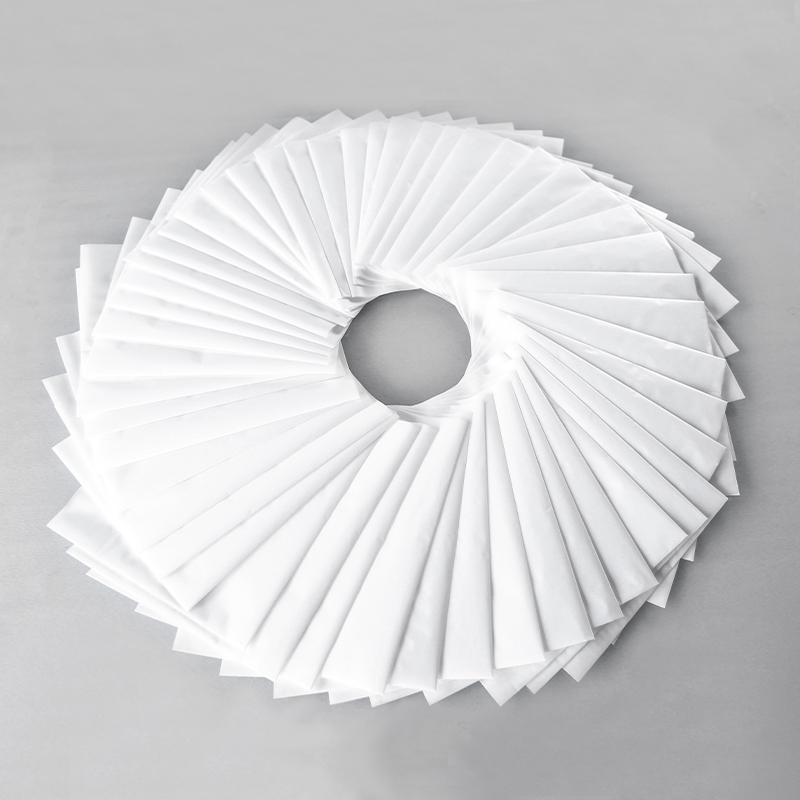
Folded Baking Paper Sheets, also known as Non Stick Baking Paper Sheets, are made from wood pulp and coated on both sides with a food-safe silicone layer. This coating gives the paper a smooth, grease...
See Details -
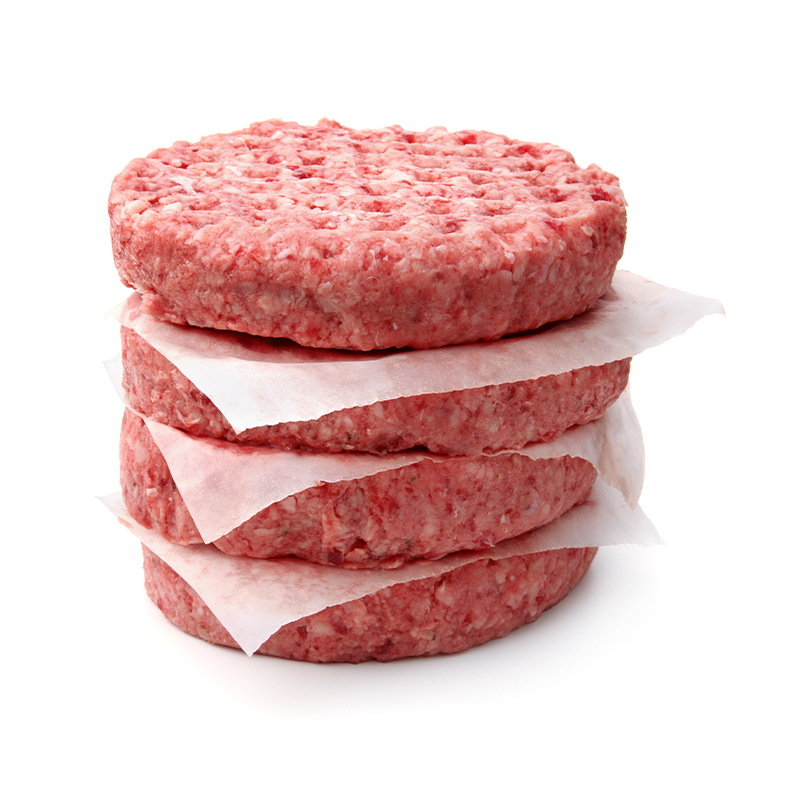
Description: Wax paper is the paper that is coated with food-grade wax in order to make it non-stick and waterproof. wax paper is very good for food storing and presentingMade of food-grade paper and ...
See Details -
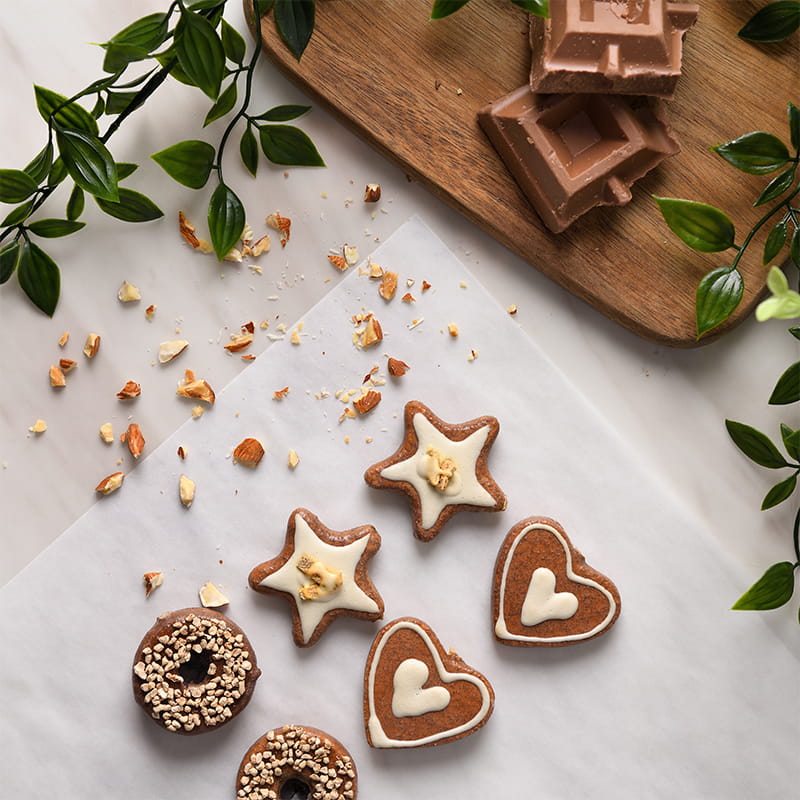
Product Features: 1. Virgin wood pulp 2. Double sides food grade silicone-treated 3. Fluorine-free 4. Non-stick 5. Oven/Microwave safe 6. Freezer safe 7. Reusable 8. BPA f...
See Details -
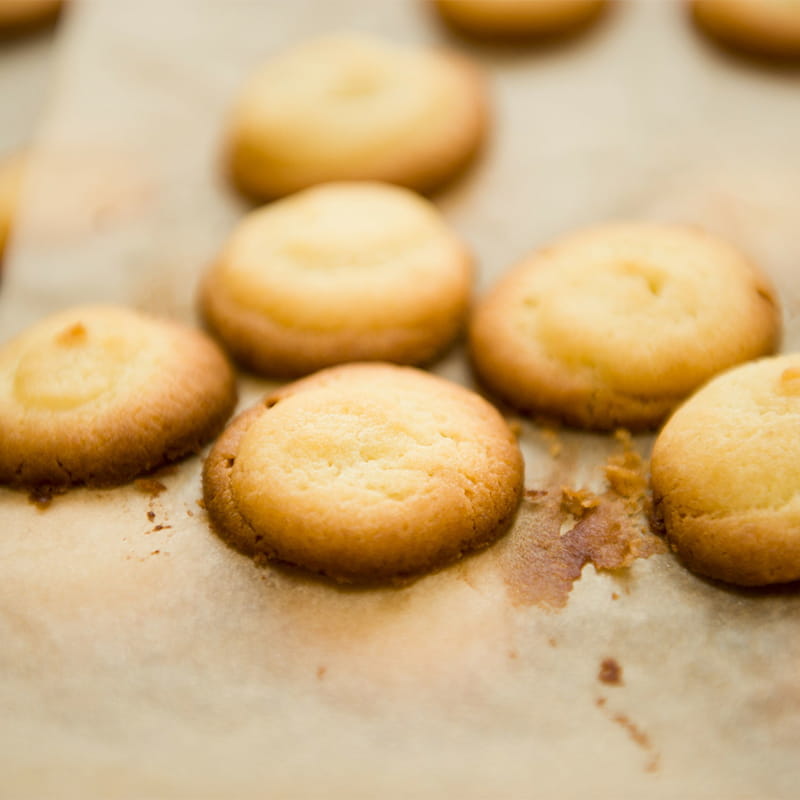
Product Features: 1. Virgin wood pulp 2. Natural unbleached brown color 3. Double sides food grade silicone-treated 4. Fluorine-free 5. Non-stick 6. Oven/Microwave safe 7. Fre...
See Details -
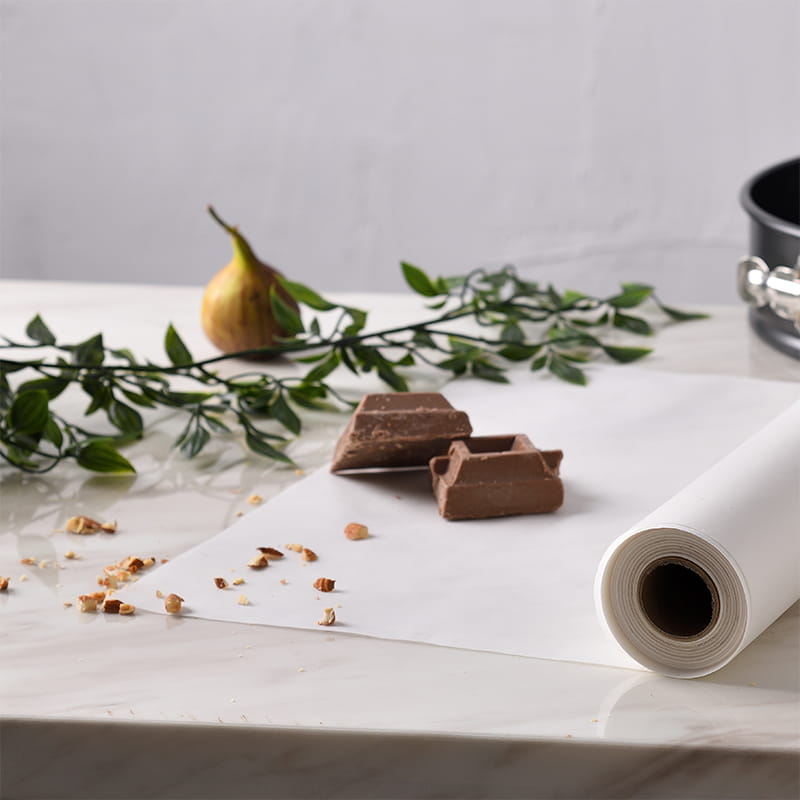
Product Features: 1. Virgin wood pulp 2. Double sides food grade silicone treated 3. Fluorine-free 4. Non-stick 5. Oven/Microwave safe 6. Freezer safe 7. Reusable 8. BPA ...
See Details -
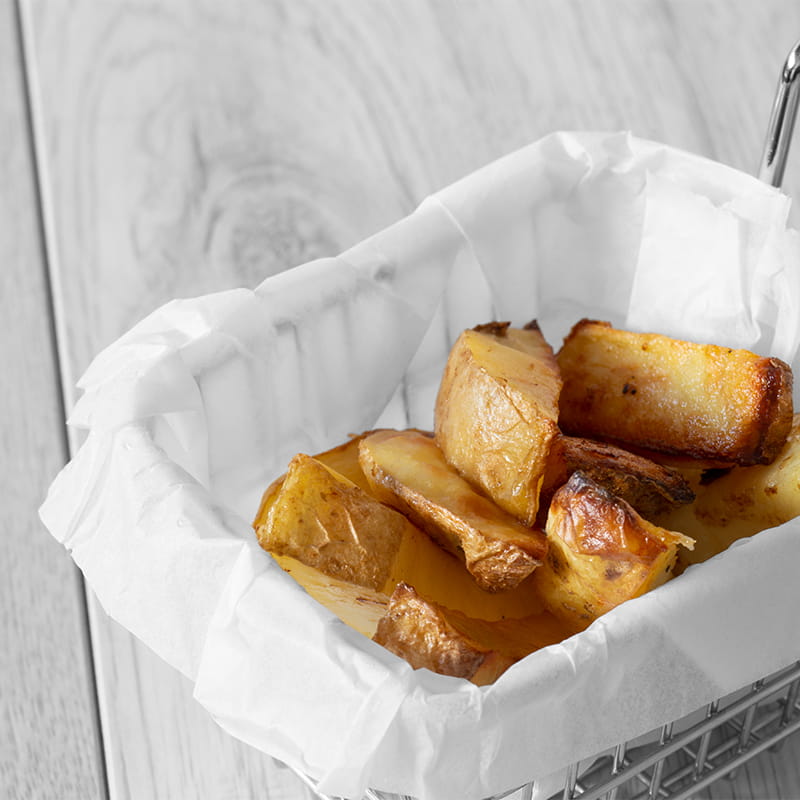
Product Features: 1. Virgin wood pulp 2. Fluorine-free 3. BPA free 4. Biodegradable Product Details: In an era where environmental consciousness and sustainability are paramount, Natu...
See Details -
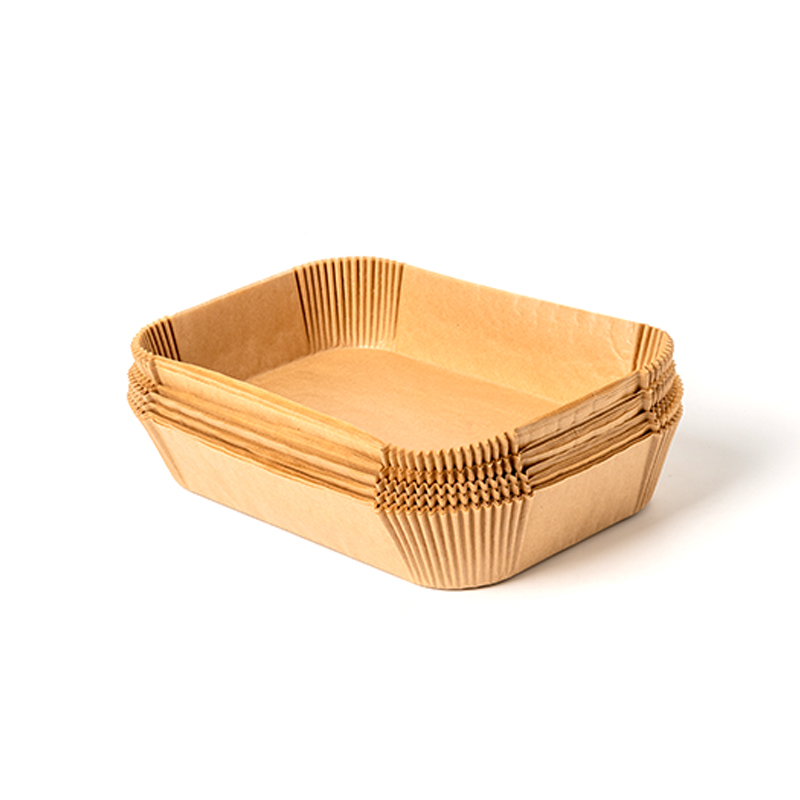
Product Features: 1. Virgin wood pulp 2. Double sides food grade silicone-treated 3. Fluorine-free 4. Non-stick 5. Air fryer basket safe 6. Reusable 7. BPA free 8. Biodeg...
See Details -
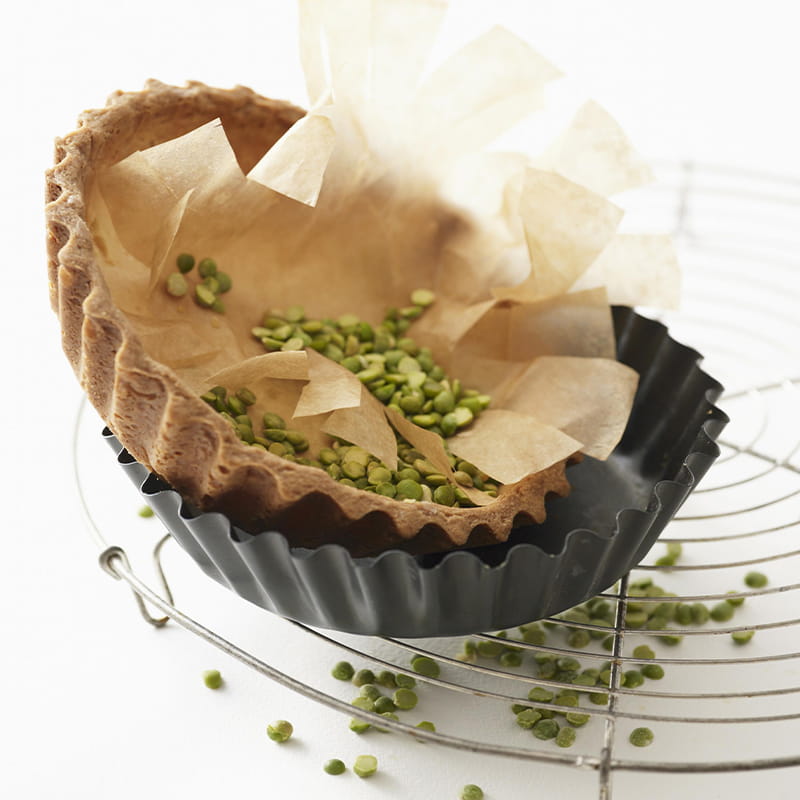
Product Features: 1. Virgin wood pulp 2. Natural unbleached brown color 3. Fluorine-free 4. BPA free 5. Biodegradable Product Details: Introducing our Unbleached Brown Food Grade ...
See Details -
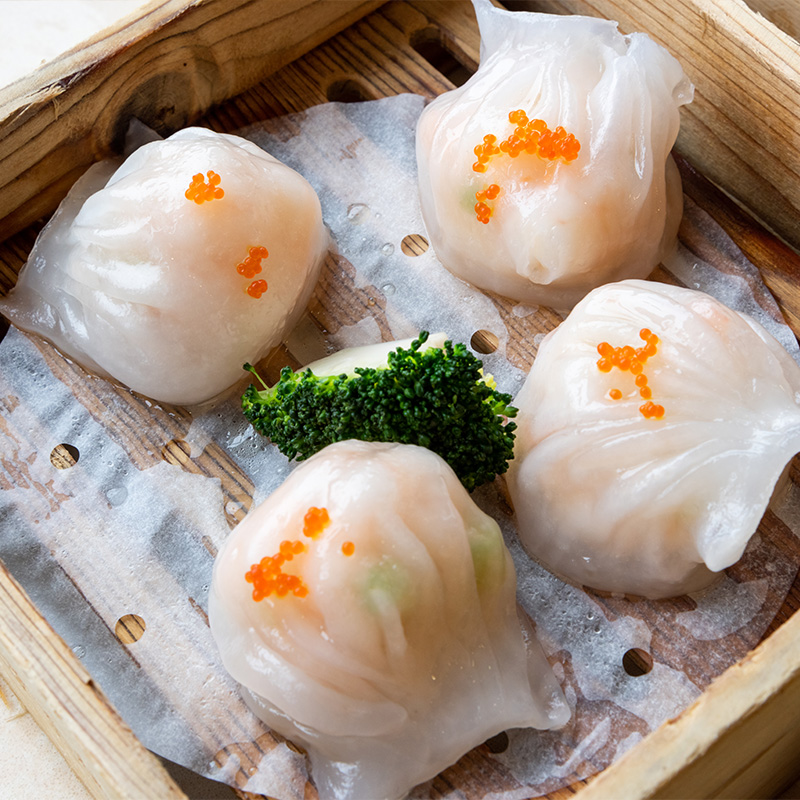
Product Features: 1. Virgin wood pulp 2. Double sides food grade silicone treated 3. Fluorine-free 4. Non-stick 5. Steamer/air fryer basket safe 6. Reusable 7. BPA free 8...
See Details -
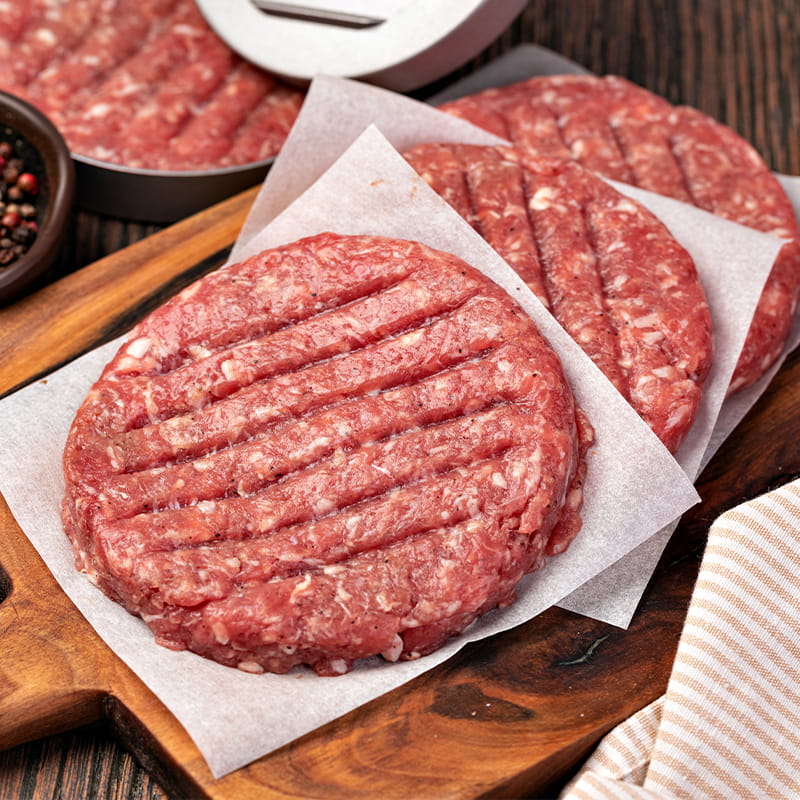
Product Features: 1. Virgin wood pulp 2. Double sides food grade silicone treated 3. Fluorine-free 4. Non-stick 5. Easy to separate 6. Reusable 7. BPA free 8. Biodegradab...
See Details -
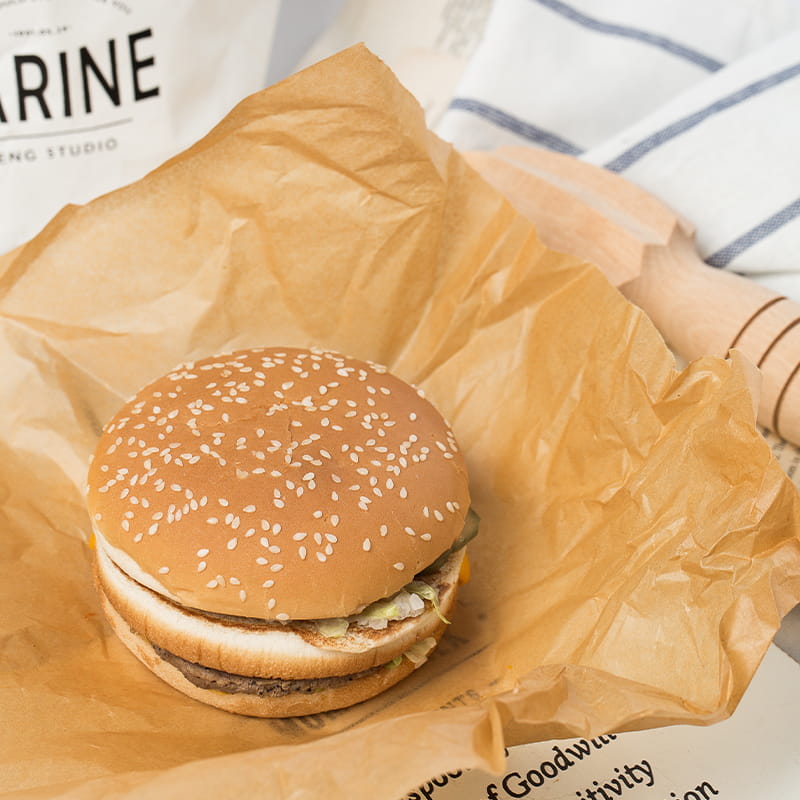
Product Features 1. Virgin wood pulp 2. Flexographic printing 3. Eco-friendly water-based ink 4. BPA free Product Details: Introducing our premium Greaseproof Sandwich Paper Sheets, a...
See Details

Professional Baking Parchment Paper Manufacturer in China with more than 15 years silicone coating experience.
Products
Contact Us
- No.10 Longyin Road, Chengnan Industrial Park,Longyou, Quzhou, China.
- +86-18968091013 / +86-571-88639705
- Avayao-1990@hotmail.com
Copyright © Zhejiang Guanghe New Materials Co., Ltd. All Rights Reserved.
Parchment Paper & Baking Paper Sheets Manufacturer
