 English
 中文简体
中文简体
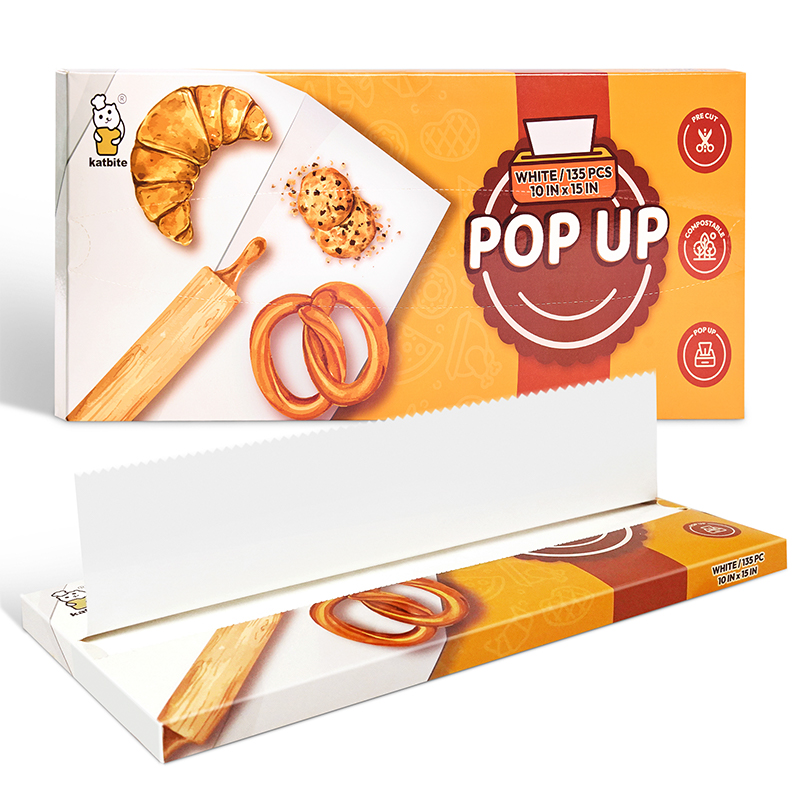
Product details: Pop-up parchment paper sheets, an environment-friendly product, are composed of wood pulp and are double-side coated with silicone. Such a coating makes our paper smooth, greasepr...
See DetailsHow Do You Pick Food Greaseproof Paper for Baking?
Baked goods stuck to the tray, cake layers that tear when lifted from the pan, grease bleeding through the paper used to wrap a sandwich — these are the kinds of small failures that accumulate in a kitchen or bakery when the wrong material is used for the job, or when the right material is used incorrectly. Food Greaseproof Paper is not a single product. It is a category that includes several distinct material types, each with different oil resistance, heat tolerance, and surface properties. Knowing which type suits which task, and how to apply it correctly in each context, makes a practical difference in both results and efficiency.
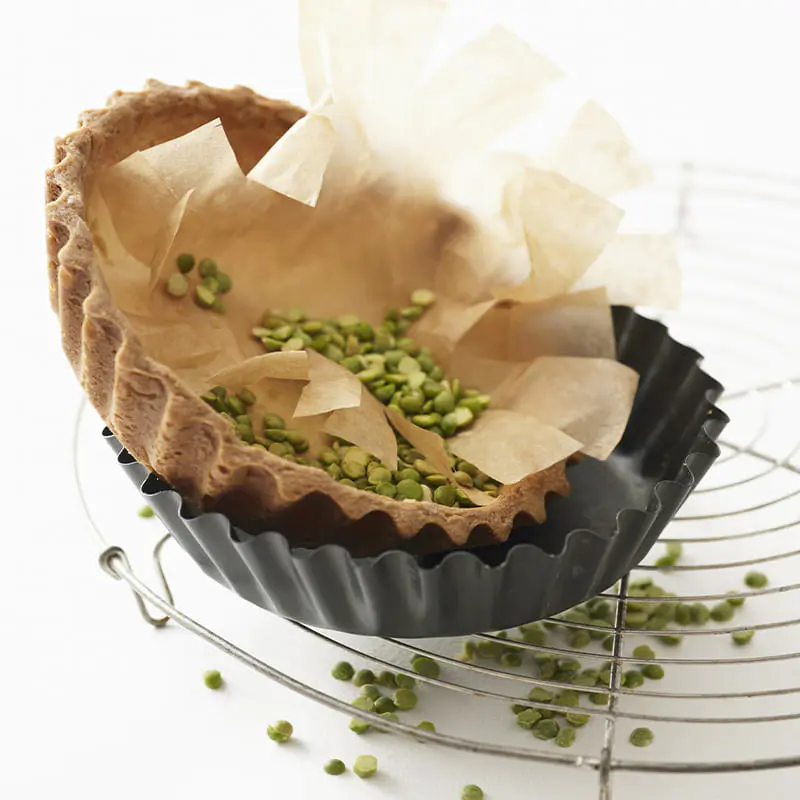
What Greaseproof Paper Is and How the Oil Resistance Works
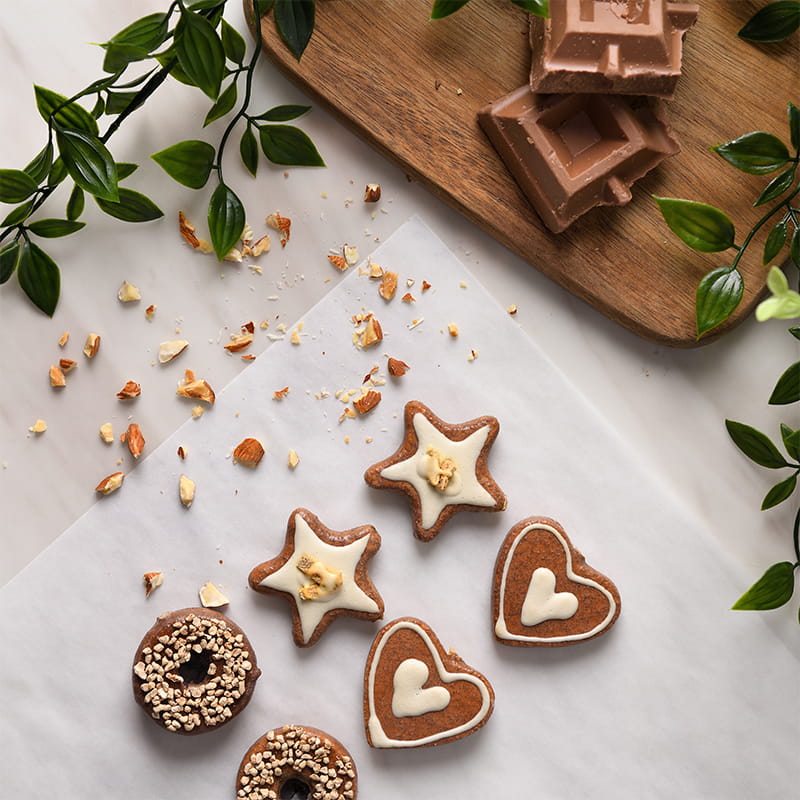
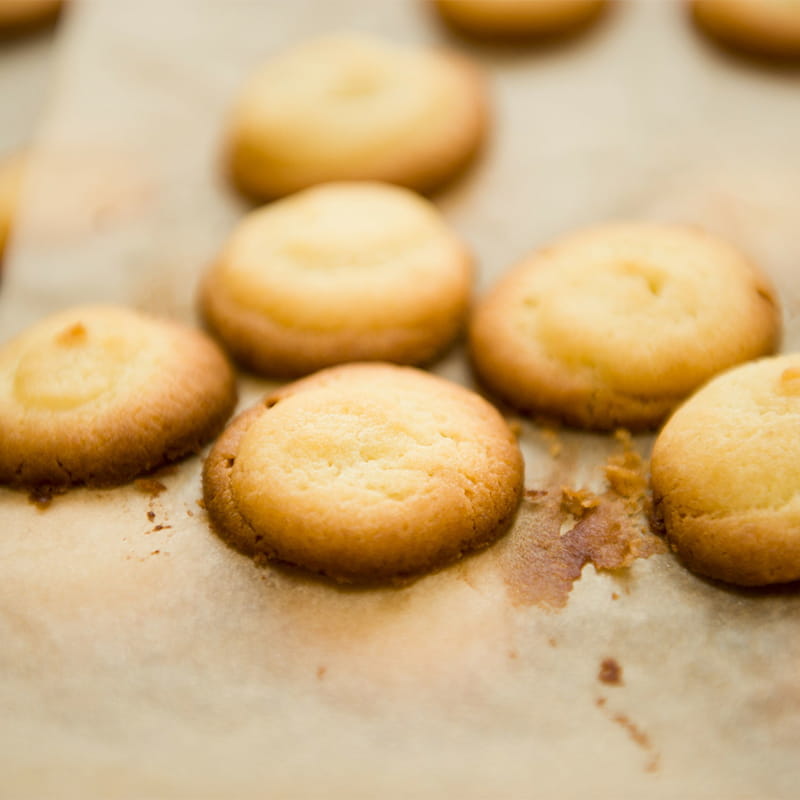
How to Use Greaseproof Paper for Baking Trays
Lining a baking tray is a frequent use of baking paper in home kitchens and commercial bakeries alike. Minor variations in technique can change how the paper performs during baking and its condition once the tray comes out of the oven.
For high-fat baked goods such as cookies or pastries, even a plain greaseproof paper will prevent sticking adequately. For items with lower fat content — breads, meringues, delicate biscuits — the silicone coating of a parchment sheet provides more reliable release.
Using Parchment Paper Cake Liners for Baked Goods
Round cake pans, loaf tins, and spring-form pans require a slightly different lining technique than flat baking sheets. The goal is to cover the base and, in many cases, the sides of the pan with paper that conforms to the pan's shape without creating folds that leave marks on the cake's surface.
For round cake pans:
Pre-cut Parchment Paper Cake Liners remove several of these steps. Round liners sized to standard pan diameters drop directly into the pan base. Pleated or foil-backed versions conform to the sides with minimal adjustment. For bakeries producing consistent product sizes at volume, the efficiency gain from pre-cut liners compared to cutting from a roll is meaningful across a full production day.
Oven Use: Temperature Limits and Safety
Guidelines for Oven Use
- Check the temperature rating on the packaging before use. This reflects the limit of the specific product's coating and substrate, not a generic standard.
- Keep paper away from direct exposure to heating elements, open flames, or grill burners. Even high-rated parchment paper is not designed for broiling or direct flame contact.
- Do not use waxed paper as a substitute for greaseproof or parchment paper in the oven. Waxed paper has a wax coating that melts and can smoke or ignite at oven temperatures.
- For very long baking times at elevated temperatures, check the paper partway through to confirm it is holding up correctly.
Using Greaseproof Paper for Food Wrapping and Packaging
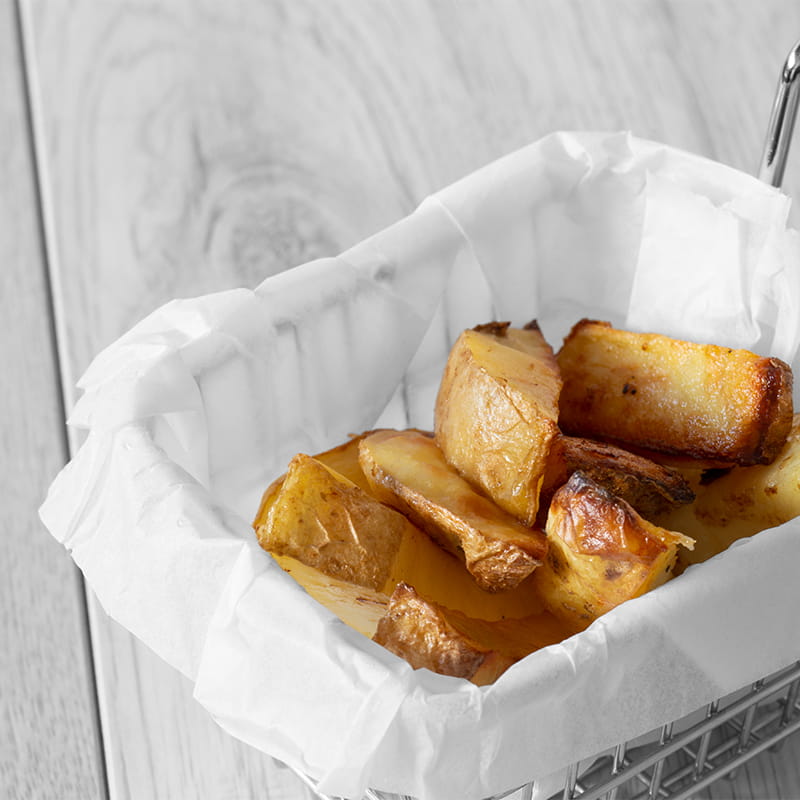
Food wrapping is a context where greaseproof paper's specific properties are genuinely useful rather than just convenient. The oil resistance that prevents grease migration through the paper makes it a practical choice for wrapping baked goods, sandwiches, pastries, and other fat-containing foods where moisture and oil management during transport and storage matter.
For food packaging at production scale, the choice between roll-form and pre-cut sheet formats affects workflow speed. A roll requires cutting at point of use, which takes time and produces inconsistent sizes. Pre-cut sheets — including Pop-Up Parchment Paper Sheets in dispenser formats — eliminate the cutting step and produce consistent wrapping sizes across every unit.
Understanding Pop-Up Parchment Paper Sheets
Pop-Up Parchment Paper Sheets are a format designed for high-throughput environments where speed of deployment matters more than cost per sheet. The sheets are interfolded in a dispenser box so that pulling out one sheet automatically presents the next — the same principle as facial tissue dispensing. This eliminates the need to separate individual sheets from a stack or unroll and cut from a roll.
The material of pop-up sheets varies by product — some are plain greaseproof, some are silicone coated. The format choice (pop-up versus roll versus flat sheet stack) is independent of the material choice; both decisions should be made based on the application's requirements.
Comparing the Main Types of Greaseproof and Baking Paper
The table reflects general category characteristics. Specific product performance within each category varies with the quality of the paper substrate, the coating process, and the coating weight applied.
Choosing the Right Paper for Different Baking Scenarios
The paper type that works in one baking context may underperform in another. Matching the paper to the application prevents both waste and baking failures.
Common Questions About Greaseproof Paper Use
Sourcing Greaseproof and Baking Paper at Scale
For bakeries, food manufacturers, and distributors sourcing paper products at volume, the evaluation criteria go beyond the individual sheet performance.
Key Supplier Evaluation Points
- Coating consistency: Silicone coating weight and distribution should be uniform across the sheet. Inconsistent coating produces uneven release and heat tolerance, which translates into product defects in baking production.
- Heat resistance certification: The temperature rating claimed by the supplier should be backed by testing documentation, not stated as a general figure without verification.
- Sheet size accuracy: Pre-cut sheets need to consistently hit the stated dimensions. Size variation in high-throughput production requires manual adjustment that eliminates the efficiency benefit of pre-cut formats.
- Food contact compliance: Paper in direct food contact should comply with the food safety regulations of the intended market — including migration limits and approved additive lists.
- Format availability: A supplier who offers roll, flat sheet, and pop-up formats provides flexibility to match the right format to different applications within the same operation without sourcing from multiple suppliers.
- Order quantity and delivery schedule:: For ongoing production requirements, realistic order volumes and consistent delivery windows matter as much as the product specification itself.
Getting the Paper Right Across Every Baking Application
Greaseproof paper works when it is matched correctly to the task. A plain Food Greaseproof Paper handles wrapping and low-heat tray lining without issue. A silicone coated parchment paper sheet handles the oven temperatures and release requirements of cake baking and pastry production without needing additional greasing. Pop-Up Parchment Paper Sheets add efficiency to high-throughput wrapping without changing the material's food contact properties. The format — roll, flat sheet, pre-cut liner, or pop-up dispenser — should be chosen based on workflow rather than habit. Understanding these distinctions removes the guesswork from both individual baking sessions and commercial sourcing decisions, and it prevents the small but consistent failures that come from using a material slightly outside its functional range.
Related Products
-
-
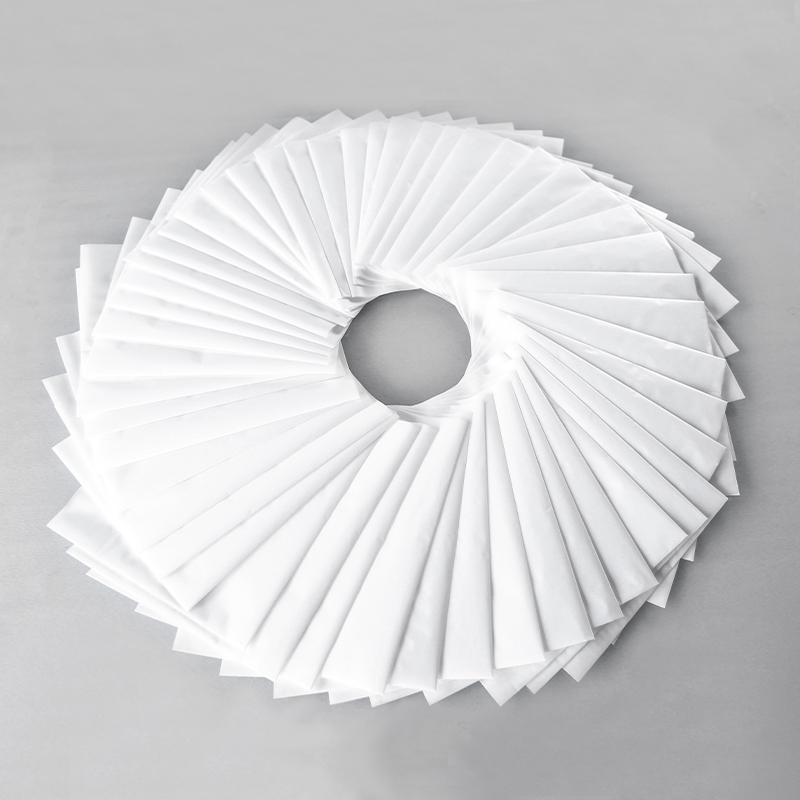
Product details: Folded baking paper sheets, an environment-friendly product, are composed of wood pulp and are double-side coated with silicone. Such a coating makes our paper smooth, greaseproof and...
See Details -
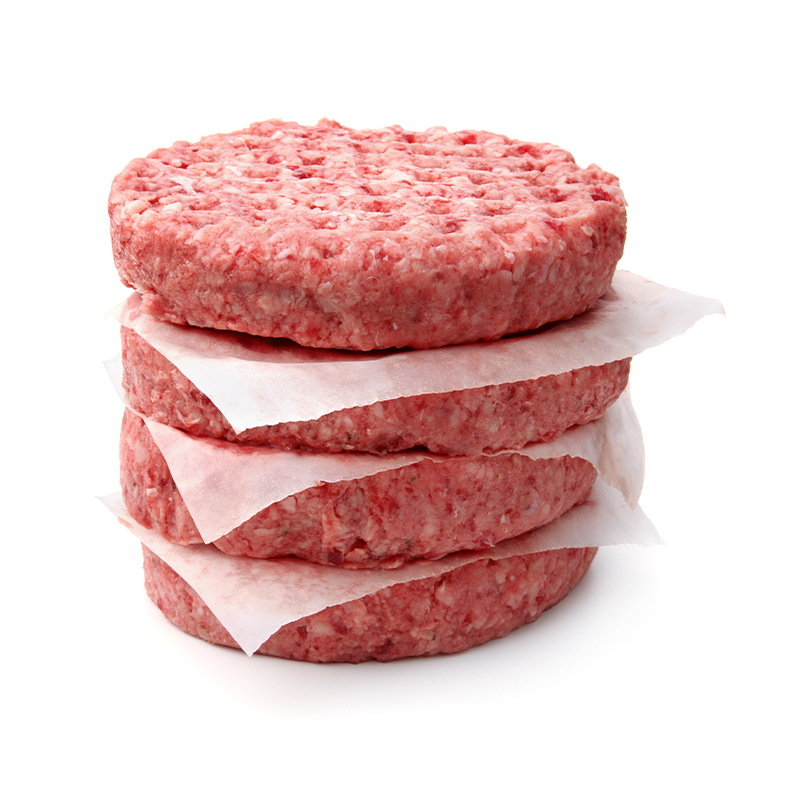
Description: Wax paper is the paper that is coated with food-grade wax in order to make it non-stick and waterproof. wax paper is very good for food storing and presentingMade of food-grade paper and ...
See Details -
Product Features: 1. Virgin wood pulp 2. Double sides food grade silicone-treated 3. Fluorine-free 4. Non-stick 5. Oven/Microwave safe 6. Freezer safe 7. Reusable 8. BPA f...
See Details -
Product Features: 1. Virgin wood pulp 2. Natural unbleached brown color 3. Double sides food grade silicone-treated 4. Fluorine-free 5. Non-stick 6. Oven/Microwave safe 7. Fre...
See Details -
Product Features: 1. Virgin wood pulp 2. Double sides food grade silicone treated 3. Fluorine-free 4. Non-stick 5. Oven/Microwave safe 6. Freezer safe 7. Reusable 8. BPA ...
See Details -
Product Features: 1. Virgin wood pulp 2. Fluorine-free 3. BPA free 4. Biodegradable Product Details: In an era where environmental consciousness and sustainability are paramount, Natu...
See Details -
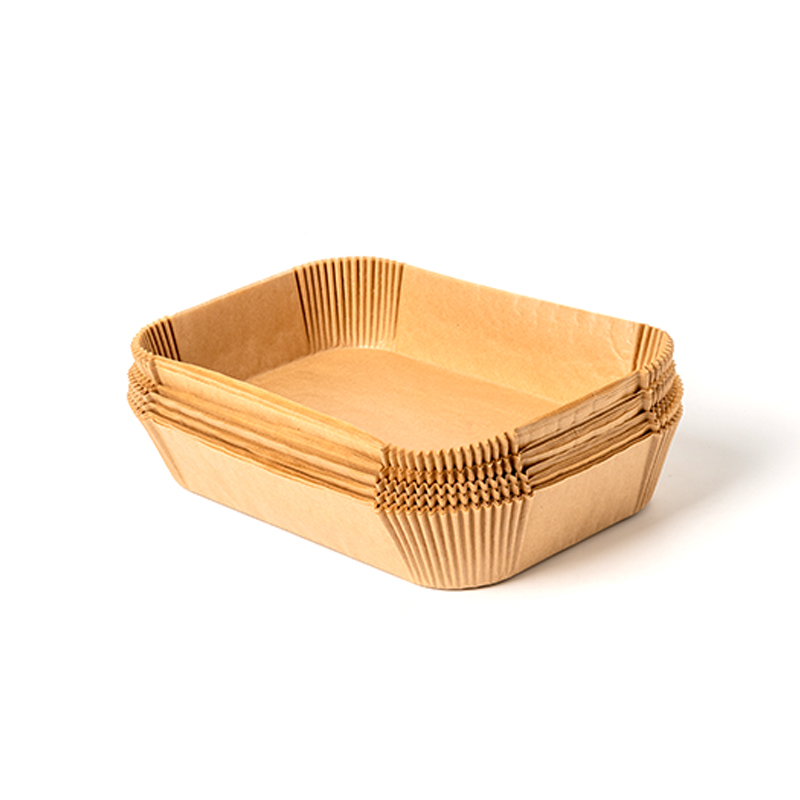
Product Features: 1. Virgin wood pulp 2. Double sides food grade silicone-treated 3. Fluorine-free 4. Non-stick 5. Air fryer basket safe 6. Reusable 7. BPA free 8. Biodeg...
See Details -
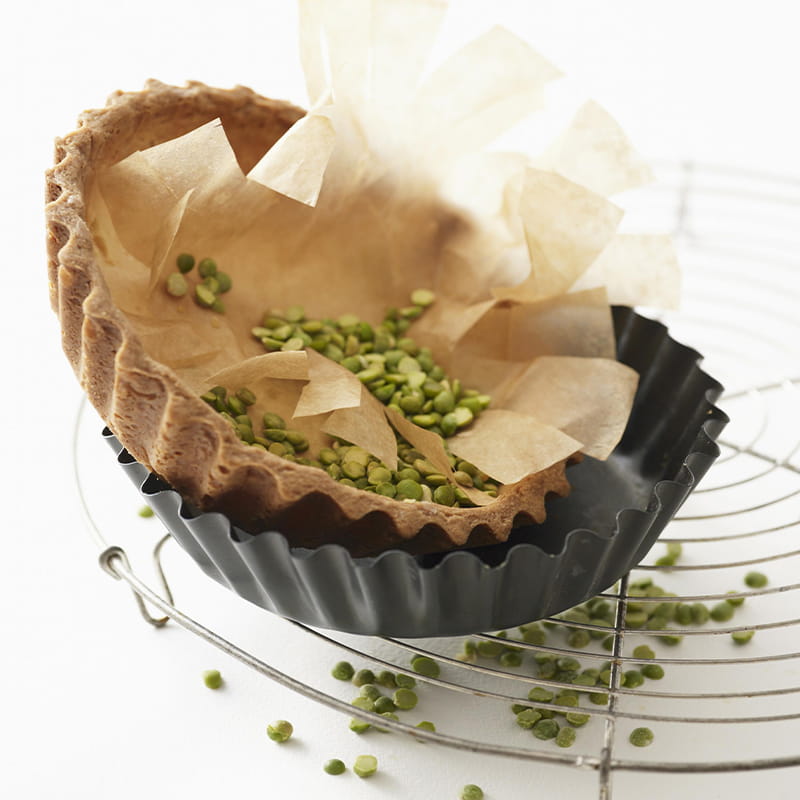
Product Features: 1. Virgin wood pulp 2. Natural unbleached brown color 3. Fluorine-free 4. BPA free 5. Biodegradable Product Details: Introducing our Unbleached Brown Food Grade ...
See Details -
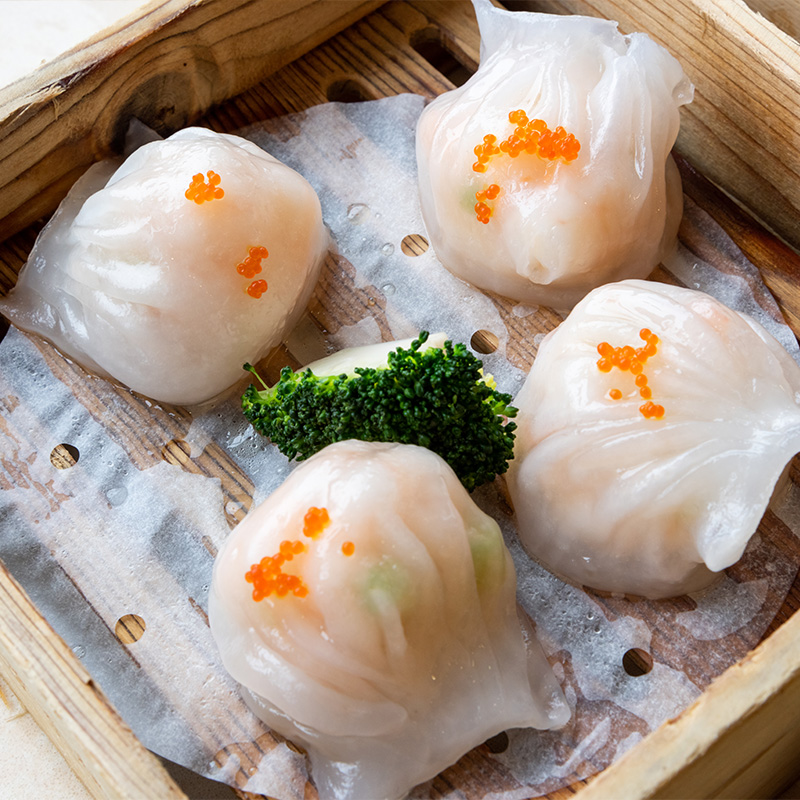
Product Features: 1. Virgin wood pulp 2. Double sides food grade silicone treated 3. Fluorine-free 4. Non-stick 5. Steamer/air fryer basket safe 6. Reusable 7. BPA free 8...
See Details -
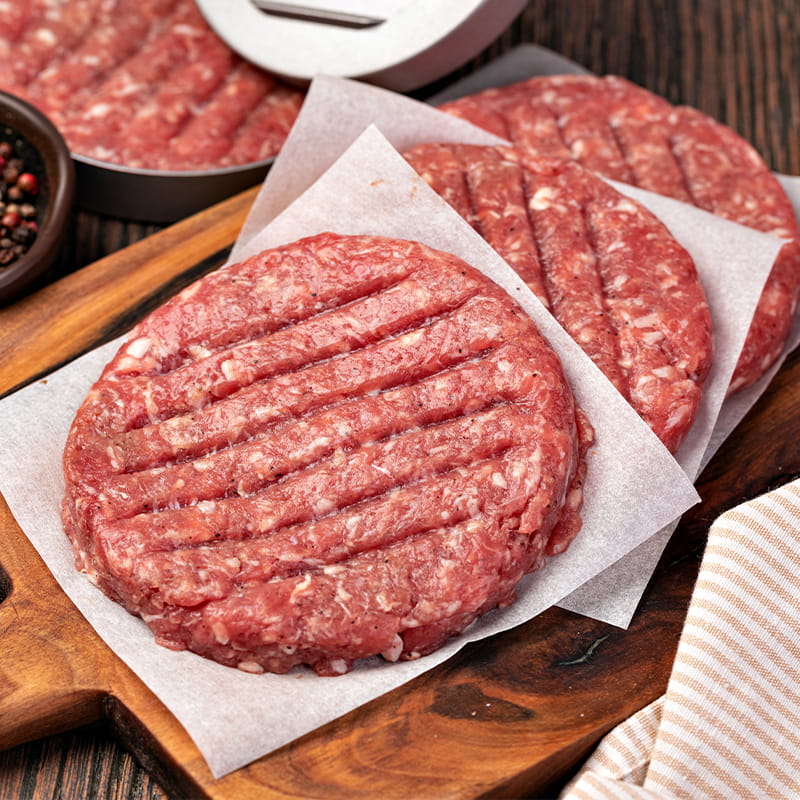
Product Features: 1. Virgin wood pulp 2. Double sides food grade silicone treated 3. Fluorine-free 4. Non-stick 5. Easy to separate 6. Reusable 7. BPA free 8. Biodegradab...
See Details -
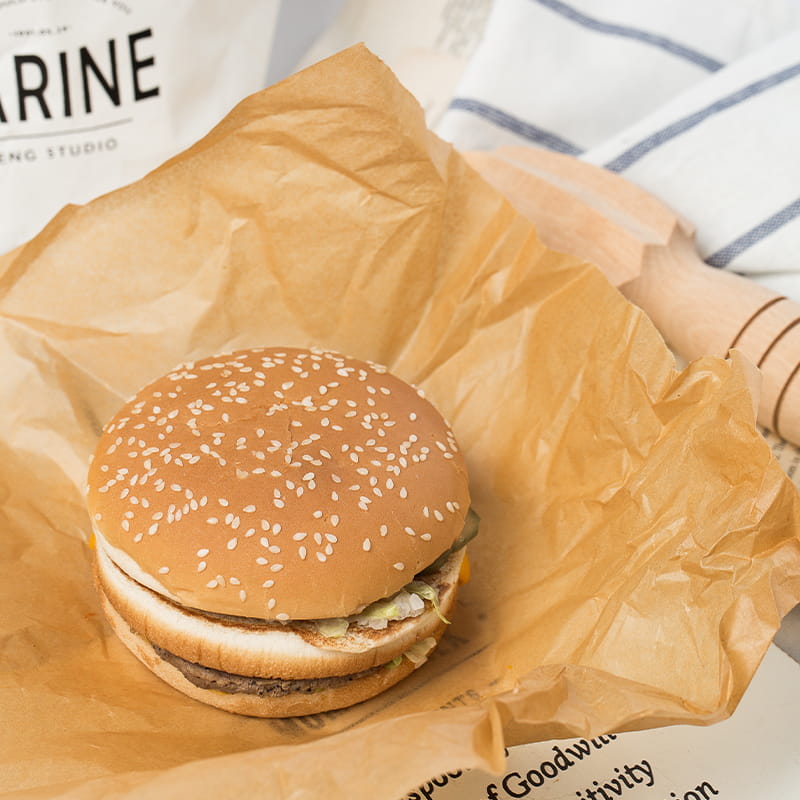
Product Features 1. Virgin wood pulp 2. Flexographic printing 3. Eco-friendly water-based ink 4. BPA free Product Details: Introducing our premium Greaseproof Sandwich Paper Sheets, a...
See Details

Professional Baking Parchment Paper Manufacturer in China with more than 15 years silicone coating experience.
Products
Contact Us
- No.10 Longyin Road, Chengnan Industrial Park,Longyou, Quzhou, China.
- +86-18968091013 / +86-571-88639705
- Avayao-1990@hotmail.com
Copyright © Zhejiang Guanghe New Materials Co., Ltd. All Rights Reserved.
Parchment Paper & Baking Paper Sheets Manufacturer
