Reaching for the wrong paper in a commercial kitchen or bakery production line is a mistake that surfaces at the worst possible moment — baked goods fused to the surface, wax coating melting into food, or packaging materials failing under moisture load. Food greaseproof paper, silicone coated parchment paper sheets, and wax paper are often stored in the same drawer and used for overlapping tasks, yet their material compositions are fundamentally different and so are the conditions under which each one performs reliably. Understanding where these products diverge — in structure, heat behavior, and application suitability — is not academic. It determines whether a product release cleanly from a baking surface, whether food packaging holds up to grease, and whether a liner survives the oven at all.
What Parchment Paper Actually Is
The Material Structure Behind the Name
Parchment paper in the modern sense is a cellulose-based paper that has been processed to improve its surface properties. The manufacturing process — which typically involves passing the base paper through a bath of sulfuric acid under controlled conditions — restructures the cellulose fibers, making the paper denser, grease-resistant, and more dimensionally stable under heat and moisture than untreated paper.
The result is a product with a smooth, slightly translucent appearance, some natural grease resistance from its structure alone, and a surface that does not bond readily to baked goods. In its uncoated form, it is already more heat-tolerant than wax paper. With a silicone coating applied, it becomes significantly more functional across a wider range of applications.
Why the Silicone Coating Changes Everything
Silicone coated parchment paper sheets are processed paper with a thin layer of food-grade silicone applied to one or both sides. The silicone does not add appreciable thickness but it does fundamentally change the surface behavior: it creates a non-stick release that holds up across repeated uses, resists grease penetration more consistently, and remains stable at temperatures where uncoated paper would begin to brown.
This combination of a structurally sound base paper and a chemically inert surface coating is why silicone baking paper sheets have displaced uncoated alternatives across professional baking and food service applications. The paper handles structural load and dimensional stability. The silicone handles the release and heat performance.
What Wax Paper Is — and What It Is Not
A Coating That Has Limits
Wax paper is a paper product coated with paraffin wax on one or both sides. The wax coating gives it a degree of moisture resistance and a slightly slick surface. For cold applications — wrapping sandwiches, storing cheese, separating stacked items to prevent sticking — it performs adequately.
The critical limitation is temperature. Paraffin wax begins to melt at relatively low temperatures, well within normal oven operating ranges. When wax paper is exposed to oven heat, the wax liquefies, migrates into the food contact surface, smokes, and in some cases ignites. It is not a baking material. Using it as one is a safety and food quality problem, not just a performance compromise.
Where Wax Paper Still Has a Legitimate Role
The fact that wax paper should not be used in the oven does not mean it has no useful function. For room-temperature and cold applications, the wax coating provides:
• Moisture barriers for wrapping food items before refrigeration or freezing
• Separation layers between raw dough portions during proofing or freezing
• Non-stick working surface protection when rolling pastry or kneading dough at room temperature
• Wrapping for cold food service items where heat is not involved
The mistake is treating wax paper as interchangeable with parchment across all conditions. It is not.
A Direct Comparison Across Key Performance Dimensions
| Property |
Wax Paper |
Uncoated Parchment |
Silicone Coated Parchment |
| Heat resistance |
Not oven-safe |
Moderate, browns at high heat |
High, stable across broad range |
| Non-stick release |
Moderate |
Moderate |
Strong, consistent |
| Grease resistance |
Surface-level, wax can migrate |
Good from structure |
High, silicone layer seals surface |
| Moisture resistance |
Moderate |
Moderate |
Good |
| Reusability |
Single use |
Limited reuse |
Multiple uses per sheet possible |
| Food safety in heat |
Not suitable |
Suitable |
Suitable |
| Typical applications |
Cold wrapping, storage |
Baking, lining |
Baking, cake lining, food service |
| Commercial food use |
Limited |
Common |
Widely preferred |
How Silicone Baking Paper Sheets Perform in Practice
Release Behavior Across Different Products
The release quality of a baking liner matters differently depending on what is being baked. A dense, high-fat cookie releases from al any non-stick surface without damage. A delicate sponge cake, a macaron, or a thin tuile requires a surface that allows clean separation without tearing the base of the product — and the margin between success and failure can be narrow.
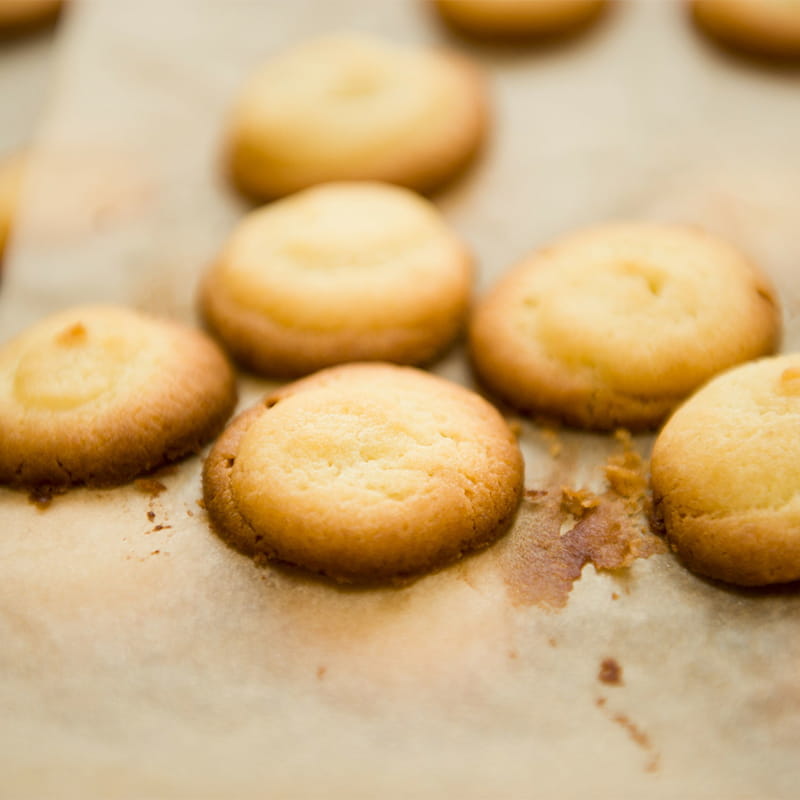
Silicone baking paper sheets provide consistent release across this range because the silicone surface has a very low surface energy: baked goods do not form strong bonds with it even when moisture or sugar is involved. This is why they became the standard for:
• Cake layers and sheet cakes where the base needs to separate cleanly
• Macarons and meringues where a torn base destroys the product
• Cookies and biscuits where uniform browning from even heat distribution matters alongside release
• Sticky confectionery items like caramels and nougat that would bond permanently to any unsealed surface
Heat Distribution and Its Effect on Browning
A detail that matters in production baking but rarely appears in consumer literature is that the thermal behavior of the liner affects how the bottom of a baked product cooks. A liner that insulates significantly slows bottom browning; one that conducts heat more directly produces a more even bake.
Silicone coated parchment paper sheets sit at a useful point in this spectrum — they do not insulate excessively, which means bottom browning proceeds at a controlled rate without the over-browning that can occur with thin foil or under-baking that comes with thick, padded liners. For professional bakers managing large batch consistency, this thermal behavior is a meaningful product variable.
Parchment Paper Cake Liners: A Specific Application
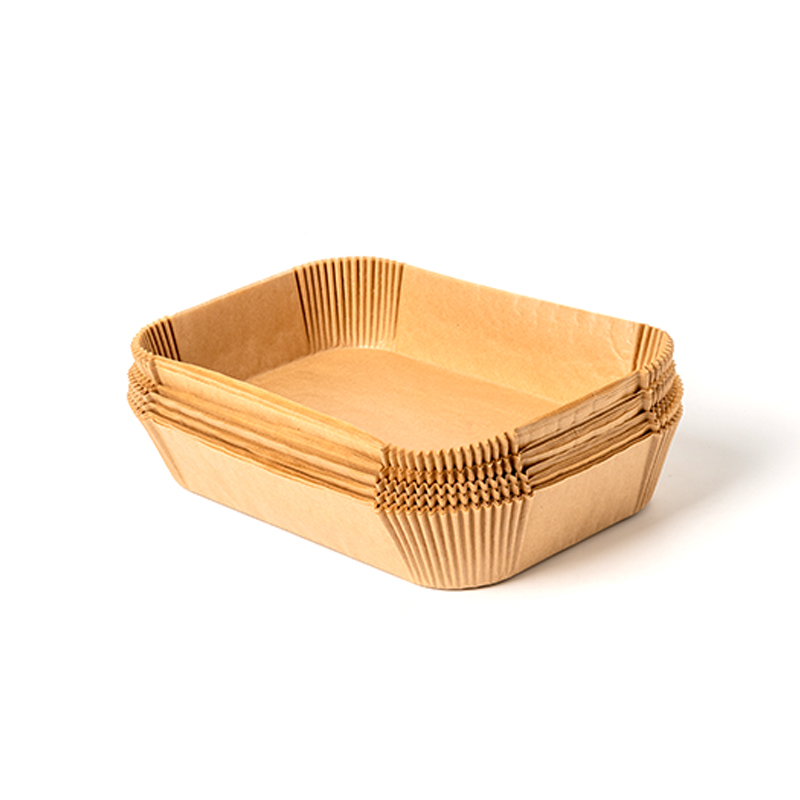
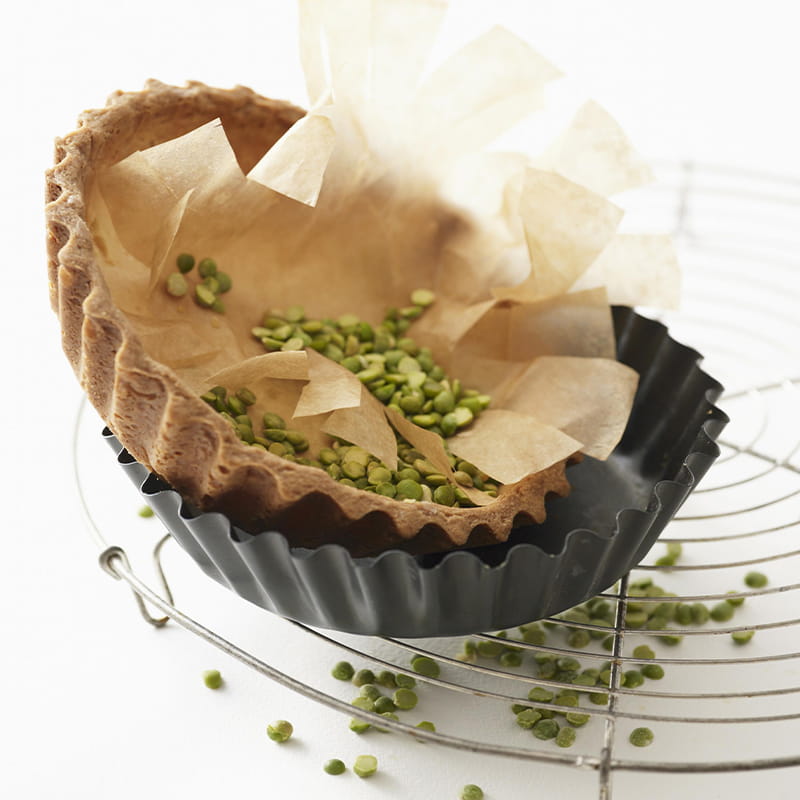
Lining a cake tin is not simply a matter of preventing sticking — it also affects how the baked cake releases, whether the sides and base cook evenly, and whether the finished product has a clean, intact surface. Parchment paper cake liners are cut or pre-formed to fit specific tin sizes, eliminating the need to cut and fold paper to shape during production.
In a busy bakery or production kitchen, pre-cut cake liners reduce preparation time, improve consistency between batches, and reduce waste from incorrectly cut paper. The liner's silicone coating ensures that the cake releases without tearing even at the base and sides — a particular concern with rich, dense cakes that can adhere firmly to unprotected surfaces.
Pre-cut or pre-formed liners are available for standard tin shapes and sizes, and some formats include integrated side liners that protect the full interior of the tin. For production lines where speed and standardization matter, these formats reduce a variable that would otherwise contribute to inconsistent output.
Pop-Up Parchment Paper Sheets in Food Service and Commercial Kitchens
What the Format Solves
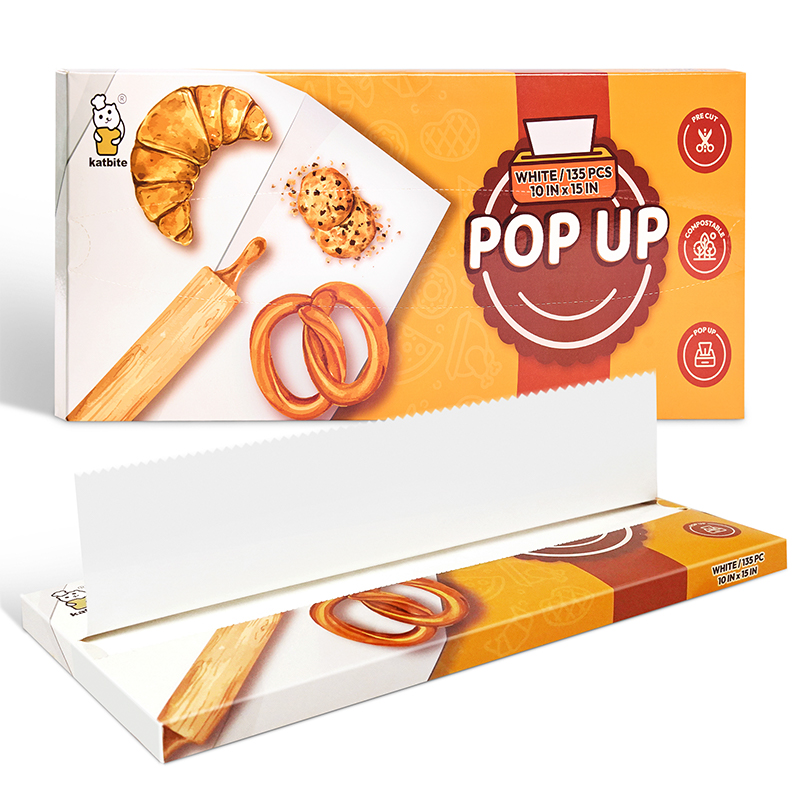
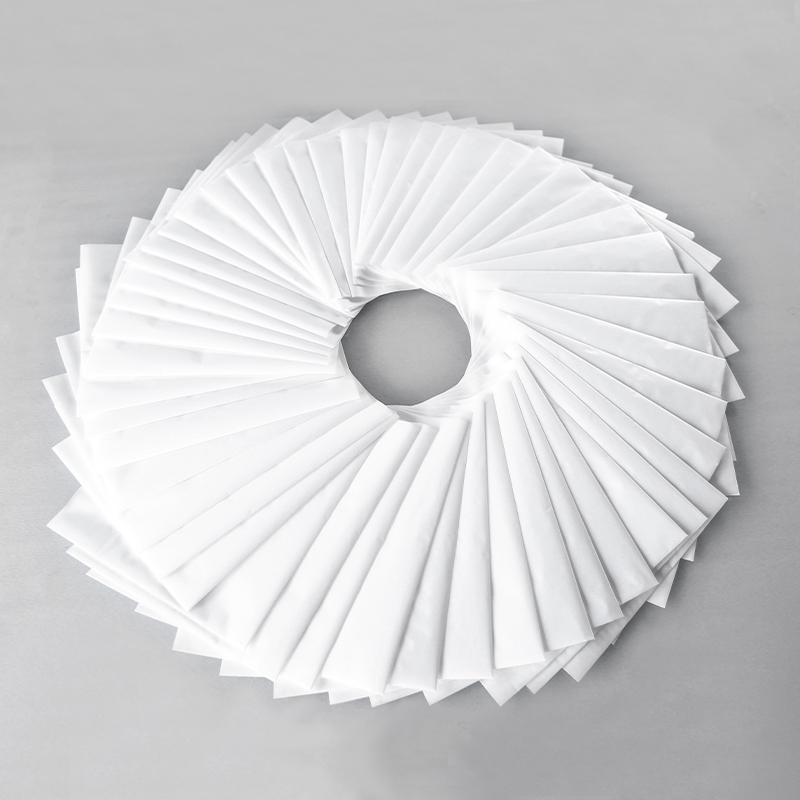
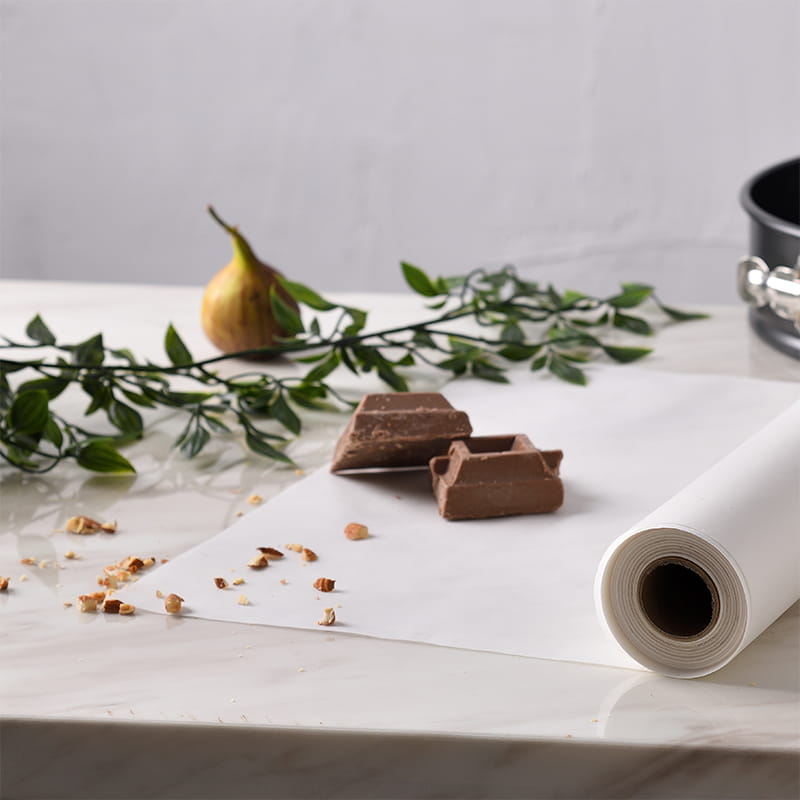
Roll-format parchment paper requires cutting to length for each use, which introduces a step that takes time and generates uneven pieces. Pop-up parchment paper sheets address this by providing pre-cut sheets in an interleaved stack — each sheet lifts out ready to use, and the next sheet is positioned automatically.
For high-volume food service environments — sandwich lines, burger assembly, deli counters, and bakery packaging stations — this format reduces the handling time per item, improves consistency of sheet size, and keeps the paper supply contained and hygienic within a dispenser box. The sheets serve as both a non-stick surface during food preparation and as a food-contact liner for packaging or serving.
The same silicone or greaseproof coating that makes these sheets suitable for baking also makes them appropriate for direct food contact in cold service applications — wrapping, separating, and lining trays — without the concerns that apply to wax paper when temperatures rise.
How Pop-Up Format Compares to Roll Format
The choice between roll and pop-up sheet format is largely driven by use context rather than material performance:
• Roll format offers flexibility in cut length, which suits uses where the required size varies between tasks
• Pop-up sheets suit tasks with a standardized portion size and high throughput, where speed and consistency outweigh flexibility
• Roll format typically requires a cutter or scissors nearby; pop-up format dispenses cleanly without additional tools
• Pop-up sheets reduce cross-contamination risk in food preparation because the user handles only the sheet being used, not a shared roll
Both formats are available in silicone coated and uncoated greaseproof versions, so the surface performance remains consistent across format choices.
Food Greaseproof Paper: Broader Applications Beyond Baking
Food greaseproof paper is a broader category than baking-specific parchment. It covers papers designed to resist oil and grease penetration across food service and packaging applications — not all of which involve heat.
Common Commercial Uses
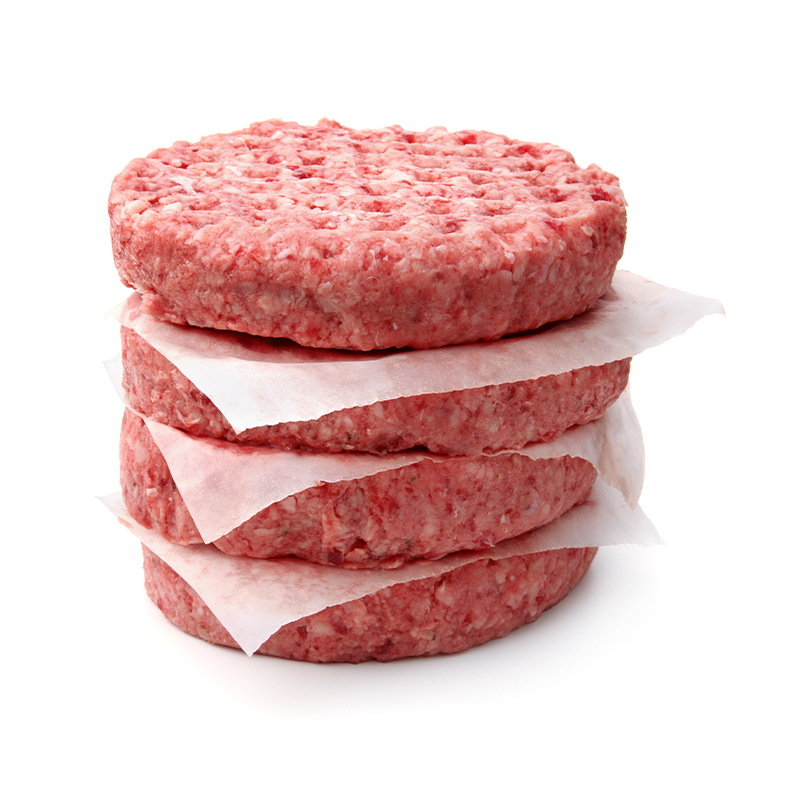
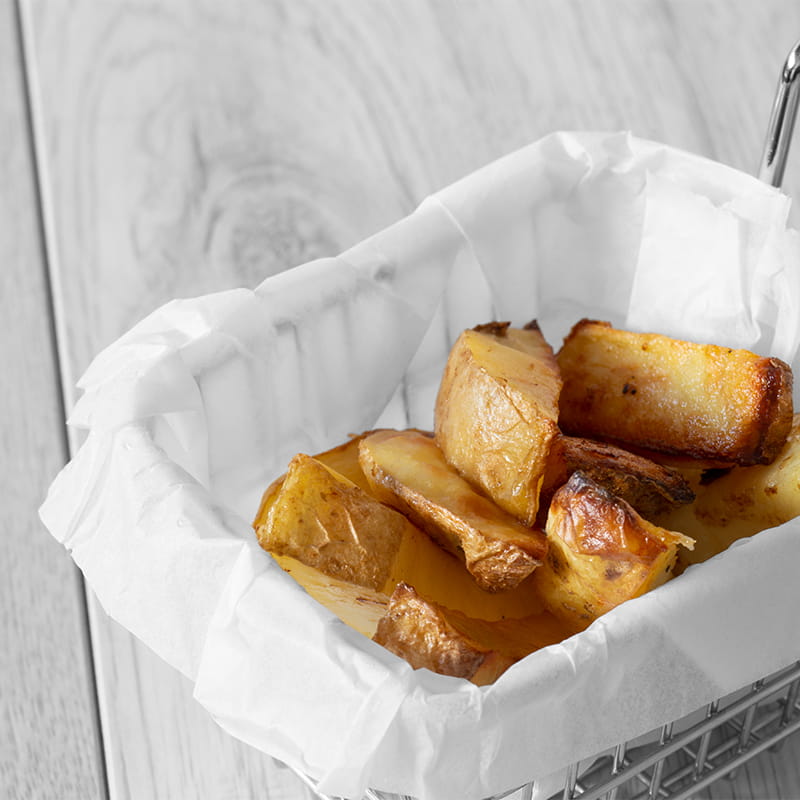
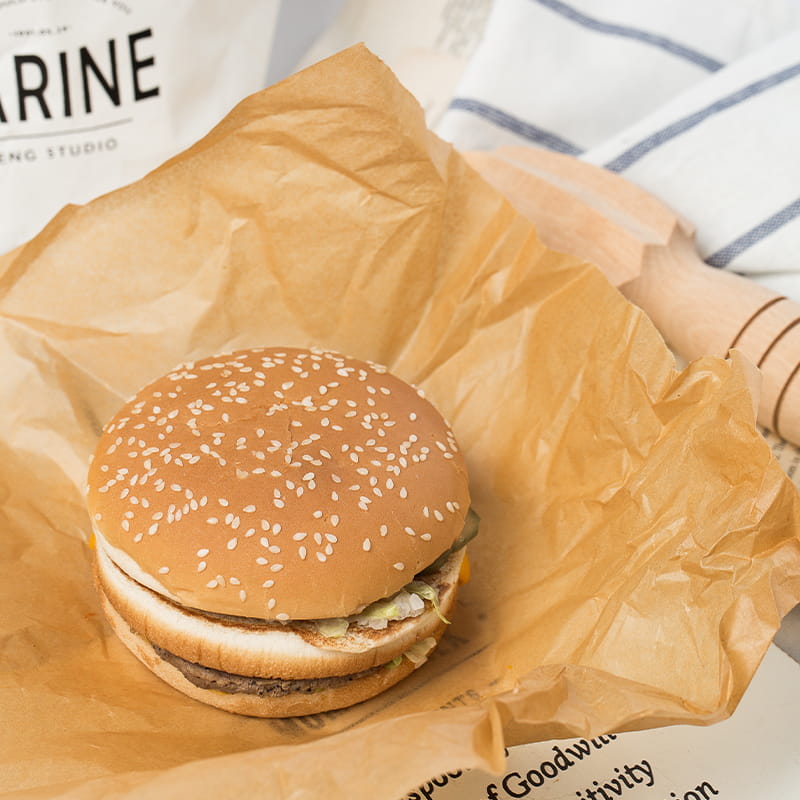
- Burger wrapping and sandwich wrapping in quick-service restaurants, where the paper must resist grease from the food without becoming saturated
- Basket liners and tray liners in food service, providing a hygienic barrier between the food and the serving vessel
- Deli and butcher counter wrapping, where the paper holds moisture in while keeping grease from marking the outer packaging
- Bakery bag interleaving, separating pastries or baked goods in shared packaging without transfer of grease or moisture between items
Material Grade and Food Contact Compliance
For commercial and industrial food applications, the food contact compliance of the paper matters as much as its functional performance. Papers used in direct food contact need to meet applicable standards for the markets where they will be used — covering the safety of coatings, the absence of harmful migration from the paper base, and the suitability of any additives used in manufacture.
Buyers sourcing food greaseproof paper or silicone coated parchment paper sheets for commercial food service or manufacturing applications should request documentation confirming food contact compliance for the target market. This is a standard part of commercial paper sourcing and should not require significant effort to obtain from a credible supplier.
Choosing Between Product Types for Specific Applications
The choice between wax paper, food greaseproof paper, and silicone baking paper sheets follows logically from the conditions of the intended use:
Will Heat Be Involved?
If yes, wax paper is excluded. Parchment or silicone coated paper is the appropriate starting point.
Is Non-Stick Release Required?
If yes, silicone coating is the relevant feature. Uncoated greaseproof paper provides barrier function but not reliable release.
Is Reusability a Consideration?
Silicone coated parchment paper sheets are generally more durable through multiple uses than uncoated alternatives, which matters in settings where cost per use is tracked.
What Is the Volume and Format?
High-volume food service applications benefit from pop-up parchment paper sheets for speed and consistency. Lower-volume or variable-size applications may suit roll format.
Cold Service or Oven Baking?
Cold wrapping and separation can use a wider range of papers; oven applications require heat-stable, food-safe materials.
Working through these questions before specifying a product avoids the common error of using a familiar product in an application it was not designed for — with results that range from disappointing to genuinely problematic.
Getting the Product Selection Right Before It Matters
Parchment paper and wax paper are not interchangeable, and neither are the various formats and coatings available within the parchment category. A silicone coated parchment paper sheet used as a cake liner and a plain greaseproof sheet used as a burger wrapper serve different functions through different material properties, and selecting correctly between them — or between roll and pop-up formats, or between different coating weights for different heat requirements — is a decision that affects product quality, food safety compliance, and operational efficiency. For procurement teams, food service operators, and production bakeries that need consistent supply of parchment paper cake liners, silicone baking paper sheets, pop-up parchment paper sheets, or food greaseproof paper in commercial quantities, working with a manufacturer who can discuss product specifications in the context of specific applications is more productive than selecting from a catalog based on format and price alone. Zhejiang Guanghe New Materials Co., Ltd. produces a range of food-grade paper products including silicone coated parchment paper sheets and greaseproof paper formats for bakery, food service, and packaging applications — and can provide samples, specification documentation, and application guidance for buyers evaluating product fit before committing to volume supply.