 English
 中文简体
中文简体
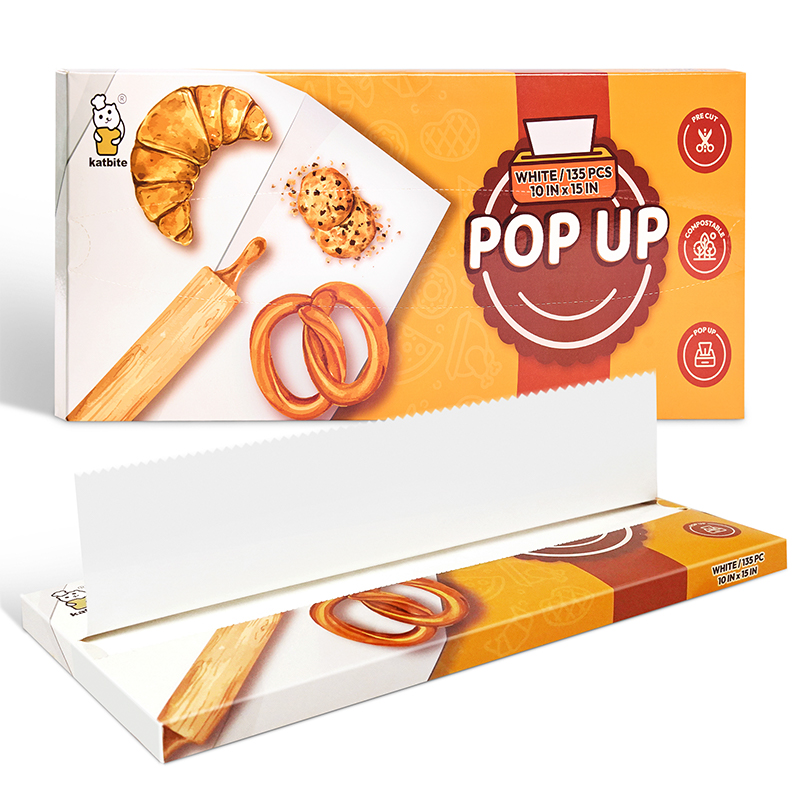
Product details: Pop-up parchment paper sheets, an environment-friendly product, are composed of wood pulp and are double-side coated with silicone. Such a coating makes our paper smooth, greasepr...
See DetailsHow Do Silicone Baking Paper Sheets Improve Baking Results?
Batch after batch comes out with slight variation, with some trays releasing clean while others tend to stick, and edges browning unevenly even though oven settings remain unchanged. This type of inconsistency is often what pushes commercial bakers toward Silicone Baking Paper Sheets in the place. It becomes a recurring issue that usually traces back to something as simple as the layer placed between the dough and the tray. For bakery operators, food processors, and procurement teams sourcing baking supplies in volume, the role of this lining material in shaping consistency is often more important than it may initially appear. A tray liner is easy to overlook until it starts affecting the outcome of an entire batch.
Why Does Inconsistent Baking Happen in the First Place?
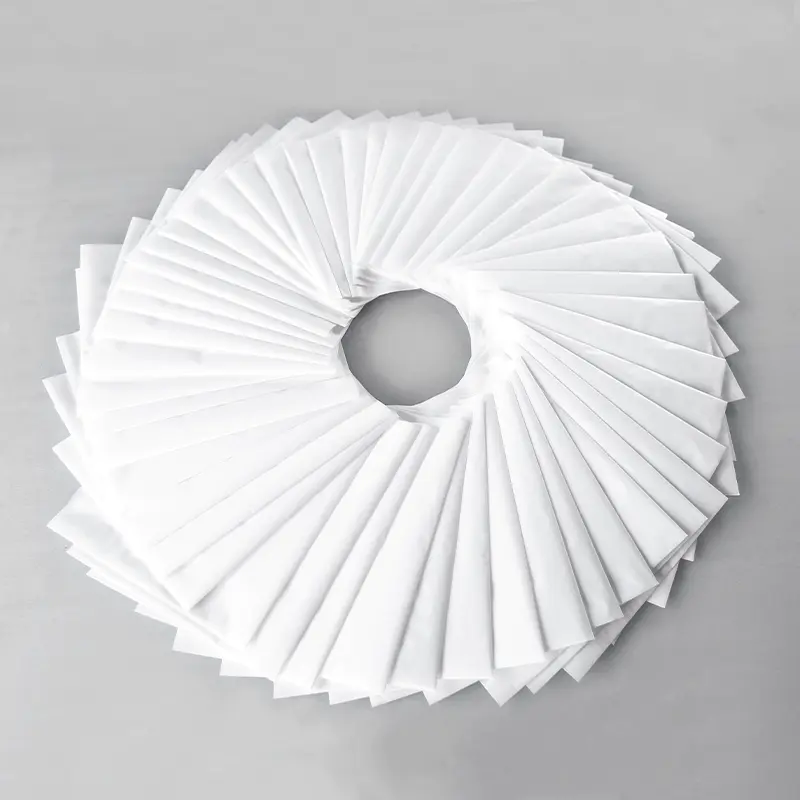
Ovens rarely heat with good evenness across every rack and corner, and a bare metal tray reacts to that unevenness by transferring heat unevenly too. Add in a sticky surface that grabs onto dough or batter unpredictably, and you get products that stick in one spot, tear when lifted, or brown faster on one side than the other. None of this stems from a single flaw. It builds up from small variables that compound across a production run.
A lining sheet placed between the food and the metal surface interrupts that inconsistency. It creates a buffer that distributes heat more evenly and keeps the surface non stick throughout the bake, rather than only at the start before oils or moisture break the barrier down.
What Makes Silicone Coated Sheets Different From Plain Paper?
Plain paper on its own tends to absorb moisture and grease over time, which weakens its non stick properties partway through longer bakes. A silicone coating changes that behavior. The coating creates a smooth, heat stable layer that resists soaking up moisture or fat, so the release performance stays steady from the minute in the oven to the last. Silicone Coated Parchment Paper Sheets are built specifically around this idea, giving bakers a surface that behaves the same way at the end of a bake as it did at the beginning.
How Does This Translate Into Product Consistency?
Consistency in a bakery setting usually comes down to a few measurable outcomes, even without diving into specific numbers. Products need to look the same, release cleanly without tearing, and bake through evenly enough that texture does not vary tray to tray. A dependable lining sheet supports all three by keeping the baking surface predictable, batch after batch.
Here is where the pattern becomes obvious in daily operations:
- Products lift off the tray without sticking, which reduces waste from torn or damaged pieces.
- Heat transfer stays even, so browning looks consistent across a full sheet rather than patchy in spots.
- Cleanup between batches goes faster, since there is no scraping burnt residue off bare metal.
- Trays last longer without warping or staining, since food never touches the metal surface directly.
None of these points work in isolation. Together they add up to a production line that behaves the same way run after run, which is really what consistency means in a commercial kitchen.
Different Formats Serve Different Baking Needs
Not every bakery setup calls for the same lining format, and this is where buyers sometimes need to slow down and think through their specific product lineup.
| Product Type | Best Suited For | Key Advantage |
|---|---|---|
| Silicone Baking Paper Sheets | Flat tray baking, cookies, pastries | Even release across large flat surfaces |
| Parchment Paper Cake Liners | Round cake pans, cupcake and muffin trays | Shaped fit reduces trimming and waste |
| Pop-Up Parchment Paper Sheets | High frequency commercial kitchens | Faster dispensing during busy production shifts |
| Food Greaseproof Paper | Packaging and light wrapping applications | Moisture and grease resistance for handling |
A pastry line running flat sheet pans all day benefits from a straightforward flat lining format, while a bakery producing rounds of cake or muffins gets more value from shaped liners that match the pan dimensions without extra trimming. Neither format is inherently more capable, it just depends on what shape leaves the oven often.
Does Format Choice Affect Labor Time as Well?
It does, and this often gets underestimated during purchasing decisions. A pop up dispensing format lets kitchen staff pull a single sheet without unrolling or measuring, which shaves seconds off every single tray prep. Multiply that across a shift handling dozens or more trays, and the time savings become noticeable even without tracking exact figures. Kitchens running high volume, repetitive baking schedules tend to favor this dispensing style specifically because it removes a small but repeated friction point from the workflow.
What Should Buyers Check Before Choosing a Supplier?
Sourcing lining paper for a commercial operation involves more than picking whichever option looks similar on a catalog page. A few checks tend to separate a dependable supplier from one that causes headaches later.
- Heat tolerance suited to the actual oven temperatures used in production, since undersized tolerance leads to scorching or breakdown mid bake.
- Food safety certification appropriate for the target market, particularly for exports crossing into regions with strict food contact material rules.
- Consistent sheet thickness and coating quality across production batches, since uneven coating creates the same stickiness problems the paper was meant to solve.
- Packaging format that matches kitchen workflow, whether that means flat stacked sheets, shaped liners, or a dispensing box built for pop up sheets.
Skipping these checks tends to surface complaints weeks after an order arrives, usually once staff notice sticking or scorching that was not obvious from a sample photo.
Where Does This Fit Into Broader Food Packaging Needs?
Bakeries rarely need lining paper in isolation. Many also handle wrapping, transport packaging, or grease resistant materials for finished products heading out the door. Food Greaseproof Paper covers that adjacent need, protecting packaged goods from oil and moisture during handling and shipping even though its role differs from what happens inside the oven. Buyers managing a full production and packaging line sometimes find it more practical to source both categories from a single supplier, simplifying vendor relationships and keeping material specifications aligned across the operation.
Bringing the Discussion Back to Daily Operations
Consistency in a commercial bakery rarely comes from a single dramatic change. It is built through small, steady choices repeated across every shift, and the lining material placed beneath each batch often contributes more to that outcome than is expected when stepping into the kitchen. Silicone Baking Paper Sheets give bakers a steady, predictable surface that holds up from the tray of the morning to the last one at closing, reducing waste, saving cleanup time, and keeping finished products looking the way customers expect them to look every single time. Zhejiang Guanghe New Materials Co., Ltd. works with bakeries, food processors, and packaging distributors looking to standardize this part of their production line, and sharing your typical tray sizes, oven conditions, and order volume is a practical way to start figuring out which lining format fits your kitchen best.
Related Products
-
-
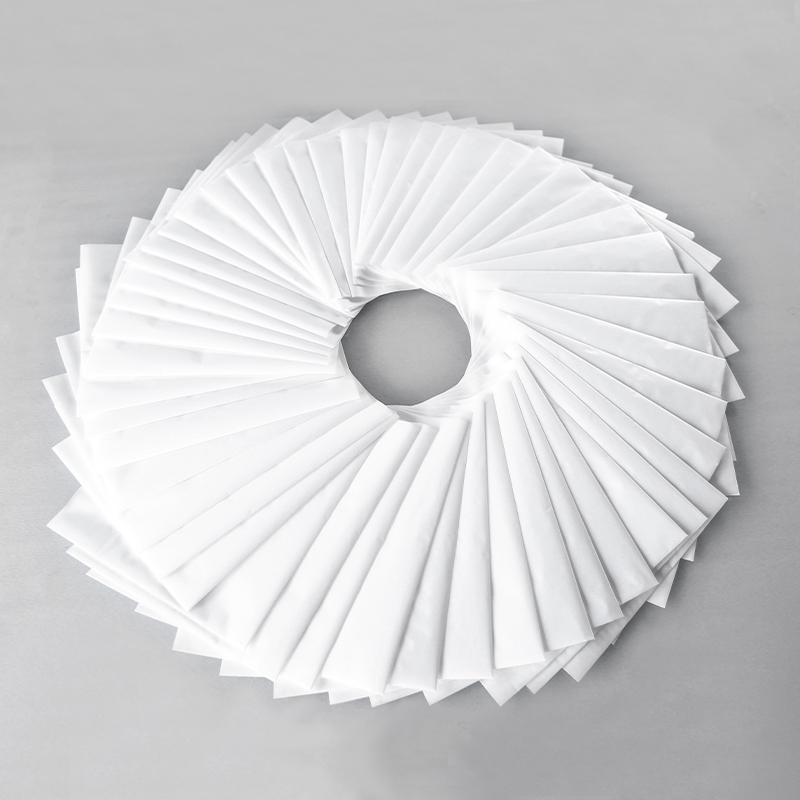
Product details: Folded baking paper sheets, an environment-friendly product, are composed of wood pulp and are double-side coated with silicone. Such a coating makes our paper smooth, greaseproof and...
See Details -
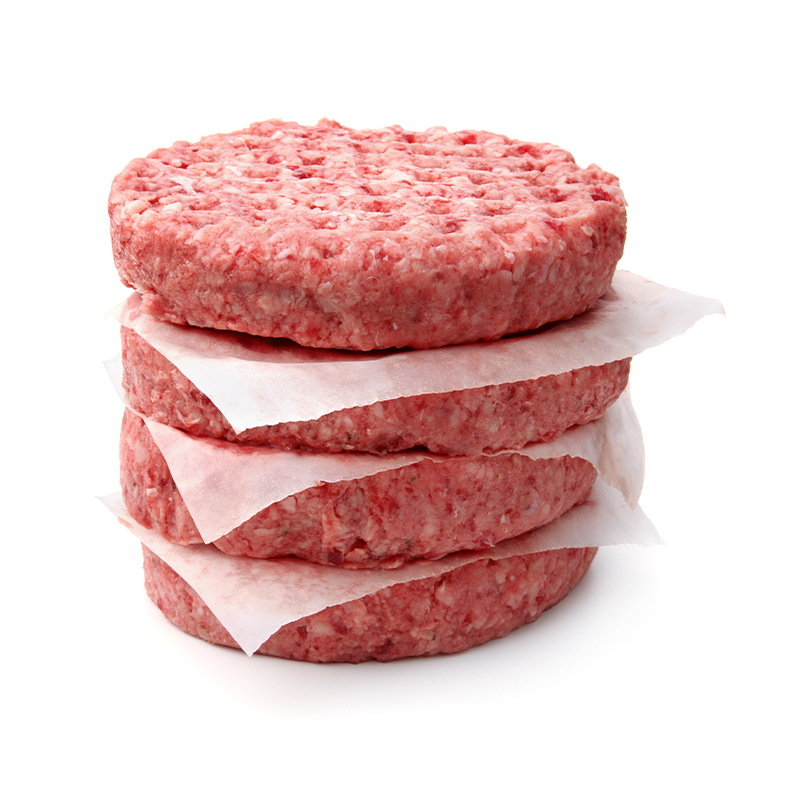
Description: Wax paper is the paper that is coated with food-grade wax in order to make it non-stick and waterproof. wax paper is very good for food storing and presentingMade of food-grade paper and ...
See Details -
Product Features: 1. Virgin wood pulp 2. Double sides food grade silicone-treated 3. Fluorine-free 4. Non-stick 5. Oven/Microwave safe 6. Freezer safe 7. Reusable 8. BPA f...
See Details -
Product Features: 1. Virgin wood pulp 2. Natural unbleached brown color 3. Double sides food grade silicone-treated 4. Fluorine-free 5. Non-stick 6. Oven/Microwave safe 7. Fre...
See Details -
Product Features: 1. Virgin wood pulp 2. Double sides food grade silicone treated 3. Fluorine-free 4. Non-stick 5. Oven/Microwave safe 6. Freezer safe 7. Reusable 8. BPA ...
See Details -
Product Features: 1. Virgin wood pulp 2. Fluorine-free 3. BPA free 4. Biodegradable Product Details: In an era where environmental consciousness and sustainability are paramount, Natu...
See Details -
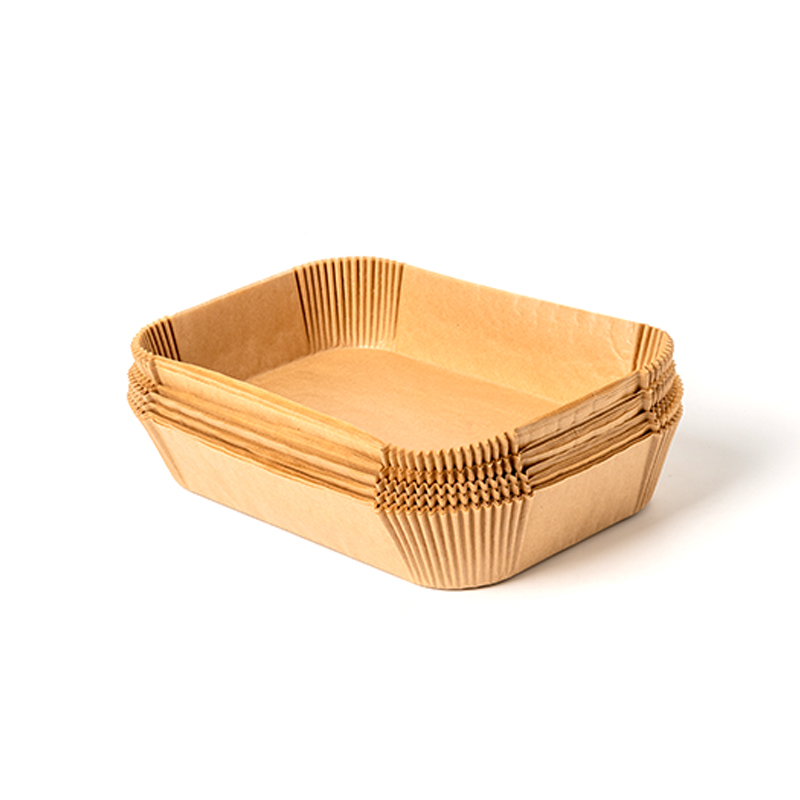
Product Features: 1. Virgin wood pulp 2. Double sides food grade silicone-treated 3. Fluorine-free 4. Non-stick 5. Air fryer basket safe 6. Reusable 7. BPA free 8. Biodeg...
See Details -
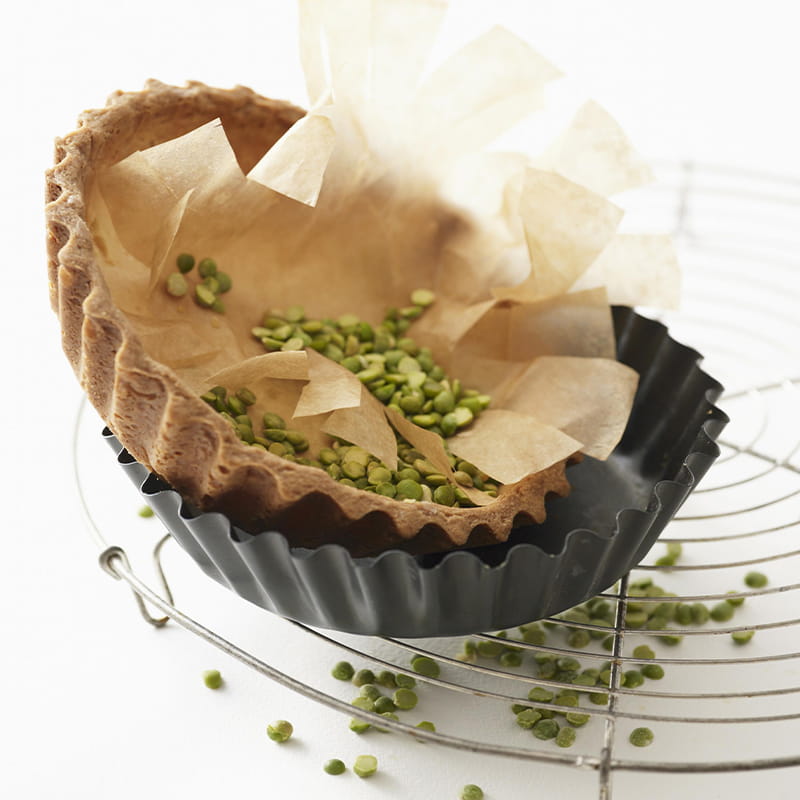
Product Features: 1. Virgin wood pulp 2. Natural unbleached brown color 3. Fluorine-free 4. BPA free 5. Biodegradable Product Details: Introducing our Unbleached Brown Food Grade ...
See Details -
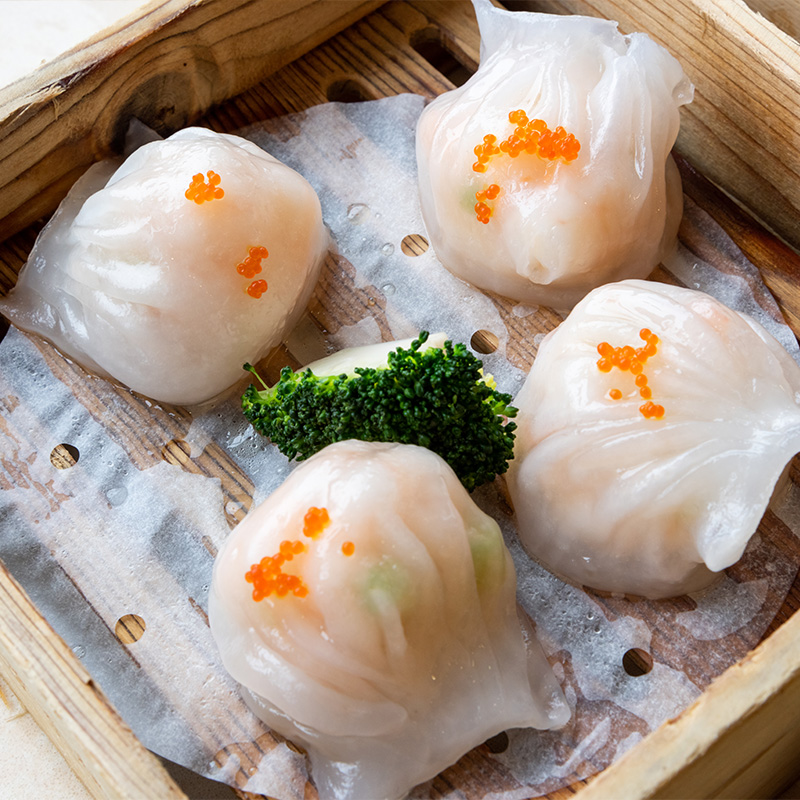
Product Features: 1. Virgin wood pulp 2. Double sides food grade silicone treated 3. Fluorine-free 4. Non-stick 5. Steamer/air fryer basket safe 6. Reusable 7. BPA free 8...
See Details -
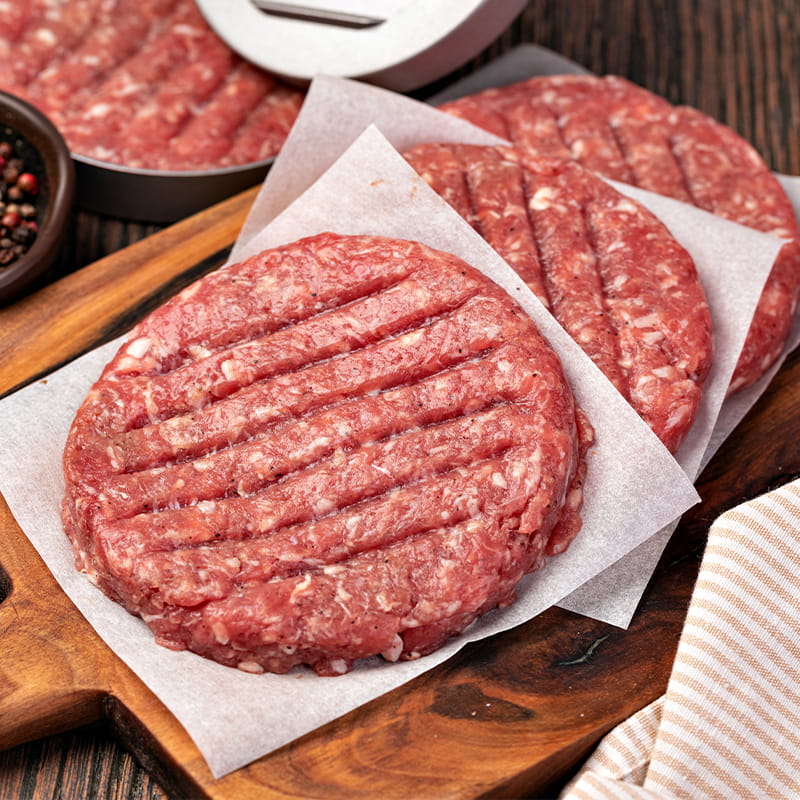
Product Features: 1. Virgin wood pulp 2. Double sides food grade silicone treated 3. Fluorine-free 4. Non-stick 5. Easy to separate 6. Reusable 7. BPA free 8. Biodegradab...
See Details -
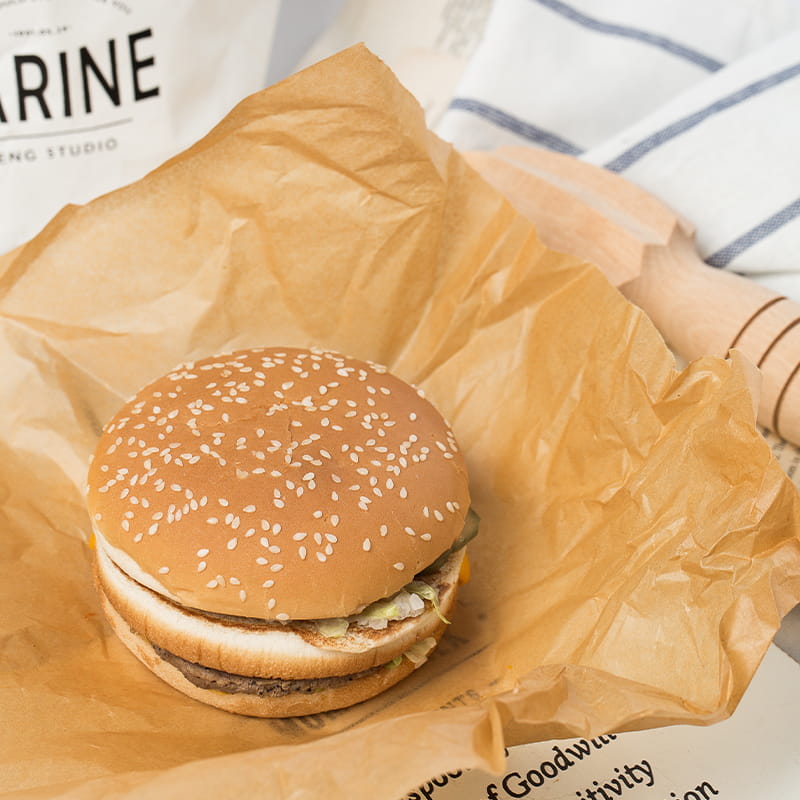
Product Features 1. Virgin wood pulp 2. Flexographic printing 3. Eco-friendly water-based ink 4. BPA free Product Details: Introducing our premium Greaseproof Sandwich Paper Sheets, a...
See Details

Professional Baking Parchment Paper Manufacturer in China with more than 15 years silicone coating experience.
Products
Contact Us
- No.10 Longyin Road, Chengnan Industrial Park,Longyou, Quzhou, China.
- +86-18968091013 / +86-571-88639705
- Avayao-1990@hotmail.com
Copyright © Zhejiang Guanghe New Materials Co., Ltd. All Rights Reserved.
Parchment Paper & Baking Paper Sheets Manufacturer
