 English
 中文简体
中文简体
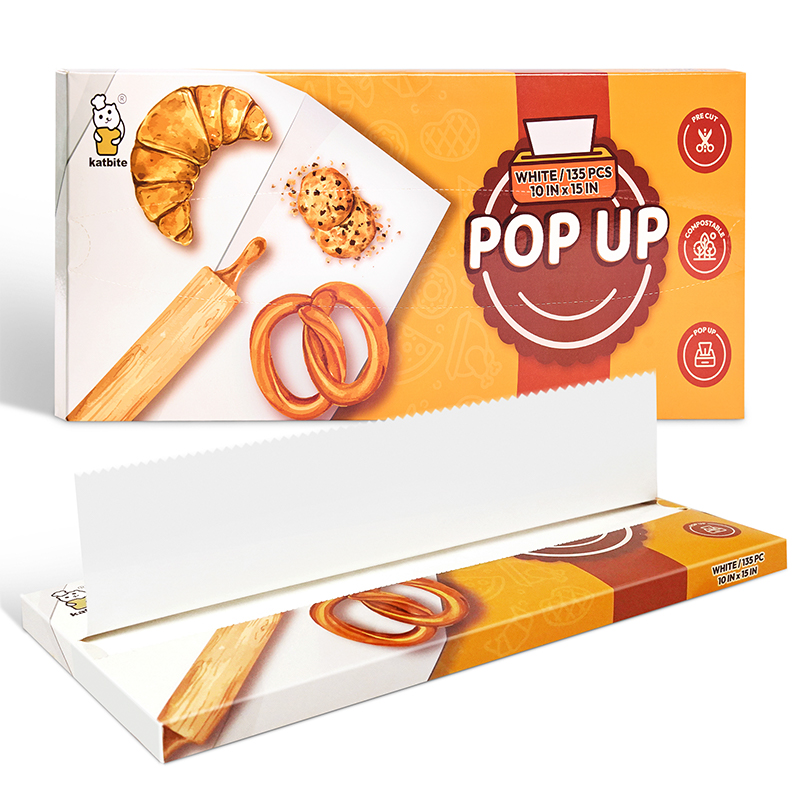
Product details: Pop-up parchment paper sheets, an environment-friendly product, are composed of wood pulp and are double-side coated with silicone. Such a coating makes our paper smooth, greasepr...
See DetailsFood Greaseproof Paper vs Parchment Paper: Key Differences
A cake that sticks stubbornly to its liner no matter how much you greased the pan. Cookies that scorch on the bottom while the top barely browns. Or that moment scrambling through a kitchen drawer trying to figure out whether the roll in your hand is actually Food Greaseproof Paper or something meant for an entirely different job. If any of that rings a bell, you're not alone, and the confusion usually traces back to one simple fact: not all baking paper is built the same way. Walk into any grocery aisle or browse a supplier catalog, and you'll find a handful of paper types that all look roughly similar at a glance but behave quite differently once heat and grease get involved. Sorting out which one actually fits your specific baking or packaging need saves a lot of frustration, and money, down the line.
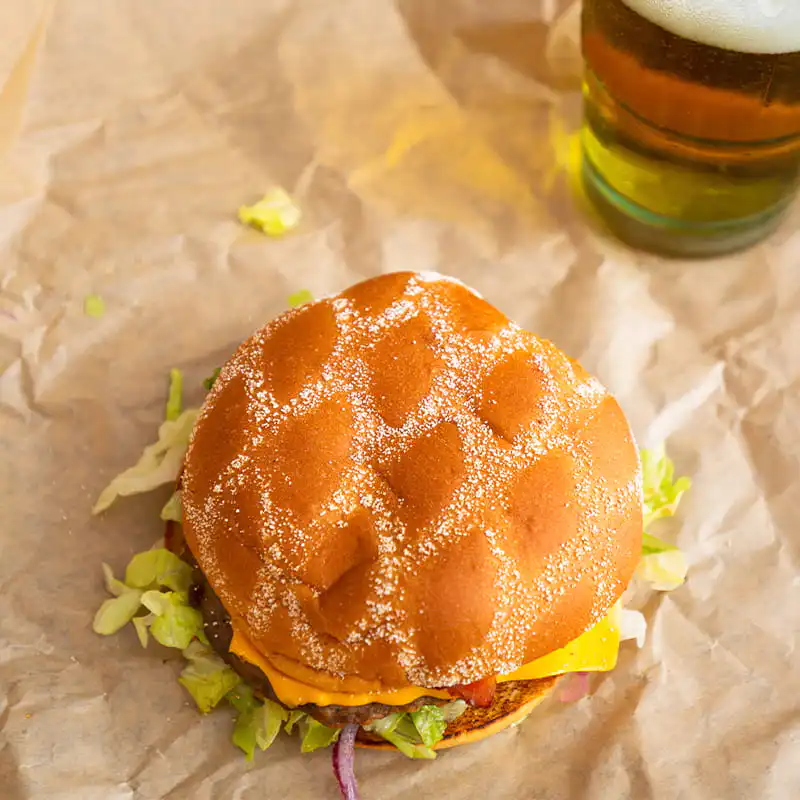
What Exactly Counts as Baking Paper?
Baking paper broadly refers to any paper product treated or coated specifically to withstand oven heat and resist sticking to food. That's a wide umbrella covering several distinct product types, each built with slightly different properties depending on what job it's meant to do.
Some varieties handle high oven temperatures without issue. Others are designed more for moisture resistance during food packaging rather than direct oven use. Understanding these distinctions upfront prevents the common mistake of grabbing whatever's on hand and hoping it performs the same way across every task.
What Is Food Greaseproof Paper, and Where Does It Fit?
Food Greaseproof Paper is treated specifically to resist oil and moisture penetration, making it a common choice for wrapping, lining, or packaging food items where grease resistance matters more than direct oven exposure. Think sandwich wrapping, lining baskets for fried foods, or separating layers of baked goods during storage.
This isn't necessarily the same product people reach for when lining a cake pan headed into a hot oven, though the two categories sometimes overlap depending on how a specific product is manufactured. Greaseproof paper's core strength lies in blocking oil migration rather than necessarily withstanding sustained high heat, which is worth keeping in mind when matching product to task.
Parchment Paper: The Familiar Kitchen Staple
Parchment paper is often what people think of when discussing baking paper. It is designed to handle oven heat, help prevent sticking without requiring extra grease, and maintain its shape throughout a typical baking process.
How Does Parchment Paper Actually Work?
The paper undergoes a treatment process that gives it both heat tolerance and a naturally non-stick surface, meaning cookies, cakes, and roasted items release cleanly without tearing or leaving residue behind. This is why so many recipes specifically call for lining a pan with parchment rather than relying on grease alone.
Common Uses Worth Knowing
- Lining cookie sheets and cake pans for clean, easy release
- Wrapping food for baking en papillote, where steam needs to stay contained
- Separating layers of baked goods during storage or transport
- Providing a stable, non-stick surface for rolling dough
Silicone Coated Parchment Paper: What's Actually Different?
This variety takes standard parchment and adds a silicone coating layer, enhancing its non-stick properties even further and often extending its heat tolerance range somewhat beyond uncoated versions.
Silicone coated parchment paper sheets tend to perform particularly well for sticky or delicate baked goods, things like meringues, caramel-topped items, or anything prone to adhering stubbornly to an uncoated surface. The added coating creates an extra buffer between food and paper, reducing the chance of tearing when lifting finished items away.
Is the Silicone Coating Worth the Extra Cost?
For high-volume commercial baking or particularly sticky recipes, generally yes. The improved release performance reduces product loss from items sticking or tearing, which matters considerably more at scale than it might for occasional home baking. For lighter, less frequent use, standard parchment often performs adequately without the added expense.
Comparing Baking Paper Types at a Glance
| Paper Type | Primary Function | Heat Tolerance | Best Suited For |
|---|---|---|---|
| Food Greaseproof Paper | Blocks oil and moisture migration | Moderate, not always oven-rated | Food wrapping, packaging, lining baskets |
| Standard Parchment Paper | Non-stick oven lining | Good, suited to typical baking temperatures | General baking, roasting, cake pan lining |
| Silicone-Coated Parchment Paper Sheets | Enhanced non-stick performance | Good to strong, depending on coating quality | Sticky or delicate items, commercial baking |
| Silicone Baking Paper Sheets | Reusable non-stick surface | Strong, suited to repeated use | High-frequency commercial baking operations |
| Pop-Up Parchment Paper Sheets | Pre-cut, convenient dispensing | Standard, matches typical parchment | Quick, repeated single-sheet use |
Looking at these side by side helps clarify that the differences aren't just marketing language, they reflect genuine performance variations that matter depending on what's actually going into the oven.
Silicone Baking Paper Sheets: A Step Beyond Coating
Some products go further than a silicone coating layer applied to parchment, instead constructing the entire sheet around silicone-infused material designed for repeated reuse across multiple baking cycles rather than single-use disposal.
Silicone baking paper sheets tend to appeal particularly to commercial kitchens running frequent baking cycles, where the ability to wipe down and reuse a sheet multiple times offsets the higher upfront cost compared to disposable parchment. For operations baking constantly throughout the day, this reuse factor can add up to meaningful savings over time.
Parchment Paper Cake Liners: A Specific Application Worth Understanding
Cake baking presents its own particular challenges, since cake batter tends to be more liquid than cookie dough and needs a liner that holds shape reliably around the pan's edges without shifting or collapsing during baking.
Parchment paper cake liners are typically pre-cut to fit standard round or square cake pan dimensions, removing the guesswork of manually cutting and fitting a sheet before every bake. This convenience matters more than it might initially seem, particularly for bakeries or commercial kitchens producing cakes regularly, where consistent, properly fitted liners reduce both prep time and the risk of batter leaking around an improperly sized sheet.
Pop-Up Parchment Paper Sheets: Convenience for Repeated Use
For kitchens baking frequently throughout a shift, constantly cutting fresh sheets from a roll becomes tedious and, honestly, a bit wasteful if sheets end up slightly mismatched in size.
Pop-up parchment paper sheets solve this by offering pre-cut, uniformly sized sheets dispensed one at a time from a box, similar in concept to tissue dispensing. This format particularly suits busy commercial kitchens where staff need quick, grab-and-go access without pausing to measure and cut a fresh piece for every single tray.
How Should You Actually Choose Between These Options?
Rather than choosing a product simply because it is more familiar, considering a few practical factors can help identify a suitable option for a particular kitchen or
- Is the primary need oven baking, or food packaging and wrapping where grease resistance matters more than heat tolerance
- How frequently will the paper be used, since high-volume operations may benefit more from reusable silicone options despite higher upfront cost
- Does the application involve particularly sticky or delicate items that would benefit from enhanced silicone coating
- Would pre-cut liners or pop-up dispensing formats save meaningful time compared to cutting from a standard roll
Answering these honestly usually points toward a clear preference rather than leaving buyers stuck comparing seemingly similar products without a real basis for the decision.
What Should Commercial Buyers Consider Beyond Basic Product Type?
For bakeries, food processing operations, or catering businesses purchasing in volume, a few additional factors matter beyond simply picking the right paper category.
- Food-grade certification standards relevant to the intended market and application
- Available sheet sizes and whether custom dimensions can be accommodated for specific pan or packaging needs
- Packaging format options, whether that's rolls, pre-cut sheets, or pop-up box dispensing
- Consistency across production batches, since variation in coating quality or sheet thickness can affect performance reliability at scale
Working through these considerations with a supplier before committing to a large order tends to prevent the frustration of receiving product that technically matches a category description but falls short on the specific details that matter for a particular operation.
Understanding the differences between Food Greaseproof Paper, standard parchment, silicone coated options, and specialized formats like cake liners or pop-up sheets makes selecting the right product for a specific baking or packaging task considerably more straightforward. Each type carries its own strengths, whether that's grease resistance for wrapping and packaging, reliable non-stick performance for general baking, enhanced coating for sticky or delicate items, or the sheer convenience of pre-cut, ready-to-use formats for busy commercial kitchens. Rather than assuming any baking paper will perform identically across every task, matching the specific product type to the actual application, oven temperature, frequency of use, and food characteristics tends to produce noticeably better results and less wasted product along the way. Zhejiang Guanghe New Materials Co., Ltd. works with bakeries, food processing businesses, and catering operations to supply a range of baking paper types suited to different applications, and welcomes inquiries about product specifications, custom sizing, and bulk sourcing for specific kitchen or commercial needs.
Related Products
-
-
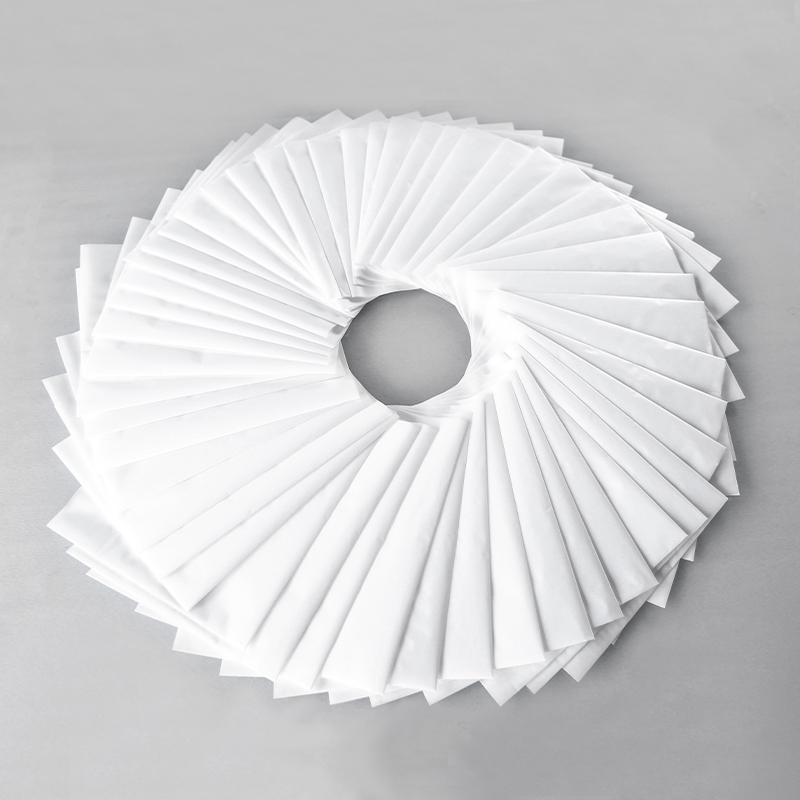
Product details: Folded baking paper sheets, an environment-friendly product, are composed of wood pulp and are double-side coated with silicone. Such a coating makes our paper smooth, greaseproof and...
See Details -
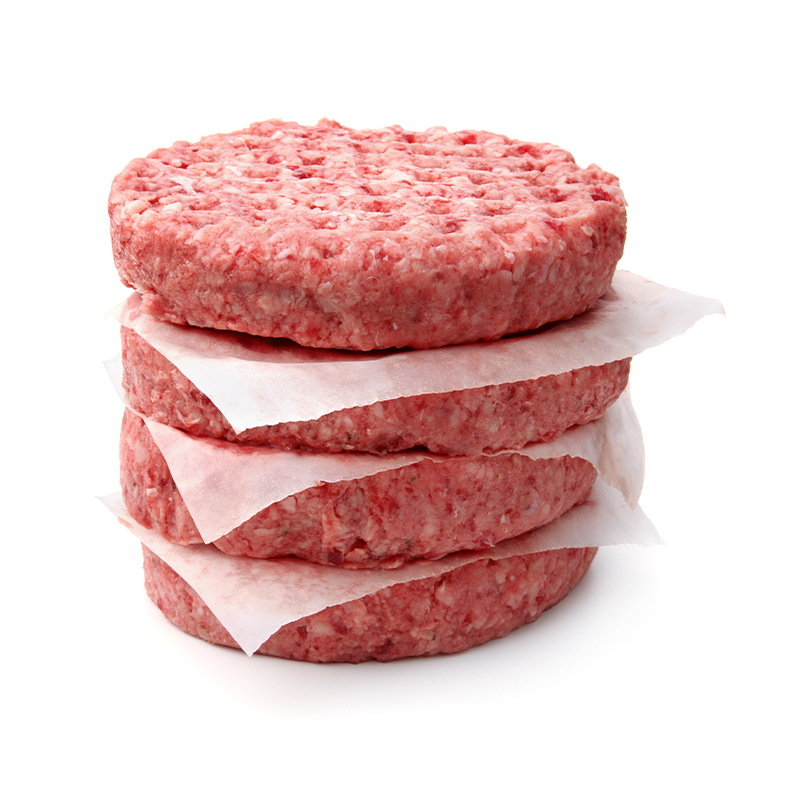
Description: Wax paper is the paper that is coated with food-grade wax in order to make it non-stick and waterproof. wax paper is very good for food storing and presentingMade of food-grade paper and ...
See Details -
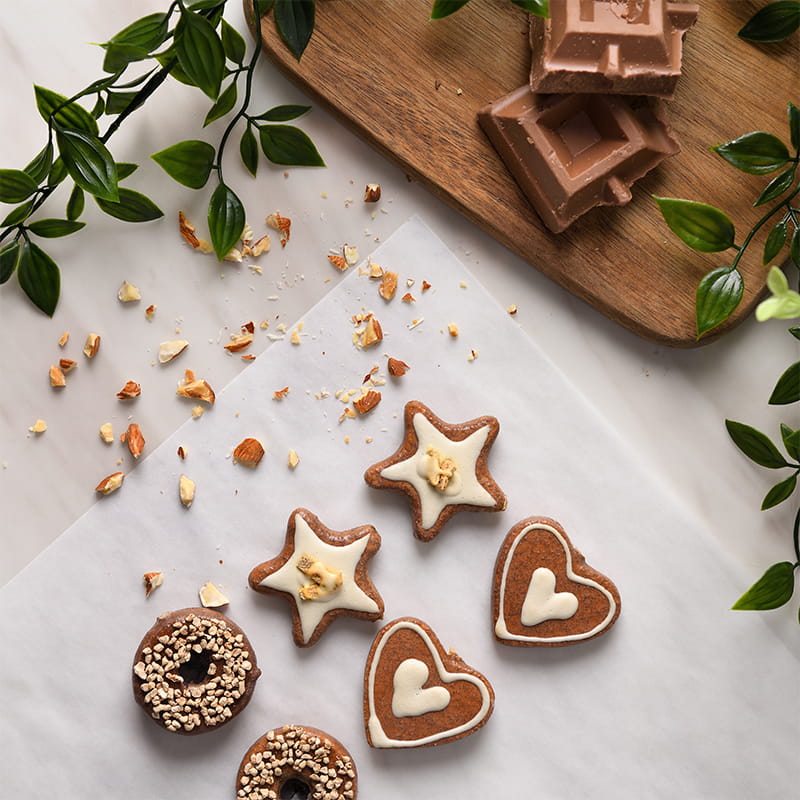
Product Features: 1. Virgin wood pulp 2. Double sides food grade silicone-treated 3. Fluorine-free 4. Non-stick 5. Oven/Microwave safe 6. Freezer safe 7. Reusable 8. BPA f...
See Details -
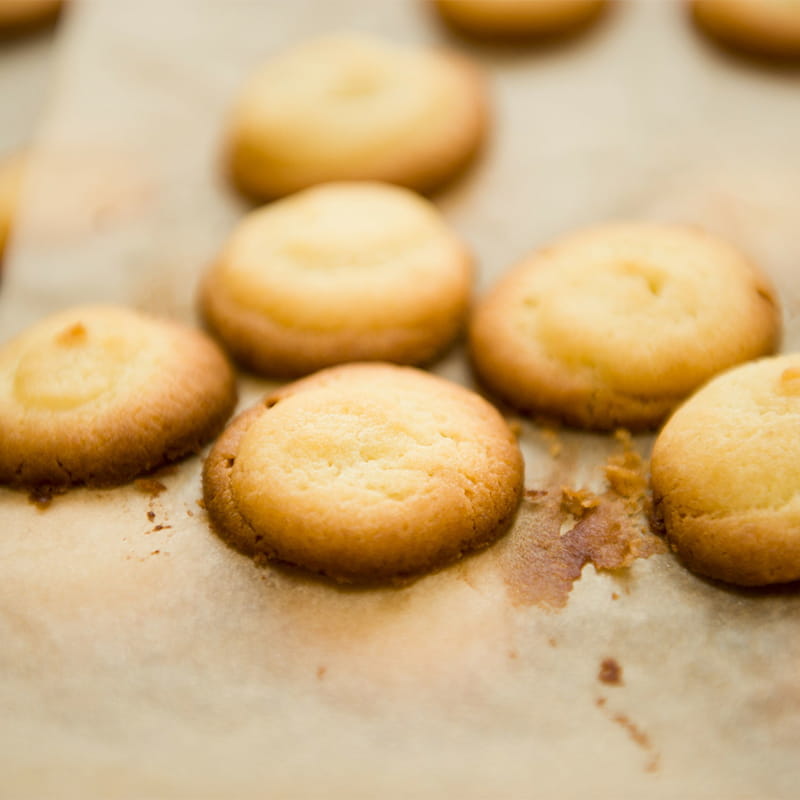
Product Features: 1. Virgin wood pulp 2. Natural unbleached brown color 3. Double sides food grade silicone-treated 4. Fluorine-free 5. Non-stick 6. Oven/Microwave safe 7. Fre...
See Details -
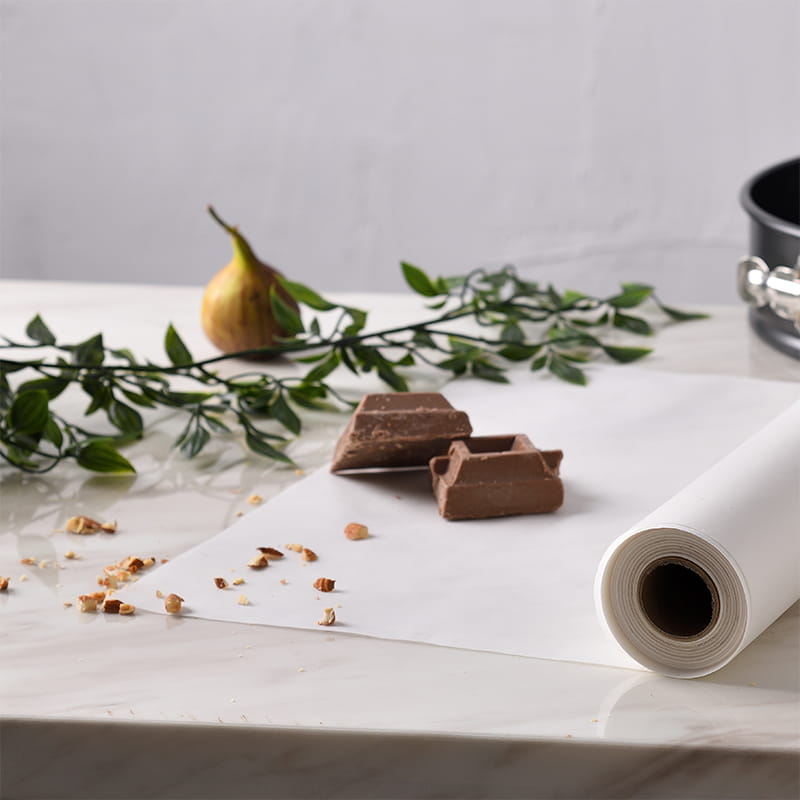
Product Features: 1. Virgin wood pulp 2. Double sides food grade silicone treated 3. Fluorine-free 4. Non-stick 5. Oven/Microwave safe 6. Freezer safe 7. Reusable 8. BPA ...
See Details -
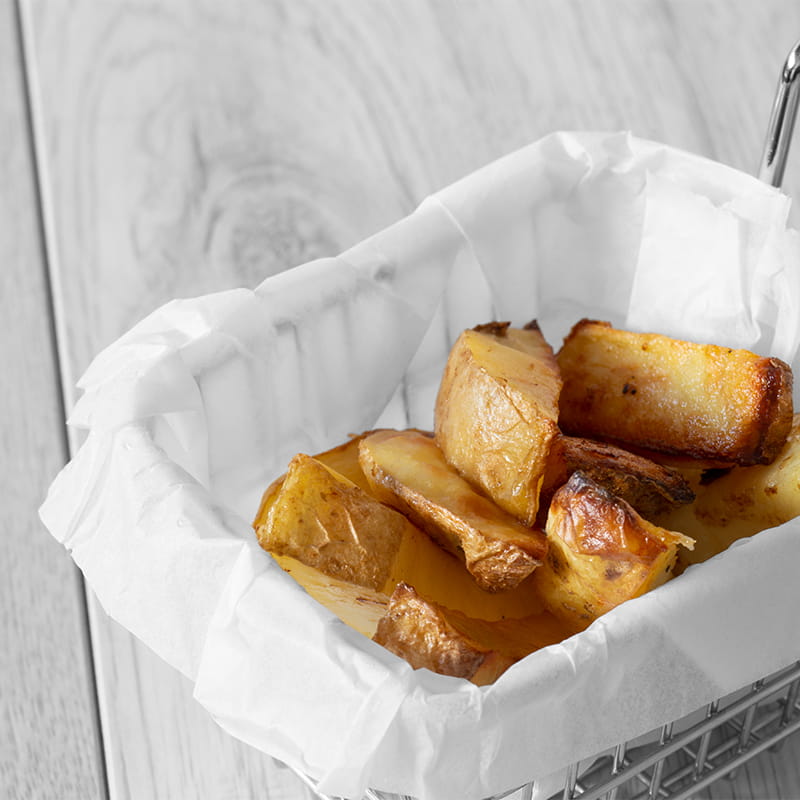
Product Features: 1. Virgin wood pulp 2. Fluorine-free 3. BPA free 4. Biodegradable Product Details: In an era where environmental consciousness and sustainability are paramount, Natu...
See Details -
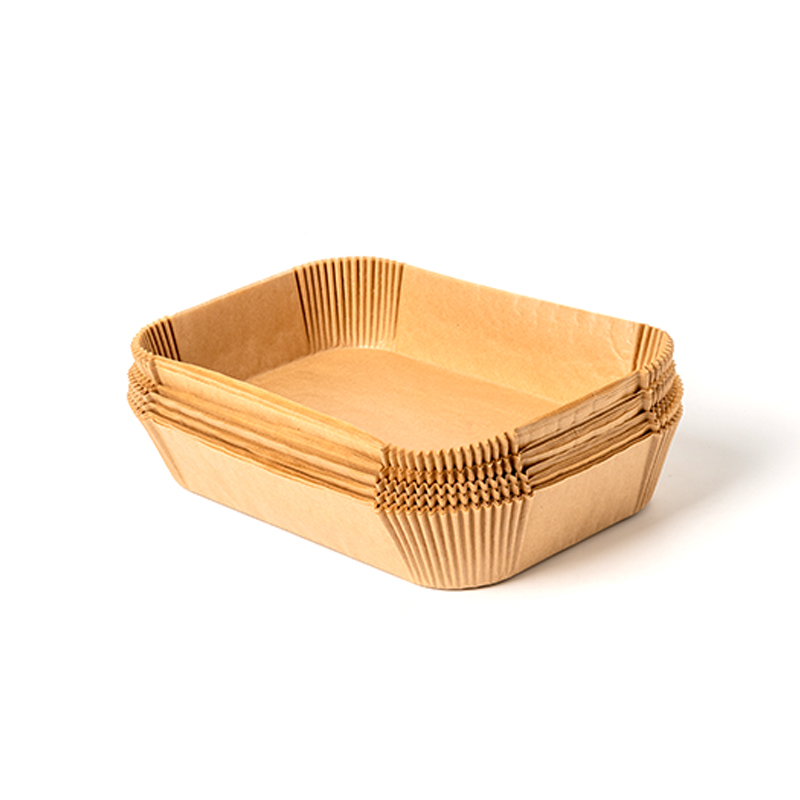
Product Features: 1. Virgin wood pulp 2. Double sides food grade silicone-treated 3. Fluorine-free 4. Non-stick 5. Air fryer basket safe 6. Reusable 7. BPA free 8. Biodeg...
See Details -
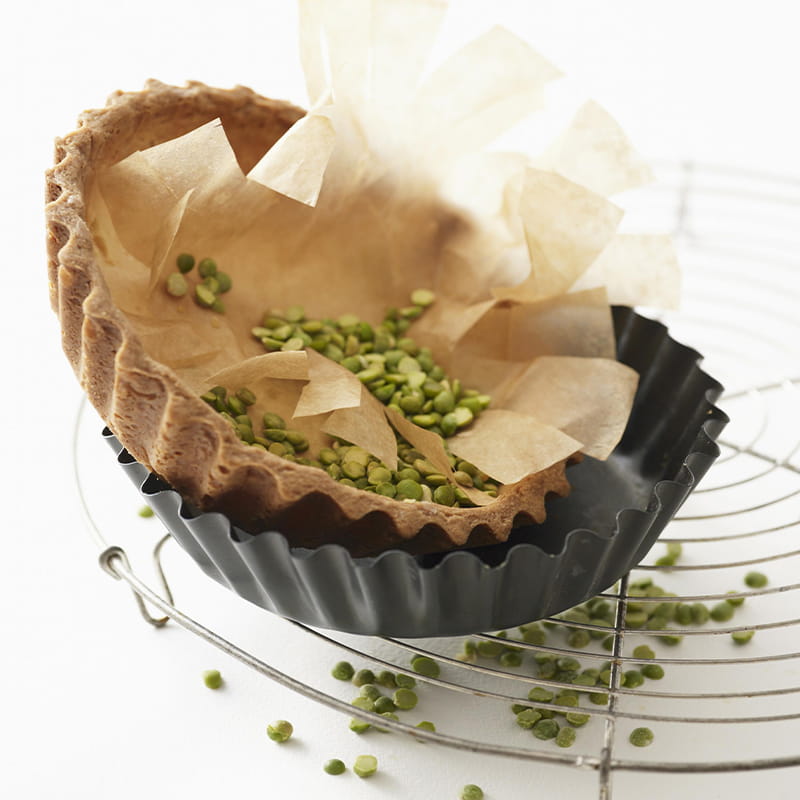
Product Features: 1. Virgin wood pulp 2. Natural unbleached brown color 3. Fluorine-free 4. BPA free 5. Biodegradable Product Details: Introducing our Unbleached Brown Food Grade ...
See Details -
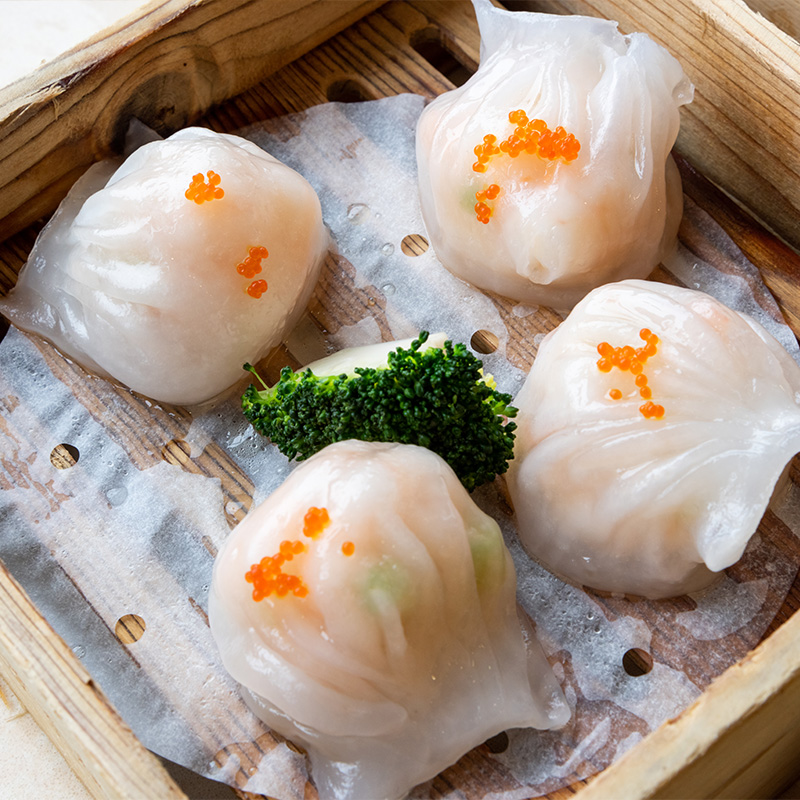
Product Features: 1. Virgin wood pulp 2. Double sides food grade silicone treated 3. Fluorine-free 4. Non-stick 5. Steamer/air fryer basket safe 6. Reusable 7. BPA free 8...
See Details -
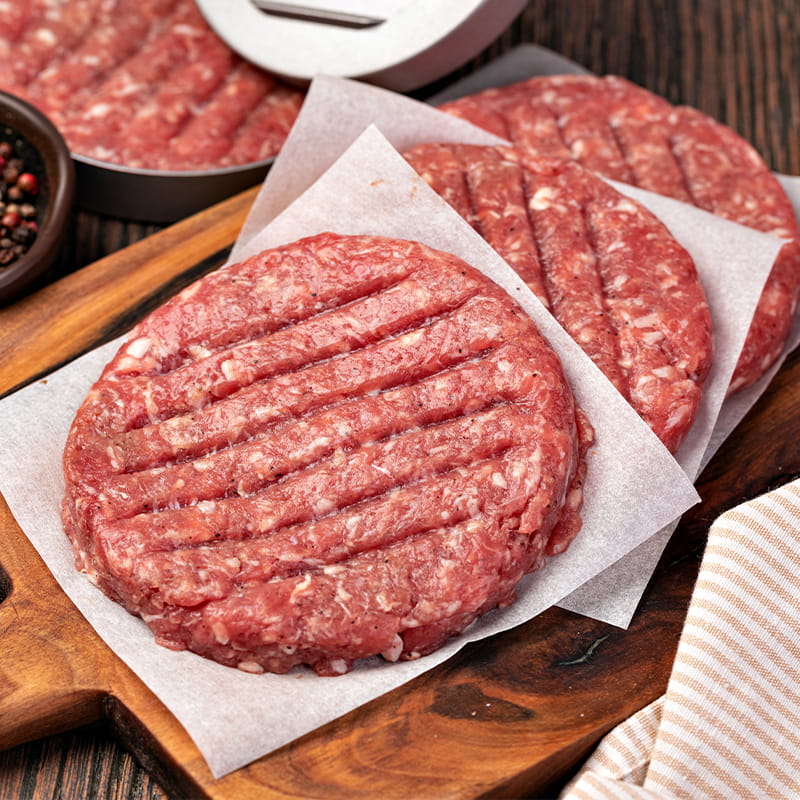
Product Features: 1. Virgin wood pulp 2. Double sides food grade silicone treated 3. Fluorine-free 4. Non-stick 5. Easy to separate 6. Reusable 7. BPA free 8. Biodegradab...
See Details -
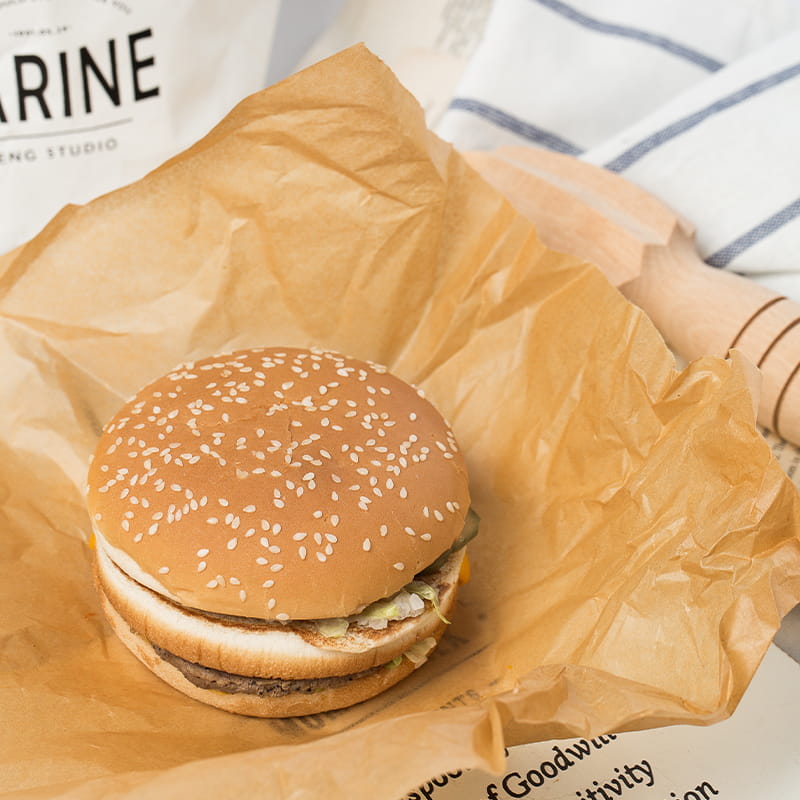
Product Features 1. Virgin wood pulp 2. Flexographic printing 3. Eco-friendly water-based ink 4. BPA free Product Details: Introducing our premium Greaseproof Sandwich Paper Sheets, a...
See Details

Professional Baking Parchment Paper Manufacturer in China with more than 15 years silicone coating experience.
Products
Contact Us
- No.10 Longyin Road, Chengnan Industrial Park,Longyou, Quzhou, China.
- +86-18968091013 / +86-571-88639705
- Avayao-1990@hotmail.com
Copyright © Zhejiang Guanghe New Materials Co., Ltd. All Rights Reserved.
Parchment Paper & Baking Paper Sheets Manufacturer
