 English
 中文简体
中文简体
Pre Cut Baking Paper Sheets are made from wood pulp and coated on both sides with a food-safe silicone layer. This coating gives the paper a smooth, greaseproof, and moisture-resistant surface that su...
See DetailsParchment Paper Storage Tips for Better Baking Results
You pull out a sheet to line your baking tray, and it curls at the edges, refuses to lie flat, or worse, sticks to your food mid-bake. You stored it the same way you store everything else in the kitchen, and it still went wrong. If you have ever wondered why a product that seemed fine in the store starts underperforming weeks after opening, the answer almost always comes down to how it was kept. Sourcing from a reliable Parchment Paper Supplier is only half the equation — the other half is what happens after the roll or pack reaches your kitchen or facility. Proper storage is not a minor detail; it is what determines whether the product performs as intended every single time.
What Makes Parchment Paper Sensitive to Storage Conditions
Parchment paper is not just plain paper. It has a silicone coating applied to one or both sides during manufacturing, and that coating is what gives it its non-stick, heat-resistant properties.
That structure makes it more reactive to its environment than many kitchen supplies:
- The silicone coating can degrade when exposed to prolonged heat, moisture, or chemical fumes.
- The paper base can absorb ambient humidity, causing warping, stiffening, or surface texture changes.
- Even light physical pressure — from stacking heavy items on top — can crack or compress the coating layer.
Understanding this helps explain why storage location, container type, and handling habits all directly affect how the product performs when you actually use it.
What Are the Ideal Storage Conditions?
The short answer: cool, dry, and dark. But each of those conditions has a practical reason behind it.
Temperature:
- Store at room temperature, away from heat sources such as ovens, stovetops, and dishwashers.
- Elevated ambient heat accelerates coating breakdown even before the sheet touches a baking surface.
Humidity:
- Humidity is a notable storage risk. Moisture causes the paper base to swell unevenly, resulting in waves, curls, and reduced lay-flat performance.
- Kitchens near sinks, steamers, or open pots are particularly problematic environments.
Light:
- Direct sunlight can weaken the coating over time and cause discoloration.
- A drawer, cabinet, or opaque storage container all provide adequate protection.
Should You Keep It in the Original Packaging?
Yes, and for longer than many people do. Original packaging is specifically designed to protect the product during transit and storage, and it continues to do that job after purchase.
Reasons to keep it in its original wrap:
- The packaging creates a moisture barrier that loose storage cannot replicate.
- It keeps sheets or rolls in their natural shape without additional compression.
- It prevents contact with kitchen oils, odors, and particulates that can transfer to food later.
If the original packaging has been discarded or damaged:
- Transfer rolls into a cylindrical container with a fitted lid.
- Place flat sheets into a flat, sealed storage box or resealable bag designed for paper goods.
- Avoid folding sheets in half to fit a smaller space — fold lines permanently damage the coating along the crease.
Where in the Kitchen Should It Be Stored?
Location matters more than many home bakers realize. The kitchen has several microclimates, and not all of them are suitable.
Suitable locations:
- A low-humidity cabinet away from the stove or sink
- A dedicated baking supply drawer lined with a dry cloth or liner
- A pantry shelf with consistent temperature and low foot traffic
Locations to avoid:
- Above or beside the oven or range
- Under the sink or near plumbing
- On open shelves exposed to steam from cooking
- Near windows that receive direct afternoon sunlight
The further the storage spot is from heat and water sources, the longer the product retains its performance properties.
Rolls vs. Pre-Cut Sheets: Do They Have Different Storage Needs?
Yes, and the differences are practical enough to affect your purchasing decision if storage space is limited.
| Feature | Rolled Format | Pre-Cut Sheets |
|---|---|---|
| Moisture resistance | Higher (compact, less surface exposure) | Lower (more surface area exposed) |
| Flat storage requirement | Not required | Recommended to prevent creasing |
| Space efficiency | High | Moderate to low |
| Risk of shape loss | Low (naturally holds form) | Higher without rigid container |
| Suitable for long-term storage | Yes | Yes, with sealed flat box |
| Suitable for commercial use | Yes | Depends on volume and frequency |
Rolled formats generally hold up better over time because less surface area is exposed to the environment. Pre-cut sheets are more convenient for high-frequency use but require more deliberate storage to prevent warping and corner damage.
Common Storage Mistakes That Damage the Coating
These errors are easy to make and often go unnoticed until the product is already in the oven.
- Storing near the stove — Ambient heat from cooking cycles degrades the silicone coating gradually, even without direct flame contact.
- Leaving it unsealed after opening — An open roll sitting in a drawer absorbs humidity and kitchen odors over days and weeks.
- Stacking heavy items on top of flat sheets — The weight flattens and cracks the coating along pressure points.
- Placing it near cleaning supplies or scented products — The paper base can absorb chemical fumes or fragrances that later transfer to food.
- Using a damp container — Even a lightly damp storage box creates enough moisture exposure to cause warping within days.
How Do You Know If It Has Been Stored Incorrectly?
There are clear physical signs that storage conditions have compromised the product before you even place it in the oven.
Watch for these indicators:
- Persistent curling — Sheets or strips that will not lie flat even after gentle pressing
- Surface stiffness — A crinkled or brittle texture that was not present when the pack was new
- Visible discoloration — Yellow or brown patches that appear without heat exposure
- Noticeable odor — Any kitchen smell absorbed into the paper itself
- Food sticking during baking — A clear sign the coating has degraded or been contaminated
If any of these appear, the product should be replaced rather than used with food, particularly when the coating integrity cannot be confirmed.
How Does Proper Storage Affect Baking Performance?
Storage and performance are directly connected, even if the link is not obvious while shopping.
Non-stick reliability:
- A well-stored sheet releases baked goods cleanly without tearing or sticking.
- A moisture-damaged sheet may partially adhere to cookies, bread bottoms, or pastry edges.
Heat stability:
- Coating that has degraded in storage may begin to smoke or discolor at lower temperatures than expected.
- This is both a performance issue and a food safety concern.
Physical handling:
- A flat, undamaged sheet is easy to place, reposition, and remove from a pan.
- A warped or creased sheet creates uneven air gaps beneath food, affecting heat distribution.
Taking storage seriously means fewer failed batches and less wasted product overall.
Storage Recommendations by User Type
Different users have different volume needs, and storage setups should reflect that.
Home bakers:
- Keep one roll active in a kitchen drawer or cabinet, sealed after each use.
- Store backup rolls in a dry pantry or closet shelf, away from cooking heat.
Cafes and small bakeries:
- Use a designated dry goods storage area with consistent ventilation and temperature.
- Rotate stock regularly — bring newer rolls to the back and use older stock before newer ones.
- Consider airtight flat-sheet dispensers for pre-cut formats to reduce daily handling.
Food processing facilities:
- Store in a climate-controlled warehouse section, separated from wet goods and chemical storage.
- Keep all packaging intact until the point of use.
- Inspect each shipment upon arrival for moisture damage before adding to inventory.
Matching the storage setup to actual usage volume prevents both degradation and unnecessary waste.
Does Material Quality Affect How Well It Stores?
Significantly. Two products that look identical on the shelf can behave very differently in storage because of how they were manufactured.
Key quality factors that influence storage durability:
- Silicone coating density — A thicker, more evenly applied coating resists environmental exposure longer than a thin or inconsistent one.
- Base paper weight — Heavier base paper absorbs moisture more slowly, giving it more resilience in humid environments.
- Coating adhesion — How well the silicone bonds to the paper determines whether it separates, flakes, or cracks under storage stress.
A product made to tighter manufacturing standards will remain stable longer under the same storage conditions as a lower-quality alternative. This is why sourcing decisions matter not just at the point of purchase, but in how the product holds up across its entire shelf life in your kitchen or facility.
A Simple Maintenance Routine After Opening a New Pack
Opening a new roll or pack does not have to mean the beginning of a slow decline in quality. A few consistent habits make a significant difference.
After each use:
- Reseal the roll or close the box fully before returning it to storage.
- Check that the storage location has not become damp since the last use.
- Avoid touching the coated surface with wet or greasy hands before returning it to its container.
Periodically (every few weeks for active users):
- Unroll a short section and check for discoloration, stiffness, or unusual texture.
- Confirm the storage area has not been exposed to steam, spills, or temperature spikes.
- Replace any packs showing signs of coating degradation, even if much of the roll appears unused.
These steps take under a minute and extend the functional life of every pack significantly.
When Should Stored Parchment Paper Be Replaced?
There is no fixed expiry date, but there are reliable functional indicators worth knowing.
Replace it when:
- Sheets consistently curl or refuse to stay flat even when weighted down
- Food begins sticking to the surface during normal baking temperatures
- The surface feels rough, brittle, or uneven to the touch
- Any visible discoloration appears before heat exposure
- The product has been stored in compromised conditions (moisture, heat, or chemical exposure) for an extended period
Using degraded material with food carries risks beyond just poor baking results. The coating's food-contact safety depends on it remaining intact, which is why replacement rather than continued use is the appropriate response when quality has visibly declined.
Storing It Well Is Part of Using It Well
Proper storage is not a separate task from using the product — it is an extension of the same care that goes into choosing a quality item from the start. A roll kept in the right conditions will perform dependably from the initial sheet to the final one, with consistent non-stick behavior, clean food release, and stable heat performance. For buyers sourcing in volume, facility managers, or procurement teams evaluating supply chain decisions, working with a manufacturer that builds stability into the product itself is the foundation that good storage builds on. Zhejiang Guanghe New Materials Co., Ltd. produces parchment paper products engineered for consistent coating density, moisture-resistant base paper, and structural integrity across extended storage periods. Whether you are outfitting a commercial kitchen, stocking a bakery, or sourcing for food processing operations, reaching out to their team allows you to discuss material specifications, volume options, and packaging formats that align with your actual storage and usage environment.
Related Products
-
-
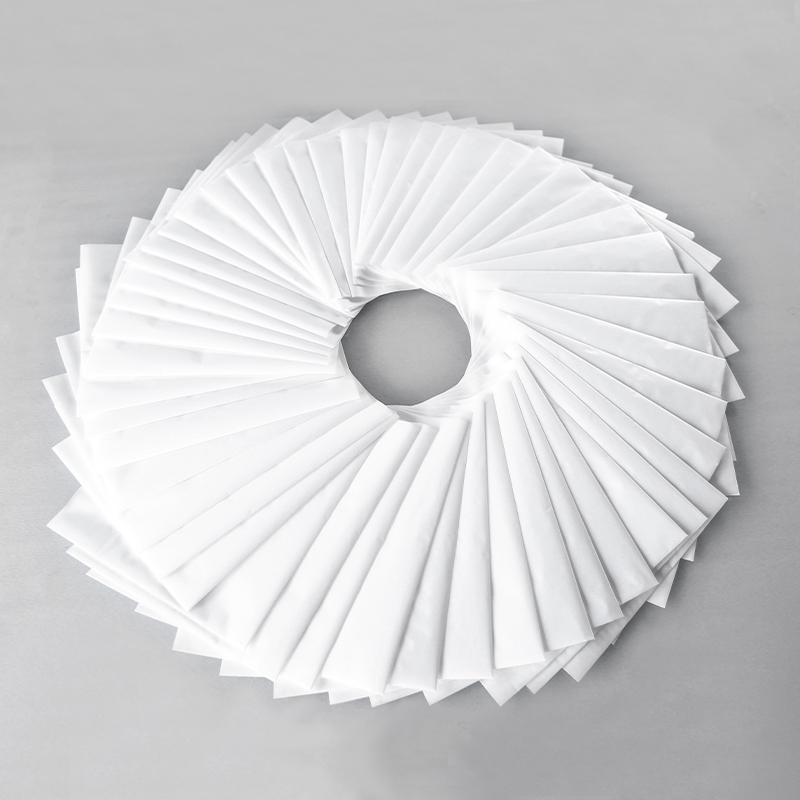
Folded Baking Paper Sheets, also known as Non Stick Baking Paper Sheets, are made from wood pulp and coated on both sides with a food-safe silicone layer. This coating gives the paper a smooth, grease...
See Details -
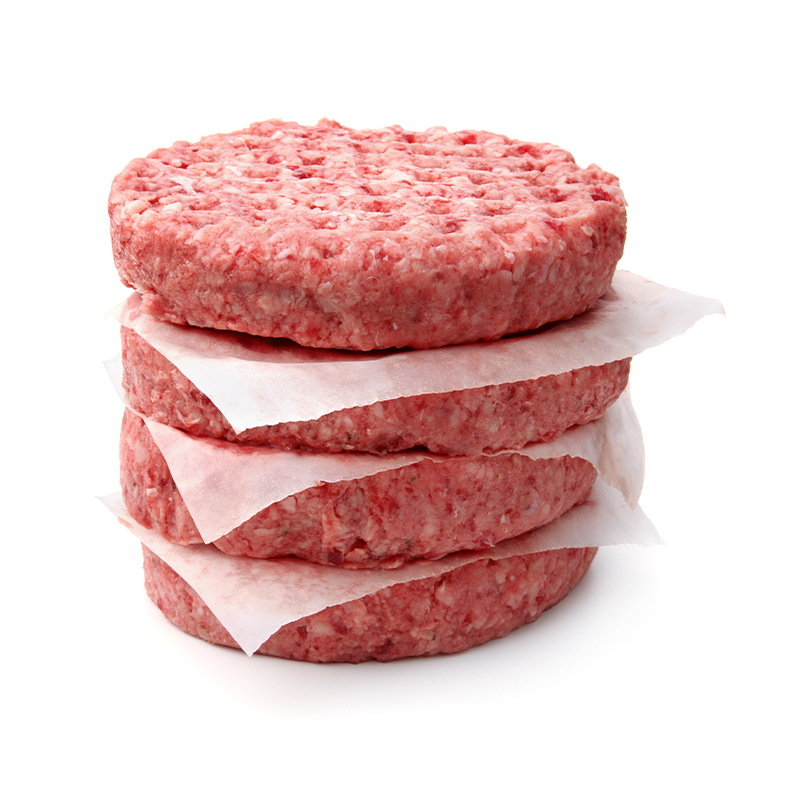
Description: Wax paper is the paper that is coated with food-grade wax in order to make it non-stick and waterproof. wax paper is very good for food storing and presentingMade of food-grade paper and ...
See Details -
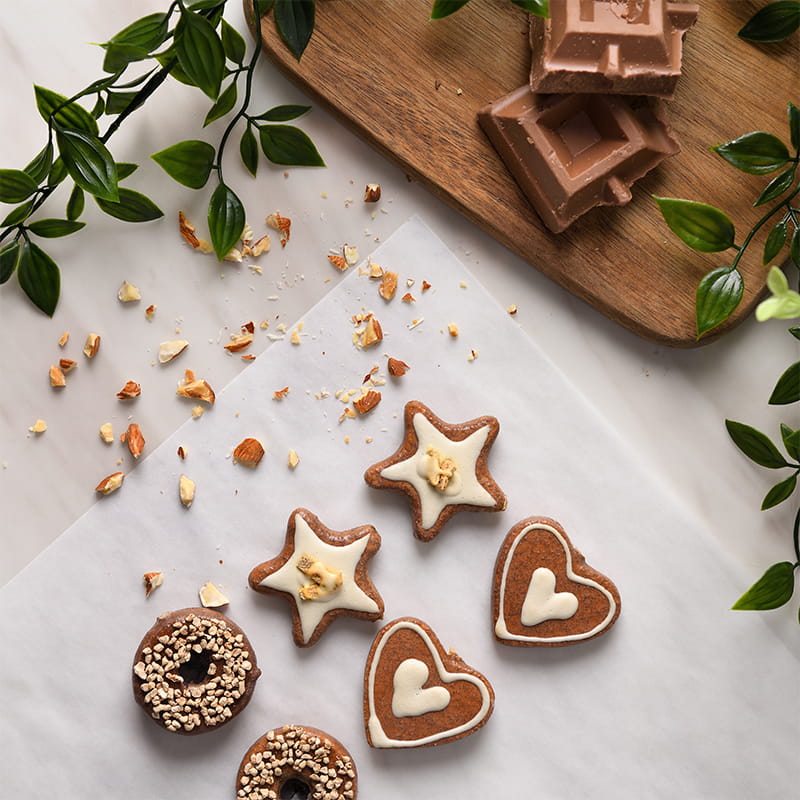
Product Features: 1. Virgin wood pulp 2. Double sides food grade silicone-treated 3. Fluorine-free 4. Non-stick 5. Oven/Microwave safe 6. Freezer safe 7. Reusable 8. BPA f...
See Details -
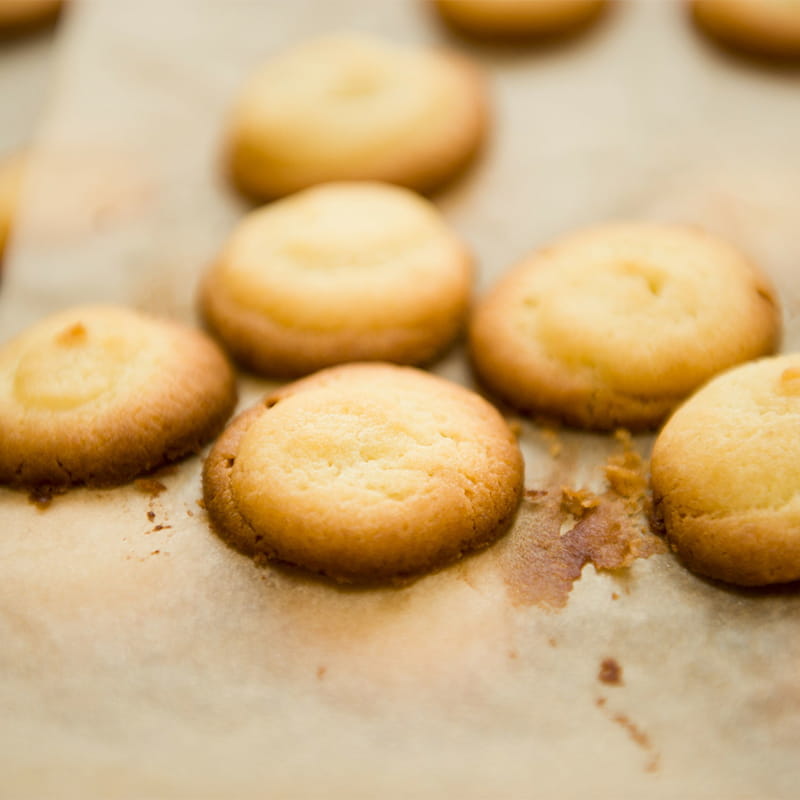
Product Features: 1. Virgin wood pulp 2. Natural unbleached brown color 3. Double sides food grade silicone-treated 4. Fluorine-free 5. Non-stick 6. Oven/Microwave safe 7. Fre...
See Details -
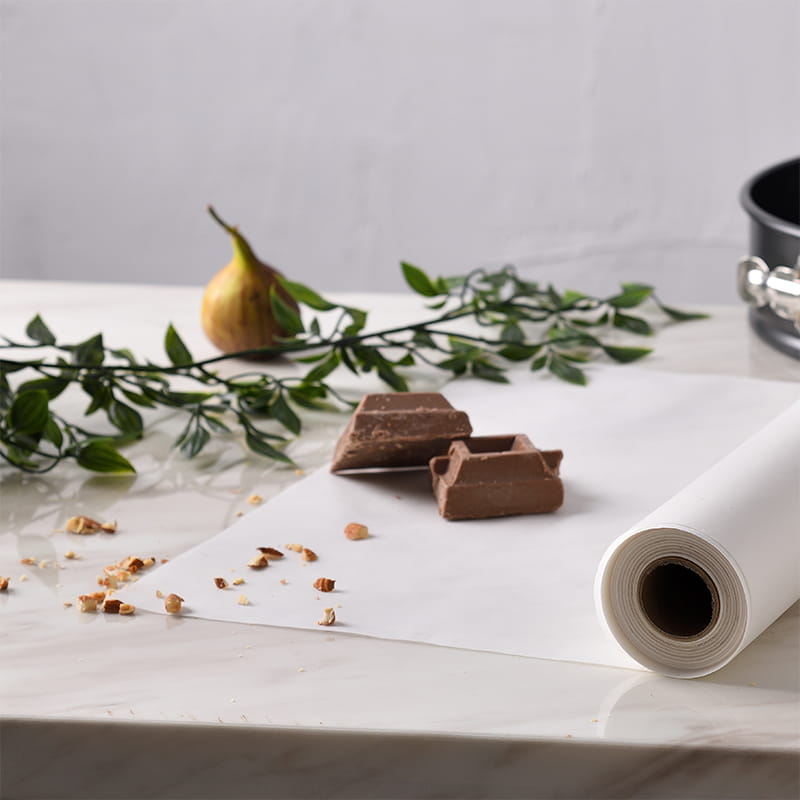
Product Features: 1. Virgin wood pulp 2. Double sides food grade silicone treated 3. Fluorine-free 4. Non-stick 5. Oven/Microwave safe 6. Freezer safe 7. Reusable 8. BPA ...
See Details -
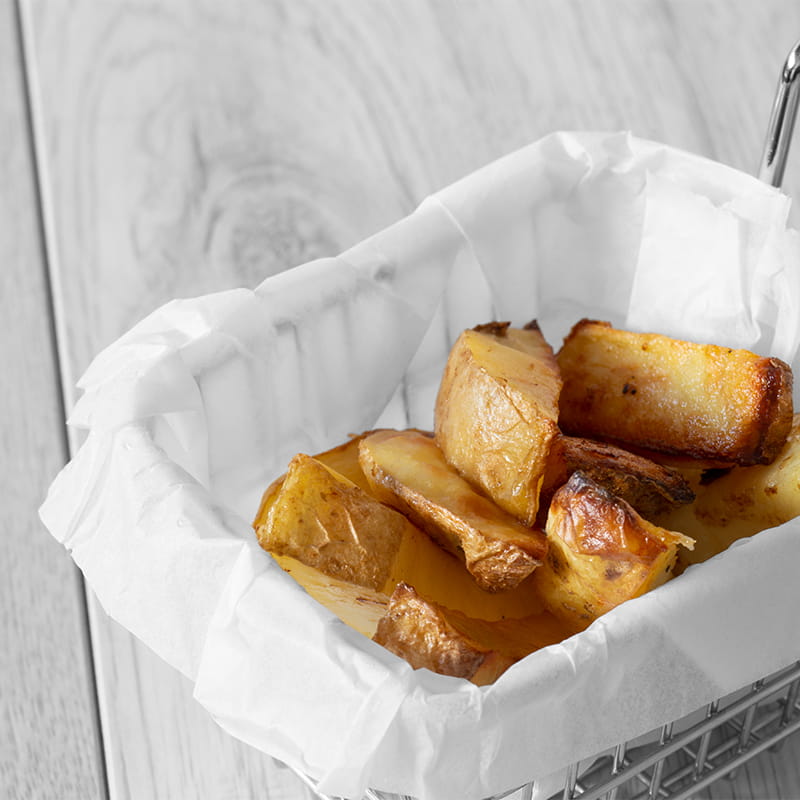
Product Features: 1. Virgin wood pulp 2. Fluorine-free 3. BPA free 4. Biodegradable Product Details: In an era where environmental consciousness and sustainability are paramount, Natu...
See Details -
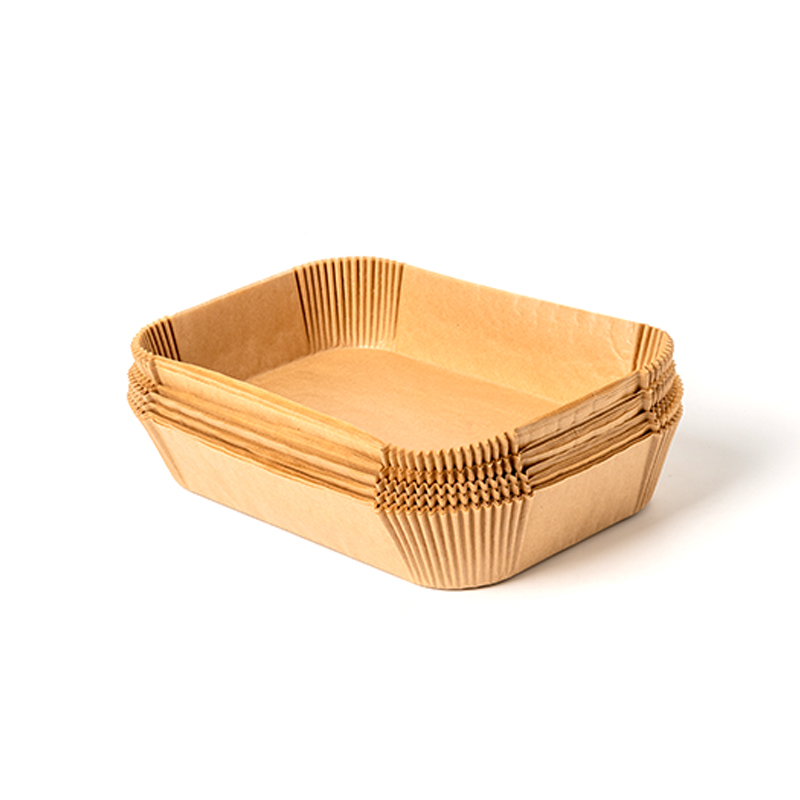
Product Features: 1. Virgin wood pulp 2. Double sides food grade silicone-treated 3. Fluorine-free 4. Non-stick 5. Air fryer basket safe 6. Reusable 7. BPA free 8. Biodeg...
See Details -
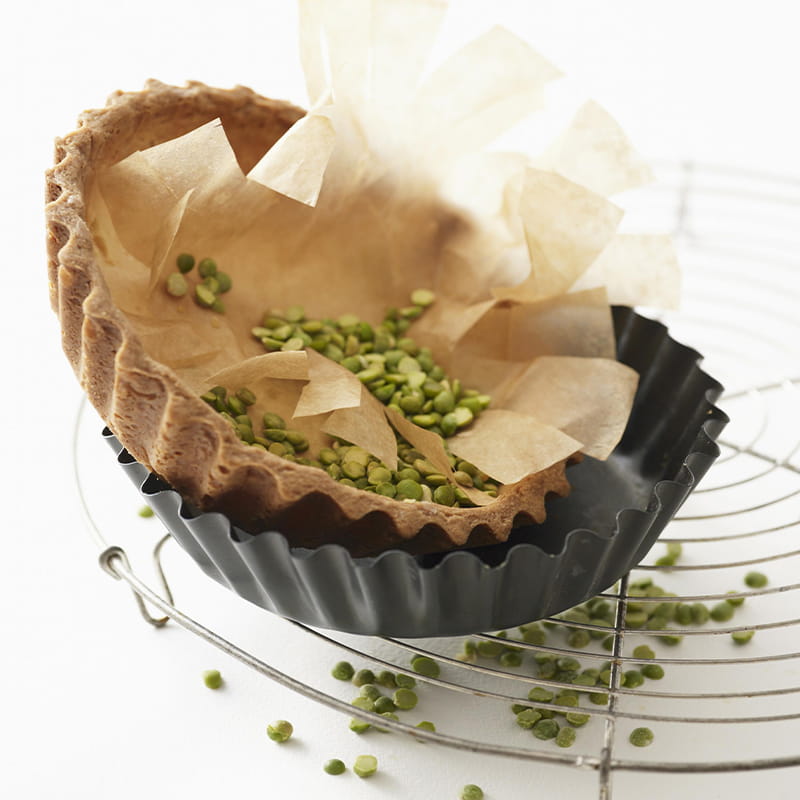
Product Features: 1. Virgin wood pulp 2. Natural unbleached brown color 3. Fluorine-free 4. BPA free 5. Biodegradable Product Details: Introducing our Unbleached Brown Food Grade ...
See Details -
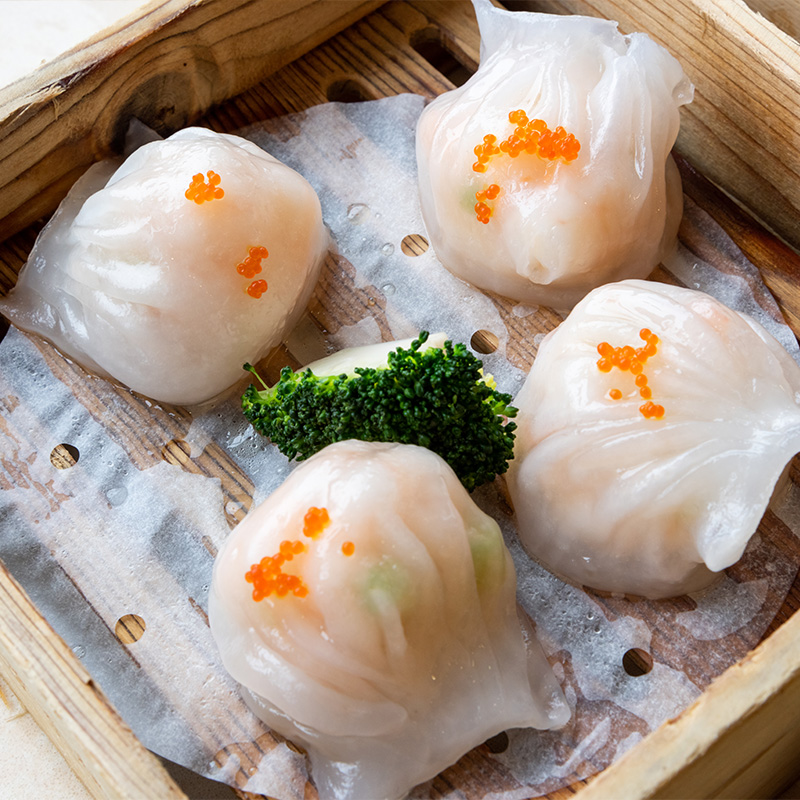
Product Features: 1. Virgin wood pulp 2. Double sides food grade silicone treated 3. Fluorine-free 4. Non-stick 5. Steamer/air fryer basket safe 6. Reusable 7. BPA free 8...
See Details -
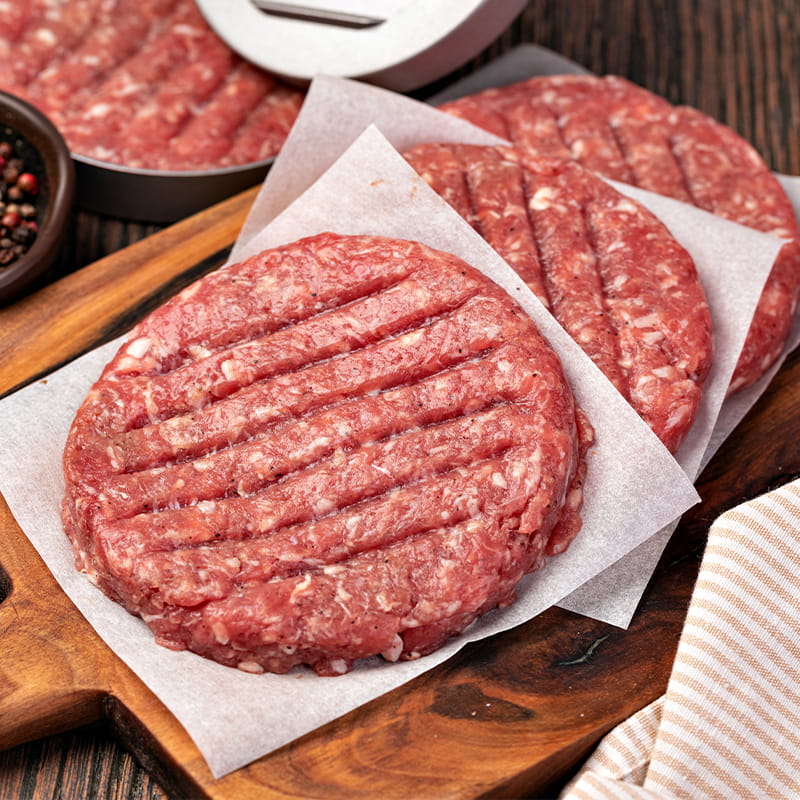
Product Features: 1. Virgin wood pulp 2. Double sides food grade silicone treated 3. Fluorine-free 4. Non-stick 5. Easy to separate 6. Reusable 7. BPA free 8. Biodegradab...
See Details -
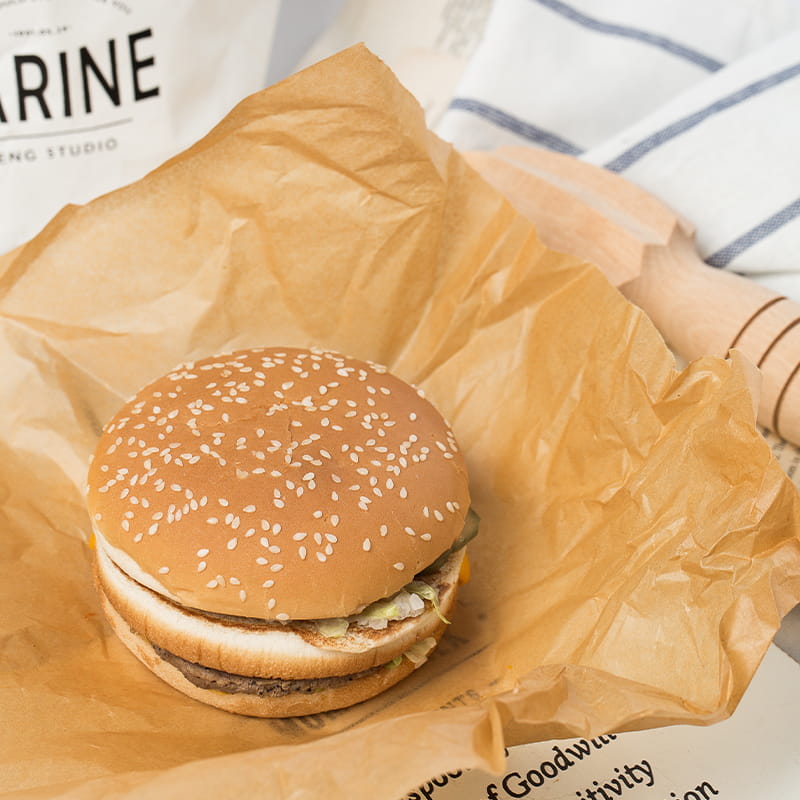
Product Features 1. Virgin wood pulp 2. Flexographic printing 3. Eco-friendly water-based ink 4. BPA free Product Details: Introducing our premium Greaseproof Sandwich Paper Sheets, a...
See Details

Professional Baking Parchment Paper Manufacturer in China with more than 15 years silicone coating experience.
Products
Contact Us
- No.10 Longyin Road, Chengnan Industrial Park,Longyou, Quzhou, China.
- +86-18968091013 / +86-571-88639705
- Avayao-1990@hotmail.com
Copyright © Zhejiang Guanghe New Materials Co., Ltd. All Rights Reserved.
Parchment Paper & Baking Paper Sheets Manufacturer
