 English
 中文简体
中文简体
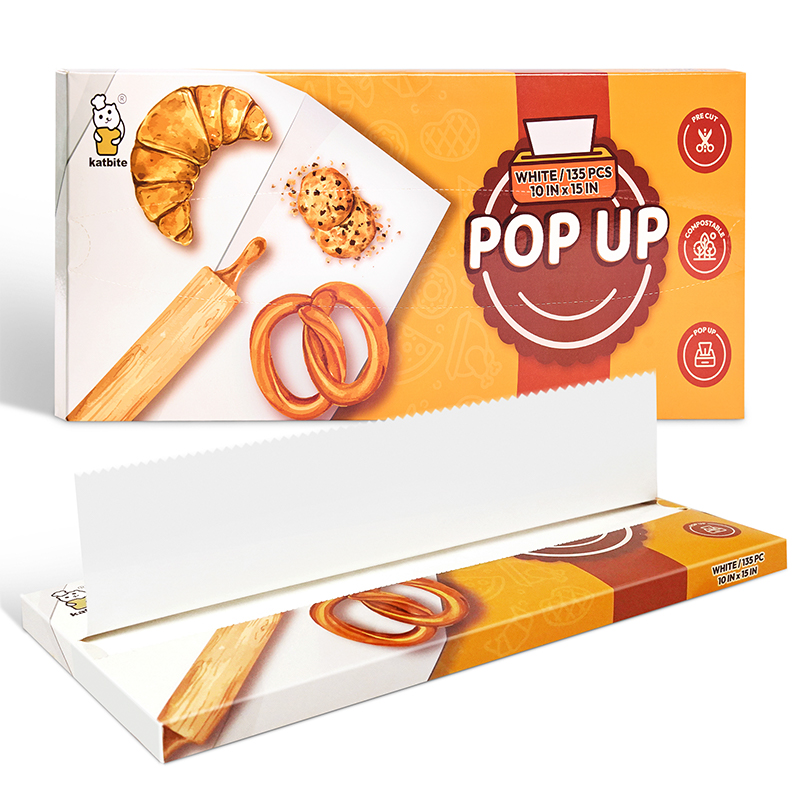
Product details: Pop-up parchment paper sheets, an environment-friendly product, are composed of wood pulp and are double-side coated with silicone. Such a coating makes our paper smooth, greasepr...
See DetailsParchment Paper vs Aluminum Foil: Which One Should You Use?
You reach into the drawer, grab whichever roll is closest, and hope it works. Home cooks and food professionals alike have been there — using aluminum foil for a baking job that calls for something else, or reaching for baking paper when a roasting situation actually needs heat retention and a sealed wrap. The confusion is understandable because both materials look similar in the drawer and overlap in a handful of applications. Knowing which one to use in a given situation — and why — comes down to understanding what each material actually does. For anyone working with a Parchment Paper Supplier or sourcing kitchen materials at scale, that distinction carries operational weight well beyond the individual recipe.
What Is Parchment Paper and Why Does Baking Rely on It?
The Material and How It Works
Parchment paper is a cellulose-based sheet treated with a silicone coating that gives it non-stick, grease-resistant, and heat-tolerant properties. The silicone layer is what makes it behave differently from ordinary paper — it does not absorb fat, it releases food cleanly, and it holds up through a baking cycle without burning or breaking down under moderate oven heat.
Core properties that define its behavior:
- Non-stick surface that releases baked goods without greasing
- Grease resistance that prevents fat from soaking through to the pan
- Heat tolerance through standard baking temperature ranges
- Moisture stability that does not turn soggy under wet batters or doughs
Why Professional Kitchens Use It Consistently
In commercial baking environments, consistency matters across hundreds of cycles. A sheet that releases cleanly every time, does not transfer flavor, and holds its structure through the bake is a production asset. Quality varies significantly between manufacturers — coating uniformity, sheet thickness, and heat resistance consistency are the variables that separate reliable material from unreliable material across high-volume use.
What Is Aluminum Foil and What Does It Actually Do?
A Different Material with a Different Function
Aluminum foil is a thin sheet of rolled aluminum metal. Its defining characteristic is thermal conductivity — it transfers and retains heat efficiently, reflects radiant energy, and can be molded around food to create a sealed cooking environment. These are properties that parchment paper simply does not share.
Key characteristics of aluminum foil:
- High thermal conductivity that speeds up surface browning and heat transfer
- Flexibility to wrap, seal, and tent food during cooking
- Structural strength to hold shapes and create enclosed cooking environments
- Effective heat retention that keeps food warm after cooking
Where It Fits in the Kitchen
Foil is the material of choice when the goal involves heat — directing it, retaining it, or creating a contained environment for steam-roasting. It is not primarily a non-stick material, though some types carry a light coating for that purpose.
Parchment Paper vs Aluminum Foil: The Core Functional Differences
The two materials are built for different jobs. Treating them as interchangeable leads to predictable problems.
| Property | Parchment Paper | Aluminum Foil |
|---|---|---|
| Non-stick performance | Strong; silicone coating releases food cleanly | Variable; food can bond to surface at high heat |
| Heat conductivity | Low; acts as a mild insulator | High; transfers heat efficiently to food surface |
| Moisture behavior | Allows some vapor release; prevents soggy bases | Traps moisture; creates steam when sealed |
| Grease resistance | Yes; does not absorb fat | No; fat can pool on surface |
| Direct flame suitability | No; will char or ignite | Yes; handles direct heat sources |
| Food wrap capability | Limited; not structural | Strong; molds around food shapes |
| Surface browning effect | Minimal; produces lighter bases | Increases browning through heat reflection |
| Reusability | Limited; degrades with repeated baking | Can be reused for non-cooking purposes |
When Should You Use Parchment Paper?
Baking Is Where It Performs
Baking is the environment where silicone-coated paper does exactly what it was designed to do. The non-stick release, the grease resistance, and the mild insulating effect all work together to produce consistent results.
Use it for:
- Cookies, biscuits, and pastries that need clean release from baking trays
- Cake layers that require intact removal from round or rectangular tins
- Delicate items like tuiles, macarons, or meringues where surface adhesion destroys the product
- Lining loaf pans or brownie tins where sides and base need coverage
- Steaming en papillote — wrapping fish or vegetables in a paper parcel for oven steaming
In the Air Fryer
Perforated versions designed for air fryers allow hot air circulation while protecting the basket surface. Standard flat sheets block airflow and should not be used in this application.
When Cleanup Is a Priority
Lining a sheet pan with baking paper means the pan itself stays clean. For operations producing at volume, this reduces washing time and extends pan life.
When Should You Use Aluminum Foil?
High-Heat and Wrapping Applications
Foil handles situations where heat management is the goal — reflecting, retaining, or directing thermal energy around food.
Use it for:
- Roasting meat where surface browning is desired and fat drainage needs containment
- Tenting roasted items to rest and retain heat without further cooking the surface
- Wrapping vegetables or fish for sealed oven roasting where steam is part of the cooking method
- Grilling applications where food needs to cook through without direct flame contact
- Lining grill trays or drip pans where grease needs to be contained
- Covering dishes during the early stage of baking when moisture retention matters
Storage and Short-Term Wrapping
Foil's structural flexibility makes it useful for wrapping cooked food for storage or transport, where it molds to the shape of the item and provides a physical barrier.
Can These Materials Replace Each Other?
Where Substitution Works
There are limited situations where one can substitute for the other without significant consequence:
- Lining a roasting pan for easy cleanup — foil works here, though it does not provide non-stick release for delicate items
- Covering a dish in the oven — either material can function as a lid substitute, though they behave differently
Where Substitution Fails
Many substitution attempts produce poor results or create safety issues:
- Using foil in place of baking paper for cookies produces darker, harder bases because foil conducts heat directly into the dough rather than providing mild insulation
- Using baking paper in place of foil for grilling or direct-flame applications creates a fire risk — paper chars and ignites at temperatures well below a grill's operating range
- Using foil to line a baking tin for a delicate cake often results in the foil tearing and sticking to the base of the finished item
- Using baking paper to wrap acidic foods for roasting is not a concern in the way that foil wrapping can be — but paper does not provide the sealed steam environment that foil creates
The cleaner rule: use each material in the application it was designed for rather than working around a missing tool.
Safety Considerations Worth Understanding
Heat Limits for Baking Paper
Silicone-coated paper is heat-stable through standard baking temperatures. Above that range, the coating begins to break down and the paper can char. It should never be used under a broiler, on a grill, or anywhere it will be exposed to direct flame or radiant heat at close range.
Signs that paper has exceeded its safe range:
- Browning or darkening of the sheet edges during baking
- Brittleness after baking that causes the sheet to crack rather than fold
- Smoke during the bake at temperatures within the stated range — this may indicate a lower-quality product with inconsistent coating
Aluminum and Acidic Foods
There is an established interaction between aluminum foil and acidic foods — tomatoes, citrus, vinegar-based marinades — when they are in prolonged contact, particularly at high temperatures. The foil can impart a metallic note to the food and minor surface degradation of the foil occurs. For short cooking periods this effect is minimal, but for long marination or extended cooking of acidic dishes, using a non-reactive alternative is reasonable practice.
Which Material Works Better for Baking Specifically?
Baking Paper Has a Clear Functional Advantage
For baking applications, the comparison is not particularly close. The non-stick release, the grease resistance, and the mild insulating effect that produces even baking without over-browning the base are properties specific to coated paper. Foil does not replicate these.
What happens when foil is used in baking applications:
- Cookie bases become darker and harder due to direct heat conduction
- Delicate items stick and tear on removal
- Fat pools on the foil surface rather than being resisted, affecting texture
- The reflective surface can cause uneven baking in some oven configurations
For professional bakers and food production operations, using the correct material is a quality consistency issue, not a preference question.
Which Material Works Better for Grilling and High-Heat Cooking?
Foil Handles Conditions That Paper Cannot
At grill temperatures or under a broiler, foil is the only appropriate choice between the two. Its thermal stability at high temperatures, its ability to create enclosed cooking environments, and its structural integrity when exposed to fat and moisture at heat all make it suited to these conditions.
Practical grilling applications:
- Wrapping whole fish or vegetable parcels for indirect cooking on a grill
- Creating a drip tray under items cooking directly on grates
- Tenting meat off direct heat to finish cooking through residual heat
- Lining a grill basket for smaller items that would otherwise fall through the grates
Common Mistakes That Produce Poor Results
Both materials are misused in predictable ways:
- Placing baking paper under a broiler element or directly on a grill surface — this creates a fire risk
- Wrapping acidic foods like tomato-based dishes in foil for extended cooking — this affects flavor
- Assuming foil provides non-stick release without additional fat — it does not, reliably
- Using baking paper in an air fryer without perforations — flat sheets block the airflow the appliance depends on
- Reusing baking paper through multiple baking cycles past the point where the coating has degraded — the non-stick properties diminish and the sheet becomes a sticking risk
- Using foil as a baking liner for cakes and expecting clean release — the foil tears and adheres to the finished product
How to Choose Based on Your Cooking Situation
A straightforward decision framework:
Choose baking paper when:
- The goal is non-stick release of baked goods
- You are lining a baking tray, cake tin, or loaf pan
- Grease resistance is needed between food and the pan surface
- Cleanup simplification is a priority
- You are cooking en papillote in the oven
Choose aluminum foil when:
- You are roasting meat or vegetables and want heat containment
- Tenting or wrapping food to retain heat or create a steam environment
- Working with a grill or broiler
- Lining a drip tray or roasting pan for fat containment
- Covering a dish to prevent over-browning during early cooking stages
Why Material Quality Changes the Result
Not All Baking Paper Performs Equally
Coating uniformity, silicone application consistency, and sheet thickness all affect how a product behaves in use. Thin or inconsistently coated sheets release poorly, absorb grease unevenly, and are more prone to tearing during handling. For operations using large quantities — commercial bakeries, food service operations, or distributors supplying catering businesses — material quality directly affects production consistency and waste rates.
A sheet that sticks to a batch of cookies or tears when removing a cake from a tin is not a minor inconvenience in a production context — it is a quality and cost issue that compounds across volume.
Commercial vs Household Grade
Household rolls are manufactured to tolerance ranges appropriate for occasional home use. Commercial-grade material is produced to tighter specifications for consistent performance across long production runs, repeated oven cycles, and a wider range of baking temperatures. The difference matters when volume and consistency are operational requirements rather than secondary concerns.
Common Questions About Parchment Paper and Aluminum Foil
Can Baking Paper Go in the Oven Safely?
Yes, within the heat range specified by the manufacturer. It handles standard baking temperatures reliably. It should not be placed under a broiler or used in direct-flame applications.
Is Baking Paper Better than Foil for Baking Cookies?
For cookies and many baked goods, yes. The non-stick release and mild insulating effect produce more consistent results than foil, which conducts heat directly and yields darker, harder bases.
Can Aluminum Foil Replace Baking Paper in a Cake Tin?
Not reliably. Foil does not provide non-stick release for delicate baked goods. It tends to tear and adhere to the cake surface during removal, particularly on the sides of a tin where the batter rises against the foil.
Does Baking Paper Burn in the Oven?
It can char or ignite at temperatures significantly above standard baking ranges, or when placed in direct contact with an oven element. Within stated temperature limits and in standard oven baking positions, it does not burn.
Is It Safe to Cook Acidic Food in Aluminum Foil?
For short cooking periods, the effect is minimal. For extended cooking of highly acidic foods — tomato sauces, citrus marinades — the foil can impart a metallic taste and surface degradation occurs. Using a non-reactive material for prolonged exposure is advisable.
Can Baking Paper Be Used in an Air Fryer?
Perforated versions designed for air fryer use allow the necessary airflow and work well. Standard flat sheets should not be used as they block the circulation the appliance relies on.
Which Is More Environmentally Considerate: Baking Paper or Foil?
Both have environmental considerations across their production and disposal lifecycles. Foil is recyclable when clean. Baking paper is often compostable depending on the coating type. Neither has a straightforward environmental advantage — the choice depends on usage patterns and local disposal options.
Why Does Food Stick to Aluminum Foil During Cooking?
Foil does not have an inherent non-stick coating unless specifically manufactured that way. At high temperatures, proteins in meat and sugar in marinades bond to the metal surface. Adding fat or using a coated foil variant reduces this.
Can Baking Paper Be Reused?
For dry baking applications at moderate temperatures — cookies, pastries — sheets can often be used more than once if the coating remains intact. Once the sheet shows darkening, brittleness, or reduced release performance, it should be replaced.
What Temperature Can Standard Baking Paper Handle?
Temperature ratings vary by manufacturer and product grade. The sheet should be used within the range specified on the packaging. Using it significantly above that range risks charring and coating breakdown.
Does the Thickness of Baking Paper Affect Performance?
Yes. Thicker sheets handle grease and moisture more effectively, are less prone to tearing, and maintain structural integrity through full baking cycles. Thin sheets are more economical but perform less consistently under demanding conditions.
Can Baking Paper Be Used for Steaming?
Yes. En papillote — the technique of wrapping food in a paper parcel for oven steaming — is a standard application. The paper holds its structure through the steam cooking process and provides a clean, flavor-neutral cooking environment.
Both materials belong in a well-equipped kitchen, and the decision between them is simpler than it often appears: baking paper handles non-stick, grease-resistant baking applications; foil handles high-heat, wrapping, and heat-retention tasks. Using each in its intended context produces better results than trying to make one substitute for the other. For food service operations, commercial bakeries, and distributors evaluating material supply, consistent product quality across these applications is what separates reliable supply from variable results. Zhejiang Guanghe New Materials Co., Ltd. produces Parchment Paper for commercial and food industry applications, working with buyers on product specifications, volume requirements, and material grades suited to professional use. If you are reviewing your current supply or sourcing options for a new operation, their team is a practical contact for that conversation.
Related Products
-
-
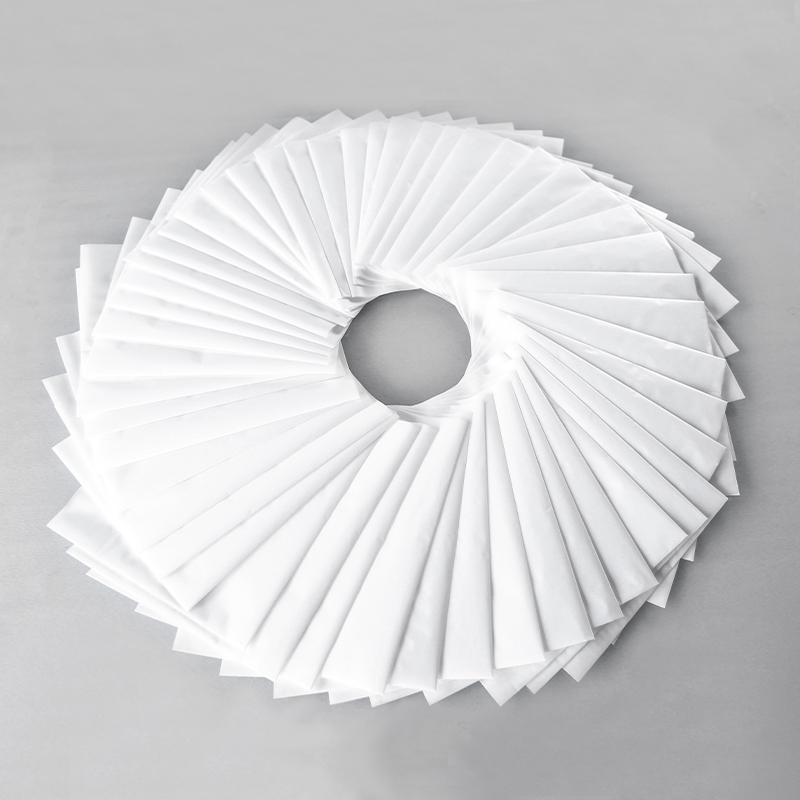
Product details: Folded baking paper sheets, an environment-friendly product, are composed of wood pulp and are double-side coated with silicone. Such a coating makes our paper smooth, greaseproof and...
See Details -
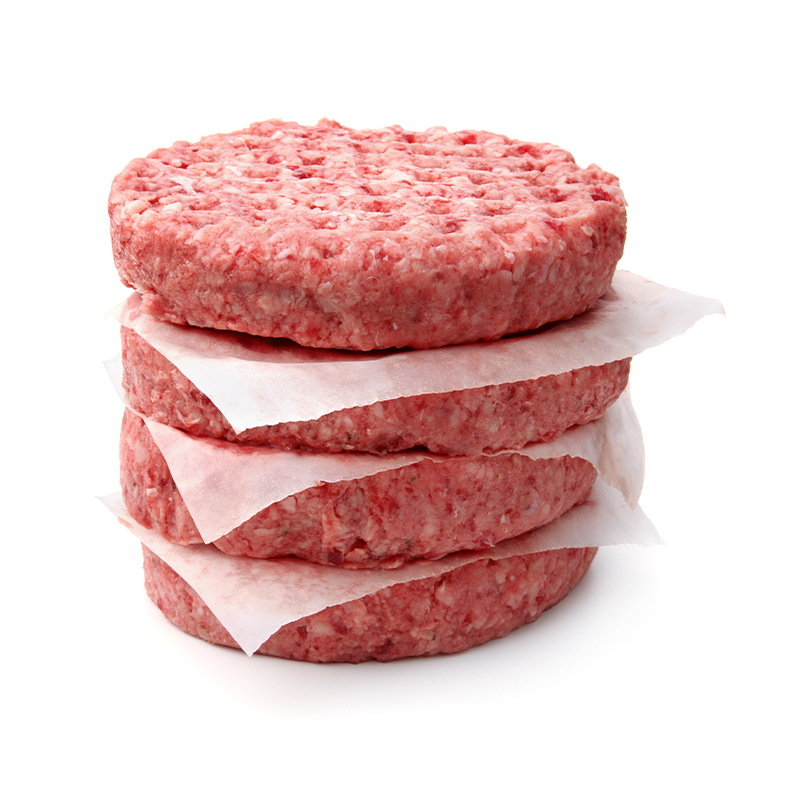
Description: Wax paper is the paper that is coated with food-grade wax in order to make it non-stick and waterproof. wax paper is very good for food storing and presentingMade of food-grade paper and ...
See Details -
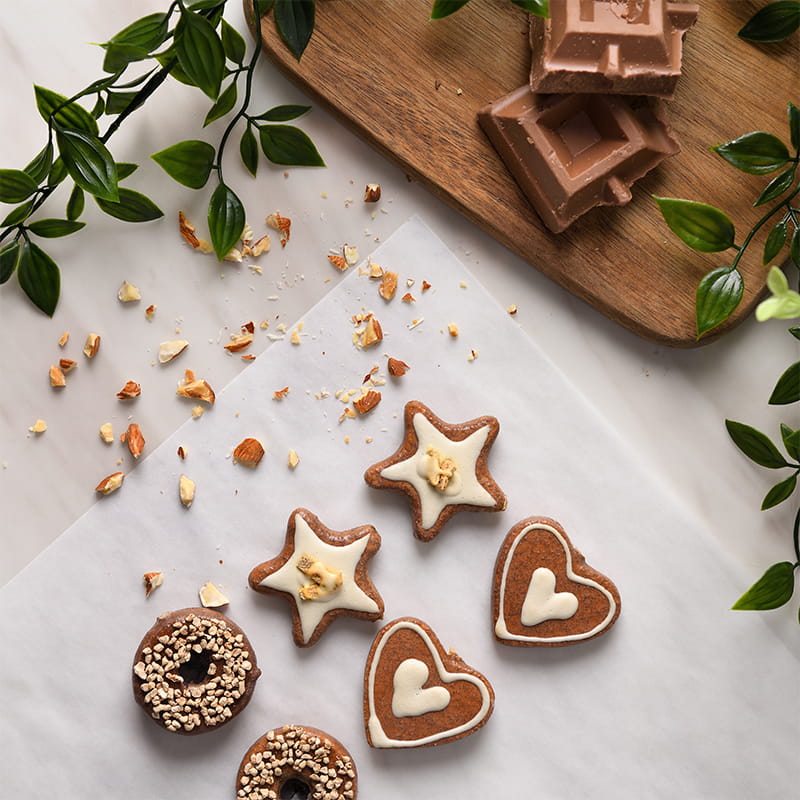
Product Features: 1. Virgin wood pulp 2. Double sides food grade silicone-treated 3. Fluorine-free 4. Non-stick 5. Oven/Microwave safe 6. Freezer safe 7. Reusable 8. BPA f...
See Details -
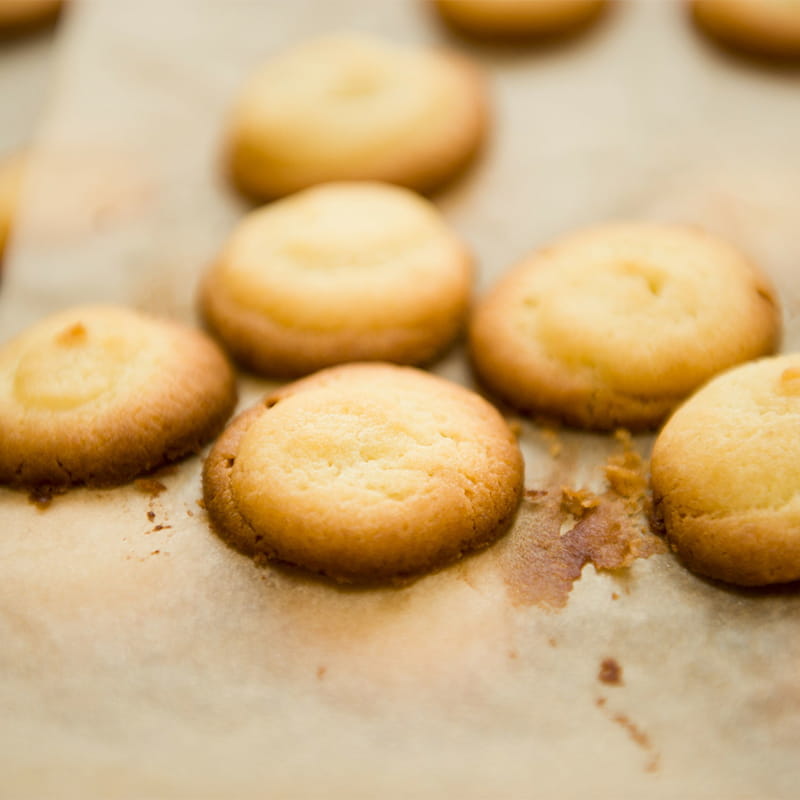
Product Features: 1. Virgin wood pulp 2. Natural unbleached brown color 3. Double sides food grade silicone-treated 4. Fluorine-free 5. Non-stick 6. Oven/Microwave safe 7. Fre...
See Details -
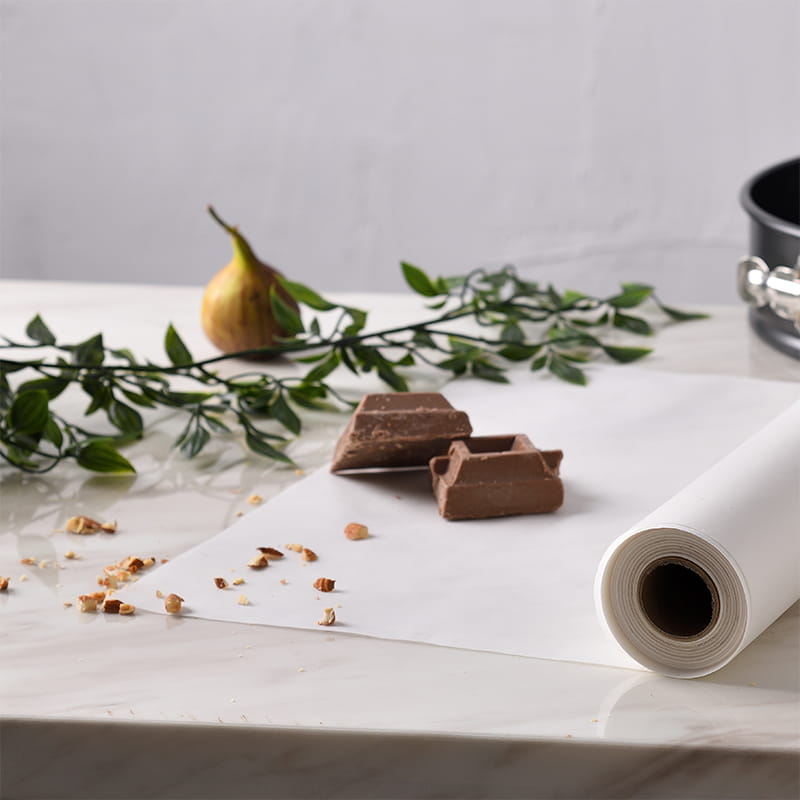
Product Features: 1. Virgin wood pulp 2. Double sides food grade silicone treated 3. Fluorine-free 4. Non-stick 5. Oven/Microwave safe 6. Freezer safe 7. Reusable 8. BPA ...
See Details -
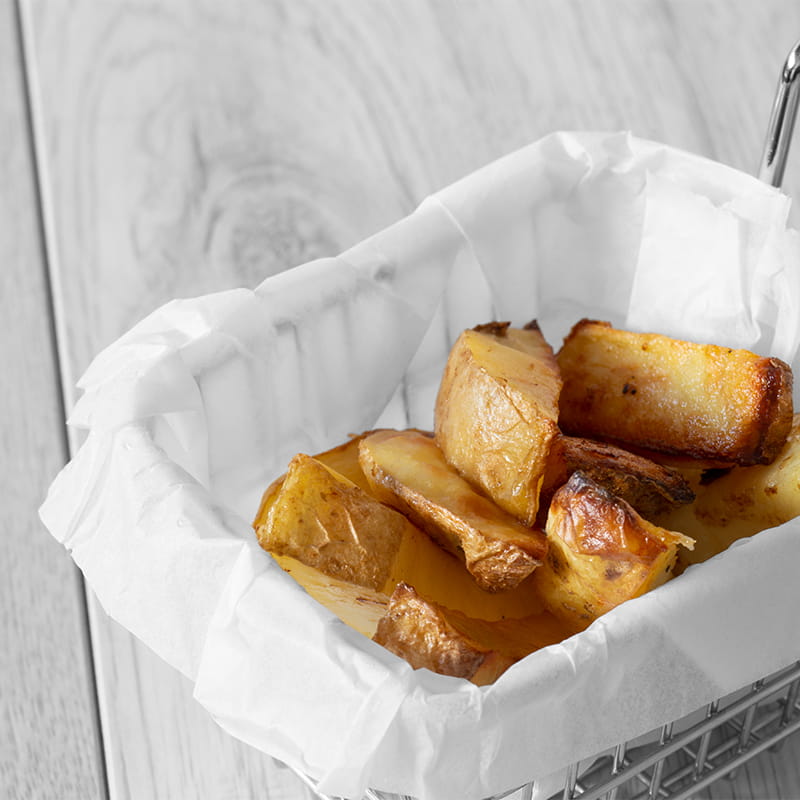
Product Features: 1. Virgin wood pulp 2. Fluorine-free 3. BPA free 4. Biodegradable Product Details: In an era where environmental consciousness and sustainability are paramount, Natu...
See Details -
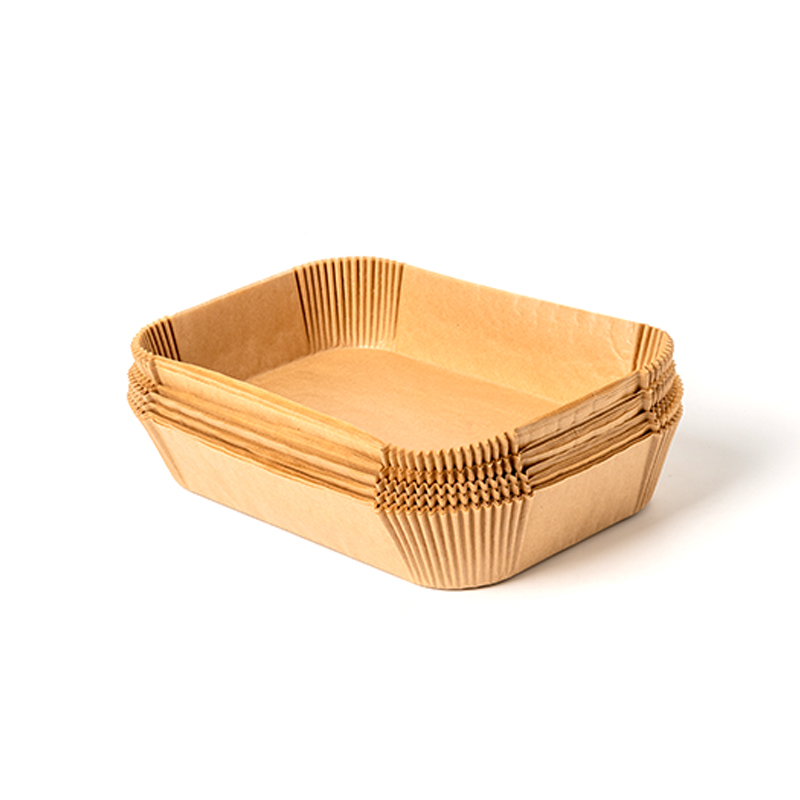
Product Features: 1. Virgin wood pulp 2. Double sides food grade silicone-treated 3. Fluorine-free 4. Non-stick 5. Air fryer basket safe 6. Reusable 7. BPA free 8. Biodeg...
See Details -
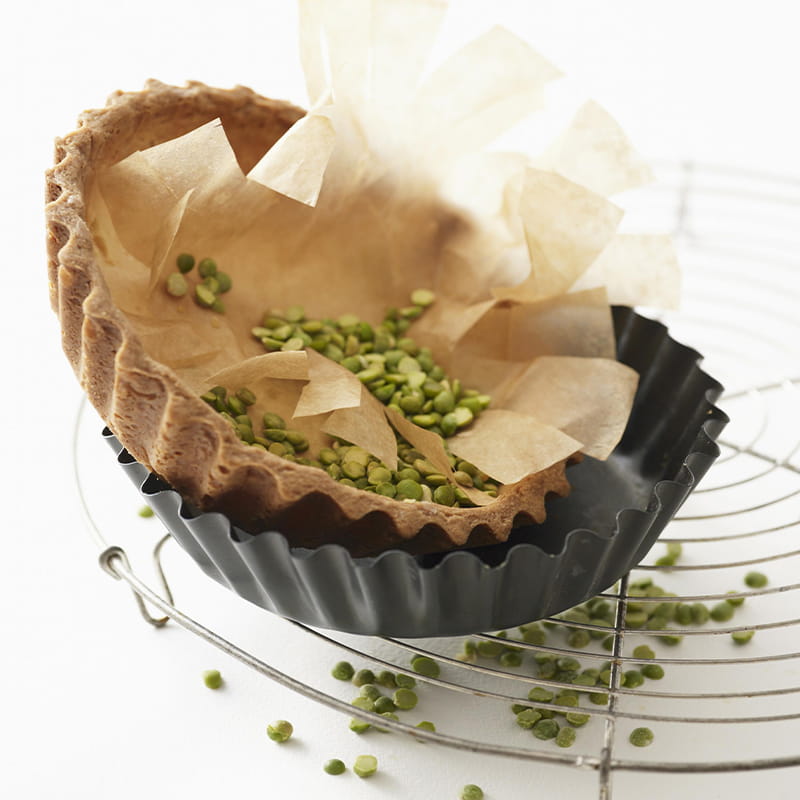
Product Features: 1. Virgin wood pulp 2. Natural unbleached brown color 3. Fluorine-free 4. BPA free 5. Biodegradable Product Details: Introducing our Unbleached Brown Food Grade ...
See Details -
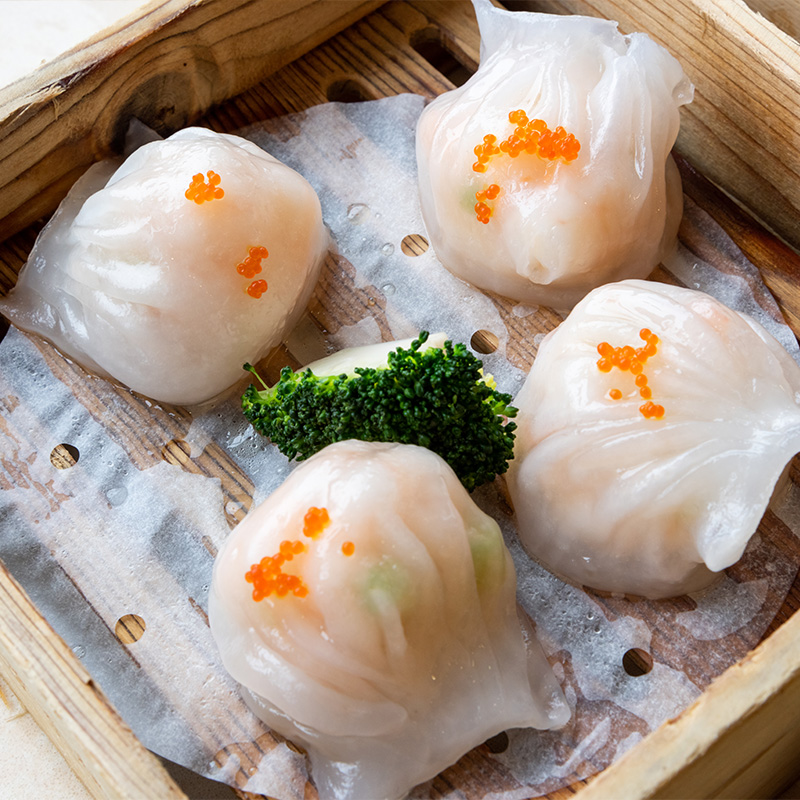
Product Features: 1. Virgin wood pulp 2. Double sides food grade silicone treated 3. Fluorine-free 4. Non-stick 5. Steamer/air fryer basket safe 6. Reusable 7. BPA free 8...
See Details -
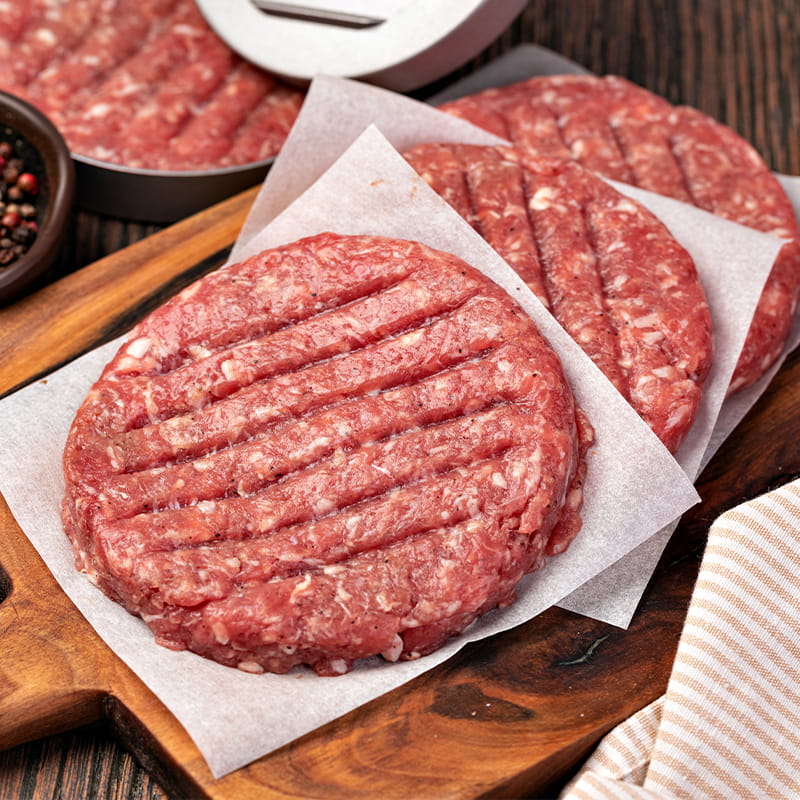
Product Features: 1. Virgin wood pulp 2. Double sides food grade silicone treated 3. Fluorine-free 4. Non-stick 5. Easy to separate 6. Reusable 7. BPA free 8. Biodegradab...
See Details -
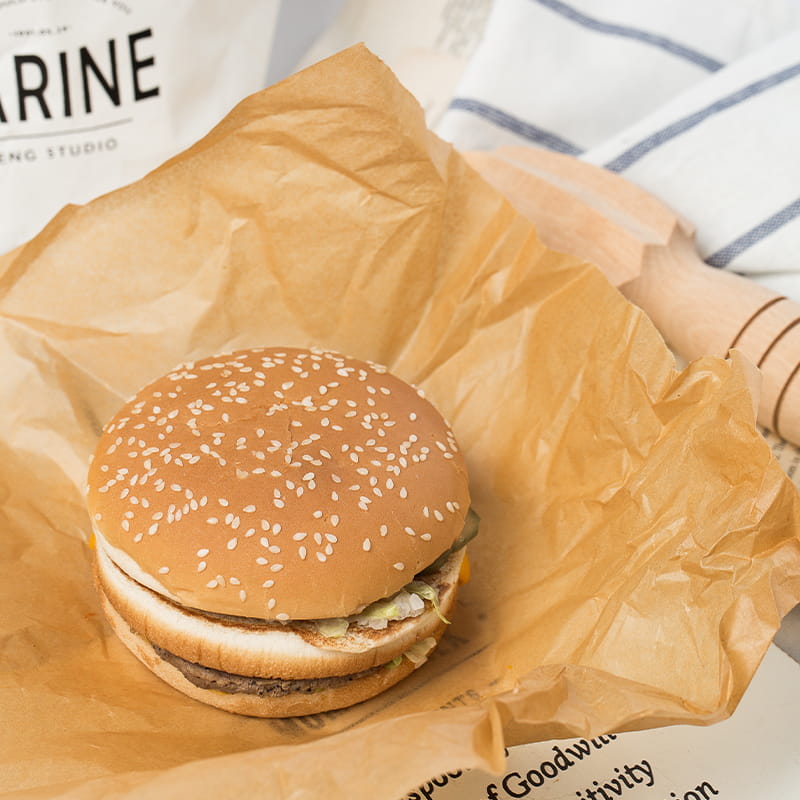
Product Features 1. Virgin wood pulp 2. Flexographic printing 3. Eco-friendly water-based ink 4. BPA free Product Details: Introducing our premium Greaseproof Sandwich Paper Sheets, a...
See Details

Professional Baking Parchment Paper Manufacturer in China with more than 15 years silicone coating experience.
Products
Contact Us
- No.10 Longyin Road, Chengnan Industrial Park,Longyou, Quzhou, China.
- +86-18968091013 / +86-571-88639705
- Avayao-1990@hotmail.com
Copyright © Zhejiang Guanghe New Materials Co., Ltd. All Rights Reserved.
Parchment Paper & Baking Paper Sheets Manufacturer
